Kimchi
Short Cabbage Kimchi Recipe: 30-Minute Kimchi
You can make classic Korean cabbage kimchi from scratch within 30 minutes. Step-by-step instruction will improve your kimchi making skill.
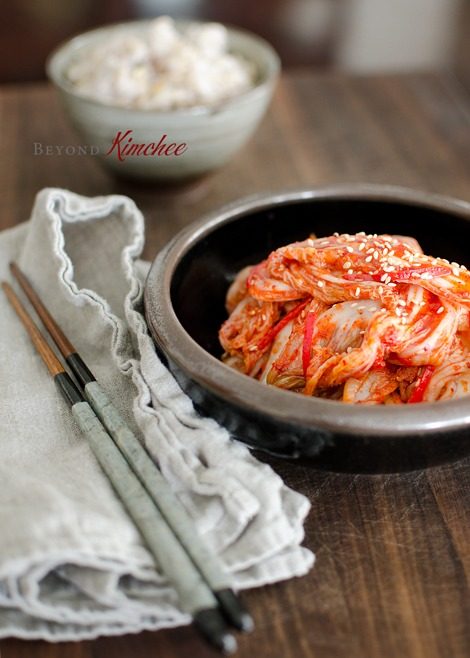
This 30-minute kimchi recipe makes it possible to make classic Korean cabbage kimchi quickly from scratch. It is a gluten-free and savory.
Do you think it is possible to make a batch of cabbage kimchi within 30 minutes from start to finish? This 30-minute kimchi can prove that.
Around this time of the year, we often have a craving of freshly made kimchi. After the winter season of having many dishes made with deeply fermented kimchi, we feel like it is about the time to embrace the spring cabbage and make a batch of fresh kimchi.
Yes, it is possible to make kimchi within 30 minutes all from scratch. We will call it 30 Minute Kimchi.
30-minute Kimchi
Classic old-style cabbage kimchi takes 2 days to make. More simplified version of direct cabbage kimchi takes about 3 hours. Then how can this labor intense kimchi making be done in 30 minutes?
Koreans call this particular type of kimchi, “Gutjeori (겉절이)”, which translates into briefly salted kimchi. However, even the old-style Gutjeori kimchi itself takes at least 1 hour alone to soak the cabbage in salt. But today we are going to share with you a unique way to speed up the soaking process.
You only need 15 minutes of soaking time. 15 minutes!!! Wonderful, isn’t it? We learned this technique from an article we read in Korean newspaper the other day and guess what? It worked! And we are so happy. (You know we are the kind of gal who gets happy with unfussy things in life)
How the dish comes together
1. Cabbage Preparation
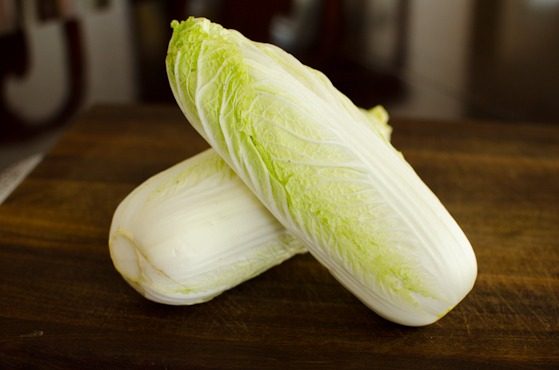
Here are some cabbages. Koreans like to use young napa cabbages for this recipe which yield tenderer and sweeter flavor. They are more yellowish than full grown napa cabbage.
We are using local cabbages here and they seem to be more elongated than Korean origin.
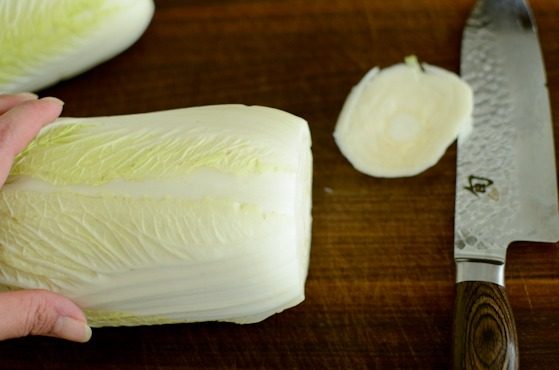
Cut off the stem part of the cabbage.
We like to cut the cabbage leaves vertically this time. For smaller leaves, cut in half.
For bigger leaves, cut into 2-4 sections.
2. Salt Brine
Now, The important part! let’s soak this cabbages in express salt brine. Mix 1/2 cup of Korean sea salt with 5 cups of water.
Bring it to a full boil, stir to dissolve all the salt. Let it cool down just a little, about 5 minutes.
Pour the hot salt brine over the cabbages and stir well.
Using a hot brine will help salt to penetrate into the cabbages faster to withdraw their moisture. It won’t cook the cabbages but creates crispier texture.
Let it sit for 10 minutes!
Turn the cabbages over and let it soak 5 more minutes. That’s it!
And you will see the stem part of cabbage will bend without breaking.
Rinse once and drain thoroughly.
3. Kimchi Filling
Meanwhile let’s work on the kimchi filling.
Combine garlic, ginger, diced onion and pear (or apple) in a blender. Add anchovy sauce and puree all together until smooth.
Pour the onion pear puree in a small mixing bowl and add Korean chili flakes and sugar.
This is plum extract for tea which is our secret ingredient in many Korean dishes, and it is home-made. You provably will have a hard time finding it outside of Korea.
Therefore, disregard this ingredient. You can omit it and your kimchi will still taste good.
Mix all together well.
4. Assembling Kimchi
In a large shallow mixing bowl combine the cabbages and the chili filling. Add sliced fresh red chilies and green onions, too, if you are using.
Toss well with your hand. Make sure you wear a protective glove for your delicate hand.
Take a piece and taste. You can add a little more salt or anchovy sauce if needed. Mine was just steady the way it was. Store this kimchi in the fridge all the time.
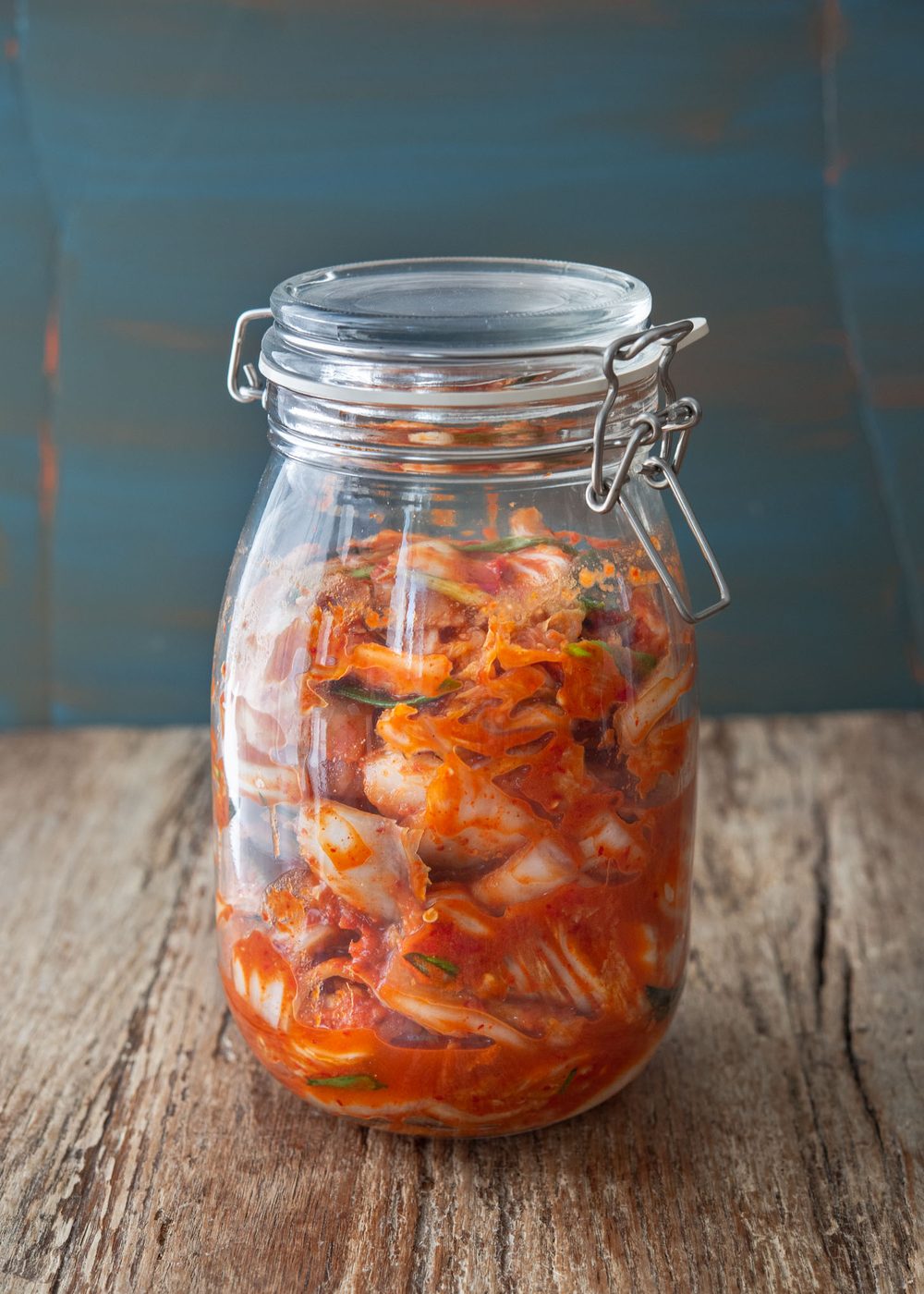
We want to mention that this type of Gutjeori kimchi is meant to be consumed soon, within 10 days if possible. They will go ferment after that but they are not ideal for a long term fermentation.
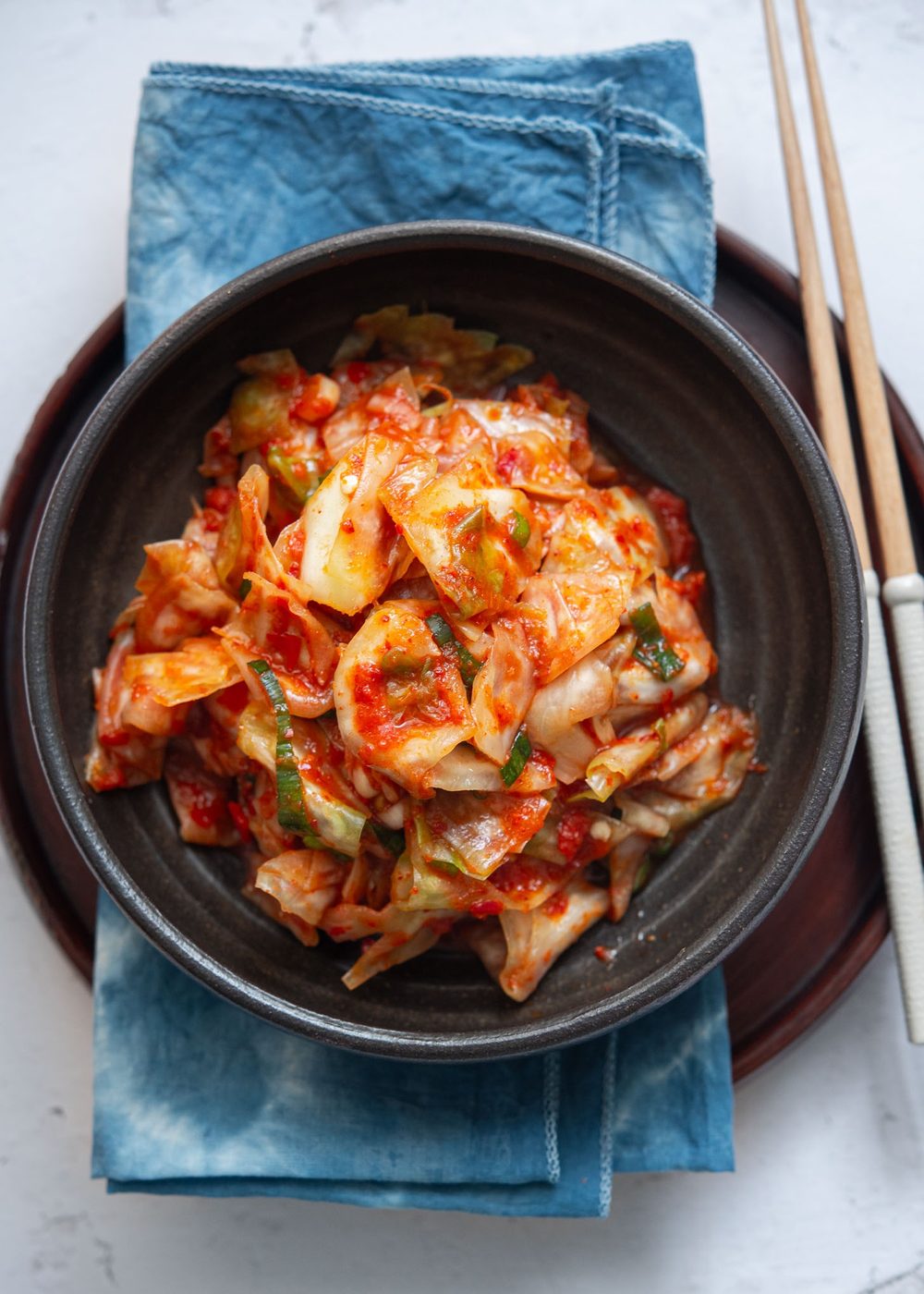
We do LOVE freshly made kimchi over freshly cooked rice. It just reminds us home of our childhood. But this type of kimchi shines a keeper when serve with Korean knife cupt noodle soup called Kalguksu. Such a comforting combination for us.
Well, do you think you can make this kimchi within 30 minutes or so? Would you give it a try? If you do, we would love to hear from you how it turns out.
Kimchi making is fun. Enjoying your labor of love is rewarding. Hope you enjoy this kimchi as much as we did.
- Garlic Chives Kimchi (Buchu Kimchi, 부추김치)
- Cubed Radish Kimchi, Kkakdugi
- Green Onion Kimchi (Pa-Kimchi)
- Direct Green Cabbage Kimchi Recipe
- Nabak Kimchi (Korean Water Kimchi)
- Perilla Leaf Kimchi (Kkaennip Kimchi)
- Turnip Green Kimchi, the Kimchi of Autumn
- Classic Vegan Kimchi Recipe
- Prep: 15 minutes
- Total: 30 minutes
Ingredients
- 3 lb napa cabbage
- 2/3 cup Korean salt
- 6 cups water
- 1 medium onion, diced
- 1/2 Korean pear or 1 sweet apple, peeled, cored, and diced
- 7 clove garlic
- 4 tbsp Korean fish sauce
- 1/2 cup Korean chili flakes (gochugaru)
- 2 tbsp Korean plum extract (maeshil cheong), optional
- 1 inch ginger, peeled
- 1 tbsp sugar
- 1 Asian leek, or 3 green onion, sliced
- 2-3 fresh red chilies, sliced, optional
Method
- Cut off the stem part of cabbage. Cut each cabbage leaf in half or 3-4 section (depends on the size). Place the cabbage leaves in a large mixing bowl.
- Combine salt and water and bring to a full boil and dissolve the salt; cool down for 5 minutes. Pour the salt water over cabbages in mixing bowl. Let it sit for 10 minutes, turn the cabbages over to the other side and continue to soak for 5 more minutes. Rinse once and drain thoroughly.
- Meanwhile make kimchi filling; combine garlic, ginger, onion, pear(or apple), and anchovy sauce in a blender and puree until smooth. Pour the puree in a small mixing bowl. Add Korean chili flakes, sugar, and Koran plum extract( if using); mix well.
- Place drained cabbages in a large shallow mixing bowl. Add the red chilies, green onions (if using), and the kimchi filling. Toss all together to coat evenly. Sprinkle toasted sesame seeds and toss well.
Notes
This kimchi will stay fresh in the fridge for 10 days. Not ideal for a long term fermentation.