Kimchi
Kkaennip Kimchi, or Korean Perilla Leaf Kimchi
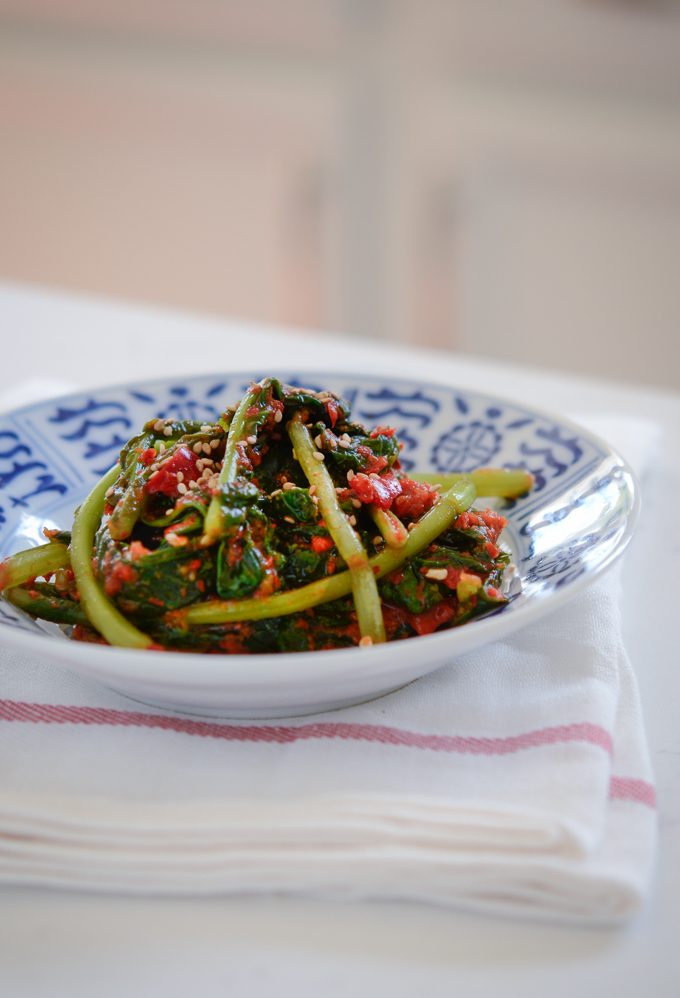
Enjoy the classic taste of Kkaennip Kimchi, also known as Perilla Leaf Kimchi. This Korean summer staple is direct to cook at home and packed with robust flavors. Vegetarian or vegan diet adaptable!
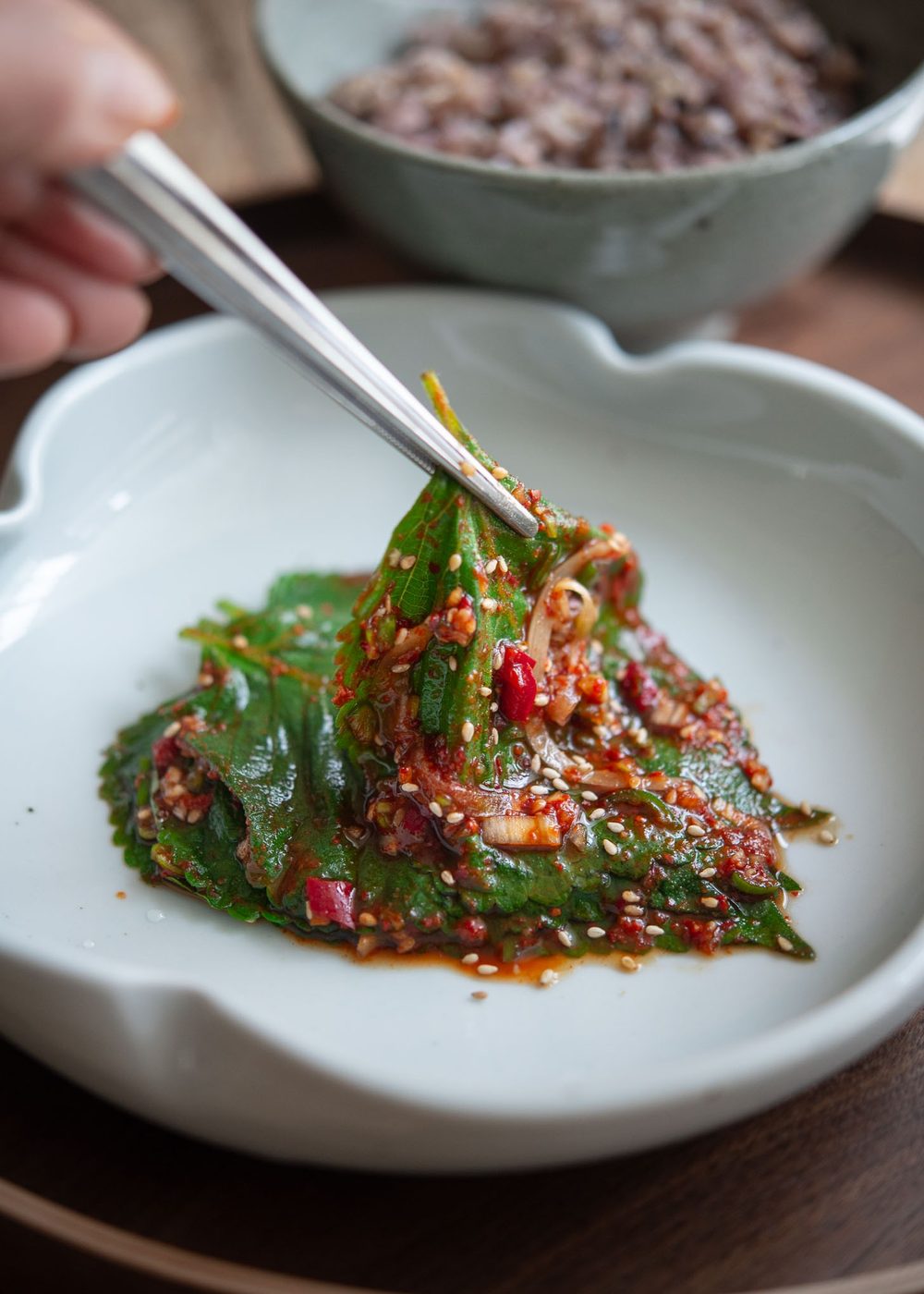
Enjoy the classic taste of Kkaennip Kimchi, also known as Perilla Leaf Kimchi. This Korean summer staple is direct to cook at home and packed with robust flavors. Step-by-step introduction provided. Vegetarian or vegan diet adaptable!
If we had to choose just one type of kimchi to savor all summer long, it would undoubtedly be Perilla Leaf Kimchi, also known as Kkaennip Kimchi in Korea. This aromatic dish is a summer staple and is highly cherished in Korean cuisine.
The unique taste and scent of the perilla herb can be polarizing; it’s a love-it-or-hate-it kind of Korean delicacy. But if you’re adventurous enough to try, give it at least three chances.
Once your palate adjusts and you acquire a taste for it, you’ll find yourself falling in love with both perilla leaves and this specific type of kimchi.
Along with Cucumber Kimchi and Green Onion Kimchi, This Perilla Kimchi is one of the most sought-after summer kimchis in Korea.
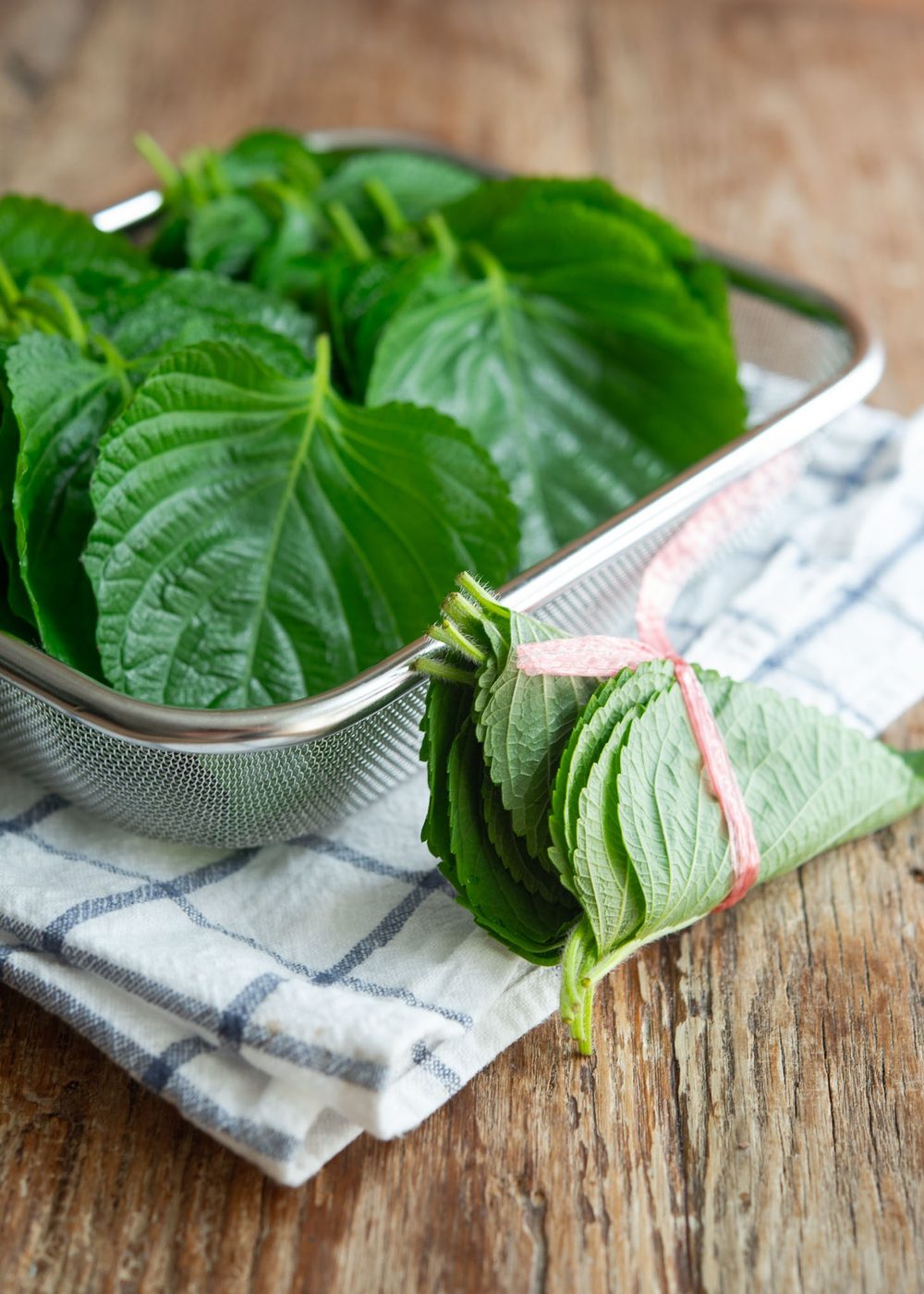
What are Perilla Leaves?
Perilla leaves, also referred to as Kkaennip in Korea, are aromatic herbs harvested from perilla plants, which grow from seeds known as deulkkae (들깨) in Korean. As members of the mint family, they boast a unique aroma that’s a delightful blend of mint and basil. If you’re a fan of basil’s fragrance, you’re likely to fall in love with perilla leaves as well!
Perilla oil (deulgirum, 들기름), extracted from perilla seeds, is also a widely-used essential ingredient in Korean cuisine.
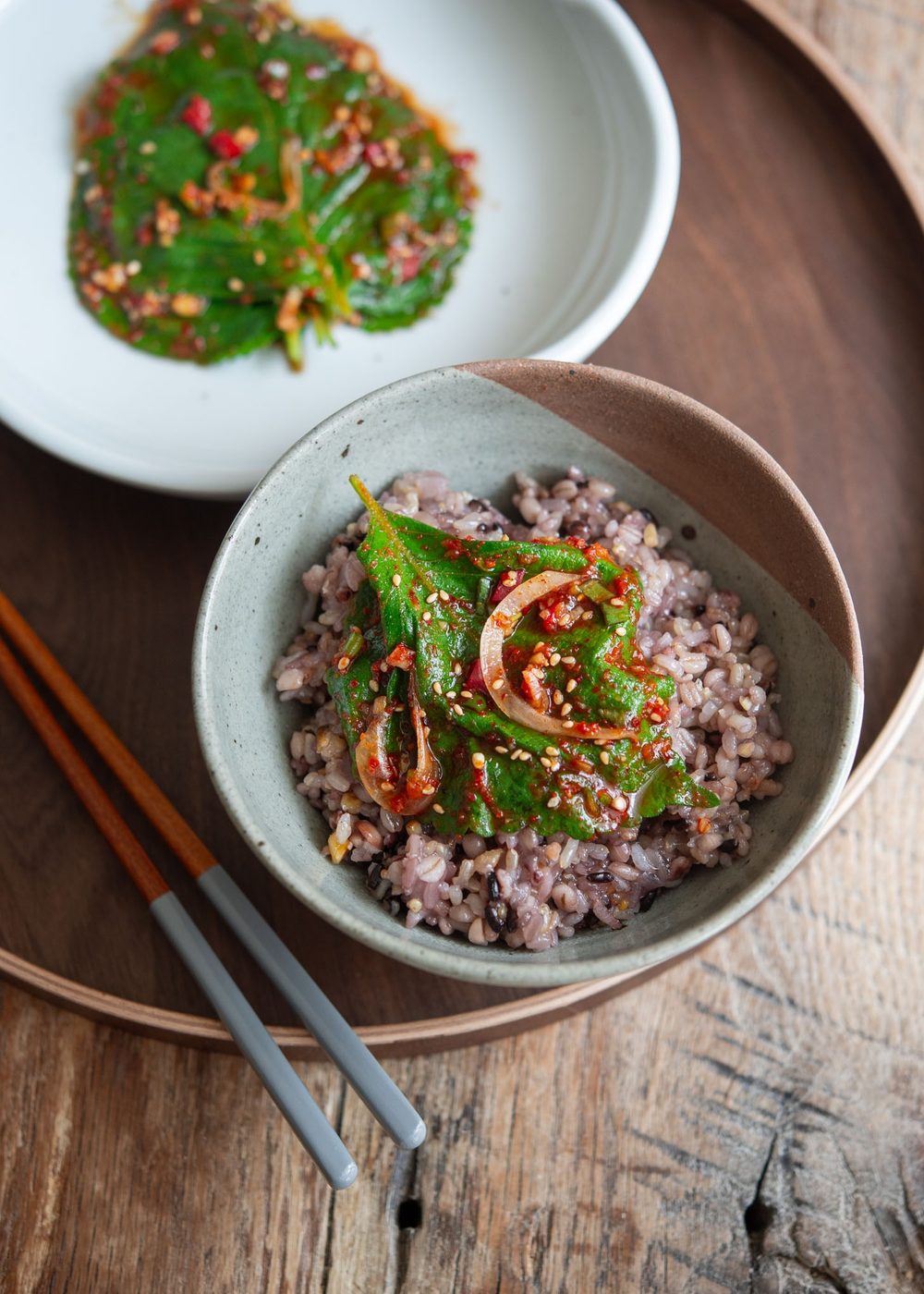
Ingredients Needed
Ready to make your own savory Perilla Kimchi? Here’s what you’ll need:
- Perilla Leaves: The star ingredient, these leaves provide the unique taste and texture that make this kimchi special.
- Anchovy Sauce (Korean Fish Sauce): Used for depth and umami, anchovy sauce is a key flavoring agent in this dish.
- Soy Sauce: Brings out the rich, classic flavors of Korean cuisine.
- Korean Chili Flakes (Gochugaru): To add that signature spicy kick, Korean chili flakes are a must-have.
- Anchovy Stock: Adds umami depth to the taste. Substitute with water if not available
- Fresh Produce: Onion, green onion, garlic, and red & green chili for layered complexity.
Optional Add-ins:
- Korean Plum Extract (Optional): For an added sweetness with a hint of tang. Substitute with sugar if not available
- Sesame Seeds: To add a nutty crunch.
For a Vegetarian or Vegan Option:
Replace the anchovy sauce and anchovy stock with Korean soup soy sauce and water in the recipe.
How the dish comes together
Step 1. Clean Perilla Leaves
- Trim off the extra stem from the leaves.
- Thoroughly clean the perilla leaves by soaking them in water. Use a salad spinner to quickly remove moisture. Set aside.
Step 2. Prepare Seasoning
- Chop fresh produce finely. Slice onion thinly and set aside.
- Mix anchovy sauce, Korean soup soy sauce, chili flakes, optionally sugar, corn syrup, garlic, chilies, and sesame seeds.
- Add 1/4 cup of the cooled anchovy stock (or water) to form a slightly runny paste.
To prepare Anchovy Stock: Simmer dried anchovies in water for 5 minutes. Let it cool.
Step 3. Assemble Kimchi
- Stack 2-3 leaves, spread a tablespoon of seasoning mix on the top leaf. Place thinly sliced onion strips on top.
- Repeat as you stack the leaves together.
Step 6. Transfer to a Storage Container
- Place the assembled leaves in a kimchi container. Add remaining stock to leftover seasoning, mix and pour over leaves.
- Press down with spoon to remove air.
Keeping leftovers
Enjoy it right away or allow it to ferment in the fridge for a day or two to unlock its full umami flavor. After that, keep it refrigerated—it’ll stay fresh for up to a month!
Don’t worry if the leaves wilt over time; that’s completely normal and part of the fermentation process.
Dishes Featuring Kkaennip
Excited to start cooking with perilla leaves? Here are some recipes to get you started:
- Prep: 15 minutes
- Total: 30 minutes
Ingredients
- 70 Perilla leaves, stem trimmed short
- 4 tbsp finely chopped green onion
- 3 tbsp Korean chili flakes (gochugaru)
- 3 tbsp soy sauce
- 2 tbsp Korean anchovy sauce
- 1 tbsp garlic, finely minced
- 2 fresh chilies, finely chopped
- 1/2 cup anchovy stock, or water, divided
- 1 tbsp Korean plum extract (maeshil cheong), or 1/2 tbsp sugar
- 1 tbsp toasted sesame seeds
- 1/4 onion, very thinly sliced
For anchovy stock (optional)
- 4 large dried anchovy
- 1 cup water
Method
- Clean Perilla Leaves: Thoroughly clean the perilla leaves by soaking them in water. Use a salad spinner to quickly remove moisture. Set aside.
- Prepare Seasoning: mix green onion, chili flakes, soy sauce, anchovy sauce, garlic, chilies, Korean plum extract (or sugar) and sesame seeds in a small mixing bowl. Add 1/4 cup of the cooled anchovy stock (or water) to form a runny paste.
- Assemble kimchi: Stack 2 leaves, spread a tablespoon of seasoning on the top leaf. Place 2-3 thinly sliced onion strips. Repeat as you stack the leaves together.
- Store Kimchi: Place the assembled leaves in a kimchi container. Add remaining stock to leftover seasoning, mix and pour over leaves. Press down with a spoon to remove air.
- Enjoy it right away or allow it to ferment in the fridge for a day or two to unlock its full umami flavor. After that, keep it refrigerated—it'll stay fresh for up to a month!
- Simmer dried anchovies in water for 5 minutes. Let it cool and discard the anchovies.
Notes
For a Vegetarian or Vegan Option: Replace the anchovy sauce and anchovy stock with Korean soup soy sauce and water in the recipe.