Kimchi
Stuffed Cucumber Kimchi, or Oi Sobagi
This old-style cucumber kimchi (oi sobagi) is made with crisp cucumbers stuffed with a flavorful mixture of Korean garlic chives, garlic, and gochugaru. The stuffing helps the cucumbers retain their crunch as they…
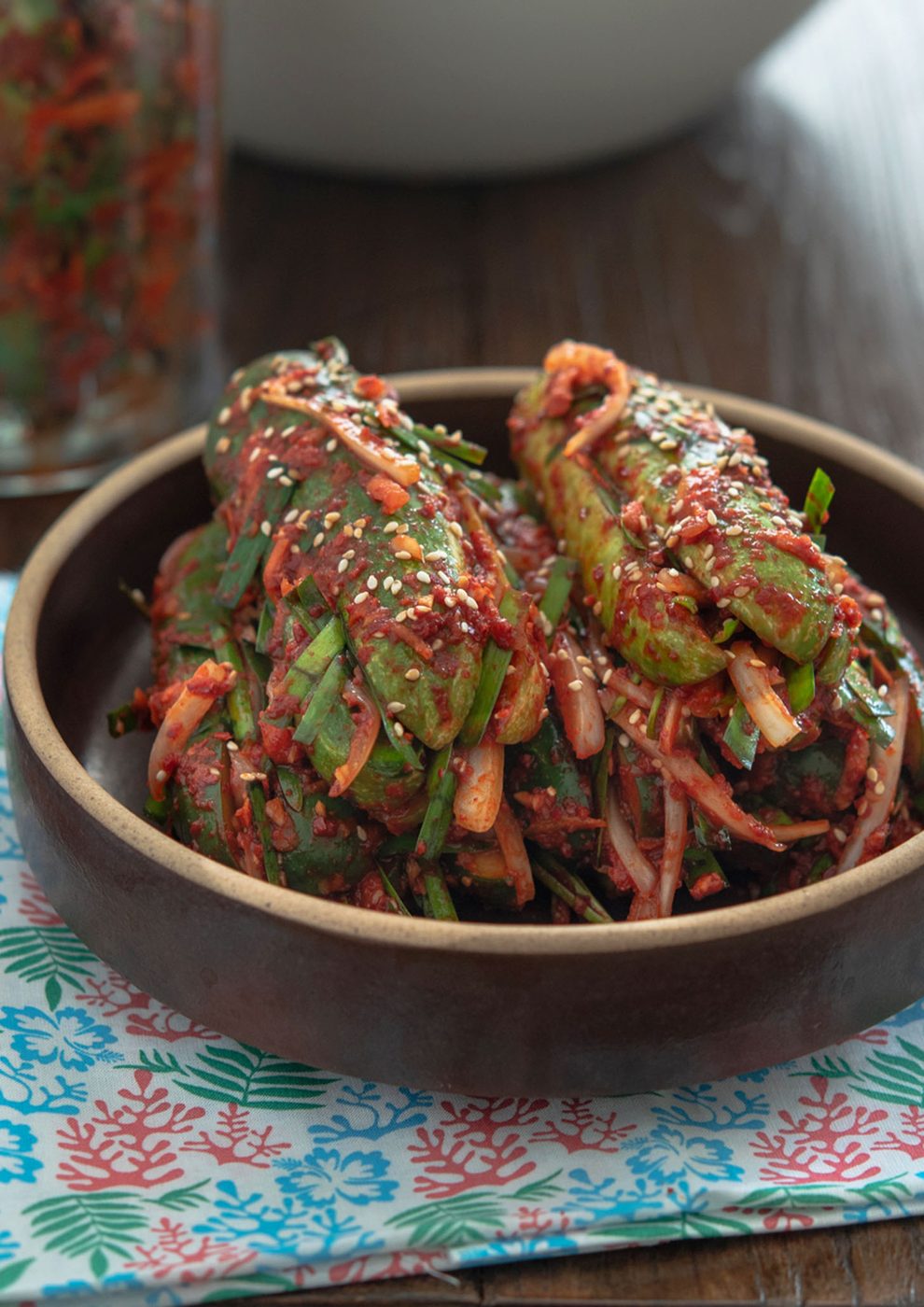
Cucumber Kimchi (Oi Sobagi) is a classic Korean summer kimchi made by stuffing crisp cucumbers with garlic chives, garlic, and Korean chili flakes. This old-style recipe stays crunchy as it ferments and develops the bold, tangy flavor that makes kimchi so irresistible. Serve it as a refreshing Korean side dish with rice, grilled meats, noodles, or your favorite Korean meals.
Every summer, our mom made large batches of oi kimchi (오이김치) known as oi sobagi (오이 소박이) when cucumbers were at their peak. She would line up piles of cucumbers on the kitchen counter, carefully brine them, then stuff each one with a savory mixture of buchu, garlic, and gochugaru. It took time and patience, but it was one of the summer foods we looked forward to most.
We’d eat some fresh on the day she made it, but we always liked it best after it had fermented for a day or two. The cucumbers stayed crisp while the flavor became deeper, tangier, and more complex.
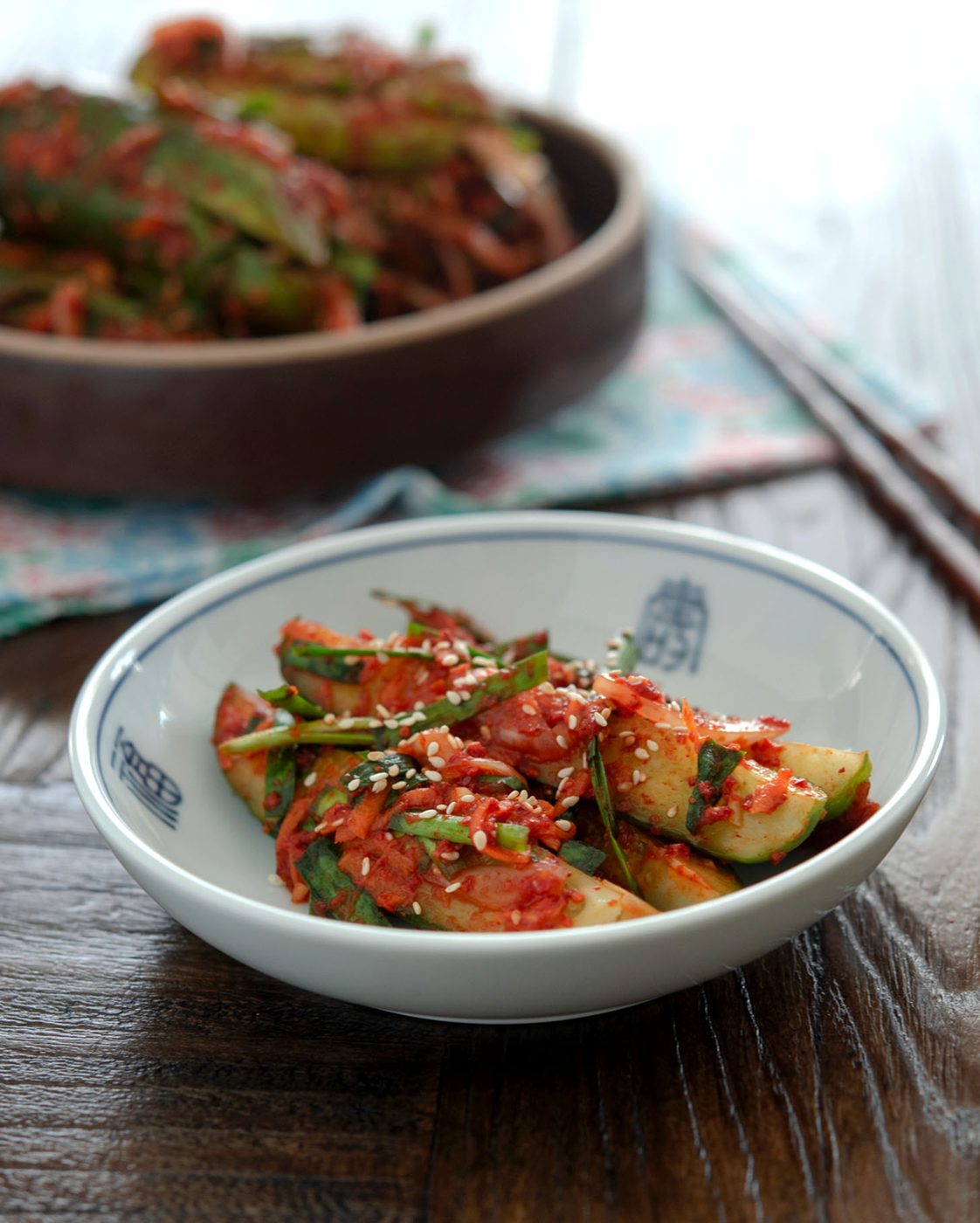 Once fermented, cucumber kimchi is often cut into bite-sized pieces and served as a refreshing Korean side dish alongside rice and other banchan.
Over the years, we've tested faster cucumber kimchi methods that skip the stuffing step, but we always come back to the old-style approach. Our mom was right. Stuffing the cucumbers helps them hold their texture better and creates a more balanced flavor as they ferment.
That’s why this recipe follows the classic oi sobagi method. We've streamlined a few of the steps to make it easier for home cooks, but we still believe the extra few minutes of stuffing are worth it for the texture and flavor.
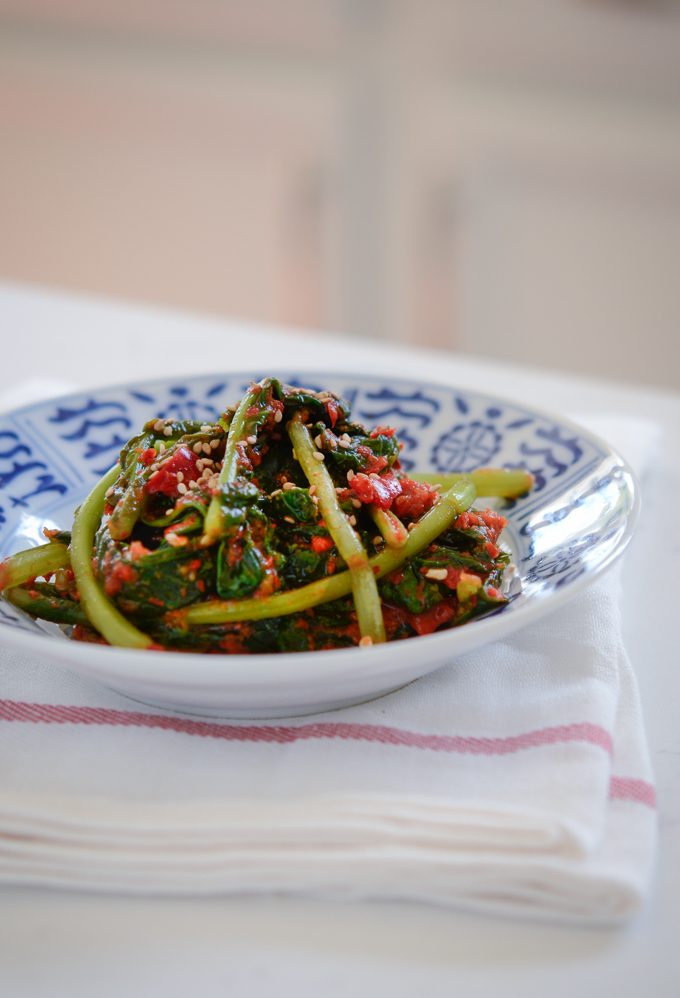
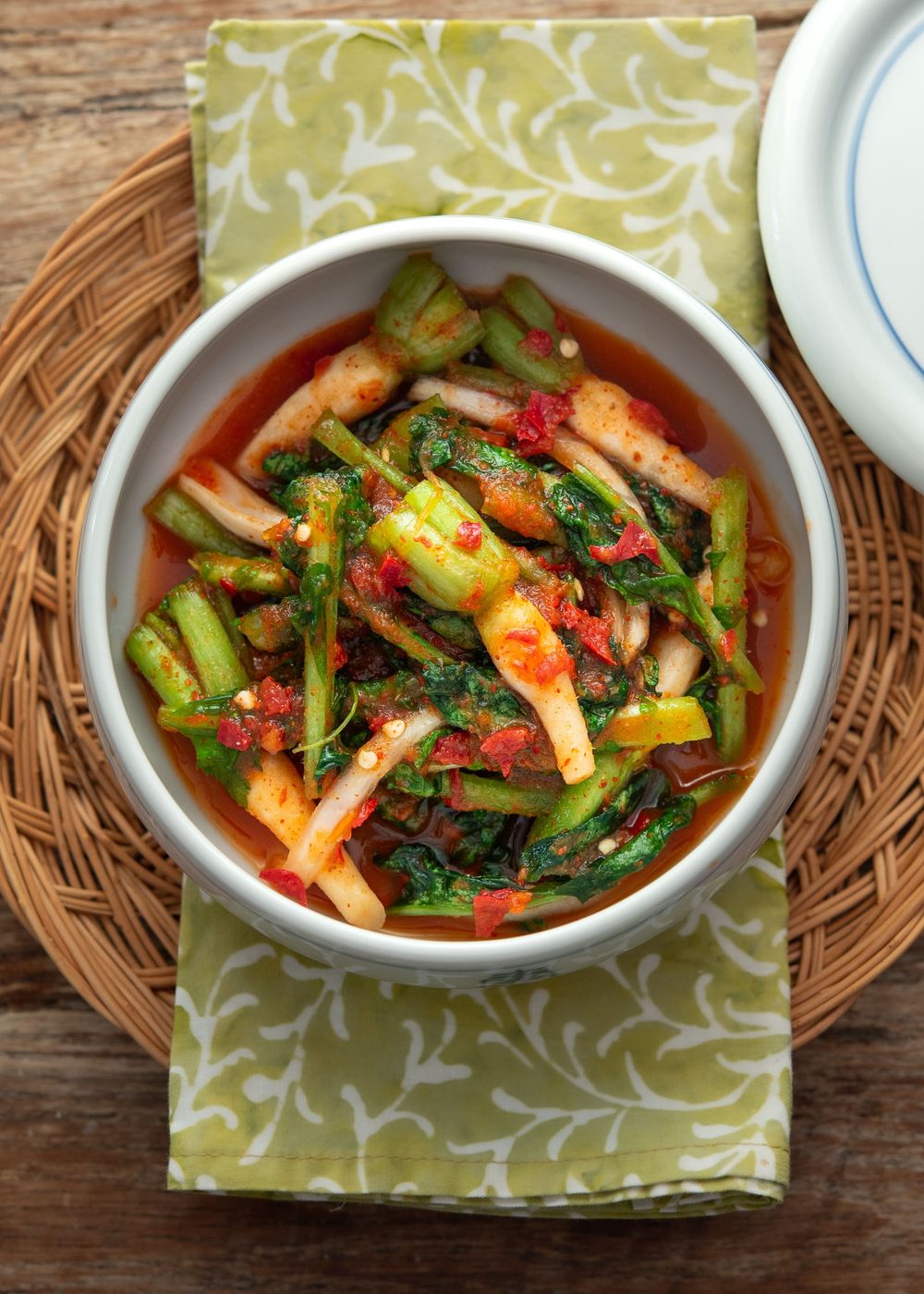
If you enjoy old-style kimchi recipes, be sure to browse our collection of Korean kimchi recipes. For another summer favorite, try our Yeolmu Kimchi made with young radish greens.
Stuffing the cucumbers with seasoned garlic chives helps cucumber kimchi stay crunchy longer as it ferments.Why Oi Sobagi Is Korea’s Favorite Summer Kimchi
Oi Sobagi is one of the most beloved cucumber kimchi recipes in Korea. During the summer months, when cucumbers are abundant and at their peak, many families make cucumber kimchi alongside napa cabbage kimchi or instead of it.
One reason for its popularity is speed. While napa cabbage kimchi often benefits from longer fermentation, cucumber kimchi develops flavor quickly and can be enjoyed the same day or after a short fermentation period. The crunchy texture and refreshing taste make it especially welcome during hot weather.
Another reason is versatility. Oi Sobagi pairs beautifully with grilled meats, rice dishes, noodles, and soups. We especially enjoy it alongside Bulgogi (Korean BBQ), or a bowl of Mul Naengmyeon during the summer.
Best Cucumbers for Cucumber Kimchi
The type of cucumber you use can make a big difference in the final texture of your cucumber kimchi.
- Korean cucumbers: Traditionally used for oi sobagi. Their thin skin, firm flesh, and low seed content help them hold its texture during fermentation.
- Kirby cucumbers: Our preferred substitute and the variety we use most often. Their sturdy texture and low moisture content make them excellent for cucumber kimchi.
- Persian cucumbers: A good alternative if Kirby cucumbers are unavailable. They tend to soften a little faster but still produce good results.
- English cucumbers: Use only as a last resort. Their higher water content and softer flesh can cause them to lose texture more quickly.
Tip: Avoid overripe cucumbers with large seeds or thick waxy skin. They won’t stay as crisp during fermentation.
How the dish comes together
These photos are here to give you a handy visual guide. For exact measurements and detailed steps, head to the full recipe card at the bottom of the post.
1. Brine the Cucumbers:
Cut a cross slit in each cucumber, leaving one end attached. This gives you flaps to hold the filling.
We use a hot salt brine to help the salt penetrate quickly and keep the cucumbers extra crisp.
Brine the cucumbers for 1 hour with a hot salt solution and weight—this keeps them crisp.
2. Make the Filling:
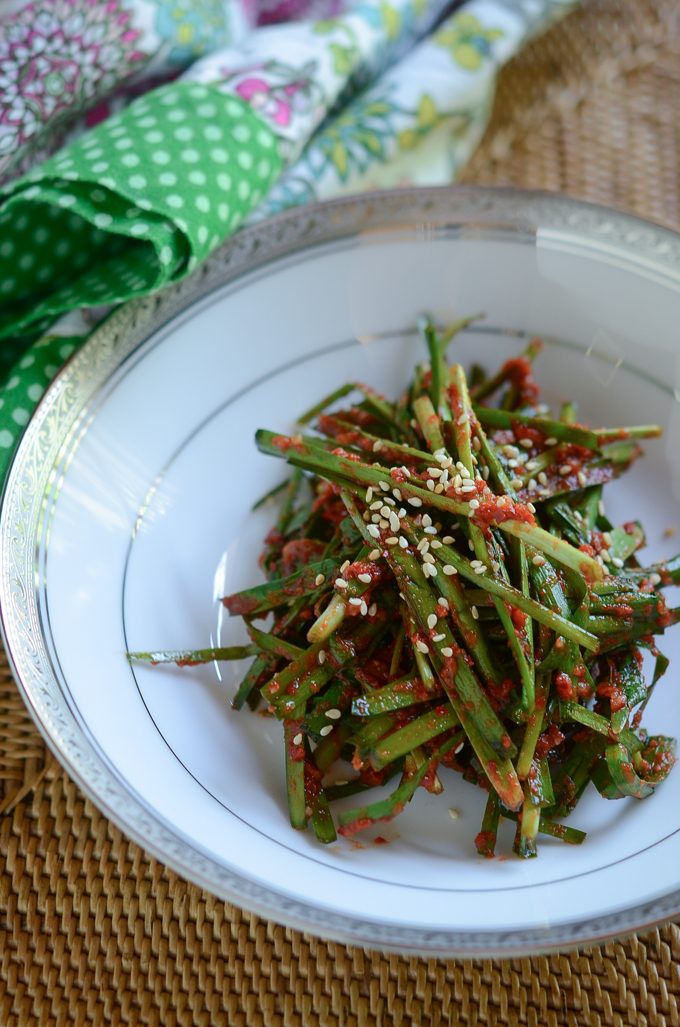
Our go-to filling is a mix of buchu (Korean chives), garlic, gochugaru, and fish sauce. If you don’t have buchu, scallions or even shredded radish work well.
3. Stuff the Cucumbers:
Gently open each cucumber and pack in the filling. Don’t forget to rub a little of the spicy mixture on the outside too. It adds flavor during fermentation.
the cook’s Tip: Wear kitchen gloves when mixing the filling, as gochugaru and garlic can irritate sensitive skin.
4. Pack and Ferment:
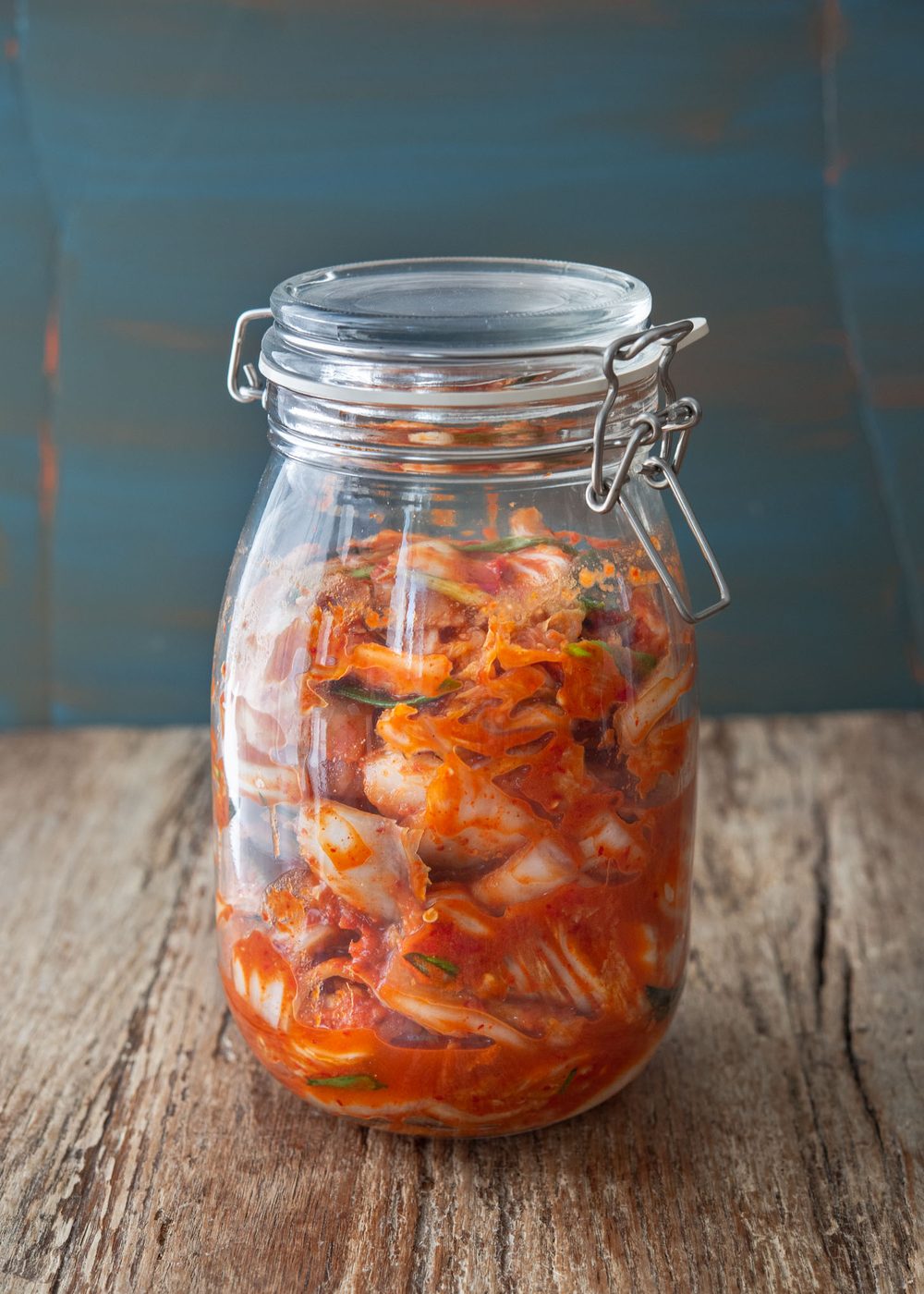
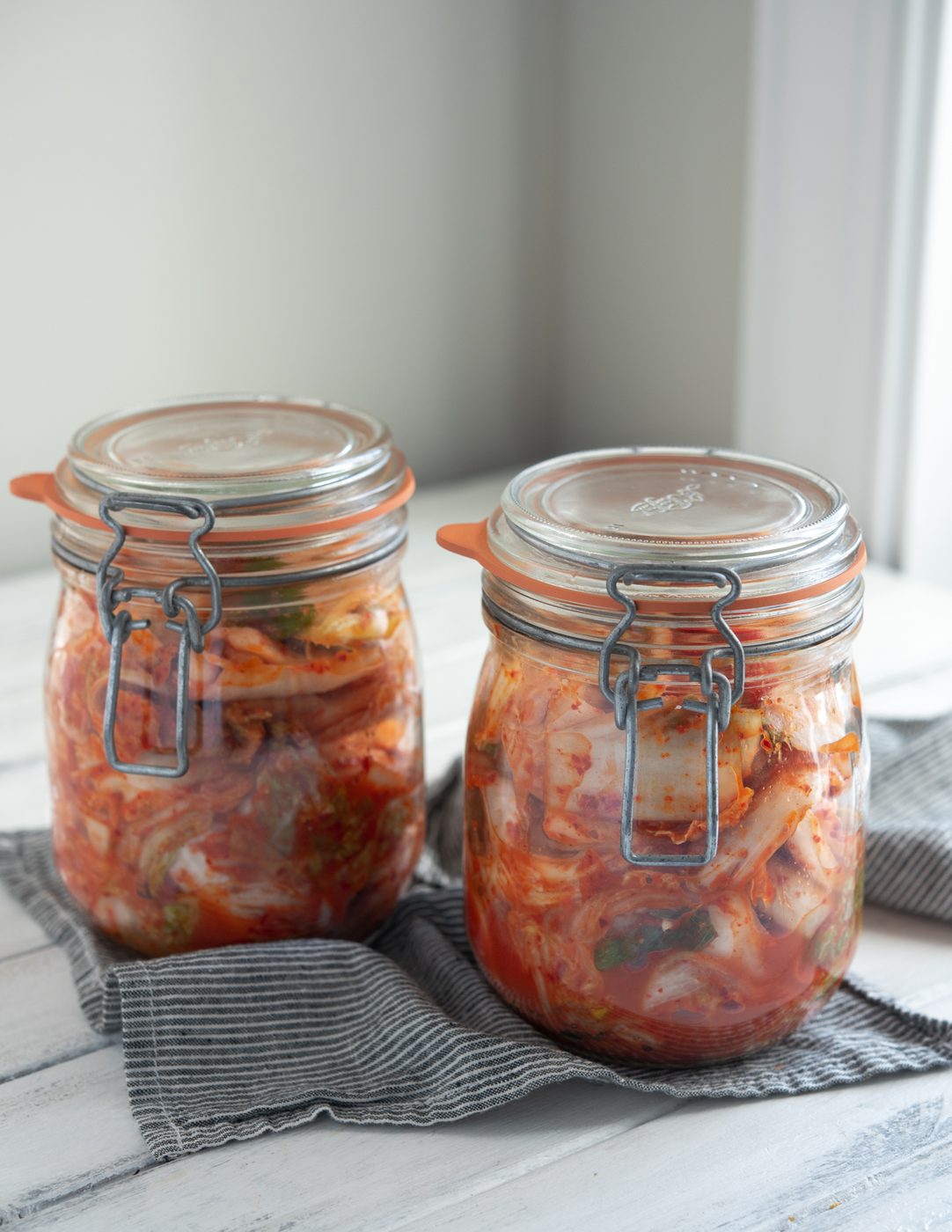
Place the stuffed cucumbers in a container and cover. Leave at room temperature for about a day before refrigerating. It gets better over time, developing a deep, tangy flavor while staying nice and crisp.
Tip: For storage, we prefer glass containers because they don’t absorb odors and are ideal for fermented foods.
Freshly made cucumber kimchi can be enjoyed right away, but a day or two of fermentation deepens the flavor while maintaining its fresh texture.Fresh vs Fermented Cucumber Kimchi
One of a keeper things about oi sobagi is that you can enjoy it at different stages.
Freshly made cucumber kimchi tastes bright, and lightly seasoned. After a day or two of fermentation, the flavors deepen and become tangier while the cucumbers remain pleasantly crunchy.
We usually enjoy some right away and save the rest for later. The slight fermentation adds complexity without sacrificing texture.
Just a short note: Don’t confuse this with oi muchim, the spicy Korean cucumber salad. While they look similar, they’re totally different dishes. Oi kimchi (or Oi sobagi) is a fermented cucumber kimchi, while oi muchim is a short, fresh side dish with no fermentation.
This recipe was originally posted in June 2011. We've updated the recipe with a few changes, new photos, and more information.
- Yield: 12 people
- Prep: 25 minutes
- Total: 1 hour 25 minutes
Ingredients
- 8-10 Kirby cucumbers, 4 English cucumbers or 6 Korean cucumbers
- 8 cup (2 liter) water
- 5 tbsp (75 ml) Korean coarse sea salt
Kimchi Filling
- 1 ½ cup (360 ml) sliced Asian chive, about 1-inch long
- ¼ onion, finely chopped
- ½ cup (120 ml) grated carrot
- 6 tbsp (36 g) Korean chili flakes (gochugaru)
- 5 tbsp (75 ml) Korean anchovy sauce
- 3 cloves garlic, finely minced
- 1 tbsp (15 ml) ginger paste
- 1 tbsp (12 g) sugar
- 1 tbsp (15 ml) Korean plum extract (maeshil cheong), optional
- 1 tbsp (9 g) toasted sesame seeds
- ½ cup (120 ml) water
Method
- Cut through a cucumber in a cross pattern, but leave one end of the cucumber uncut. Put cucumbers in a large mixing bowl.
- Combine water and salt; bring to boil. Pour the boiling salted water over the cucumbers in a mixing bowl. Put a weight on top of the cucumbers so that they stay immersed in the salt brine. Let them sit for 1 hour, then drain.
- To make the kimchi filling, mix together the Asian chives, onion, carrot, Korean chili flakes, Korean anchovy sauce, garlic, ginger puree, sugar, Korean plum extract (optional), sesame seeds, and water in a mixing bowl.
- Stuff the cucumber with the kimchi filling, coating the outside of the cucumber with the filling as well. Stack the stuffed cucumber kimchi in an airtight container and cover.
- Enjoy your cucumber kimchi within a few days for a fresh taste. For a fermented flavor, leave it at room temperature for a day, then refrigerate. It will slowly ferment in the fridge, maintaining its bite. Consume within a month, as this kimchi is not meant for long-term storage.