Soups and stews
Mandu-guk, or Korean Dumpling Soup
Short 15-minute Korean dumpling soup made with frozen mandu simmered in a light, savory broth. Cozy, unfussy, and steady for busy weeknights.
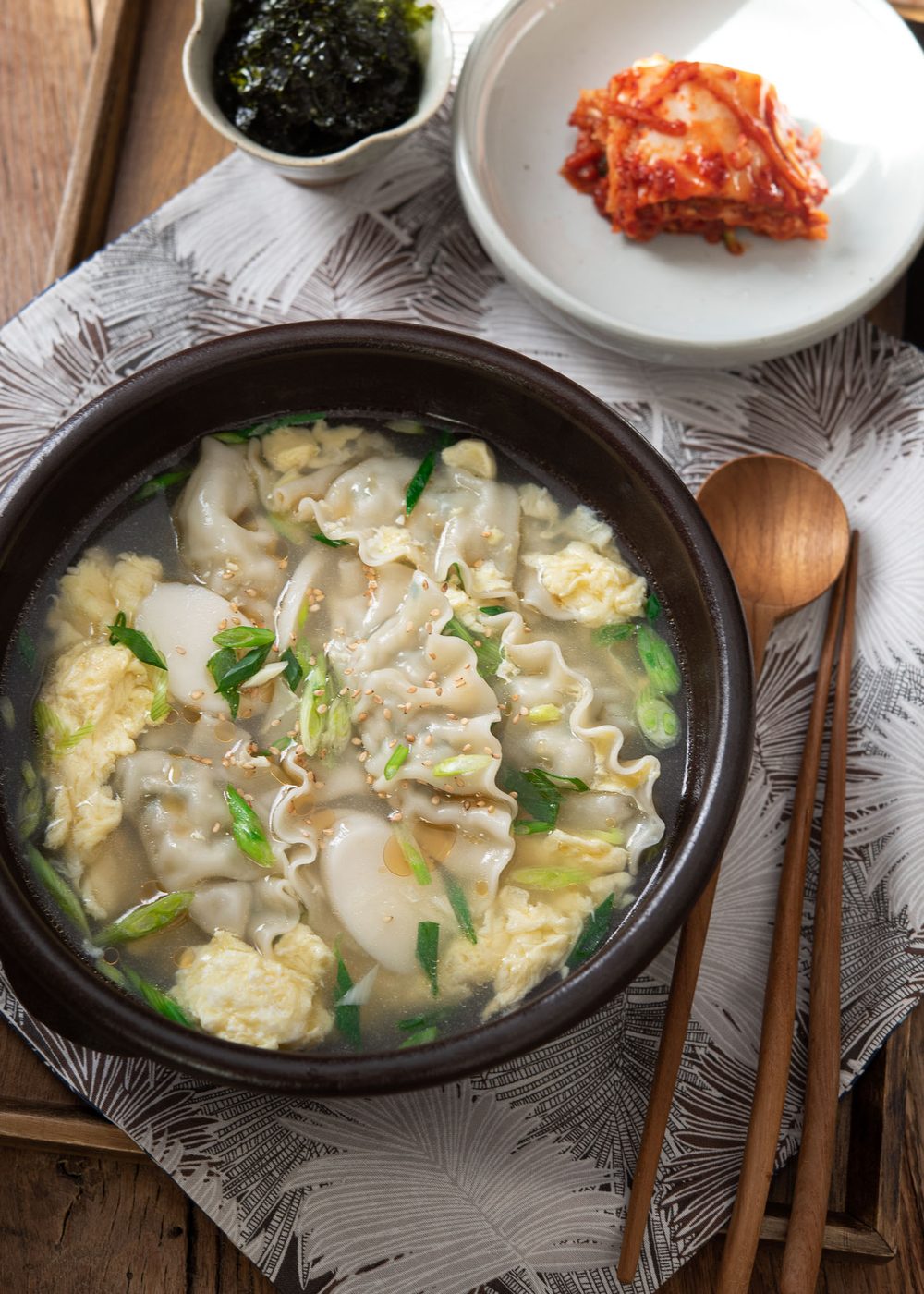
This 15-minute mandu-guk uses frozen dumplings and a light, savory broth for the quickest Korean dumpling soup at home. Cozy, comforting, and steady for busy nights.
When we want something warm and comforting fast, Mandu-guk (만두국) is the soup we reach for. Frozen dumplings simmer into a satisfying bowl in minutes, which is why we always keep a few bags in our freezer.
Even as someone who develops most Korean recipes from scratch, this is the one soup we almost always make the shortcut way—with good frozen dumplings we trust.
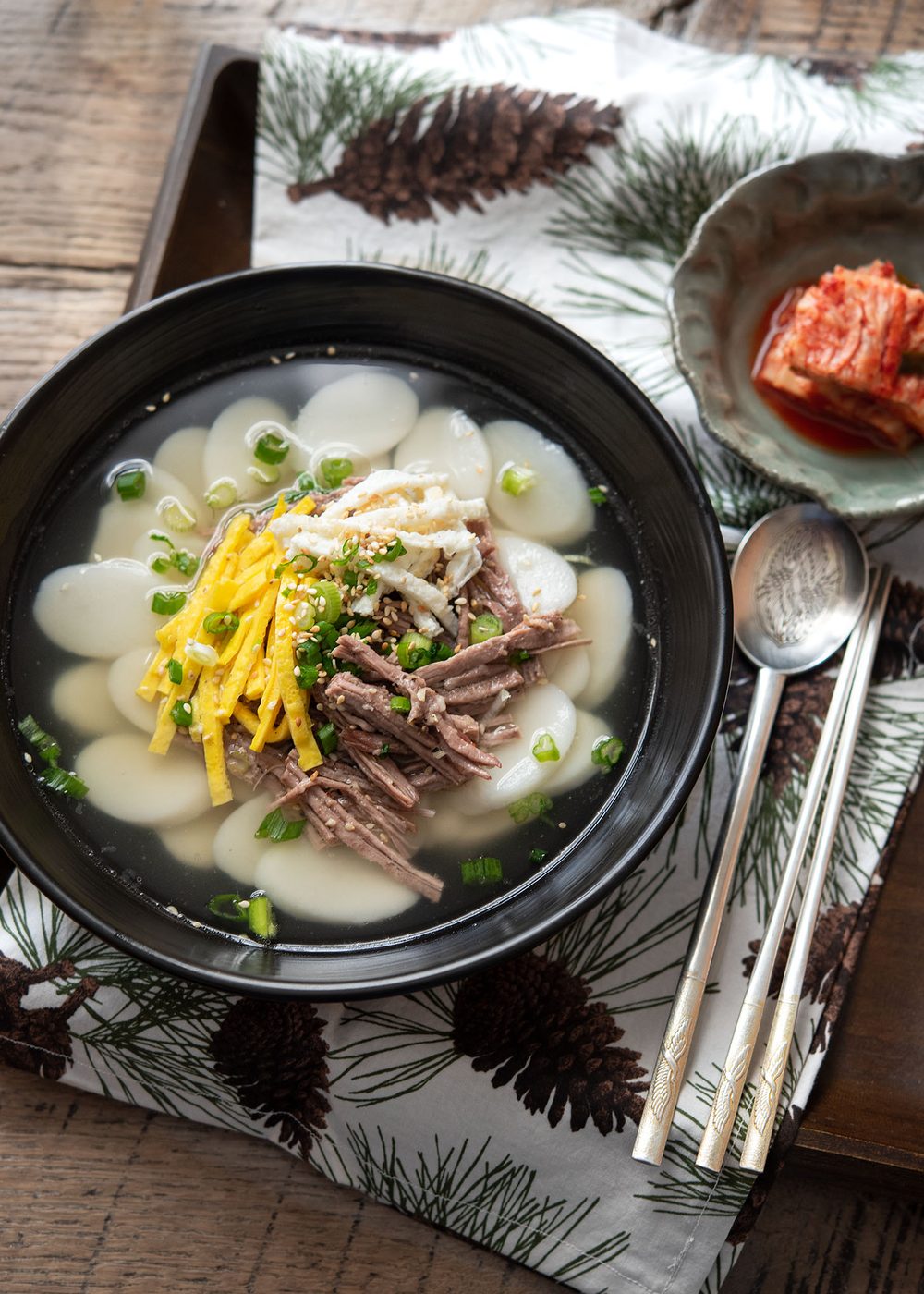
On Korean New Year’s Day, mandu-guk (often made with rice cakes as tteok-mandu-guk) is traditionally served as a lucky, comforting soup to welcome the new year. On those days, we make kitchen-made mandu from scratch and use them in the soup.
Choosing Dumplings for Mandu-guk
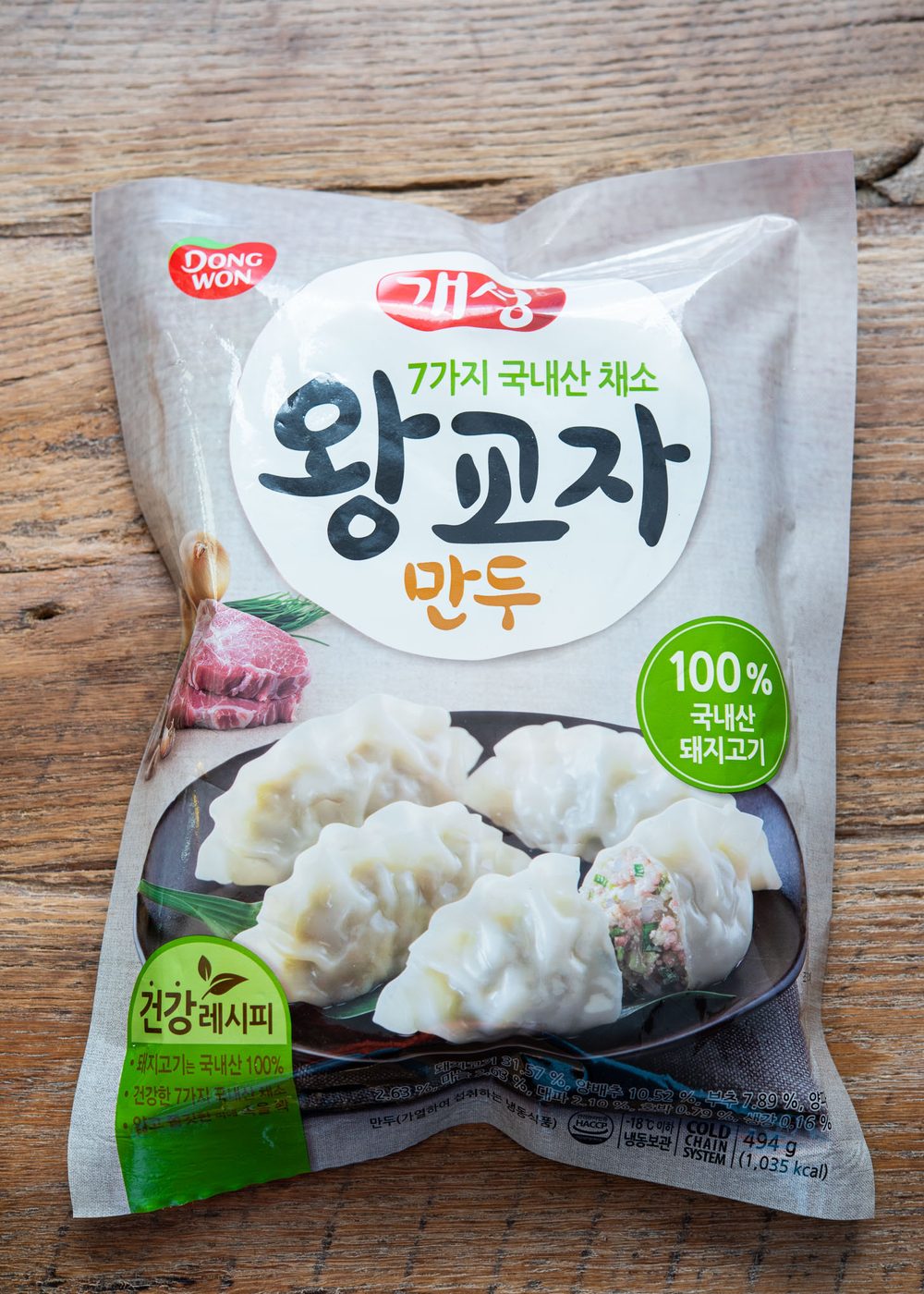
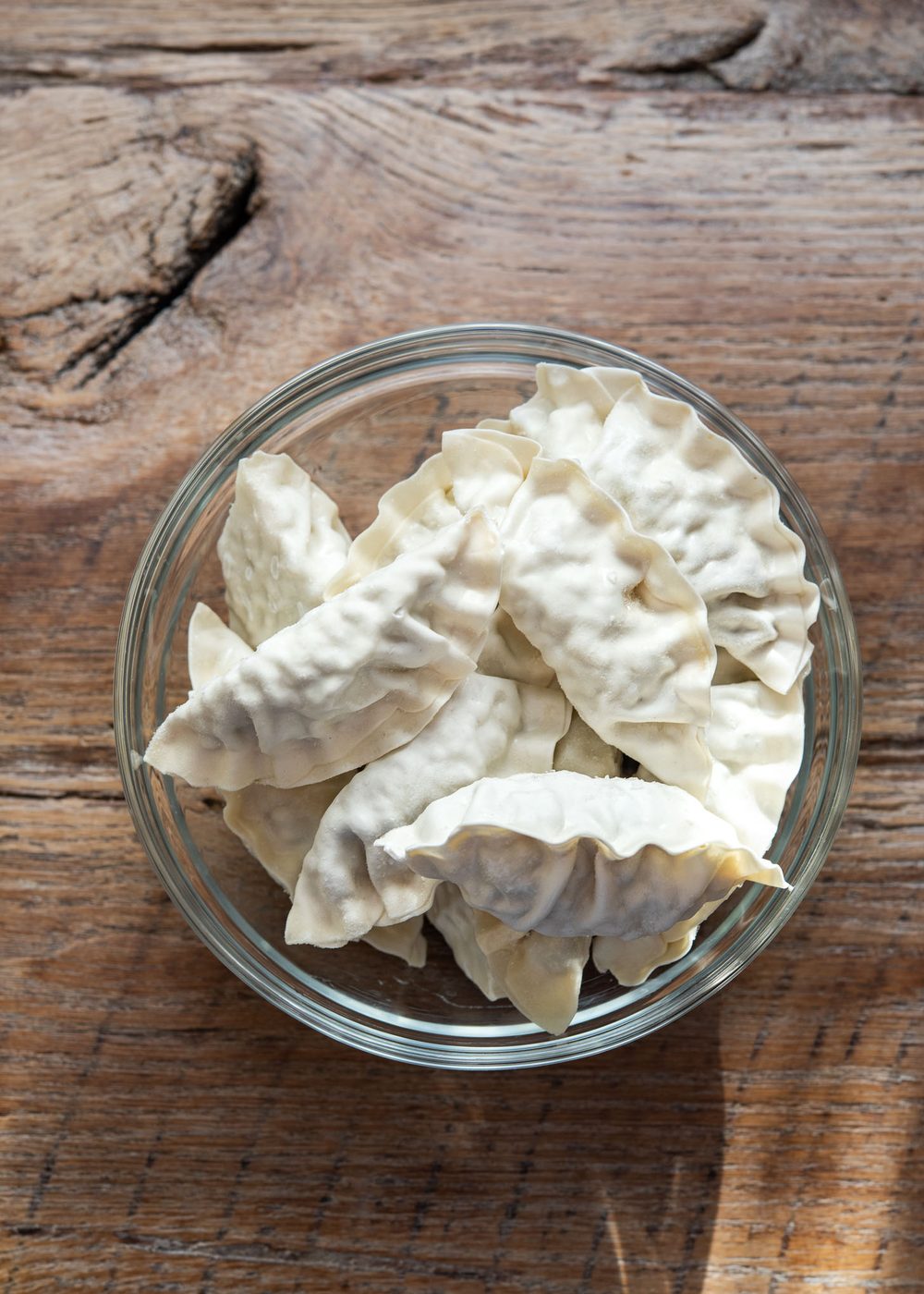
You can use any Korean frozen dumplings you like, but these types work especially well in soup:
- Pork mandu: the most flavorful and sturdy in broth—this is the one we reach for most often
- Kimchi mandu: adds depth with a gentle heat that builds as it simmers
- Shrimp or chicken mandu: lighter and clean-tasting, good when you want a clearer soup
- Vegetable mandu:mild and delicate, best paired with anchovy or chicken broth
If using large mandu, keep the soup at a gentle simmer so the wrappers don’t burst. Smaller crescent-shaped dumplings soften faster and give the soup a more delicate feel.
We often use brands like Bibigo, Pulmuone, or O’Food, which stay firm in broth and cook evenly.
Soup Base Options
Korean dumpling soup works with several broths, and each one changes the personality of the soup:
- Anchovy broth: our default for the cleanest, most old-style flavor
- Beef broth: richer and more savory, especially comforting in winter
- Chicken broth: lighter and beginner-friendly
- Vegetable broth: mild and clean-tasting, best with vegetable or shrimp mandu
- Sagol (ox bone broth): a deeper, fuller-bodied version—less old-style, but satisfying when you want a heavier soup. Packaged beef bone broth is direct to find at Korean grocery stores and online.
Mandu-guk Variations (How we Change It at Home)
Mandu-guk is one of those soups that adapts easily to what you have on hand. Here are a few ways we switch it up depending on the day:
- Tteok-mandu-guk: Add sliced rice cakes along with the dumplings for a heartier, holiday-style soup. This is the version most commonly served on Korean New Year’s Day.
- Kimchi mandu-guk: Use kimchi dumplings and add a spoon of kimchi brine at the end for a gentle, lingering spice.
- Vegetarian mandu-guk: Use vegetable broth with vegetable dumplings for a clean, light version that still feels comforting.
- Spicy mandu-guk: Add a pinch of gochugaru or a drizzle of chili oil just before serving when we want extra warmth.
How the dish comes together
Make the Broth. For a clean, light base, simmer dried anchovies and a small piece of kelp for a few minutes, then strain them out. This short anchovy broth is classic for Mandu-guk, but chicken or beef broth works too — just bring it to a gentle simmer before adding the dumplings.
Add the Dumplings (and Rice Cakes, if using). Add the frozen dumplings straight into the simmering broth. They’ll soften and float as they cook. If you’re adding sliced tteok, put them in now — they take about the same amount of time to turn tender.
Season the soup. Stir in a little garlic and season with Korean soup soy sauce. Soup soy sauce keeps the broth light in color and adds deeper umami than regular soy sauce. Taste and adjust with salt as needed — different dumplings season the broth differently.
Swirl in the Eggs. Beat the eggs with a splash of water (our go-to trick for silkier strands), then drizzle them into the soup in a slow swirl. Give it a light stir and let the eggs set into soft ribbons.
Finish and Serve. Turn off the heat and add green onion, a touch of sesame oil, and black pepper. The sesame oil adds a warm, nutty aroma that makes the whole bowl feel extra cozy.
Keeping leftovers
Mandu-guk is best eaten fresh, but leftovers keep well for up to 2 days in the refrigerator. Reheat gently on the stovetop or in the microwave to prevent the dumplings from breaking. If the dumplings absorb too much broth, add a splash of water or stock to loosen the soup.
A keeper Way to Enjoy Mandu-guk
Serve Mandu-guk in warm bowls and finish with a sprinkle of crumbled roasted seaweed for extra flavor and texture. We always pair this soup with kimchi—our short radish kimchi is especially good here because its crisp, tangy bite balances the soft dumplings beautifully.
- Yield: 2 people
- Cook: 15 minutes
- Total: 15 minutes
Ingredients
- 5 cup (1.2 L) anchovy stock or other stock of your choice, See note below.
- 1 lb (450 g) large Korean dumplings (about 12), or other Asian dumplings
- 1 handful (about 80 g) sliced Korean rice cake rounds, optional
- 2 cloves garlic, finely minced
- 2 eggs
- 1 tbsp (15 ml) Korean soup soy sauce (gukganjang)
- salt, to taste
- 2 tsp (10 ml) sesame oil
- 1 green onion, chopped
- 1/4 cup (4 g) crumbled roasted seaweed sheet, optional
For the anchovy stock
- 5 cup (1.2 L) water
- 10 dried anchovies, cleaned
- 1 piece (about 10 × 10 cm) large dried sea kelp
Method
- To make anchovy stock, combine water with dried anchovies and sea kelp in a soup pot and bring to a boil. Let the stock simmer for 4-5 minutes over low heat. Discard the anchovies and sea kelp.
- Add the dumplings and rice cake rounds, if using. Bring the soup to a boil and then simmer over medium heat until the dumplings are cooked and the rice cakes are soft. The dumplings will float on top when they are fully cooked.
- Add garlic and season the soup with Korean soup soy sauce and salt.
- Beat eggs with 1 tablespoon of water in a bowl and slowly add to the soup in a swirling motion. Gently stir the eggs, just a couple of gentle stirs. Let the heat of the soup cook the eggs.
- Turn off the heat, and add sesame oil and green onion to garnish. Sprinkle with black pepper to your taste. Divide the soup into serving bowls. Serve the soup hot with kimchi on the side. As an option, we recommend that you serve the soup topped with crumbled roasted seaweed.
Notes
Other soup base options: You can use anchovy, beef, chicken, vegetable, or bone broth for this soup. Anchovy broth is the most old-style.