Soups and stews
Korean Noodle Soup: Janchi Guksu
A light and comforting Korean noodle soup made with somyeon noodles in a clean anchovy broth. Unfussy, homey, and ready in minutes — a refreshing everyday bowl that always hits the spot.
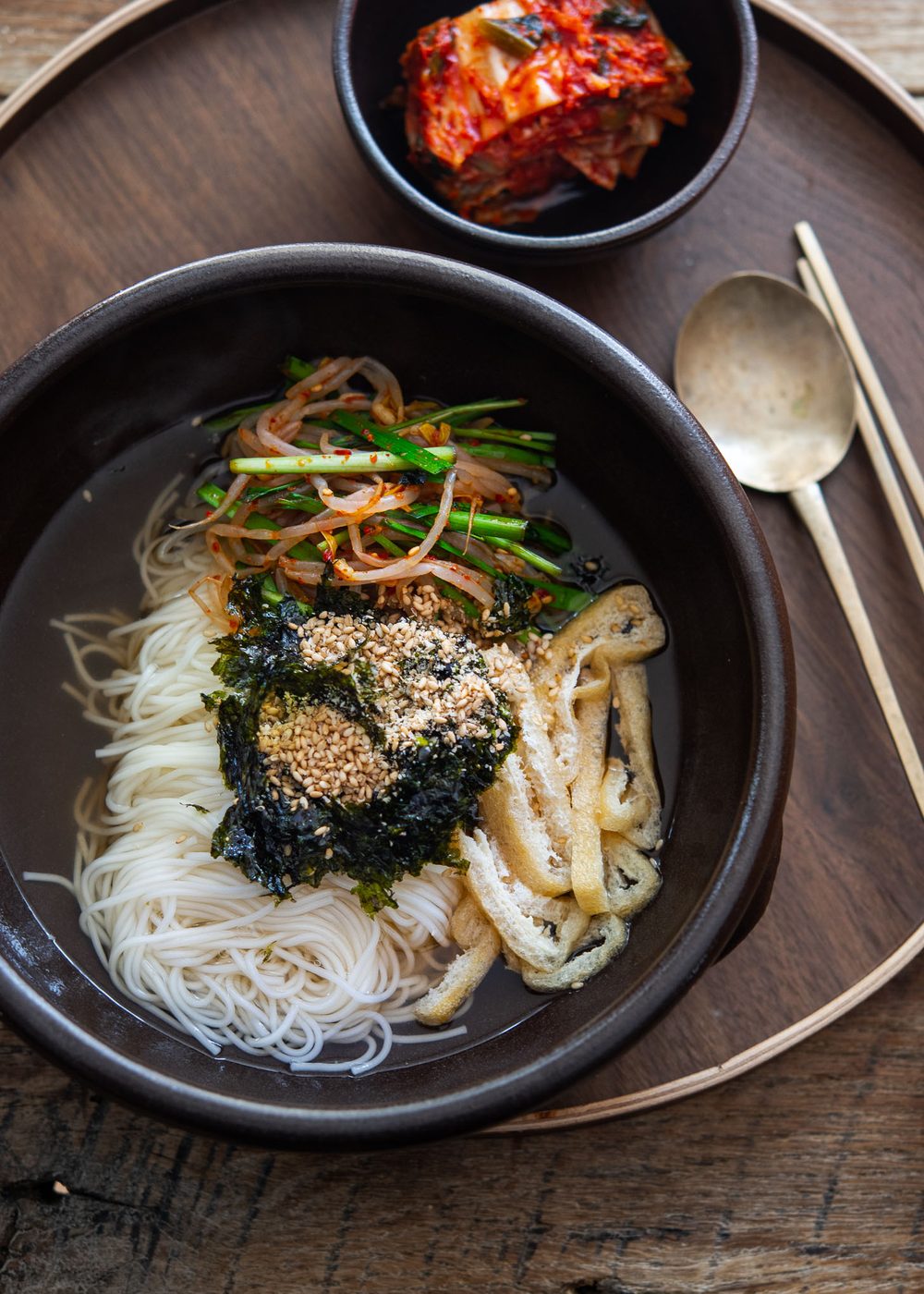
Janchi guksu is a light and comforting Korean noodle soup made with somyeon noodles in a clean, savory anchovy broth. It’s unfussy, homey, and ready in minutes — the kind of everyday Korean dish that feels refreshing and cozy all at once.
Janchi guksu (잔치국수) is often called “banquet noodles” in Korea because it’s traditionally served at weddings and celebrations, but at home it’s simply a light, comforting noodle soup. We'll admit, though — the classic toppings never excited us much. The usual egg strips and a few vegetables were fine, just not memorable.
That changed after a trip to Korea’s eastern province of Gangwon-do, where a tiny mom-and-pop restaurant served a version we still think about. Their janchi guksu came with seasoned mung bean sprouts, Asian chives, crispy tofu, and a generous spoon of crushed sesame seeds over a clean, savory anchovy broth. Unfussy, but unforgettable.
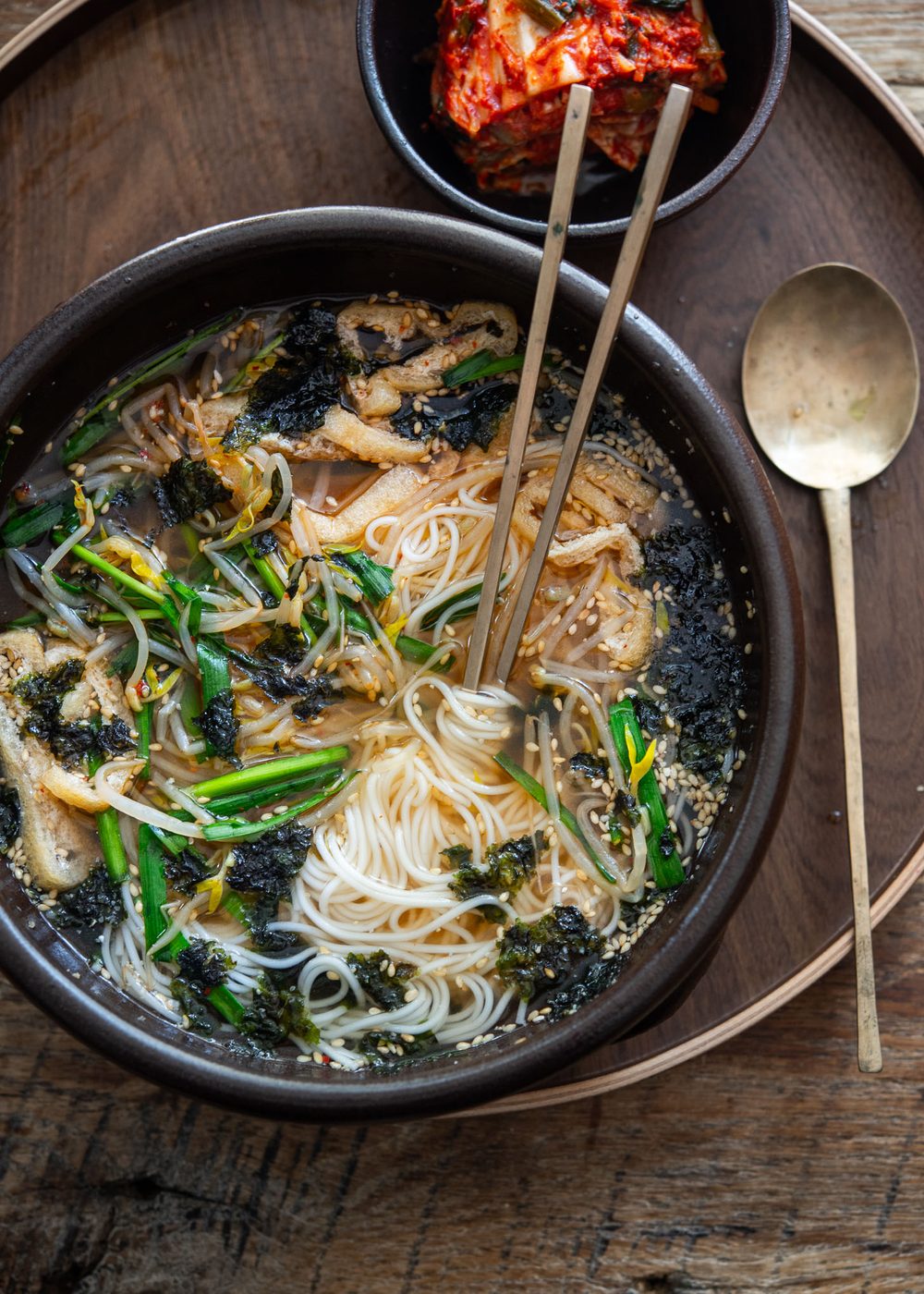
This recipe is our take on that bowl. Still short, still homey, but with better texture, deeper umami, and a little more personality in every bite. This style reminds us of the unfussy Gangwon-do noodles like makguksu, another regional favorite with a completely different flavor profile. We think you’ll love it just as much.
If you love light Korean noodle soups, you might also enjoy our kalguksu, another clean broth-based favorite that’s direct to cook on a weeknight.
Our Go-To Ingredients for Janchi Guksu
Broth
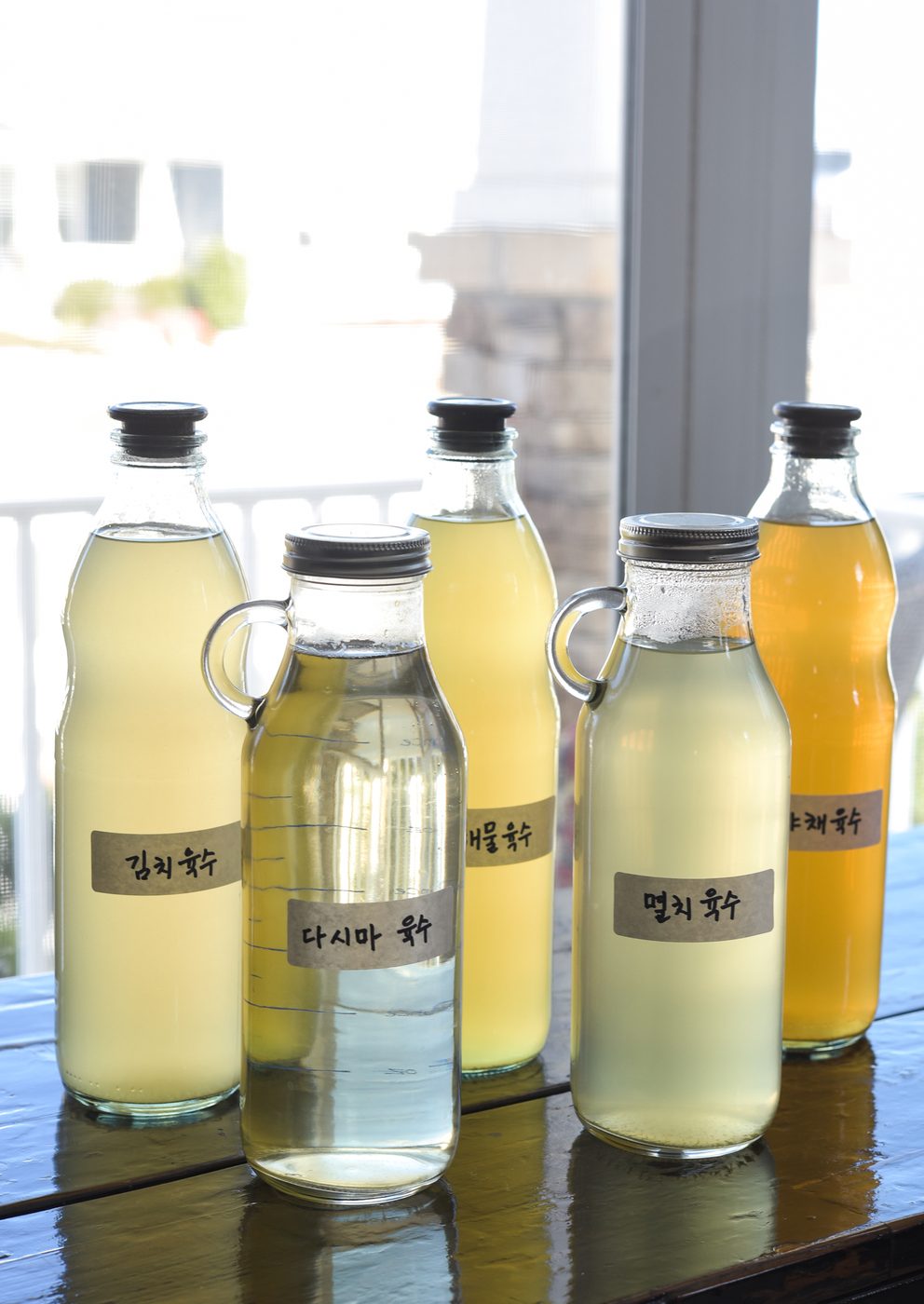
The broth makes the biggest difference in janchi guksu. On busy days, we use Korean soup stock packets , but when we have a little more time, an anchovy–kelp broth gives the cleanest, most old-style flavor. Use dried anchovies with the heads and guts removed, plus a small piece of kelp, and simmer gently for a light, savory base.
If you prefer a different style, beef, chicken, or vegetable broth will still work. For a vegetarian version, dried shiitake mushrooms and kelp create a surprisingly deep, umami-rich stock.
Noodles
Janchi guksu is made with thin wheat noodles called somyeon. They cook quickly and turn silky in the broth — just be sure to rinse them in cold water after boiling to stop the cooking and keep the texture springy. If somyeon isn’t available, Japanese somen is a steady substitute.
Toppings
Our favorite way to finish this noodle soup is with blanched mung bean sprouts, fresh Asian chives, and crispy tofu (yubu). The sprouts add a clean crunch, the chives brighten the bowl, and the tofu brings a satisfying richness.
You can also top it with kimchi, thin egg strips, or leftover bulgogi — janchi guksu is meant to be unfussy and adaptable, so feel free to make it your own.
Step-by-Step Guide to Janchi Guksu (Korean Noodle Soup)
Please note that these pictures are meant to provide a helpful visual overview of the recipe. Full ingredient measurements and detailed instructions are located in the printable recipe card at the bottom of this post!
Make the Broth. Simmer anchovy–kelp stock (or your preferred broth) until it tastes clean and savory. Season lightly with fish sauce and salt, then keep it warm — janchi guksu is best served with piping-hot broth poured over freshly cooked noodles.
Cook the Noodles. Boil the somyeon until just tender. We always splash in a little cold water during boiling to keep the texture springy, then rinse the noodles well under cold water to remove excess starch. This step makes the final bowl taste lighter and cleaner.
Prep the Toppings. While the noodles drain, season the mung bean sprouts and chives. Add a few slices of crispy fried tofu, seaweed, and sesame seeds — unfussy toppings, but they add great texture and aroma.
Assemble the Bowl. Place the noodles in a bowl, arrange the toppings neatly on top, and pour the hot broth around the sides. It comes together quickly, but it always feels like a warm, comforting bowl of Korean home cooking.
What to Serve With Janchi Guksu
Janchi guksu is usually served with baechu kimchi, which adds a bright, tangy contrast to the light broth. A small plate of kimchi balances the clean flavor of the noodles and makes the meal feel complete.
For something a little heartier, we often pair it with an unfussy Korean pancake or another light noodle dish. Our kimchi udon soup is also a great companion on a cozy noodle night. For more options, you can browse all our favorite noodle dishes in the Korean Noodles category.
- Yield: 2 people
- Prep: 10 minutes
- Cook: 20 minutes
- Total: 30 minutes
Ingredients
- 8 oz (225 g) somyeon noodles
Broth (see note):
- 5 cups (1.2 liters) water
- 1 bag anchovy-kelp dashi packet, or 3 anchovy stock coins
- 1 tbsp (15 ml) Korean fish sauce
- pinches salt, to taste
Vegetable topping
- 7 oz (200 g) mung bean sprouts
- 1 1/2 oz (40 g) Asian chives, sliced
- 1 1/2 tbsp (22 ml) soy sauce
- 1 tbsp (15 ml) Korean fish sauce
- 1 tbsp (15 ml) Korean chili flakes (gochugaru)
- 1 tsp (5 g) sugar
Optional toppings
- 3-4 fried tofu (yubu), sliced
- 1 bag roasted seaweed snacks, crumbled
- 2 tbsp (6 g) toasted seaweed, crushed
- fried egg strips
- chopped kimchi
Method
- In a pot, combine 5 cups of water with a anchovy stock packet. Bring to a boil, then reduce heat and simmer for 10 minutes. Remove the packet. Season the broth with Korean fish sauce and salt to taste. Keep warm.
- Boil somyeon (thin Korean wheat noodles) in a large pot of water according to the package instructions. Add a splash of cold water once or twice during cooking to help the noodles stay chewy. When done, drain and rinse under cold running water to stop the cooking and remove excess starch. Set aside.
- Bring a small pot of water to a boil. Blanch mung bean sprouts for 5 seconds, then immediately rinse in cold water. Drain well. In a bowl, toss with chopped Asian chives, soy sauce, Korean fish sauce, Korean chili flakes (gochugaru), sugar, and a sprinkle of sesame seeds.
- Cut fried tofu (yubu) into strips or bite-sized pieces. You can also prep thin egg strips (jidan), kimchi, or other toppings if desired. Set aside crumbled roasted seaweed and toasted sesame seeds for garnish.
- Divide the cooked noodles into serving bowls. Arrange the mung bean sprout mixture and tofu on top. Add seaweed and sesame seeds. Gently ladle the hot broth around the noodles, just enough to immerse them. Serve immediately.
Notes
For the most classic flavor, use dried Korean anchovies (with heads and guts removed) to make the broth. They add deep umami without overpowering the soup.
If you’re not a fan of anchovy stock, you can substitute with beef broth or chicken broth for a richer, heartier flavor.
For a vegetarian option, use a light vegetable broth made with dried shiitake mushrooms and kelp (dashima). Keep in mind that each broth will bring its own unique taste to the dish.