Banchan
Japgokbap: Korean Multigrain Rice
Korean multigrain rice (japgokbap) made with white rice and mixed grains. Direct stovetop, rice cooker, and Instant Pot methods with soaking and ratio tips.
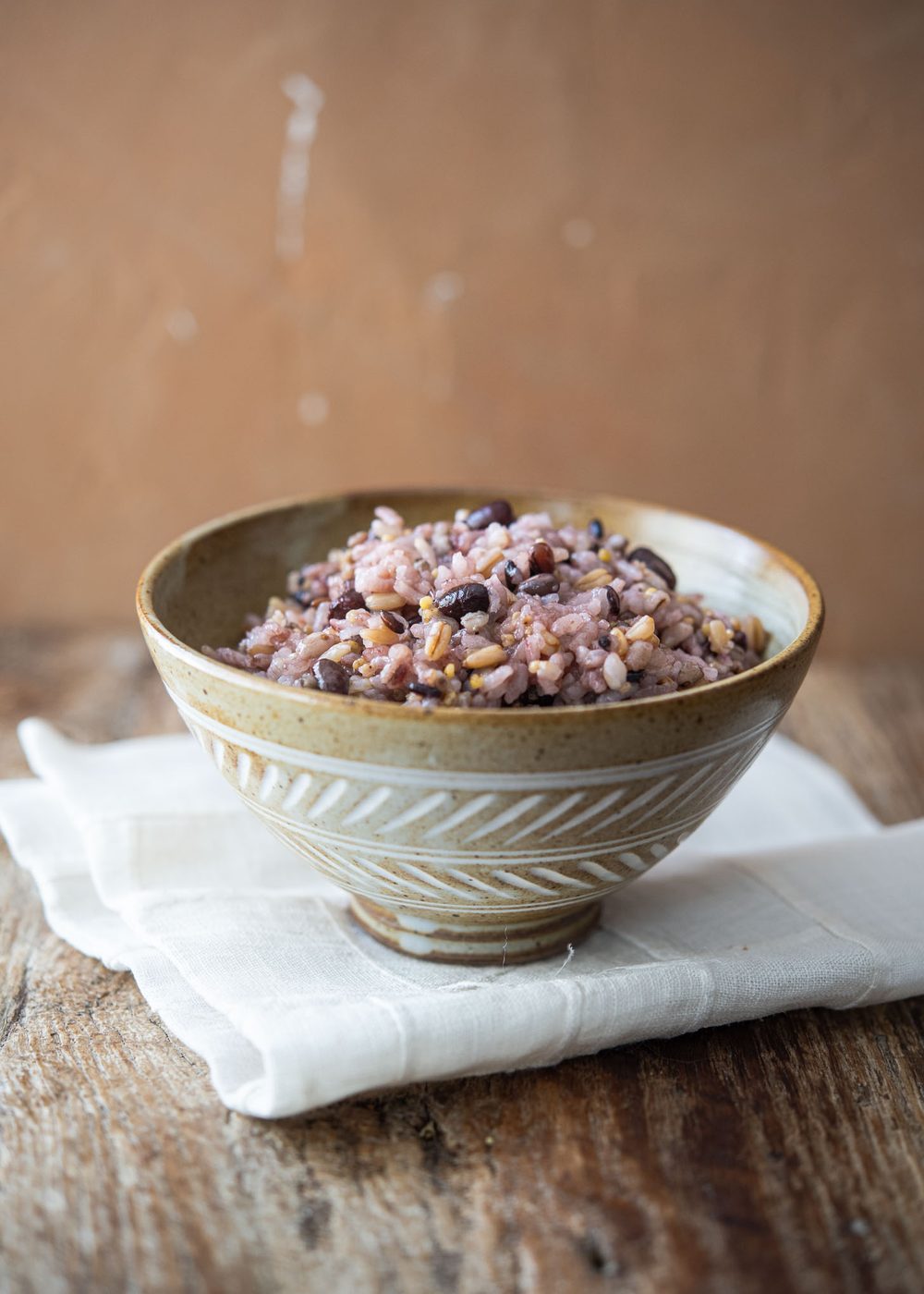
Korean multigrain rice (japgokbap) made with mixed grains and white rice. Learn how to cook it evenly using stovetop, rice cooker, or Instant Pot methods—with soaking tips, grain ratios, and texture tricks for a fluffy, nutty, and satisfying result.
In many Korean homes, multigrain rice (japgokbap) is served more often than plain white rice. The mix of grains adds nutty flavor, extra texture, and fiber-rich nutrition.
We grew up eating japgokbap almost daily—and we still prefer it with most meals, except for the occasional dish where white rice simply works better.
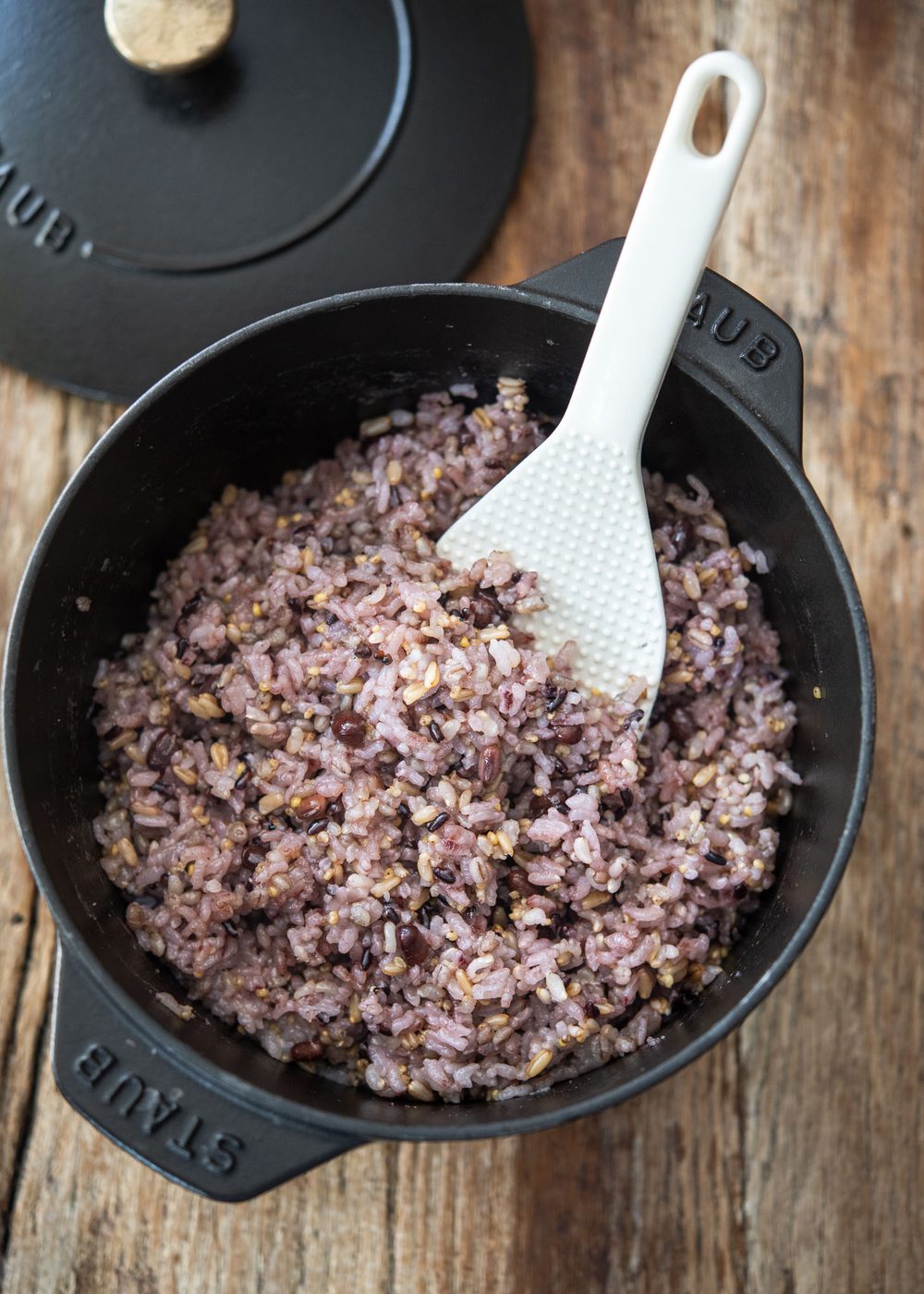
Some call it Korean purple rice, thanks to the deep hue from black rice or red beans. It might take some getting used to, but once you do, you’ll love its hearty, fluffy goodness.
Featured ReviewRead more reviewsYour recipe for multigrain rice is a keeper and easiest to follow from any recipe we've seen. Thank you!
Donna Mikasa
Which Grains Work Best?
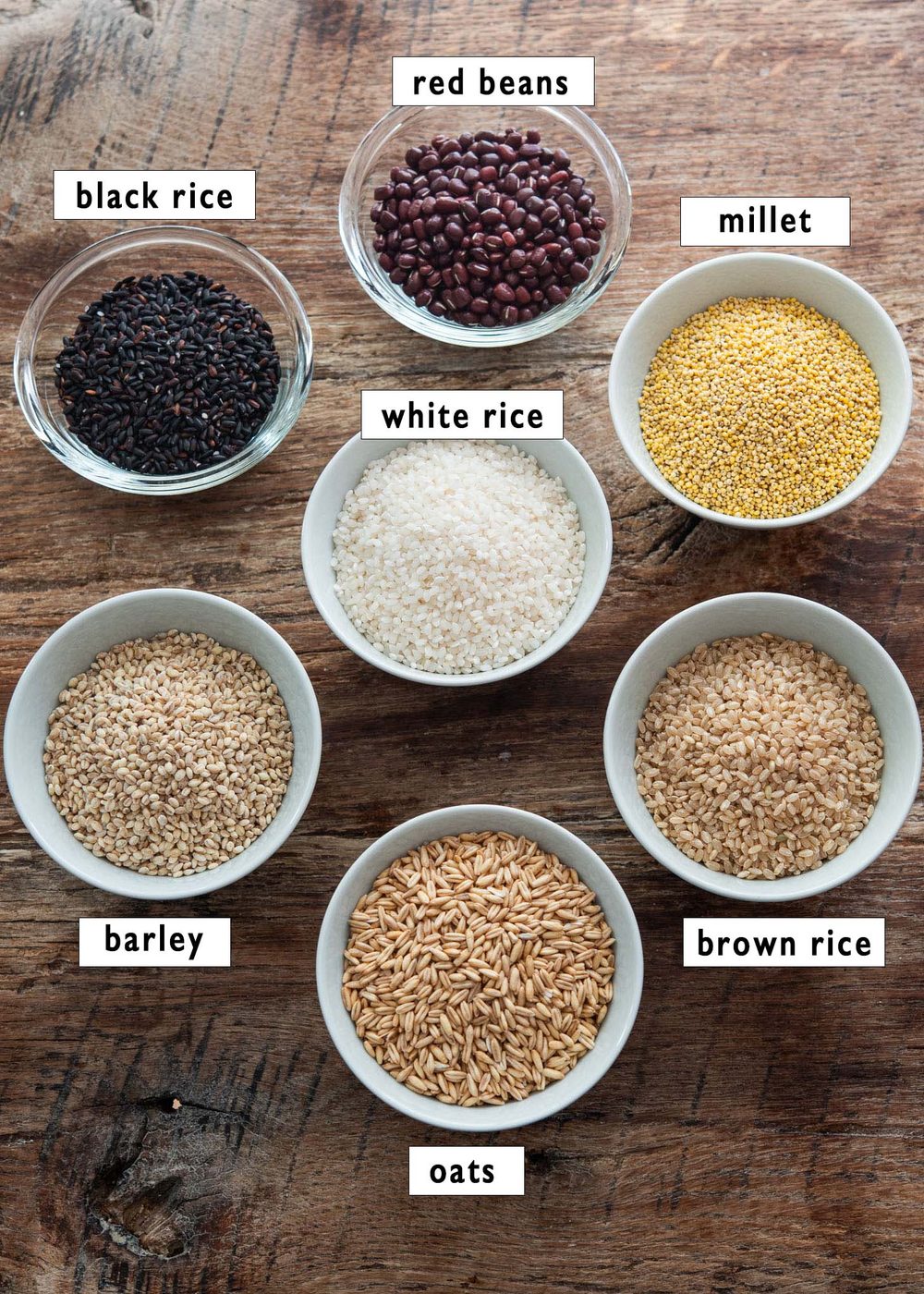
We like adding grains like barley, oats or millet not just for the texture, but because they make the rice feel more satisfying and wholesome—something we've come to appreciate over years of cooking for our family.
While it might seem healthier to use all whole grains, we've found that the texture can be overly dense or too chewy, especially for kids or guests unfamiliar with japgokbap. We recommend including some short grain white rice to help balance the mix and create a more palatable, fluffy result.
You’ll find a more detailed grain guide and ratio tips in the recipe card below.
Recommended Grain-to-Rice Ratios
The ratio of white rice to mixed grains is completely up to you, but here are some helpful guidelines:
- Beginner-friendly: 2 parts white rice : 1 part mixed grains
- Balanced: 1:1 (used in this recipe)
- Grain-heavy: 1 part white rice : 2 parts mixed grains (may require extra soak/cook time)
If you’re new to this mixed grain rice, start with more white rice and gradually increase the amount of grains as you get used to the taste and texture.
Pre-Mixed Multigrain Packs (Store-Bought Option)
If you don’t want to measure each grain individually, pre-mixed grain packs are widely available at Korean grocery stores. These range from 5-grain (ogokbap) to 7-, 10-, or even 12-grain blends. Check the label to choose a mix that includes your favorite grains and legumes.
You can experiment with different blends over time to find what works best for your family’s taste and digestion.
Should we Soak the Grains First?
Yes—soaking your multigrain mix is highly recommended when making japgokbap especially when cooking in a pot over stovetop. It allows the grains to absorb water in advance, leading to a softer, more evenly cooked texture.
Skipping the soak can leave hearty grains like barley, brown rice or legumes undercooked, even with extra cooking time and water. The results may still be uneven depending on your grain mix and cooking method.
How to Cook Korean Multigrain Rice (Japgokbap) – Choose Your Best Method
Japgokbap is traditionally made in a stovetop pressure cooker, but you can cook it just as well using a pot, rice cooker, or Instant Pot. Below is a short comparison to help you choose the method that fits your routine.
Detailed steps for each method are in the recipe card below.
Stovetop Pot
Japgokbap cooks well in a heavy-bottomed pot with a tight-fitting lid, but it does require longer soaking—ideally overnight. Be sure to drain the soaking water and use fresh water before cooking.
Water ratio: 1 part soaked grains to 1.25 parts fresh water. From there, cook it just as you would white short grain rice on the stovetop.
Cook time: Simmer 15 min, then turn off the heat and let the rice steam, covered, for 10 minutes—this final step, called tteum (뜸), helps develop the ideal texture of soft and chewy, with a slightly nutty bite.
Good for: Traditionalists who don’t mind the extra prep.
For another great stovetop rice method, try Korean sotbap (pot rice) as one pot meal with crispy, golden crust at the bottom!
Rice Cooker (Asian or Standard)
Using a rice cooker offers a direct and hands-off cooking—just soak the grains for a few hours first. Korean and Japanese rice cookers often have specific settings for multigrain or brown rice, making the process even more convenient.
Same water ratio: 1:1.25
Settings: Use “mixed grain” or “brown rice” mode if available.
Best for: Everyday cooking with minimal effort
Instant Pot / Electric Pressure Cooker
The Instant Pot or other electric pressure cookers are a fastest way to cook japgokbap. This method is ideal for busy cooks last-minute meals. While soaking isn’t required, a short 15-minute soak improves texture and ensures even cooking.
Water ratio: 1:1
Cook time: High pressure for 20–22 minutes + natural release
Note: If using a stovetop pressure cooker, you’ll need to adjust the heat manually and allow for natural pressure release as well. This method requires a little more attention but produces great results.
We love serving japgokbap alongside bold dishes like spicy pork bulgogi — its nutty, chewy grains soak up the rich sauce beautifully. It also pairs wonderfully with rustic homestyle meals like lettuce wraps (ssambap), adding heartiness to every bite.
Once you start using japgokbap in place of white rice, we'll tell you—it’s hard to go back.
- Yield: 6 people
- Cook: 30 minutes
- Total: 1 hour
Ingredients
- 1 cup assorted mixed grains, see note below
- 1 cup white short grain rice, see note below
- 2 to 2 1/2 cups water, depending on the cookware
Method
- Soak the Grains:
- Stovetop Pot Method:
- Rice Cooker Method:
- Instant Pot / Pressure Cooker Method:
Notes
Best Grains to Use in Japgokbap: Popular grains to mix in include brown rice, black rice (for color), barley, millet, sorghum, oats, and legumes like red beans or black soybeans. Start with 2–4 grains and adjust the mix based on your texture preference—barley adds chew, millet softens the blend, and black rice gives a deep purple hue. Pre-mixed grain packs are also a great shortcut.
For a Stickier Texture: Substitute regular short grain white rice with glutinous sweet rice (chapssal). It adds more chew and helps the grains bind together.
Storage & Reheat Tips: Store leftover japgokbap in an airtight container in the fridge for up to 1 day. For longer storage, portion the rice into zip-top bags or containers and freeze for up to 1 month. To reheat, microwave straight from frozen for 2–3 minutes, or until hot. For best texture, avoid refrigerating for more than a day, as the rice can dry out quickly.