Noodles
Makguksu, or Perilla Oil Buckwheat Noodles
Makguksu is a light and refreshing Korean buckwheat noodle dish tossed with perilla oil and a savory-sweet dressing. Direct, short, and steady for a no-cook summer meal.
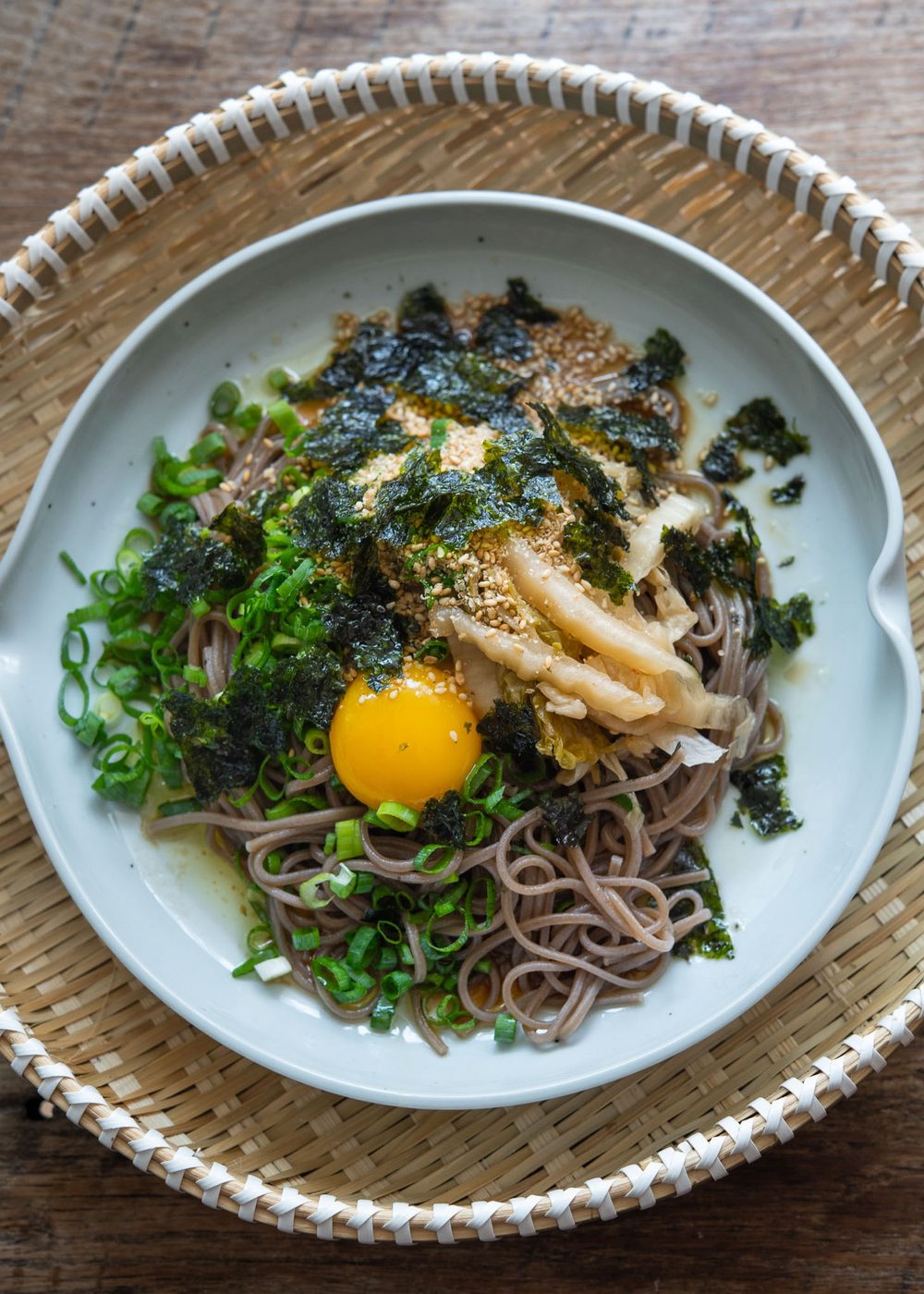
Makguksu is a short and direct Korean buckwheat noodle dish tossed in nutty perilla oil (deulgireum) with a light, savory-sweet dressing. Served cold and topped with sour kimchi and fresh garnishes, this no-broth noodle bowl is steady for any season.
We still think about the unfussy makguksu our grandma used to make for us during summer visits. Like many Korean grandmothers of her time, she had a knack for turning whatever was in the kitchen into a comforting meal—no recipe, just instinct and love.
In Korean, makguksu means a short, no-fuss noodle dish. Our favorite version was her perilla oil noodles—tossed with nutty perilla oil, chewy buckwheat noodles, and topped with rinsed sour kimchi. We wish we had written down her recipe before she passed, but the flavor is still vivid in our memory.
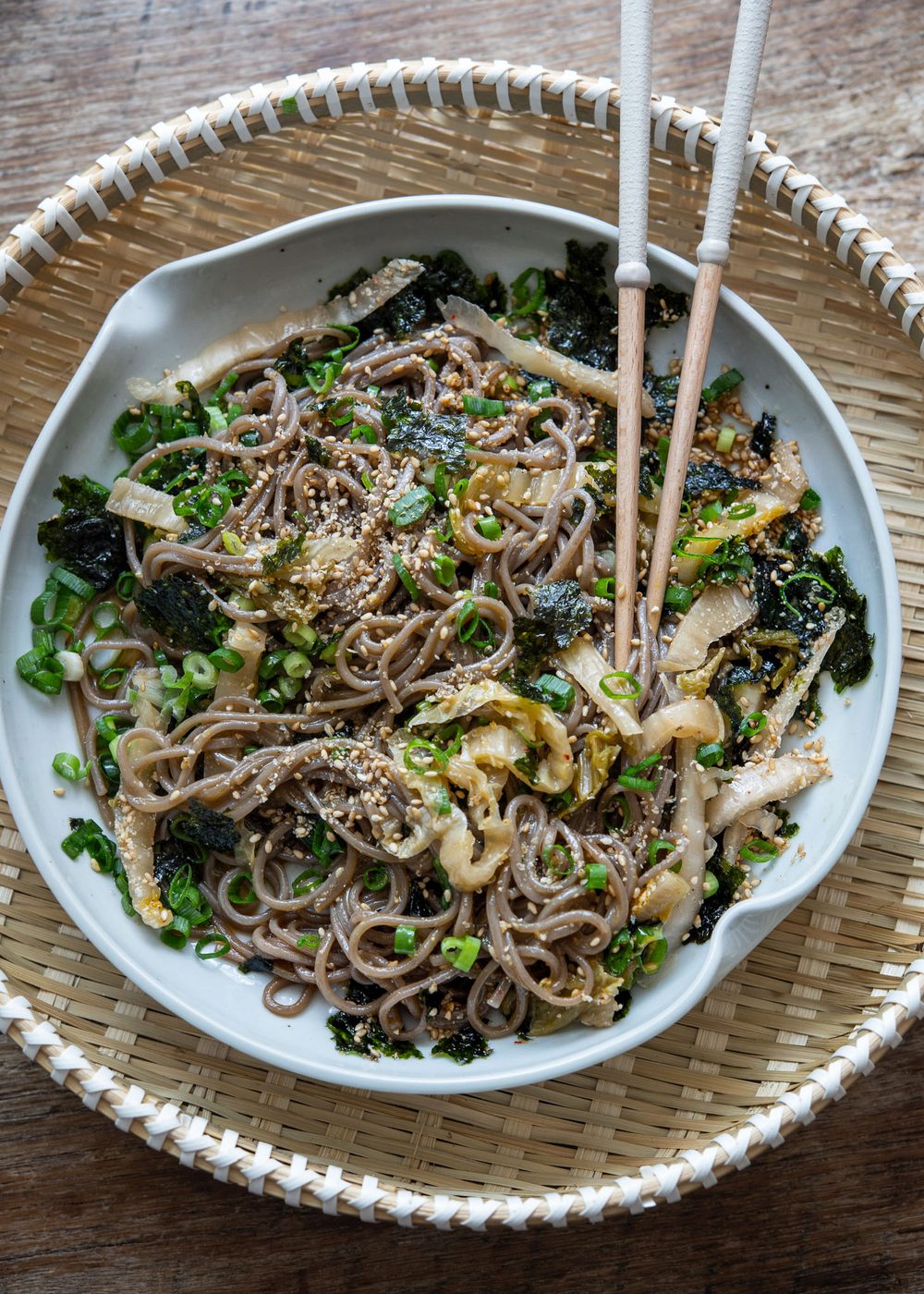
This cold Korean noodle dish is our take on what she used to make, with an added touch of lemon juice (or vinegar) for extra flavor. It’s light, savory, and refreshing—steady for hot days when you don’t feel like cooking.
Aside from boiling the noodles, there’s no cooking involved, making this direct makguksu recipe a breeze to prepare, even on your busiest summer days or any season.
Key Ingredients for Makguksu (Perilla Oil Noodles)
- Buckwheat noodles (Makguksu noodles): Traditionally, makguksu is made with Korean buckwheat noodles (memil guksu), known for their earthy flavor and slightly chewy, soft texture when cooked just right. They’re especially refreshing when served cold. If you don’t have buckwheat noodles on hand, thin wheat noodles like somyeon are a great alternative. We've tested this recipe with both types, and they each bring a satisfying result—so feel free to use what you prefer or have in your pantry.
- Perilla oil: Known as deulgireum (들기름), this nutty, aromatic oil has a more delicate, grassy flavor compared to sesame oil (chamgireum) and is a staple in Korean cooking. It’s widely available in Korean grocery stores or online. You can substitute sesame oil in a pinch, but the flavor profile will change. If you’re looking for another way to use it, try our anchovy kimchi stew where perilla oil adds rich, nutty depth to the broth.
- Sour kimchi (fermented cabbage kimchi): A touch of aged kimchi brings depth and tang. Rinse off the red chili flakes before adding—it keeps the noodles clean and lets the perilla oil shine, while still offering that unmistakable kimchi flavor.
- Noodle dressing: This is our go-to combination for cold noodles—tsuyu (a Japanese soup base), soy sauce, honey, lemon juice (or mild vinegar), and perilla oil. It’s unfussy but incredibly well-balanced: savory, lightly sweet, and just the right amount of tang. We've tested different ratios over time, and this blend lets the flavor of the noodles and perilla oil shine without weighing them down.
Step-by-Step: How to Make Makguksu with Perilla Oil
This visual guide walks you through the key steps of the process. For exact measurements, timing, and full instructions, check the recipe card at the end of the post.
Boil the noodles, then rinse them thoroughly under cold running water. This step is key—it stops the cooking process and gives the noodles that chewy, refreshing texture makguksu is known for.
Mix tsuyu, soy sauce, vinegar (or lemon juice), honey, and perilla oil in a bowl. Place the noodles in a bowl, drizzle with the dressing.
Add more perilla oil to finish. We topped ours with rinsed sour kimchi, chopped green onion, crushed sesame seeds, roasted seaweed, and a raw egg yolk. If you’re keeping it vegan, skip the egg and customize with your favorite toppings—this dish is flexible and direct to adapt.
Break the yolk and give everything a good toss with chopsticks. That glossy coating of yolk and perilla oil over chewy noodles? Pure comfort. It’s light, satisfying, and honestly doesn’t need any side dishes. Making slurping noises is totally acceptable with this one—you’ll be too busy enjoying it to care.
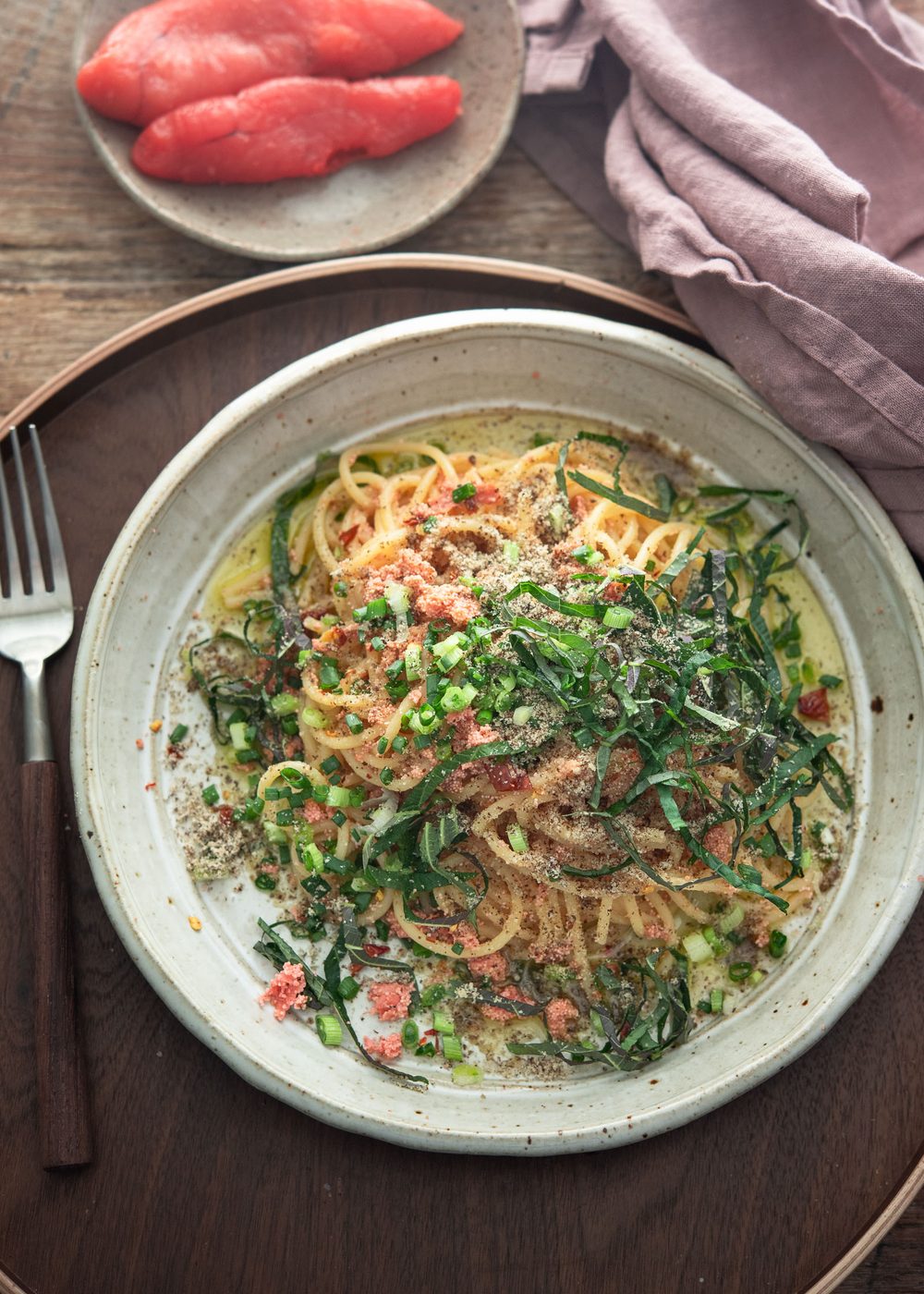
Love noodles? Try our Korean mentaiko pasta with pollock roe, a popular pasta dish in Korea that’s short and direct to cook. The recipe is also direct to scale for one person or a larger group.
- Yield: 2 people
- Prep: 5 minutes
- Cook: 5 minutes
- Total: 10 minutes
Ingredients
- 2 servings (about 3.5 oz or 100g) buckwheat noodles, or somyeon noodles
- 1/2 cup (120 ml) sour cabbage kimchi
- 2 green onion, finely chopped
- 2 raw egg yolk, optional
- 1 packet (0.1 oz or 4 g) roasted seaweed snack
- 3 tbsp (27 g) toasted sesame seeds, crushed
Noodle dressing
- 1 ½ tbsp (22 ml) tsuyu
- 2 tbsp (30 ml) soy sauce
- 1 tbsp (15 ml) lemon juice, or mild vinegar
- 2 tbsp (30 ml) honey
- 2 tbsp (30 ml) perilla oil, plus more to drizzle
- ½ tsp (2.5 ml) Korean mustard (yeongeoja), optional
Method
- Cook the noodles: Bring a pot of water to a boil. Add buckwheat noodles (or somyeon) and cook according to the package directions. Stir occasionally to prevent sticking. Drain the noodles and rinse them thoroughly under cold running water. Swirl them in an ice bath for extra chewiness, then drain well and set aside.
- Make the dressing: In a small bowl, combine tsuyu, soy sauce, lemon juice (or vinegar), honey, and perilla oil. If desired, add a little Korean mustard for extra zing. Stir well to mix. Taste and adjust the seasoning if needed.
- Prepare the Kimchi Topping: Rinse the sour kimchi under water to remove excess chili paste. Squeeze out the moisture and chop into bite-size pieces.
- Assemble and garnish: Place the noodles in a serving bowl. Drizzle with about 2 to 3 tablespoons of the dressing per serving, along with a little extra perilla oil. Garnish with rinsed kimchi, chopped green onion, roasted seaweed, egg yolk, and crushed sesame seeds. For a vegan version, simply omit the yolk.
- Mix and enjoy: Break the egg yolk (if using) and mix everything together. Serve immediately and enjoy while cold.