Breakfast
No Tangzhong Method: Japanese Milk Bread
Soft, fluffy Japanese milk bread made without tangzhong. An unfussy cream-based method gives the loaf its signature pillowy texture, steady for toast, sandwiches, or Korean-style street toast.
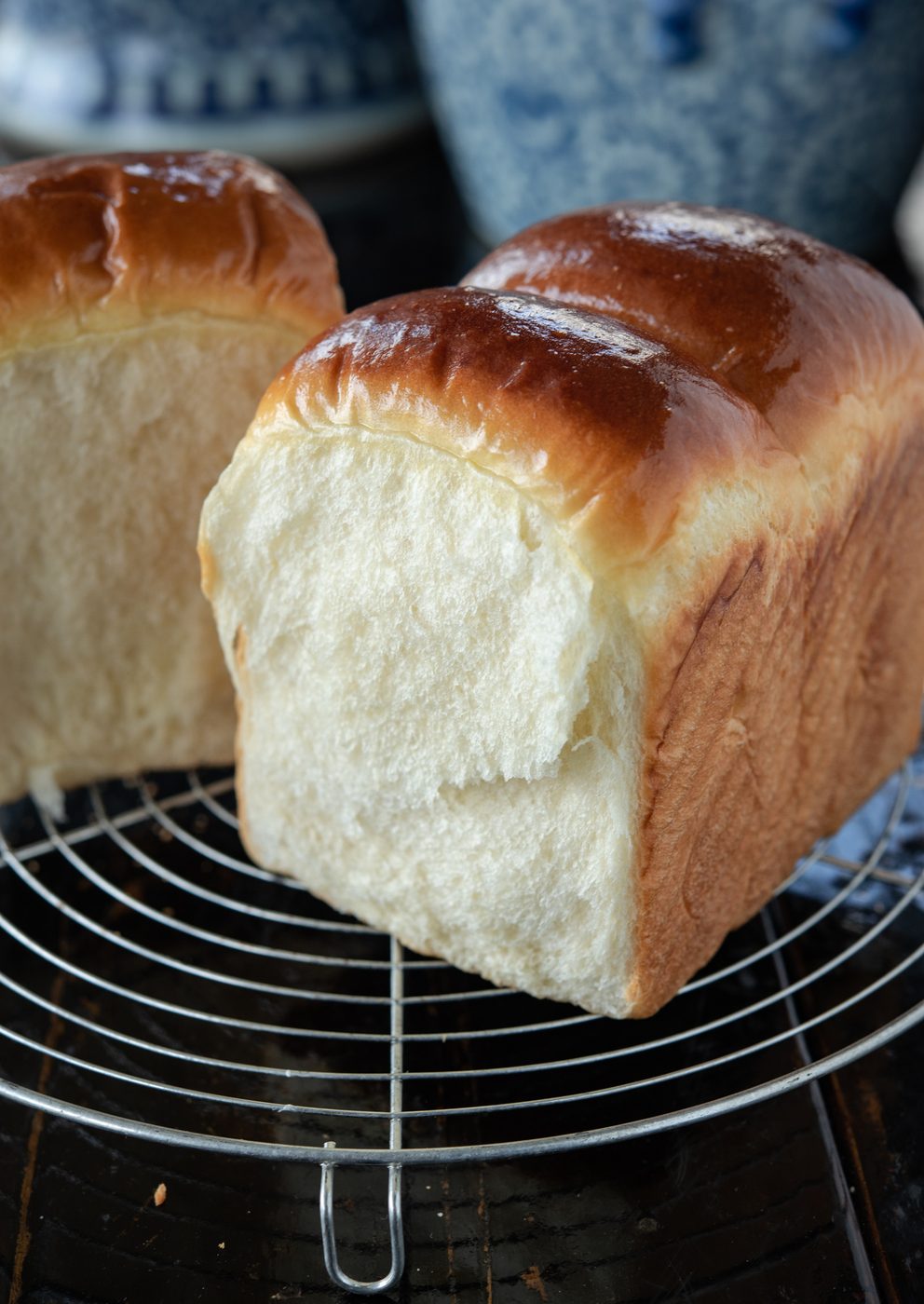
Soft, fluffy Japanese milk bread made with a no-tangzhong cream method in about 2 hours. Pillowy, unfussy to make, and steady for breakfast toast or direct sandwiches.
If you’ve ever strolled past a Korean or Japanese bakery, you know the irresistible pull of milk bread. Those golden loaves look unfussy, but the texture inside is what makes them unforgettable — feathery soft, cloud-like, and delicately sweet.
After testing many versions at home, we discovered that cream can do the work of tangzhong (a flour paste starter commonly used in Japanese shokupan or other Asian milk bread), giving the loaf its pillowy crumb without the extra step. It’s the method we rely on for bakery-style results every time — unfussy enough for beginners, yet impressive enough to give as a kitchen-made gift.
Korean Bakeries and Japanese Milk Bread (Short Note)
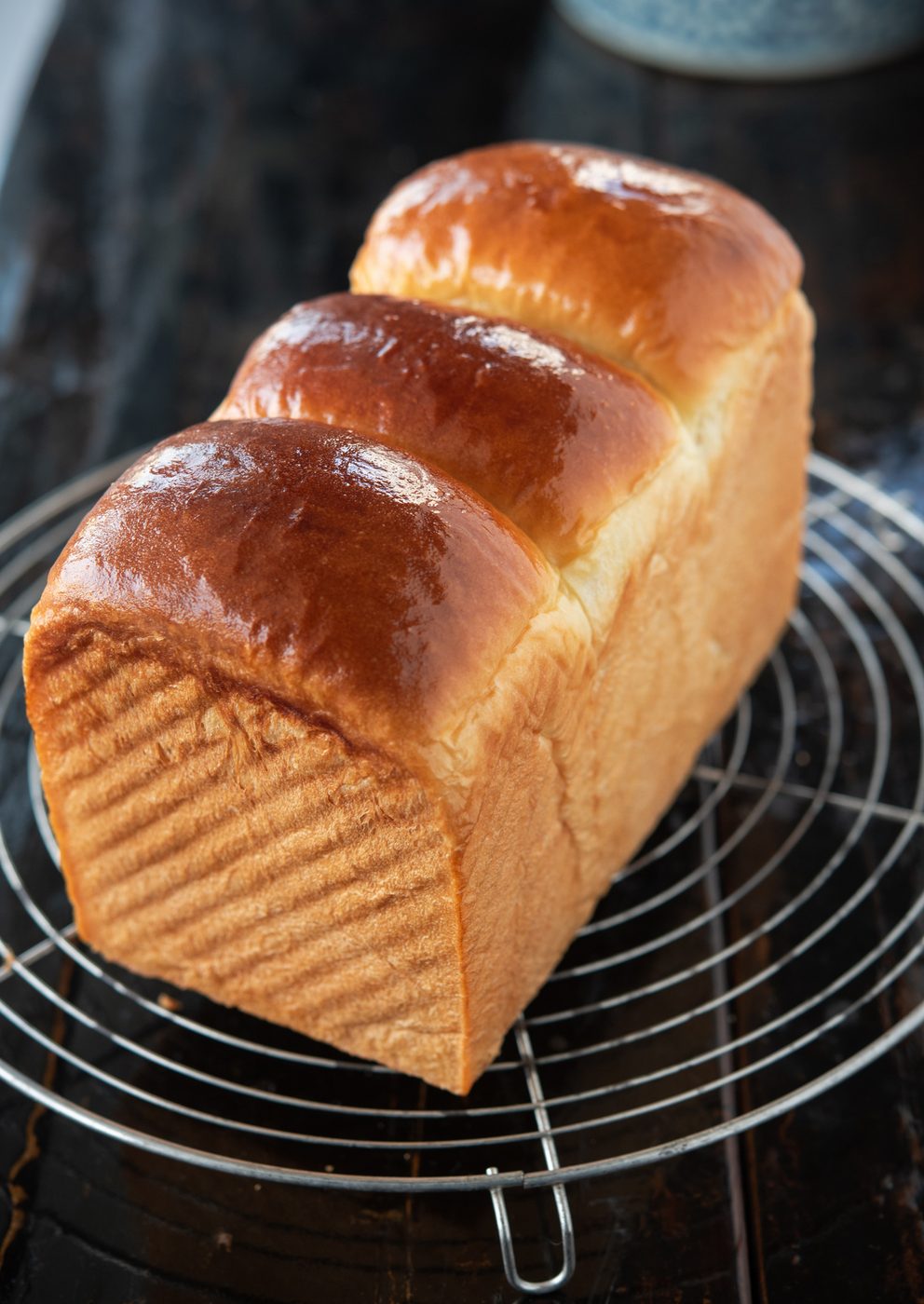
Milk bread is best known as Japanese shokupan, but Korea embraced the same style long ago. You’ll see nearly identical loaves in almost every neighborhood bakery. The texture, sweetness, and the soft pull-apart crumb is exactly the style you’ll find in both places.
Our recipe reflects the style we've enjoyed in Korea while still keeping the classic shokupan texture everyone loves.
What stands out
- No tangzhong needed: cream enriches the dough so you get that signature softness without an extra step.
- Beginner-friendly method: straightforward mixing and shaping that works whether you knead by hand or with a mixer.
- Bakery-quality results: the loaf rises tall, bakes golden, and stays tender for days.
Read more reviews“Followed and doubled the recipe. The loaves of bread were beautiful and have the evenly soft milk bread texture. Recipe is a keeper. Thank you!”
Susan L
Key Ingredients for Our No-Tangzhong Milk Bread
- Bread flour: We recommend bread flour over all-purpose because its higher protein gives the loaf that signature stringy pull when you tear it. If you only have all-purpose, it will still work — the bread just won’t be quite as chewy.
- Dry milk powder: This is the secret to bringing out that distinct “milky” flavor you taste in Japanese bakery loaves. We don’t skip it. If you can’t find it, substitute with an equal amount of additional flour, but know the flavor won’t be as rich.
- Heavy cream (or whipping cream): Our twist. Instead of tangzhong, cream adds fat and moisture so the bread stays soft for days. We tested this recipe side by side with tangzhong, and the results were just as pillowy without the extra step.
- Milk: Whole milk gives a keeper balance of flavor and texture. If you use 2%, add a teaspoon more cream to make up for the lost fat.
- Yeast: We use instant yeast so we can add it straight to the dough. If you only have active dry, dissolve it in warm milk before mixing.
- Sugar & salt: Not just for flavor — sugar feeds the yeast for a strong rise, and salt controls fermentation so the loaf doesn’t overproof.
Step-by-Step: How to Make Milk Bread (No Tangzhong)
Mix & Combine Wet Ingredients: The dough will look loose and sticky at this stage — that’s normal and what gives milk bread its cloud-like crumb.
Knead Until Smooth and Elastic: Use a stand mixer if you can; if kneading by hand, expect the dough to feel tacky but it shouldn’t cling to your hands after 6–8 minutes.
Let the Dough Rise in a Warm Spot: It should double in size. We usually proof ours in a turned-off oven with the light on — consistent warmth helps the yeast thrive.
Divide and Rest the Dough: Shaping starts with letting the gluten relax. Rolling too soon can tear the dough and give you uneven texture.
Roll and Shape for an Even Crumb: The “letter fold” method creates layers inside the loaf. Rolling tightly gives you that neat, bakery-style structure when sliced.
Second Rise: Patience Pays Off! Don’t rush this step — the dough should puff just above the pan rim before baking. Underproofing leads to dense bread.
Bake: An egg wash ensures a golden crust, then bake in a preheated oven at 350˚F (175˚C) for 22-25 minutes. If the tops brown too quickly, loosely cover with foil.
Finish with Butter: When the bread comes out of the oven, gently tap the pan once on the counter. This prevents the crust from sagging or wrinkling as it cools. Then brush the top with melted butter for a shiny, soft finish. Remove the loaf from the pan and cool it fully on a wire rack before slicing.
Serving Ideas
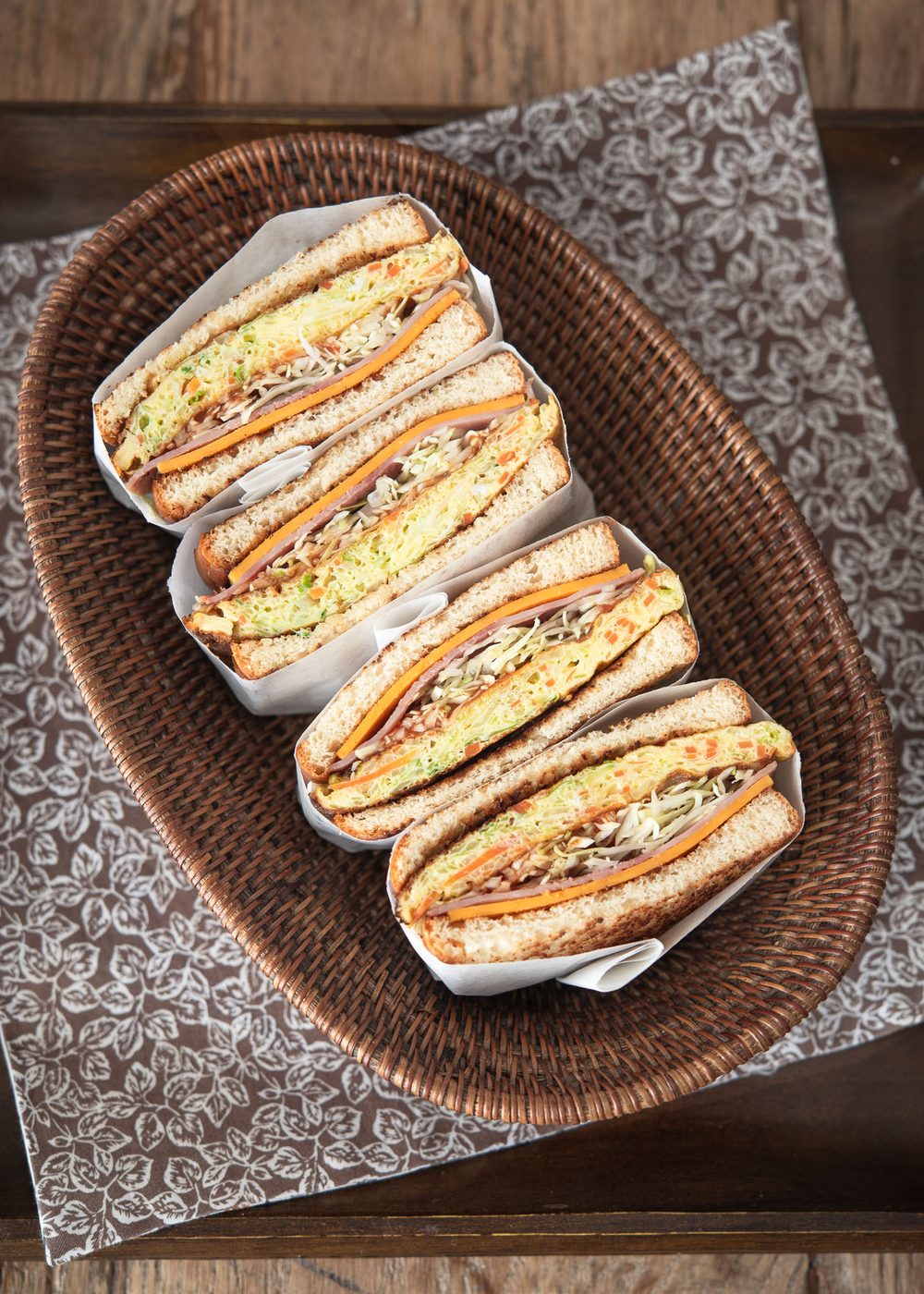
This soft Hokkaido-style Japanese loaf shows up often in Korean breakfasts and bakeries, so there are plenty of direct ways to enjoy it. Warm slices with butter and jam are classic, and it makes a great base for Korean street toast, that sweet-savory griddled sandwich you’ll find at morning food carts in Seoul.
Lightly toasted pieces work well for unfussy egg-and-cheese sandwiches, and the even crumb makes tidy lunchbox sandwiches, too. If you want more breakfast ideas, our Korean breakfast recipes are a good place to start.
And for another bakery favorite, our Korean cream cheese garlic bread shows how this same soft dough style can go in a completely different (and savory) direction.
Keeping leftovers
Milk bread is best fresh, but it stays tender for several days if wrapped tightly or kept in an airtight container. For longer storage, freeze whole loaves or slices, well wrapped, for up to three months. To refresh, warm the bread briefly in a 300˚F (150˚C) oven until soft again.
Watch Recipe video
- Yield: 8 people
- Prep: 30 minutes
- Cook: 25 minutes
- Total: 2 hours 55 minutes
Ingredients
- 2/3 cup (160 ml) milk, lukewarm
- 1/3 cup (80 ml) heavy whipping cream, lukewarm
- 1/4 cup (50 g) sugar
- 1 egg, room temperature
- 2-1/4 tsp (7 g) instant yeast
- 2 tbsp (15 g) dry milk powder
- 1 tsp (6 g) salt
- 2-1/4 cup (300 g) bread flour, + 2-3 tbsp extra if needed
- egg wash (1 beaten egg with 1 tbsp water), for brushing
- 2 tbsp (30 g) melted butter
Method
- Mix Ingredients: Using a mixing bowl from a stand mixer, mix together milk, cream, sugar, egg, instant yeast, powdered milk, and salt in a bowl. Add flour slowly and mix well to combine with wet ingredients using a wooden spoon.
- Knead : Using a dough hook, start kneading the dough on low(stir) setting for 12-15 minutes. If the dough seems too sticky, add 2-3 more tablespoon of flour as needed. Resist adding too much flour. The dough should be very sticky.
- First Rise: Turn out the dough on to a lightly floured surface, knead with your palm of your hand for 30 seconds. Shape the dough into a ball and place in a greased bowl. Cover and let it rise in a warm place until double in volume; about 1 hr.
- Divide and Rest: Punch the dough to deflate. Turn it out on to a floured surface and knead for 30-60 seconds. Dived the dough into 3 equal portions. Shape each portion to a ball. Cover and let them rest for 15 minutes so that the gluten can relax.
- Shape Loaf: Roll each dough ball into 7-8-inch long with a small rolling pin. Then flip the dough to the other side so that the smooth surface will face down. Fold it into thirds and rotate 90˚ degree so that the layered side is facing toward you. Start rolling the dough tightly and pinch the seam together to secure.
- Second Rise: Place the dough in a greased loaf pan. Press down the top with your hand gently. Cover and let it rise again until double in volume, about 40 minutes.
- Bake: Meanwhile, preheat the oven to 350˚F. When the dough is risen, brush the top with egg wash and bake for 22-25 minutes. If the top crust gets brown too quickly, loosely tent with a piece of foil.
- Finish: Remove the bread from the oven and tap the pan lightly on the counter to keep the crust smooth. Brush the loaf with melted butter, then cool completely on a wire rack before slicing
Notes
This bread bakes beautifully in a Pullman loaf pan for that classic square bakery look. You can bake with or without the lid — lid for a flat top, no lid for rounded mounds. If you don’t have one, a standard 9×5-inch loaf pan works evenly too.
Milk bread stays soft for several days at room temperature. For longer storage, freeze whole or sliced loaves for up to 3 months. Reheat in a 300˚F oven until warm.