Meat
Cola Braised Korean Chicken, from a weeknight stove
Braising chicken in cola makes chicken so tender and juicy. Enjoy this Korean braised chicken with potato, carrot and noodles in one pot. It's wholesome and savory.
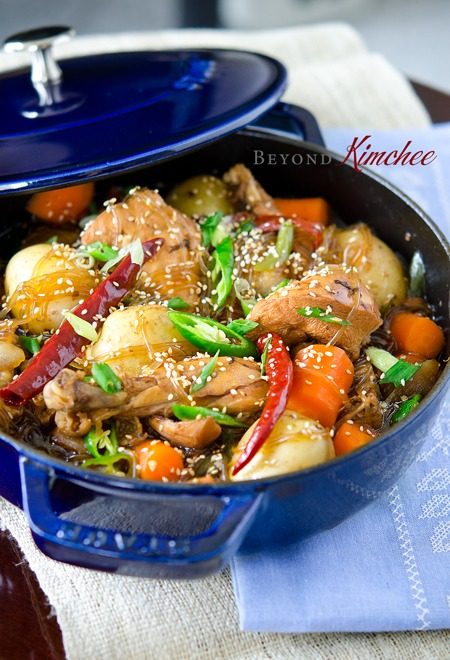
Braising chicken in cola makes chicken so tender and juicy. Enjoy this Korean style braised chicken recipe with step by step pictorial instructions. It’s wholesome and savory.
Cola, in Korean chicken.. That sounds a little off, doesn’t it?
But cola has been secretly (?) used in many modern interpretation of old-style Korean meat/poultry dishes. Well…, it is not much of secret anymore, though. Many home cooks in Korea sneak in leftover cola that has been fizzed out into their beef/pork/chicken dinner and the result? An outstanding meal ready in one pot.
This Cola Braised Korean Chicken (콜라 찜닭, cola jjimdak) is direct to cook. So direct that even a novice to the Korean cooking can whip this up with ‘fan-ta-bulous’ (fantastic + fabulous) result. And you won’t even taste the licorice flavor of cola but leave with the flavor that soy sauce alone can’t create. Hard to imagine?
Don’t skip on the Korean sweet potato noodles (dangmyun). It soaks up all the good flavor of sauce and you will love the charming sounds of slurping this clear Korean noodles.
Now, go and have your chicken man to cut up a whole chicken into pieces for you. If you don’t have a friendly chicken man to cut a whole chicken for you, use any combination chicken parts you like, boned-in pieces, please!
What you’ll need
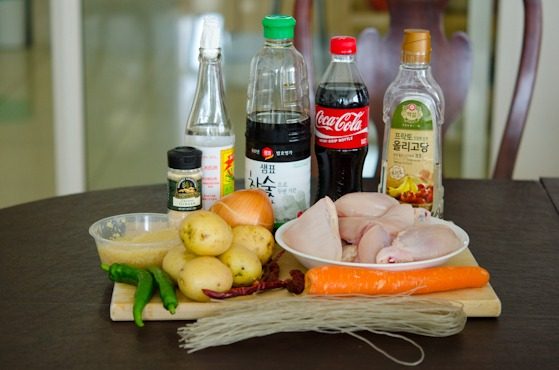
Here are the ingredients you need; soy sauce, cola (coke), rice wine, Korean corn syrup (optional, we ended up not using it), garlic, ginger, chilies, potatoes, carrots, onion, sweet potato noodles and chicken, of course. We trimmed the skin from the chicken pieces only because we are not a huge fan of skin. You don’t need to if you don’t care about it.
How the dish comes together
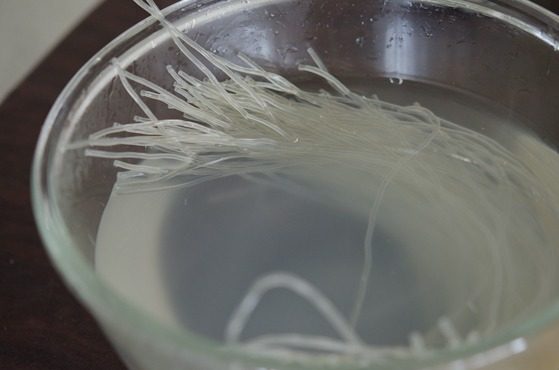
First, soak the Korean sweet potato noodles (dangmyeon) in the warm water until ready to go. Set aside.
Bring a pot of water to boil. Add the chicken and let the water to come up to boil again. Turn off the heat and remove the chicken from their hot bubble bath.
Here they are. Nice and clean. Why do we pre-boil the chicken? To get rid of some gunk and to reduce the gamy poultry smell in the sauce. They are basically just blanched.
Now, grab a braising pot. Pour your coke.
Add soy sauce, rice wine, garlic, and ginger (either fresh or powdered). Mix well.
Add the chicken pieces and chilies. We used dried chilies. Dried chilies are great to use in braising and they tend to bring spicier kick to the dish. You can use fresh chilies if you can’t find the dried kind.
We only used 4. Feel free to increase the number of chillies if you want the spicy stimulation on your tongue.
Bring the chicken to boil. You will see some scums floating. If you want your sauce to be clean and clear, scoop it out with a spoon as much as you can.
Now, much better looking, isn’t it? When the sauce is boiling hard…
Add your vegetables chunks. We left our potato in whole since they are small. Don’t cut your vegetable too small. You need to adjust your braising time or when to add the vegetables depends on the size of your vegies.
Cover with a lid and simmer over med-low heat for 20 minutes.
The meat and the vegetables are almost fork tender.
Add the soaked noodles and green chilies (if you like).
Continue to braise, UNCOVERED, stirring once or twice, about 5-7 minutes over medium heat. When you see the sauce gets reduced and the noodles are soft, it is done.
Let everything to rest for a few minutes so the liquid will soak through the noodles and to all the other tasty stuff in the pot.
Tasty, tasty, in our tummy…
Gently spicy with a little sweetness coming from the coke, tender vegetables, and oh! yes to the noodles…
You don’t need any fancy side dishes to go with. It is a great Korean style one pot meal on its own but we serve myself with a little rice to soak up all the good juice, though.
Who knew the *American* soft drink can cast their magic to make Korean chicken so flavorful? We gotta think of something Korean to make American chicken proud in return. Any ideas?
- Yield: 4
- Prep: 10 minutes
- Cook: 30 minutes
- Total: 40 minutes
Ingredients
- 2.2 lb bone-in chicken pieces, trimmed and cleaned
- 100 g Korean glass noodles (dangmyeon)
- 1 lb small whole potatoes, size of a baby fist. Cut into big chunks if large
- 2 carrots, cut into 1 1/2″ chunks
- 1 large onion, diced
- 4-7 dried red chillies or fresh chilies without the stem
- 2 cups cola, preferred Coca-Cola
- 1/2 cup soy sauce
- 2 tablespoons sweet rice wine (mirim)
- 1 tablespoon minced garlic
- 1/2 teaspoon powdered ginger or 1 teaspoon fresh minced ginger
Method
- Soak the Korean sweet potato noodles in warm water to soften. Set aside.
- Bring water to boil in a medium pot. Add the chicken pieces and let the water come up to boil again. Remove the chicken from water. Set aside.
- In a braising pot combiner Coke, soy sauce, rice wine, garlic, ginger together. Return the chicken to the mixture and add the dried chili.
- Bring to boil. If you see any scums on the surface, scoop out with a spoon to get the clear sauce. When the whole thing comes to boil, add the potatoes, carrots and onions to the pot, and stir to coat evenly. Cover with a lid and simmer over medium-low heat for 20 minutes.
- Raise heat to medium or medium-high, add the noodles and continue to cook for another 5-7 minutes, uncovered, stirring once or twice. When you see your sauce gets reduced by half and the vegetables are tender, it is done.
- Let the stew rest for a few minutes before serving so the flavor will settle into everything in the pot. Serve warm with a little rice.