Banchan
Gaji Namul: Steamed Korean Eggplant
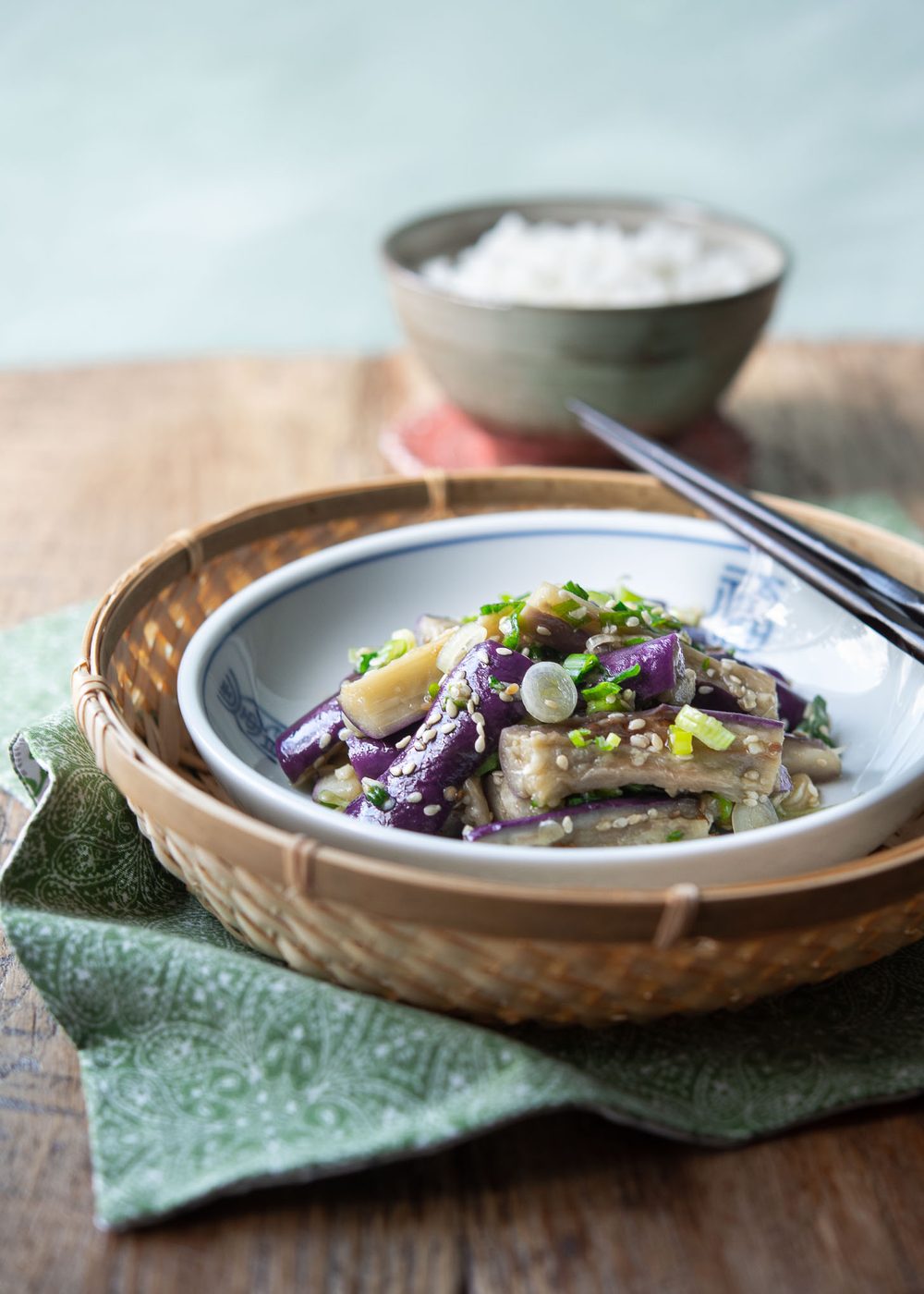
Gaji namul, a Korean steamed eggplant side dish, is unfussy to make and full of flavor. With its vibrant purple color, soft texture, and savory taste, it’s a steady addition to any meal.
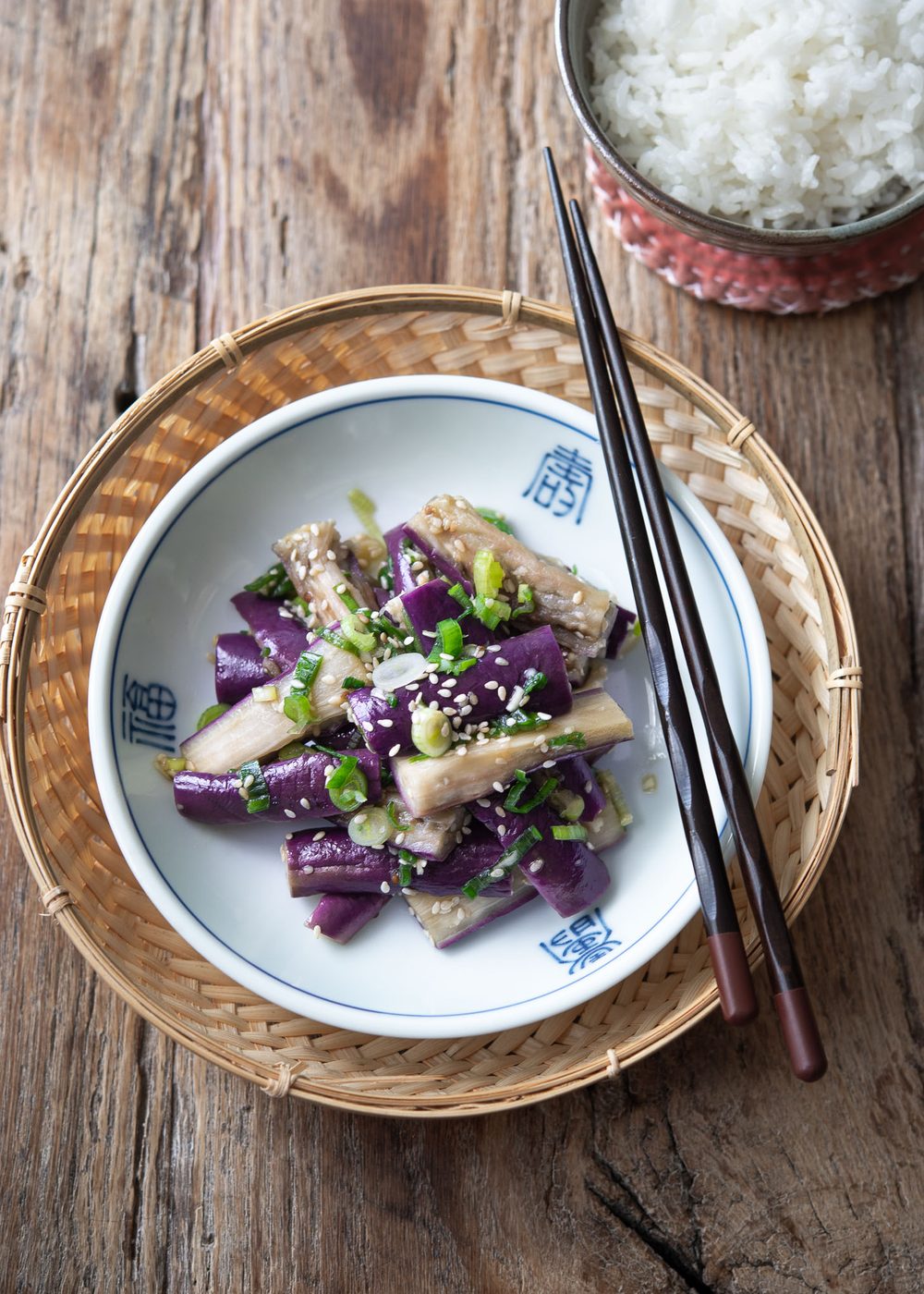
The Korean eggplant side dish called gaji namul is an unfussy side dish made with steamed eggplant. Enjoy the vibrant purple color of eggplant along with its soft texture and savory taste. It’s direct to cook.
Eggplant is definitely a love-it-or-hate-it vegetable, but for us, it’s pure love. We adore its deep purple hue and the soft, satisfying texture that pairs evenly with rice.
For those who dislike eggplant, it’s often the texture—too mushy! But that mushiness comes from overcooking. When cooked just right, eggplant transforms into a versatile and savory vegetable that shines in countless dishes.
What is gaji namul?
Gaji namul is a classic Korean steamed eggplant side dish, steady for summer when eggplants are at their peak. The eggplant is steamed, torn into bite-sized pieces, and tossed in a savory soy sauce seasoning.
It’s unfussy and ready in no time—making it a great addition to meals or as a topping for Bibimbap, a must-try Korean classic.
What eggplants to use
There are a variety of eggplants around the world. A keeper type for making this Korean eggplant side dish is naturally Korean or Asian (Japanese) eggplants. They are skinnier and have a better texture for this dish than the larger eggplants known as Italian eggplants.
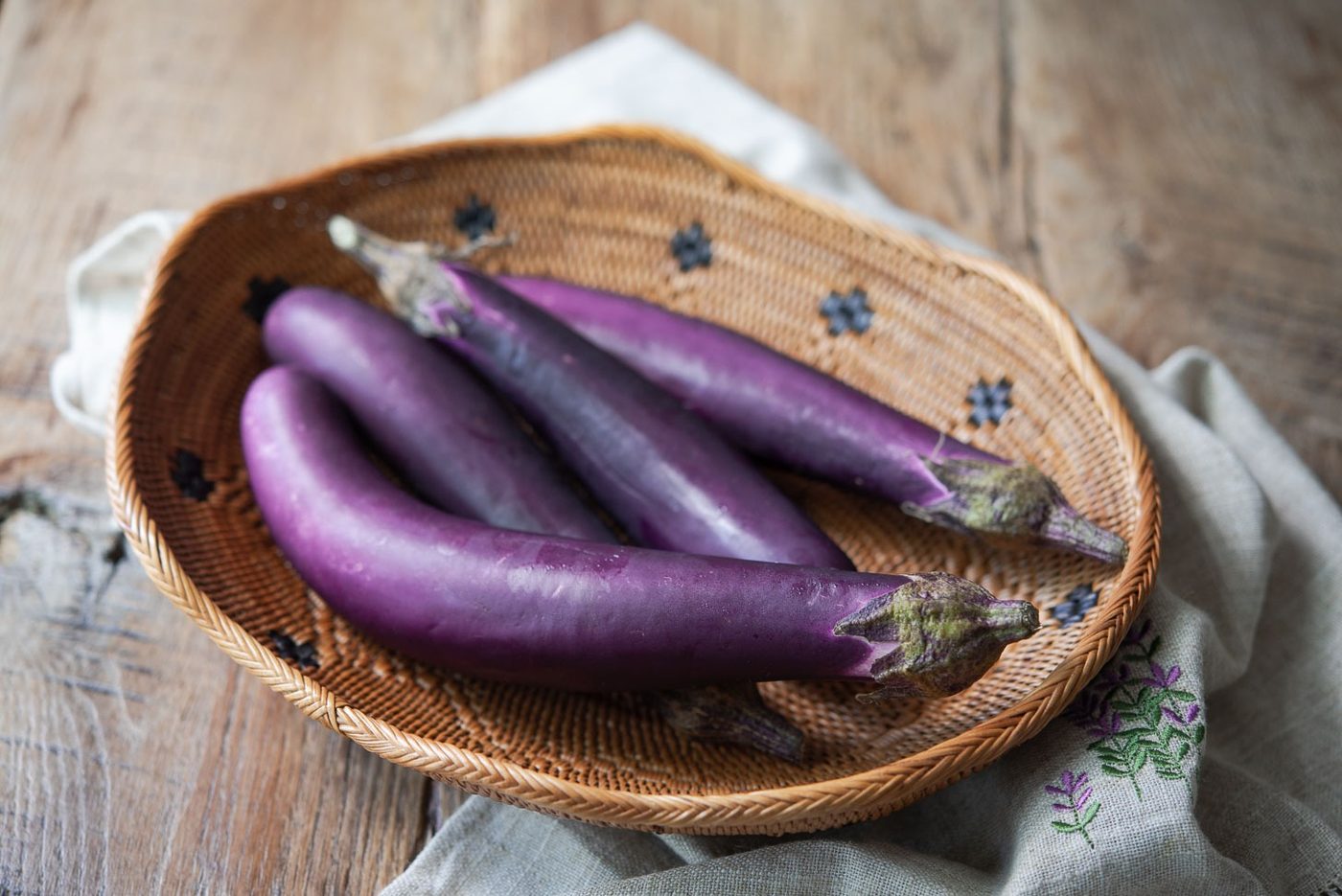
Look for firm and slender eggplants with a deep purple color and shiny skin. Korean eggplants have tender skin, so you won’t need to peel them. You can find them easily in Korean/Asian markets. Some farmer’s markets carry them as well. So be on the look out for them!
How the dish comes together
1. Soak in Vinegar Water: Add vinegar to a bowl of water. Cut eggplant half in lengthwise. Slice each half into 3-4 segments. Put the eggplant pieces in the vinegar water for 5 minutes.
2. Steam the eggplants: Meanwhile, put a steamer basket over a pot of water and bring to a boil on high heat. Drain the eggplants and put in the steamer, cover, and steam for 3-4 minutes or until the eggplants are softened.
3. Let cool: Transfer the softened eggplants in a bowl and let them cool little bit. Tear or slice each section of eggplant into bite-size thin strips.
4. Season with condiments: Add garlic, green onion, Korean soup soy sauce, sesame oil, and sesame seeds. Toss well to coat the eggplants.
Serving and Storage
Gaji namul can go with pretty much any Korean main dishes. You can serve it alongside all sorts of foods such as beef bulgogi or Korean spicy pork.
Serve this Korean side dish at room temperature or chill in the refrigerator until ready to serve. You can store it for up to 1 week in the fridge.
Tips for Perfectly Steamed Eggplant
To keep the eggplant’s vibrant purple color, soak the pieces in water with a splash of vinegar for 5 minutes. For a keeper texture, steam for 3-4 minutes—any longer, and the eggplant may turn mushy. That said, some people enjoy it that way, so adjust the steaming time to suit your preference!
- Yield: 6 people
- Prep: 10 minutes
- Cook: 5 minutes
- Total: 15 minutes
Ingredients
- 2 Asian eggplant or Japanese eggplant
- 4 cup water
- 2 tbsp white vinegar
- 1 clove garlic, finely minced
- 1 green onion, finely chopped
- 2 tsp Korean soup soy sauce (gukganjang)
- 2 tsp sesame oil
- 1 tbsp toasted sesame seeds
Method
- Add vinegar to a bowl of water. Cut eggplant half in lengthwise. Slice each half into 3-4 segments. Put the eggplant pieces in the vinegar water for 5 minutes.
- Meanwhile, put a steamer basket over a pot of water and bring to a boil on high heat. Drain the eggplants and put in the steamer, cover, and steam for 3-4 minutes or until the eggplants are softened.
- Transfer the softened eggplants in a bowl and let them cool little bit. Tear or slice each section of eggplant into bite-size thin strips.
- Add garlic, green onion, Korean soup soy sauce, sesame oil, and sesame seeds. Toss well to coat the eggplants. Serve with rice.
- Note: Serve this Korean side dish at room temperature or chill in the refrigerator until ready to serve. You can store it for up to 1 week in the fridge.