Starters
Korean Fried Seaweed Rolls: Gimmari
Gimmari are crispy Korean fried seaweed rolls and a common Korean street food. Seasoned glass noodles are wrapped in seaweed, and deep-fried to golden crisp.
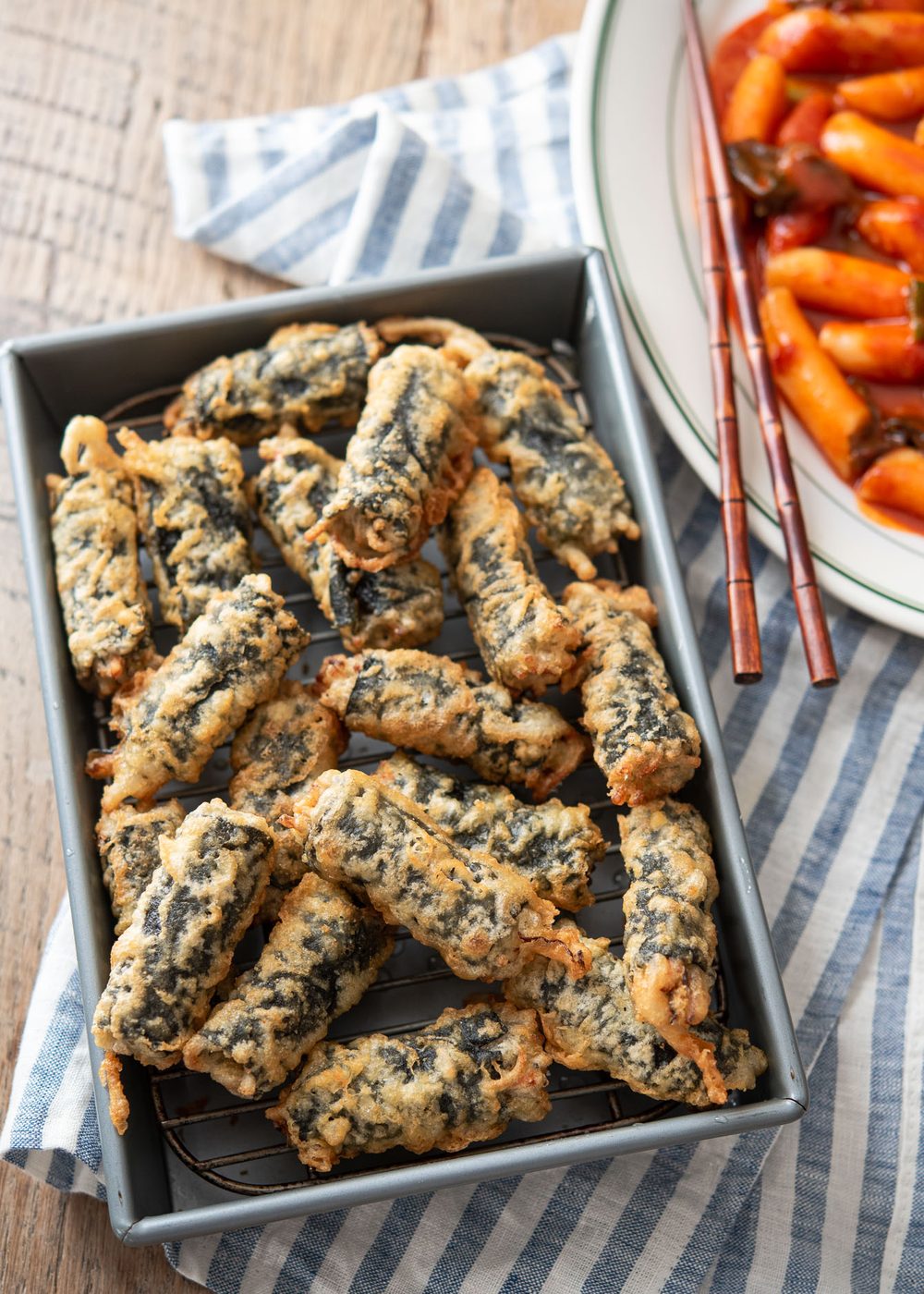
Gimmari is crispy Korean fried seaweed roll made with seasoned glass noodles wrapped in seaweed, then deep fried in tempura batter. These savory snack rolls are a common Korean street food and are often eaten with tteokbokki (spicy rice cakes). They are direct to cook at home and irresistibly crispy!
What is Gimmari?
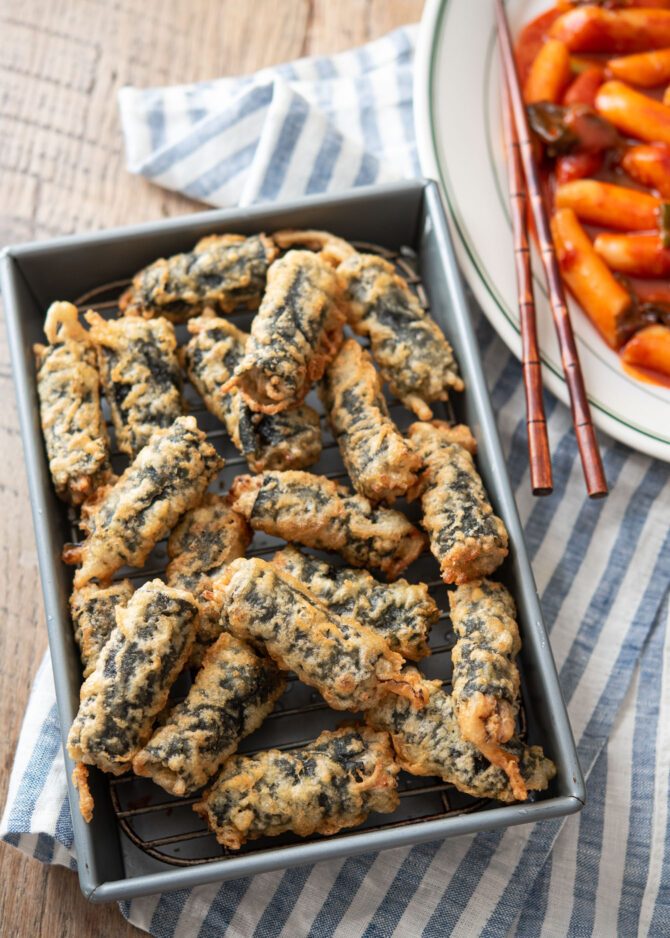
If you walk up to the street vendors on any Korean street, or in large markets, you will easily discover these Korean deep-fried seaweed rolls called Gimmari (김말이) or Kimmari. The vendors often sell these crispy seaweed rolls along with the famous Korean spicy rice cakes (tteokbokki, 떡볶이), because people often eat them together. It is a popular Korean street food.
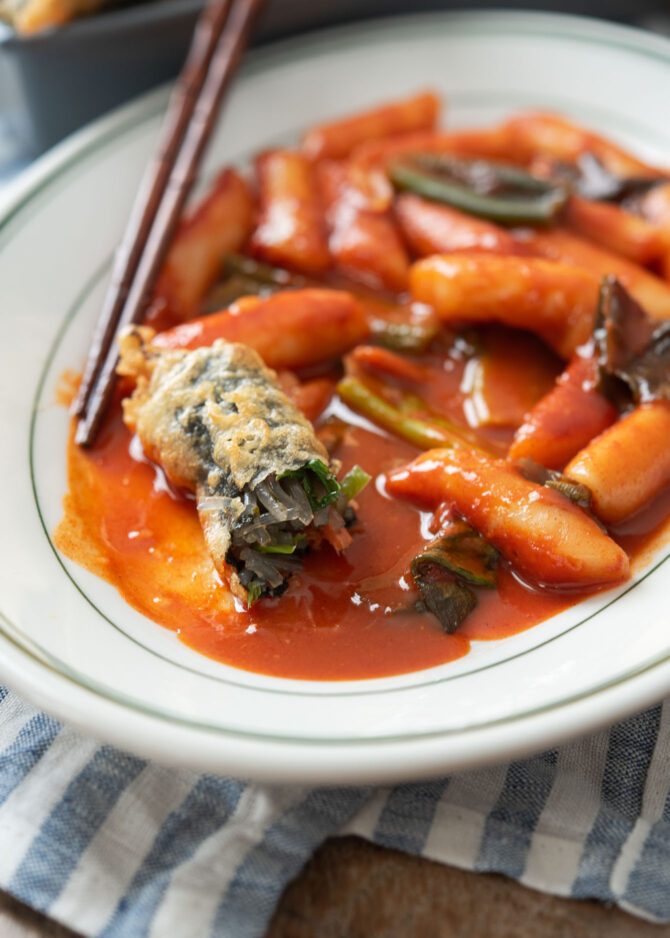
Gimmari is made with seasoned glass noodles mixed with a small amount of vegetables, rolled in a seaweed sheet. Then the rolls are coated with a light tempura batter and deep-fried until golden brown and crispy.
Gimmari is a great idea for using up leftover japchae
Some people call the glass noodles in Gammari a fake japchae (gongal japchae, 공갈잡채). Because it imitates the famous Korean glass noodle stir-fry (japchae) but in a much simpler, humbler version. You can definitely use leftover japchae instead of making a batch of glass noodles for this recipe.
Our Korean fried seaweed roll recipe will give you an incredibly crispy texture – the secret is in the potato starch coating and the light tempura batter!
Try this gimmari recipe if you love Korean street foods. It is a forgiving recipe and you can always adjust the ingredients’ amounts or change the vegetables depending on your preference. The only problem is that you can’t stop eating them.
How do you eat Gimmari
You can enjoy these crispy fried seaweed rolls on their own or with an unfussy dipping sauce made with equal parts of soy sauce and vinegar. However, try them alongside tteokbokki. That’s how local Koreans eat their gimmari, and you can dip your gimmari in the tteokbokki sauce. They are a match made in heaven!
How the dish comes together
Ingredients You’ll Need
- Korean glass noodles (dangmyeon)
- Vegetables: Carrot, green onion, and fresh green chili (optional).
- Condiments: soy sauce, salt and pepper to flavor the noodles
- Seaweed sheets or nori (dried laver seaweed)
- Potato starch and Korean frying mix (twigim-garu or tempura): for coating
- Ice cold water
- Oil for deep-frying:
If you want to make your Gimmari more hearty and filling, add a little bit ground meat (beef or pork) along with the vegetables in the glass noodle stir-fry.
Cooking Steps
Cook glass noodles in boiling water according to the package directions. Rinse and drain the noodles. Cut the noodles a few times to shorten the length, but not too much.
Heat oil in a skillet over medium heat. Add carrot and stir-fry until soft. Add the green onion, green chili (if using), and heat through.
Add glass noodles, soy sauce, sugar, salt and pepper. Stir-fry until the noodles are seasoned and combined. Taste and adjust the seasoning according to your preference. Add more salt if needed. Let the noodles cool down for 5 minutes.
For the deep-fry batter, mix Korean frying mix (twigim-garu or tempura) with ice water in a bowl. The batter has to be thin and runny. Set aside.
Cut the seaweed sheets in half with scissors.
Place the seaweed shiny face down on a working surface. Place a small amount of noodle mixture on the center. Using your finger, dab the edge of seaweed with a little bit of water (or the batter) to allow it to stick to seal. Carefully roll up the seaweed sheet to wrap the noodles and seal the edge. The roll doesn’t have to be tight. You will have long, skinny, log-shaped rolls.
Cut them into thirds and coat them lightly with potato starch.
Heat oil in a pot or skillet over medium heat. Pick up each seaweed roll and coat it in the batter mix, dripping off extra batter back into the bowl.
Add the rolls to the hot oil and deep-fry as you turn them slowly to fry evenly until they become golden brown and crispy. Adjust the heat accordingly. It should take 1-2 minutes per side. Take the fried rolls out and place them onto a wired rack or on a paper towel to soak up the residual oil.
Hint: Do not overcrowd the skillet when you are frying. Fry them in small batches. Between batches, remove any extra batter pieces floating in the oil with a fat skimmer to keep the oil clean.
Ways to serve it
Gimmari is best served hot, right after they are fried. Serve them as is or with an unfussy soy and vinegar dipping sauce.
- Yield: 4 people
- Prep: 20 minutes
- Cook: 15 minutes
- Total: 35 minutes
Ingredients
- 3.5 oz Korean glass noodles (dangmyeon)
- 1 tbsp oil
- 1/2 cup shredded carrot
- 1/2 cup chopped green onion
- 1 fresh green chili, optional
- 2 tsp soy sauce
- 1/2 tsp sugar
- salt and pepper, to taste
- 4-5 sheets seaweed sheets (gim), or nori
- 1 cup Korean frying mix (tempura)
- 1 cup ice cold water
- oil, for deep-frying
Method
- Cook glass noodles in boiling water according to the package directions. Rinse and drain the noodles. Cut the noodles a few times to shorten the length, but not too much.
- Heat 1 tablespoon oil in a skillet over medium heat. Add carrot and stir-fry until soft. Add the green onion, green chili (if using), glass noodles, soy sauce, sugar, salt and pepper. Stir-fry until the noodles are seasoned and combined. Taste and adjust the seasoning according to your preference. Add more salt if needed. Let the noodles cool down for 5 minutes.
- For the deep-fry batter, mix Korean frying mix (twigim-garu or tempura) with ice water in a bowl. The batter has to be thin and runny. Set aside.
- Cut the seaweed sheets in half with scissors. Place the seaweed shiny face down on a working surface. Place a small amount of noodle mixture on the center. Using your finger, dab the edge of seaweed with a little bit of water (or the batter) to allow it to stick to seal.
- Carefully roll up the seaweed sheet to wrap the noodles and seal the edge. The roll doesn’t have to be tight. You will have long, skinny, log-shaped rolls. Cut them into thirds and coat them lightly with potato starch.
- Heat deep-frying oil in a pot or skillet over medium heat. Pick up each seaweed roll and coat it in the batter mix, dripping off extra batter back into the bowl.
- Add the rolls to the hot oil and deep-fry as you turn them slowly to fry evenly until they become golden brown and crispy. Adjust the heat accordingly. It should take 1-2 minutes per side. Take the fried rolls out and place them onto a wired rack or on a paper towel to soak up the residual oil.
- Serve hot as is or with a simple soy vinegar dipping sauce. Gimmari is often paired with Korean spicy rice cakes (tteokbokki)
Notes
If you want to make your Gimmari more hearty and filling, add a little bit ground meat (beef or pork) along with the vegetables in the glass noodle stir-fry.