Salads
Kongnamul Muchim: Korean Soybean Sprout Side Dish
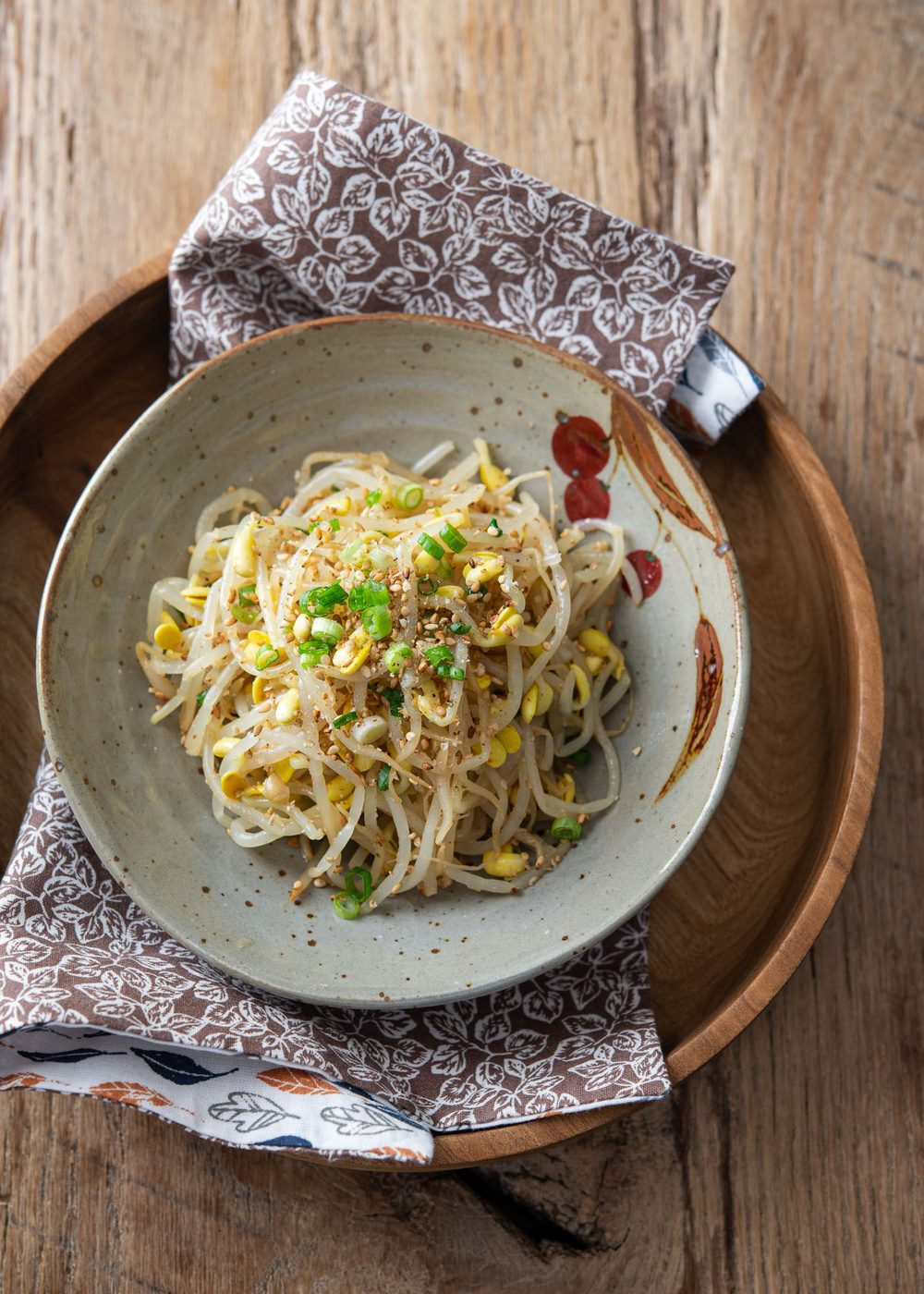
Crunchy and nutty Korean soybean sprout side dish, kongnamul muchim. A short 10-minute banchan that’s lighter, make-ahead friendly, and steady with rice or bibimbap.
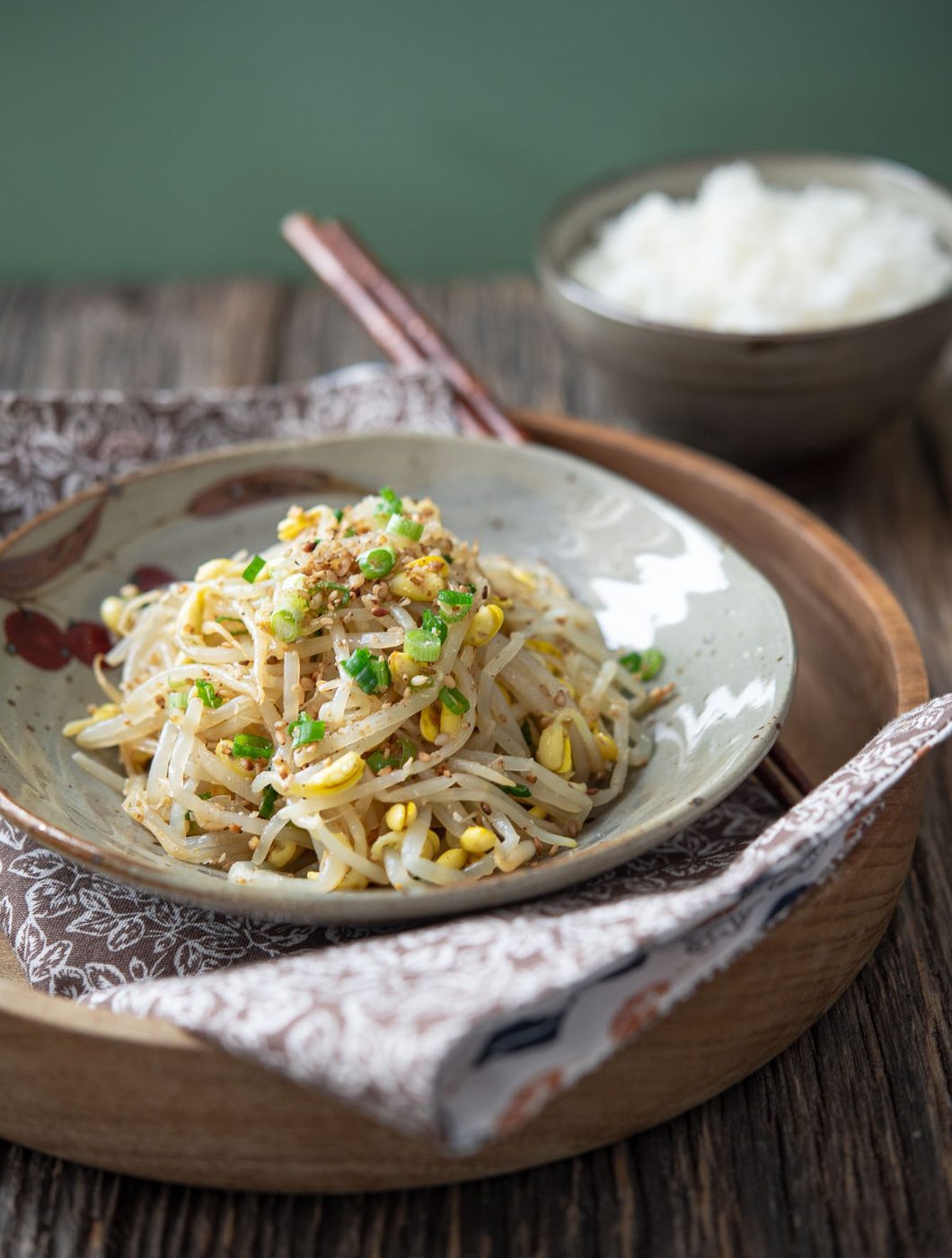
Korean soybean sprout side dish, called kongnamul muchim, is a classic banchan that comes together in just 10 minutes. Light and refreshing with a clean crunch, the sprouts are simply seasoned with sesame oil, Korean soup soy sauce, and garlic. A lighter make-ahead dish that pairs well with rice, soups, or bibimbap, it’s a staple you’ll always find on a Korean table.
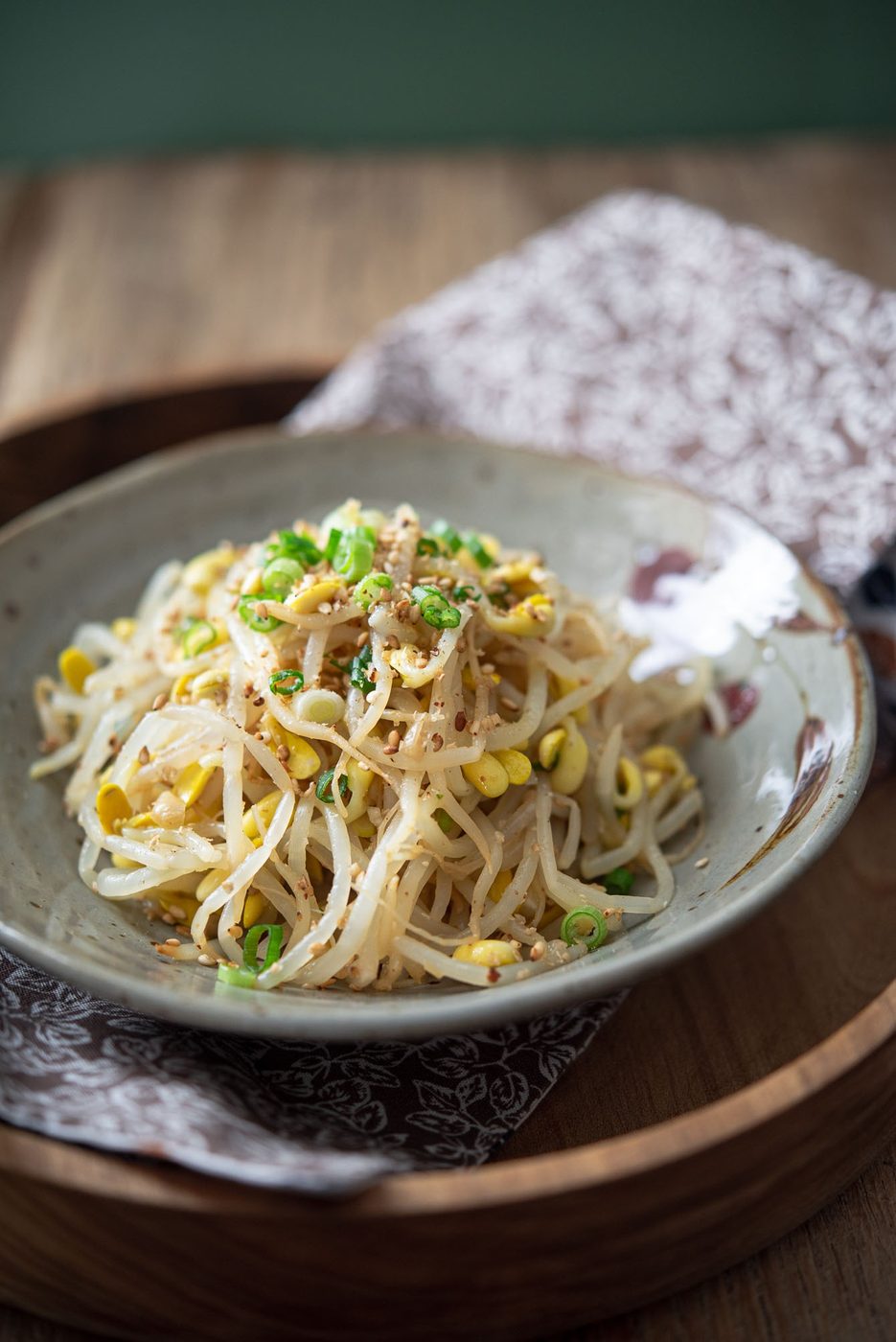
If you open a Korean fridge, you’ll often find a small container of kongnamul muchim (콩나물 무침), the classic soybean sprout side dish. It’s short to make, light yet crunchy, and one of those dishes that fits in anywhere—next to rice, tucked into bibimbap, or served with grilled meat.
We even call it the “national banchan” in Korea because it shows up at nearly every table. For us, it was always there growing up—packed in our lunchbox, set out for family dinners, or simply enjoyed with a bowl of rice. It’s humble, but it captures what Korean home cooking is about: unfussy ingredients turned into something memorable.
What stands out
What makes this recipe stand out is the way it’s cooked. Instead of boiling the sprouts in a pot of water, we use just a few spoonfuls. The sprouts steam in their own moisture, keeping their natural flavor and nutrition without tasting watered down. It’s a small change, but it makes a big difference.
Featured ReviewRead more reviews“After seeing the other two sites and their recipes, we think this one reigns supreme because of the tip about steaming and using minimal water. “
Greg
You’ll also love it because it’s:
- Short: ready in about 10 minutes.
- Nutritious: a good source of plant protein, fiber, and vitamins.
- Versatile: serve it as a side, add to bibimbap, or pair with grilled dishes.
- Make-ahead friendly: keeps well in the fridge for several days.
- if you like a bit of a spicy kick, you can easily transform it into a spicy bean sprout salad by adding some gochugaru (Korean red pepper flakes).
And if you’re always looking for one more banchan to round out the table, you’ll find plenty in our Korean side dish collection.
What Kind of Sprouts to Use
For kongnamul muchim, always use soybean sprouts.
In Korean cooking, there are two common types of sprouts: soybean sprouts (kongnamul) and mung bean sprouts (sukju namul). They look similar, but their flavor and use are quite different.
- Soybean sprouts have a yellow bean head and a nutty taste. They’re the key ingredient for kongnamul muchim, soups, and bibimbap.
- Mung bean sprouts are thinner and milder, and often added to short stir-fries or light salads. If you’re curious, check out our mung bean sprout salad with spinach to see how mung bean sprouts are used.
How the dish comes together
Cooking soybean sprouts is all about timing. Too long and they lose their crunch; too short and they taste raw. Cook them with only a splash of water so they steam gently and keep their bite. Here’s how we do it at home:
Place the rinsed soybean sprouts in a pot with only a few spoonfuls of water. Cover tightly and cook over medium heat for about 6 minutes. Don’t lift the lid while they steam—the trapped heat is what cooks them evenly.
Don’t lift the lid while they steam—the trapped heat is what cooks them evenly.
When the timer is up, stir the sprouts once, then cover again briefly. This short step lets the residual heat finish the cooking without over-softening them.letting it sit for 30 seconds.
Drain the sprouts to remove the excess water and place them in a large mixing bowl. Add garlic, green onion, sesame oil, soy sauce, and sesame seeds.
Gently toss by hand or with tongs so the sprouts don’t break. Taste and adjust the seasoning with a little extra salt if needed.
Serve the sprouts at room temperature or lightly chilled. They keep their crunch and flavor for days in the fridge, which makes them one of the easiest banchan to prepare ahead. Also it is great to use as one of topping for bibimbap
Keeping leftovers
Korean families often prep several banchan ahead, and kongnamul muchim is one that keeps well. Store it in an airtight container, and it will stay fresh for 4–5 days.
Serve it straight from the fridge with rice, or add it to bibimbap. If it looks a little dry after a few days, refresh with a drizzle of sesame oil before serving.
Helpful Tips for Kongnamul Muchim
- Tails or no tails? Some Korean cooks remove the little tails from soybean sprouts for a neater look, but most home cooks—including us—skip this step. It doesn’t affect flavor, and it saves time.
- Don’t rinse after cooking. In Korean kitchens, we never rinse cooked bean sprouts. The trick is to take them off the heat just before they’re fully done. The residual steam finishes the job and keeps their natural crunch and nutty taste.
- Yield: 6 people
- Prep: 3 minutes
- Cook: 7 minutes
- Total: 10 minutes
Ingredients
- 12 oz (340 g) soybean sprouts, rinsed
- 4 tbsp (60 ml) water
- 1 clove garlic, finely minced
- 1 green onion, finely chopped
- 1 tbsp (15 ml) sesame oil
- 1 tbsp (9g) toasted sesam seeds
- 2 tsp (10 ml) Korean soup soy sauce (gukganjang)
- pinch salt, as needed
Method
- Put sprouts in a pot and pour in 4 tablespoon of water. Close the lid tightly and let the sprouts cook over medium heat for 6 minutes. Do not open the lid. If you have a glass lid, you will see the steamed water drips down under the lid.
- Remove the pot from the heat and open the lid. Stir and turn the sprouts so that the ones on the bottom come to the top and the ones on the top end up on the bottom, and wait for 30 seconds.
- Drain the spouts in a colander to remove the extra water and let cool for a couple of minutes.
- Place the warm sprouts in a large mixing bowl. Add garlic, green onion, Korean soy soy sauce, sesame oil, toasted sesame seeds, and a pinch of salt. Toss the salad with your hand or using kitchen tongs to mix well.
- Taste the salad and add more salt if needed. Serve at room temperature or chilled.