
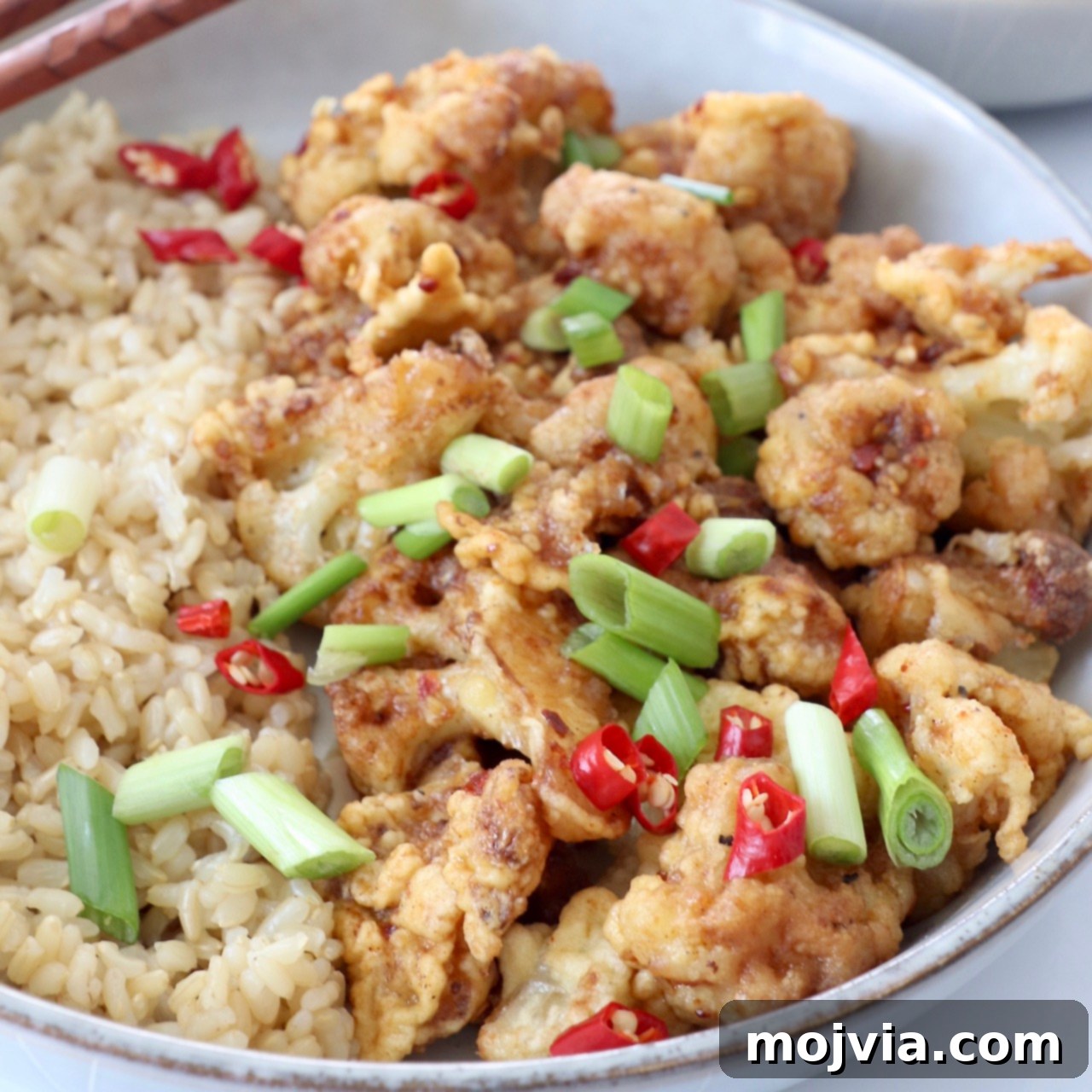
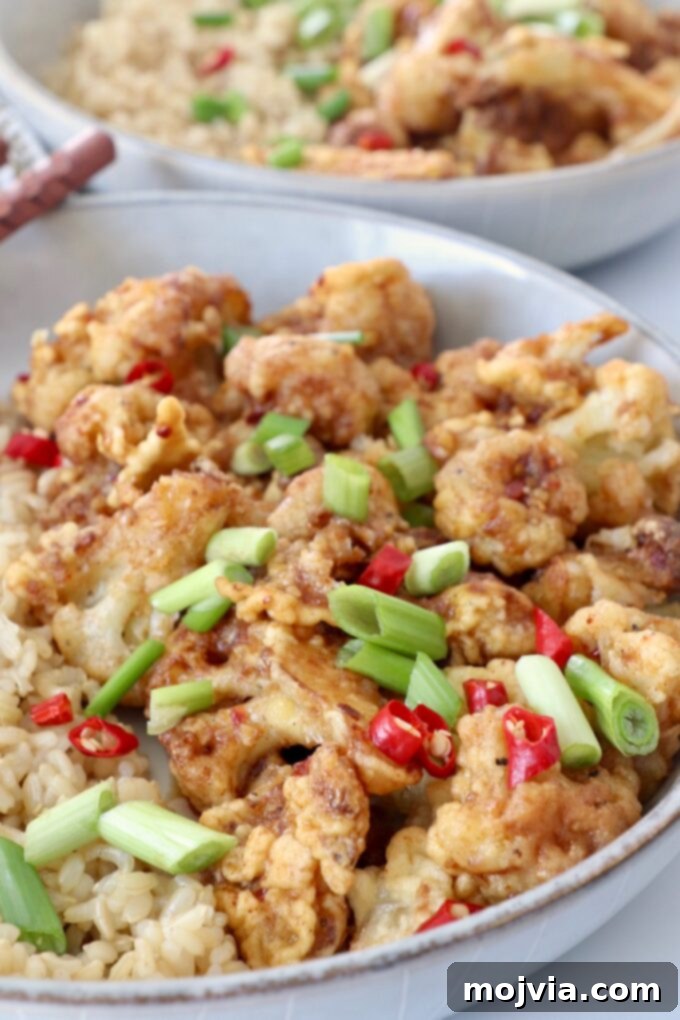
Discover a sensational plant-based twist on a beloved Chinese classic with this vegetarian recipe for General Tso’s Cauliflower! In this recipe, perfectly crispy cauliflower florets are coated in an irresistibly spicy, sweet, and tangy General Tso’s sauce, creating a delicious and satisfying meal that’s sure to impress.
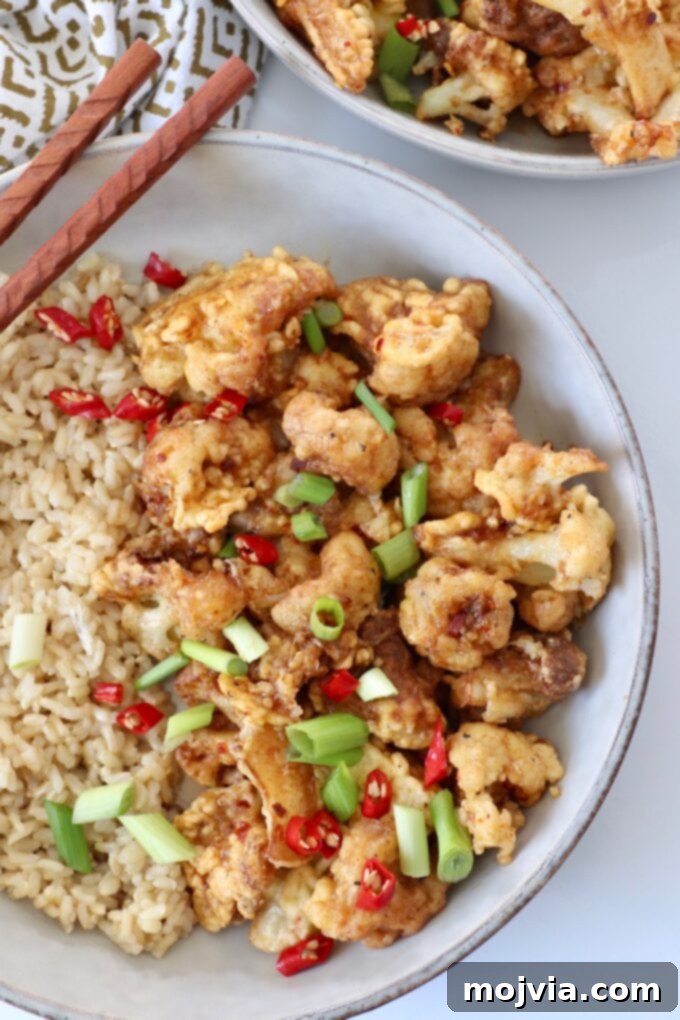
General Tso’s Chicken has long been a staple in American Chinese cuisine, celebrated for its unique balance of bold flavors. But what if you could enjoy that iconic taste in a fantastic vegetarian form? This General Tso’s Cauliflower recipe offers just that – a delightful, plant-based alternative that captures all the spicy, sweet, and savory notes of the original, without the meat. Since first experimenting with the original General Tso’s Chicken recipe in 2015, I’ve fallen in love with its incredible sauce.
Indeed, the true star of any General Tso’s dish is its rich and complex sauce. My perfected version strikes an exquisite balance: primarily spicy with a delightful undercurrent of sweetness, and layers of umami that make it truly irresistible. This robust sauce clings beautifully to each piece of pan-fried cauliflower, transforming it into a craveable vegetarian main course. Whether you’re looking for a satisfying weeknight dinner or an impressive dish to share, this recipe delivers on flavor and texture.
Pair this vibrant dish with a comforting side of rice – brown or white work wonderfully – or fresh steamed vegetables like baby bok choy or crisp broccoli to complete your meal. Not only is this recipe incredibly flavorful, but it’s also designed for convenience, coming together in just about 30 minutes. It offers a fresh, homemade taste that often surpasses your favorite Chinese takeout, promising a meal the whole family will adore and request again and again.
Table of contents
- Ingredients for General Tso’s Cauliflower
- Step-by-Step Instructions
- How to Serve General Tso’s Cauliflower
- Frequently Asked Questions
- Tips and Tricks for Success
- More Delicious Vegetarian Recipes
Ingredients for General Tso’s Cauliflower
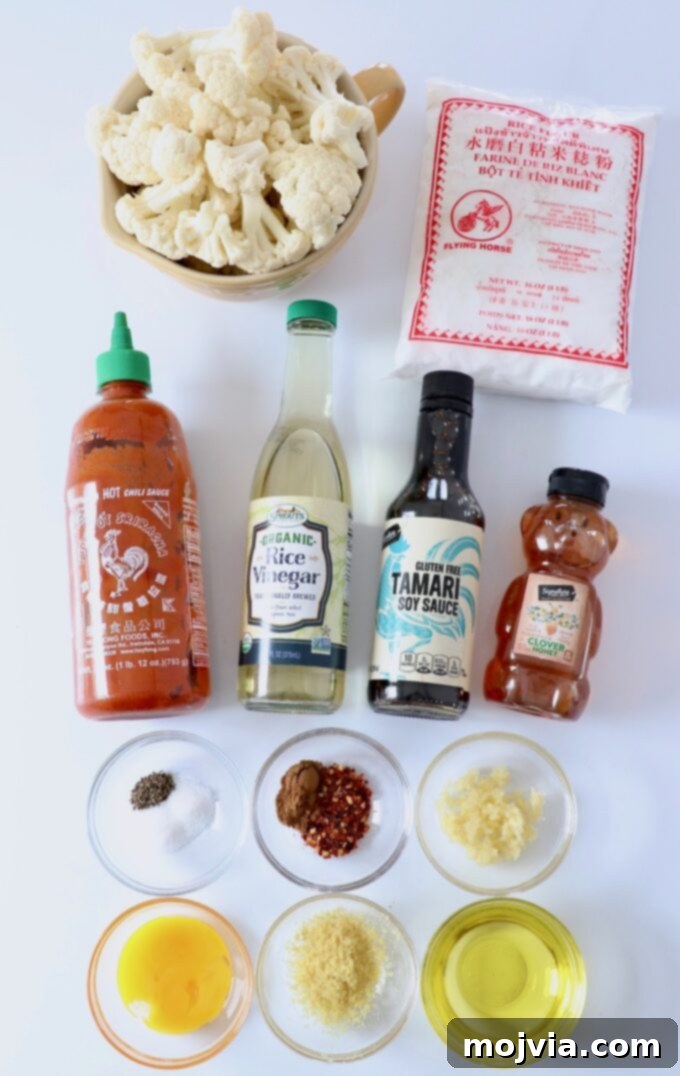
Crafting the perfect General Tso’s Cauliflower begins with high-quality ingredients for both the flavorful sauce and the crispy fried cauliflower. Here’s a detailed look at what you’ll need and some helpful tips for each component:
- Canola Oil: This versatile oil is used both in the sauce and for frying the cauliflower. I recommend selecting an oil with a high smoke point, such as avocado, corn, or peanut oil, to ensure optimal frying results without burning. Using a good quality oil is crucial for achieving that desired golden crispness.
- Gluten-Free Soy Sauce (Tamari): To make this recipe completely gluten-free, opt for tamari, a Japanese soy sauce alternative that offers the same rich umami flavor. If gluten is not a concern for your diet, traditional soy sauce can be used interchangeably. This ingredient forms the savory base of our exquisite General Tso’s sauce.
- Rice Vinegar: A staple in Asian cuisine, rice vinegar provides a crucial tanginess that brightens the sauce and balances its sweetness and spice. You’ll typically find this in the Asian foods aisle or alongside other oils and vinegars at your local grocery store. It’s essential for creating that signature General Tso’s flavor profile.
- Sriracha: For that vibrant kick, sriracha is the go-to. It contributes both heat and a subtle garlic-chili flavor to the sauce. Adjust the amount to your personal preference for spice – a little less for mild, a little more for extra fire!
- Honey: This natural sweetener provides the perfect counterpoint to the heat and tang in the sauce, creating a well-rounded and deeply satisfying flavor. For those following a vegan diet, maple syrup or agave nectar can be excellent substitutes.
- Fresh Garlic Cloves: Freshly crushed garlic is paramount for depth of flavor. Avoid pre-minced garlic if possible, as the fresh cloves offer a more pungent and aromatic contribution to the sauce.
- Fresh Grated Ginger: The zesty, peppery notes of fresh ginger are irreplaceable. Here’s a pro tip: store fresh ginger in the freezer! Not only does it last for months, but grating it directly from frozen is significantly easier and less messy. You’ll always find a knob of ginger in my freezer for this very reason.
- Chinese Five Spice: This aromatic blend (typically star anise, cloves, Chinese cinnamon, Szechuan peppercorns, and fennel seeds) adds a complex, warm, and distinctive Chinese flavor to the sauce. It’s usually found in the spice aisle of most major supermarkets and is key to the authentic taste.
- Crushed Red Pepper Flakes: For an additional layer of heat and a visual pop, red pepper flakes are incorporated into the sauce. Feel free to adjust the quantity based on your desired spice level.
- Rice Flour: This is the secret to achieving that incredibly crispy, light coating on the cauliflower. I often find Thai rice flour at local Asian markets for a great price. If an Asian market isn’t nearby, major grocery stores typically carry white rice flour, often located in the baking or gluten-free sections. Its unique starch structure ensures a superior crispness compared to regular wheat flour.
- Salt and Black Pepper: Basic seasonings for the cauliflower batter, enhancing its overall flavor.
- Egg Yolk: Used in the batter to bind the rice flour and create a smooth, adherent coating for the cauliflower. For a vegan alternative, see the “Tips and Tricks” section below.
- Cold Water: Mixed with the flour, salt, pepper, and egg yolk to form a smooth, pourable batter. The cold temperature helps ensure a crispier crust.
- Cauliflower Florets: You’ll need approximately 3-4 cups of florets, which equates to about 1 ½ – 2 pounds of cauliflower. You can either chop a whole head of cauliflower into bite-sized florets or purchase pre-cut bags for convenience. **Important:** I strongly advise against using frozen cauliflower for this recipe, as its higher water content prevents it from achieving the desired crisp, fully cooked texture during pan-frying.
- Red Chili Peppers (Optional): For those who love extra heat, diced Thai chilies or serrano peppers can be tossed with the finished cauliflower. This is entirely optional and can be omitted to maintain a mild to medium spice level.
- Green Onions (Optional): Diced green onions serve as a fresh, aromatic garnish, adding a touch of color and a mild oniony flavor to the finished dish. They are excellent for presentation and an extra layer of taste.
- Brown Rice (for serving): A healthy and hearty accompaniment. I often use this Instant Pot brown rice recipe, but stovetop or rice cooker methods work just as well. Alternatively, white rice or even a low-carb option can be served, depending on your dietary preferences.
Step-by-Step Instructions
Follow these simple steps to create perfectly crispy General Tso’s Cauliflower that’s bursting with flavor:
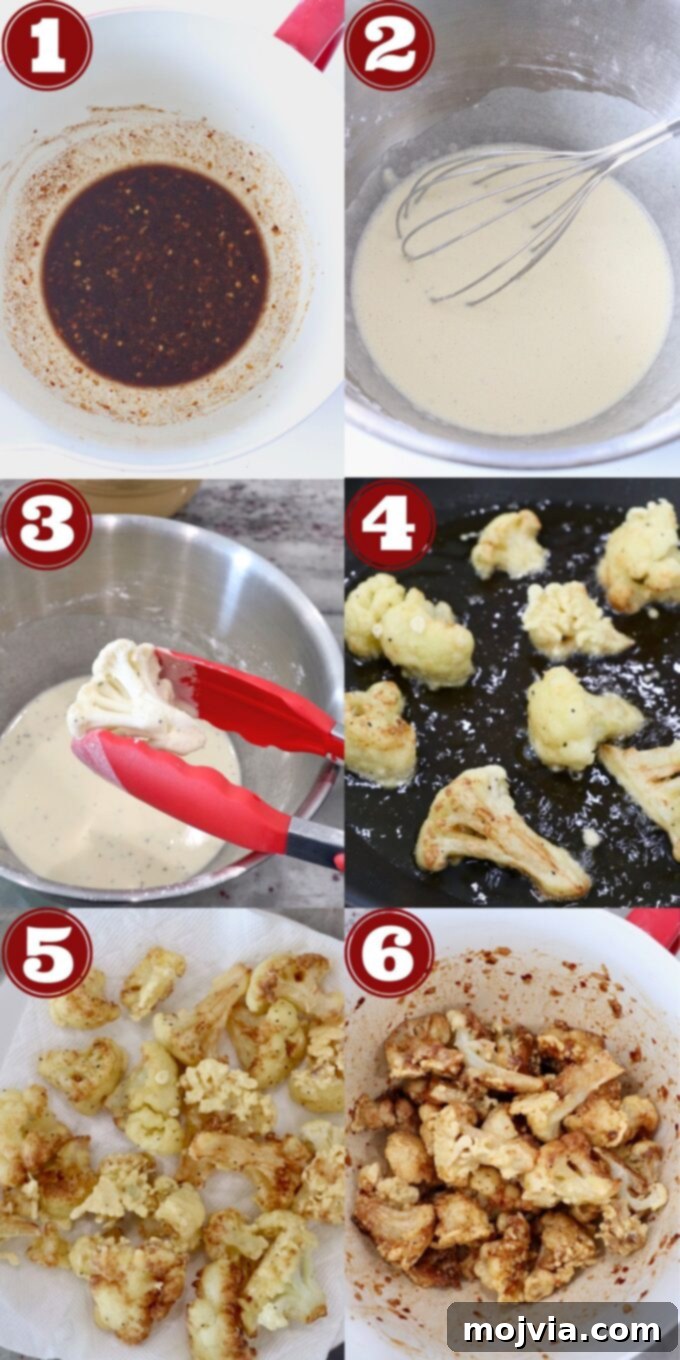
- Prepare the General Tso’s Sauce: In a large mixing bowl, combine the canola oil, gluten-free soy sauce (or traditional), rice vinegar, sriracha, honey, crushed fresh garlic, grated fresh ginger, Chinese five spice, and crushed red pepper flakes. Whisk all these ingredients thoroughly until well combined and the honey is fully dissolved. Set this flavorful sauce aside.
- Set Up for Frying: Place a large skillet over medium-high heat on your stove. Add ½ cup of canola oil (or your chosen high smoke point vegetable oil) to the skillet. Allow the oil to heat up properly; it should shimmer slightly, indicating it’s ready for frying.
- Prepare the Cauliflower Batter: In a separate large bowl, whisk together the rice flour, salt, and black pepper. Add the whisked egg yolk to this dry mixture. Gradually pour in ½ cup of cold water, whisking continuously until a smooth, lump-free batter forms. The batter should be thick enough to coat the cauliflower but still fluid.
- Batter the Cauliflower Florets: Using tongs, carefully dip each cauliflower floret into the prepared batter, ensuring it is fully coated. Lift the floret and allow any excess batter to drip back into the bowl. This prevents too thick a coating and ensures even crispness.
- Fry the Cauliflower to Crispy Perfection: Gently place the battered cauliflower florets into the hot oil in the skillet. Be careful not to overcrowd the pan, as this will lower the oil temperature and prevent the cauliflower from frying properly. Depending on the size of your skillet, you will likely need to fry the cauliflower in 3-4 batches. Fry each batch for 3-4 minutes per side, or until all sides of the cauliflower are beautifully golden brown and delightfully crispy.
- Drain Excess Oil: As each batch of cauliflower finishes frying, use tongs to remove it from the skillet. Transfer the fried florets to a plate lined with paper towels or onto a wire cooling rack set over a tray. This allows any excess oil to drain off, keeping your cauliflower light and crisp.
- Toss with Sauce and Serve Immediately: Once all the cauliflower has been fried and drained, transfer it into the large bowl containing the prepared General Tso’s sauce. Gently toss the cauliflower with the sauce until every piece is thoroughly coated. Serve the General Tso’s Cauliflower immediately after coating to enjoy its optimal crispy texture and vibrant flavors.
How to Serve General Tso’s Cauliflower
The key to enjoying General Tso’s Cauliflower at its best is to serve it promptly after it has been tossed in the sauce. The sauce, while delicious, will cause the crispy coating to soften over time. For this reason, timing is crucial:
- Immediate Enjoyment is Best: To preserve that satisfying crunch, aim to serve the cauliflower immediately after it’s been coated in the General Tso’s sauce. The contrast between the crispy exterior and tender interior, enveloped in the rich sauce, is truly divine.
- Pre-Prepare Side Dishes: If you plan to serve the cauliflower with rice or other vegetables, ensure they are fully prepared and ready to go before you even begin frying the cauliflower. This allows you to serve everything together hot and fresh, maintaining the cauliflower’s desired texture.
- Serving as an Appetizer: For an appetizer, consider tossing only half of the fried cauliflower with the sauce at a time. Serve the first batch, and then toss and serve the remainder as needed. This intelligent approach ensures that every piece of cauliflower served retains its delightful crispness for your guests.
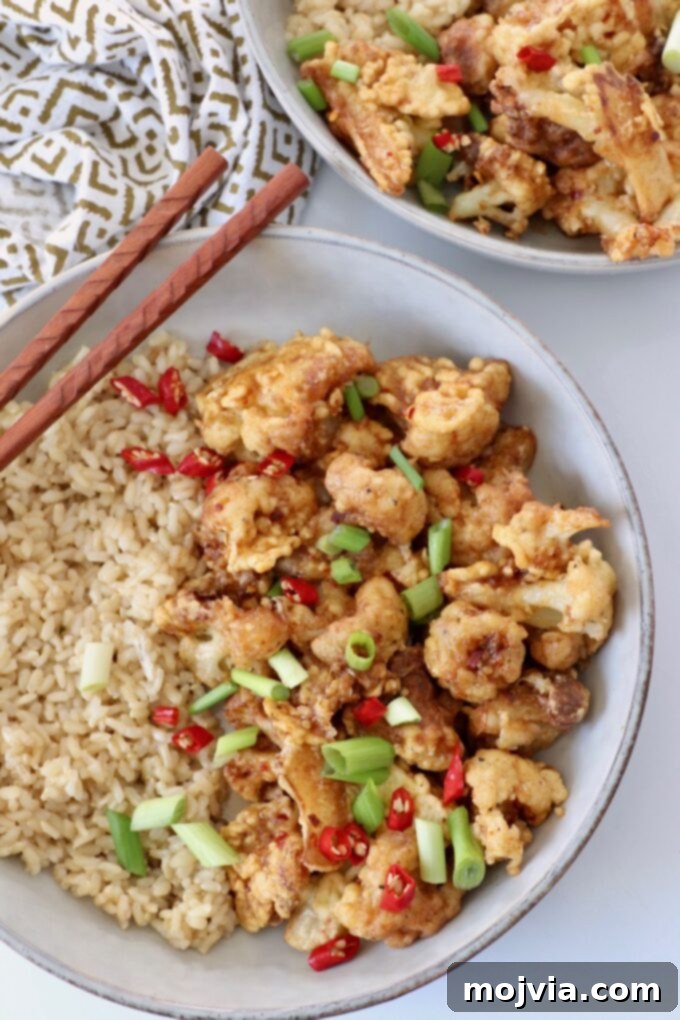
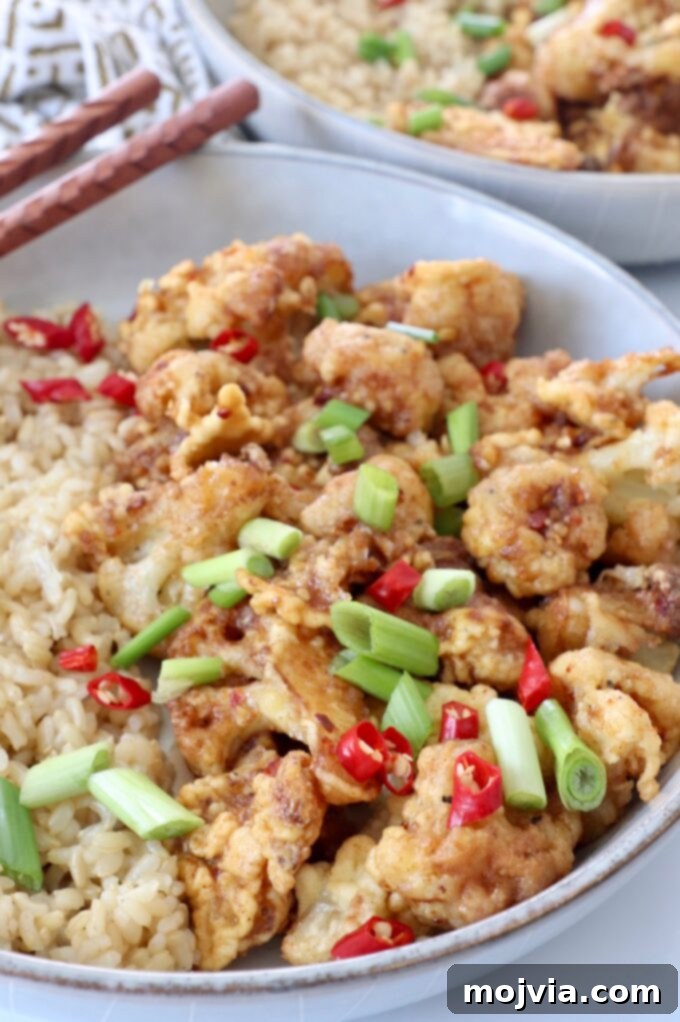
- Entrée Pairings: When serving as a main course, the General Tso’s Cauliflower pairs wonderfully with either fluffy white rice or hearty brown rice. For a lighter, healthier option, try serving it in fresh lettuce wraps – the crisp lettuce provides a lovely textural contrast to the saucy cauliflower.
- Garnish for Extra Flair: Elevate the dish with optional garnishes. Diced green onions add a fresh, mild oniony bite and a splash of color. For those who crave more heat, a sprinkle of fresh diced red chili peppers (such as Thai chilies or serranos) provides an extra layer of spice and visual appeal.
This dish is not only a fantastic vegetarian main but also a versatile option for appetizers or part of a larger Asian-inspired spread. Enjoy the explosive flavors and satisfying textures!
Frequently Asked Questions
Here are answers to some common questions about making General Tso’s Cauliflower, offering guidance and alternative preparation methods:
- Can I prepare this recipe in an air fryer? While the wet batter used in this recipe is not ideal for the air fryer, you can certainly make a delicious, albeit less crispy, version. For an air-fried alternative, toss the raw cauliflower florets with 2 tablespoons of canola oil, ½ teaspoon of salt, and ¼ teaspoon of black pepper. Air fry them in batches at 400°F (200°C) for about 15 minutes, making sure to toss them halfway through the cooking time for even browning. Once cooked, toss the air-fried cauliflower with the General Tso’s sauce. This method will yield a tender, flavorful cauliflower with a slight char, rather than the heavily battered crispness of the pan-fried version, but it’s a wonderful lighter option.
- Can I bake the cauliflower instead of pan-frying? Similar to the air fryer, the wet batter tends not to bake up well in the oven, resulting in a less desirable texture. Instead, I recommend roasting the cauliflower without the breading for a healthier baked alternative. Simply toss your cauliflower florets with a drizzle of olive oil, salt, and pepper. Roast them in the oven at 425°F (220°C) for 15-20 minutes, or until tender and lightly browned. After roasting, toss the hot cauliflower with the General Tso’s sauce. This method offers fantastic flavor with a soft, roasted texture.
- Is this recipe gluten-free? Absolutely! This recipe is designed to be naturally gluten-free when you use the specified ingredients. The key modifications are using tamari (gluten-free soy sauce) for the sauce and rice flour for the batter. Both ingredients ensure that the dish is safe and delicious for those with gluten sensitivities or celiac disease, without compromising on taste or texture.
- Can I reheat the cauliflower? Unfortunately, I do not recommend reheating the cauliflower once it has been tossed with the sauce. The crispy coating will absorb the sauce and become soggy, losing its appealing texture. For best results, always serve the sauced cauliflower immediately. If you anticipate having leftovers, it’s best to store any unsauced, fried cauliflower separately from the sauce and combine just before serving.
- Can I cook the cauliflower in a deep fryer? Yes, if you have a deep fryer, this is an excellent method for achieving consistent crispness. Heat your deep fryer oil to approximately 375-400°F (190-200°C). Carefully lower the battered cauliflower florets into the hot oil, ensuring not to overcrowd the fryer. Fry until golden brown and crispy, typically 3-5 minutes, depending on the size of your florets. Drain on a wire rack before tossing with the sauce.
Tips and Tricks for Success
To ensure your General Tso’s Cauliflower turns out perfectly every time, keep these expert tips and tricks in mind:
- Making This Recipe Vegan: To easily convert this dish into a delicious vegan meal, you’ll need to make two simple substitutions. First, swap out the honey in the General Tso’s sauce for an equal amount of maple syrup or agave nectar. Both provide a similar sweetness and texture. Second, for the cauliflower batter, replace the egg yolk with a “flax egg” or a similar vegan binder. A good option is to mix 2 teaspoons of neutral oil (like canola), 2 teaspoons of water, and ½ teaspoon of baking powder. Add this mixture to the rice flour, salt, and pepper before incorporating the cold water, ensuring a cohesive and crisp batter.
- Rice Flour Alternatives: If rice flour is unavailable, you can substitute it with cornstarch or tapioca starch. Both of these alternatives are naturally gluten-free and will still yield a crisp coating, though the final texture may be slightly different from rice flour, which often provides a distinctively light and airy crunch. I do not recommend using traditional wheat flour, as its gluten content and different starch properties will result in a denser, less crispy batter that won’t perform the same way in frying.
- Prepare the Sauce in Advance: For ultimate convenience and to streamline your cooking process on busy weeknights, the General Tso’s sauce can be prepared up to 5 days ahead of time. Simply whisk all the sauce ingredients together and store it in an airtight container in the refrigerator. This allows the flavors to meld beautifully and saves you a significant 5-10 minutes when you’re ready to fry and serve the cauliflower.
- Achieving Uniform Cauliflower Florets: For even cooking and consistent crispness, try to chop your cauliflower head into florets of roughly similar size. This ensures that all pieces cook through at the same rate when frying.
- Don’t Overcrowd the Skillet: This is a crucial rule for frying. Overcrowding the pan dramatically lowers the oil temperature, leading to soggy, oily cauliflower rather than perfectly crisp pieces. Fry in batches, leaving enough space between florets for the heat to circulate properly.
- Monitor Oil Temperature: Maintaining a consistent oil temperature (medium-high heat, around 350-375°F / 175-190°C) is key to successful frying. If the oil is too cool, the cauliflower absorbs too much oil and becomes greasy. If it’s too hot, the batter burns before the cauliflower cooks through.
- Serve Unsauced Leftovers: If you have any leftover fried cauliflower that hasn’t been tossed in the sauce, you can store it in an airtight container in the refrigerator for 1-2 days. To reheat, place it in a hot oven or air fryer until crisp again, then toss with freshly heated sauce.
More Delicious Vegetarian Recipes
If you loved this General Tso’s Cauliflower, you’re sure to enjoy these other popular and flavorful Asian-inspired vegetarian recipes. Expand your culinary horizons with more plant-based delights:
- Spicy Vegetable Pad Thai: A vibrant and zesty noodle dish packed with fresh veggies and a kick of spice.
- Korean Fried Cauliflower: Another fantastic crispy cauliflower creation, this time with a sweet and spicy Korean-inspired glaze.
- Shishito Peppers with Soy Ginger Sauce: A simple yet addictive appetizer featuring blistered shishito peppers in a savory sauce.
- Stir Fry Vegetables: A versatile and quick recipe for tender-crisp mixed vegetables, perfect as a side or a light main.
- Palak Paneer: A rich and creamy Indian dish featuring spinach and paneer cheese, bursting with aromatic spices.
- Indian Butter Cauliflower Curry: A vegetarian take on a beloved classic, offering a comforting and fragrant curry experience.
- Dan Dan Noodles: A spicy, savory, and nutty noodle dish, adapted for a vegetarian palate without sacrificing flavor.
- Vegetarian Massaman Curry Noodles: A rich and aromatic Thai curry, filled with vegetables and served over noodles for a hearty meal.

Print Recipe
Pin Recipe
Rate this Recipe
General Tso’s Cauliflower
Ingredients
General Tso’s Sauce
- 1 tablespoon canola oil
- ¼ cup gluten-free soy sauce, or traditional soy sauce
- 2 tablespoons rice vinegar
- 1 tablespoon sriracha
- 2 tablespoons honey
- 1 tablespoon fresh garlic, crushed
- 2 teaspoons fresh ginger, grated
- ½ teaspoon chinese five spice
- 1 teaspoon crushed red pepper flakes
Pan Fried Cauliflower
- ½ cup canola oil, or vegetable oil
- 1 cup rice flour
- ½ teaspoon salt
- ¼ teaspoon black pepper
- 1 egg yolk, whisked
- ½ cup cold water
- 3-4 cups cauliflower florets
For serving – optional
- red chili peppers, diced
- ¼ cup green onions, diced
- 2 cups cooked rice, brown or white
Instructions
-
In a large bowl, whisk together all the ingredients for the General Tso’s sauce. Set aside.
-
Add ½ cup canola oil to a large skillet on the stove over medium-high heat.
-
In a separate large mixing bowl, combine the rice flour, salt, pepper, and whisked egg yolk.
-
Gradually add the cold water and whisk until a smooth batter forms.
-
Dip each cauliflower floret into the batter until completely coated, allowing any excess batter to drip off, then carefully add the battered cauliflower to the hot oil in the skillet. Fry in batches to avoid overcrowding the pan.
-
Fry for 3-4 minutes per side, or until all sides of the cauliflower are golden brown and crispy.
-
Remove the fried cauliflower from the oil and transfer to a paper towel-lined plate or wire cooling rack to drain any excess oil.
-
Once all of the cauliflower is fried, add it to the bowl of General Tso’s sauce and toss gently to coat the cauliflower evenly in the sauce.
-
Serve the cauliflower immediately after it’s tossed in the sauce to enjoy its crispy texture; otherwise, it will get soggy.
-
You can serve the cauliflower with white or brown rice and optional diced chili peppers and green onions for garnish, if desired.
Notes
- I recommend using the recipe linked here to prepare brown rice in an Instant Pot, rice cooker or stovetop, for serving with the cauliflower.
- If you’re planning to serve the cauliflower with rice or vegetables, make sure they’re prepared before you begin frying the cauliflower.
- If you’re not planning to eat all of the cauliflower immediately, do not toss all of the cauliflower with the sauce. As soon as the cauliflower is sauced, it should be eaten immediately or the texture will become soggy.
- I do not recommend using an air fryer to cook the battered cauliflower, or baking it in the oven. Refer to the blog post above for how to make cauliflower for this recipe in an air fryer or the oven.
- This recipe is gluten free using the ingredients listed above.
- To make this recipe vegan, swap out the honey in the sauce for maple syrup or agave nectar to make a vegan General Tso’s sauce. For the cauliflower batter, instead of an egg yolk, mix 2 teaspoons of oil, 2 teaspoons of water, and ½ teaspoon of baking powder together. Add this mixture to the batter with the rice flour, salt and pepper, before adding the cold water.
- If you can’t find rice flour, you can use cornstarch or tapioca starch instead. The recipe will remain gluten free using either of these ingredients. I do not recommend using traditional flour, as the texture is different and the batter will not behave the same way.
- You can make the sauce up to 5 days in advance and store it in the refrigerator until serving. This will save you 5-10 minutes when making the recipe.