
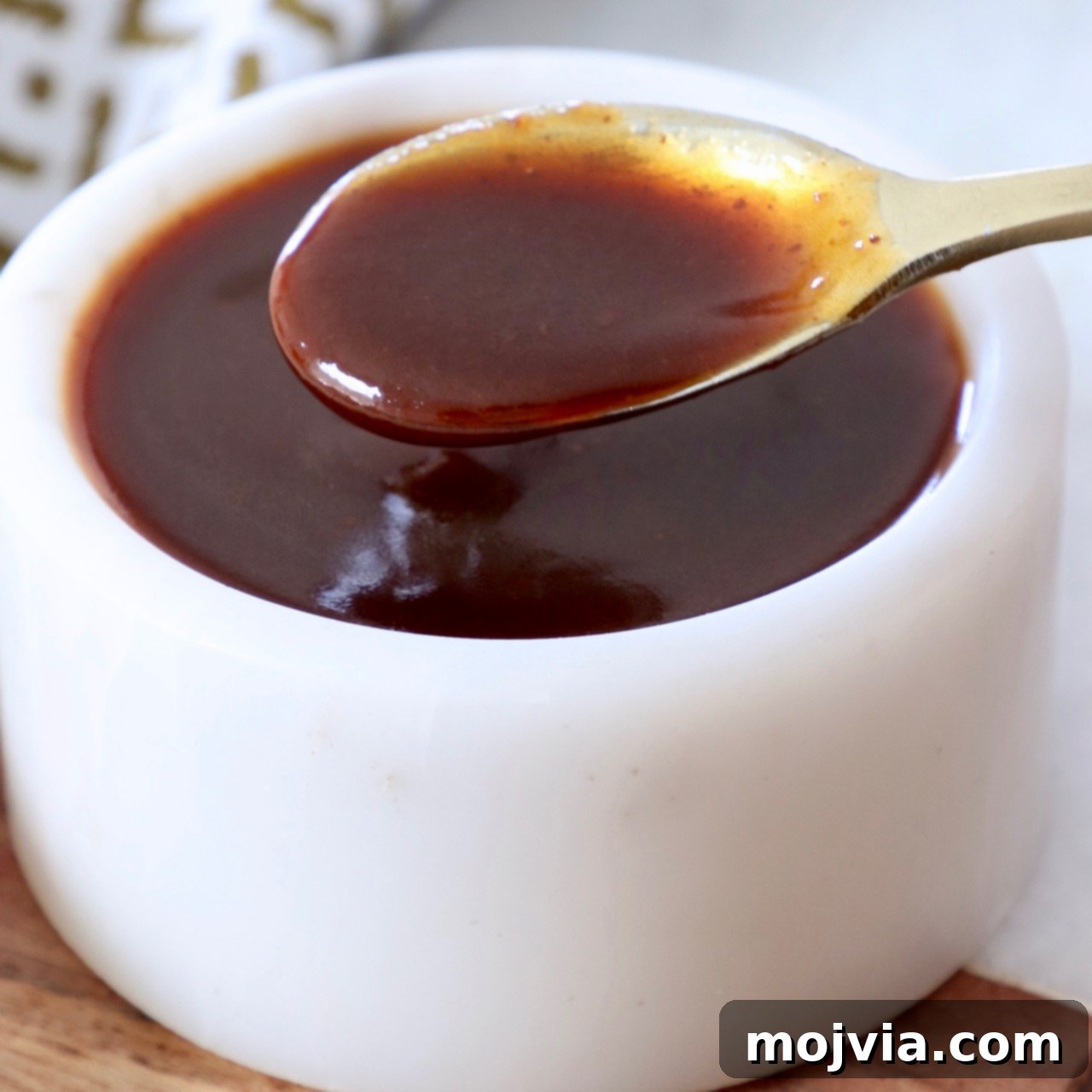
Transform your weeknight dinners with THE BEST Stir Fry Sauce! Crafted with just 5 simple ingredients and ready in a mere 5 minutes, this incredibly easy and delicious sauce is your secret weapon for making perfect vegetable, chicken, or beef stir-fry recipes every time. Say goodbye to bland meals and hello to vibrant, homemade flavor that will have your family asking for seconds.
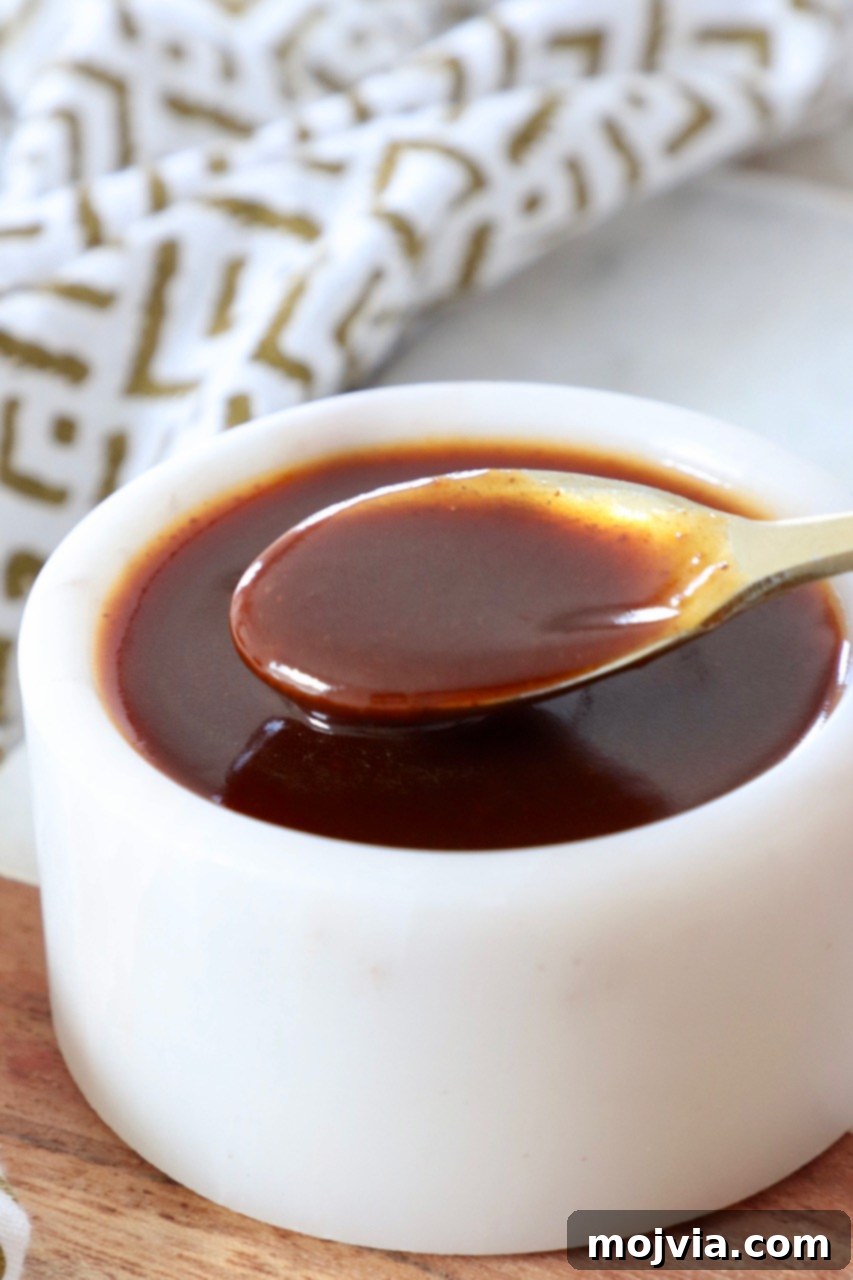
“NO need for takeout again, ever. I love all of these ingredients; it was fantastic, we’re stoked about leftovers! Thank you!” – A happy home cook, S.
In the fast-paced world of modern cooking, finding recipes that are both quick and incredibly flavorful can feel like a culinary quest. Yet, one dish consistently delivers on both fronts: the humble stir-fry. It’s a culinary hero that effortlessly brings together an array of fresh ingredients into a satisfying, wholesome meal, often ready in less than 30 minutes. But what truly elevates a good stir-fry to an unforgettable one? The sauce. A perfectly balanced homemade stir fry sauce is the secret ingredient, coating every piece of meat and vegetable with an irresistible blend of sweet, savory, tangy, and subtly spicy notes.
For years, this remarkable 5-ingredient stir-fry sauce has been a trusted favorite, transforming ordinary ingredients into extraordinary meals. Developed in 2013, it has graced countless dinner tables, proving its versatility with succulent beef, tender chicken, and vibrant vegetable stir-fry recipes. Its masterful balance of flavors is key, combining the essential elements for a truly authentic Asian-inspired experience. The secret to its remarkable depth and ideal consistency lies in one special ingredient that not only enhances the taste but also naturally thickens the sauce, ensuring it clings beautifully to every ingredient, delivering a burst of flavor in every bite.
What makes this particular stir-fry sauce recipe so indispensable is its incredible versatility. While it shines as the perfect foundation for a classic stir-fry, its uses extend far beyond the wok. Imagine using it as a dynamic marinade, infusing chicken, beef, or pork with deep, aromatic flavors before grilling or baking. Or, serve it on the side as a tantalizing dipping sauce for crispy spring rolls, delicate dumplings, or even grilled skewers. Its simplicity in preparation, combined with its robust and adaptable flavor profile, makes it an essential addition to your culinary repertoire, promising to elevate your cooking with minimal effort and maximum deliciousness.
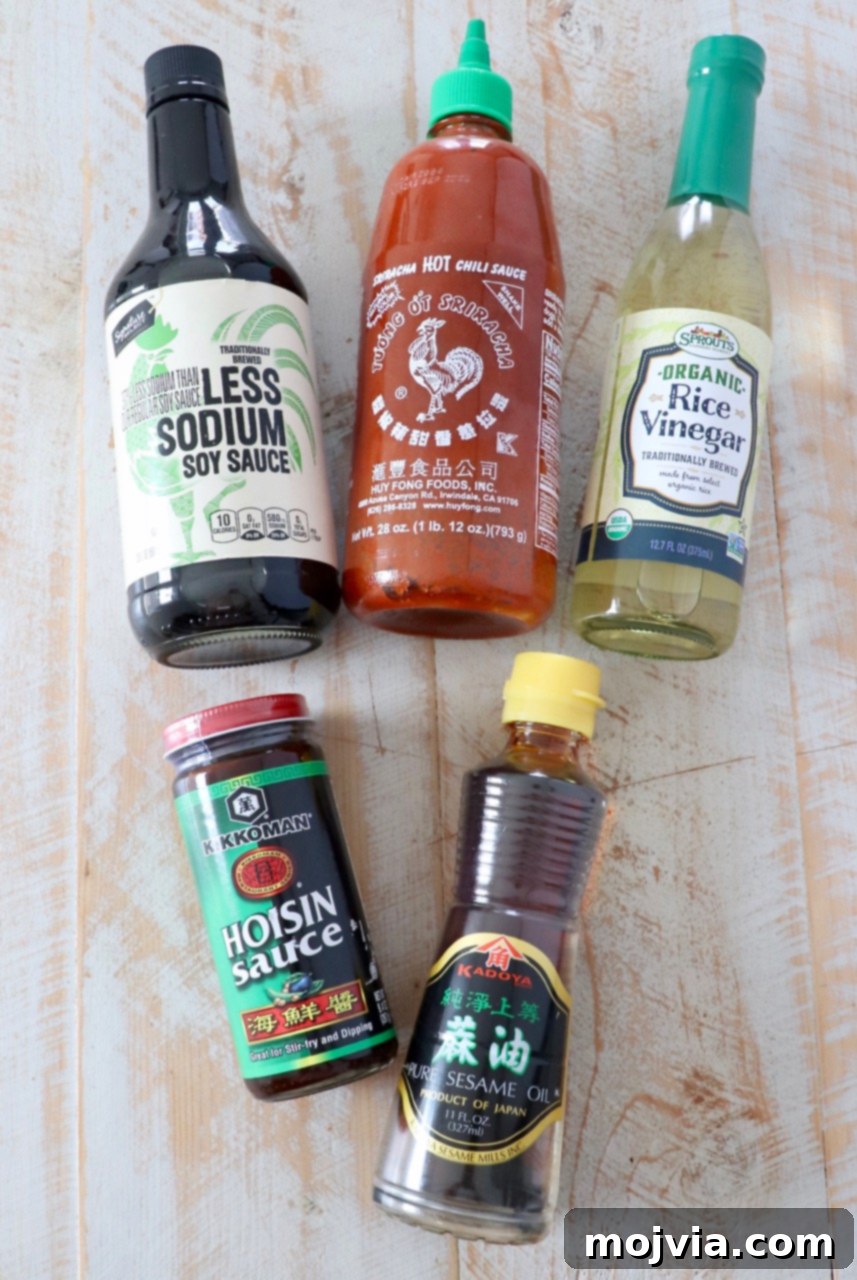
Unlocking Authentic Flavor: The Essential 5 Ingredients for Stir Fry Sauce
Crafting the perfect homemade stir fry sauce doesn’t require a pantry full of exotic ingredients or complex techniques. This recipe brilliantly showcases how just five simple components, thoughtfully combined, can achieve that coveted balance of sweet, savory, tangy, and a touch of spice that defines truly great Asian cuisine. Each ingredient plays a crucial role in building a rich flavor profile and achieving the ideal consistency. Below, we’ll dive into each essential component, exploring its contribution to the sauce and offering helpful substitution options to customize it to your taste. For precise measurements, please consult the detailed recipe card at the bottom of this article.
- Hoisin Sauce: The Foundation of Flavor and Thickness
Often referred to as “Chinese BBQ sauce,” hoisin is a thick, dark, and intensely flavorful sauce made from fermented soybeans, garlic, vinegar, sugar, and various spices. This ingredient is truly the “secret weapon” of our stir-fry sauce. It delivers an immediate punch of umami, a delightful sweetness, and, most importantly, provides the desired glossy thickness, often eliminating the need for additional thickeners like cornstarch. Hoisin significantly contributes to the sauce’s body, color, and overall complex flavor.
Substitution options: While hoisin is highly recommended for its unique characteristics, you can experiment with alternatives such as teriyaki sauce (which will yield a sweeter, ginger-garlic profile), sweet miso paste (for a rich umami depth), oyster sauce (offering a savory, slightly sweet, and briny taste), or even a good quality plum sauce or a touch of a thick BBQ sauce for a different spin. Be aware that the flavor profile will shift with these substitutions, so adjust other seasonings as needed.
- Soy Sauce: The Essential Savory Backbone
Soy sauce provides the fundamental salty and umami base that is indispensable in almost all Asian-inspired sauces. You have the flexibility to choose between traditional or low-sodium soy sauce, depending on your dietary preferences and how salty you desire your final dish to be. Keep in mind that hoisin sauce also contributes some sodium, so tasting and adjusting is always a good practice. For those following a gluten-free diet, Tamari is an excellent, widely available alternative that offers the same rich, savory flavor without any wheat components.
Substitution options: Tamari (for gluten-free needs), coconut aminos (a popular soy-free and often lower-sodium alternative), or liquid aminos can all be used. Always adjust the quantity and other seasonings, as their saltiness levels can vary.
- Rice Vinegar: The Bright and Tangy Counterbalance
Rice vinegar, with its mild acidity and subtle hint of sweetness, is crucial for cutting through the richness and sweetness of the hoisin and the saltiness of the soy sauce. It introduces a vital tangy element that brightens the entire flavor profile, preventing the sauce from tasting overly heavy or flat. This acidity is what makes the sauce truly vibrant and addictive.
Substitution options: Mirin, a Japanese sweet rice wine, is an excellent substitute that will add a slightly sweeter, more complex tang. In a pinch, apple cider vinegar or white wine vinegar can be used, but start with a smaller amount as they are generally more acidic and have a stronger flavor profile.
- Sesame Oil: Aromatic Depth and Nutty Richness
A few drops of dark pure sesame oil or toasted sesame oil are absolutely essential for achieving an authentic stir-fry flavor. Its distinctive, nutty, and highly aromatic profile infuses the sauce with incredible depth and warmth. It’s typically added at the end of cooking or to raw sauces to preserve its delicate, volatile flavors, which can diminish with prolonged high heat.
Substitution options: While the unique flavor of sesame oil is hard to perfectly replicate, a tiny amount of high-quality peanut oil could offer a hint of nuttiness. However, for the best and most authentic results, investing in a small bottle of good quality sesame oil is highly recommended.
- Sriracha: The Customizable Touch of Heat
Sriracha introduces a pleasant warmth and a mild, piquant kick that beautifully balances the sauce’s inherent sweetness. This ingredient is entirely customizable to your personal preference. If you prefer a milder sauce, you can easily reduce the amount or omit it altogether. For those who crave more heat and an extra spicy stir fry sauce, feel free to increase the sriracha to 1 tablespoon or even more, adjusting to your desired spice level.
Substitution options: Other chili sauces like sambal oelek, chili garlic sauce, or a small pinch of red pepper flakes can provide similar heat. Again, always taste and adjust based on the intensity of your chosen substitute.
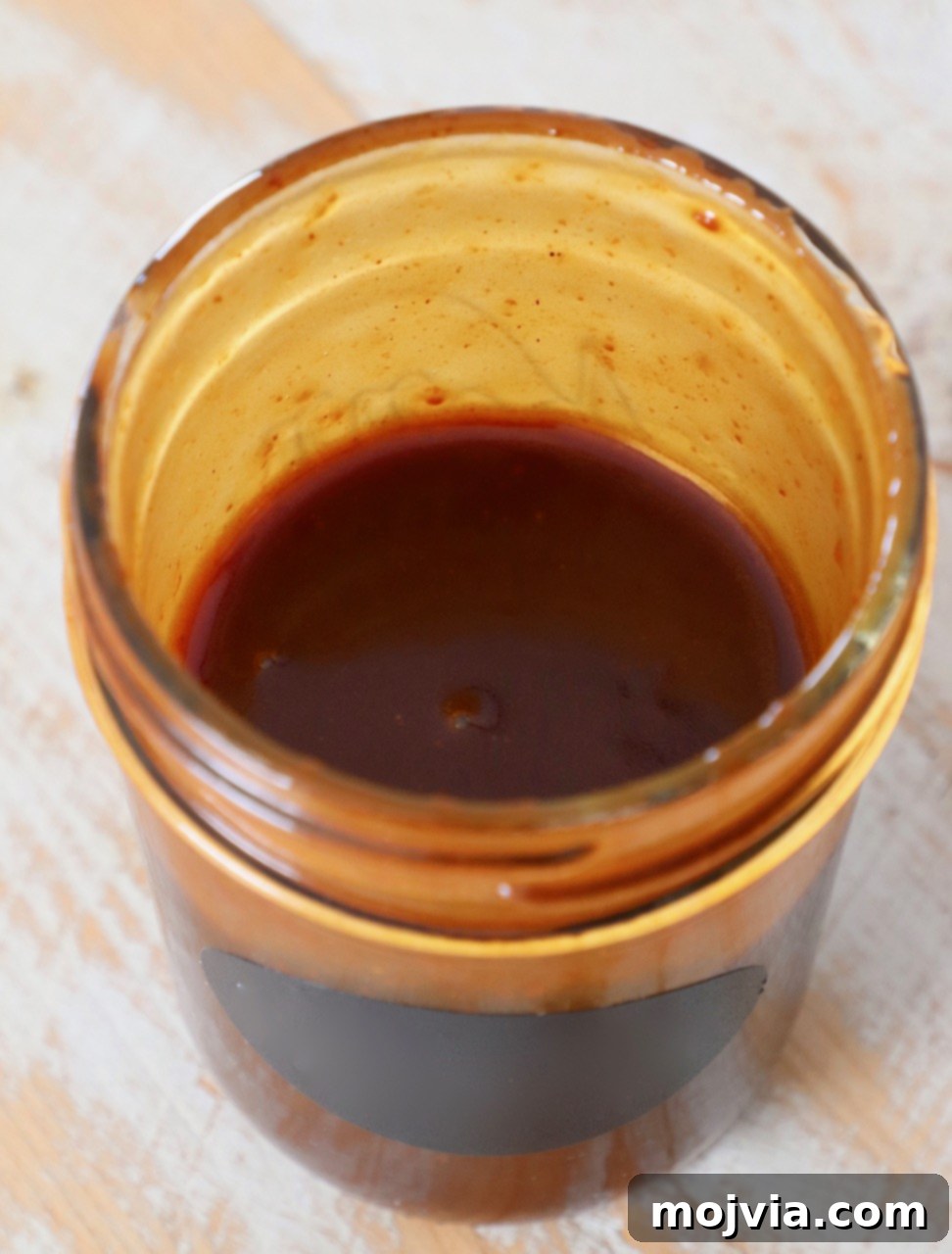
Whip Up Your Perfect Stir Fry Sauce: Simple Steps for Maximum Flavor
Creating this incredibly flavorful and versatile stir fry sauce couldn’t be easier. With minimal effort and just a few minutes, you’ll have a fresh batch ready to transform any meal into a culinary delight. Follow these straightforward steps to achieve homemade perfection:
- Gather and Combine Ingredients: Begin by collecting all five essential ingredients: hoisin sauce, soy sauce, rice vinegar, sesame oil, and sriracha. Carefully measure each one and add them all into a half-pint mason jar. Alternatively, if a mason jar isn’t handy, a small mixing bowl works just as well.
- Mix Thoroughly for Homogeneity: If you’re using the mason jar method, securely fasten the lid. Shake the jar vigorously for about 30 seconds to a minute. This ensures that all the ingredients are fully combined, emulsified, and the sauce achieves a uniform consistency and color. If you’re using a bowl, take a small whisk and blend the ingredients together until smooth and perfectly integrated, with no separation of liquids.
- Taste and Customize: This is a crucial step! Before using your freshly made sauce, always take a small taste. This allows you to fine-tune the flavors to your exact preference. Do you crave more heat? Add an extra dash of sriracha. Prefer it a bit sweeter? A tiny pinch of brown sugar or a drop of honey can work wonders. If you desire more tang, another splash of rice vinegar will do the trick. For an extra layer of umami, a small amount of fish sauce can be added.
- Ready to Use or Store for Later: Your homemade stir fry sauce is now perfectly prepared and ready to be the star of your next culinary creation. You can use it immediately in your favorite stir-fry recipe, or for ultimate convenience, pour it into an airtight container (or keep it in the sealed mason jar) and store it in the refrigerator. This sauce maintains its freshness and vibrant flavor for up to 2 weeks, making it an excellent component for your meal prepping routine.
Pro Tip for Efficiency: We highly recommend preparing a double or even triple batch of this stir-fry sauce. Having a pre-made batch readily available in your fridge means you’re always just minutes away from whipping up a healthy, flavorful, and incredibly satisfying meal any day of the week, saving you valuable time and effort during busy evenings.
Your Top Stir Fry Sauce Questions Answered!
Got questions about this amazing stir-fry sauce? We’ve compiled a list of frequently asked questions and detailed answers to help you master this recipe, customize it to your liking, and ensure your stir-fries are always a resounding success.
- What can I use as a substitute for hoisin sauce?
While hoisin sauce is a cornerstone of this recipe, lending a unique blend of sweet, savory, and thick qualities, you do have options if you’re in a pinch. Good alternatives include teriyaki sauce (which will offer a sweeter, slightly ginger-garlic flavor), sweet miso paste (for a deep umami character), or oyster sauce (providing a savory, slightly sweet, and briny profile). For a less traditional but still tasty option, a good quality BBQ sauce can also work. Remember that any substitution will alter the final flavor, so always taste and adjust the other seasonings accordingly.
- Is this stir fry sauce gluten-free?
As written, this recipe is not gluten-free because both traditional hoisin and soy sauce typically contain wheat. However, making it gluten-free is incredibly easy! Simply swap out regular hoisin sauce for a gluten-free hoisin sauce and use gluten-free soy sauce (which is often labeled as Tamari). Both of these substitutes are widely available in the Asian food section of most major grocery stores or can be purchased online. I’ve personally prepared this recipe with both gluten-free alternatives, and the resulting sauce is just as flavorful and satisfying!
- How spicy is the sauce, and can I adjust the heat?
The standard recipe is crafted to be more sweet and savory, with just a gentle, pleasant warmth provided by 1 teaspoon of sriracha. If you prefer a milder sauce, you can easily reduce the amount of sriracha or omit it entirely. For those who truly love a fiery kick, feel free to significantly increase the sriracha to 1 tablespoon, or even more, adjusting to achieve your desired level of heat. Other chili pastes like sambal oelek or chili garlic sauce can also be used for varying spice and flavor nuances.
- How do you thicken stir fry sauce without using cornstarch?
One of the fantastic benefits of this recipe is that the hoisin sauce itself naturally provides a wonderful thickness and a beautiful glossy sheen to the sauce. This often means there’s no need for additional thickeners like cornstarch, resulting in a rich, coating consistency that adheres perfectly to all your stir-fry ingredients. However, if you prefer an even thicker sauce, you can easily incorporate a cornstarch slurry. To do this, simply combine 1 tablespoon of cornstarch with 1 tablespoon of cold water in a small bowl, whisking until it forms a smooth paste. Add this slurry to your stir-fry during the last minute or two of cooking, allowing it to simmer briefly until your desired thickness is achieved.
- Can I add fish sauce for an extra layer of umami?
Absolutely! For those who enjoy a deeper, more complex, and savory flavor profile, adding 1 teaspoon of fish sauce can be a wonderful enhancement. It introduces an extra layer of rich umami that complements the other ingredients beautifully. Start with a small amount and taste as you go, adjusting to your personal preference.
- Is this stir fry sauce suitable for marinating meats?
Yes, without a doubt! This versatile sauce makes an excellent marinade for various proteins. The soy sauce component not only infuses the meat with incredible flavor but also acts as a natural tenderizer. Feel free to marinate thinly sliced chicken, beef, or pork in this sauce for anywhere from 30 minutes to a maximum of 8 hours in the refrigerator. For more delicate proteins like shrimp or fish, a shorter marinating time of 15-30 minutes is usually sufficient to impart fantastic flavor and ensure they cook up juicy and tender.
- What is the yield of this recipe, and can I scale it?
This recipe consistently produces approximately 1/2 cup (or 4 fluid ounces) of concentrated stir-fry sauce. This quantity is typically ample for a stir-fry meal that serves 2-4 people, depending on the total volume of ingredients in your stir-fry. For larger families, entertaining, or convenient meal prepping, this recipe is incredibly easy to double or even triple without any adjustments, ensuring you always have enough delicious sauce on hand.
- What kind of oil is best for stir-frying?
When stir-frying, it’s crucial to use an oil with a high smoke point to prevent burning and impart off-flavors. Excellent choices include peanut oil, canola oil, grapeseed oil, or standard vegetable oil. It’s best to avoid extra virgin olive oil for high-heat stir-frying due to its lower smoke point. While the sauce itself contains sesame oil for flavor, it’s not ideal for the initial high-heat cooking; instead, you can add a tiny drizzle of sesame oil at the very end of your stir-fry for an extra aromatic boost.
- How should I properly store any leftover stir-fry sauce?
To keep your homemade stir-fry sauce fresh and flavorful, store any unused portions in an airtight container or a securely sealed mason jar. It will remain delicious in the refrigerator for up to 2 weeks. Before each subsequent use, always give the container a good shake or a quick whisk, as some natural separation of ingredients may occur over time.
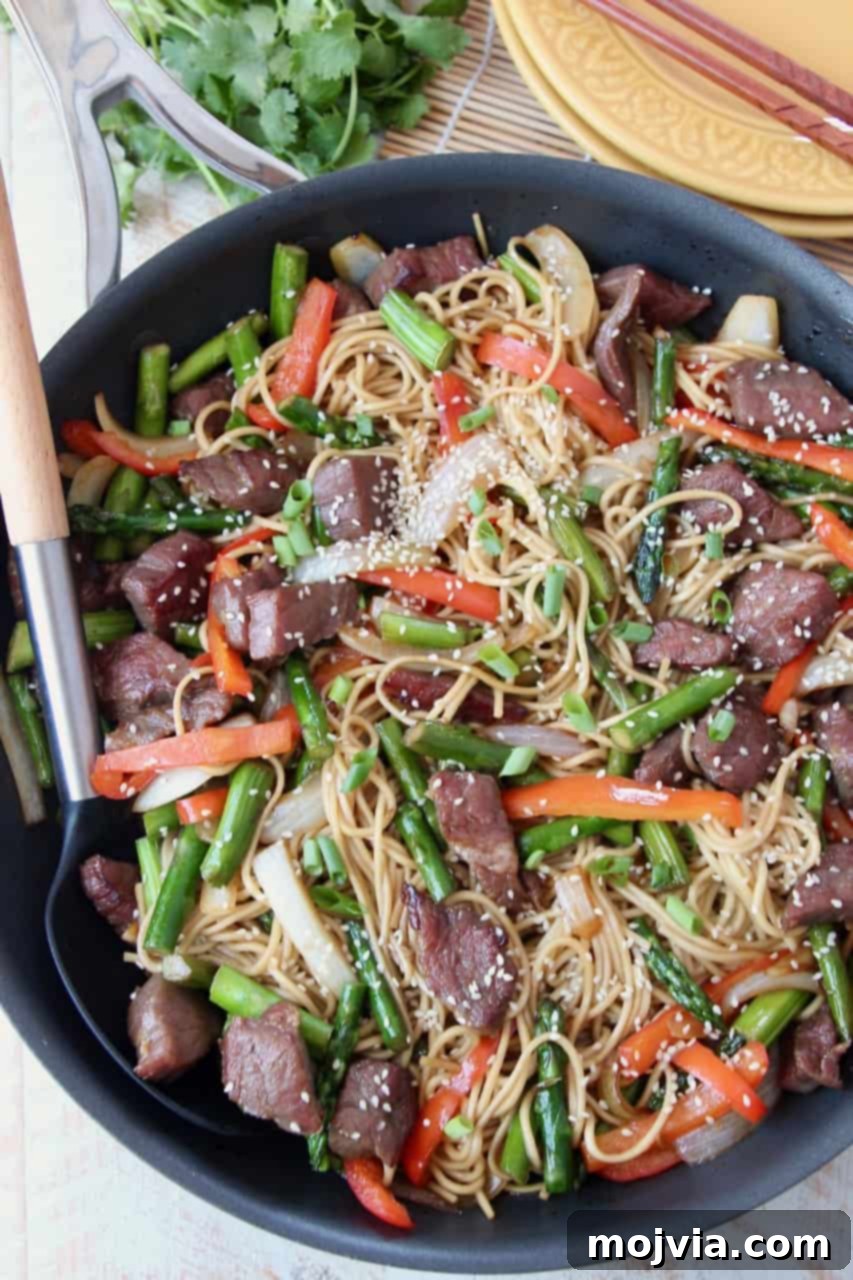
Unlock Culinary Excellence: How to Make the Perfect Stir Fry with This Amazing Sauce
Now that you’ve mastered creating your incredible homemade stir fry sauce, it’s time to unleash its full potential and transform it into a mouth-watering meal. This versatile sauce is the ideal base for any stir-fry, whether your craving is for succulent beef, tender chicken, or a vibrant medley of fresh vegetables. Here, we provide essential general techniques and specific guidance to help you create a stir-fry that not only rivals but often surpasses your favorite takeout.
Essential Tips for a Stellar Stir Fry Experience:
- “Mise en Place” is Your Best Friend: Stir-frying is a rapid cooking method, so preparation is paramount. Ensure all your ingredients — meats, vegetables, aromatics like garlic and ginger, and your sauce — are chopped, sliced, and measured before you even turn on the heat. This “everything in its place” approach will make the cooking process smooth and enjoyable.
- High Heat for Optimal Searing: Always use a wok or a large, heavy-bottomed skillet over consistently high heat. This ensures that your ingredients sear quickly, developing rich flavors and retaining their desired crisp-tender texture, rather than simply steaming in their own juices.
- Avoid Overcrowding the Pan: This is a common mistake that leads to steamed, rather than stir-fried, ingredients. If you have a large volume of ingredients, cook them in smaller batches. This maintains the high temperature of the pan, allowing for proper searing and browning.
- Cook Proteins First, Then Rest: Generally, meats like beef or chicken are cooked first until they are almost done, achieving a beautiful sear. Remove them from the pan and set them aside. They will be added back in during the final stages of cooking to finish with the sauce, preventing them from overcooking and becoming tough.
- Add Vegetables in Stages: Different vegetables require different cooking times. Introduce harder, denser vegetables (like carrots, broccoli stems, or green beans) first, allowing them a few minutes to soften. Then, add softer, quicker-cooking vegetables (such as bell peppers, mushrooms, snap peas, or leafy greens) to ensure everything achieves a perfect crisp-tender texture simultaneously.
Specific Stir Fry Applications Using Your Sauce:
Mastering Beef Stir Fry: Achieving Unbelievable Tenderness
For an exceptionally tender and flavorful Beef Stir Fry, we highly recommend consulting our comprehensive recipe (linked and pictured above). This recipe, originally published in 2013, not only proudly features this fantastic 5-ingredient stir fry sauce but also unveils my personal, time-tested technique for achieving remarkably tender beef every single time – a true culinary game-changer that makes all the difference! Key tips include thinly slicing the beef against the grain and optionally “velveting” it with a touch of baking soda for that sought-after restaurant-quality tenderness.
Creating a Vibrant Vegetarian Stir Fry: Fresh and Flavorful
For a light, fresh, and incredibly flavorful Vegetable Stir Fry, our dedicated recipe provides the perfect roadmap. It also brilliantly utilizes this versatile sauce and comes together in an impressive 15 minutes, making it an ideal choice for a quick, healthy, and satisfying weeknight meal. Focus on incorporating a colorful array of seasonal vegetables to ensure a variety of textures, flavors, and a powerful nutritional boost.
Crafting a Classic Chicken Stir Fry: Easy and Delicious
Making a delicious chicken stir fry with your homemade sauce is a straightforward and immensely satisfying experience. Here’s a detailed, step-by-step guide to help you achieve perfection:
- Prepare Your Ingredients: Start by cutting 1 pound of boneless, skinless chicken breasts into uniform 1-inch cubes or thin, bite-sized slices. Next, prepare about 3 cups of your favorite stir-fry vegetables. Excellent choices include colorful bell peppers (red, yellow, orange), sliced onions, mushrooms, vibrant broccoli florets, crisp snap peas, or finely julienned carrots.
- Cook the Chicken: Heat 1 tablespoon of a high-smoke-point oil (such as olive, canola, or peanut oil) in a large skillet or wok over medium-high heat. Add the prepared chicken pieces in a single layer, avoiding overcrowding the pan. Cook for 5-6 minutes, or until the chicken is beautifully browned on all sides and nearly cooked through. Remove the cooked chicken from the skillet and set it aside on a plate.
- Stir-Fry the Vegetables: If necessary, add another small splash of oil to the hot skillet. Begin by adding the harder vegetables (like carrots and broccoli) and stir-fry them for 2-3 minutes. Then, incorporate the softer vegetables (such as bell peppers, mushrooms, and snow peas) and continue to cook for another 3-4 minutes, or until all vegetables are tender-crisp – still retaining a slight bite.
- Combine and Introduce the Sauce: Return the seared chicken to the skillet with the stir-fried vegetables. Give your prepared homemade stir fry sauce a quick whisk or shake, then pour it generously over all the ingredients in the pan. Stir everything thoroughly to ensure that all the chicken and vegetables are evenly coated in the rich, glossy sauce. Continue to cook for 2-3 minutes, allowing the sauce to gently heat through and thicken slightly.
- Simmer for Flavor Infusion: Reduce the heat to low, cover the skillet with a lid, and allow the stir-fry to simmer gently for an additional 6-8 minutes. This crucial step permits the flavors to meld together beautifully and ensures the chicken is fully cooked and incredibly tender, absorbing all the deliciousness of the sauce.
- Final Toss and Serve: Remove the lid, give everything a final, enthusiastic toss to distribute the sauce and ingredients evenly. Serve your sensational chicken stir-fry immediately. It pairs perfectly over a bed of fluffy white or brown rice, or with your preferred noodles, such as rice noodles or lo mein, for a complete and utterly satisfying meal that will impress everyone at your table.
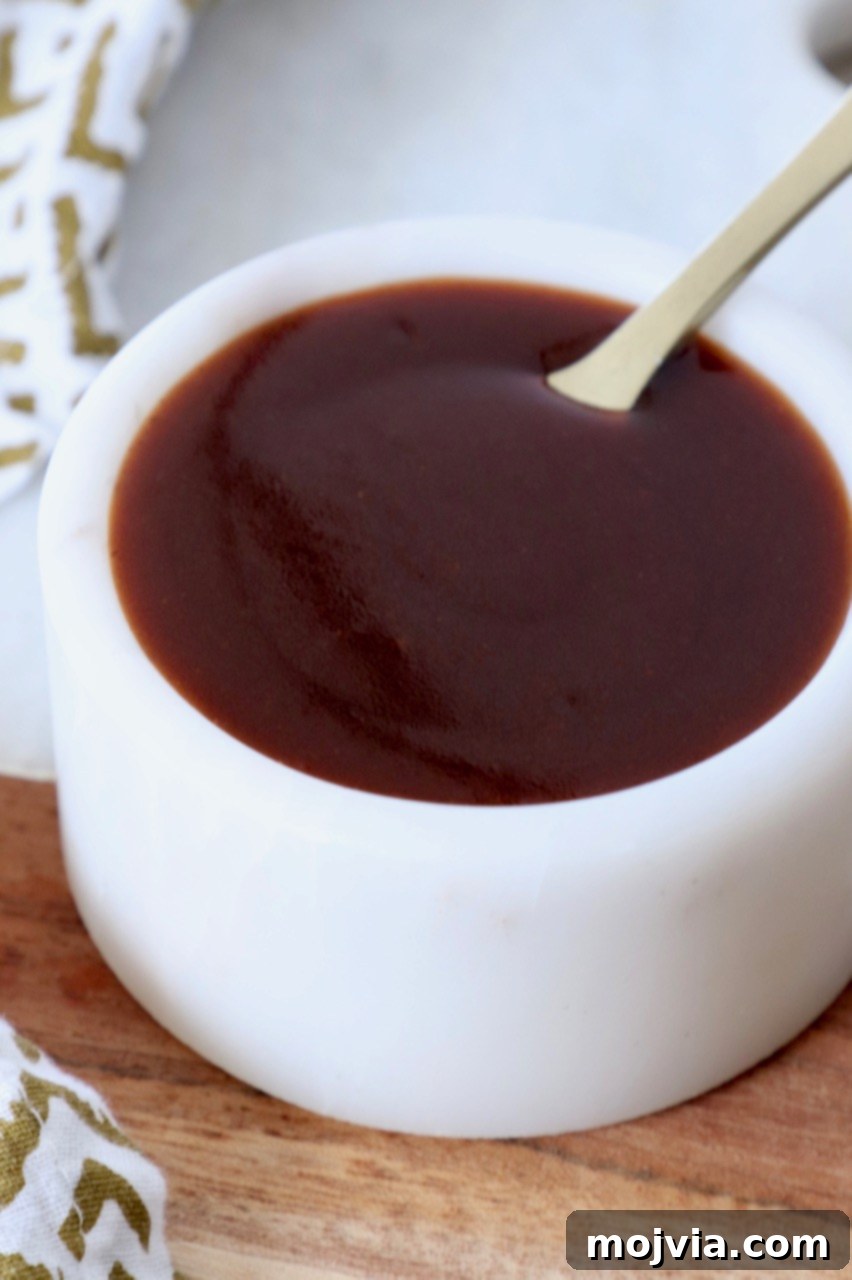
Explore More Flavorful Homemade Sauce Recipes
Once you’ve experienced the incredible difference a homemade sauce can make with this stir-fry recipe, you’ll be eager to explore more! Elevate your cooking repertoire with a variety of easy-to-make homemade sauces that promise to add exceptional flavor and culinary excitement to all your meals. Discover new favorites below:

Pin Recipe
5-Minute Homemade Stir Fry Sauce
Craft the ultimate homemade stir fry sauce in just 5 minutes with 5 simple ingredients! This easy and versatile sauce is perfectly balanced with sweet, savory, tangy, and a touch of heat, making it ideal for any vegetable, chicken, or beef stir fry. Say goodbye to store-bought sauces and elevate your meals with authentic, vibrant flavor.
Yields: Approximately 1/2 cup (suitable for 2-4 servings of stir-fry, or 4 servings of 2 tbsp sauce each)
Prep Time: 5 minutes
Total Time: 5 minutes
Author: Whitney Bond
Course: Sauce
Cuisine: Chinese, Asian
Ingredients
- ¼ cup hoisin sauce
- 2 tablespoons soy sauce (use Tamari for a gluten-free option)
- 1 tablespoon rice vinegar
- 1 tablespoon sesame oil (dark pure or toasted)
- 1 teaspoon sriracha (adjust quantity to your preferred spice level)
Instructions
- Combine All Ingredients: Add the hoisin sauce, soy sauce, rice vinegar, sesame oil, and sriracha into a half-pint mason jar. If a mason jar is unavailable, a small mixing bowl can be used instead.
- Mix Thoroughly: If using a mason jar, securely fasten the lid and shake vigorously for 30 seconds until all ingredients are perfectly combined and the sauce is smooth. If using a bowl, whisk thoroughly until the mixture is fully blended and emulsified.
- Taste, Adjust, Serve or Store: Taste the sauce and adjust seasonings as needed (e.g., more sriracha for spice, a pinch of sugar for sweetness). Your versatile homemade stir fry sauce is now ready to use! Pour it over your stir-fry ingredients towards the end of cooking. Store any leftover sauce in an airtight container in the refrigerator for up to 2 weeks. Remember to shake or whisk well before each subsequent use.
Recipe Notes & Customization Tips
- For a Gluten-Free Sauce: To easily make this recipe gluten-free, simply substitute regular hoisin sauce with a gluten-free hoisin sauce and use gluten-free soy sauce (commonly known as Tamari). Both of these gluten-free alternatives are widely available in most grocery stores or online.
- Adjusting Spice Level: The base recipe provides a mild warmth. If you desire a spicier sauce, increase the sriracha from 1 teaspoon to 1 tablespoon, or even more, to match your personal preference for heat. For a milder version, you can reduce or omit the sriracha entirely.
- Achieving Extra Thickness: While the hoisin sauce naturally provides a beautiful thickness to this recipe, if you prefer an even richer, thicker consistency, you can easily prepare a cornstarch slurry. To do this, combine 1 tablespoon of cornstarch with 1 tablespoon of cold water in a small bowl, mixing until smooth. Whisk this slurry into your stir-fry during the last 1-2 minutes of cooking and simmer gently until the sauce reaches your desired thickness.
- Yield Information: This recipe yields approximately 1/2 cup (4 ounces) of concentrated stir-fry sauce. The nutritional information provided below is calculated for 1 ounce (which is equivalent to 2 tablespoons) of the sauce, meaning this recipe provides approximately 4 servings of sauce.
Nutrition Facts (per 1 ounce / 2 tablespoons serving)
- Calories: 75 kcal (4% Daily Value)
- Carbohydrates: 8g (3% Daily Value)
- Protein: 2g (4% Daily Value)
- Fat: 4g (6% Daily Value)
- Saturated Fat: 1g (5% Daily Value)
- Polyunsaturated Fat: 2g
- Monounsaturated Fat: 2g
- Cholesterol: 1mg
- Sodium: 807mg (34% Daily Value)
- Potassium: 41mg (1% Daily Value)
- Fiber: 1g (4% Daily Value)
- Sugar: 5g (6% Daily Value)
- Vitamin A: 3mg
- Vitamin C: 1mg (1% Daily Value)
- Calcium: 8mg (1% Daily Value)
- Iron: 1mg (6% Daily Value)
Made this amazing Stir Fry Sauce? We’d love to see your creations! Tag @WhitneyBond on Instagram and use the hashtag #WBRecipes to share your delicious results!