
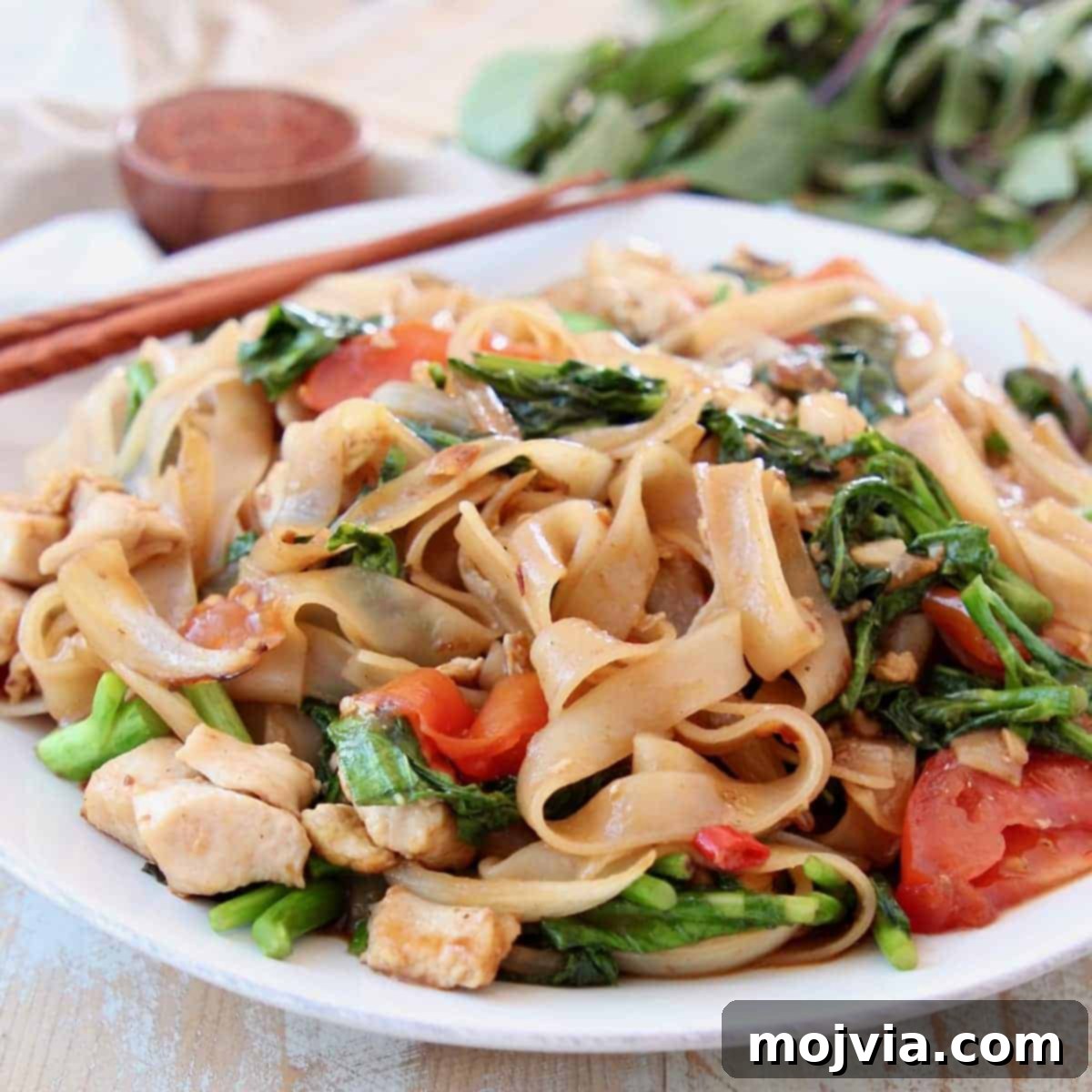
Master the art of creating THE BEST Drunken Noodles (Pad Kee Mao) with this authentic and easy-to-follow chicken recipe. Experience the vibrant, spicy flavors of this Thai restaurant favorite right in your own kitchen, ready to serve in just 20 minutes!
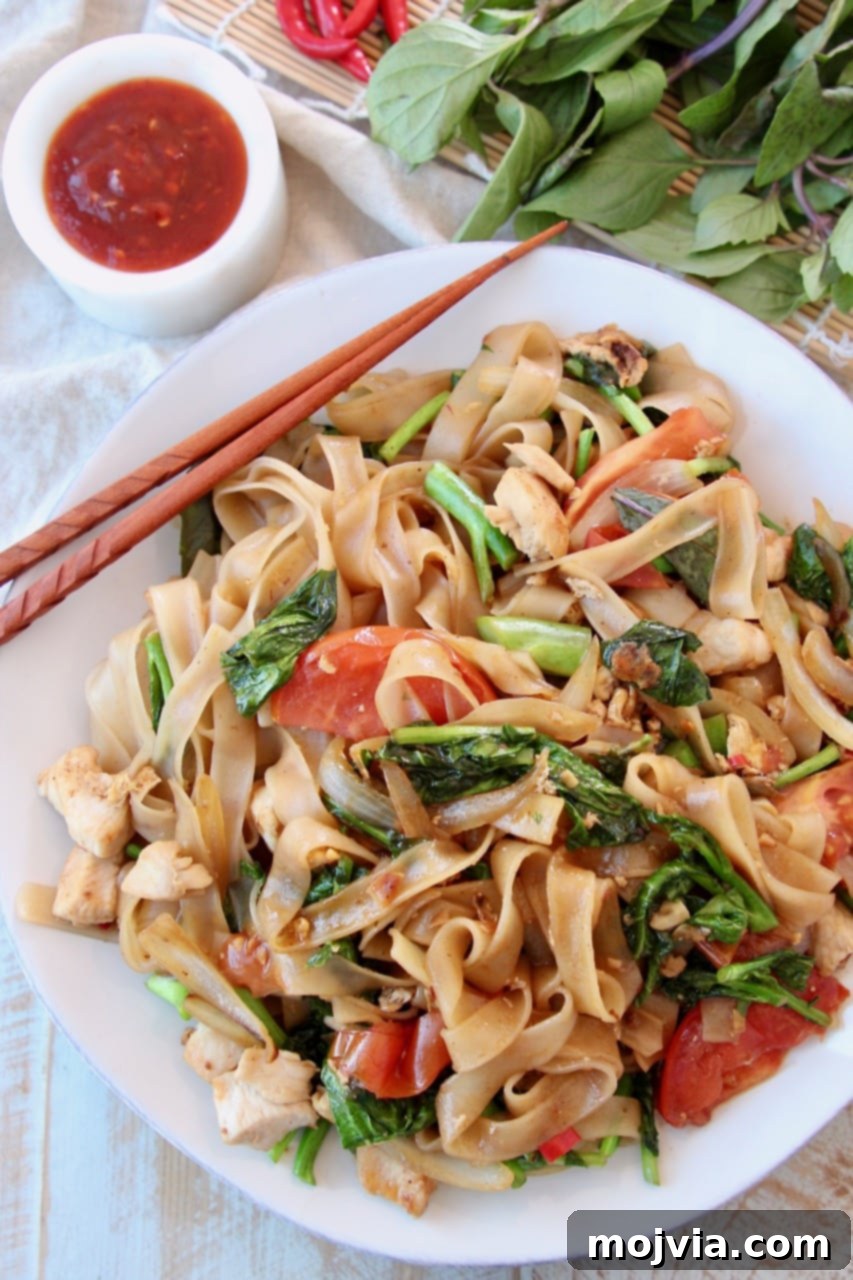
Table of Contents
- Introduction to Drunken Noodles
- Essential Ingredients for Pad Kee Mao
- Step-by-Step Cooking Guide
- Expert Tips for Perfect Drunken Noodles
- Frequently Asked Questions
- Exploring Protein Variations
- Ingredient Substitutions Guide
- Storage and Reheating Advice
- Dietary Adjustments for Your Lifestyle
- More Thai Culinary Inspirations
Introduction to Drunken Noodles: Your New Favorite Thai Dish
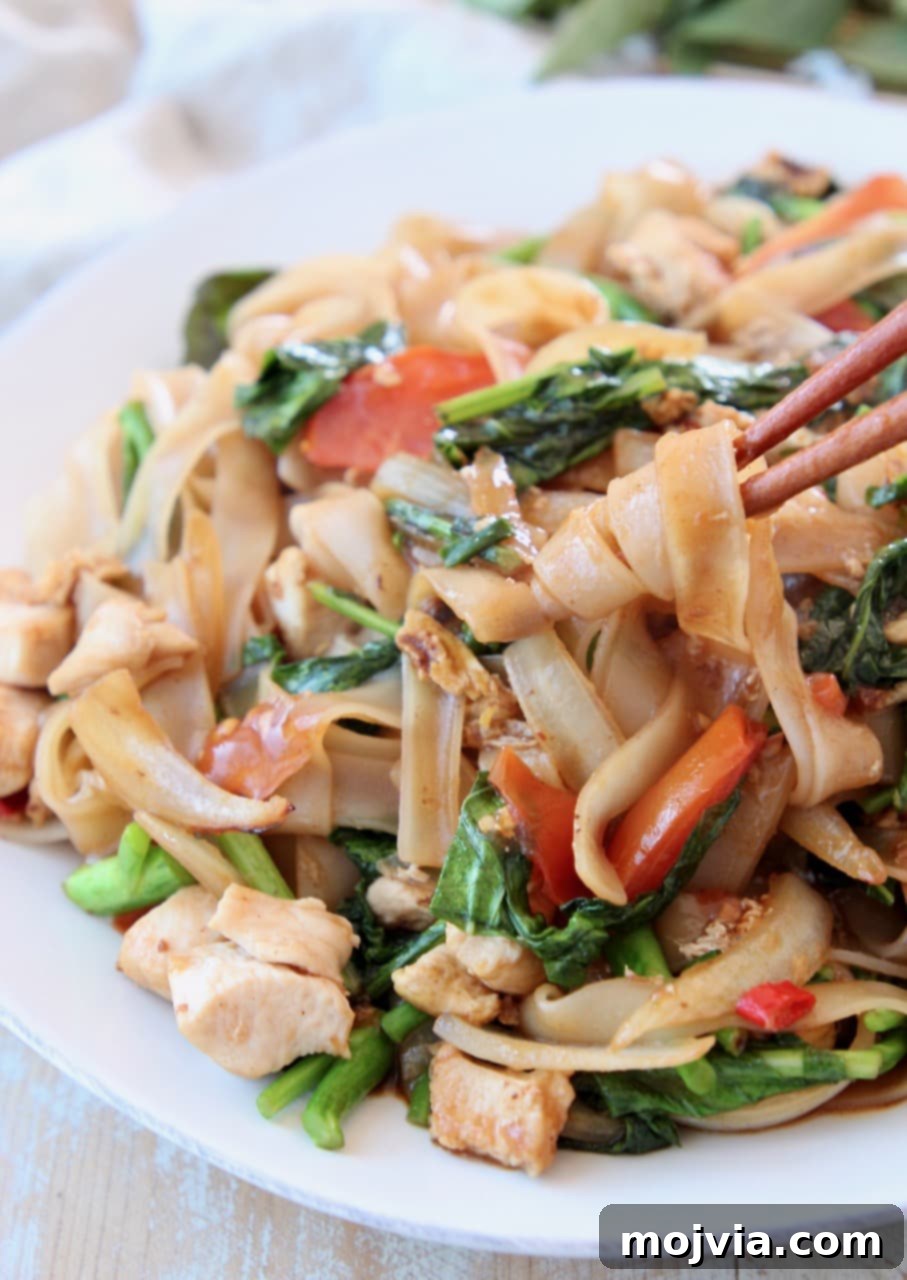
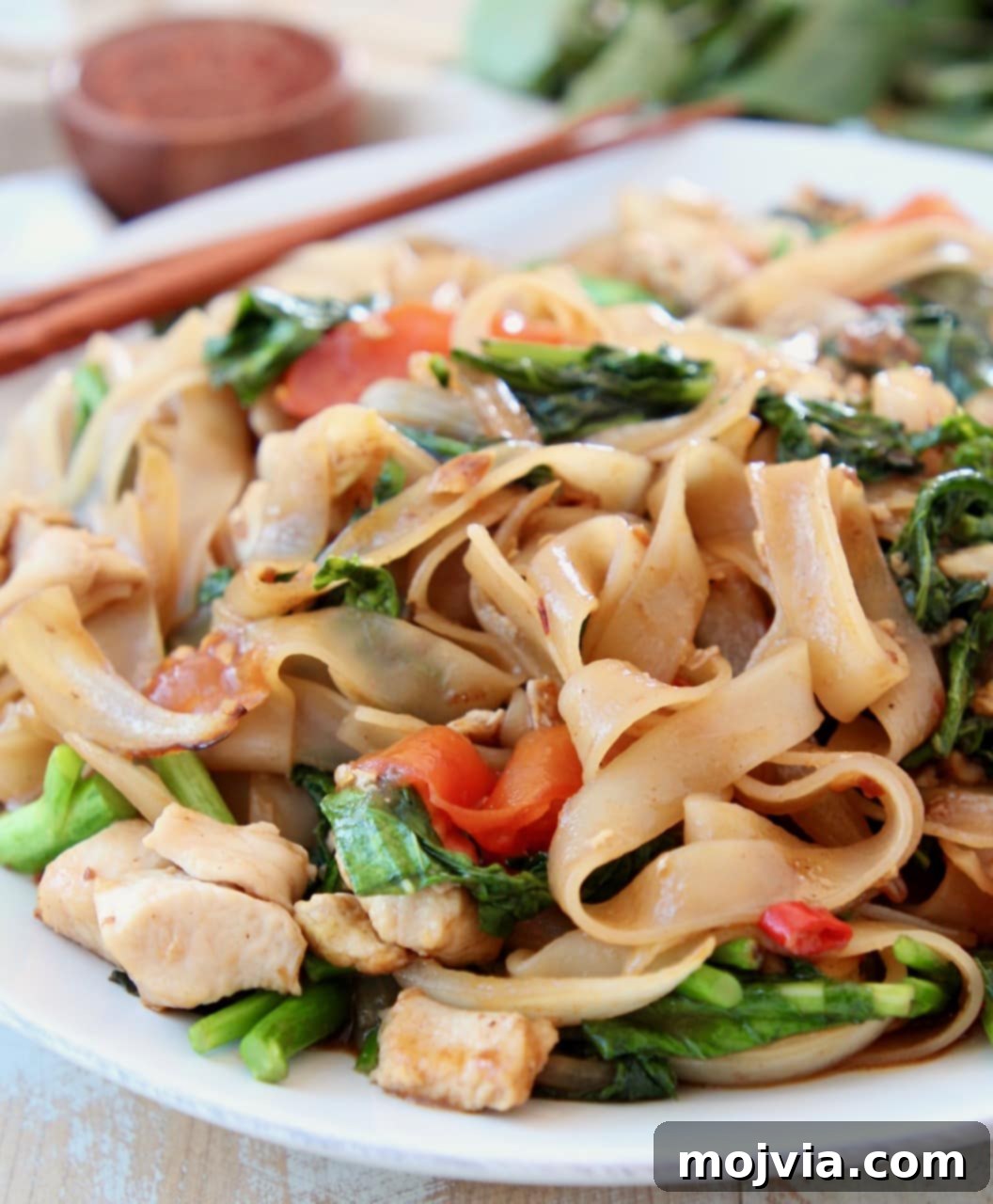
Drunken Noodles, famously known as Pad Kee Mao in Thailand, is a beloved stir-fried noodle dish renowned for its bold, savory, and distinctly spicy flavor profile. It’s a vibrant symphony of wide rice noodles, tender meat, crisp vegetables, and a tantalizing sauce infused with garlic, chilies, and Thai basil. While the name might suggest a connection to alcohol, the “drunken” part is often attributed to the dish’s intense spiciness, which purportedly makes you reach for an ice-cold beverage – perhaps a beer – to cool down!
My journey to perfecting this Drunken Noodle recipe began after a cherished Thai restaurant in San Diego closed its doors. I was a devoted patron, absolutely captivated by their Pad Kee Mao, Yellow Curry, and Pan Fried Roti Bread. The challenge was set: to recreate those unforgettable flavors at home. After countless attempts and meticulous adjustments, I’ve finally crafted a homemade Drunken Noodles recipe that authentically captures the essence of that classic restaurant dish, bringing its rich, spicy, and aromatic qualities to your dinner table.
What’s even better? This homemade version is not only incredibly delicious but also remarkably quick. Forget waiting for takeout; this entire meal comes together in just about 30 minutes, from prep to plate. The secret to its authentic taste lies predominantly in mastering the unique Drunken Noodles sauce. This sauce is a complex blend of sweet, salty, and umami notes, with a significant spicy kick that defines the dish. Don’t worry, throughout this guide, I’ll share tips on how to adjust the heat level to perfectly match your preference, ensuring everyone can enjoy this Thai culinary masterpiece.
Whether you’re a seasoned chef or a beginner in Thai cooking, this comprehensive guide will equip you with everything you need to confidently create a truly exceptional plate of chicken Drunken Noodles. Get ready to impress your taste buds and your guests with this quick, flavorful, and incredibly satisfying dish!
Essential Ingredients for Authentic Drunken Noodles
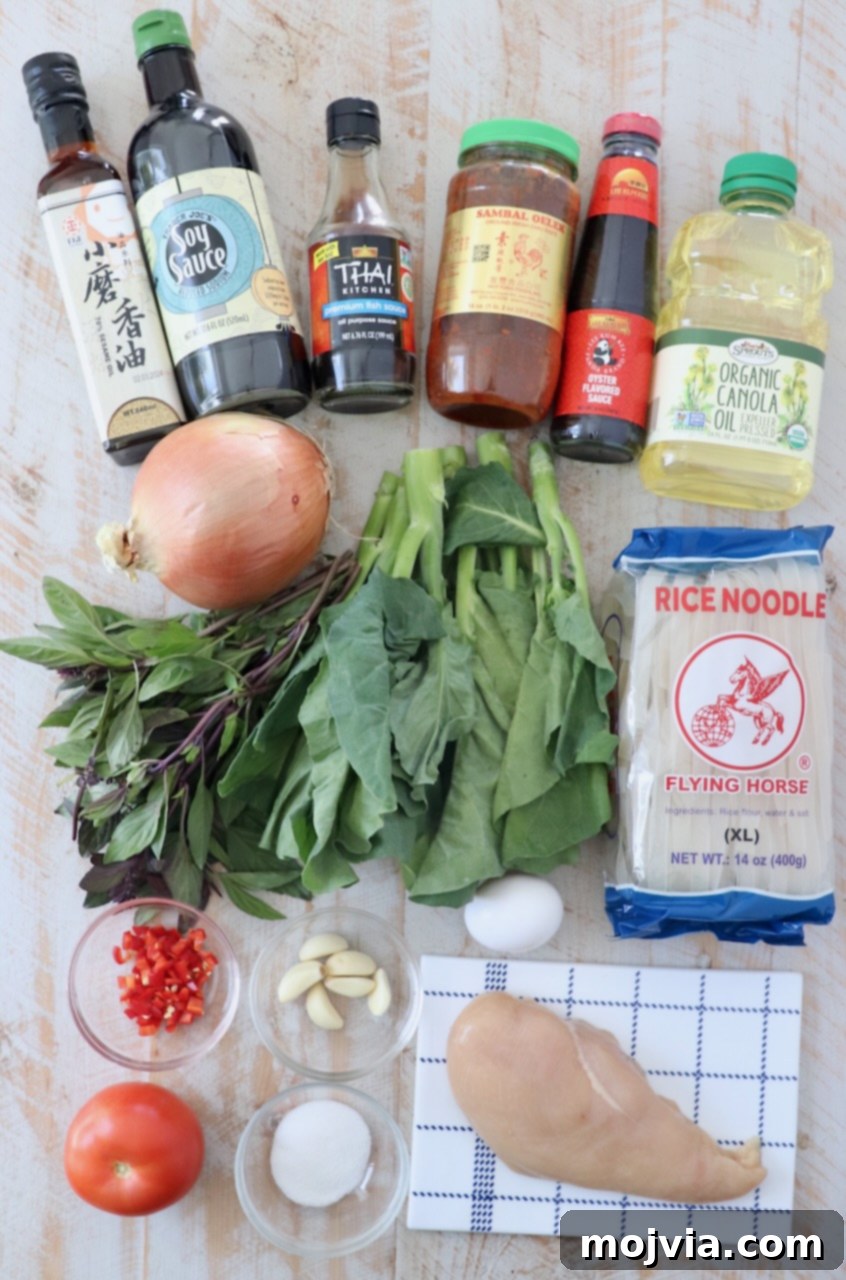
Crafting truly authentic Drunken Noodles requires a specific selection of ingredients, some of which might be new to your pantry. While many can be found in the Asian aisle of larger supermarkets, for specialized items like fresh Thai chilies or Chinese broccoli, a visit to an Asian market might be beneficial. Don’t fret if you can’t find everything; our detailed substitutions section offers easy alternatives.
- Oyster Sauce: This viscous, dark brown sauce, despite its name, does not taste overtly fishy. Instead, it offers a distinct sweet, salty, and savory umami flavor, acting as a natural thickener and flavor enhancer for the sauce. Look for brands that list oyster extract as a primary ingredient for the best quality.
- Fish Sauce: A cornerstone of Thai cuisine, fish sauce (Nam Pla) provides a profound depth of salty, savory umami that is irreplaceable. It’s made from fermented anchovies and, while pungent on its own, it transforms beautifully when cooked, adding complexity without a strong “fishy” taste.
- Ground Fresh Chili Paste (Sambal Oelek): This vibrant red paste is essential for the characteristic heat of Drunken Noodles. It’s made from ground red chili peppers, garlic, and vinegar. You can easily adjust the amount to control the spice level from mild to fiery.
- Soy Sauce: A fundamental seasoning that adds saltiness and a rich savory base. You can opt for low-sodium soy sauce if you are mindful of salt intake, or traditional dark soy sauce for a deeper color and richer flavor. The subtle difference in the final dish is minimal for most home cooks.
- Sesame Oil: A few drops of toasted sesame oil impart a wonderfully nutty and aromatic depth to the Drunken Noodles sauce. It’s typically used as a finishing oil rather than for high-heat cooking due to its low smoke point, but a small amount in the sauce is perfect.
- Granulated Sugar: A small amount of sugar is crucial for balancing the intense salty, spicy, and savory flavors in the sauce, creating a harmonious sweet-savory dynamic that is key to Thai cuisine.
- Thai Basil: Distinct from common sweet basil, Thai basil offers an aromatic licorice-like or anise flavor, coupled with a slight peppery kick. Its sturdy leaves and purple stems are identifiable. It’s often added at the very end to preserve its fresh, pungent aroma. Learn more about Thai Basil and how to store it effectively.
- Wide Rice Noodles: These flat, broad rice noodles (sometimes labeled “fresh rice noodles” or “chow fun noodles”) are the traditional choice for Pad Kee Mao, offering a chewy texture that perfectly absorbs the sauce. If fresh wide noodles are unavailable, dried wide rice noodles work well after proper rehydration, or you can use thinner “Pad Thai Noodles” as an alternative.
- Canola Oil: A neutral-flavored oil with a high smoke point, ideal for stir-frying at high temperatures. Other suitable options include avocado oil, peanut oil, or sunflower oil.
- Garlic Cloves: Freshly minced garlic is non-negotiable for its pungent aroma and flavor, forming the aromatic backbone of the stir-fry.
- Thai Chilies (Bird’s Eye Chilies): These small, potent chilies deliver a significant portion of the dish’s heat. Their vibrant spice is a hallmark of authentic Pad Kee Mao. Adjust the quantity to your preferred spice level, or refer to our substitution guide if fresh ones are hard to find.
- Onion: Sliced or diced, onion adds a sweet and pungent aromatic base that complements the garlic and chilies. The choice between slicing or dicing depends on your preferred texture in the finished dish.
- Egg: A single whisked egg is scrambled into the stir-fry, adding a lovely textural element and a subtle richness. Feel free to add an extra egg or two if you enjoy more eggy goodness in your noodles.
- Boneless, Skinless Chicken Breasts (or Thighs): Chicken is a popular and lean protein choice for Drunken Noodles. Ensure it’s cut into small, bite-sized pieces for quick and even cooking. Chicken thighs offer a slightly richer flavor and juicier texture. See other protein options below for more ideas.
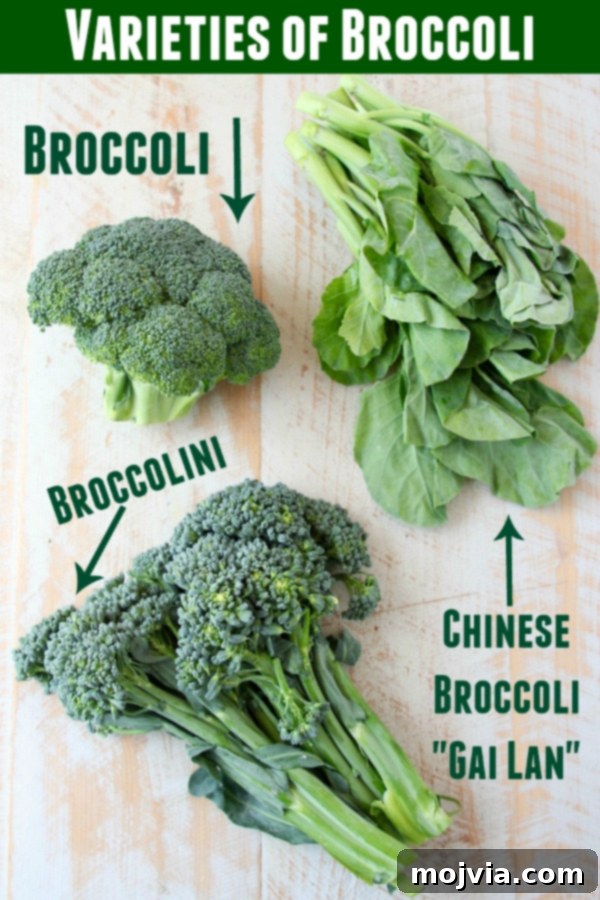
- Chinese Broccoli (Gai Lan): A leafy green vegetable with thick, crunchy stems and a slightly bitter, robust flavor that pairs beautifully with the rich sauce. It’s common in East Asian cuisine. If unavailable, broccolini or regular broccoli make excellent substitutes.
- Tomato: Sliced into wedges, a ripe tomato on the vine adds a touch of sweetness, acidity, and color, cutting through the richness of the dish and providing a fresh counterpoint.
Step-by-Step Guide to Cooking Perfect Drunken Noodles
Follow these detailed steps, complete with visual cues, to ensure your homemade Drunken Noodles are nothing short of spectacular. For precise measurements, please refer to the full recipe card at the bottom of this post.
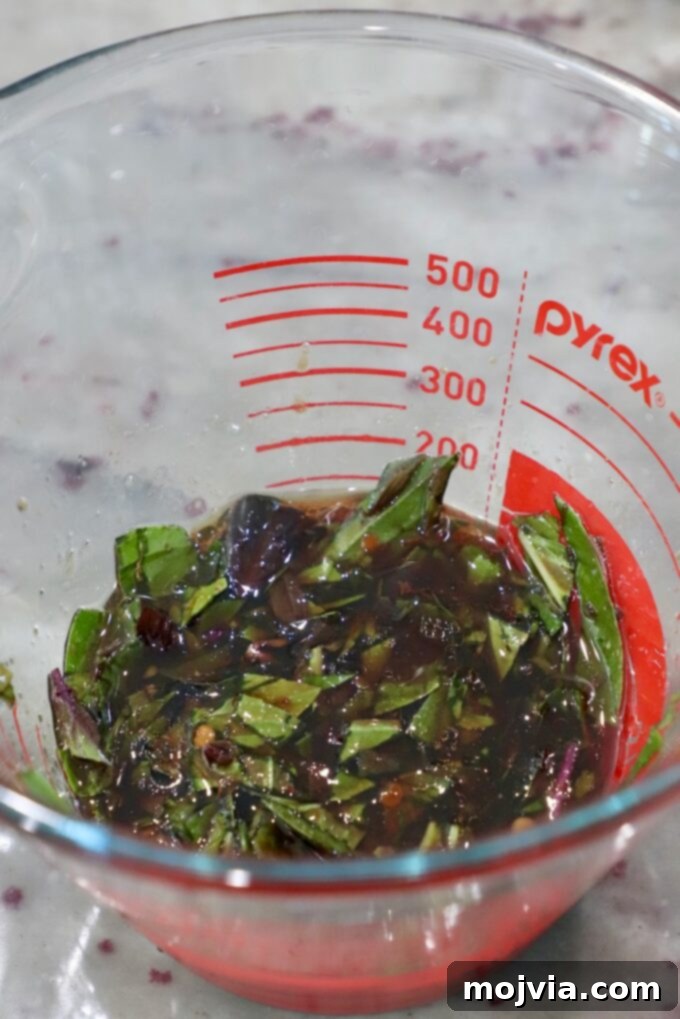
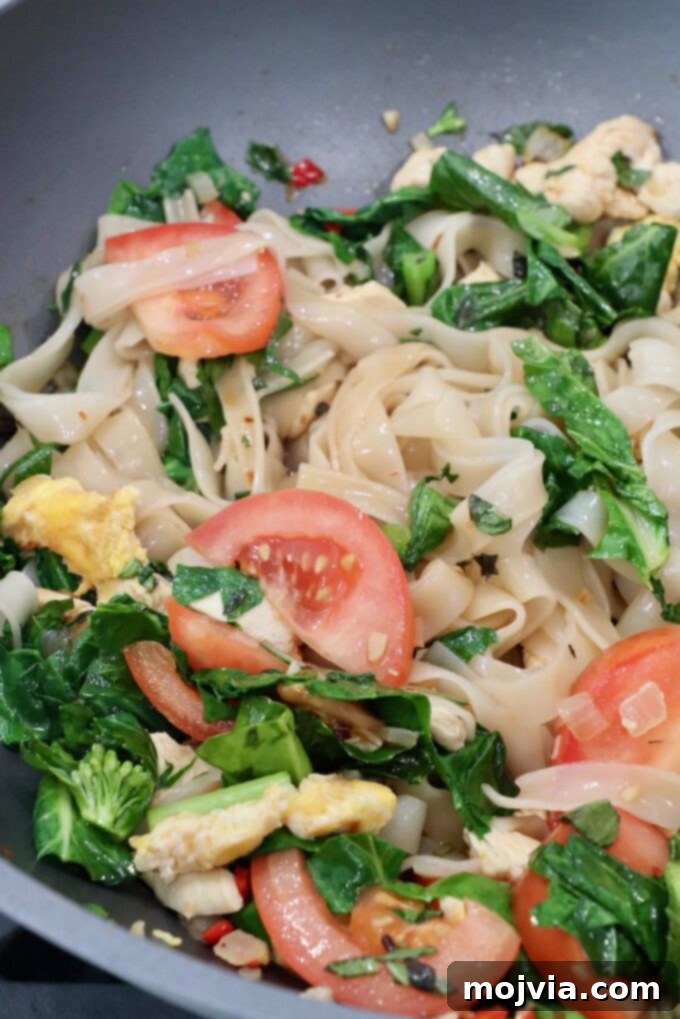
- Prepare the Signature Sauce: In a small mixing bowl, combine the oyster sauce, fish sauce, ground fresh red chili paste, soy sauce, sesame oil, and granulated sugar. Stir vigorously until all ingredients are well blended and the sugar has dissolved. Set this flavorful sauce aside, as it’s the heart of your Drunken Noodles.
- Boil the Rice Noodles: Bring a large pot of water to a rolling boil. Carefully add the wide rice noodles to the boiling water and cook for approximately 5 minutes, or until they are al dente (slightly firm to the bite). Avoid overcooking, as they will continue to cook in the wok. Drain the noodles immediately and set them aside. If using dried noodles, follow package instructions for rehydration before boiling.
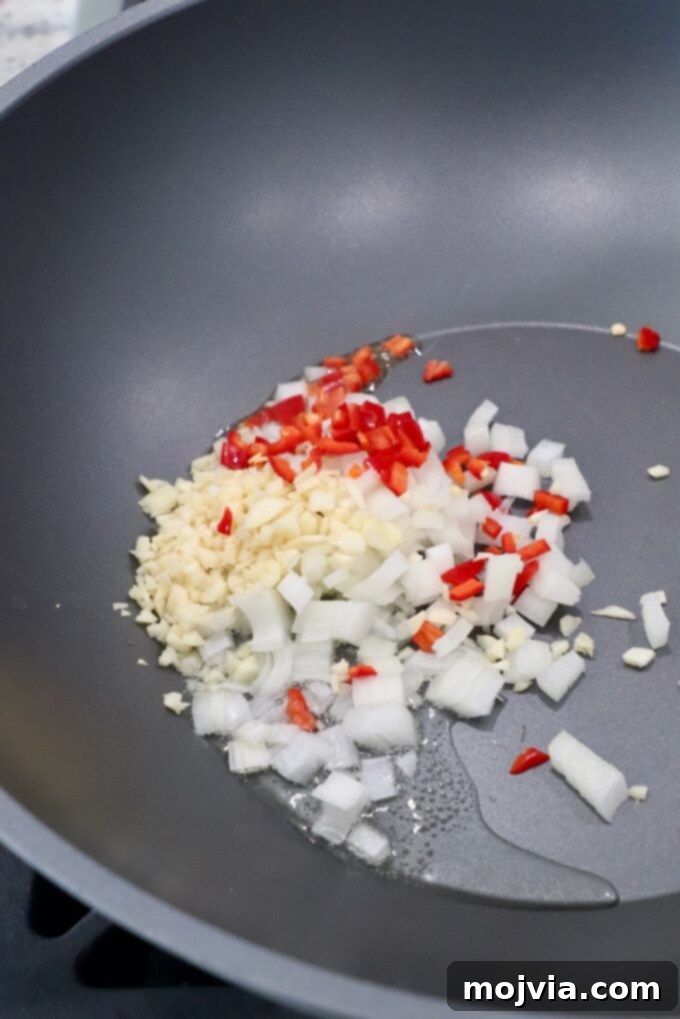
- Sauté the Aromatics: Heat a large skillet or a wok over medium-high heat. Add the canola oil (or your chosen high-heat cooking oil). Once the oil is shimmering and hot, add the minced garlic cloves, minced Thai chilies, and sliced onions. Stir-fry for about 2 minutes, until the aromatics are fragrant and the onions are slightly softened. Be careful not to burn the garlic.
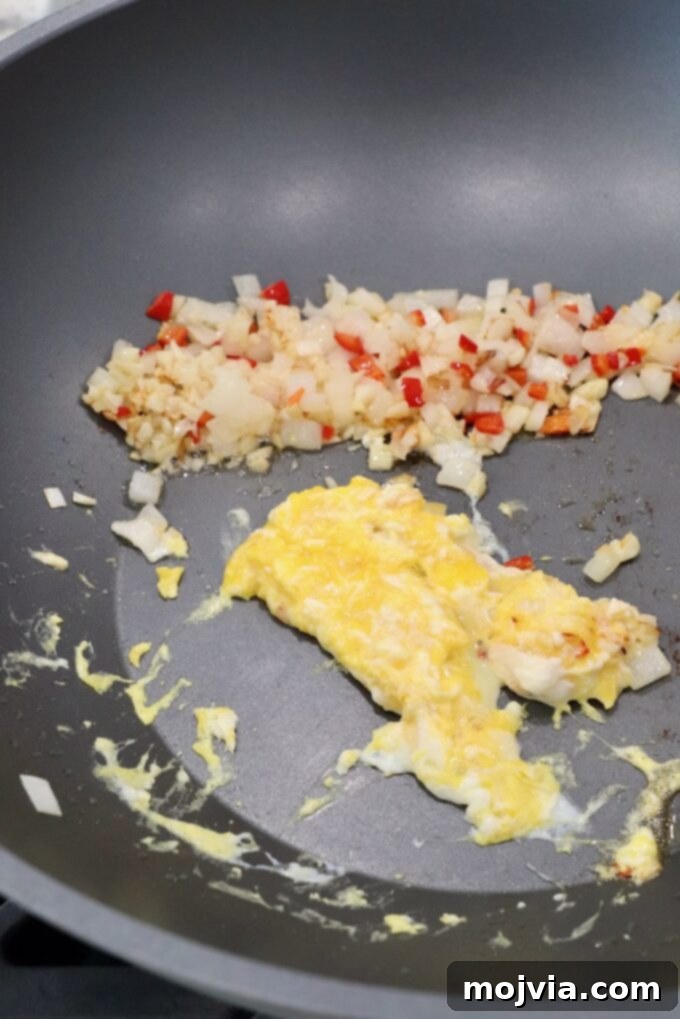
- Scramble the Egg: Push the aromatics to one side of the wok, creating an empty space. Pour the whisked egg into this space and quickly scramble it for about 1 minute until it is just cooked through. Break it into smaller pieces with your spatula, then mix it in with the aromatics.
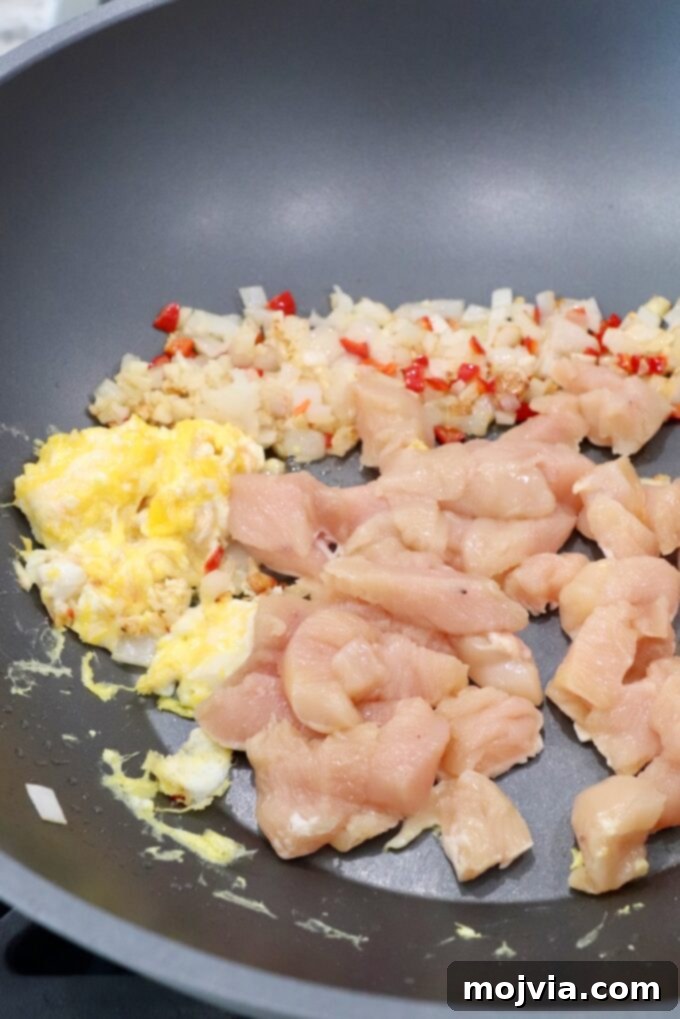
- Cook the Chicken: Add the small, diced pieces of boneless, skinless chicken breast (or thighs) to the wok. Stir-fry for 3-4 minutes, or until the chicken is cooked through and lightly browned on all sides. Ensure there’s no pink visible.
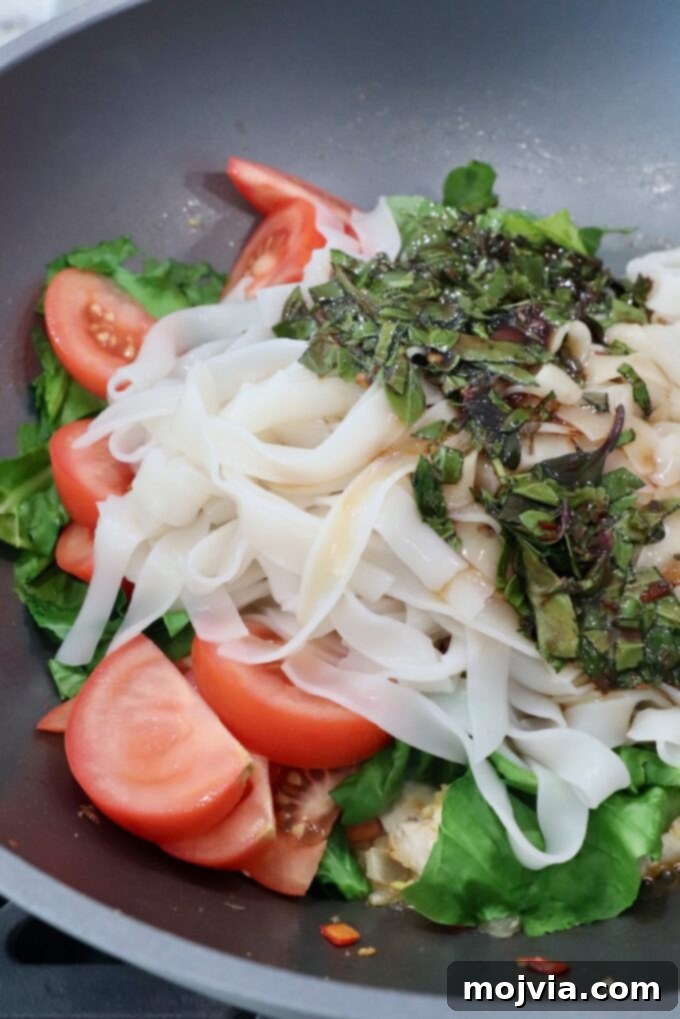
- Stir-Fry the Noodles and Vegetables: Add the chopped Chinese broccoli and tomato wedges to the wok, stirring to combine with the chicken and aromatics. Next, add the cooked rice noodles. If your noodles have clumped together, a quick rinse under cold water can help separate them before adding them to the wok. Pour the prepared Drunken Noodles sauce over everything in the skillet. Toss continuously for about 2 minutes, ensuring all the noodles, chicken, and vegetables are evenly coated in the rich, spicy sauce. The noodles should start to absorb the sauce and become glossy.
- Finish and Serve: Remove the wok from the heat. Stir in the remaining fresh Thai basil leaves. The residual heat will wilt the basil and release its aromatic oils. Serve your homemade Drunken Noodles immediately, garnished with extra fresh basil if desired, and prepare for a burst of authentic Thai flavors!
Expert Tips for Perfect Drunken Noodles
- Wok Hei is Key: For the best stir-fry results, use a wok or a large, heavy-bottomed skillet that can get very hot. The high heat is essential for achieving “wok hei” – the smoky, complex flavor characteristic of authentic stir-fried dishes. Don’t overcrowd the pan; cook in batches if necessary to maintain high heat.
- Prep Everything Ahead (Mise en Place): Stir-frying is a rapid cooking method. Ensure all your ingredients are prepped, chopped, and measured before you even turn on the heat. This way, you can add them to the wok quickly without interruption, preventing overcooking.
- Noodle Preparation: If using fresh wide rice noodles, they often come slightly stuck together. Gently separate them beforehand to prevent clumping in the wok. If using dried noodles, follow package instructions precisely for soaking/boiling to achieve the right texture – usually al dente.
- Adjust Spice to Taste: The “drunken” reputation comes from the spice. Start with the recommended amount of Thai chilies and chili paste, then taste and adjust. You can always add more, but it’s hard to take away! For less heat, remove seeds from chilies or use fewer.
- Fresh Thai Basil: This herb is critical for the authentic flavor. Add it at the very end, off the heat, to preserve its vibrant aroma and slightly peppery, anise-like notes. Avoid overcooking the basil.
Frequently Asked Questions About Drunken Noodles
- Are Drunken Noodles genuinely spicy?
Yes, Drunken Noodles are famously known for their fiery kick! Prepared as written, this recipe typically falls around a spice level 5-6 out of 10, comparable to a medium-hot dish at a Thai restaurant. For those who crave more heat, feel free to increase the number of Thai chilies and add extra ground chili paste to the sauce. If you prefer a milder version, simply reduce the Thai chilies and chili paste by half, or omit them entirely for a non-spicy rendition.
- Can I incorporate different vegetables into this dish?
Absolutely! This recipe is incredibly versatile. While Chinese broccoli and tomatoes are traditional, you can easily customize the vegetable mix. Consider adding thinly sliced red bell peppers, crunchy baby corn, diced zucchini, shredded carrots, snow peas, or even mushrooms. Feel free to replace any of the suggested vegetables or add them in alongside, just ensure they are cut into similar sizes for even cooking. Add heartier vegetables earlier in the stir-fry process, and quicker-cooking ones later.
- What distinguishes Drunken Noodles from other popular Thai noodle dishes like Pad Thai and Pad See Ew?
The primary difference lies in the sauce and noodle type for each dish.
- Drunken Noodles (Pad Kee Mao): Characterized by wide rice noodles, a dark, savory, and very spicy sauce, often with prominent notes of garlic, chilies, and Thai basil.
- Pad Thai: Made with thinner, flat rice noodles (often labeled Pad Thai noodles), its sauce is famously sweet, sour, and nutty, typically incorporating tamarind, fish sauce, sugar, and ground peanuts, with a hint of chili for a mild spice.
- Pad See Ew: Visually similar to Drunken Noodles due to its use of wide rice noodles, but the flavor profile is distinct. Pad See Ew features a less spicy, sweeter, and savory sauce primarily made from a blend of dark and light soy sauce, often with Chinese broccoli and egg.
- What kind of wok should I use for stir-frying?
A good wok is essential for authentic stir-fries. Carbon steel woks are highly recommended by professional chefs for their excellent heat retention and responsiveness, developing a natural non-stick patina over time. If a carbon steel wok is too much of a commitment, a large, heavy-bottomed non-stick skillet can also work effectively for home cooking, just ensure it can withstand high heat.
Exploring Protein Variations for Your Drunken Noodles
While chicken is a classic choice for Drunken Noodles, this versatile recipe allows for a wide array of protein substitutions to suit your preference or what you have on hand. Each option brings its own unique texture and flavor to the dish, transforming it into a new culinary experience.
- Shrimp: To prepare this recipe with succulent shrimp, simply use peeled and deveined shrimp. Add them to the wok at the same stage you would add the chicken. Shrimp cook very quickly, usually in 2-3 minutes until they turn pink and opaque. Overcooking will make them rubbery, so keep an eye on them!
- Beef: For a richer, more robust flavor, consider using thinly sliced beef, such as flank steak or sirloin. For incredibly tender beef, I highly recommend checking out my Kung Pao Beef recipe for the secret Chinese restaurant technique of velveting beef. This method ensures melt-in-your-mouth tenderness. Once tenderized and sliced, add the beef to the wok at the same time you would add the chicken or shrimp, cooking until browned and cooked through.
- Pork: Pork is another excellent option. You can use 1/2 pound of small diced pork tenderloin for a leaner option, or ground pork for a quicker cook. Add the pork to the wok at the same time as the chicken, breaking up ground pork as it cooks, until it’s browned and fully cooked through.
- Tofu: For a delicious vegetarian or vegan version, extra-firm tofu works wonderfully. Ensure you press out as much liquid as possible from a block of extra-firm tofu before dicing it into small cubes. This step is crucial for achieving a firm texture and allowing the tofu to absorb the sauce. You can pan-fry or air-fry the tofu separately until golden and slightly crispy before adding it to the wok in place of the chicken, after the egg (if using) has been scrambled.
Navigating Ingredient Substitutions for Asian Staples
While an authentic Thai market provides the best selection for this Drunken Noodles recipe, modern grocery stores are increasingly stocking a broader range of Asian ingredients. Most major supermarkets will have basics like oyster sauce, fish sauce, and soy sauce in their international aisle. However, for more specialized items such as fresh Chinese broccoli, Thai chilies, and specific types of wide rice noodles, an Asian grocery store is your best bet. Living close to an Asian market can be a true culinary blessing, offering a treasure trove of unique finds, fresh produce at great prices, and delicious treats like Boba Milk Tea.
If you don’t have convenient access to an Asian market or are short on time, don’t let that stop you from making this flavorful dish! There are several simple and effective substitutions you can make without significantly compromising the delicious outcome of your Drunken Noodles. Here’s how you can adapt the recipe with readily available ingredients:
- Thai Chilies: These small, potent “bird’s eye” chilies are crucial for the authentic heat of Pad Kee Mao. If fresh Thai chilies are difficult to locate, a common and effective substitution is serrano chili peppers. Serranos offer a comparable heat level and can be found in most produce sections. Simply use 1 minced serrano chili pepper in place of 2 Thai chilies. For an even milder option, a jalapeño can be used, though it will yield less heat.
- Thai Basil: This herb provides a distinctive, slightly anise or licorice-like flavor profile that is foundational to Drunken Noodles. It’s also slightly spicier and has smaller, more narrow leaves with often purple stems compared to its sweet basil counterpart. If you can’t find Thai basil, don’t despair! Regular sweet basil (the kind used in Italian cooking) is a perfectly acceptable substitute; while its flavor is milder and lacks the anise notes, it will still contribute a fresh, herbaceous quality. Another option, if you can find it, is Thai holy basil (also known as “gaprao”), which is even spicier and more peppery than Thai basil. If holy basil is available, it can be used in the same quantity as Thai basil for an extra kick.
- Wide Rice Noodles: The broad, flat texture of wide rice noodles (sometimes called “Ho Fun” or “Chow Fun” noodles) is characteristic of Drunken Noodles, providing excellent chewiness and surface area for the sauce. While many grocery stores carry rice noodles, the “wide” variety might be less common. If true wide rice noodles are unavailable, opt for the widest rice noodle you can find. “Pad Thai noodles,” which are medium-width flat rice noodles, are a fantastic and easily accessible alternative that will still deliver a great texture and absorb the sauce beautifully.
- Chinese Broccoli (Gai Lan): This leafy green vegetable with its thick, slightly bitter stems and rich green leaves is a traditional component, adding a unique texture and flavor. Unlike standard broccoli, it typically doesn’t have large florets. Its flavor is robust, similar to broccoli but often with a more earthy, slightly bitter undertone. Broccolini, which is a hybrid of Chinese broccoli and regular broccoli, makes an excellent and very similar-tasting substitute. Alternatively, regular broccoli florets or even rapini can be used. Simply substitute 1/2 pound of broccolini or traditional broccoli, chopped into bite-sized pieces, for the Chinese broccoli.
Storing and Reheating Your Drunken Noodles
Proper storage and reheating ensure you can enjoy the delicious flavors of your homemade Drunken Noodles for days to come. This dish makes for fantastic leftovers, perfect for a quick lunch or dinner.
To store leftover Drunken Noodles: Allow the dish to cool completely to room temperature before transferring it to an airtight container. Refrigerate promptly, and it will keep fresh for up to 3-5 days. For best results and food safety, avoid leaving cooked noodles out at room temperature for more than two hours.
To reheat the leftovers:
- Microwave Method: Place your desired portion of Drunken Noodles in a microwave-safe bowl. Add a tiny splash of water (about 1-2 teaspoons) to help rehydrate the noodles and sauce, preventing them from drying out. Cover the bowl loosely and microwave on high for 1-2 minutes, stirring halfway through, until thoroughly heated.
- Stovetop Method: For a more revitalized texture, reheat leftovers in a skillet or wok over medium heat. Add a tablespoon of water or broth to loosen the noodles and sauce. Stir-fry gently for 3-5 minutes, breaking up any clumps, until the noodles are hot and soft again. This method often yields a fresher texture closer to the original dish.
While freezing is generally not recommended for noodle dishes as it can alter the texture of the noodles and vegetables, it can be done. If freezing, use an airtight, freezer-safe container for up to 1 month. Thaw in the refrigerator overnight before reheating using the stovetop method, adding a bit more liquid as needed.
Dietary Adjustments for Your Lifestyle
This Drunken Noodles recipe is wonderfully adaptable, allowing for several dietary modifications to suit various preferences without sacrificing flavor. With a few simple swaps, you can easily make this dish gluten-free, vegetarian, or even vegan.
- Make this recipe Gluten-Free: Achieving a gluten-free version of Drunken Noodles is quite straightforward, primarily involving the substitution of key sauces. Ensure you use:
- Gluten-free oyster sauce: Many brands now offer delicious gluten-free versions made with mushroom extract or other alternatives.
- Gluten-free fish sauce: While most traditional fish sauces are naturally gluten-free, always double-check the label for additives or wheat-based ingredients.
- Gluten-free soy sauce (Tamari): Tamari is a Japanese soy sauce alternative that is naturally gluten-free and provides a similar savory depth.
By combining gluten-free versions of these three sauces, the entire dish becomes safe for those with gluten sensitivities. Always check labels for other ingredients like chili paste to ensure they are also gluten-free.
- To make this recipe Vegetarian: This hearty dish can easily be transformed into a flavorful vegetarian meal.
- Protein: Omit the chicken entirely, or replace it with an equal amount of small cubes of pressed extra-firm tofu, hearty diced portobello mushrooms, or a mix of additional vegetables.
- Fish Sauce: Substitute the fish sauce with an additional tablespoon of regular or gluten-free soy sauce for savory depth, or use a vegetarian “fish sauce” alternative made from seaweed if available.
- Oyster Sauce: Replace the traditional oyster sauce with a vegetarian mushroom oyster sauce, which offers a similar thick texture and rich umami flavor derived from mushrooms.
- To make this recipe Vegan: To make the dish fully vegan, follow all the substitutions for the vegetarian version (tofu/mushrooms for chicken, extra soy sauce for fish sauce, and mushroom oyster sauce). Additionally, omit the egg. You can replace the egg with a scramble made from crumbled firm tofu or simply increase the amount of vegetables to compensate for the removed ingredients.
More Thai Culinary Inspirations
Pin
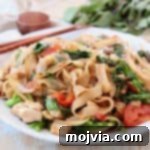
Drunken Noodles (Pad Kee Mao) with Chicken
Learn how to make THE BEST Drunken Noodles with chicken! This homemade recipe for the spicy Thai restaurant favorite is easy to make in just 20 minutes!
Servings: 4 people
Prep Time: 20 mins
Cook Time: 10-15 mins
Total Time: 20 mins
Author: Whitney Bond
Course: Main Course
Cuisine: Thai
Video Guide
Ingredients
- 2 tablespoons oyster sauce
- 1 tablespoon fish sauce
- 1 teaspoon ground fresh red chili paste
- 2 tablespoons soy sauce
- 1 tablespoon sesame oil
- 2 teaspoons granulated sugar
- ½ cup Thai basil, divided
- 8 ounces wide rice noodles
- 1 tablespoon canola oil
- 6 cloves garlic, minced
- 2 red Thai chilies, minced (adjust to spice preference)
- ½ cup onion, sliced
- 1 egg, whisked
- ½ pound chicken (boneless, skinless breasts or thighs), small dice
- ½ pound Chinese broccoli, chopped
- 1 tomato, sliced into wedges
Instructions
- Bring a large pot of water to a boil on the stove.
- In a small bowl, combine the oyster sauce, fish sauce, red chili paste, soy sauce, sesame oil, sugar, and ¼ cup chopped Thai basil. Mix well and set aside.
- Add the rice noodles to the boiling water. Cook for 5 minutes until al dente. Drain and set aside.
- Add the canola oil to a large skillet or wok over medium-high heat.
- Once the oil is hot and shimmering, add the minced garlic, Thai chilies, and sliced onion. Sauté for 2 minutes until fragrant.
- Push the aromatics to one side and add the whisked egg. Scramble for 1 minute until cooked, then mix with the aromatics.
- Add the diced chicken to the wok and cook for 3-4 minutes, or until cooked through and lightly browned.
- Stir in the chopped Chinese broccoli, tomato wedges, and the cooked rice noodles. Pour the prepared sauce over everything.
- Toss constantly to combine and sauté for another 2 minutes, ensuring all ingredients are well coated and heated through.
- Remove the wok from the heat and stir in the remaining fresh Thai basil leaves. Serve immediately.
Notes
- Most ingredients can be found in the Asian section of major grocery stores. For harder-to-find items, consider these substitutions:
- Substitute broccoli or broccolini for Chinese broccoli.
- Substitute sweet basil for Thai basil.
- Substitute 1 minced serrano chili for 2 Thai chilies for similar heat.
- Substitute Pad Thai noodles for wide rice noodles if unavailable.
- To make this dish gluten-free, ensure you use gluten-free oyster sauce, gluten-free fish sauce, and gluten-free soy sauce (tamari). These alternatives are widely available online or in most major grocery stores.
Nutrition Facts
Serving Size: 4 servings
- Calories: 467 kcal (23% DV)
- Carbohydrates: 59g (20% DV)
- Protein: 17g (34% DV)
- Fat: 17g (26% DV)
- Saturated Fat: 3g (15% DV)
- Cholesterol: 83mg (28% DV)
- Sodium: 1282mg (53% DV)
- Potassium: 479mg (14% DV)
- Fiber: 3g (12% DV)
- Sugar: 5g (6% DV)
- Vitamin A: 925mg (19% DV)
- Vitamin C: 62.8mg (76% DV)
- Calcium: 73mg (7% DV)
- Iron: 2mg (11% DV)
Did you make this recipe?
Tag @WhitneyBond on Instagram and hashtag it #WBRecipes!