
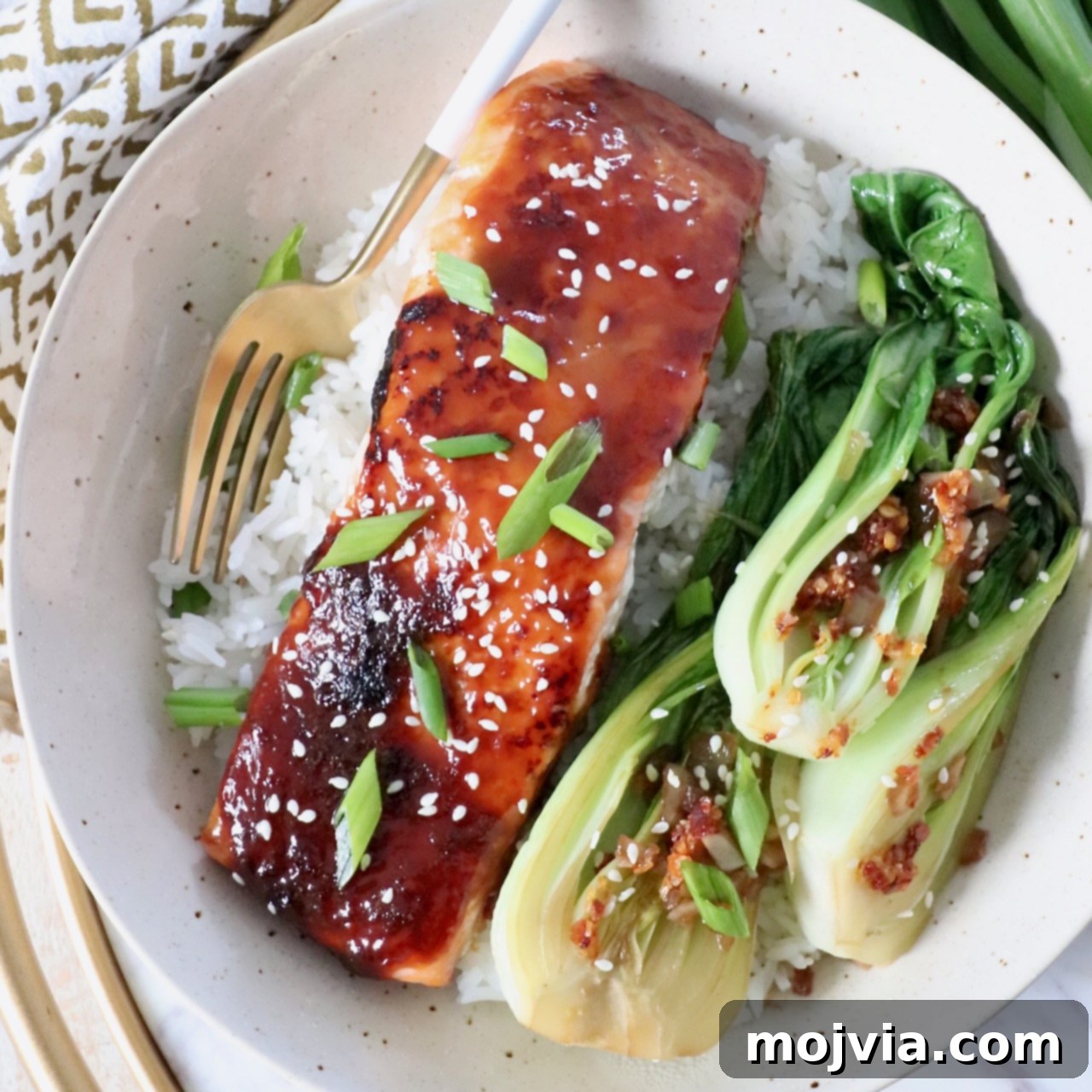
Delicious & Easy Miso Salmon Recipe: Your New Weeknight Favorite
Transform your dinner routine with the ultimate homemade Miso Salmon. This incredible recipe delivers restaurant-quality flavor in just 25 minutes with only 6 simple ingredients. The sweet and savory miso glaze creates a beautiful caramelization over the salmon fillets as they bake, resulting in a melt-in-your-mouth experience that will delight your taste buds. It’s a delightful, straightforward meal that’s both healthy and incredibly satisfying. Prepare to add this to your regular rotation – we guarantee it will become your new favorite way to enjoy salmon!
Why This Miso Salmon Recipe Will Become Your Go-To
My love affair with miso-glazed fish began years ago, always ordering miso black cod whenever it graced a Japanese restaurant menu. It was, without a doubt, one of my absolute favorite meals. One evening, as I was preparing salmon for dinner, a thought sparked: why not bring that incredible miso glaze experience right into my own kitchen? The result was nothing short of spectacular, and I knew instantly that this recipe had to be shared.
This easy miso salmon recipe creates a sticky, sweet, and perfectly savory glaze that practically melts in your mouth with every bite. What makes it even better is its incredible simplicity. Forget lengthy marinating times – this recipe requires no advanced prep. You simply whisk together a few ingredients for the glaze, generously coat your salmon fillets, and bake them to perfection in the oven. It’s truly a minimal-effort, maximum-flavor dish.
Since its creation, this Miso Salmon has earned a permanent spot in our weekly meal rotation. It’s ideal for busy weeknights when you crave something special but lack the time for an elaborate meal. Imagine serving a sophisticated, flavorful, and healthy dinner in under 30 minutes. This recipe makes it possible. It’s a light, delicious, and incredibly satisfying option that you’ll be eager to make again and again.
Essential Ingredients for an Authentic Miso Salmon Experience
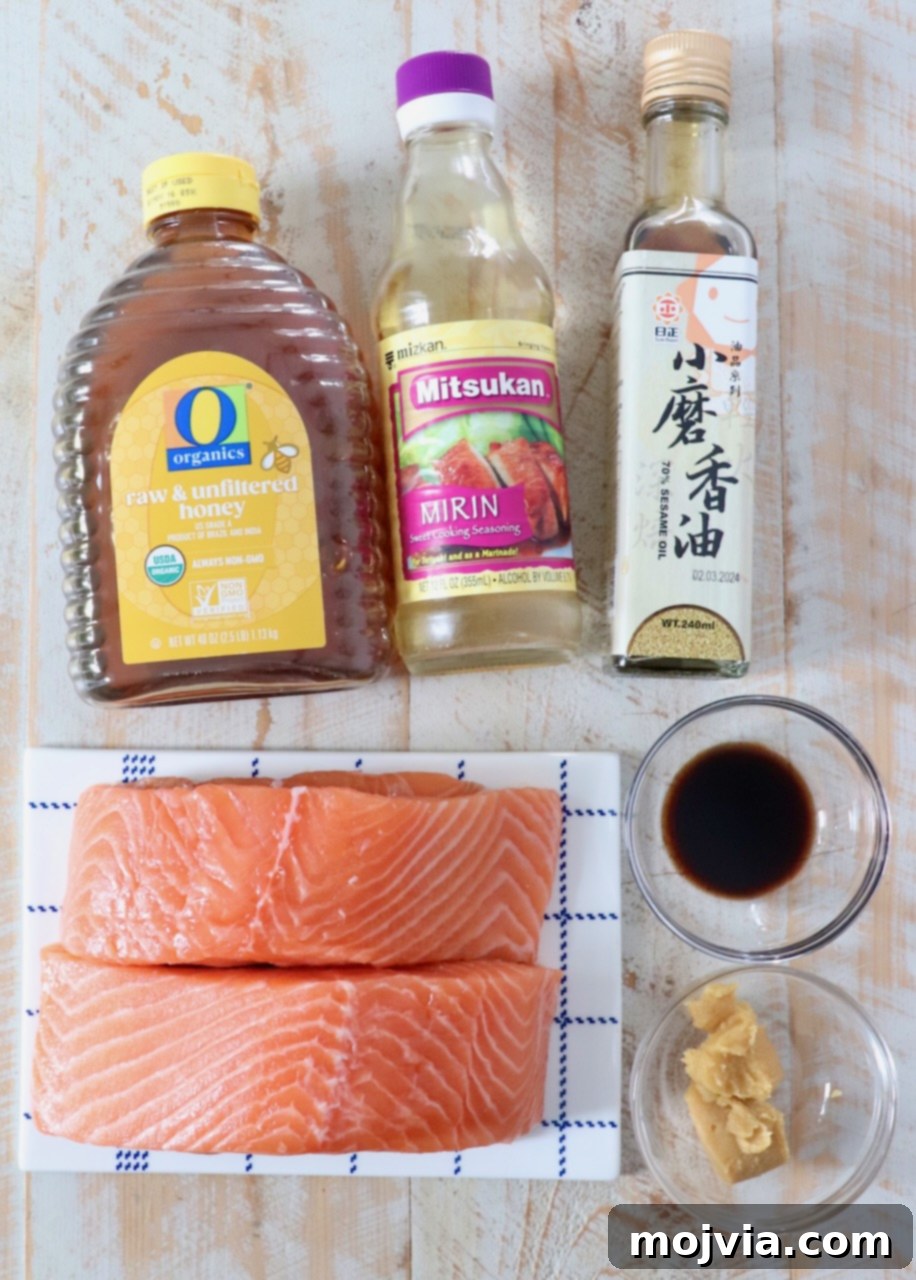
Crafting the perfect miso glaze and achieving perfectly cooked salmon starts with understanding each ingredient and its role. Below, I’ll detail the best ingredients for this miso glazed salmon recipe, their contributions to the flavor profile, and handy substitution options. For precise measurements, be sure to consult the full recipe card at the bottom of this post.
Salmon Selection: Choosing the Best Fillets
- Salmon Fillets: For this recipe, I highly recommend using four salmon fillets, ideally between 6-8 ounces each. The type of salmon can vary; Atlantic salmon is widely available and has a rich, buttery flavor, while Sockeye salmon is firmer and has a more pronounced “salmon” taste.
Tip: Always try to select fillets that are of similar thickness. This is crucial for ensuring that each piece of salmon cooks evenly, preventing some pieces from drying out while others are still undercooked. Look for vibrant, moist-looking flesh and avoid any pieces that appear dull or have a strong fishy odor.
Unlocking Umami: The Role of Miso Paste
- Miso Paste: If you’re new to miso paste, prepare to be amazed by this incredibly versatile fermented soybean paste. It’s a cornerstone of Japanese cuisine, known for adding a profound umami depth to dishes. For this particular recipe, white miso (shiro miso) is your best choice.
Why White Miso? Compared to other varieties like yellow miso, red miso, or brown miso, white miso undergoes the shortest fermentation period. This results in a milder, sweeter, and less salty flavor profile, which perfectly balances the rich salmon and honey in our glaze without overpowering it. While called “white,” its color typically ranges from pale yellow to light beige.
Where to Find It: Miso paste is increasingly available in most major grocery stores, often found in the refrigerated vegan or produce section. Many health food stores and specialty markets also carry it. Trader Joe’s offers a good quality white miso, and you can always find a wide selection at any Asian market.
Sweet & Savory Balance: Honey (or Maple Syrup)
- Honey: This natural sweetener is essential for the glaze, providing not just sweetness but also aiding in the beautiful caramelization process as the salmon cooks in the oven. The sugars in the honey will brown and crisp up, giving the salmon a delectable, slightly sticky crust.
Substitution: If you prefer, or if you’re out of honey, pure maple syrup makes an excellent 1:1 substitute, offering a similar sweetness and caramelizing property with a subtle earthy note.
Japanese Flavor Foundation: Mirin (and Substitutes)
- Mirin: This is a type of Japanese cooking rice wine, sweet and slightly tangy, contributing a unique umami and depth to the miso glaze. It’s a key component in many Japanese sauces and marinades, adding brightness and a subtle alcoholic complexity that cooks off during the simmering process. You’ll typically find it in the Asian food aisle of most large grocery stores.
Substitutions: If mirin isn’t readily available, you have a few good options:- Rice Vinegar: Use an equal amount, but consider adding a tiny pinch of sugar to compensate for the lost sweetness.
- Sake: Also a Japanese rice wine, sake can be used in place of mirin. If using dry sake, you might need to add a touch more honey to balance the sweetness.
- Dry White Wine: A splash of dry white wine can work in a pinch, though the flavor will be slightly different. Avoid sweet wines.
The Salty Counterpart: Low-Sodium Soy Sauce
- Soy Sauce: For this particular recipe, I highly recommend using low-sodium soy sauce. Miso paste inherently brings a significant level of saltiness to the glaze. Using a full-sodium soy sauce might result in an overly salty dish for some palates. The low-sodium version allows you to enjoy the rich, savory notes of soy without overwhelming the delicate balance of the glaze.
Aromatic Finish: Sesame Oil
- Sesame Oil: A small amount of toasted sesame oil adds a distinct, nutty, and aromatic quality to the glaze. It contributes to the overall Asian flavor profile and helps the salmon achieve a lovely brown finish on the outside during baking. Use regular toasted sesame oil, not light sesame oil, for the best flavor.
Step-by-Step Guide: How to Make Miso Glazed Salmon
Making this incredible miso glazed salmon is simpler than you might think. I’ve broken down the process into easy-to-follow steps below, complemented by photos to guide you visually. For the complete detailed recipe instructions and precise ingredient quantities, please refer to the recipe card at the very bottom of this post.
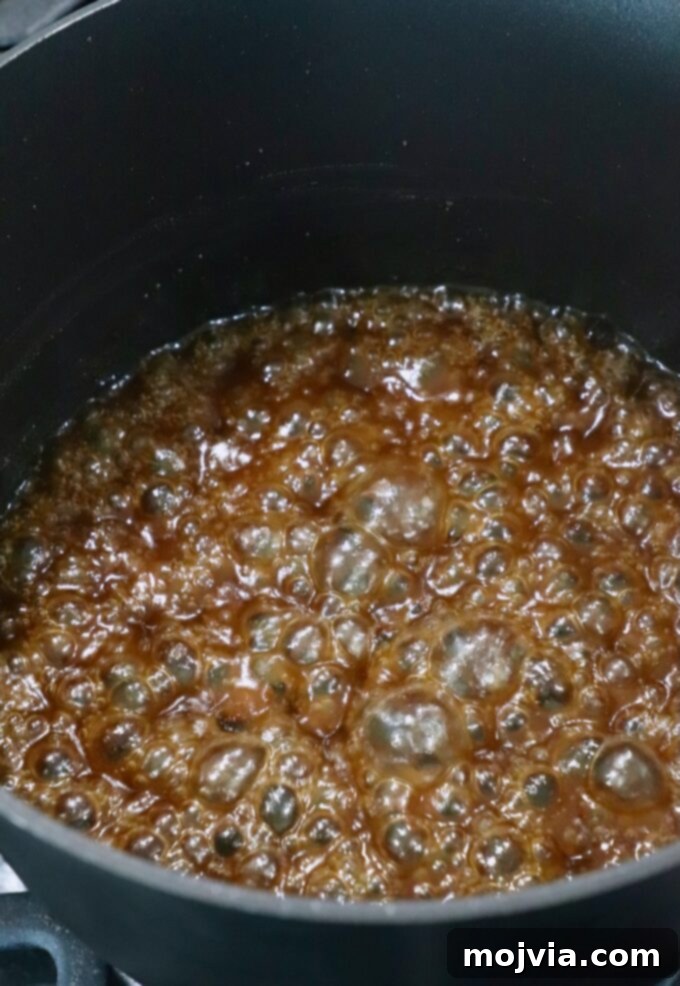
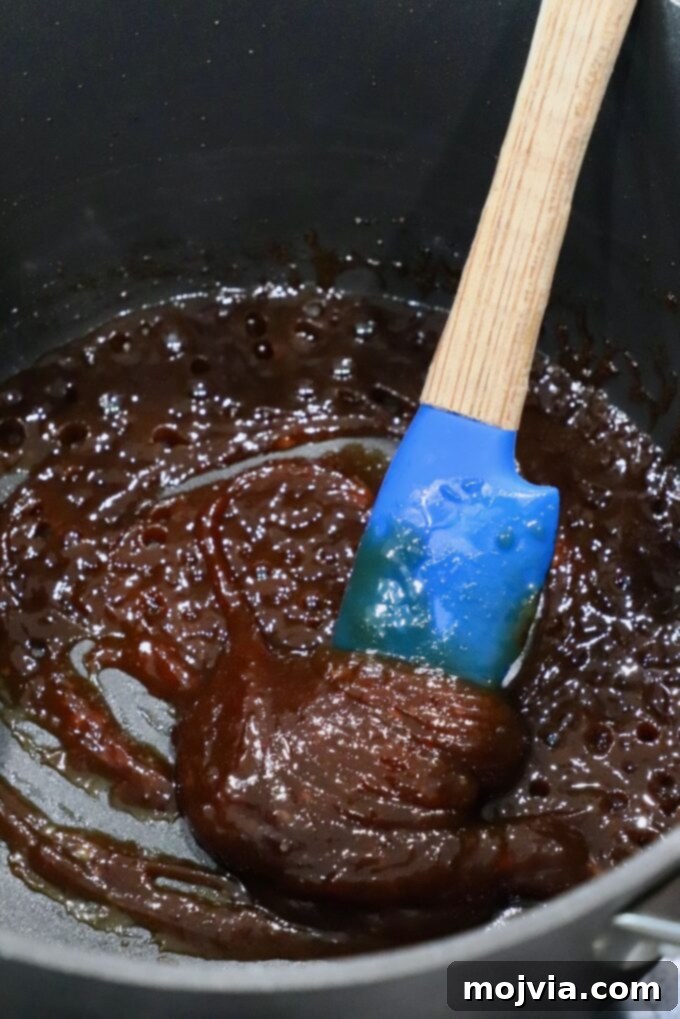
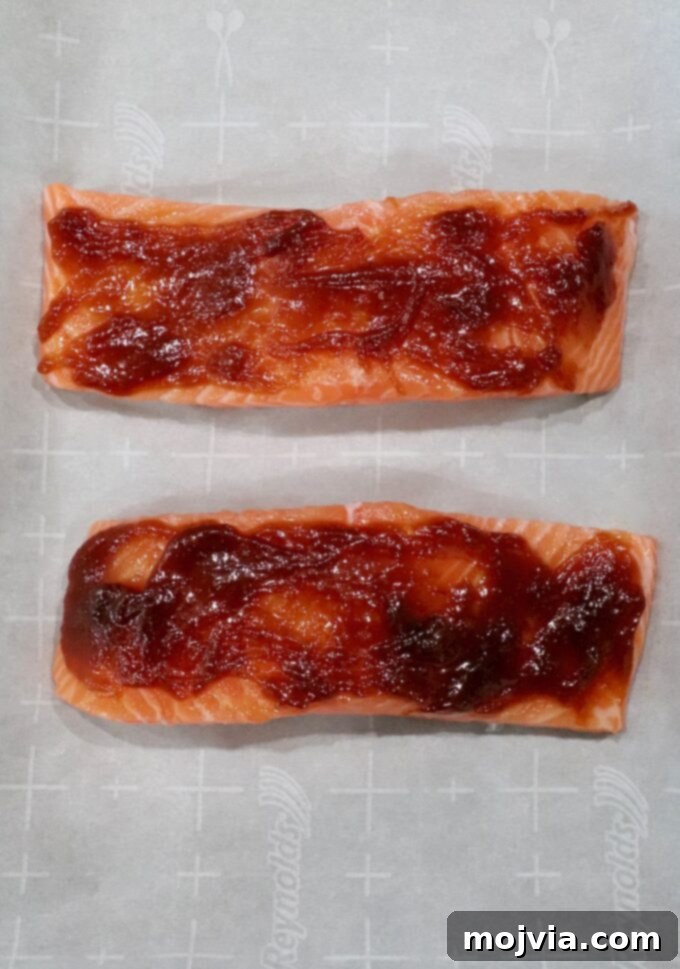
- Prepare Your Oven: Begin by preheating your oven to 425°F (220°C). This ensures the oven is at the correct temperature for even cooking when the salmon goes in.
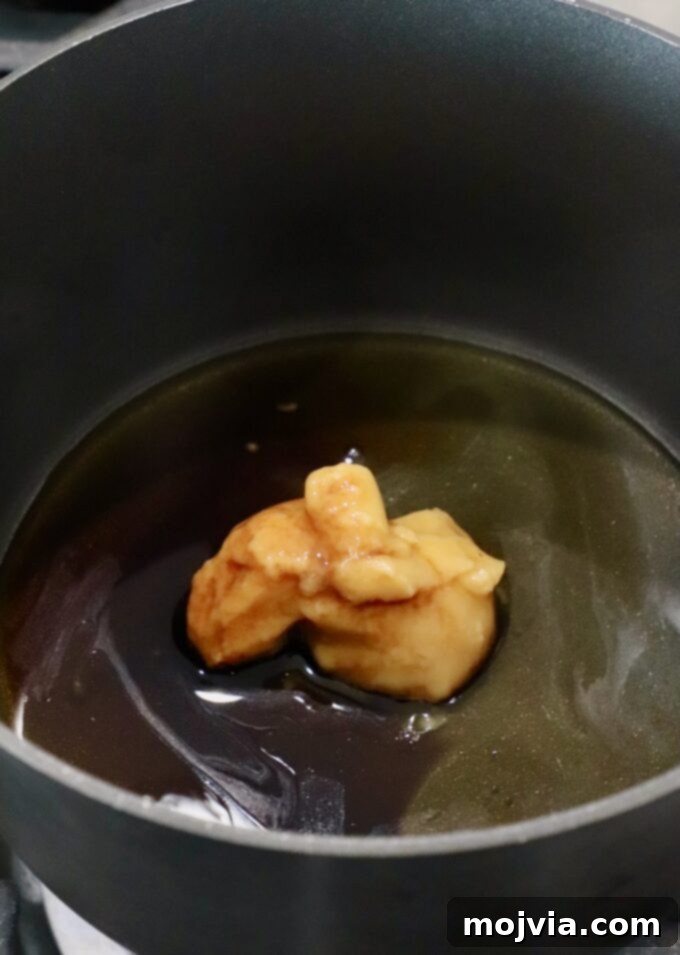
- Craft the Miso Glaze: In a small saucepan, combine the miso paste, honey, mirin, low-sodium soy sauce, and sesame oil. Place the saucepan over medium-high heat on the stove. Stir all the ingredients together thoroughly until they are well combined and begin to simmer. Continue to simmer the glaze for 5-7 minutes, stirring frequently to prevent sticking, until it visibly thickens to a syrupy consistency. Once thickened, remove the glaze from the heat and let it cool for about 5 minutes. It will continue to thicken slightly as it cools.
- Glaze the Salmon: Arrange your salmon fillets on a baking sheet. For easy cleanup and to prevent the salmon from sticking, line the baking sheet with parchment paper or aluminum foil. Using a spoon or brush, spread the prepared miso glaze evenly and generously over the top surface of each salmon fillet. Ensure each piece is thoroughly coated for maximum flavor and caramelization.
- Bake to Perfection: Carefully place the baking sheet with the glazed salmon on the middle rack of your preheated 425°F (220°C) oven. Bake for precisely 10 minutes. This initial baking period cooks the salmon through.
- Caramelize Under the Broiler: After the initial 10 minutes, change your oven setting from “bake” to “broil” on high. Cook the salmon under the broiler for an additional 1-2 minutes. This crucial step allows the miso glaze to bubble, brown, and caramelize beautifully, creating that signature sticky-sweet crust. Important: Always keep a close eye on the salmon while it’s under the broiler, as glazes can burn quickly. Remove it as soon as you see the desired browning and bubbling.
- Serve Immediately: Once the miso salmon is perfectly caramelized, remove it from the oven. For an optional but delightful finish, garnish with a sprinkle of sesame seeds and finely diced green onions before serving. Enjoy this flavorful dish right away!
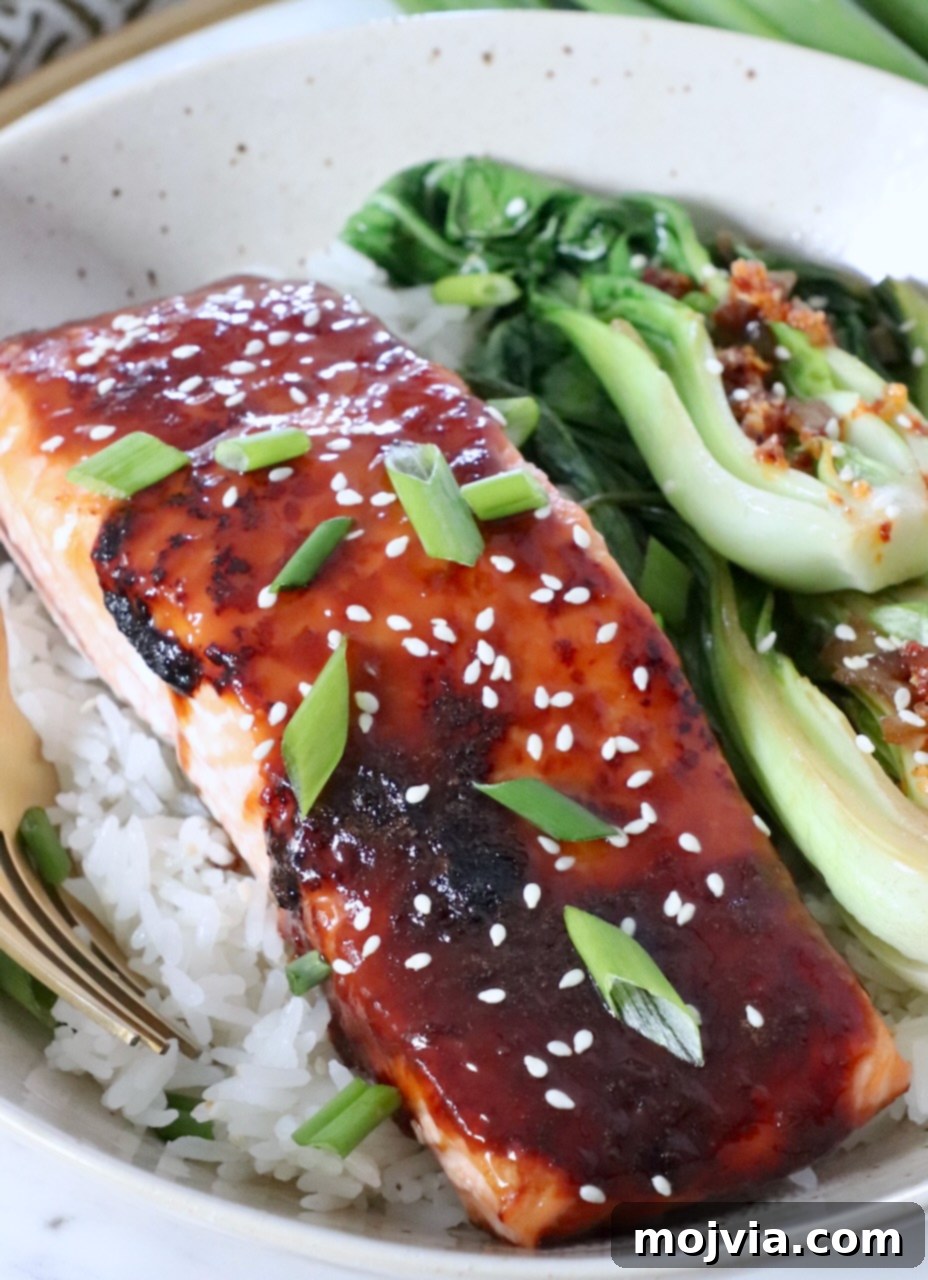
Expert Tips for Flawless Miso Salmon Every Time
Achieving perfectly cooked, flavorful miso salmon is easy with these expert tips:
- Don’t Skip the Broiler Step: This is arguably the most important step for achieving that signature sticky, sweet, and caramelized texture on top of your miso salmon. The high heat of the broiler quickly browns the sugars in the glaze, creating a beautiful crust and deepening the flavor. Just be sure to watch it closely to prevent burning!
- Ensure Even Fillet Sizes: To guarantee that all your salmon pieces cook uniformly, try to purchase fillets that are similar in size and thickness. If one piece is significantly smaller, you might need to add it to the baking sheet a couple of minutes after the larger fillets have started cooking to avoid overcooking it.
- Adjust Cooking Time for Thickness: This recipe is calibrated for salmon fillets that are approximately 1 inch thick at their thickest part. If your salmon is notably thinner (e.g., ½ inch), consider reducing the initial 10-minute baking time by 2-3 minutes. For thicker fillets, you may need to add a few extra minutes to the baking time.
- Keep the Skin On: There’s no need to remove the skin from the salmon before cooking. In fact, keeping the skin on helps to keep the salmon moist and prevents it from sticking to the baking sheet during the cooking process. Once cooked, the salmon flesh will easily separate from the crispy skin, which you can then discard (or enjoy, if you like crispy salmon skin!).
- Broiler-Free Oven Alternative: If your oven doesn’t have a broiler function, you can still achieve great results. Simply continue to bake the salmon for an additional 2-5 minutes after the initial 10-minute bake, for a total cooking time of 12-15 minutes. The glaze won’t get quite as crispy, but it will still be delicious.
- Visual Cues for Doneness: As salmon cooks, its vibrant orange or red color will transition to an opaque pink throughout the flesh. A general rule of thumb is to cook salmon for 10 minutes per inch of thickness.
- Use a Meat Thermometer: For the most accurate doneness, use an instant-read meat thermometer inserted into the thickest part of the fillet. Salmon is considered rare around 110°F (43°C), medium-rare at 125°F (52°C), and well-done at 145°F (63°C). Remember that the salmon’s internal temperature will continue to rise by 5-10 degrees after you remove it from the oven, so pull it out just before it reaches your desired final temperature.
- Allow Salmon to Rest: After removing the salmon from the oven, let it rest for 3-5 minutes before serving. This allows the juices to redistribute throughout the fillet, resulting in more tender and flavorful fish.
What to Serve with Your Delicious Miso Salmon
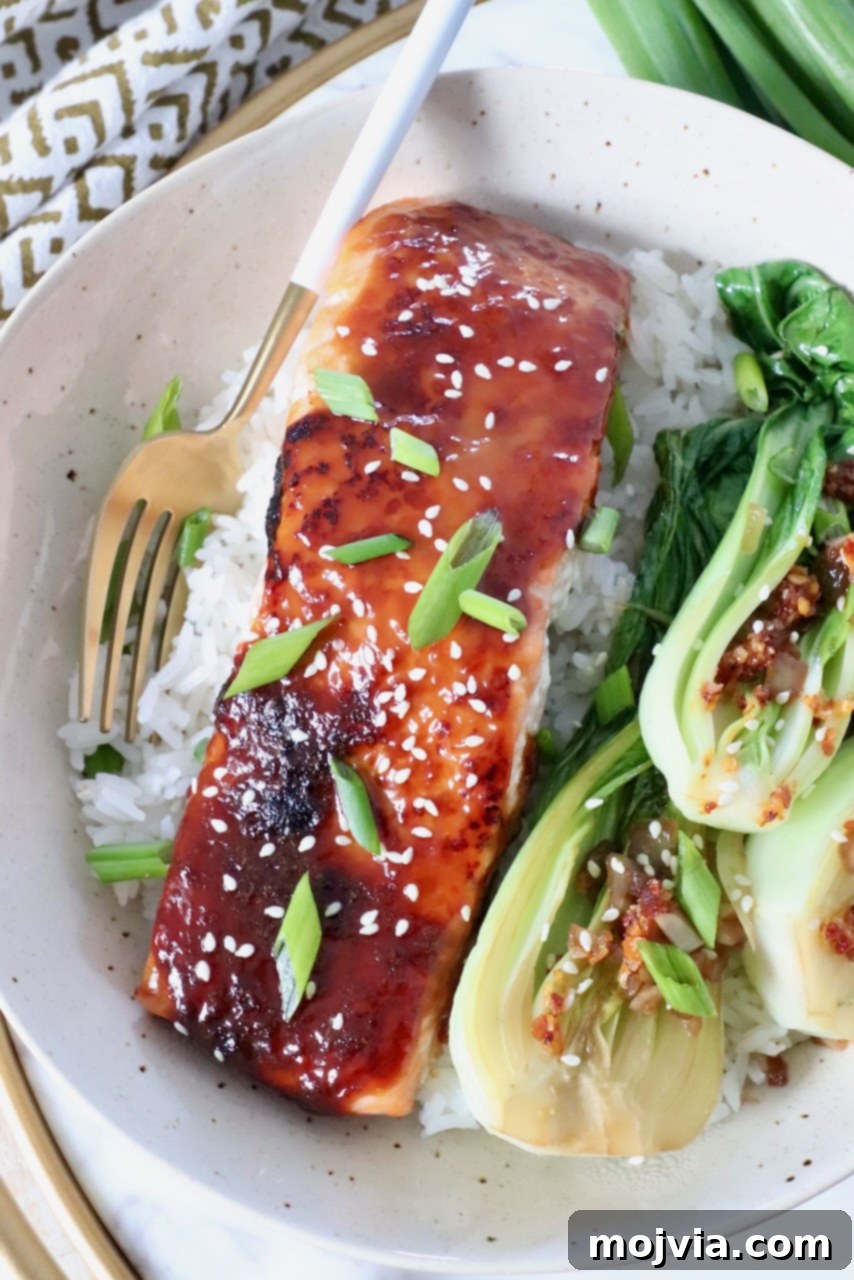
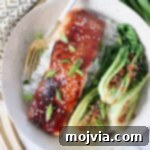
The delicious miso salmon pictured throughout this post is served in a bowl alongside fluffy cooked white rice and vibrant baby bok choy. This combination is a classic for a reason! However, the versatility of miso salmon allows it to pair beautifully with a variety of side dishes to create a complete and satisfying meal. Here are some other delightful options:
- Rice Variations:
- Sushi Rice: Sticky and slightly sweet, perfect for soaking up the glaze.
- Brown Rice: A healthier, nutty alternative.
- Cauliflower Rice: A low-carb option that still provides a great base.
- Quinoa or Farro: For a wholesome, protein-packed grain side.
- Vegetable Companions:
- Smashed Broccoli: Crispy and flavorful.
- Honey Glazed Carrots: A touch of sweetness to complement the glaze.
- Garlic Lemon Green Beans: Bright and fresh.
- Steamed Broccoli: Simple and healthy.
- Roasted Asian Vegetables: A medley of complementary flavors.
- Shishito Peppers: Lightly charred for a smoky, sweet bite.
- Spicy Edamame: A fun, interactive appetizer or side.
- Asparagus: Roasted or steamed, its slight bitterness cuts through the richness.
- Asian-Inspired Salads: A light cucumber salad with a sesame dressing, or a simple green salad with a ginger-sesame vinaigrette, would offer a refreshing contrast.
Frequently Asked Questions (FAQs) About Miso Salmon
Here are answers to some common questions about making and enjoying miso salmon:
- Can I prepare the miso glaze ahead of time?
Absolutely! The miso glaze can be made up to 3-4 days in advance and stored in an airtight container in the refrigerator. When you’re ready to use it, simply gently reheat it over low heat on the stove or in the microwave for a few seconds until it’s pourable again. This makes dinner prep even quicker on busy nights. - Can I marinate the salmon in the miso glaze?
While some miso fish recipes call for marinating, this specific recipe is designed for ease and speed, with no marinade required. The glaze is thick enough to coat the salmon well and caramelizes beautifully during baking, infusing plenty of flavor without an overnight soak. If you prefer to marinate, you can, but limit it to no more than 30 minutes to an hour, as the acid in the mirin and soy sauce can “cook” delicate fish like salmon if left too long. - How do I store leftover miso salmon?
Store any leftover miso salmon in an airtight container in the refrigerator for up to 2-3 days. - How do I reheat miso salmon?
To reheat, gently warm the salmon in a preheated oven at 275°F (135°C) for about 10-15 minutes, or until just heated through. Be careful not to overcook, as salmon can dry out easily when reheated. You can also briefly microwave it, but the oven method helps maintain its texture and prevents it from becoming rubbery. - Is miso salmon healthy?
Yes, this miso salmon recipe is an excellent healthy choice! Salmon is renowned for being a rich source of Omega-3 fatty acids, which are beneficial for heart health, brain function, and reducing inflammation. Miso paste is a fermented food, contributing probiotics that support gut health. Paired with healthy grains and vegetables, it forms a balanced and nutritious meal. - Can I use other types of fish with this miso glaze?
Definitely! This versatile miso glaze works wonderfully with other types of fish. Black cod (sablefish) is a classic choice and arguably the most famous pairing. Halibut, sea bass, or even firm white fish like cod or mahi-mahi would also be delicious with this sweet and savory glaze. Adjust cooking times based on the thickness and type of fish.
Explore More Irresistible Seafood Recipes
Looking to expand your repertoire of delicious and healthy seafood dishes? Add these scrumptious recipes to your weekly menu and discover new favorites!
Print
Pin
Rate this Recipe
Miso Salmon
Ingredients
- 4 tablespoons white miso paste
- 2 tablespoons honey
- 2 tablespoons mirin, or rice vinegar
- 2 teaspoons low-sodium soy sauce
- 1 teaspoon sesame oil
- 4 salmon fillets, 6-8 ounces each
Instructions
-
Preheat the oven to 425°F (220°C).
-
Add the miso paste, honey, mirin, soy sauce and sesame oil to a small saucepan on the stove over medium-high heat.
-
Simmer the glaze for 5-7 minutes, stirring regularly, until the glaze thickens.
-
Set the glaze aside to cool for 5 minutes.
-
Place the salmon fillets on a parchment-lined baking sheet.
-
Spread the glaze from the pan evenly over the fillets of salmon.
-
Place the salmon in the oven on the middle rack and cook for 10 minutes.
-
Turn the oven from bake to broil on high.
-
Cook the salmon for an additional 1-2 minutes under the broiler, or until the glaze begins to bubble and brown on top of the salmon. Always watch the salmon while it’s under the broiler to make sure it does not burn.
-
Optional: garnish the salmon with sesame seeds and diced green onions before serving.
Notes
- Don’t skip the step of broiling the salmon at the end. This is when the glaze will really start to caramelize over the salmon and give it the sticky sweet texture on top.
- Always try to purchase salmon fillets that are similar in size. If one piece of salmon is much smaller than the others, you might have to adjust the cooking time for that piece of salmon so that it doesn’t overcook. I recommend adding it to the baking sheet 2 minutes into the cooking time for the other fillets.
- This recipe is made with salmon that is 1 inch thick at the thickest part of the fillet. If you’re using salmon that’s much thinner, I would recommend taking 2-3 minutes off of the initial 10-minute cook time.
- You do not need to remove the skin on the salmon before cooking it. And I actually don’t recommend it because the skin will keep the salmon moist as it cooks in the oven. The salmon’s flesh will easily peel away from the skin after you cook it. After eating the salmon, you can discard the leftover salmon skin.
- If your oven does not have a broiler, simply continue to bake the salmon for an additional 2-5 minutes, for a total cook time of 12-15 minutes.
- Salmon will turn from a bright orange/red color to an opaque pink as you cook it. For each inch of thickness, you should cook the salmon for 10 minutes. The thickest part of a center-cut salmon fillet is generally about 1 inch. If your salmon is thicker or thinner, adjust the cooking time accordingly.
- Salmon should be cooked to an internal temperature of 110°F (for rare) to 145°F (for well done). Remember that the salmon will continue to cook after you remove it from the oven. I recommend removing the salmon when it reaches 5-10 degrees under your desired temperature.
Nutrition Facts
Carbohydrates 17g (6%)
Protein 36g (72%)
Fat 13g (20%)
Saturated Fat 2g (10%)
Polyunsaturated Fat 5g
Monounsaturated Fat 4g
Cholesterol 94mg (31%)
Sodium 864mg (36%)
Potassium 883mg (25%)
Fiber 1g (4%)
Sugar 12g (13%)
Vitamin A 83mg (2%)
Vitamin C 0.1mg
Calcium 31mg (3%)
Iron 2mg (11%)
Did you make this recipe?Tag @WhitneyBond on Instagram and hashtag it #WBRecipes!