
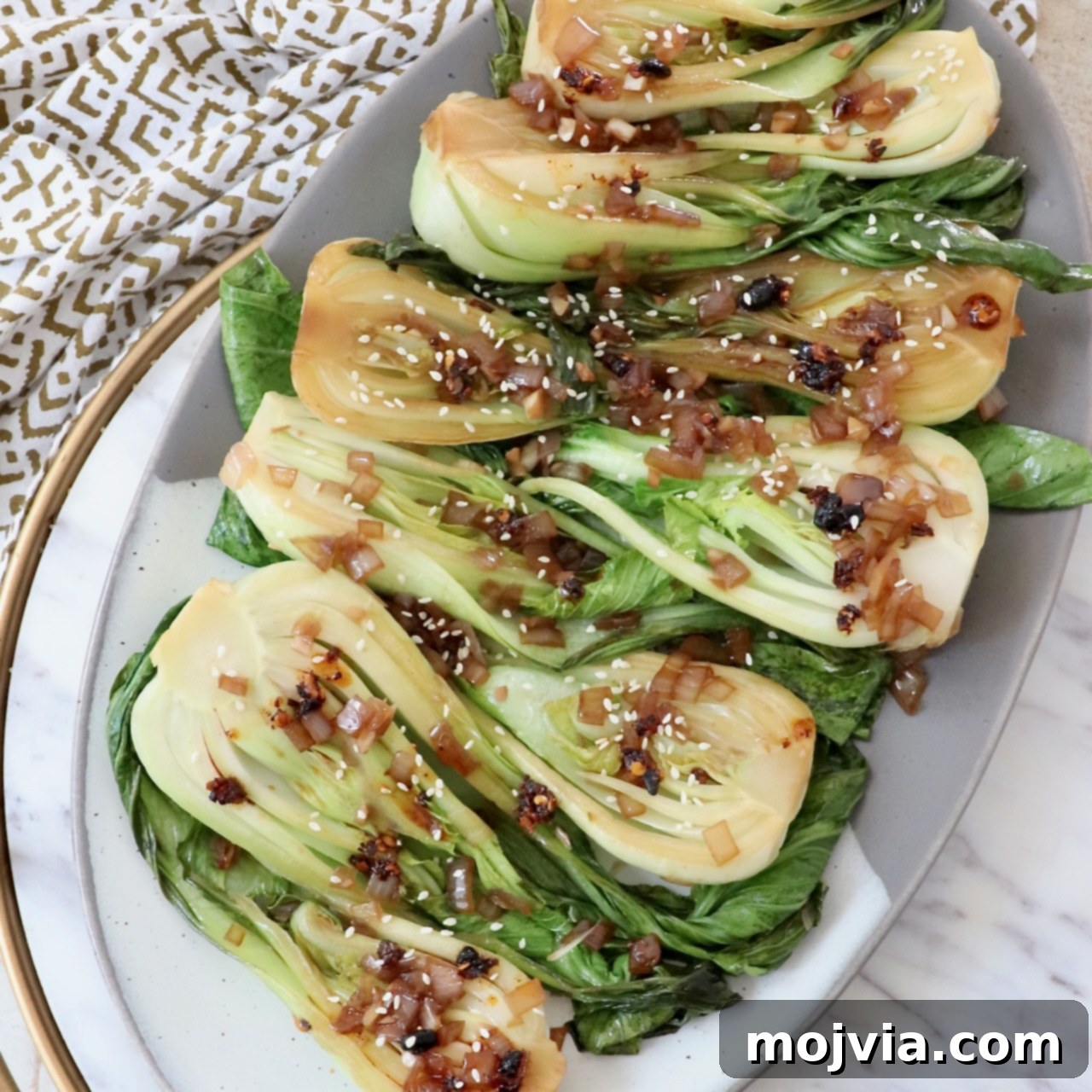
If you’re searching for a healthy, flavorful, and incredibly fast side dish that will effortlessly elevate any meal, then this Sauteed Baby Bok Choy recipe is an absolute culinary gem! Boasting vibrant green leaves, satisfyingly crisp stems, and coated in a rich, savory garlic soy sauce, this simple vegetable dish comes together in just 10 minutes. Its versatility makes it the perfect accompaniment for a wide array of cuisines, from classic Asian stir-fries and comforting ramen bowls to robust grilled meats and delicate fish. Get ready to discover your new go-to recipe for an easy, nutritious, and undeniably delicious vegetable side.
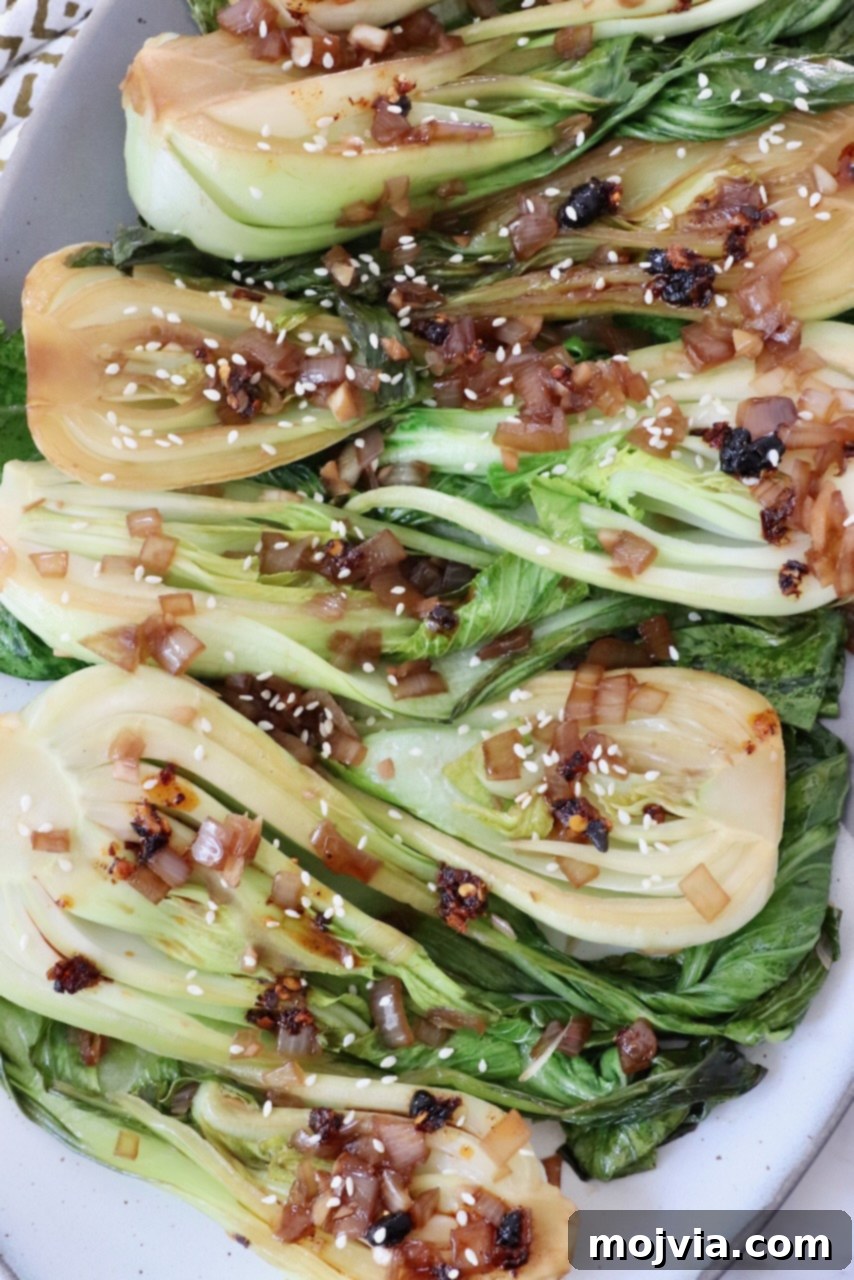
Why This Sauteed Baby Bok Choy Recipe Is The Best
Baby bok choy holds a special place in our kitchen, a staple vegetable that my husband absolutely adores. Over the years, I’ve dedicated myself to perfecting this sauteed bok choy recipe, transforming it into a family favorite. We enjoy its delicate crunch and savory flavor in everything from miso ramen and alongside sizzling Korean BBQ grilled chicken to flaky miso salmon and countless other delectable Asian-inspired dishes. This recipe isn’t just about cooking bok choy; it’s about mastering the technique to achieve perfectly tender leaves and crisp, flavorful stems every single time. Here are the essential keys to unlocking the ultimate sauteed baby bok choy at home:
- Selecting the Freshest Baby Bok Choy: The foundation of any great vegetable dish is the quality of its produce. When shopping for baby bok choy, prioritize freshness. Look for vibrant, bright green leaves and crisp, pure white stems. Avoid any heads with yellowing or browning leaves, wilting, or visible holes, as these are signs of age or damage. Fresh bok choy will have a firm feel and a slightly sweet, earthy aroma.
- Mastering the Sauté and Steam Method: Our unique two-step cooking process is what truly sets this recipe apart. First, the baby bok choy is quickly sautéed with aromatic garlic and shallots, allowing these foundational flavors to infuse the greens from the start. This brief sauté also helps to tenderize the tougher stem portions slightly. Immediately after, the pan is covered, allowing the bok choy to steam gently in a savory mixture of soy sauce and sesame oil. This steaming step is crucial for achieving the perfect texture – the leaves become wonderfully tender and silken, while the stems retain a delightful crispness, all while absorbing the rich, umami-packed sauce. This method ensures maximum flavor and ideal texture, preventing the bok choy from becoming either too raw or overly soft and watery.
- Proper Cleaning and Preparation: Even the freshest bok choy can harbor dirt or sand between its tightly packed leaves. Before cooking, thoroughly wash each head under cold running water, paying close attention to the base of the stems. For baby bok choy, simply slicing the head in half lengthwise is often sufficient, but you can also separate the leaves for an even more thorough rinse if needed. Ensure it’s well-drained or patted dry before adding to the hot pan to prevent excessive splattering and ensure proper sautéing.
Essential Ingredients for Perfect Sauteed Baby Bok Choy
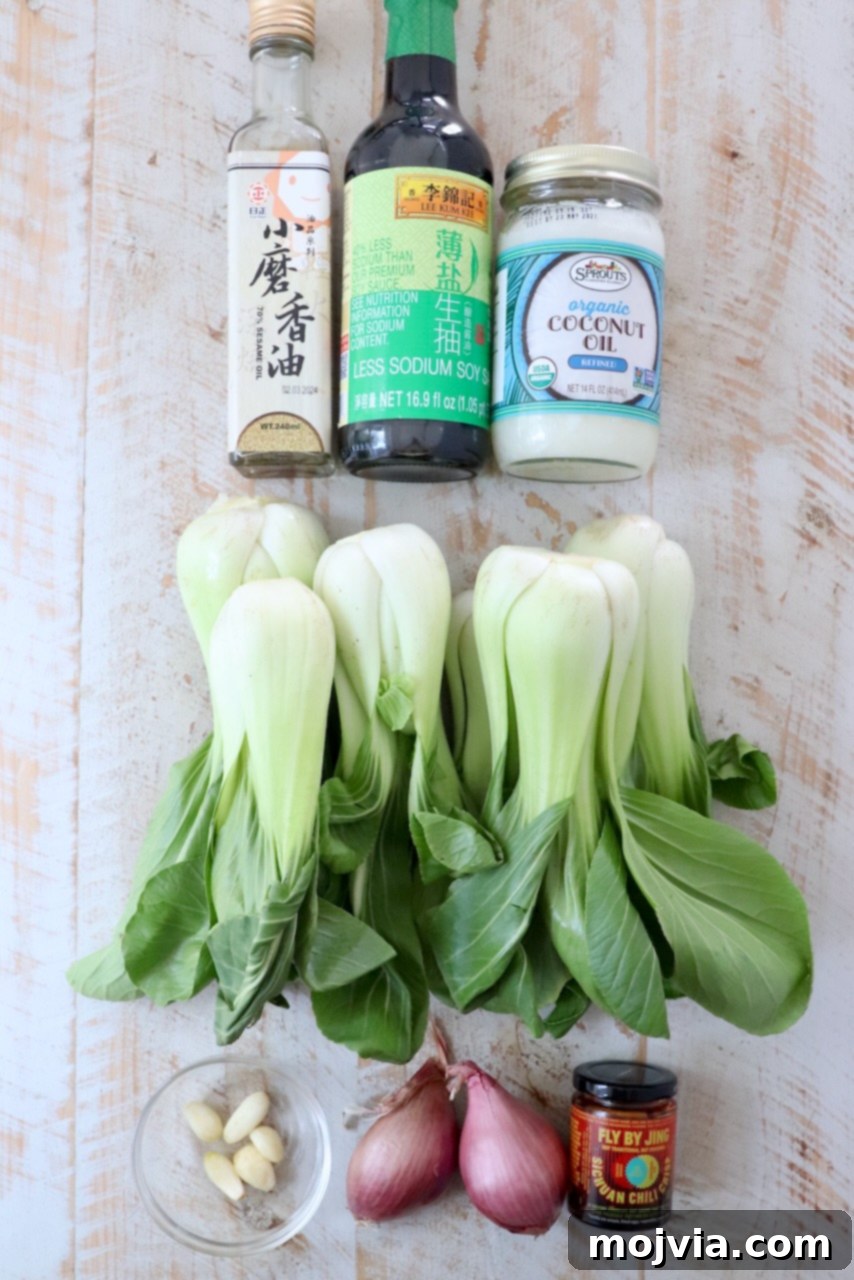
Crafting the best sauteed baby bok choy begins with understanding each ingredient and its role in building the dish’s distinct flavor profile. Here, I’ll walk you through the key components for this recipe, explaining what each brings to the table and offering practical substitution options to ensure success in your kitchen. For the precise measurements, please refer to the comprehensive recipe card at the very bottom of this post.
- Baby Bok Choy: This delightful leafy green is the star of our dish. The primary distinction between “baby” bok choy and its full-sized counterpart lies in its harvest time; baby bok choy is picked earlier, resulting in smaller, more delicate heads. Its flavor is notably milder and sweeter than mature bok choy, which tends to have a stronger, slightly peppery kick. Baby bok choy is widely available in most major grocery stores, especially those with well-stocked produce sections, and is a staple at all Asian markets. While this recipe is optimized for baby bok choy, you can certainly use full-sized bok choy. However, be prepared to roughly double the cooking time to achieve the desired tender texture for the thicker stems.
- Coconut Oil: We opt for coconut oil in this recipe for its mild flavor, which complements Asian cuisine beautifully, and its relatively high smoke point, making it suitable for sautéing. It also contributes a subtle richness to the dish. If coconut oil isn’t on hand, excellent substitutes include avocado oil, grapeseed oil, or a neutral vegetable oil. Avoid extra virgin olive oil if you prefer a more authentic Asian flavor profile.
- Fresh Garlic: The backbone of many savory dishes, fresh minced garlic is indispensable here. Its pungent, aromatic qualities are essential for building the foundational flavor of our sauce. While garlic powder can be used in a pinch, I strongly recommend fresh cloves for the most robust and authentic taste. Aim for finely minced garlic to ensure its flavor is evenly distributed and doesn’t overwhelm the delicate bok choy.
- Shallots: Often described as a sophisticated cousin to the onion, shallots offer a sweet, delicate, and subtly sharp flavor that is less intense and more nuanced than regular onions. They caramelize beautifully, adding depth to the sauce. If shallots are unavailable, finely minced red onion can be used as a substitute. Be aware, however, that red onion will impart a more pungent and less sweet flavor, so you might want to use slightly less or sauté it a bit longer to mellow its intensity.
- Soy Sauce: This essential Asian condiment provides the savory, umami-rich base for our sauce. I typically use a regular all-purpose soy sauce. For those monitoring sodium intake, low-sodium soy sauce works perfectly without compromising flavor. If you’re cooking for someone with a gluten sensitivity or allergy, Tamari is an excellent gluten-free alternative that tastes very similar to traditional soy sauce.
- Sesame Oil: Toasted sesame oil is a finishing oil in this recipe, meaning it’s added near the end of cooking to preserve its distinctive nutty aroma and flavor. A little goes a long way in adding an authentic depth and fragrance that defines many Asian dishes. Make sure you use toasted sesame oil for that characteristic rich flavor.
- Chili Crisp (or Chili Garlic Oil/Crushed Red Pepper Flakes): This ingredient is entirely optional but highly recommended for those who appreciate a touch of heat. Chili crisp offers a delightful textural element along with its spicy kick. Alternatively, chili garlic oil provides a smooth, fiery addition, or a simple sprinkle of crushed red pepper flakes will also do the trick. Adjust the amount to your preferred spice level, or omit it for a milder experience.
Step-by-Step Instructions for Sauteed Baby Bok Choy
Preparing this incredibly flavorful and quick side dish is simpler than you might imagine. Follow these detailed steps to achieve perfectly cooked baby bok choy with a savory garlic-shallot sauce:
- Prepare the Baby Bok Choy: Begin by thoroughly washing each head of baby bok choy under cold running water, ensuring no dirt or sand remains between the leaves and at the base. Pat them dry with a clean kitchen towel or paper towels. Once clean, place each head on a cutting board and carefully slice it in half lengthwise, right through the middle from the top of the leaves to the base of the stem. This preparation ensures even cooking and allows the bok choy to absorb the sauce beautifully.
- Sauté the Aromatics: Heat a large skillet or a wok over medium-high heat. Add the coconut oil and allow it to melt completely. Swirl the pan gently to ensure the entire bottom surface is coated with the melted oil. Once the oil shimmers, add the minced garlic and minced shallots to the pan. Sauté these aromatics for 1-2 minutes, stirring frequently, until they become fragrant and slightly softened but not browned. Be careful not to burn the garlic, as it can turn bitter.
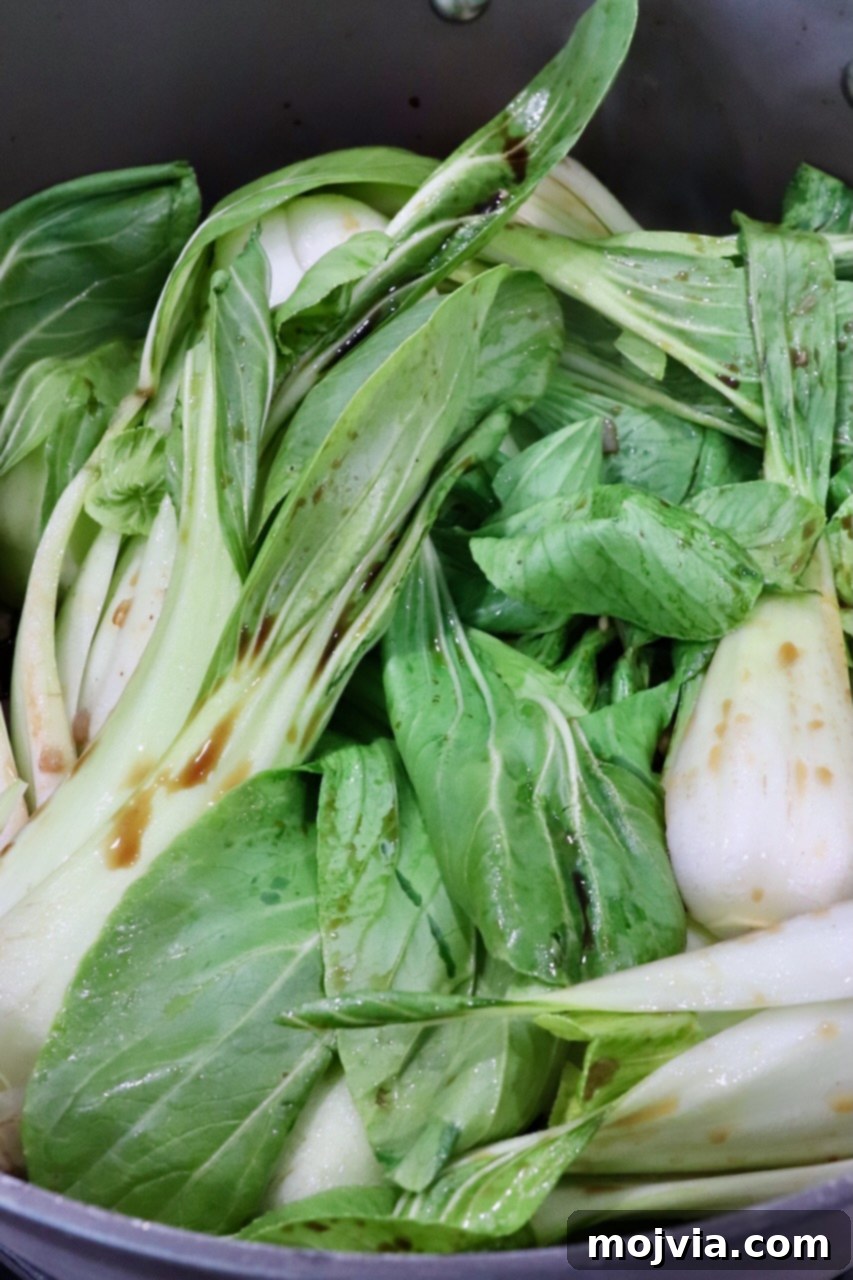
- Sauté and Steam the Baby Bok Choy: Add the prepared baby bok choy halves to the pan, arranging them in a single layer as much as possible. Pour the soy sauce and sesame oil evenly over the bok choy. Using tongs, gently toss the bok choy to coat it thoroughly in the sauce and aromatics. Once coated, cover the pan with a lid and allow it to cook for 1-2 minutes. This initial steaming helps to kickstart the tenderizing process.
- Continue Steaming for Perfection: After the initial 1-2 minutes, remove the lid, give the bok choy another quick stir to redistribute the sauce and ensure even cooking. Cover the pan again and continue to cook for an additional 3-5 minutes, or until the stems are tender-crisp and the leaves are vibrant green and slightly wilted. The cooking time may vary slightly depending on the size of your baby bok choy and your desired level of tenderness. The goal is tender leaves with a slight crunch still remaining in the stems.
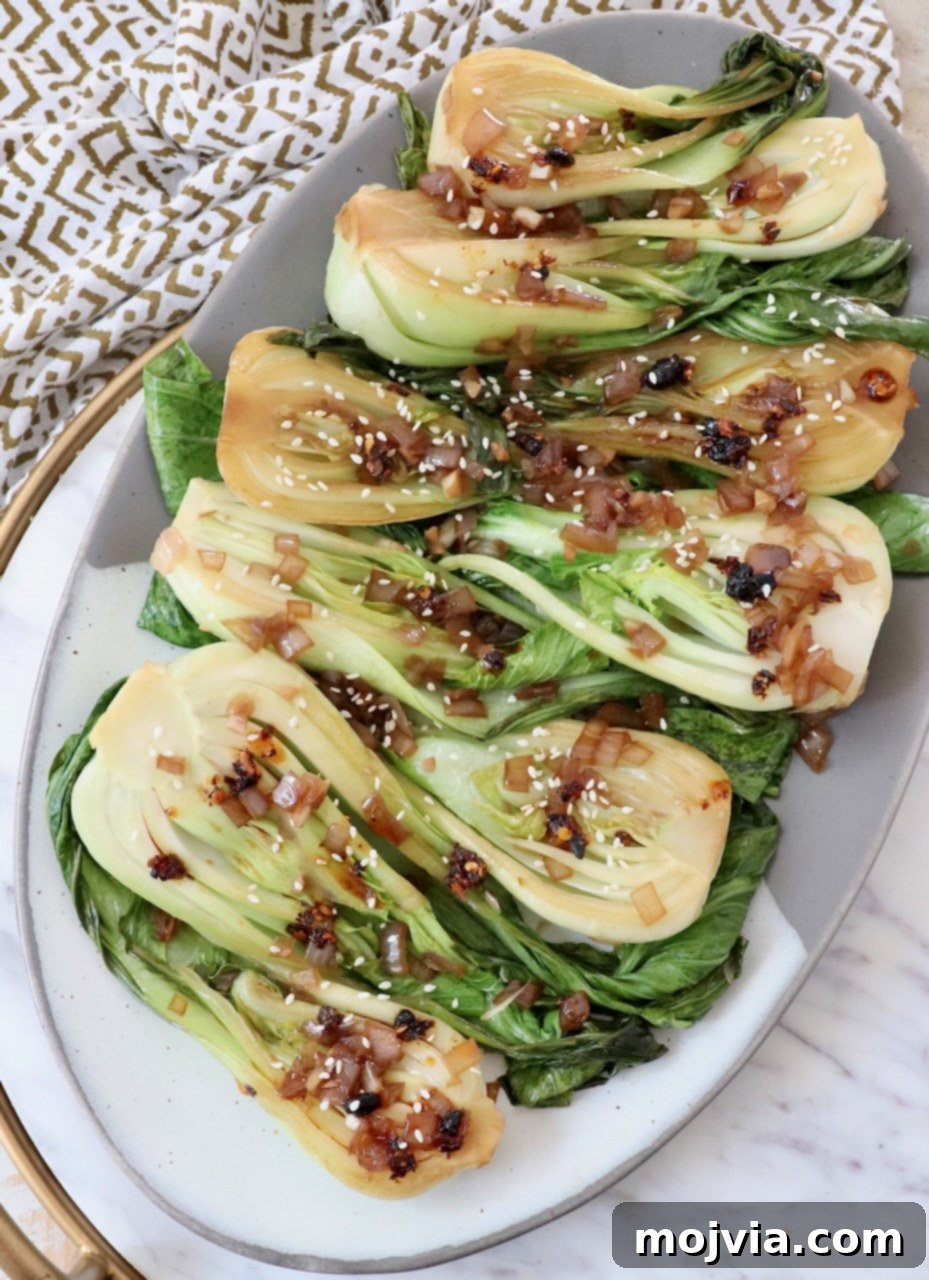
- Serve with Flavorful Sauce: Once the baby bok choy has reached its perfect tenderness, remove the lid from the pan. Using tongs, carefully transfer the cooked bok choy from the pan and arrange it attractively on a large serving platter or individual plates. Be sure to spoon any remaining garlic-shallot infused sauce from the bottom of the pan generously over the bok choy. This sauce is packed with incredible flavor and should not be wasted!
- Add Optional Spice: For those who enjoy a little extra kick, drizzle the finished dish with a teaspoon of chili crisp or chili oil. Alternatively, a sprinkle of crushed red pepper flakes will also add a pleasant heat. This optional step allows you to customize the spice level to your preference. Serve immediately and enjoy!
Versatile Serving Suggestions for Sauteed Baby Bok Choy
This garlic soy sauteed baby bok choy is incredibly versatile and pairs beautifully with a vast array of dishes, making it a perfect addition to almost any meal. Its light, refreshing taste and vibrant appearance make it a welcome complement to rich proteins and hearty grains alike. Here are some of our favorite ways to serve it, ensuring it always finds a delightful spot on your plate:
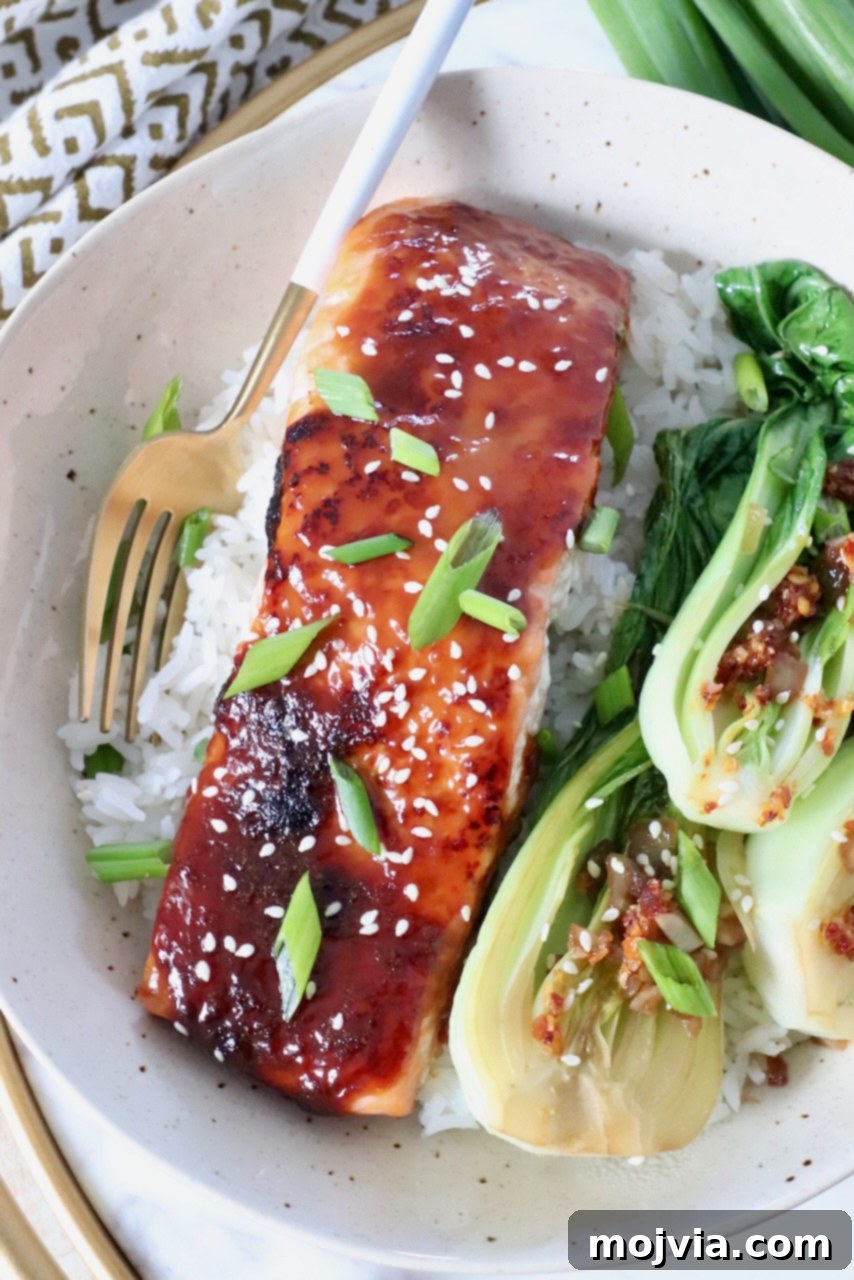
- Classic Asian Mains: Serve it as a vibrant and healthy side dish alongside your favorite roasted or grilled meats and seafood. It’s an impeccable partner to savory miso salmon (as pictured above), sticky Korean BBQ grilled chicken, or tender pork belly.
- Noodle & Rice Bowls: Elevate your noodle or rice bowls by adding a generous portion of cooked baby bok choy. It’s particularly delightful stirred into a warm bowl of miso ramen soup or a comforting vegetarian ramen, adding both nutrition and texture. It also complements simple steamed rice or fried rice dishes beautifully.
- Chinese Takeout Favorites at Home: Recreate the authentic restaurant experience by serving this bok choy with popular Chinese-American dishes like a sweet and savory General Tso’s chicken, tangy orange chicken, or crispy spring rolls.
- Stir-Fries: While fantastic on its own, baby bok choy can also be incorporated directly into various stir-fries. Toss it into a veggie noodle stir fry, a hearty chicken potsticker stir fry, or a savory pepper steak stir fry during the final minutes of cooking for added greens and a burst of fresh flavor.
- Light Lunches: For a quick and healthy lunch, pair your sauteed baby bok choy with some grilled tofu or tempeh, a fried egg, or even mix it into a grain bowl with quinoa or brown rice.
- Breakfast Boost: Don’t limit bok choy to dinner! Sautéed baby bok choy makes an unexpectedly delicious and nutritious addition to a savory breakfast, perhaps alongside scrambled eggs or a frittata.
Storage and Reheating Tips
One of the great things about this sauteed baby bok choy recipe is that it holds up relatively well, making it excellent for meal prep or enjoying delicious leftovers. Proper storage and reheating are key to maintaining its delightful texture and flavor:
Storage: Any leftover cooked baby bok choy should be transferred to an airtight container and stored in the refrigerator. It will keep fresh for up to 7 days, allowing you to enjoy this healthy side throughout the week.
Reheating: To bring your leftover bok choy back to life with the best possible texture, I recommend reheating it using either a steaming or a quick sautéing method. Microwaving is an option for convenience, but it can sometimes make the bok choy a bit soft or watery.
- Steaming Method: Place the leftover bok choy in a steamer basket over simmering water, cover, and steam for 2-3 minutes, or until just heated through. This method helps to rehydrate the greens and maintain a tender-crisp texture.
- Sautéing Method: Heat a small amount of coconut oil (or your preferred cooking oil) in a skillet over medium heat. Add the leftover bok choy and sauté for 1-3 minutes, stirring occasionally, until it is warmed through and any excess moisture has evaporated. This can help re-crisp the stems slightly.
Enjoying your leftovers ensures that none of this delicious and nutritious dish goes to waste!
Explore More Easy Chinese Recipes
If you loved the simplicity and flavor of this Sauteed Baby Bok Choy, you’re in for a treat! Our kitchen is a treasure trove of easy-to-follow, delicious Chinese-inspired recipes that bring the joy of Asian cuisine right to your home. From sweet and savory chicken dishes to comforting noodles and vibrant vegetarian options, these popular recipes are perfect for expanding your culinary repertoire. Discover new favorites that are sure to impress your family and friends!
Print Recipe
Pin Recipe
Rate this Recipe
Sauteed Baby Bok Choy
Ingredients
- 2 pounds baby bok choy
- 1 tablespoon coconut oil
- 5 cloves garlic, minced
- 2 shallots, minced
- 2 tablespoons soy sauce
- 1 teaspoon sesame oil
- 1 teaspoon chili crisp, or red pepper flakes – optional addition for spice
Instructions
- Cut the baby bok choy in half lengthwise through the middle.
- Add the coconut oil to a large skillet, or wok, over medium-high heat. Once the oil is melted, swirl it to coat the entire bottom of the pan.
- Add the minced garlic and shallots and cook for 1-2 minutes.
- Add the bok choy, soy sauce and sesame oil, toss to coat.
- Cover the pan and cook for 1-2 minutes, uncover, stir, then cover again and cook for 3-5 minutes.
- Remove the lid from the pan and use tongs to remove the bok choy from the pan and place them on a large serving platter or plate. Spoon the garlic shallot sauce from the pan over the bok choy.
- Drizzle with chili crisp, chili oil, or top with crushed red pepper flakes, if you’d like to add some spice.
Notes
- Store any leftovers in the refrigerator for up to 7 days. I recommend steaming or sautéing the leftover baby bok choy for the best texture when reheating.
Nutrition Facts
Carbohydrates 8g (3%)
Protein 4g (8%)
Fat 5g (8%)
Saturated Fat 3g (15%)
Polyunsaturated Fat 0.5g
Monounsaturated Fat 1g
Sodium 652mg (27%)
Potassium 76mg (2%)
Fiber 3g (12%)
Sugar 3g (3%)
Vitamin A 10093mg (202%)
Vitamin C 104mg (126%)
Calcium 263mg (26%)
Iron 2mg (11%)
Did you make this recipe?
Tag @WhitneyBond on Instagram and hashtag it #WBRecipes!