
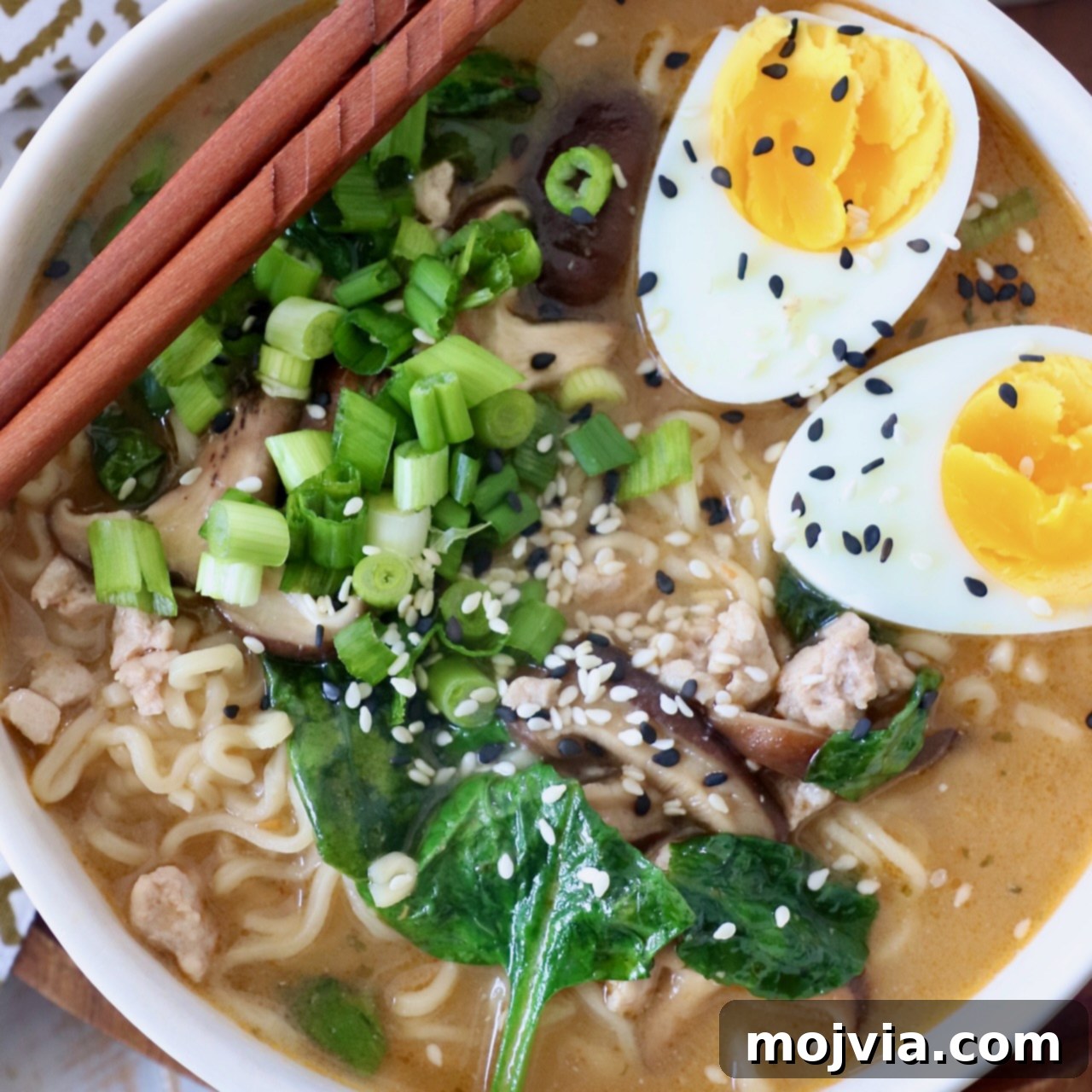
Savor the rich, authentic flavors of Japanese cuisine with this incredibly easy and quick Miso Ramen recipe, designed to be made in a single pot in just 20 minutes! The true soul of any exceptional ramen bowl lies in its broth, and this recipe delivers an extraordinarily flavorful one. Developed through meticulous testing and refinement, this is our perfected formula to help you craft restaurant-quality ramen right in your own kitchen, consistently achieving delicious results every time. Forget bland instant noodles; prepare to embark on a culinary journey to create the ultimate homemade Miso Ramen.
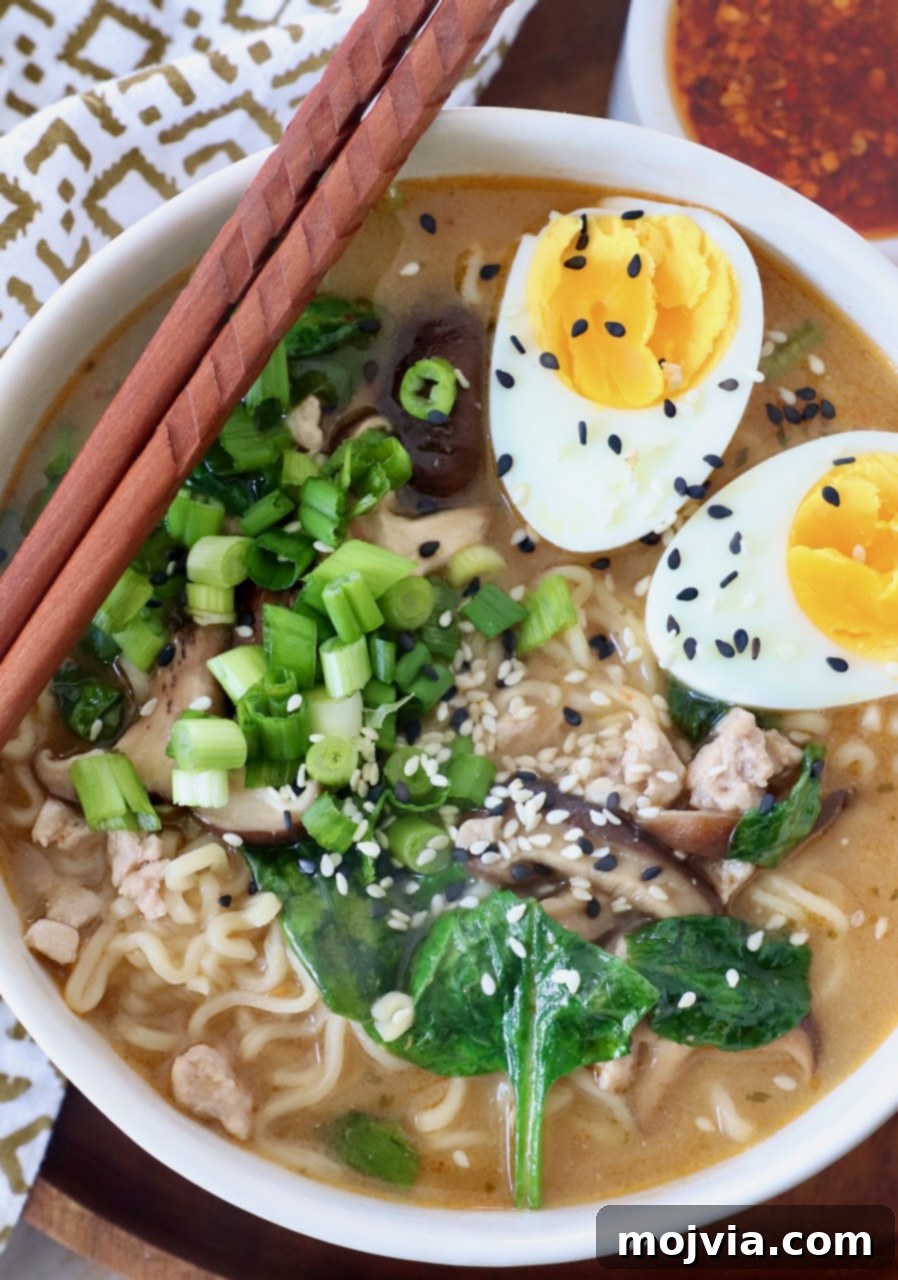
Table of Contents
- Key Ingredients for Miso Ramen
- Step-by-Step Miso Ramen Instructions
- Delicious Optional Toppings
- Dietary Variations: Vegetarian, Vegan & Gluten-Free
- Storage and Reheating Tips
- Explore More Noodle Recipes
Just a few months ago, my husband expressed a craving for ramen – a nostalgic taste of his college days. Naturally, I couldn’t simply reach for a 35-cent package of instant noodles and call it a meal. My mission, as any passionate home cook would understand, was to lovingly recreate one of our absolute favorite ramen dishes: the exquisite white miso ramen from Menya Ultra in San Diego. This challenge ignited a culinary quest to perfect a homemade version that captures all the depth and complexity of a beloved restaurant experience.
Whether you’re indulging in ramen at a bustling eatery or crafting it in your own kitchen, the unequivocal key to a truly successful and profoundly flavorful ramen dish lies in its broth. While the tender noodles, savory pork, crisp vegetables, and an array of delightful toppings each play their vital roles, it is the rich, aromatic liquid that forms the very foundation and soul of the meal. To truly elevate your ramen to “the best” status, you absolutely must achieve a broth that boasts a harmonious balance of saltiness, a hint of spice, and an explosion of umami-rich flavors that tantalize the palate.
After dedicating several months to rigorous testing, meticulous adjustments, and a passionate pursuit of perfection, I am thrilled to share what I believe to be the ultimate broth recipe. This carefully curated blend features fresh garlic for a pungent kick, fragrant ginger for a warm spice, vibrant chili garlic sauce for a customizable heat, creamy white miso paste for unparalleled umami, rich soy sauce for depth, and nutty toasted sesame oil for a final aromatic flourish. This precise combination of ingredients creates an absolute symphony of flavors that is truly addictive. In fact, this Miso Ramen recipe has become such a beloved staple that we now prepare it weekly – we simply cannot get enough!
The most appealing aspect of this incredible ramen is its remarkable efficiency: you can whip up this entire Miso Ramen recipe in a mere 20 minutes! Beyond its speed, it’s also incredibly adaptable to your preferences and dietary needs. Easily made with your choice of protein, whether it’s succulent ground pork or crispy chopped bacon, or even entirely vegetarian with extra veggies. Adjust the chili garlic sauce to make it as spicy or as mild as your heart desires, and crown your creation with an abundance of your favorite toppings. This recipe isn’t just easy and quick; it’s truly versatile, immensely satisfying, and seriously scrumptious – a true testament to the joy of homemade Japanese comfort food.
Key Ingredients for Miso Ramen
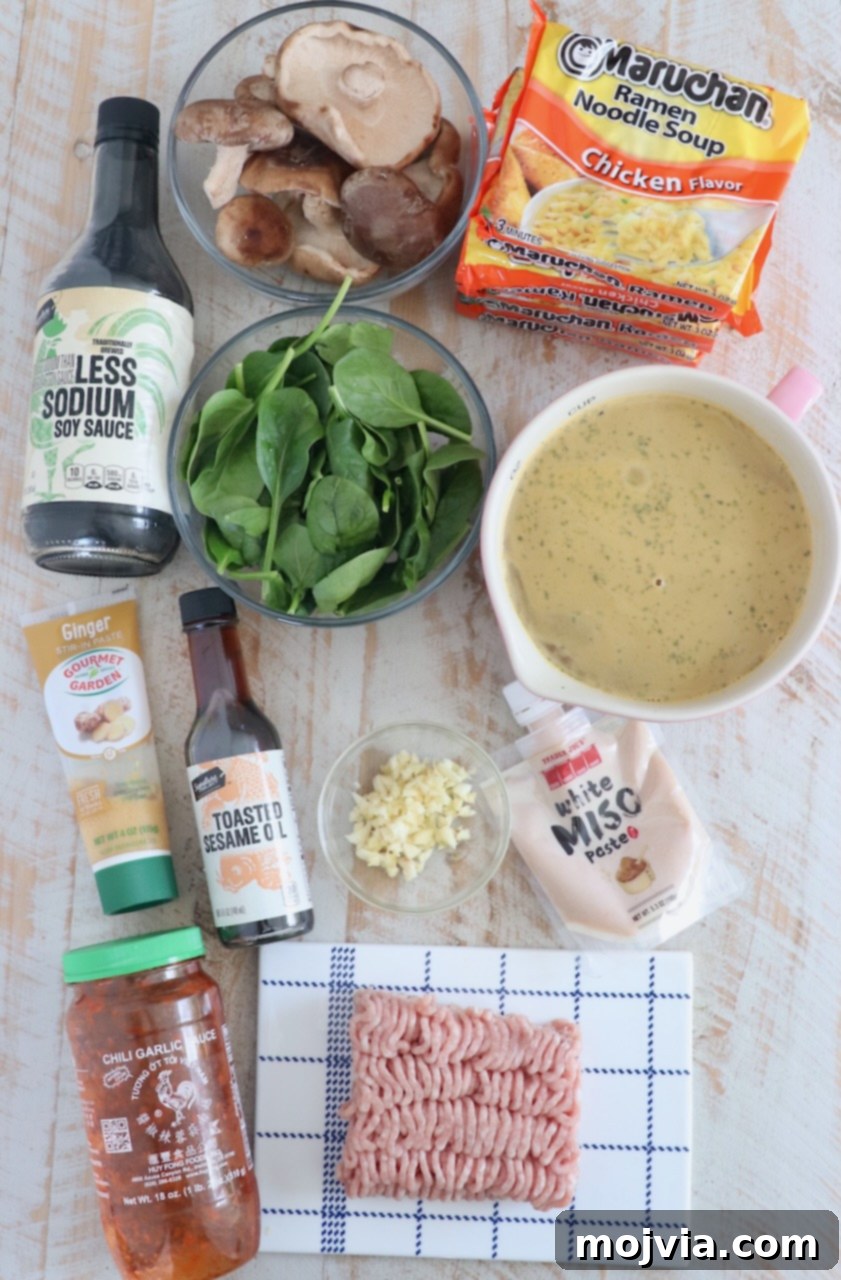
Understanding the role of each ingredient is crucial for crafting the perfect bowl of Miso Ramen. Below, I’ll explain the best choices for this recipe, their specific contributions to the flavor profile, and helpful substitution options. For precise measurements, please refer to the comprehensive recipe card located at the bottom of this post.
- Ground Pork (or Bacon): This recipe has been meticulously tested with both ground pork and chopped bacon, yielding equally delicious results. Ground pork offers a hearty, savory depth that enriches the broth, while chopped bacon introduces a smoky, slightly crisp texture and a distinct flavor profile. If you have bacon on hand, simply chop about 3 slices and use them in place of ground pork. For a more substantial, meat-forward ramen, I highly recommend using the ground pork. Alternatively, for a leaner option, you could use ground chicken or turkey, adjusting cooking times as needed.
- Shiitake Mushrooms: Revered in Japanese cuisine, shiitake mushrooms are the traditional choice for authentic ramen due to their distinctive earthy, umami-rich flavor and satisfyingly chewy texture. They are typically available in the produce section of most major grocery stores, as well as specialty Asian markets and larger warehouse clubs like Costco or Sprouts. If shiitake are unavailable, sliced baby bella (cremini) mushrooms make an excellent and accessible substitute, offering a similar texture and a mild, earthy taste.
- Low-Sodium Soy Sauce: This ingredient is vital for adding a foundational salty and umami depth to the broth. I specifically recommend a low-sodium variety to allow for better control over the overall saltiness of the dish, as both chicken broth and miso paste inherently contribute significant sodium. If you’re sensitive to gluten, ensure you opt for a gluten-free tamari, which offers a comparable flavor profile to soy sauce.
- Fresh Minced Garlic: For the most potent and aromatic garlic flavor, fresh minced garlic is indispensable. It adds a sharp, pungent note that brightens the broth and complements the other robust ingredients beautifully. While pre-minced garlic can be a time-saver, nothing quite matches the intensity and freshness of garlic minced right before cooking.
- Freshly Grated Ginger: Ginger introduces a delightful warmth and a slightly spicy, aromatic zest to the broth. Freshly grated ginger provides the most vibrant flavor, but for convenience, ginger paste is an excellent alternative that delivers consistent results.
- Toasted Sesame Oil: This isn’t just any sesame oil; it must be toasted sesame oil. The toasting process significantly enhances its nutty, deeply aromatic flavor, which is crucial for imparting that signature sesame warmth to the ramen broth. Un-toasted sesame oil, often labeled as “pure sesame oil,” will not provide the same rich depth of flavor.
- White Miso Paste: The defining ingredient of Miso Ramen, white miso paste is a fermented soybean paste that contributes a complex, savory, and slightly sweet umami profile to the broth. White miso (shiro miso) is milder and sweeter than red miso, making it perfect for this recipe. You can usually find it in the refrigerated section of most major grocery stores, often near the vegan products or in the Asian foods aisle. Trader Joe’s also offers a highly recommended version, and Asian markets are always a reliable source.
- Chili Garlic Sauce: This versatile sauce, typically found in the Asian section of your grocery store, is a blend of dried chilies, garlic, salt, and vinegar. It provides a customizable level of heat and an additional layer of garlicky flavor to the ramen. For those who prefer a more pronounced chili spice with a lighter garlic undertone, a pure chili paste can be used as an alternative. Adjust the amount to suit your preferred spice level.
- Chicken Broth: The liquid base of our flavorful ramen, chicken broth adds a foundational savory depth. You can either prepare your own from scratch using bouillon or purchase high-quality pre-made chicken broth from the grocery store. Opt for a low-sodium variety if possible, especially when combined with soy sauce and miso, to maintain control over the overall saltiness.
- Ramen Noodles: For this recipe, I utilized four 3-ounce packages of standard chicken-flavor instant ramen noodles. The key is to discard the included seasoning packets, as we’re creating our own superior, from-scratch broth. However, if you wish to minimize waste, these seasoning packets could be saved and used as a base for a simpler chicken broth in other dishes. Fresh ramen noodles from an Asian market would elevate the dish further.
- Spinach Leaves: To introduce a fresh, vibrant green element and boost the nutritional value, a generous handful of fresh spinach leaves is added at the end. Spinach wilts quickly into the hot broth, adding a subtle earthiness. As an alternative, the tender leaves from baby bok choy would also be an excellent addition, offering a slightly firmer texture and a mild, peppery flavor.
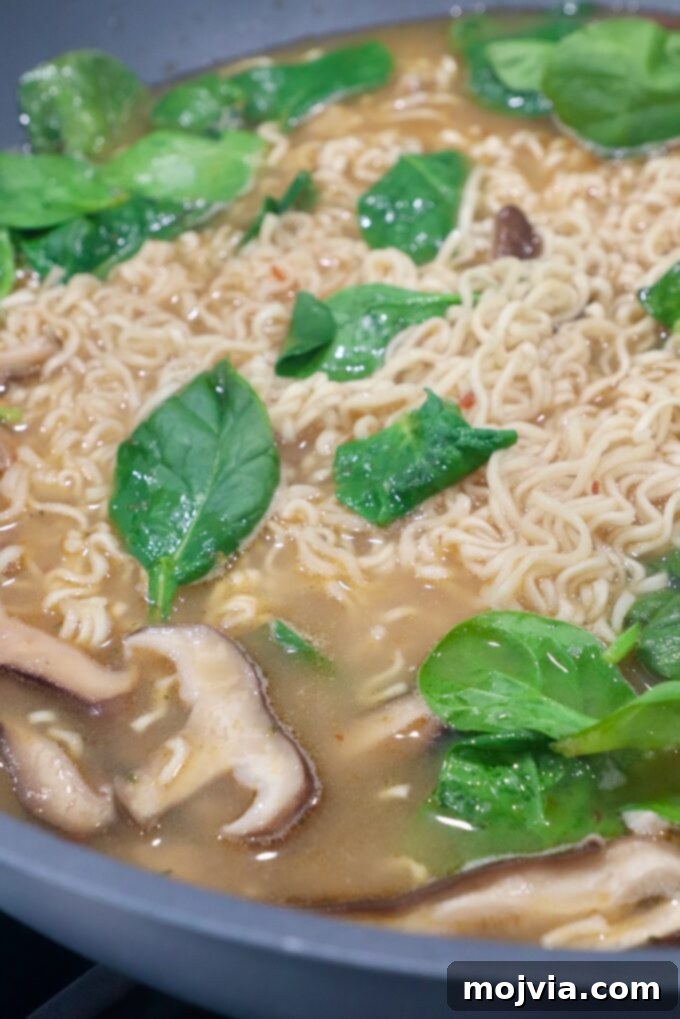
Step-by-Step Miso Ramen Instructions
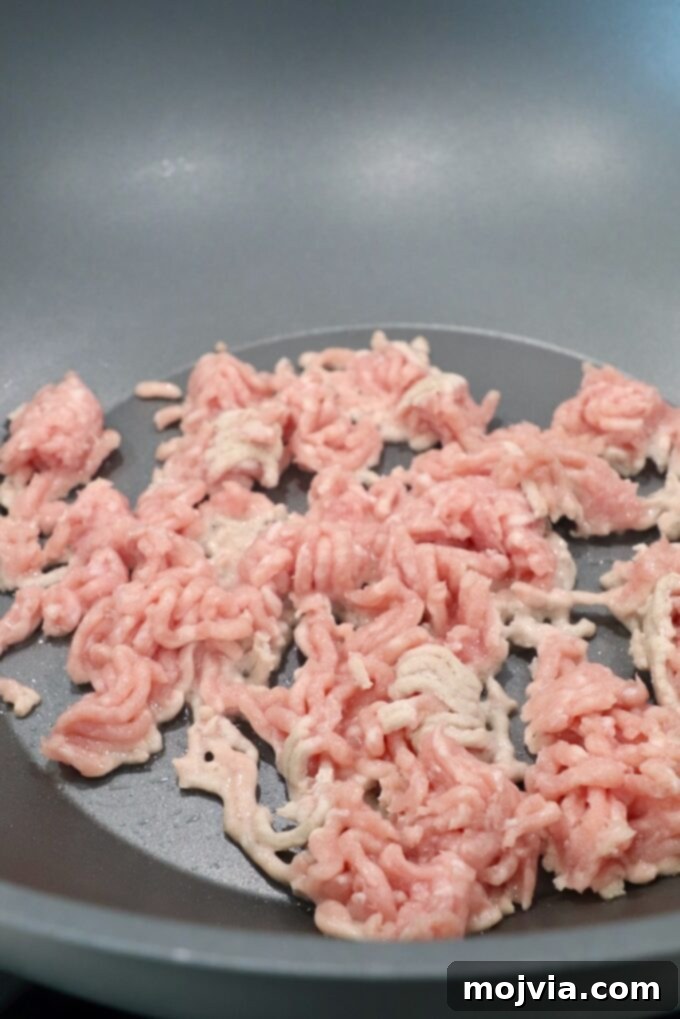
Follow these detailed, step-by-step instructions, complemented by the step-by-step photos above, to effortlessly prepare this delicious Miso Ramen at home. For a complete list of ingredients and their exact quantities, please scroll down to the full recipe card at the very bottom of this post. These instructions are designed to guide you through creating a perfectly balanced and deeply satisfying bowl of ramen.
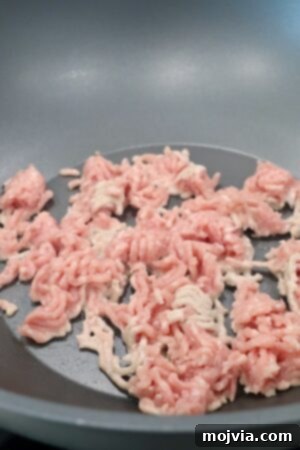
- Prepare the Protein (Pork or Bacon): Begin by placing a large skillet or wok over medium-high heat on your stovetop. Add ½ pound of ground pork (or 3 slices of chopped bacon) to the hot pan. If using ground pork, break it apart with a spoon and cook for 6-8 minutes, stirring occasionally, until it’s fully browned and cooked through. If using bacon, cook until it’s rendered its fat and is cooked but not overly crispy. Once cooked, use a slotted spoon to remove the pork or bacon from the skillet, leaving the rendered fat behind. Transfer the cooked protein to a bowl and set it aside. This flavorful fat will be the base for cooking your mushrooms.
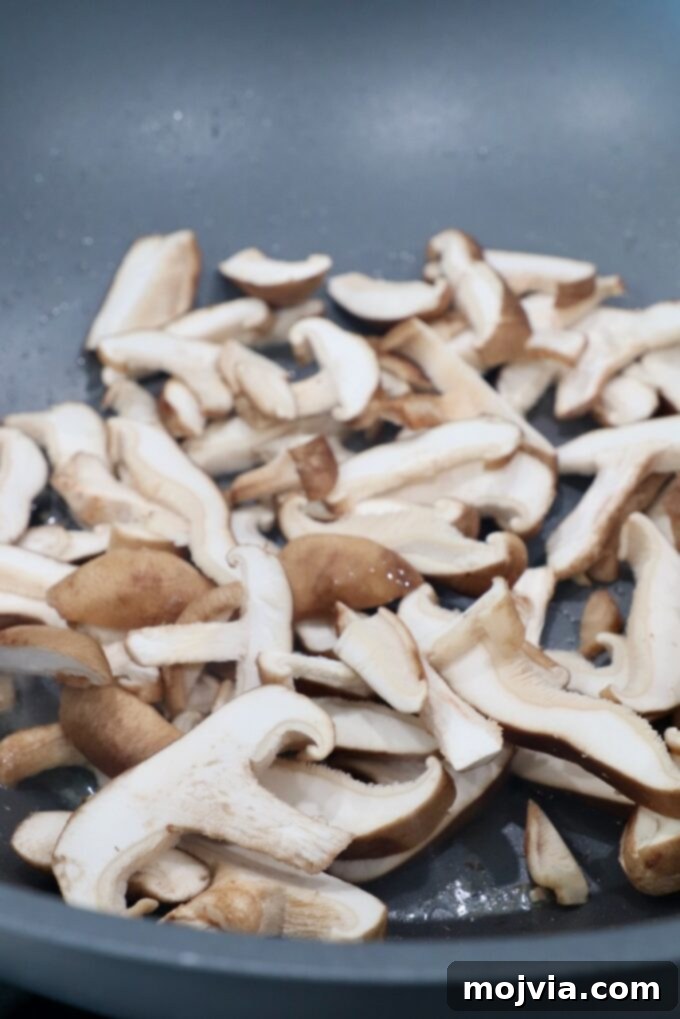
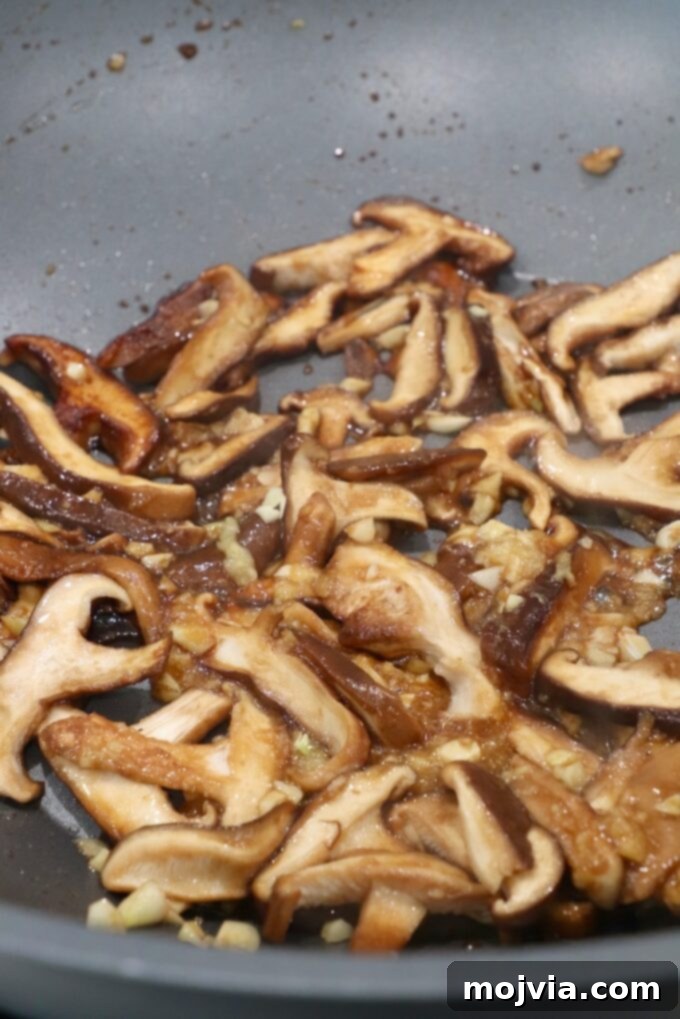
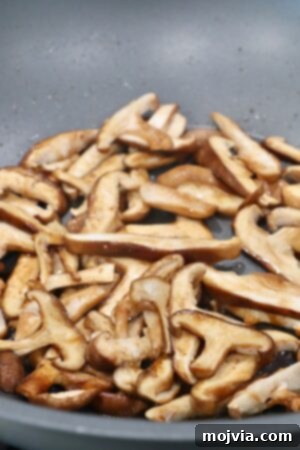
- Sauté the Shiitake Mushrooms: Add the thinly sliced shiitake mushrooms directly into the skillet, utilizing the flavorful grease left from the cooked pork or bacon. Pour in the low-sodium soy sauce. Stir all ingredients together briefly to ensure the mushrooms are coated, then allow them to cook undisturbed for 5 minutes. This initial period without stirring helps the mushrooms caramelize and develop a richer, deeper flavor.
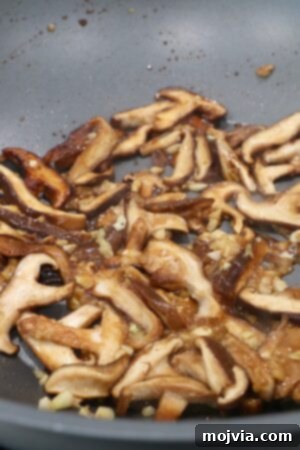
- Infuse with Aromatics: After the mushrooms have cooked for 5 minutes, add the minced garlic and ginger paste (or freshly grated ginger) to the pan. Stir everything together well, allowing the aromatics to cook for just 1-2 minutes. This brief sauté awakens their fragrant oils, infusing the mushrooms and pan with an irresistible aroma without burning the garlic.
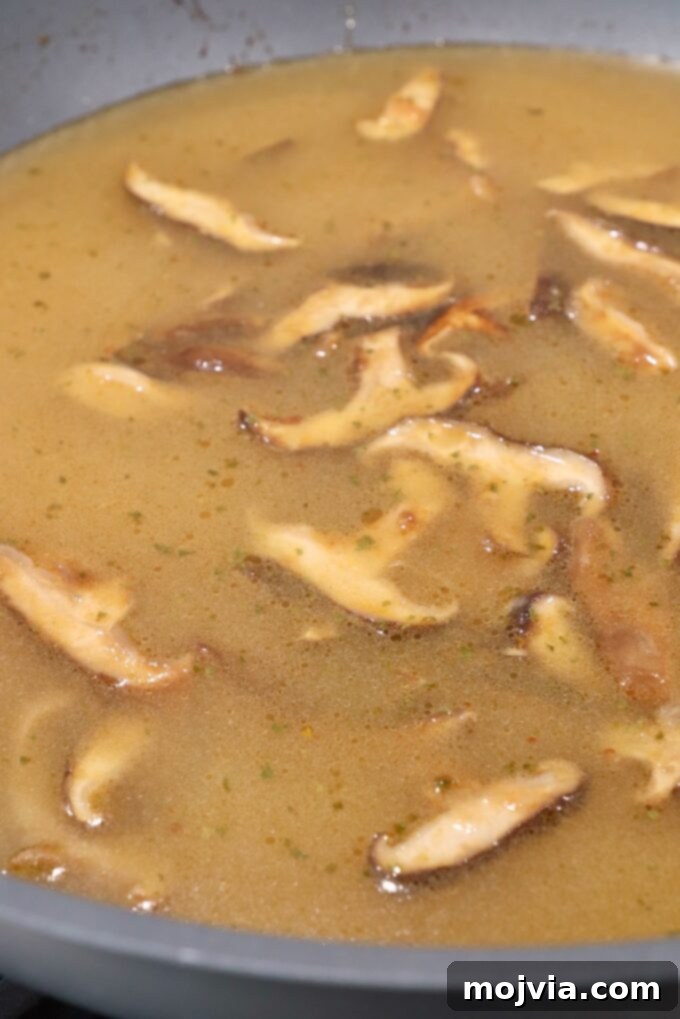
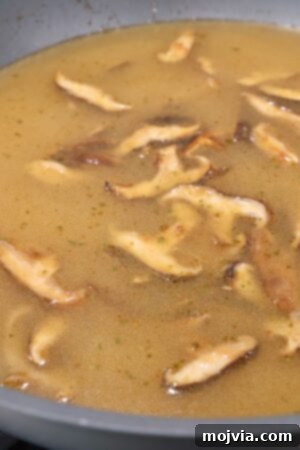
- Construct the Flavorful Broth: To the skillet, now brimming with fragrant mushrooms and aromatics, add the toasted sesame oil, white miso paste, chili garlic sauce (adjusting to your preferred spice level), and the chicken broth. Turn the heat up to high and bring the broth mixture to a rolling boil. Stir well to ensure the miso paste fully dissolves and distributes its umami goodness throughout the liquid.
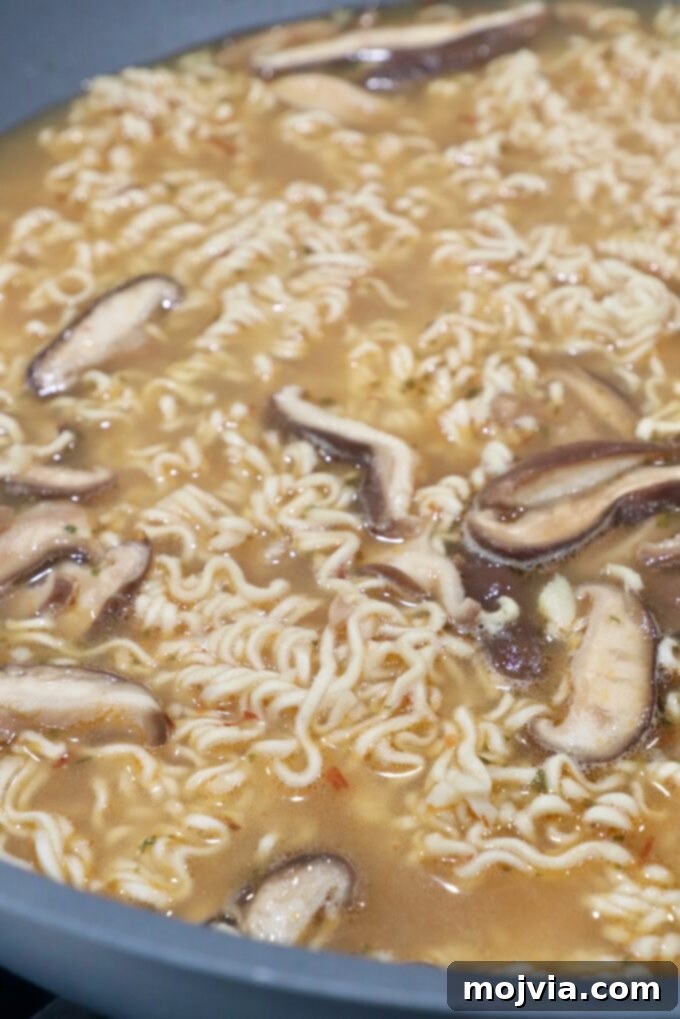
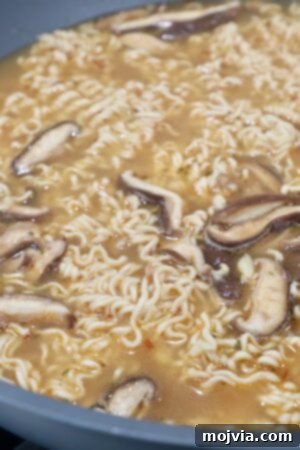
- Cook the Ramen Noodles: Once the broth is vigorously simmering, carefully add the ramen noodles to the pot. Cook the noodles for exactly 3 minutes. As they soften, use a spoon or spatula to gently separate them, ensuring they cook evenly and absorb the rich flavors of the broth. Be careful not to overcook them, as perfectly tender noodles are essential for the best ramen experience.
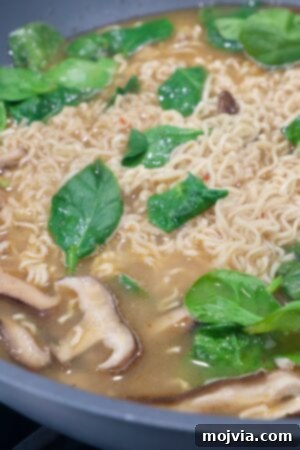
- Combine & Serve: After 3 minutes, return the previously cooked ground pork (or bacon) to the pan. Add a generous handful of fresh spinach leaves. Stir all the ingredients gently to combine, allowing the spinach to wilt beautifully into the hot broth and the pork to warm through. Continue cooking for an additional 1-2 minutes to ensure all flavors meld together. Remove the skillet from the heat, ladle the piping hot Miso Ramen soup into individual bowls, and prepare to add your choice of delightful toppings. Enjoy your expertly crafted, homemade ramen!
Delicious Optional Toppings
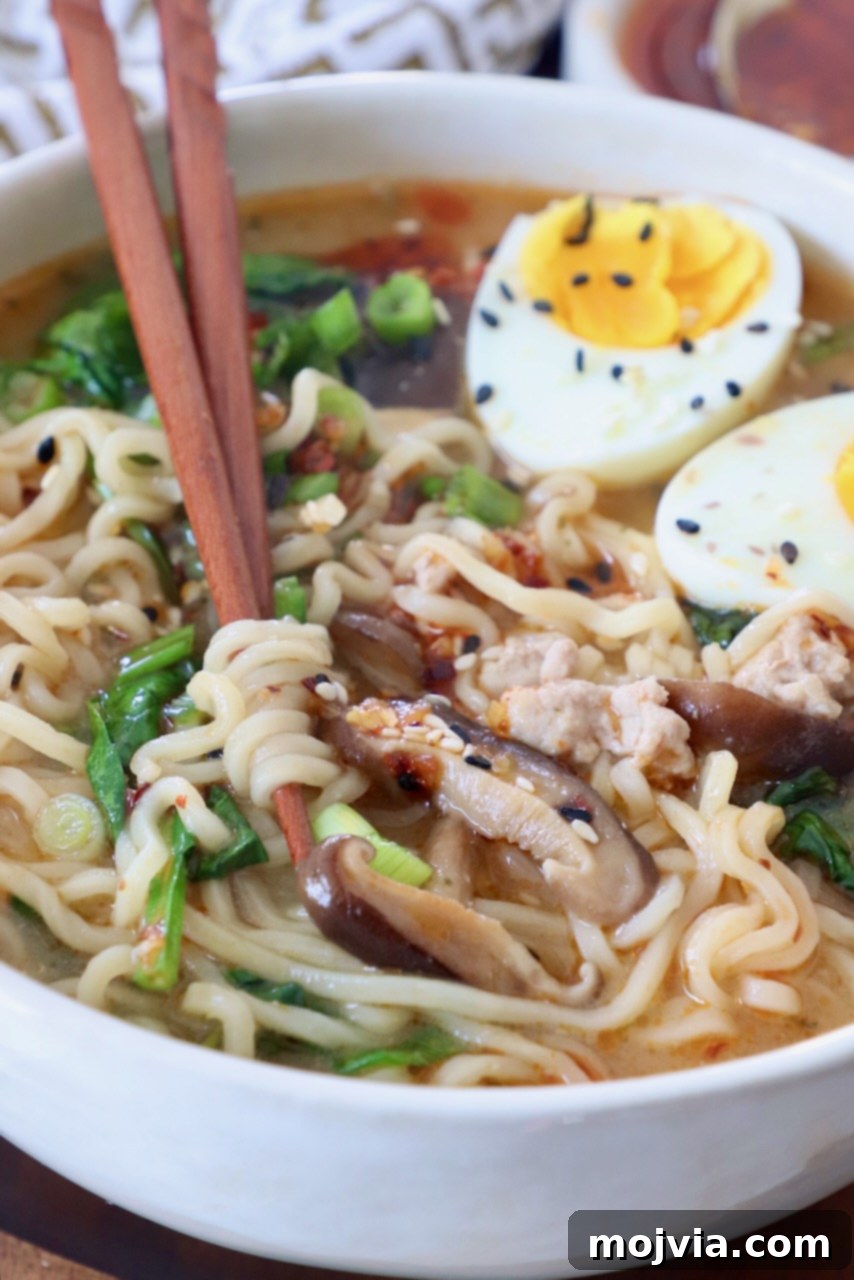
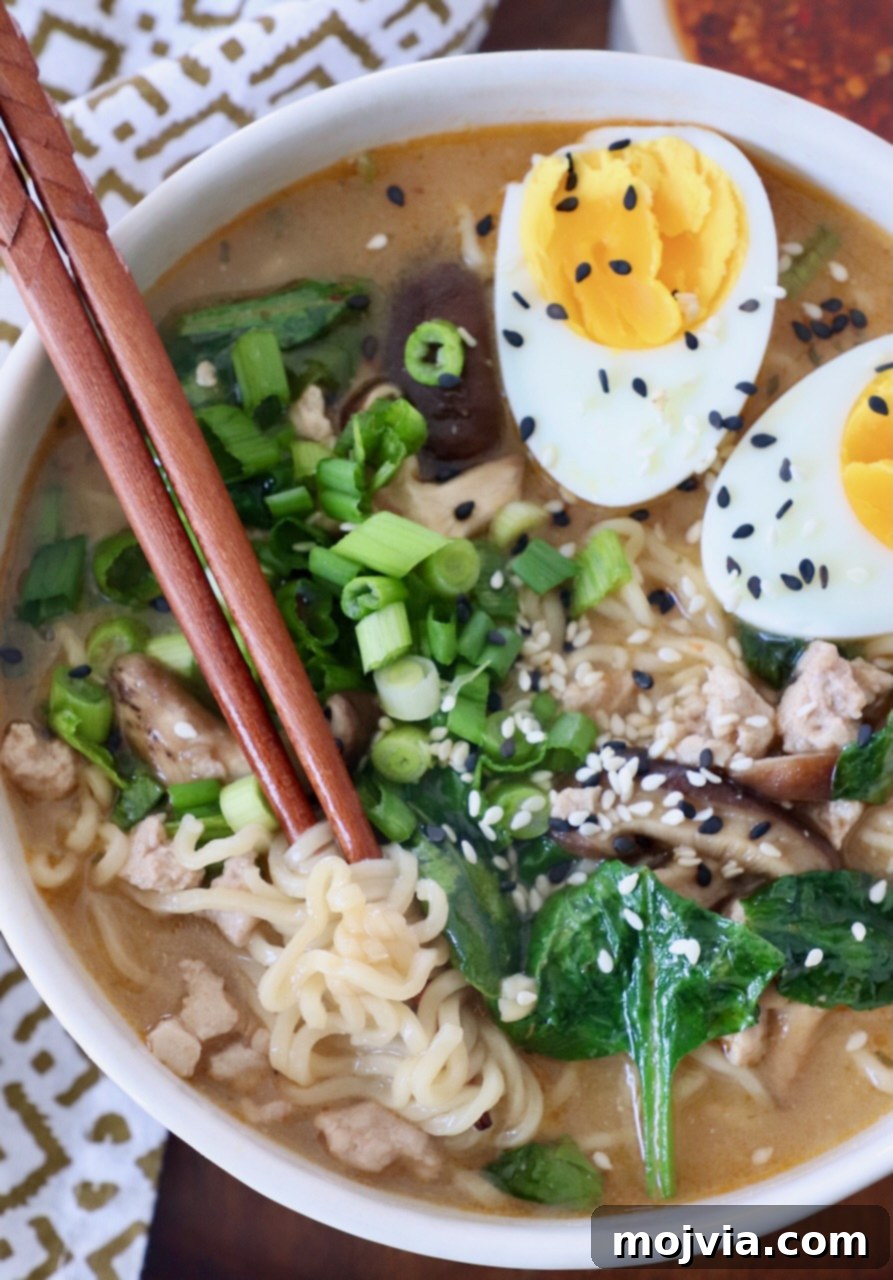
One of the most enjoyable aspects of a magnificent bowl of ramen is the opportunity to adorn it with a variety of textures and flavors through delightful toppings! A perfectly soft-to-medium boiled egg is undoubtedly one of our top recommendations for this Miso Ramen, offering a creamy yolk that enriches every spoonful, alongside fresh, vibrant herbs. Explore the extensive list below for a myriad of inspiring topping ideas to personalize your next bowl of homemade ramen and truly make it your own culinary masterpiece!
- Soft-Boiled or Medium-Boiled Egg: The quintessential ramen topping, adding a creamy, rich element. For a runny soft-boiled egg, cook for 6 minutes. For a slightly firmer, medium-boiled yolk, aim for 8 minutes. You can adapt this hard-boiled egg recipe for perfect results.
- Baby Bok Choy: Lightly steamed or quickly sautéed baby bok choy adds a fresh, crisp texture and a mild, slightly peppery flavor that complements the rich broth.
- Sliced Green Onions (Scallions): Finely sliced green onions provide a fresh, pungent bite and a vibrant pop of color, cutting through the richness of the broth.
- Sriracha: For those who love an extra kick, a drizzle of Sriracha hot sauce is a fantastic addition, allowing you to customize the spice level of your Miso Ramen to create a truly spicy experience.
- Chili Onion Crunch (Trader Joe’s): This beloved topping from Trader Joe’s adds an irresistible combination of spicy heat, savory depth, and a wonderful crunchy texture, making it one of our absolute favorites for enhancing ramen.
- Sesame Seeds: A sprinkle of toasted black or white sesame seeds (or both!) adds a subtle nutty flavor and an appealing visual garnish.
- Chili Oil or Extra Toasted Sesame Oil: A swirl of chili oil provides an extra layer of spicy warmth and a beautiful red hue, while a dash of additional toasted sesame oil intensifies the nutty aroma.
- Bean Sprouts: Fresh bean sprouts offer a delightful crunch and a hint of sweetness, contributing a refreshing contrast to the hearty ramen.
- Seaweed Strips (Nori): Also known as nori strips, these thin, crispy sheets of roasted seaweed add a unique umami flavor with a delicate oceanic hint, dissolving slightly into the hot broth.
- Sweet Corn Kernels: A small handful of sweet corn kernels adds a burst of sweetness and a lovely bright yellow color, creating a pleasant textural contrast.
- Gochujang: For an adventurous twist, a dollop of Korean gochujang (fermented chili paste) can introduce a complex, savory, and spicy depth to your ramen, offering a slightly different flavor profile.
Dietary Variations: Vegetarian, Vegan & Gluten-Free
This Miso Ramen recipe is wonderfully adaptable, allowing for simple modifications to suit various dietary preferences without compromising on flavor. Here’s how you can customize your bowl:
Vegetarian: To transform this recipe into a satisfying vegetarian delight, simply omit the ground pork or bacon. Instead, begin the cooking process by adding 1 tablespoon of olive oil or vegetable oil to the skillet before sautéing the shiitake mushrooms. Crucially, swap out the chicken broth for a high-quality vegetable broth to maintain a rich, savory liquid base. You can also explore adding other plant-based proteins such as firm tofu (pressed and pan-fried until golden) or crumbled tempeh for extra substance. For more dedicated vegetarian inspiration, you can also check out this dedicated recipe for Vegetarian Ramen.
Vegan: Building upon the vegetarian modifications, making this ramen vegan is a straightforward step. Follow all the instructions outlined above to prepare the vegetarian version, ensuring you use vegetable broth and omit any meat products. The final and only additional adjustment is to simply omit the egg topping, as eggs are not vegan-friendly. The rich miso broth and fresh vegetables will still create a deeply flavorful and wholesome vegan ramen experience.
Gluten-Free: Achieving a delicious gluten-free Miso Ramen requires careful attention to a few key ingredients. Firstly, ensure you use gluten-free ramen noodles, which are increasingly available in specialty stores and online. Secondly, substitute traditional soy sauce with gluten-free tamari, which offers a similar umami profile without the wheat. The majority of the other ingredients featured in this recipe (such as fresh garlic, ginger, miso paste, and chili garlic sauce) are typically gluten-free. However, it is always imperative to diligently check the labels of all sauces, broths, and packaged ingredients to verify their gluten-free status, as formulations can vary between brands.
Storage and Reheating Tips
Proper storage and reheating are key to enjoying your homemade Miso Ramen for days to come. Here’s how to best preserve and rejuvenate your delicious creation:
- To Store Leftovers: Any leftover Miso Ramen soup can be safely stored in an airtight container in the refrigerator for up to 7 days. For optimal texture, if you anticipate having leftovers, it is sometimes preferable to store the broth and noodles separately, adding fresh noodles when reheating. This prevents the noodles from becoming overly soft and mushy from sitting in the broth.
- To Reheat: For the best reheating experience, transfer the desired portion of ramen to a pot on the stove. Heat over medium-high heat for 5-8 minutes, stirring gently, until it is thoroughly warmed through and simmering. Alternatively, for a quicker option, you can reheat the ramen in a microwave-safe bowl in the microwave for approximately 2 minutes, or until hot, stirring halfway through.
- To Freeze: I generally do not recommend freezing an entire batch of this ramen recipe with the noodles included. The delicate texture of ramen noodles tends to degrade significantly upon freezing, thawing, and reheating, often resulting in a mushy consistency. However, a fantastic strategy for future convenience is to make a larger batch of just the rich Miso Ramen broth and freeze it separately. Once thawed and reheated, you can simply add fresh, cooked noodles to the broth for a quick and delicious meal, ensuring the noodles retain their perfect bite.
Explore More Noodle Recipes
If you’ve enjoyed the comforting warmth and rich flavors of this Miso Ramen, you’re in for a treat! Discover some of my other favorite Asian-inspired noodle dishes that are perfect for a satisfying dinner any night of the week. Expand your culinary repertoire and embark on another delicious noodle adventure!
- Drunken Noodles (Pad Kee Mao): A vibrant Thai stir-fried noodle dish known for its bold, spicy flavors and fresh herbs.
- Spicy Vegetable Pad Thai: A classic Thai stir-fry with a spicy twist, featuring rice noodles, crisp vegetables, and a tangy-sweet sauce.
- Dan Dan Noodles: A Sichuan classic with chewy noodles tossed in a spicy, savory sauce, often topped with crispy pork and peanuts.
- Vegetarian Massaman Curry Noodles: A rich, aromatic Thai curry, typically featuring potatoes and peanuts, served with tender noodles.
- Slow Cooker Thai Peanut Chicken Noodles: Tender chicken cooked in a creamy peanut sauce, perfect for serving over noodles with minimal effort.
- Easy Chicken Lo Mein: A family-favorite Chinese-American dish with stir-fried noodles, chicken, and colorful vegetables in a savory sauce.
- Thai Beef Noodle Bowl: A hearty and flavorful bowl featuring tender beef, fresh vegetables, and noodles in a fragrant Thai broth.
Print Recipe
Pin Recipe
Rate this Recipe
Miso Ramen
Video
Ingredients
- ½ pound ground pork, or 3 slices bacon* see notes below
- 6 ounces shiitake mushrooms, washed and thinly sliced
- 2 tablespoons low-sodium soy sauce
- 1 tablespoon minced garlic
- 1 tablespoon freshly grated ginger, or ginger paste
- 1 tablespoon toasted sesame oil
- 3 tablespoons white miso paste
- 1 tablespoon chili garlic sauce
- 8 cups chicken broth
- 12 ounces ramen noodles, 4 three ounce packages – discard the seasoning packets
- 1 cup spinach leaves
Optional toppings
- 2 tablespoons green onions, diced
- 4 soft boiled eggs, sliced in half
- ½ teaspoon sesame seeds
Instructions
-
Place a large skillet, or wok, on the stove over medium-high heat.
-
Add the ground pork, crumble and cook for 6-8 minutes.

-
Use a slotted spoon to remove the pork from the skillet and set aside.
-
Add the sliced shiitake mushrooms and low-sodium soy sauce to the skillet, stir to combine everything in the skillet, then cook for 5 minutes without stirring.
-
Add the minced garlic and grated ginger to the skillet, stir everything together and cook for 1-2 minutes.
-
Add the sesame oil, white miso paste, chili garlic sauce and chicken broth to the pot.
-
Turn the heat on the stove up to high and bring the broth to a simmer.
-
Once simmering, add the ramen noodles and cook for 3 minutes.
-
After 3 minutes, add the cooked pork back to the skillet, along with the spinach.
-
Stir to combine all ingredients, keep on the stove for 1-2 minutes.
-
Remove from the heat and serve in bowls.
-
Top with diced green onions and the additional toppings of your choice, like soft boiled eggs, sesame seeds, chili oil, bean sprouts or seaweed strips.
Notes
- The nutritional information provided above does not include the optional toppings.
- If making this recipe with bacon instead of ground pork, dice up 3 slices of bacon. Cook the bacon in the skillet until cooked, but not crispy. Use a slotted spoon to remove the bacon from the skillet and use the bacon grease to cook the mushrooms. Add the chopped, cooked bacon back to the soup with the spinach at the end.
- To make this recipe vegetarian, omit the pork. Start the recipe with 1 tablespoon olive oil, or vegetable oil, to cook the mushrooms. Use vegetable broth, instead of chicken broth.
- To make this recipe vegan, follow the instructions above to make the ramen vegetarian, then omit the egg on top to make it vegan.
- To make this recipe gluten free, use gluten free ramen noodles, and gluten free soy sauce, also known as tamari. The other ingredients pictured above are gluten free. Always make sure to check the labels on sauces and broths to verify that they’re gluten free.
- Leftover miso ramen can be stored in the refrigerator for up to 7 days. Store noodles and broth separately for best results if possible.
- To reheat the ramen, transfer it to a pot on the stove over medium-high heat for 5-8 minutes. Or reheat the ramen in a microwave-safe bowl in the microwave for 2 minutes.
Nutrition Facts
Carbohydrates 38g (13%)
Protein 28g (56%)
Fat 30g (46%)
Saturated Fat 10g (50%)
Polyunsaturated Fat 4g
Monounsaturated Fat 9g
Cholesterol 237mg (79%)
Sodium 2931mg (122%)
Potassium 713mg (20%)
Fiber 4g (16%)
Sugar 5g (6%)
Vitamin A 1028mg (21%)
Vitamin C 4mg (5%)
Calcium 78mg (8%)
Iron 6mg (33%)