
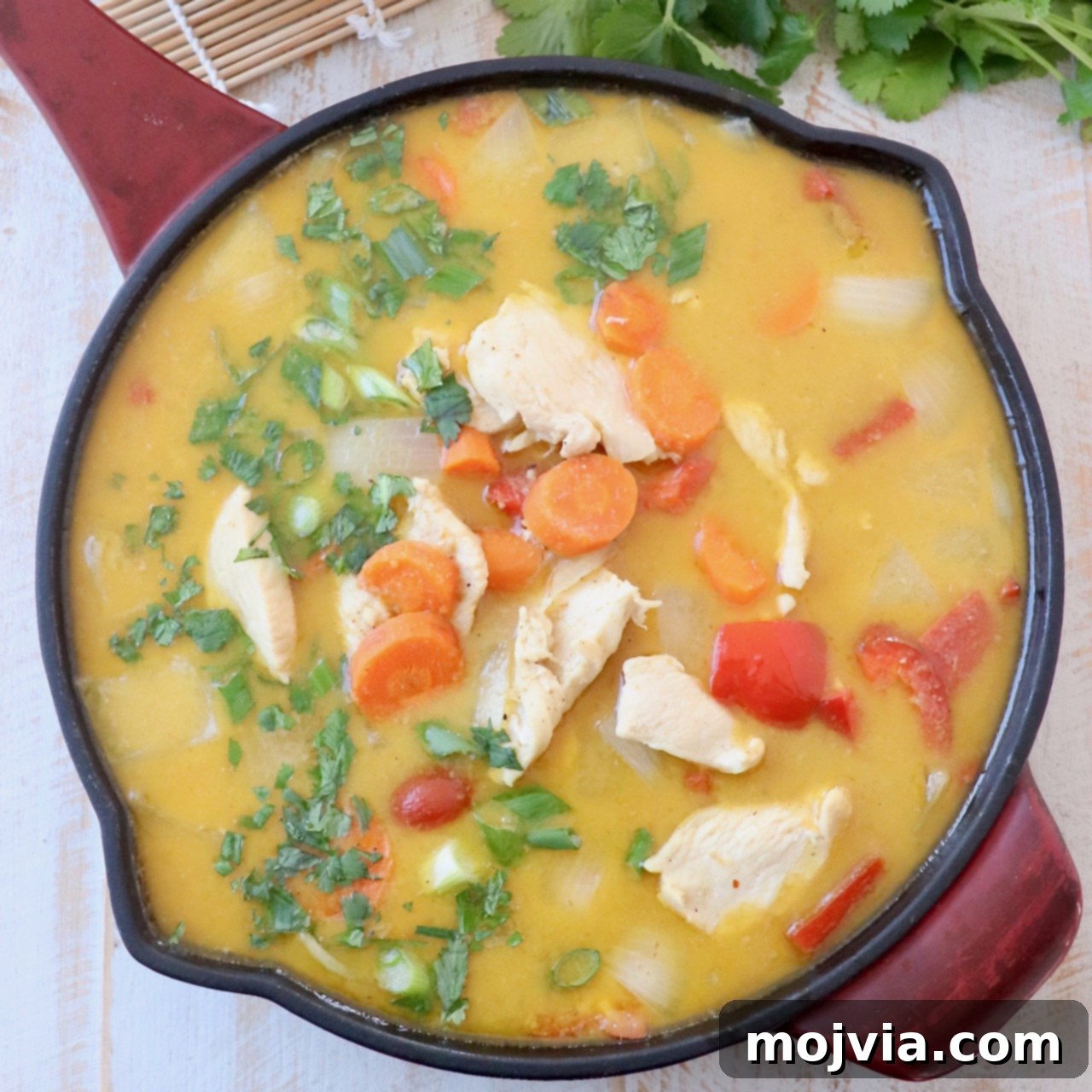
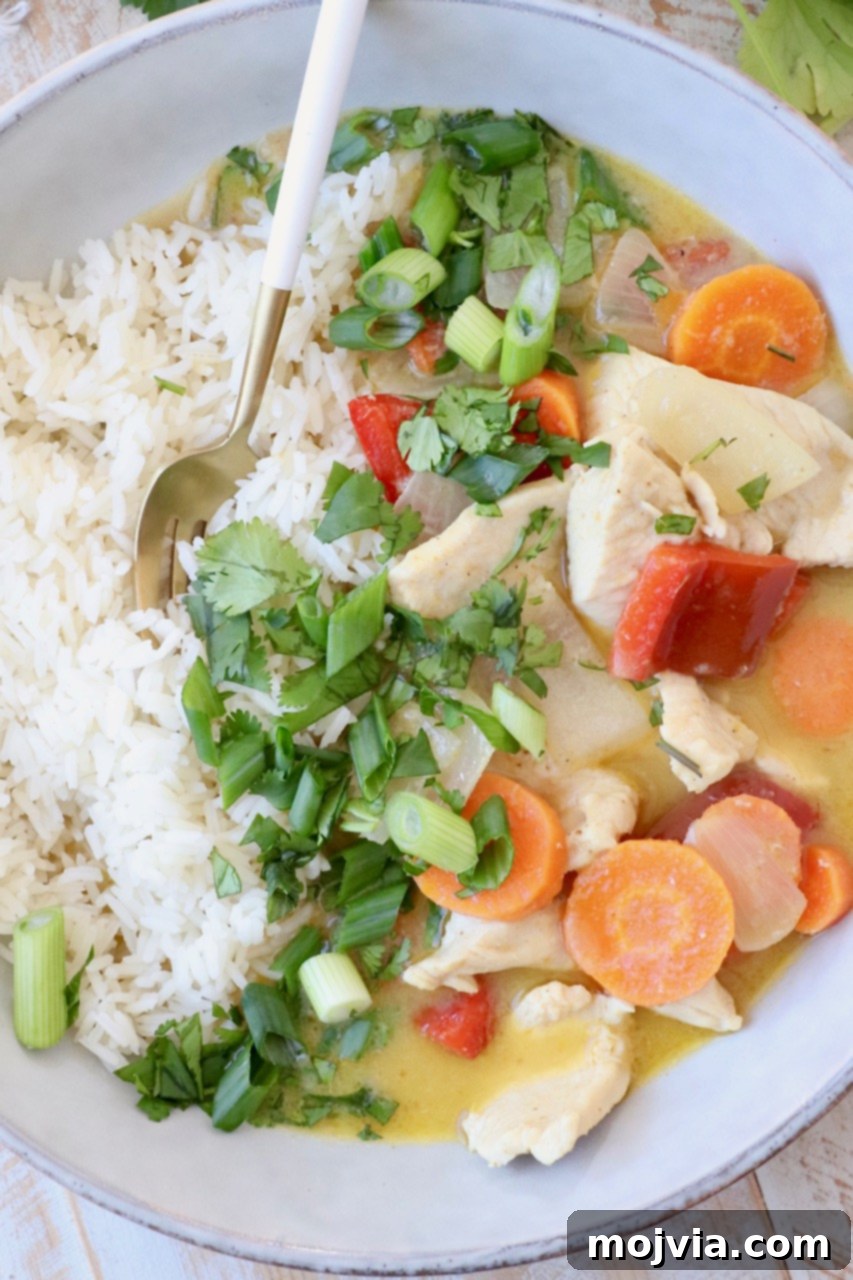
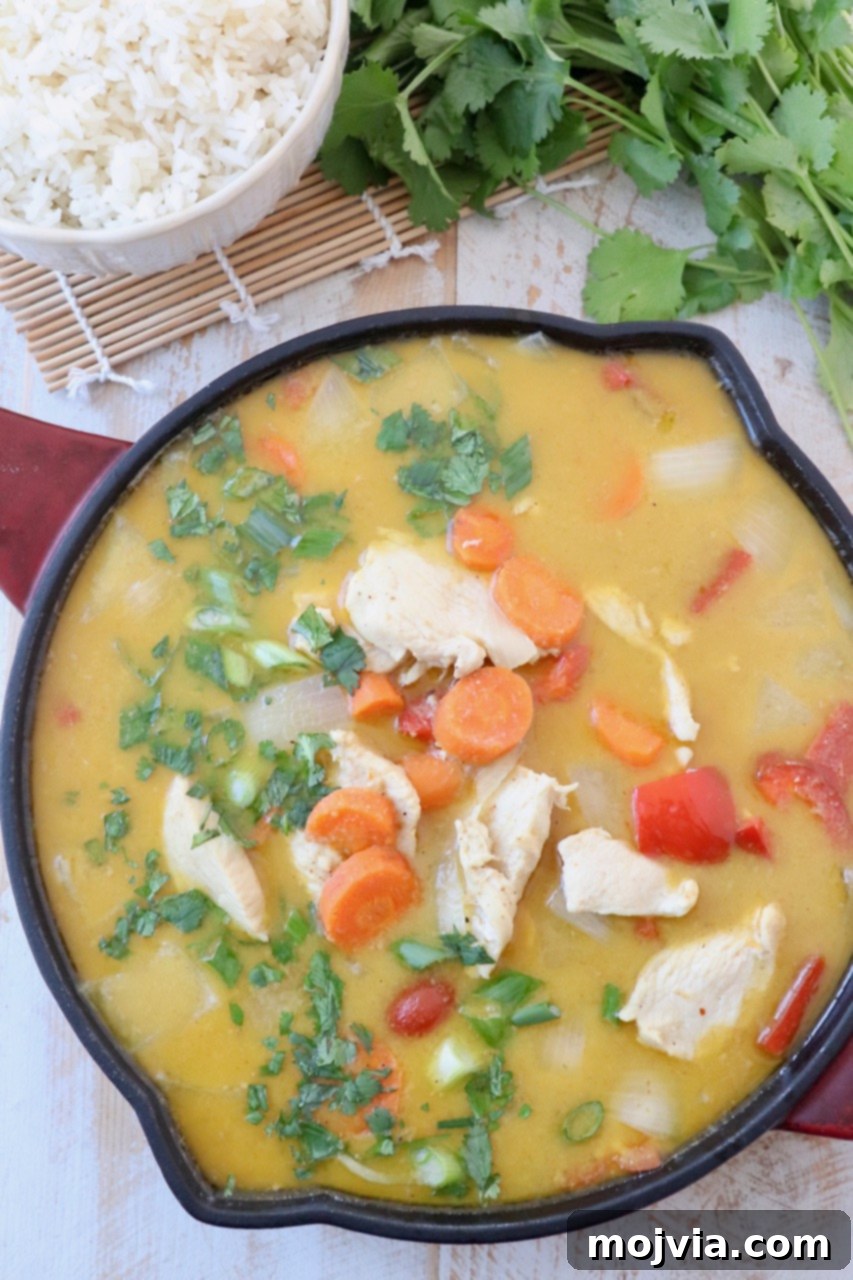
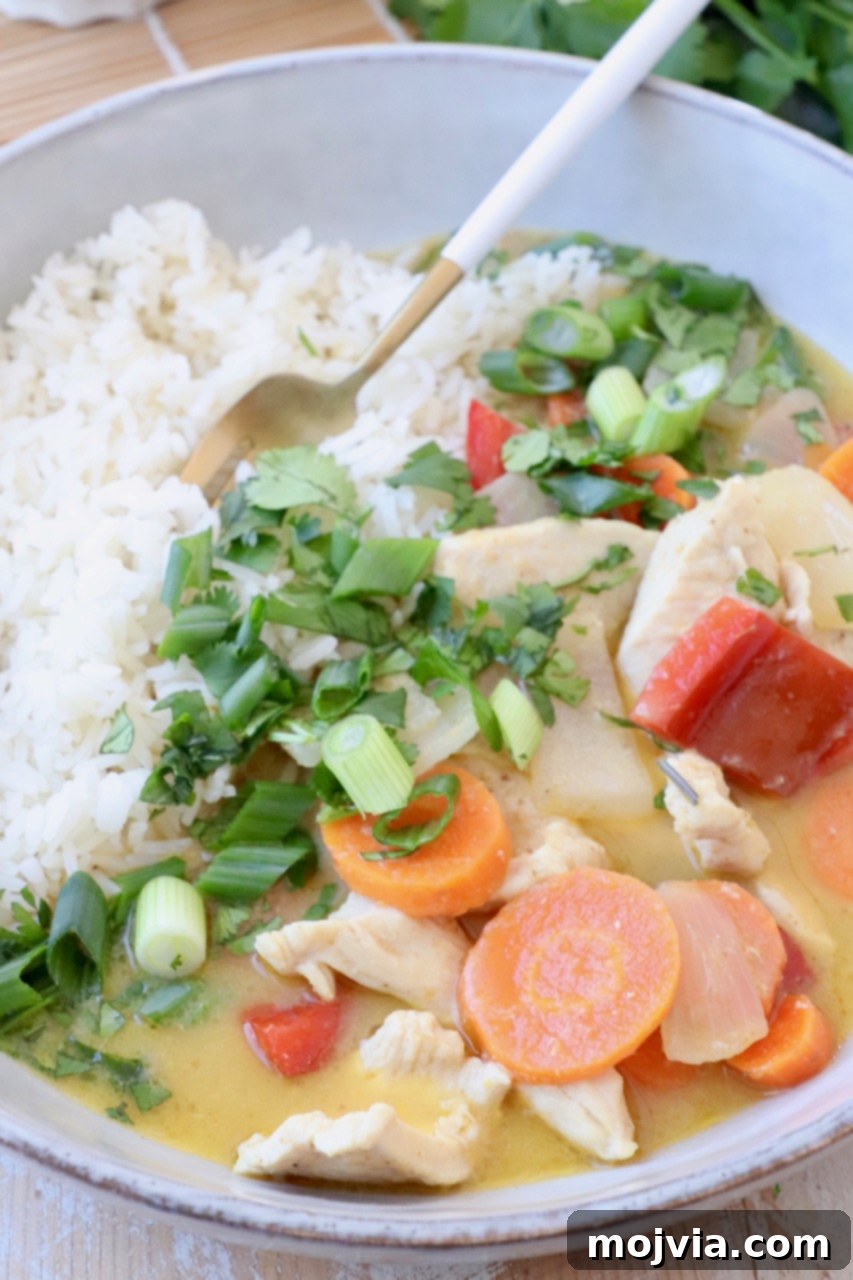
Thai Yellow Curry brings the vibrant flavors of Thailand straight to your kitchen. This remarkably easy recipe can be prepared in just 20 minutes, offering a perfect solution for a quick yet authentic weeknight meal. Featuring tender chicken bathed in a rich, aromatic curry sauce, it’s also incredibly versatile – easily adapted for vegetarians by swapping in an array of fresh vegetables. The resulting curry is so deeply flavorful and creamy, you’ll feel like you’ve been transported to your favorite Thai restaurant without ever leaving home.
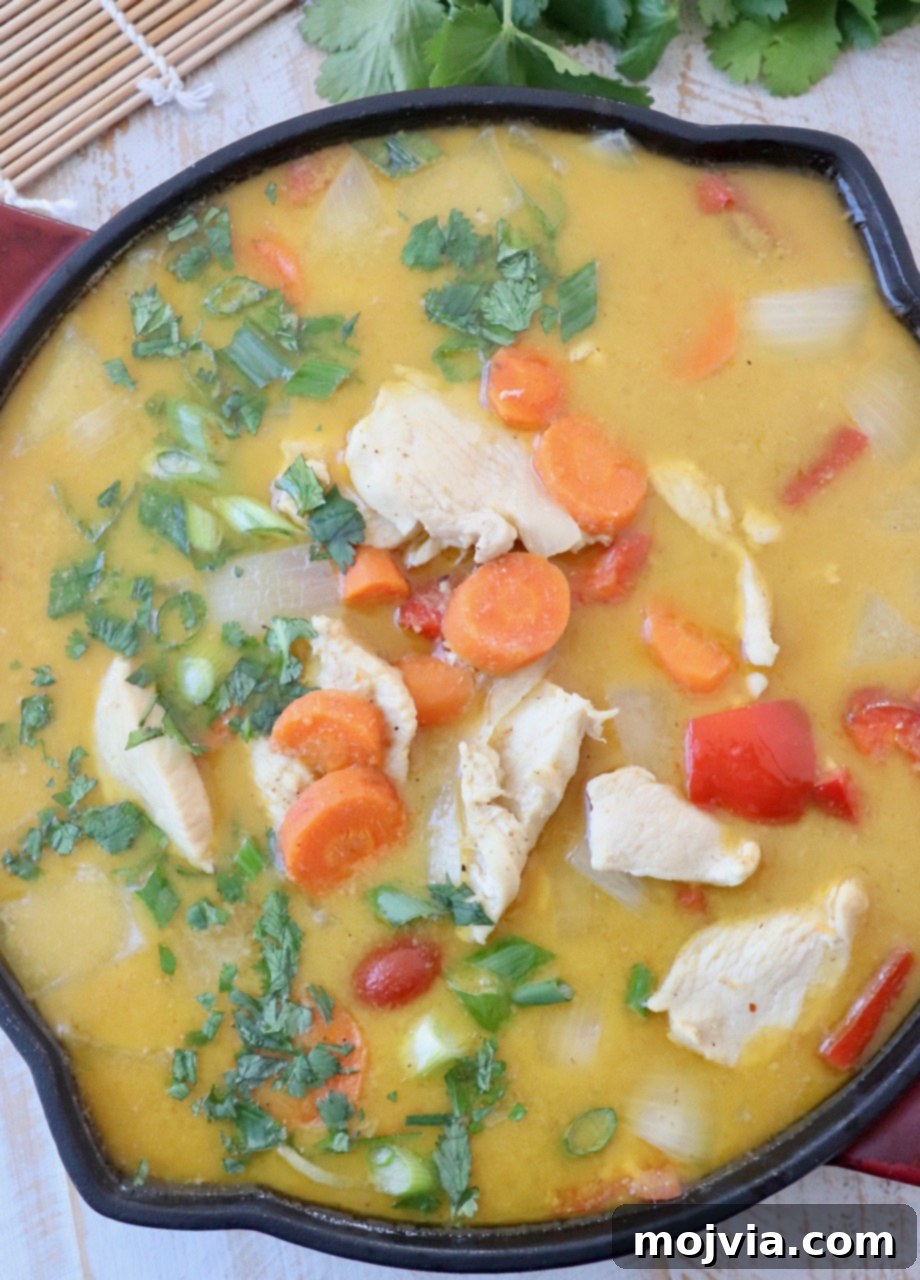
Table of Contents
- Essential Ingredients for Thai Yellow Curry
- Step-by-Step Instructions to Make Yellow Curry
- Choosing the Best Yellow Curry Paste
- Frequently Asked Questions About Yellow Curry
- Discover More Authentic Curry Recipes
- Explore More Easy Chicken Recipes
Do you ever find yourself daydreaming about the bold, comforting flavors of Thai takeout magically appearing on your dinner table? While we can’t promise magic, this incredible **Thai Yellow Curry recipe** delivers that exact experience – a truly authentic taste reminiscent of your favorite Thai restaurant, all crafted from the comfort of your own kitchen. And the best part? It comes together in an astonishing 20 minutes, making it an ideal choice for busy weeknights when you crave something special without the lengthy preparation.
For years, I’ve been on a culinary quest to master my beloved Thai dishes at home. After successfully perfecting stellar versions of classics like Spicy Vegetable Pad Thai and Drunken Noodles, my focus shifted to recreating the rich, creamy goodness of my favorite curry. This wasn’t a task I took lightly; it involved extensive testing and experimentation, meticulously trying various brands of curry paste until I discovered the one that truly captured the essence of an authentic Thai yellow curry.
This recipe is the culmination of that journey, offering a harmonious blend of sweet, salty, and savory notes, perfectly balanced with a luscious, creamy texture. It’s designed to taste just like the vibrant curries served in traditional Thai eateries, yet it’s incredibly straightforward to prepare. Whether you’re a seasoned chef or a beginner in the kitchen, you’ll find this recipe to be both rewarding and surprisingly simple, proving that exceptional Thai food is well within reach at home.
Essential Ingredients for Thai Yellow Curry
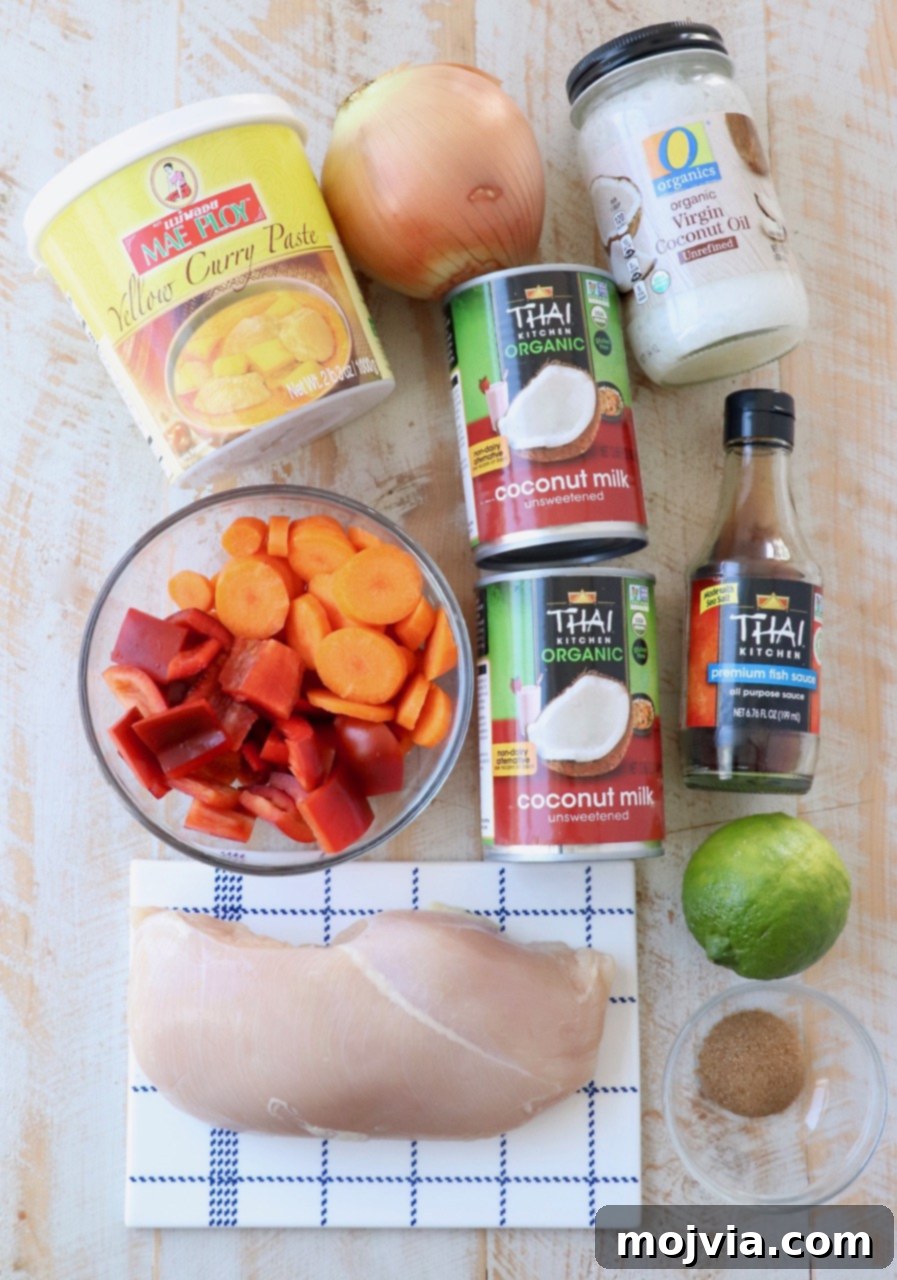
Crafting the perfect yellow curry begins with a thoughtful selection of fresh, high-quality ingredients. Each component plays a crucial role in building the layered flavors and creamy texture that define this iconic Thai dish. Below, we’ll delve into each ingredient, offering insights and tips for the best results. For precise measurements, please refer to the detailed recipe card at the bottom of this page.
- Coconut Oil: Our preferred choice for sautéing, coconut oil imparts a subtle sweetness that beautifully complements the mild, rich notes of yellow curry. If unavailable, olive oil or another neutral vegetable oil can be used as a substitute, though you might miss a hint of that tropical undertone.
- Onion: A foundational aromatic, a yellow onion is ideal for its balanced sweetness when cooked. However, white or red onions can be used if that’s what you have on hand. Dice it uniformly to ensure even cooking and distribution throughout the curry.
- Yellow Curry Paste: This is unequivocally the **secret ingredient** that elevates your yellow curry from good to exceptional. While making paste from scratch is an option for the ambitious, for a 20-minute recipe, a high-quality pre-made paste is a game-changer. After extensive testing, I confidently recommend Mae Ploy Yellow Curry Paste. Introduced to me by a friend from Laos who makes incredible homemade Thai food, Mae Ploy delivers an authentic flavor profile without compromise. You can find it online or in most well-stocked Asian markets. It’s also naturally vegan, gluten-free, and free from MSG or artificial colors, making it a fantastic choice for many dietary needs.
- Coconut Milk: For that signature rich and creamy curry sauce, two cans of full-fat, unsweetened coconut milk are essential. It’s crucial to use canned coconut milk, not the thinner, watered-down variety found in cartons, which is designed for beverages and will not provide the desired consistency. For an **extra luxurious and thick sauce**, consider using unsweetened coconut cream, available in cans, as a direct substitute.
- Red Bell Pepper: Adding a touch of sweetness and vibrant color, a red bell pepper is perfect for this curry. Feel free to use green, yellow, or orange bell peppers interchangeably, depending on your preference and what’s available.
- Carrots: Sliced about 1/4 inch thick, carrots contribute a gentle sweetness and texture. This thickness ensures they soften perfectly within the curry sauce in approximately 10 minutes, becoming tender-crisp.
- Chicken: Boneless, skinless chicken breasts are our protein of choice for this recipe, though boneless, skinless chicken thighs work equally well. The key is to slice the chicken very thinly, allowing it to cook through quickly and evenly in the simmering curry sauce, typically in less than 10 minutes.
- Brown Sugar: A touch of brown sugar is vital for balancing the flavors, adding a subtle sweetness that rounds out the savory and spicy notes in the sauce.
- Fish Sauce: This ingredient provides essential saltiness and a deep umami flavor, characteristic of authentic Thai cuisine. For a vegetarian or vegan version, simply substitute with an equal amount of soy sauce. If you have gluten or soy allergies but still wish to make a vegetarian meal, coconut aminos serve as an excellent alternative.
- Lime Juice: Freshly squeezed lime juice is a must. It introduces a bright, zesty acidity that cuts through the richness of the coconut milk, elevating the entire dish with a burst of fresh flavor. Always opt for fresh over bottled lime juice for the best taste.
Step-by-Step Instructions to Make Yellow Curry
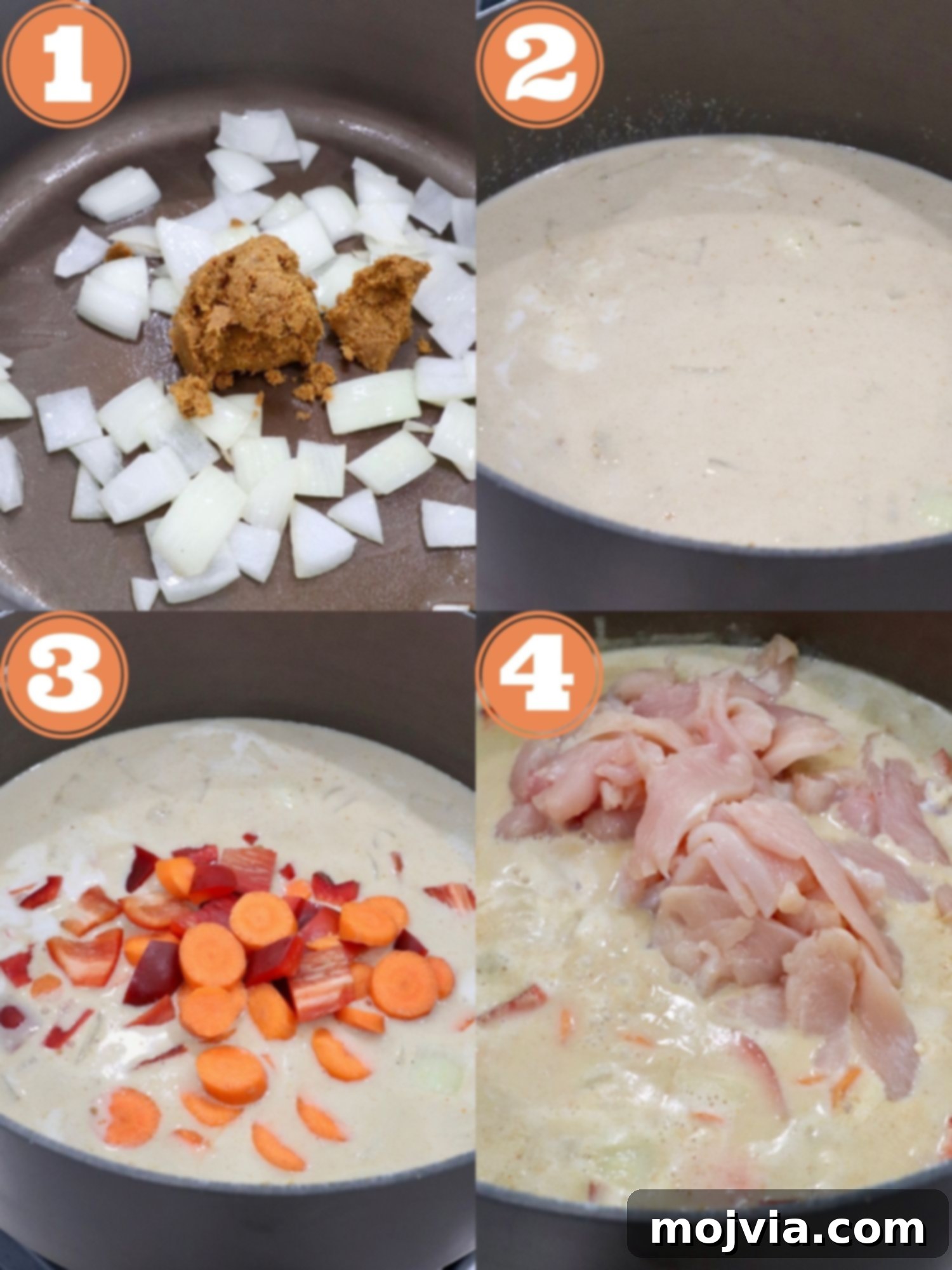
Creating this delicious Thai Yellow Curry is a straightforward process, designed for efficiency without compromising on flavor. Follow these simple steps to bring a taste of Thailand to your table in just 20 minutes:
- Sauté Aromatics: Begin by adding coconut oil to a large pot or Dutch oven and heating it over medium-high heat. Once the oil has melted and is shimmering, add your diced onions. Sauté them for 2-3 minutes, stirring occasionally, until they become translucent and fragrant.
- Toast Curry Paste: Incorporate the yellow curry paste into the pot with the onions. Stir well to combine, allowing the paste to cook for another 2 minutes. This crucial step helps to deepen the flavors of the spices within the paste, releasing their full aroma.
- Add Coconut Milk and Simmer: Carefully pour both cans of unsweetened coconut milk into the pot. Stir thoroughly to mix the curry paste into the milk. Bring the mixture to a gentle simmer, ensuring the heat is not too high to prevent the coconut milk from separating.
- Introduce Vegetables: Add the diced bell peppers and sliced carrots to the simmering curry. Allow them to cook for 3-4 minutes, giving them a head start on softening before the chicken is added.
- Cook Chicken: Next, add the thinly sliced chicken to the sauce. Continue to simmer the curry for an additional 6-8 minutes, or until the chicken is cooked through and no longer pink. Stir occasionally to ensure even cooking.
- Vegetarian Adaptation: For a delightful vegetarian curry, simply omit the chicken. Instead, add a greater variety of vegetables alongside the bell peppers and carrots. Excellent additions include cubed eggplant, zucchini, red potatoes (cut small for quicker cooking), broccoli florets, or even firm tofu cubes. Adjust cooking time as needed until vegetables are tender-crisp.
- Season and Finish: Stir in the brown sugar, fish sauce, and fresh lime juice. Taste and adjust seasonings as desired. The brown sugar adds a touch of sweetness, the fish sauce provides umami depth, and the lime juice brightens the entire dish. If preparing a vegetarian version, substitute the fish sauce with one teaspoon of soy sauce or coconut aminos.
- Serve Immediately: Remove the curry from the heat and spoon it generously over your chosen accompaniment. This yellow curry pairs wonderfully with fluffy white jasmine rice, nutty brown rice, tender rice noodles, or protein-rich quinoa. For a low-carb alternative, cauliflower rice makes an excellent base. Garnish with fresh cilantro or basil if desired.
Choosing the Best Yellow Curry Paste
The heart of any exceptional Thai curry lies in its paste, and for yellow curry, this means a blend that delivers a signature mild sweetness. While yellow curry is traditionally known for its gentle heat, you have full control to elevate the spice level to your personal preference by adding fresh Thai chilies. After extensive testing, I wholeheartedly recommend Mae Ploy Yellow Curry Paste. This brand consistently delivers the most authentic and restaurant-quality flavor among pre-made options.
Mae Ploy yellow curry paste is widely available. You might find it in larger grocery stores, specialty Asian markets, or conveniently online. Investing in a larger container is often cost-effective, as it boasts an impressive shelf life of up to two years when sealed and stored in the refrigerator. What sets Mae Ploy apart is its carefully curated blend of traditional Thai ingredients, including fragrant garlic, zesty lemongrass, delicate shallots, dried red chilies for a subtle warmth, salt, earthy galanga, warm cumin, aromatic cinnamon, distinctive star anise, vibrant turmeric (which gives yellow curry its characteristic golden hue), kaffir lime peel, and fragrant coriander seed.
A significant benefit of Mae Ploy Yellow Curry Paste is that it does not contain shrimp paste, a common ingredient in many other curry pastes. This makes it inherently **vegan**, an excellent foundation for crafting both vegetarian and vegan curries without any ingredient swaps. Opting for a quality pre-made paste like Mae Ploy not only simplifies this recipe significantly but also ensures you achieve that authentic Thai restaurant taste without the complex process of sourcing and grinding individual spices like galanga and kaffir lime peel from scratch.
Frequently Asked Questions About Yellow Curry
Authentic yellow curry is celebrated for its mild and slightly sweet flavor profile, making it a great entry point for those new to Thai cuisine or who prefer less heat. If you appreciate a touch of spice, you can easily customize the heat level. For a moderate kick (around a 5 on a 1-10 Thai restaurant spice scale), try adding 1-2 finely diced Thai chilies to the pot along with the onions in the first step. If you crave significant heat (pushing towards an 8 on the spice level), increase the chilies to 3-4, diced. Always add chilies gradually and taste to achieve your desired intensity.
The primary difference between red and yellow curry lies in their heat levels and characteristic colors, which stem from their respective curry pastes. Red curry is generally spicier than yellow curry; its paste derives its vibrant crimson hue and robust heat from a higher concentration of dried red chilies. Yellow curry, on the other hand, is milder and gets its distinctive golden color from turmeric, a key spice in its paste. While both are coconut milk-based, yellow curry tends to be sweeter and richer, offering a more mellow flavor experience.
Yellow curry can be a nutritious meal, boasting high levels of vitamins A and C, as well as iron, largely due to the vegetables and spices used. However, it’s also traditionally rich in fat due to the generous use of full-fat coconut milk. If you’re looking to reduce the calorie and fat content, you can opt for “lite” coconut milk, which will significantly cut down on fat and calories by approximately two-thirds. While lite coconut milk may result in a slightly less creamy sauce, it’s an excellent option for a lighter version without sacrificing too much flavor.
Leftover yellow chicken curry stores beautifully and can be kept in airtight containers in the refrigerator for up to 5 days. This makes it an ideal dish for meal prepping throughout the week. To reheat, I recommend transferring the curry back to a pot on the stovetop over medium-high heat. Allow it to simmer gently for 8-10 minutes, or until it is thoroughly heated through, stirring occasionally to prevent sticking and ensure even temperature.
Yes, when using the specific ingredients highlighted and pictured in this post, this Thai Yellow Curry recipe is naturally gluten-free. It is crucial, however, to always double-check the labels of your fish sauce and curry paste to ensure they are certified gluten-free, as formulations can vary by brand. Mae Ploy curry paste and Thai Kitchen fish sauce are two reliable brands known for being gluten-free, but always confirm for peace of mind if you have dietary restrictions.
Discover More Authentic Curry Recipes
Whether your palate craves the rich spices of India or the aromatic blends of Thailand, these easy and authentic curry recipes are sure to delight:
- Indian Butter Cauliflower Curry
- Vegetarian Massaman Curry Noodles
- Red Curry Shrimp
- Asian Lamb Meatballs in Green Curry Sauce
- Massaman Curry Chicken
Explore More Easy Chicken Recipes
For quick and satisfying weeknight meals, explore these popular and simple chicken recipes that you can easily recreate at home:
- Chinese Honey Chicken – A truly exceptional gluten-free chicken dish!
- Buffalo Chicken Stuffed Peppers – A fantastic Whole30 compliant recipe!
- Chicken Enchiladas – Featuring a creamy avocado sriracha sauce.
- Buffalo Chicken Cheesy Penne
- Gluten Free Orange Chicken
- Instant Pot Chicken Stroganoff

Print Recipe
Pin Recipe
Rate this Recipe
Thai Yellow Curry
Video
Ingredients
- 1 tablespoon coconut oil
- 1 cup onion, large dice
- ⅓ cup yellow curry paste
- 30 ounces coconut milk, two 15 oz cans
- 1 cup red bell pepper, large dice
- 1 cup carrots, large dice
- 1 pound boneless, skinless chicken breasts, thinly sliced
- 1 tablespoon brown sugar
- 1 teaspoon fish sauce
- 1 teaspoon lime juice, fresh-squeezed
Instructions
-
Add the coconut oil to a large pot over medium high heat.
-
Add the onion and saute 2-3 minutes.
-
Add the yellow curry paste and cook for 2 minutes.
-
Add the coconut milk and bring to a simmer.
-
Add the bell pepper and carrots, simmer for 3-4 minutes.
-
Add the chicken and continue simmering for 6-8 minutes.
-
Stir in the brown sugar, fish sauce and lime juice.
-
Remove from the heat and serve.
Notes
- Coconut cream can be used in place of coconut milk to make a thicker sauce.
- For a vegetarian curry, replace the pound of chicken with 1 pound of sliced or diced vegetables, like eggplant, zucchini, red potatoes or broccoli.
- My favorite brand of yellow curry paste is Mae Ploy Yellow Curry Paste. It’s easy to find online, at some major grocery stores and in Asian markets.