
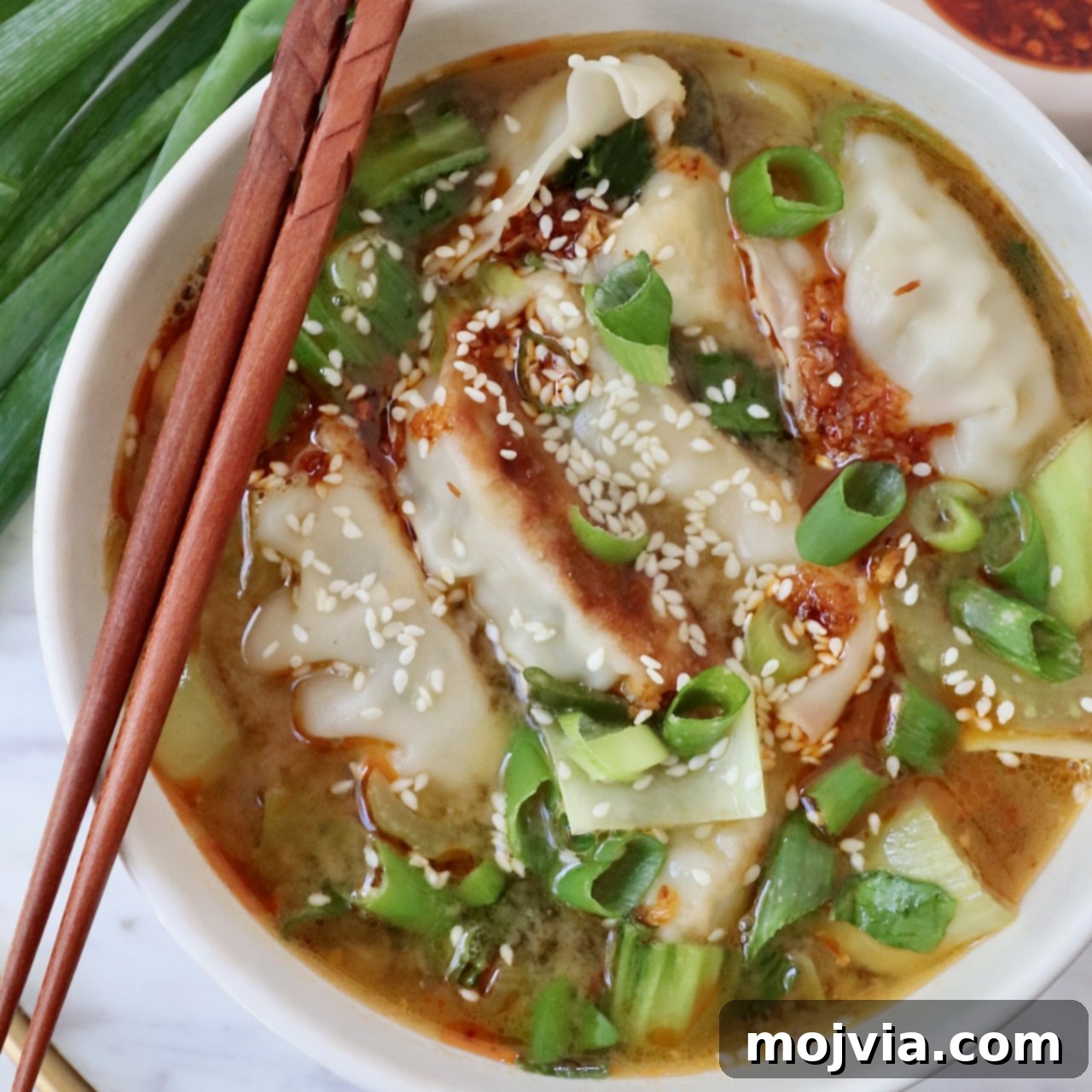
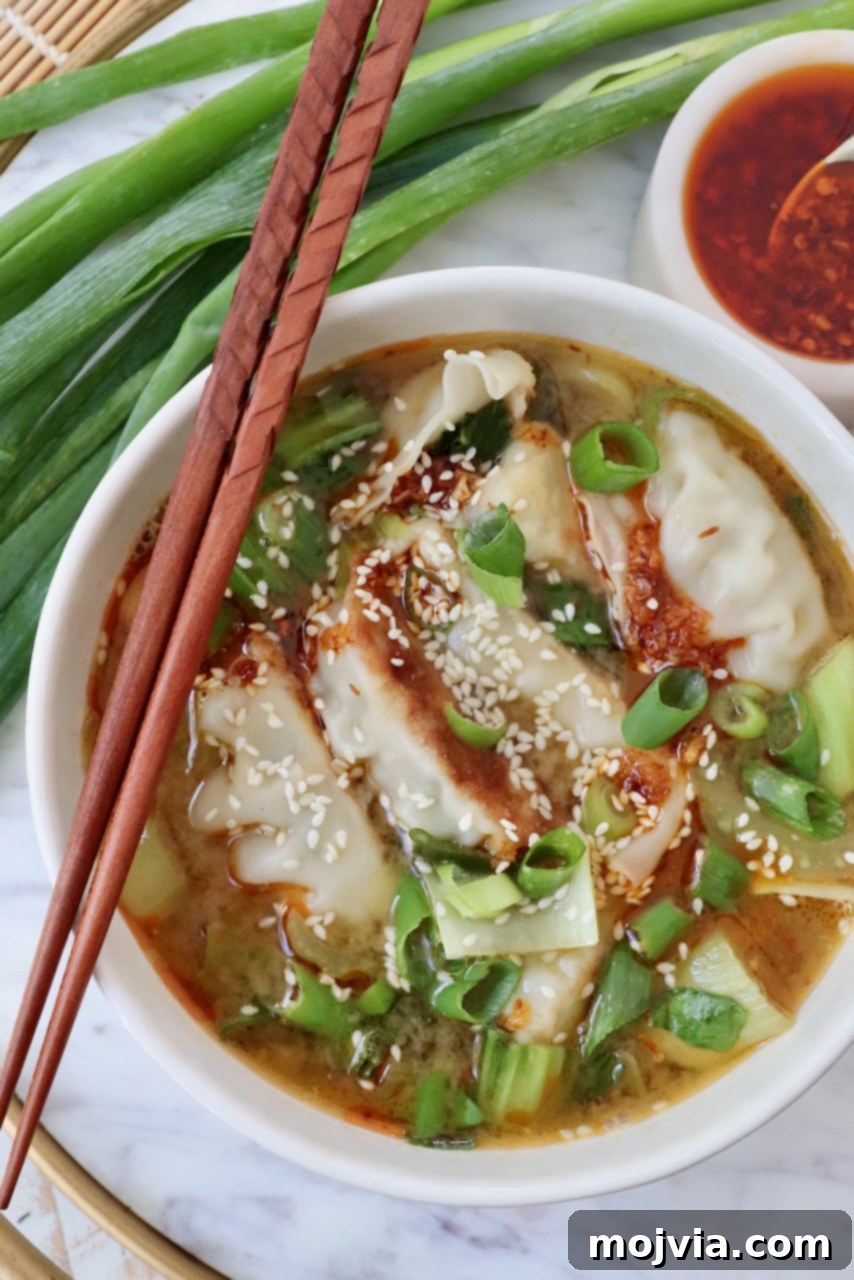
In a mere 15 minutes, you can create the most flavorful and comforting Gyoza Soup recipe! This incredibly easy dish brings together the rich, authentic tastes of Japan, featuring the savory depth of miso, the zing of fresh ginger, and the aromatic warmth of garlic. If you’re a fan of traditional miso soup and delightful dumplings, then prepare to fall in love with this recipe, which seamlessly blends these two beloved Japanese elements into one satisfying and quick meal. It’s the perfect solution for a busy weeknight when you crave something wholesome, exotic, and utterly delicious without spending hours in the kitchen.
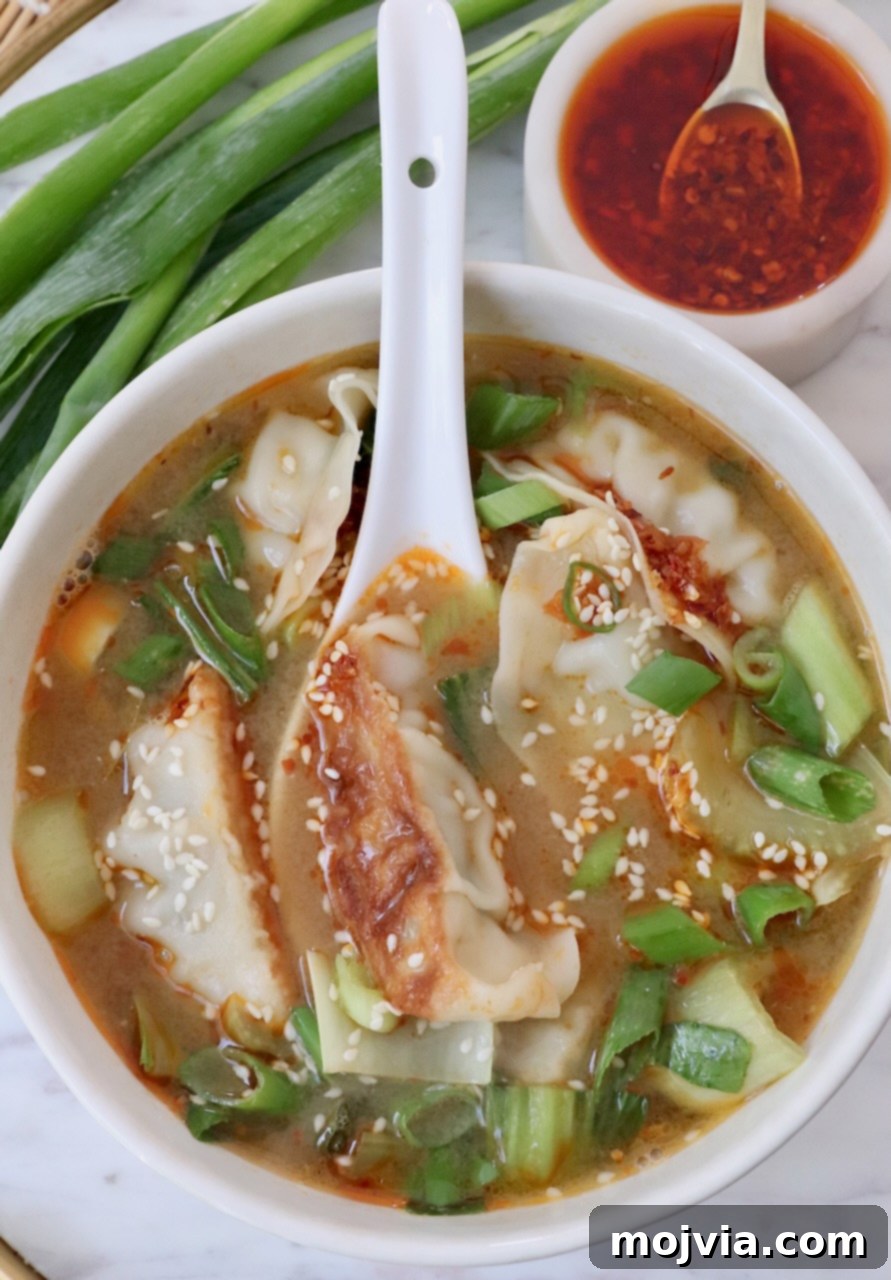
Table of Contents
- Gyoza Soup: A Fusion of Japanese Comfort
- Why You’ll Adore This Gyoza Soup
- Essential Ingredients for Your Gyoza Soup
- Step-by-Step Instructions for Gyoza Soup
- Dietary Adaptations for Your Gyoza Soup
- Storage and Reheating Tips
- Customize Your Soup: Optional Additions
- Expert Tips for the Best Gyoza Soup
- Frequently Asked Questions About Gyoza Soup
- Explore More Comforting Soup Recipes
In the realm of quick and flavorful meals, our Thai Coconut Potsticker Soup has long been a blog favorite, celebrated for its simplicity and the convenience of using frozen potstickers. Building on that success and popular demand, we’ve crafted an equally enticing Japanese-inspired creation: this extraordinary Miso Soup with Gyoza Dumplings.
This recipe harnesses the convenience of frozen gyoza to deliver a truly authentic and deeply satisfying experience. The entire preparation, from start to finish, clocks in at an astonishing 15 minutes, making it the ultimate solution for a fast and delicious weeknight dinner. But the magic doesn’t stop there – this soup is so delightful that leftovers are eagerly anticipated the next day, transforming into a perfectly warm and tasty lunch with minimal effort. It’s more than just a meal; it’s a culinary journey to Japan, brought right to your kitchen table.
Gyoza Soup: A Fusion of Japanese Comfort
Gyoza soup represents a delightful marriage of two iconic Japanese culinary traditions: the savory, umami-rich broth of miso soup and the succulent, tender texture of gyoza dumplings. While gyoza are typically pan-fried or steamed and served with a dipping sauce, incorporating them into a hearty soup creates a uniquely comforting and satisfying dish. This style of soup is particularly popular for its warming qualities and its ability to deliver a full meal in a single bowl.
Miso soup, a staple of Japanese cuisine, forms the backbone of this recipe. Its fermentation process imparts a complex flavor profile that is both earthy and slightly salty, providing a perfect counterpoint to the seasoned fillings of gyoza. The addition of ginger and garlic further elevates the aromatic depth, while fresh vegetables like bok choy contribute vibrant color and a gentle crunch. This soup is not just food; it’s an experience that nourishes the body and soul, embodying the essence of Japanese culinary artistry in an accessible, home-cooked format.
Why You’ll Adore This Gyoza Soup
- Unforgettably Delicious: This soup offers an incredible harmony of textures and flavors that will tantalize your taste buds. Imagine perfectly pan-fried gyoza with a slightly crispy exterior and juicy filling, swimming in a deeply aromatic, savory broth. Each spoonful delivers a burst of umami, balanced with subtle spice and freshness from the vegetables. It’s a symphony of tastes that creates an unparalleled culinary experience.
- Effortlessly Quick & Easy: Forget complicated recipes and lengthy cooking times. All you need is a single pot and a mere 15 minutes to whip up this gourmet-level meal. It’s designed for convenience, making it ideal for busy weeknights, last-minute cravings, or when you simply want a delicious, satisfying dinner without the fuss. The minimal cleanup is an added bonus!
- Explosion of Japanese Flavors: The broth is truly the star, a masterful blend of salty, subtly spicy, and rich umami notes. White miso paste provides its signature savory depth, while fresh ginger and garlic infuse it with an invigorating warmth. The chili garlic sauce adds a gentle kick, complementing the robust flavors. When you combine this exquisite broth with the crispy, flavorful gyoza and tender-crisp bok choy, you get a dish that’s bursting with authentic Japanese essence and absolutely off the charts in flavor.
- Nutritious and Wholesome: Beyond its incredible taste, this gyoza soup is packed with goodness. It features a balanced combination of protein from the gyoza, essential nutrients from vegetables like bok choy, and beneficial probiotics from miso. It’s a wholesome meal that feels indulgent yet is surprisingly good for you, providing comfort without compromise.
- Highly Customizable: This recipe serves as an excellent foundation for creativity. Whether you want to load it with extra vegetables, adjust the spice level, or add different toppings, this soup welcomes personalization. It’s a versatile dish that can be adapted to suit various preferences and dietary needs, making it a staple in any kitchen.
Essential Ingredients for Your Gyoza Soup
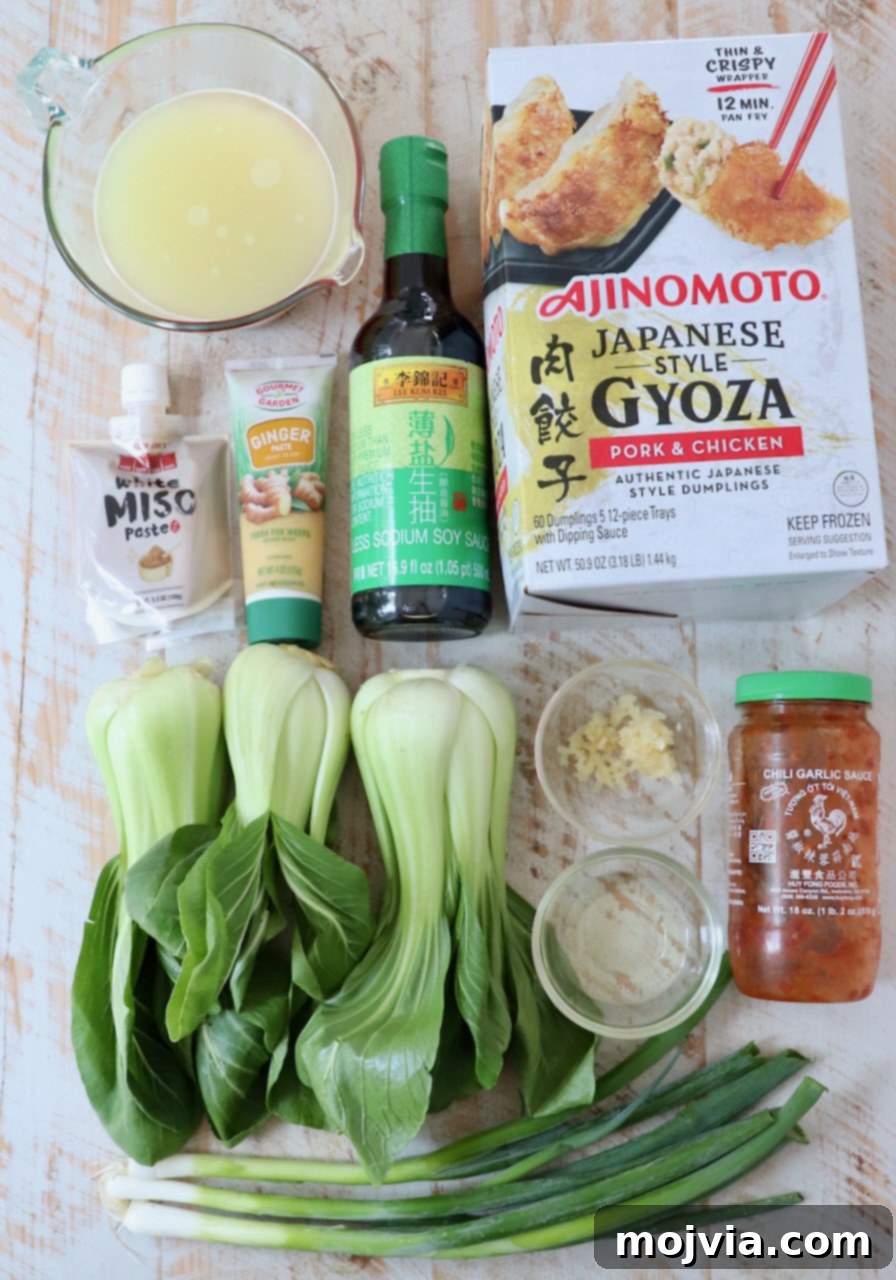
Crafting this quick and flavorful Gyoza Soup relies on a selection of readily available ingredients, each playing a crucial role in developing its rich Japanese flavor profile. Here’s a closer look at what you’ll need and why:
- Frozen Gyoza: The cornerstone of this convenient recipe! We used frozen chicken and pork gyoza from Costco for this particular batch, but the beauty of this dish is its flexibility. You can easily find frozen gyoza at most major grocery stores in the freezer aisle, or for an even wider selection, visit an Asian market. Feel free to choose your preferred filling—pork, chicken, vegetable, shrimp, or a combination of pork and chicken gyozas will all work wonderfully. The key is to select a high-quality brand you enjoy.
- Canola Oil: Essential for achieving that perfect golden-brown, crispy crust on your gyoza. Canola oil has a high smoke point, making it ideal for pan-frying. Other excellent alternatives include avocado oil, peanut oil, sunflower oil, or any other neutral-flavored vegetable oil suitable for high-heat cooking.
- Green Onions (Scallions): These provide a mild, fresh onion flavor and a vibrant green garnish. You’ll use them both in the initial aromatic sauté and as a fresh, crisp topping to brighten the finished soup. Their dual role adds depth and visual appeal.
- Minced Garlic: For the most potent and authentic flavor, we highly recommend using fresh garlic cloves, finely minced. The pungent aroma and taste of fresh garlic are irreplaceable. However, if you’re short on time or prefer convenience, a jar of pre-minced garlic can be used as a handy substitute.
- Ginger Paste: This ingredient is a true time-saver! Ginger paste can typically be found in the produce section of most large grocery stores, often near the pre-cut vegetables or in the international aisle. It’s incredibly easy to use and has a long shelf life in the refrigerator. Alternatively, if you have fresh ginger root, you can grate a knob of it directly into the soup for an equally vibrant flavor.
- Chicken Broth: This forms the savory base of our soup. For convenience, store-bought boxes of low-sodium chicken broth are perfect. If you prefer, you can also make your own chicken broth at home using chicken bouillon or bones for an even richer depth of flavor. Look for varieties with no added sugars or artificial flavors for the cleanest taste.
- Low-Sodium Soy Sauce: We specifically recommend a low-sodium variety for this recipe. Miso paste and chicken broth already contribute a significant amount of saltiness, so using low-sodium soy sauce allows you to control the overall salinity of the soup more effectively and prevent it from becoming overly salty.
- White Miso Paste (Shiro Miso): The heart of the soup’s umami profile. Miso is a delicious, fermented soybean paste that’s a cornerstone of Japanese cooking. White miso, or “shiro miso,” is a milder, sweeter variety perfect for soups. You’ll typically find it in the refrigerated vegan or international section of most major grocery stores, often near the produce. Many specialty grocery stores and Asian markets also carry an excellent selection of miso pastes, including popular options from Trader Joe’s.
- Chili Garlic Sauce: This sauce adds a delightful kick of spice and a garlicky undertone to the soup. It’s commonly found in the Asian section of major grocery stores. Composed of dried chilies, garlic, salt, and vinegar, it provides a balanced heat. For those who prefer a stronger chili spice flavor with a lighter garlic presence, chili paste (such as gochujang or sambal oelek) can be used as an alternative.
- Baby Bok Choy: This tender-crisp leafy green is the perfect vegetable addition to this dish, offering a pleasant texture and a mild, slightly sweet flavor. If baby bok choy isn’t available at your local grocery store, fresh spinach leaves make an excellent substitute. You can also experiment with other quick-cooking greens like napa cabbage or Swiss chard.
Step-by-Step Instructions for Gyoza Soup
Follow these detailed step-by-step photos and instructions to easily prepare this delicious Gyoza Soup at home. For precise ingredient quantities and a printable version, please refer to the recipe card section below.
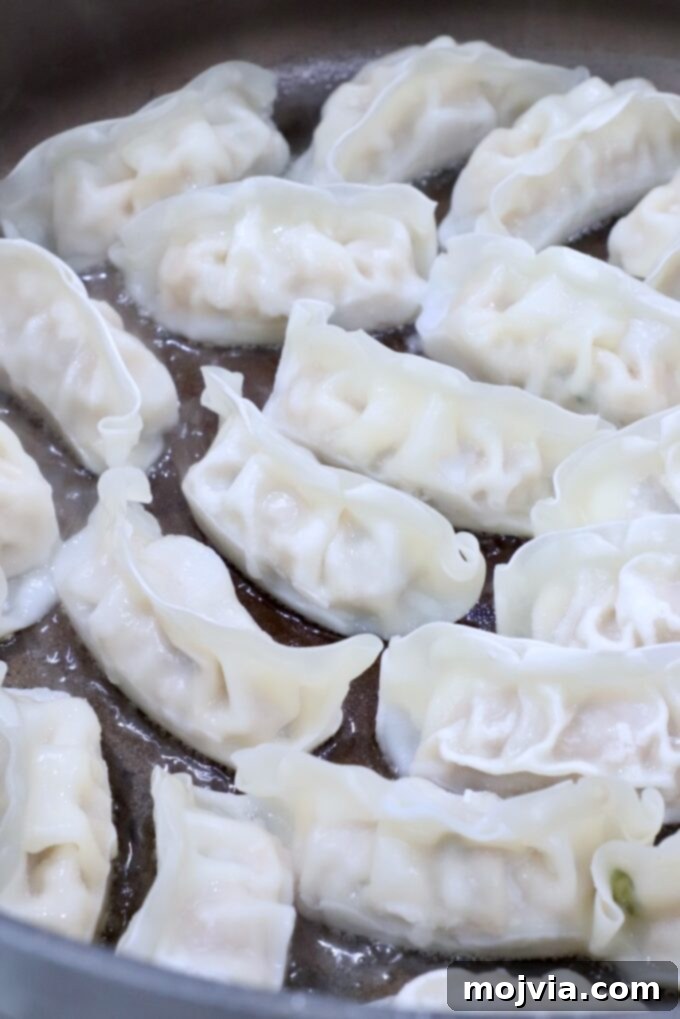
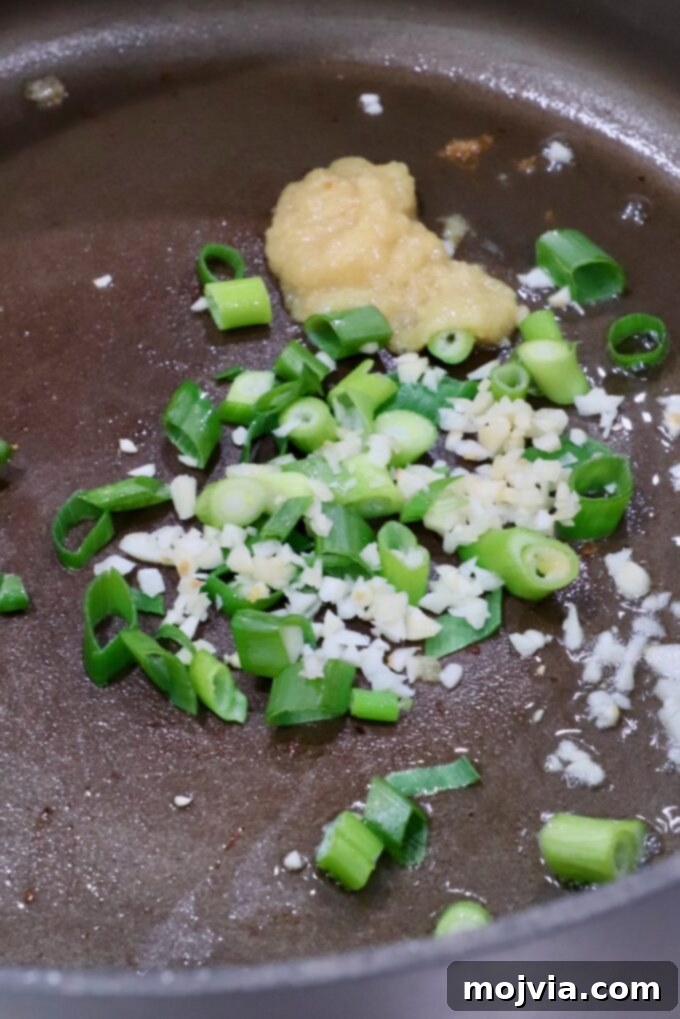
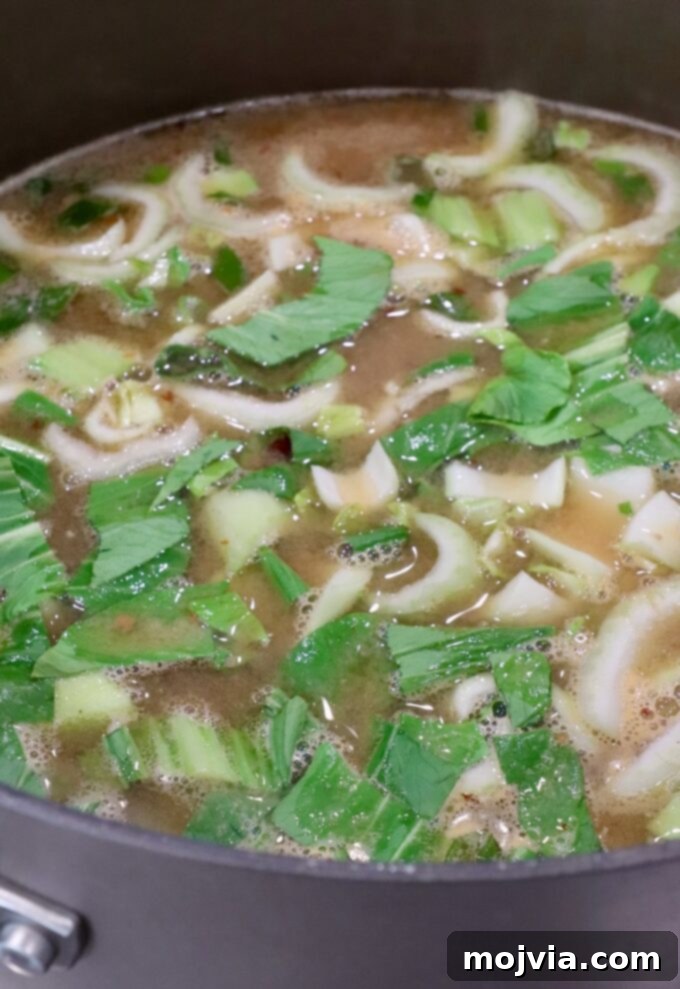
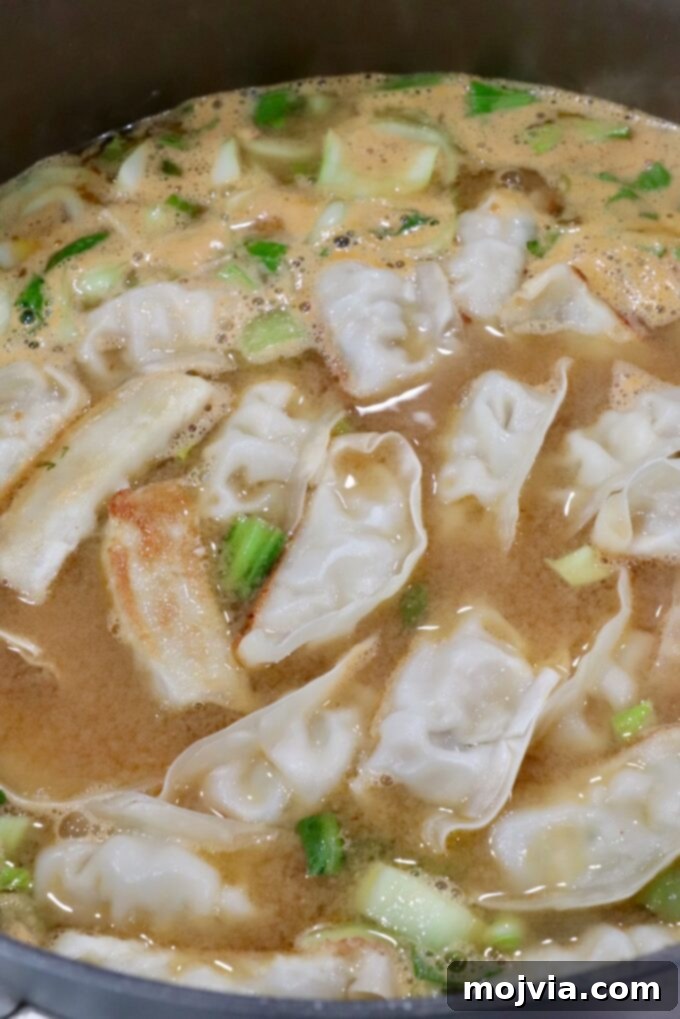
- Pan-Fry the Gyoza to Perfection: Begin by heating the canola oil in a large pot or a Dutch oven over medium-high heat on your stove. The oil should be shimmering but not smoking. Once the oil is hot, carefully add the frozen gyoza in a single layer, ensuring they don’t overlap. Cook them undisturbed for 5 minutes. This crucial step allows the bottom of the gyoza to develop a beautiful, golden-brown, crispy crust. It is very important NOT to move or flip the gyoza during this initial cooking time, as doing so can cause them to rip open and prevent them from achieving the desired crispness. After 5 minutes, use a sturdy spatula to gently lift and remove the pan-fried gyoza from the pot, taking care not to tear their delicate wrappers. Transfer them to a clean plate or cutting board and set aside for later.
- Build the Aromatic Base: With the same pot still on medium-high heat, add the thinly sliced green onions, minced garlic, and ginger paste. Sauté these aromatics for just 1 minute, stirring constantly, until they become fragrant. Be careful not to burn the garlic. The kitchen will fill with an inviting aroma, signaling the perfect time to proceed.
- Infuse and Simmer the Broth: Pour the chicken broth into the pot, stirring well to deglaze the bottom and incorporate any flavorful bits. Now, add the low-sodium soy sauce, white miso paste, and chili garlic sauce. Stir diligently until the miso paste is fully dissolved and all ingredients are thoroughly combined. Bring the liquid to a gentle simmer. Once simmering, add the chopped baby bok choy to the pot, cover it with a lid, and allow it to simmer for 3 minutes. This short simmering time will perfectly tenderize the bok choy while allowing the flavors to meld beautifully.
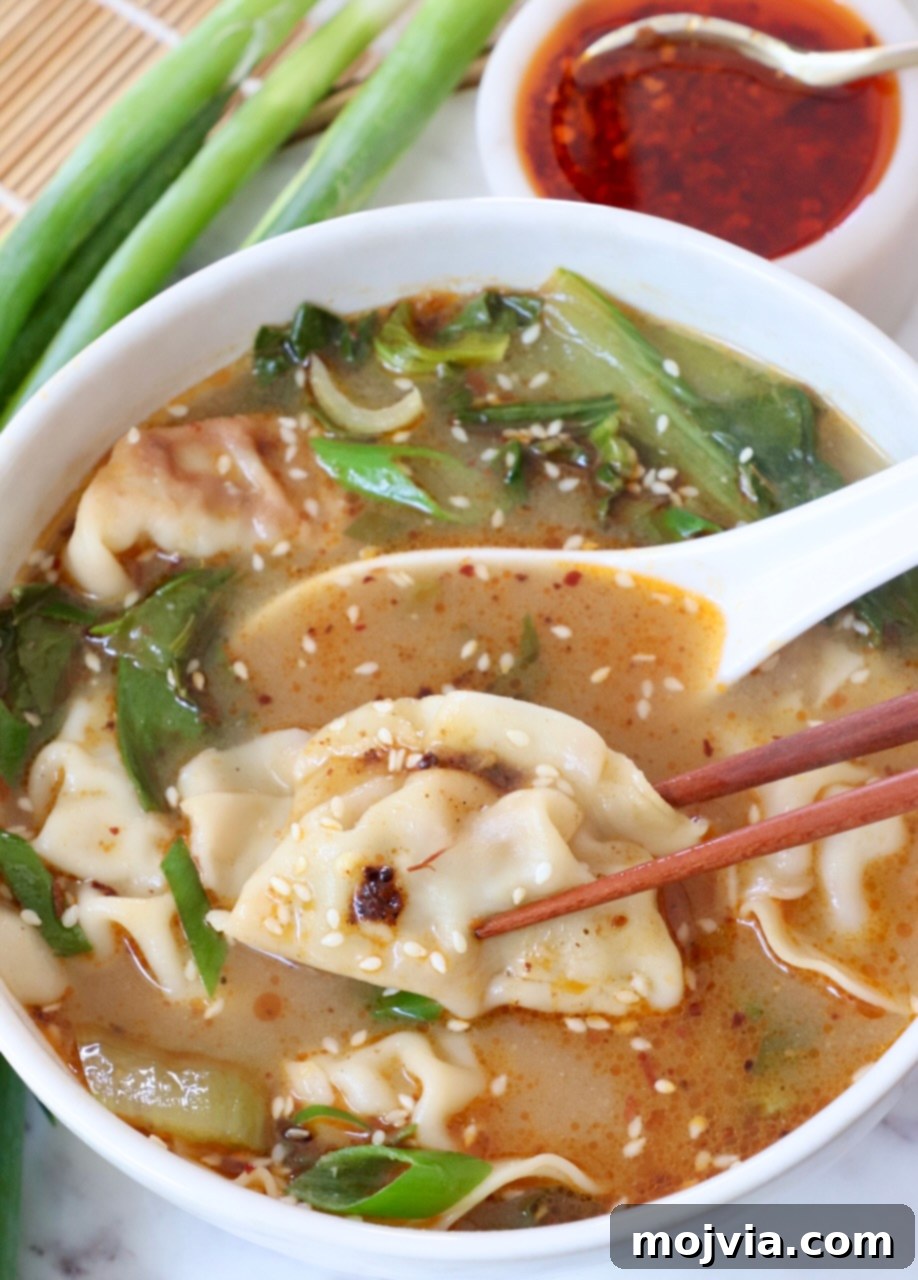
- Combine and Serve: Remove the lid from the pot and carefully add the previously pan-fried gyoza back into the simmering soup. Stir gently to ensure the gyoza are submerged and warmed through. Immediately remove the pot from the heat to prevent overcooking the gyoza, which can make them soggy. Use a ladle to spoon the flavorful Gyoza Soup into individual bowls. For an extra flourish and personalized touch, serve with a variety of toppings such as additional diced green onions, a sprinkle of toasted sesame seeds, or a drizzle of spicy chili crisp oil. Enjoy your homemade Japanese comfort food!
Dietary Adaptations for Your Gyoza Soup
This versatile Gyoza Soup recipe can be easily adapted to accommodate various dietary preferences without compromising on flavor:
Vegetarian: To make this recipe completely vegetarian, simply make two key substitutions. First, choose a vegetable-based gyoza filling (such as mushroom, cabbage, or tofu) instead of pork or chicken. Second, use a high-quality vegetable broth in place of chicken broth. Ensure your miso paste is also vegetarian-friendly, though most are. This combination will yield a rich and satisfying meat-free soup.
Gluten-Free: Achieving a gluten-free dumpling soup is straightforward with a few adjustments. Opt for gluten-free chicken potstickers (or any gluten-free dumpling variety) instead of traditional gyoza, as their wrappers are often wheat-based. Crucially, replace regular soy sauce with gluten-free soy sauce, also widely known as tamari. Most other ingredients, such as ginger paste, chili garlic sauce, and fresh vegetables, are naturally gluten-free. However, it’s always wise to double-check the labels on your miso paste and chicken broth to confirm they are certified gluten-free, as formulations can vary.
Low-Sodium: For those monitoring sodium intake, this soup can be adapted. Use very low-sodium chicken or vegetable broth, and ensure your soy sauce is the lowest sodium option available (or substitute with coconut aminos for an even lower sodium alternative). You can also reduce the amount of miso paste, or opt for a low-sodium miso, and taste as you go, adjusting seasonings with fresh herbs and a splash of rice vinegar instead of more salty components. Be mindful of chili garlic sauce, which can also contribute sodium, and use sparingly or opt for fresh chilies.
Storage and Reheating Tips
Proper storage and reheating are key to enjoying your Gyoza Soup leftovers. Here’s how to ensure they remain delicious and safe:
Storage: Any leftover gyoza soup should be transferred to an airtight container and stored in the refrigerator. It will maintain its best quality and be safe to consume for up to 7 days. Ensure the soup has cooled down significantly before refrigerating to prevent bacterial growth and to protect your appliance.
Reheating on the Stove: For the best results, reheat your gyoza soup in a pot on the stove. Place the pot over medium-high heat and gently warm the soup for 5-8 minutes, stirring occasionally, until it is heated through and simmering. This method helps the gyoza retain some of their texture and ensures even heating.
Reheating in the Microwave: If you’re pressed for time, the soup can also be reheated in a microwave-safe bowl. Microwave on high for approximately 2 minutes, or until thoroughly hot, stirring halfway through to distribute the heat evenly. Be aware that gyoza might become slightly softer using this method.
Freezing Recommendation: We generally do not recommend freezing this complete recipe with the gyoza included. The delicate wrappers of the gyoza tend to lose their desirable texture once frozen, defrosted, and reheated, often becoming mushy. However, if you wish to prepare components in advance, you absolutely can make and freeze the flavorful broth separately. Simply thaw the frozen broth, reheat it, and then add freshly pan-fried gyoza just before serving for an almost-instant meal that maintains optimal texture.
Customize Your Soup: Optional Additions
While this Gyoza Soup is undeniably delicious as written, it also serves as a fantastic canvas for personalization. Whether you want to boost the vegetable content, add a touch more heat, or load up on exciting toppings, here are some optional additions to inspire your culinary creativity:
- Mushrooms: For an earthy depth, consider adding sliced mushrooms. We recommend varieties like shiitake mushrooms (for an authentic Japanese flavor), baby bella mushrooms, or white button mushrooms. Add them to the pot before the green onions, garlic, and ginger, and cook for about 5 minutes until softened, then proceed with the recipe as instructed.
- Spinach: To effortlessly increase your leafy green intake, stir in a cup of fresh spinach at the very end of cooking, along with the bok choy. The residual heat of the soup will perfectly wilt the spinach. Alternatively, you can entirely replace the baby bok choy with 2 cups of spinach leaves if you prefer.
- Soft-Boiled Egg: Elevate your soup to a ramen-like experience by topping each bowl with a perfectly cooked soft or medium-boiled egg. For flawless results, follow a standard hard-boiled egg recipe but adjust the cooking time: aim for 6 minutes for delightfully runny soft-boiled eggs, or 8 minutes for a creamy medium-boiled yolk.
- Sriracha: If you crave extra heat, sriracha is your go-to! Stir 1 to 4 teaspoons (or more, to taste) of sriracha into the soup along with the miso paste and chili garlic sauce. This adds a vibrant, tangy spice.
- Bean Sprouts: For added crunch and freshness, stir in a cup of fresh bean sprouts with the baby bok choy. They cook quickly and add a wonderful textural contrast.
- Sesame Oil: For a rich, nutty finish that truly enhances the Asian flavors, drizzle a little toasted sesame oil over each serving of soup just before bringing it to the table. A small amount goes a long way.
- Noodles: Transform this soup into an even heartier meal by adding some cooked ramen noodles, udon noodles, or even glass noodles. Cook them separately according to package directions and add them to the serving bowls before ladling in the soup and gyoza.
- Tofu: For an additional protein boost or a vegetarian option, cubed silken or firm tofu can be gently added to the simmering broth along with the bok choy, absorbing all the wonderful flavors.
Expert Tips for the Best Gyoza Soup
Achieving a truly exceptional Gyoza Soup, even with a quick recipe, often comes down to a few expert tips. Incorporating these simple techniques can elevate your dish from good to unforgettable:
- Don’t Rush the Gyoza Sear: The initial pan-frying of the gyoza is critical. Resist the urge to move or flip them before the 5-minute mark. This undisturbed cooking time is essential for developing that desirable crispy, golden-brown crust, which adds a fantastic textural contrast to the tender dumplings in the soup. A crisp bottom prevents them from becoming entirely soggy in the broth.
- Proper Miso Dissolution: Miso paste is best incorporated by first whisking it with a small amount of warm broth in a separate bowl until smooth. Then, add this slurry back into the main pot. This prevents lumps and ensures the miso is evenly distributed throughout the soup. Avoid boiling miso vigorously, as high heat can diminish its delicate flavors and probiotic benefits.
- Taste and Adjust Seasoning: Even with precise measurements, broth flavors can vary. Always taste your soup before adding the bok choy and gyoza. Adjust the soy sauce or miso paste to your liking. If it tastes too salty, a splash of water or unsalted broth can help. If it needs more depth, a tiny bit more miso or a dash of rice vinegar can brighten it.
- Fresh Aromatics Make a Difference: While ginger paste is convenient, using fresh minced garlic and grated ginger can significantly boost the soup’s aromatic complexity. Take the extra minute to chop fresh ingredients for a noticeable difference.
- Don’t Overcook Vegetables: Baby bok choy cooks very quickly. Simmering it for just 3 minutes with the lid on is usually sufficient to make it tender-crisp. Overcooking will result in soggy, less flavorful greens. If using other quick-cooking greens like spinach, add them even later, just before adding the gyoza, allowing the residual heat to wilt them.
- Serve Immediately for Best Texture: While the soup reheats well, the gyoza are at their best when served shortly after being added to the hot broth. This ensures their delicious pan-fried texture is still somewhat intact before they fully absorb the liquid.
Frequently Asked Questions About Gyoza Soup
Here are answers to some common questions about making and enjoying Gyoza Soup:
- Can I use homemade gyoza instead of frozen? Absolutely! If you have homemade gyoza, you can pan-fry them just as you would the frozen ones before adding them to the soup. This will elevate the freshness and flavor even further.
- What kind of miso paste is best? White miso (shiro miso) is generally recommended for its milder, slightly sweeter flavor, which complements the gyoza without overpowering the broth. Red miso (aka miso) is stronger and saltier, but can be used if you prefer a more robust flavor, adjusting the amount to taste.
- Can I add other vegetables? Yes! Feel free to add quick-cooking vegetables like sliced carrots, snap peas, corn, or thinly sliced cabbage. Add them early enough to ensure they cook through, but not so early that they become mushy.
- How can I make the soup spicier? To increase the heat, you can add more chili garlic sauce, a dash of sriracha, a pinch of red pepper flakes, or even some fresh sliced jalapeños or bird’s eye chilies to the broth.
- Is this soup healthy? Yes, Gyoza Soup can be quite healthy! It’s packed with nutrients from the vegetables, protein from the gyoza, and beneficial probiotics from the miso. Using low-sodium broth and soy sauce helps manage sodium intake.
Explore More Comforting Soup Recipes
Curl up with a bowl of warmth and explore these other popular and comforting soup recipes from our collection!
Print Recipe
Pin Recipe
Rate this Recipe
Gyoza Soup
Ingredients
- 2 tablespoons canola oil
- 1 pound frozen gyoza
- ¼ cup green onions, thinly sliced
- 1 tablespoon minced garlic
- 1 tablespoon ginger paste
- 6 cups chicken broth
- 3 tablespoons low-sodium soy sauce
- 3 tablespoons white miso paste
- 1 tablespoon chili garlic sauce
- ½ pound baby bok choy, chopped (or 2 cups fresh spinach leaves)
Instructions
-
Heat the canola oil in a large pot or Dutch oven over medium-high heat. Once hot, add the gyozas in a single layer and cook for 5 minutes without moving or flipping.
-
After 5 minutes, use a spatula to gently remove the gyoza from the pot, taking care not to rip them. Set them aside on a plate or clean cutting board.
-
Add the green onions, minced garlic, and ginger paste to the pot. Cook for 1 minute until fragrant, then pour in the chicken broth.
-
Add the low-sodium soy sauce, white miso paste, and chili garlic sauce. Stir to combine everything thoroughly, ensuring the miso is dissolved, then bring the liquid to a gentle simmer.
-
Add the chopped baby bok choy to the soup, cover the pot with a lid, and simmer for 3 minutes until the bok choy is tender-crisp.
-
Remove the lid, add the pan-fried gyozas back into the pot. Stir gently to combine. Remove the pot from the heat and ladle the soup into bowls. Serve immediately with optional toppings like diced green onions, sesame seeds, or chili crisp oil.
Notes
- Crucial Gyoza Tip: It is paramount that you do NOT move or flip the gyoza during the initial 5-minute pan-frying step. This allows them to form a sturdy, crispy crust, preventing them from tearing open and ensuring their delightful texture in the soup.
- Vegetarian Adaptation: To make this recipe vegetarian, ensure you select vegetable-filled gyoza and substitute chicken broth with an equal amount of good quality vegetable broth.
- Gluten-Free Option: For a gluten-free version, use gluten-free chicken potstickers or other gluten-free dumplings, and substitute regular soy sauce with tamari, which is a gluten-free alternative. Always verify product labels for hidden gluten.
- Storage & Reheating: Store leftover gyoza soup in an airtight container in the refrigerator for up to 7 days. Reheat gently on the stove over medium-high heat for 5-8 minutes, or in a microwave-safe bowl for about 2 minutes, until piping hot.