
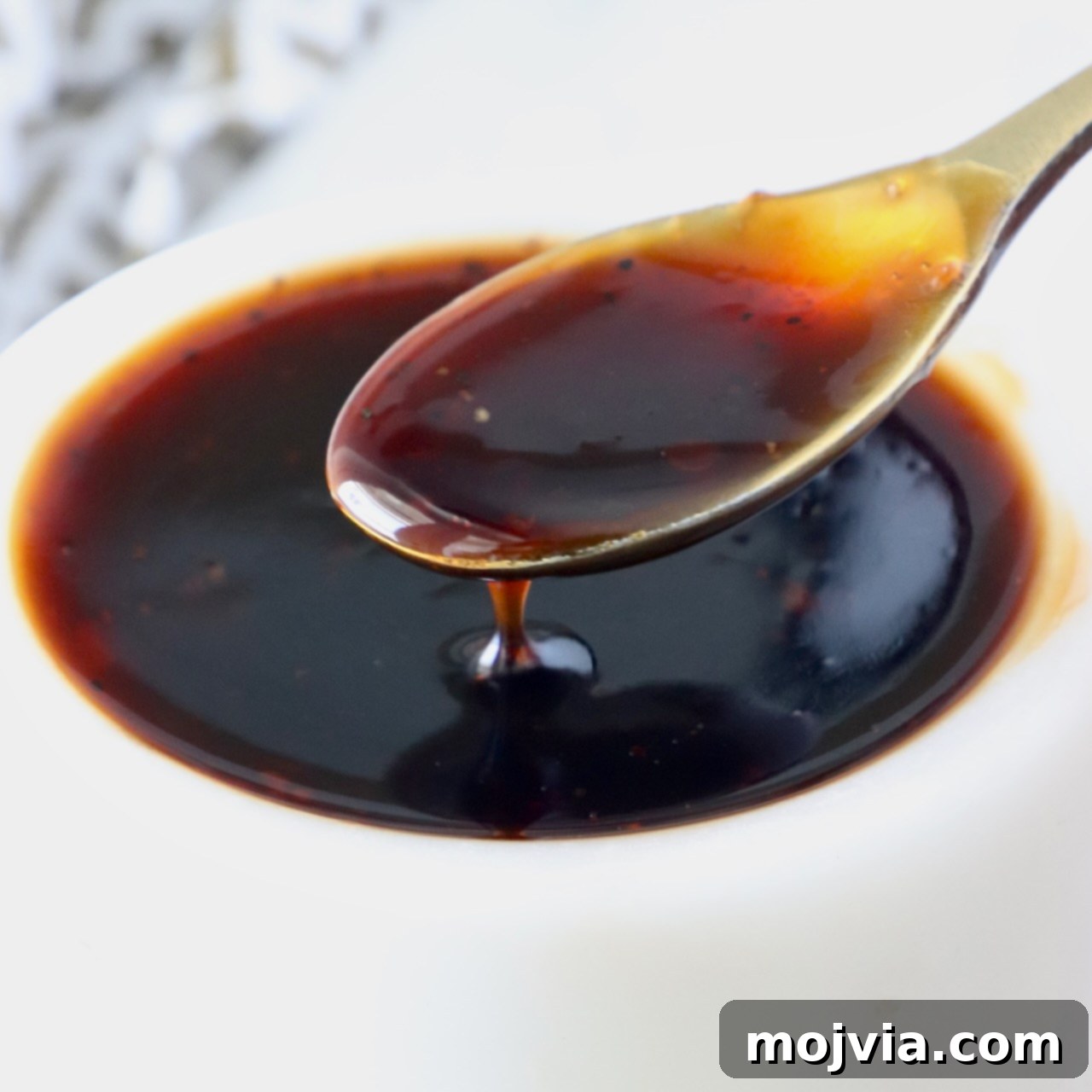
Welcome to your kitchen’s next essential condiment: this incredible homemade Korean BBQ Sauce. Forget bland, store-bought options; this recipe elevates your meals with a vibrant, authentic Korean flavor that’s both sweet and savory, with just the right touch of tang and a hint of spice. Crafted with a harmonious blend of classic ingredients like rich soy sauce, pungent garlic, fresh ginger, and the deep caramel notes of brown sugar, this sauce is a true game-changer. It’s incredibly versatile, perfect for marinating grilled meats, brushing onto succulent chicken wings, enhancing traditional bulgogi, or adding a burst of flavor to vibrant rice bowls and roasted vegetables. Best of all, it comes together in under 10 minutes, promising a depth of flavor that’s simply unparalleled. Get ready to transform your ordinary dishes into extraordinary Korean-inspired feasts!
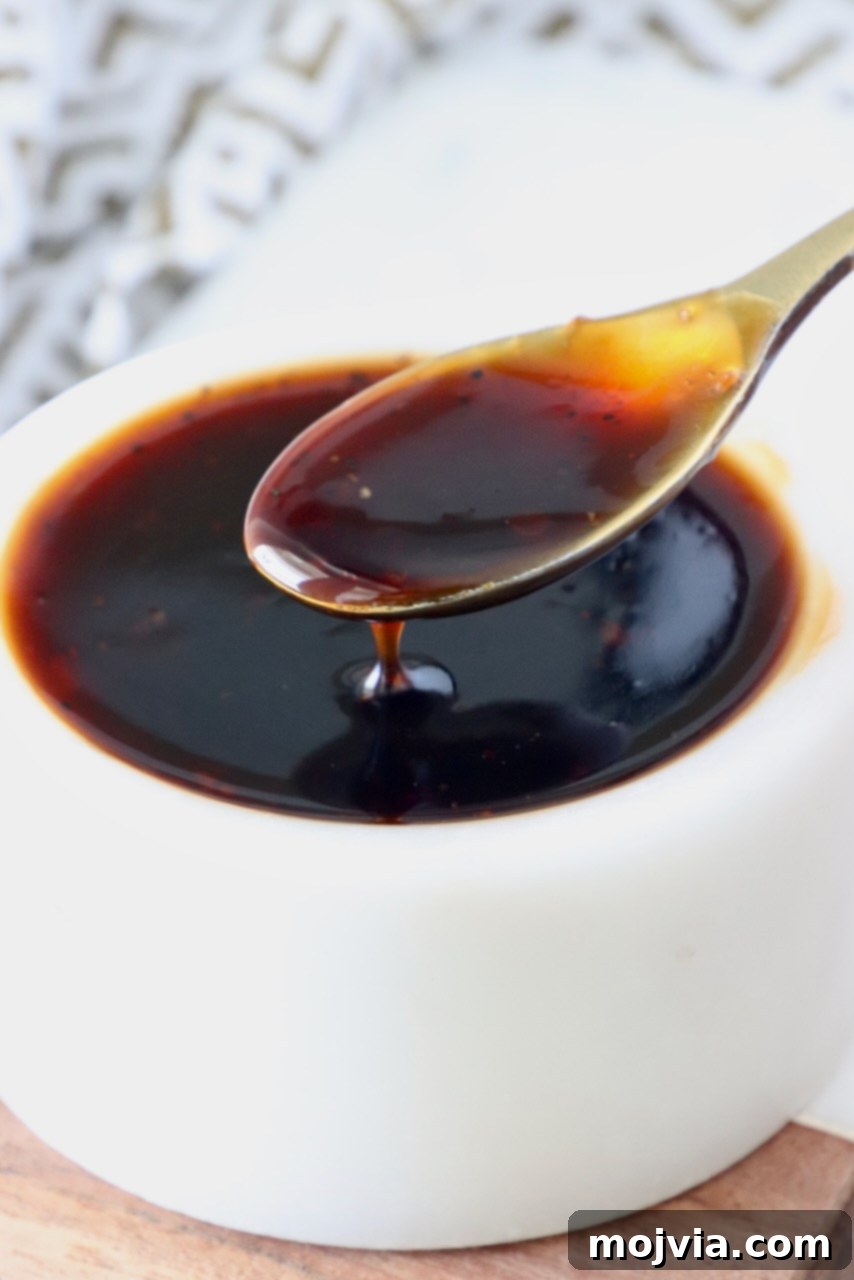
Why This Homemade Korean BBQ Sauce Recipe Stands Out
Since its initial appearance on the blog in 2015 as the star of Korean BBQ Chicken Tacos, this sauce has evolved into a household staple. Its incredible flavor profile has graced everything from gourmet pizzas to perfectly grilled chicken, sticky chicken wings, and melt-in-your-mouth short ribs. There’s truly no limit to its culinary applications. This isn’t just another condiment; it’s a versatile secret weapon for elevating countless dishes.
You’ll soon find yourself eager to incorporate this delectable sauce into a multitude of recipes, and luckily, we’re sharing plenty of inspiration right here. Here’s why this particular Korean BBQ sauce recipe isn’t just good, but truly the best you’ll ever make at home:
- A Symphony of Flavors: This homemade Korean BBQ sauce is a masterclass in flavor balance. The rich brown sugar provides a delightful sweetness and depth, while premium soy sauce delivers a foundational savory, umami saltiness. A bright splash of rice vinegar introduces a crucial acidic counterpoint, cutting through the richness and preventing the flavor from becoming too heavy, adding a vibrant tang. Finally, a touch of chili paste adds a gentle warmth and subtle spice, creating an intricate flavor experience that unfolds with every bite. It’s not just sweet or just salty; it’s a beautifully composed blend of all these elements, offering layers of complexity that bottle versions simply can’t replicate.
- Unrivaled Versatility for Any Meal: Imagine a sauce that can transform a simple chicken breast into a gourmet meal, elevate a humble steak, or bring life to roasted vegetables. This barbecue sauce does exactly that. Its robust and adaptable flavor profile makes it suitable for an astonishing array of dishes. Beyond the obvious grilled meats and chicken wings, think outside the box: drizzle it over homemade pizzas, mix it into vibrant rice bowls, or slather it onto tacos for an unexpected twist. Its versatility means you can prepare a batch over the weekend and effortlessly use it to infuse a variety of delicious meals throughout your busy week, making meal prep a breeze.
- Effortless & Quick Preparation: In today’s fast-paced world, convenience is key. This recipe understands that, requiring a mere 10 minutes of your time to create. With just 10 readily available ingredients, you can whip up a batch of this flavor-packed sauce without any culinary fuss. It’s an easy homemade sauce that delivers maximum impact with minimal effort, proving that gourmet flavors don’t have to be complicated or time-consuming.
- Superior to Store-Bought Options: While convenience is tempting, the quality and freshness of a homemade sauce are undeniable. Our Korean BBQ sauce boasts fresh ingredients, free from artificial preservatives, excessive sodium, or high-fructose corn syrup often found in commercial brands. Making it from scratch allows you to control the quality of each component and customize it to your precise taste preferences, ensuring a truly superior flavor experience that’s both healthier and infinitely more delicious than anything you’ll find on a supermarket shelf.
- Authentic Korean Flavor Profile: This recipe captures the essence of traditional Korean barbecue with its signature balance of sweet, savory, and spicy notes. While inspired by classic Korean ingredients, it’s designed to be approachable and easy to make in any home kitchen. The careful selection and proportion of ingredients like ginger, garlic, soy sauce, and chili paste work together to create a taste that is genuinely reminiscent of the vibrant culinary landscape of Korea, bringing a touch of Seoul’s renowned BBQ scene directly to your dining table.
Key Ingredients for the Perfect Korean BBQ Sauce
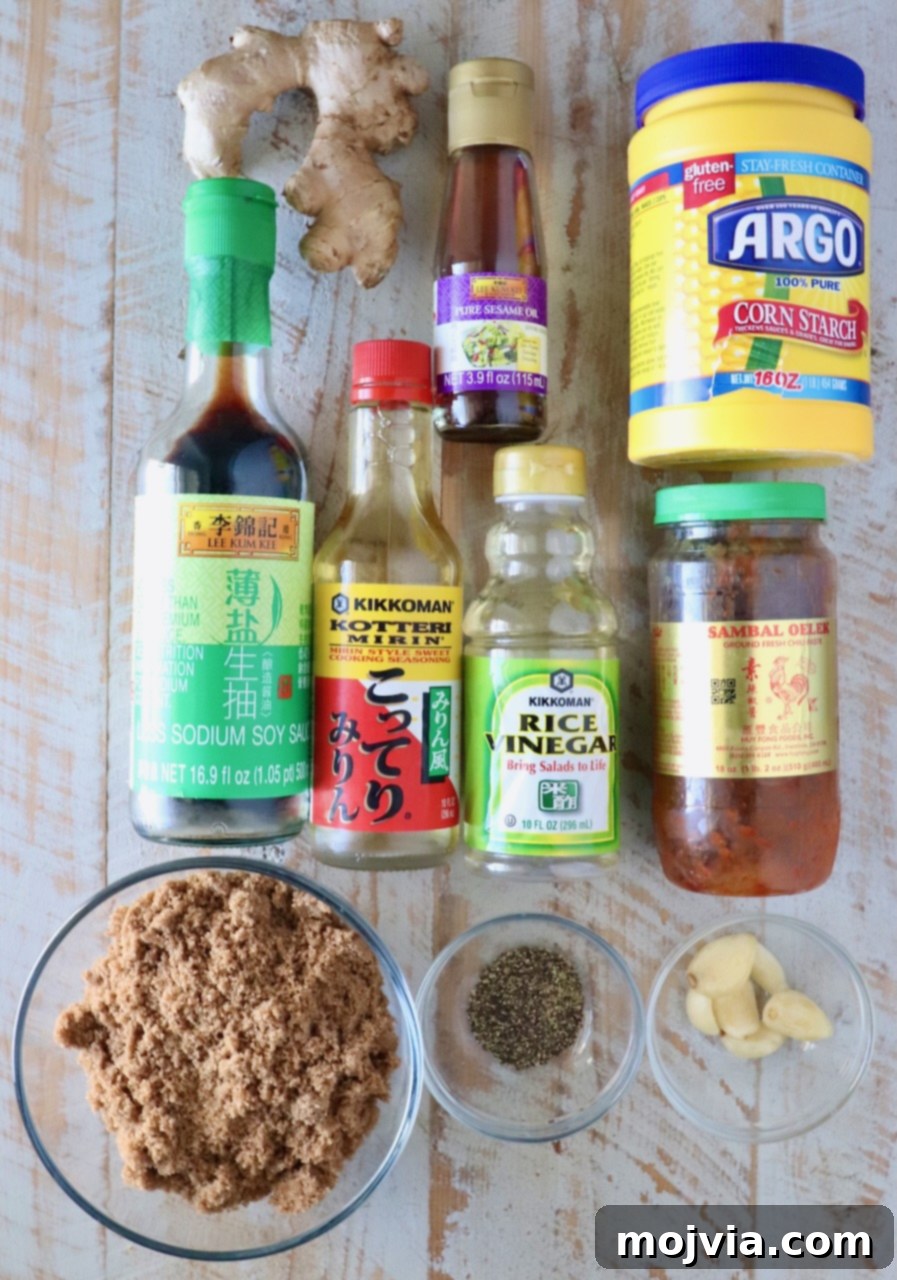
Crafting this exceptional Korean BBQ sauce relies on a handful of accessible ingredients, each playing a crucial role in developing its complex flavor profile. Below, we delve into the best choices for each component, its specific function, and convenient substitution options. For precise measurements, please refer to the detailed recipe card located at the end of this post.
- Brown Sugar: This is the cornerstone of the sauce’s signature sweetness. Brown sugar, particularly light brown sugar, contributes a molasses-rich flavor that adds depth and a beautiful caramelization when cooked. For an even deeper, more robust sweetness, you can opt for dark brown sugar, though it will slightly alter the final color and intensity.
- Soy Sauce: Providing the essential salty, umami-rich base, soy sauce is vital for that authentic savory kick. For those managing dietary restrictions, making this recipe gluten-free is simple by substituting with tamari, which is a gluten-free alternative that offers a similar flavor profile. If you need a soy-free and gluten-free option, coconut aminos work wonderfully, offering a slightly sweeter, milder flavor.
- Rice Vinegar: This clear, mild vinegar introduces a crucial bright acidity to the sauce. It perfectly balances the sweetness of the brown sugar and the richness of the soy sauce, preventing the flavor from becoming too heavy. It’s an essential component for achieving that characteristic tangy Korean BBQ taste.
- Mirin: A subtly sweet Japanese cooking rice wine, mirin is a fantastic addition for its unique flavor. It imparts a delicate sweetness, a touch of tang, and a complex umami depth that enriches the sauce significantly. You’ll typically find mirin in the Asian foods aisle of most major grocery stores. If mirin is unavailable, you can substitute it with an equal amount of additional rice vinegar, although the sauce might lose a touch of its characteristic sweetness and rounded flavor.
- Chili Paste: We recommend sambal oelek, a versatile spicy Asian paste made from ground chilies, for its clean heat and vibrant color. If you prefer a more distinctly Korean flavor and a milder spice level, gochujang paste is an excellent alternative. Gochujang is a fermented red pepper chili paste known for its savory, sweet, and moderately spicy profile, adding a unique depth of umami that distinguishes Korean cuisine. You can adjust the quantity of either paste to suit your preferred spice level.
- Sesame Oil: Toasted sesame oil is a must-have for its distinct, nutty aroma and flavor. A small amount goes a long way in adding an authentic East Asian essence to the sauce. Ensure you use toasted sesame oil for maximum flavor impact.
- Ground Black Pepper: A simple yet effective seasoning, ground black pepper adds a subtle warmth and a touch of piquancy that complements the other strong flavors in the sauce. Freshly ground pepper will offer the most vibrant flavor.
- Fresh Ginger: The pungent, zesty flavor of fresh ginger is indispensable. It adds a refreshing warmth and aromatic complexity. A handy tip: keep a knob of fresh ginger stored in an airtight container in your freezer. It’s remarkably easier to grate from its frozen state using a microplane, and you don’t even need to peel it first! This ensures you always have fresh ginger on hand.
- Fresh Garlic Cloves: Along with ginger, fresh garlic forms the aromatic backbone of this sauce. Its sharp, savory notes are crucial for creating a robust flavor foundation. For the best results, use freshly crushed or minced garlic.
- Cornstarch: This serves as the thickening agent for our sauce, giving it that desirable glossy, rich consistency that clings beautifully to meats and vegetables. When mixed with water to form a slurry, it creates a smooth, lump-free thickener.
- Water: Used in two capacities – initially as a base liquid in the sauce mixture and subsequently combined with cornstarch to create the thickening slurry.
Crafting Your Homemade Korean BBQ Sauce: Step-by-Step Instructions
Making this flavorful Korean BBQ sauce is a straightforward process that yields impressive results. Follow these simple steps to create a rich, authentic sauce in minutes. For visual guidance, refer to the step-by-step photos below. For the complete, detailed recipe instructions and precise measurements, please scroll down to the recipe card at the bottom of this post.
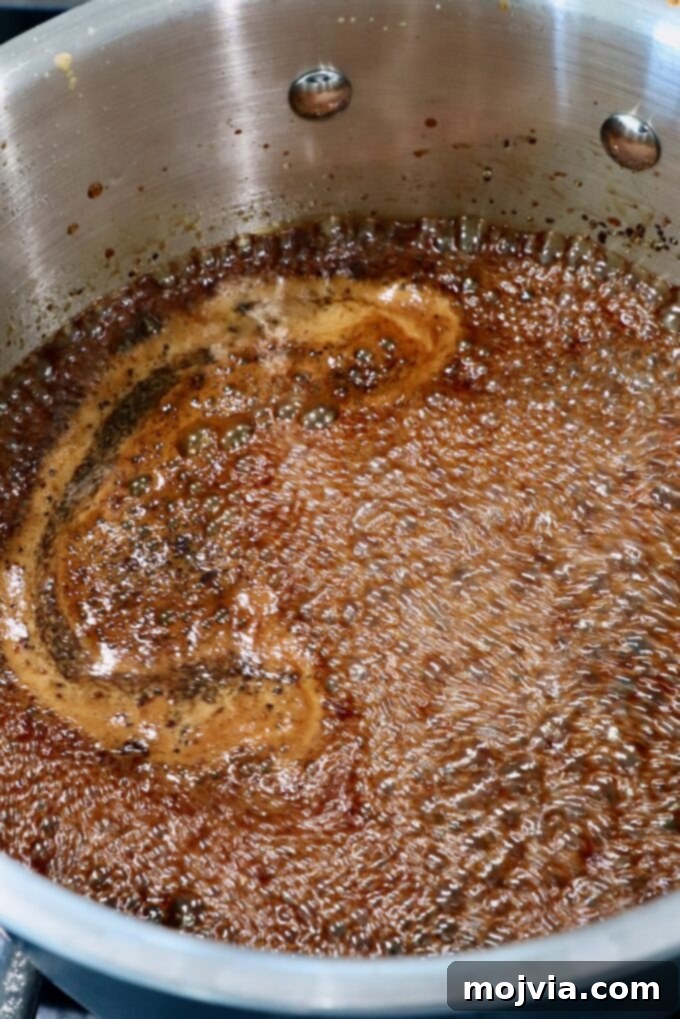
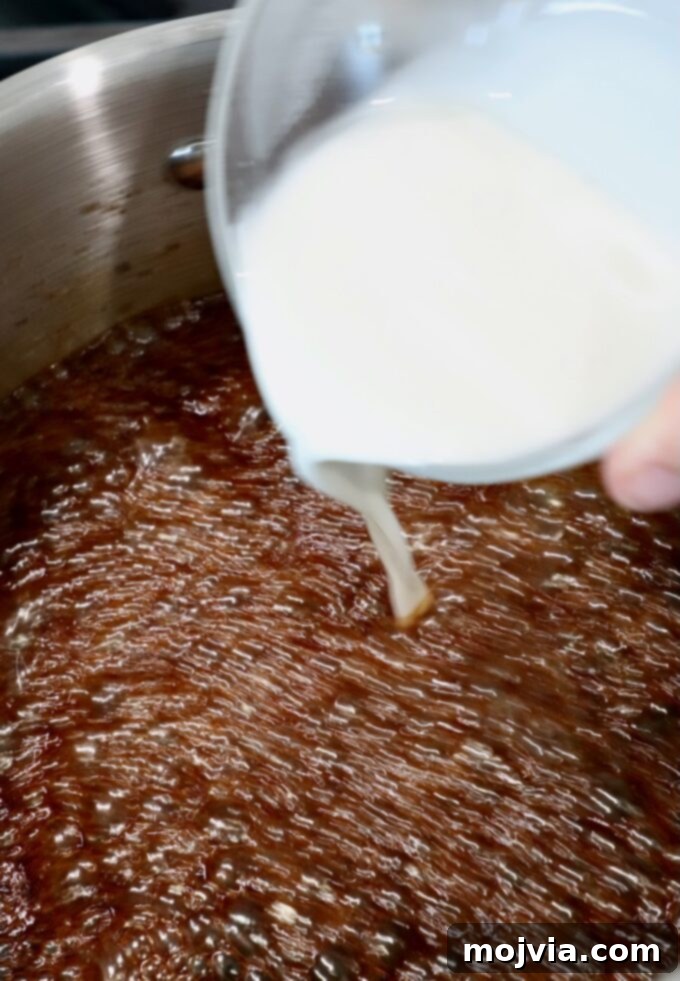
- Combine and Boil the Base: Begin by adding the brown sugar, soy sauce, mirin, water, rice vinegar, chili paste, sesame oil, black pepper, grated fresh ginger, and crushed fresh garlic to a medium saucepan. Place the saucepan on your stove and increase the heat to high. Bring this flavorful mixture to a rolling boil. Once boiling, allow it to cook vigorously for 5-7 minutes, stirring occasionally to ensure the sugar fully dissolves and the flavors begin to meld beautifully. This initial boil is crucial for integrating all the ingredients and developing a rich base.
- Prepare and Add the Cornstarch Slurry: While the sauce base is simmering, prepare your thickening agent. In a small, separate bowl, whisk together the cornstarch and 2 tablespoons of cold water until a smooth, lump-free slurry forms. After the sauce has boiled for 5 minutes, slowly pour this cornstarch slurry into the boiling sauce in the saucepan. Continue to whisk vigorously as you pour to prevent lumps and ensure even distribution.
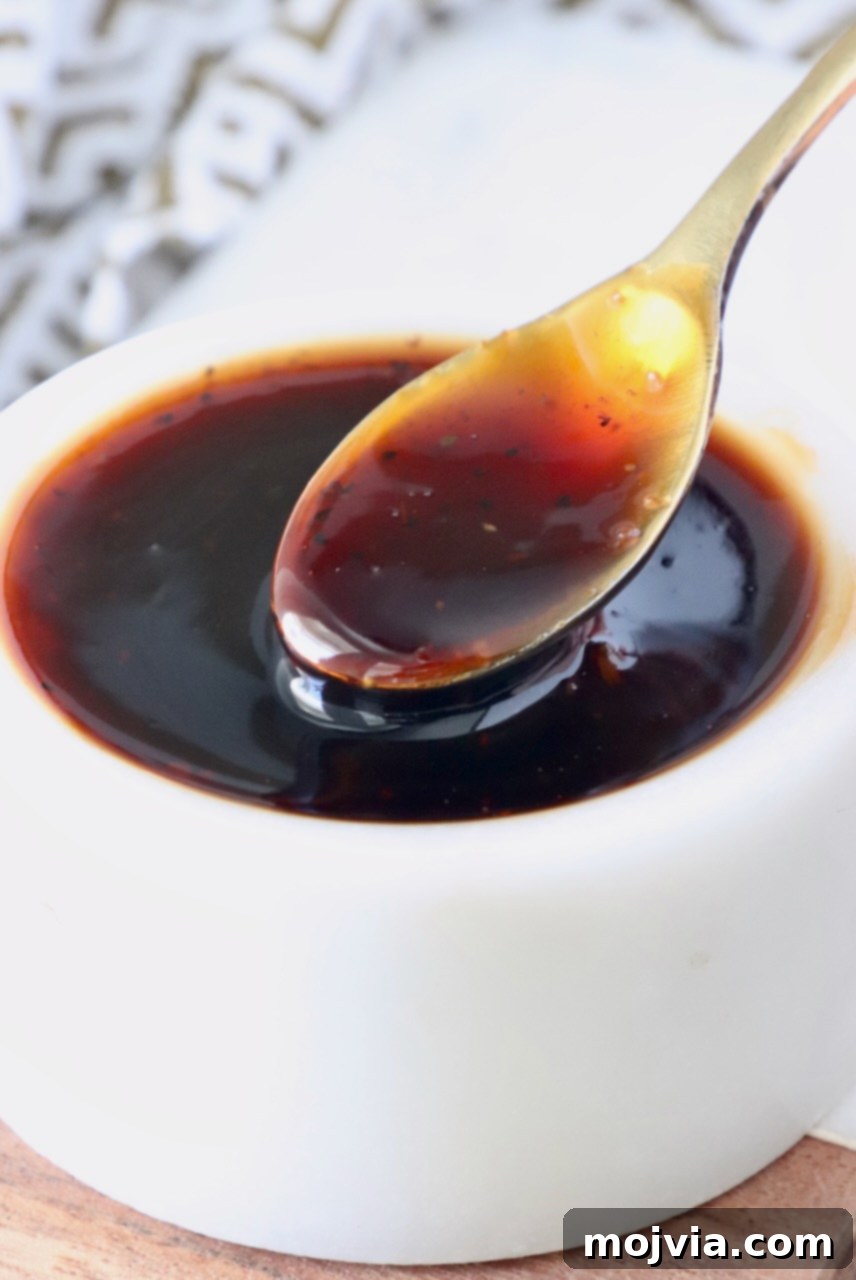
- Thicken to Perfection: Once the slurry is fully incorporated, reduce the heat on the stove to medium. Continue to cook the sauce for an additional 3-4 minutes, stirring regularly. You will notice the sauce gradually thicken and become glossy. Cook until it reaches your desired consistency – a perfect Korean BBQ sauce should be thick enough to coat the back of a spoon but still pourable.
- Cool and Store: Once the sauce has reached your preferred thickness, remove it from the heat immediately. You can use it warm in your favorite recipe, or allow it to cool completely to room temperature before storing. Transfer the cooled sauce to an airtight container and refrigerate for up to 2 weeks. This homemade sauce is excellent for meal prep, allowing you to have delicious Korean flavor at your fingertips.
Storage Tips for Your Homemade Korean BBQ Sauce
Proper storage ensures your delicious homemade Korean BBQ sauce stays fresh and flavorful for longer.
- Refrigeration: Once your sauce has cooled completely to room temperature, transfer it to an airtight container. A glass jar with a tight-fitting lid or a plastic container works perfectly. Store it in the refrigerator for up to 2 weeks. Always make sure the container is sealed to prevent any absorption of other refrigerator odors.
- Freezing: For longer-term storage, this Korean BBQ sauce freezes beautifully. Pour the cooled sauce into freezer-safe containers or heavy-duty freezer bags. Leave a little headspace if using containers, as liquids expand when frozen. It can be frozen for up to 3-4 months. When ready to use, simply thaw in the refrigerator overnight or gently reheat from frozen on the stovetop over low heat, stirring frequently. If it appears a little thin after thawing, you can whisk it over low heat for a minute or two to bring back its ideal consistency.
- Freshness Check: Before using any stored sauce, always do a quick check. Look for any signs of mold, off-colors, or unusual odors. While our recipe is free from preservatives, proper refrigeration and storage will help maintain its quality for the stated period.
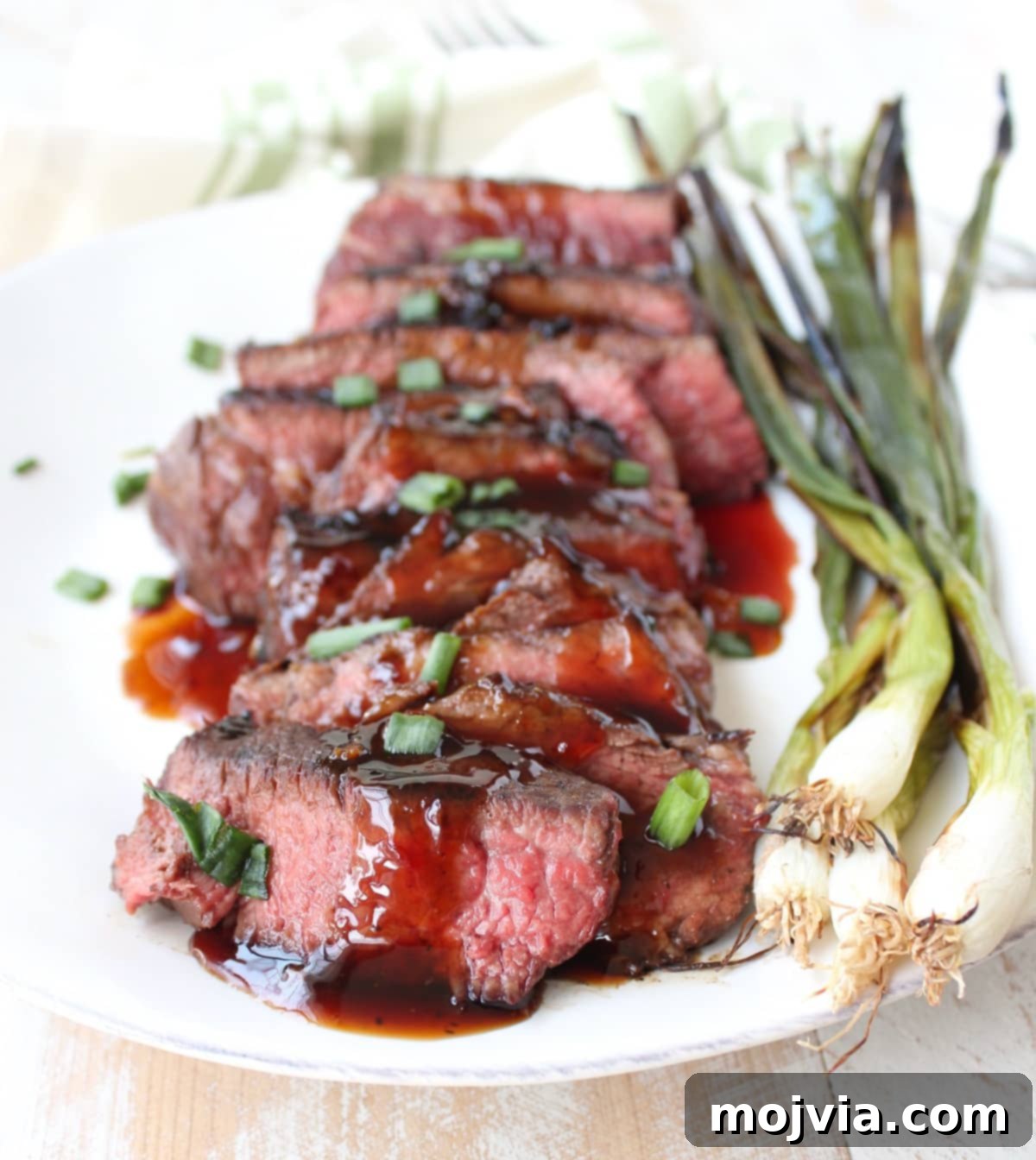
Creative Ways to Enjoy Your Versatile Korean BBQ Sauce
The true magic of this Korean barbecue sauce lies in its incredible versatility. Since its inception in 2015, I’ve had the pleasure of incorporating it into nearly a dozen distinct and equally delicious recipes. Each application showcases its dynamic flavor profile, and I’m excited for you to discover your favorite! Here’s a comprehensive list of ideas to inspire your culinary adventures with this amazing sauce:
- Korean BBQ Short Ribs (pictured above): A classic pairing! Marinate tender short ribs in this sauce for a few hours, then grill or braise them to perfection. The sauce caramelizes beautifully, creating a rich, sticky glaze.
- Korean BBQ Burgers: Take your burger night up a notch by mixing this sauce into your ground beef patty mixture or slathering it generously on top of grilled patties. It adds an unexpected depth and sweetness.
- Grilled Korean BBQ Chicken: Brush this sauce onto chicken thighs, breasts, or drumsticks during the last few minutes of grilling for a succulent, flavor-packed meal. The sauce creates a fantastic crust.
- Korean BBQ Grilled Salmon: A lighter option, yet equally delicious. Glaze fresh salmon fillets with the sauce and grill or bake until flaky and tender. The sweet and savory notes complement the rich fish wonderfully.
- Korean BBQ Cauliflower Rice Bowl: For a healthy and vibrant meal, toss roasted cauliflower florets with the sauce and serve over cauliflower rice with your favorite toppings like kimchi, avocado, and a fried egg.
- Slow Cooker Korean BBQ Chicken Tacos: The original inspiration! Slow cook chicken with the sauce until it’s fall-apart tender, then shred and serve in warm tortillas with crunchy slaw and a drizzle of extra sauce.
- Korean BBQ Beef: Whether thinly sliced beef for stir-fries or beef tips for skewers, this sauce makes an exceptional marinade. The flavors penetrate the meat, ensuring every bite is bursting with taste.
- Korean BBQ Chicken Pizza: Move over, traditional BBQ pizza! Use this sauce as a flavorful base, top with cooked chicken, mozzarella, red onion, and cilantro for a fusion masterpiece.
- Korean Fried Cauliflower: A fantastic vegetarian appetizer or side. Toss crispy fried cauliflower with this sauce for an irresistible sweet and spicy kick.
- Slow Cooker Korean BBQ Meatballs: Perfect for appetizers or a hearty dinner. Simmer meatballs in the slow cooker with this sauce for an easy, crowd-pleasing dish.
- Korean BBQ Beef and Noodle Bowl: Combine tender beef, your favorite noodles, and an ample amount of this sauce for a comforting and incredibly satisfying one-bowl meal.
But the applications don’t stop there! Feel free to get creative:
- Chicken Wings: Toss freshly made smoked chicken wings or crispy air fryer chicken wings generously with this sauce for an irresistible appetizer or game-day treat.
- Dipping Sauce: It serves as an outstanding dipping sauce for almost anything! Think crispy french fries, tender chicken strips, spring rolls, or even fresh vegetable sticks.
- Pulled Meats: Elevate your next BBQ by mixing it with smoked pulled pork or rich pork belly burnt ends for an incredible flavor boost.
- Marinade: Use it as a vibrant marinade for beef, pork, or chicken before grilling, roasting, or pan-frying. Allow at least 30 minutes for flavors to penetrate, or overnight for maximum impact.
- Vegetable Enhancer: Drizzle the sauce over roasted or grilled vegetables like asparagus, broccoli, bell peppers, or zucchini for a quick and flavorful side dish.
With this incredible Korean BBQ sauce, the culinary possibilities are genuinely endless. Let your imagination run wild and discover all the delicious ways you can incorporate this sweet, savory, and tangy elixir into your cooking!
Adjusting the Spice Level of Your Korean BBQ Sauce
Our foundational Korean BBQ sauce recipe is designed to be well-balanced, leaning more towards the sweet and savory end of the spectrum with a mild, approachable level of spice. This makes it a crowd-pleaser and a great base for customization.
However, if you’re a fan of more pronounced heat and want to kick up the spice, it’s incredibly easy to do! You can confidently add an additional 2 to 4 tablespoons of chili paste (either sambal oelek for direct heat or gochujang for a more complex, fermented spice) to the simmering sauce. We recommend adding it incrementally. Once the sauce is fully prepared and has cooled slightly, taste it. If you desire even more heat, you can stir in small amounts of chili paste until it reaches your perfect level of piquancy. Remember, you can always add more spice, but it’s much harder to reduce it once incorporated! For an extra fiery kick, a dash of red pepper flakes could also be considered.
Frequently Asked Questions (FAQ)
- Can I make this Korean BBQ sauce ahead of time?
Absolutely! This sauce is fantastic for meal prep. You can prepare a batch and store it in an airtight container in the refrigerator for up to 2 weeks. In fact, the flavors often meld and deepen further after a day or two, making it even more delicious. - Is this recipe gluten-free?
The base recipe uses soy sauce, which contains gluten. However, it can easily be made gluten-free by substituting traditional soy sauce with tamari, a widely available gluten-free alternative that maintains a similar flavor profile. For a soy-free and gluten-free option, use coconut aminos. - Can I make this sauce vegan or vegetarian?
Yes, this Korean BBQ sauce is inherently vegan and vegetarian! All the ingredients are plant-based, making it a wonderful flavor enhancer for tofu, tempeh, roasted vegetables, or plant-based protein alternatives. - What if I don’t have Mirin?
Mirin adds a unique sweetness and umami depth. If you don’t have it, you can substitute with an equal amount of rice vinegar, possibly adding a pinch more sugar to compensate for the lost sweetness. While the flavor will be slightly different, it will still be delicious. - How can I make this sauce thicker or thinner?
For a thicker sauce, you can increase the amount of cornstarch in the slurry by half a tablespoon. Ensure it’s fully dissolved in water before adding. For a thinner sauce, simply reduce the cornstarch or add a tablespoon or two of water or low-sodium vegetable broth to the finished sauce until it reaches your desired consistency. - Can I use ground ginger and garlic instead of fresh?
While fresh ginger and garlic provide the most vibrant and authentic flavor, you can use ground alternatives in a pinch. As a general rule, use about 1/4 teaspoon of ground ginger for every tablespoon of fresh ginger, and 1/2 teaspoon of garlic powder for every clove of fresh garlic. Be aware that the flavor profile will be slightly less intense and aromatic.
Explore More Homemade Sauce Recipes
If you’ve enjoyed elevating your meals with this fantastic Korean BBQ sauce, you’re in for a treat! Mastering the art of homemade sauces is a culinary superpower, allowing you to infuse incredible flavor and freshness into countless dishes. Ready to level up your sauce game even further? Discover some of the most popular and beloved sauce recipes from our collection:

Print Recipe
Pin Recipe
Rate this Recipe
Homemade Korean BBQ Sauce
This irresistible homemade Korean BBQ Sauce is the ultimate flavor-booster, delivering a perfect balance of sweet, savory, and tangy notes. Crafted easily from soy sauce, garlic, ginger, and brown sugar, it brings authentic Korean taste to any dish – from grilled meats and chicken wings to bulgogi, rice bowls, and fresh veggies. Ready in just 10 minutes, it’s a far superior choice to any store-bought alternative!
Ingredients
- 1 ½ cups brown sugar
- 1 ½ cups soy sauce, Tamari for gluten-free
- ½ cup mirin
- ½ cup water
- 2 tablespoons rice vinegar
- 3 tablespoons chili paste (sambal oelek)
- 1 tablespoon sesame oil
- 1 teaspoon ground black pepper
- 1 tablespoon fresh ginger, grated
- 6 cloves garlic, crushed
- 2 tablespoons cornstarch
- 2 tablespoons water
Instructions
-
Add brown sugar, soy sauce, mirin, water, rice vinegar, chili paste, sesame oil, black pepper, garlic and ginger to a medium saucepan on the stove. Turn the heat on the stove up to high and bring the mixture to a boil. Cook for 5-7 minutes, stirring occasionally.
-
In a small bowl, combine cornstarch and water to make a cornstarch slurry. Pour this mixture into the boiling sauce after 5 minutes. Whisk this mixture into the sauce until it’s fully combined.
-
Reduce the heat on the stove to medium and cook for 3-4 minutes, stirring regularly until the sauce is cooked down to your desired thickness.
-
Remove the sauce from the stove and use it immediately in a recipe or let it cool to room temperature, then store it in an airtight container in the refrigerator for up to 2 weeks.
Notes
- Spice Level Adjustment: The default sauce is mildly spicy. To increase the heat, add an extra 2-4 tablespoons of chili paste (sambal oelek or gochujang). Taste and adjust after the sauce is prepared to achieve your preferred level of spiciness.
Nutrition Facts
Carbohydrates: 13g (4%)
Protein: 1g (2%)
Fat: 0.5g (1%)
Saturated Fat: 0.1g (1%)
Polyunsaturated Fat: 0.2g
Monounsaturated Fat: 0.2g
Sodium: 639mg (27%)
Potassium: 46mg (1%)
Fiber: 0.1g
Sugar: 11g (12%)
Vitamin A: 3mg
Vitamin C: 0.4mg
Calcium: 13mg (1%)
Iron: 0.4mg (2%)
Did you make this recipe?
Tag @WhitneyBond on Instagram and hashtag it #WBRecipes!