
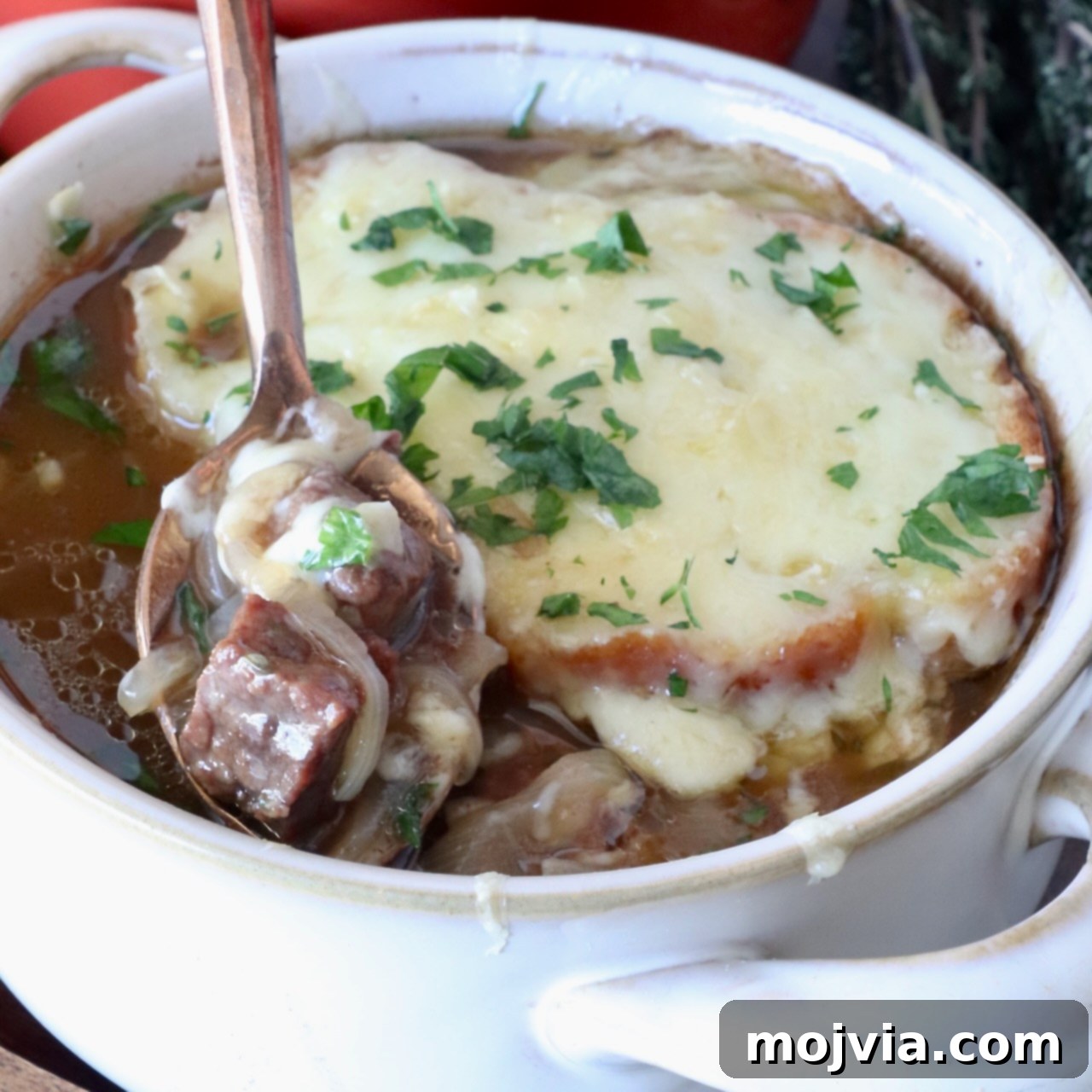
Craving a dish that deeply satisfies both your soul and your palate? Look no further than this incredible French Onion Beef Stew recipe. This culinary masterpiece seamlessly blends the rich, complex flavors of classic French onion soup with the hearty, comforting essence of a tender beef stew. Imagine succulent, fall-apart beef pieces swimming in a savory, aromatic broth, infused with the sweetness of perfectly caramelized onions and the earthy notes of fresh garlic and herbs. It’s the ultimate cozy comfort food, meticulously crafted to deliver a profound depth of flavor in every single bite. Slow-simmered to perfection, this stew is guaranteed to become a family favorite, perfect for chilly evenings or any time you desire a truly memorable meal. Serve it traditionally, topped with a slice of crusty French bread and a generous layer of bubbly, melted Gruyère cheese, for an authentic French bistro experience right in your own home. This French Onion Beef Stew isn’t just a meal; it’s an experience that brings warmth and joy to your dining table.
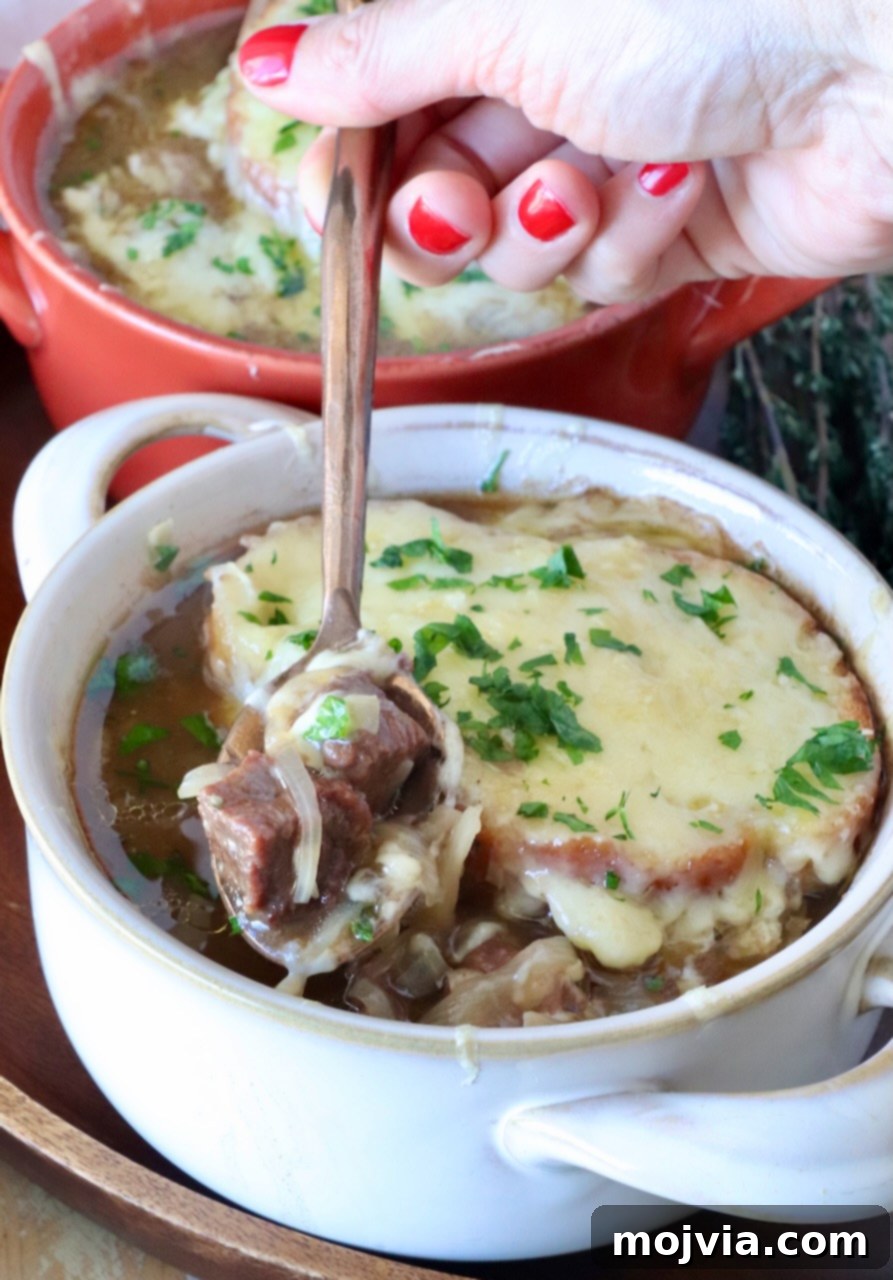
Unlocking Unforgettable Flavor: The Secret to Our French Onion Beef Stew
Have you ever wondered why the French onion soup served at high-end steakhouses tastes so exceptionally rich and robust? The secret lies in their superior beef stock and the masterful layering of flavors. In this unique French Onion Beef Stew recipe, we’ve taken that inspiration and elevated it by cooking the beef directly into the stew, allowing it to slowly absorb and contribute to that magnificent flavor profile.
After extensive testing and meticulous refinement, I’ve perfected a method that ensures every spoonful of this stew bursts with incredible, complex flavors. Here’s a breakdown of the key techniques that create such a delicious and hearty French Onion Beef Stew:
- The Art of Caramelizing Onions First: This initial step is paramount. By patiently cooking the thinly sliced onions on their own, over a long period, we allow their natural sugars to slowly caramelize. This transformation deepens their flavor from sharp to wonderfully sweet and jammy, creating an essential foundational layer for the stew. This slow cooking process extracts and concentrates their sweetness, yielding a profound depth of flavor that is truly the soul of French onion dishes.
- Utilizing a Rich, High-Quality Beef Stock: Since the beef stock forms the very base of our stew, its quality is non-negotiable. I cannot stress enough the importance of using a high-quality, rich beef stock. Unlike thinner beef broth, a good stock boasts a thicker consistency, a more profound beefy flavor, and a wealth of gelatin from bones, which contributes to a luxurious mouthfeel and savory umami. This robust foundation is crucial for achieving that authentic, deep French onion taste.
- Searing the Beef in a Hot Pan for Depth: Before the beef embarks on its long, slow journey to tender perfection, a quick sear in a hot pan is vital. This high-heat searing creates a beautiful, caramelized crust on the outside of the meat, thanks to the Maillard reaction. This browning process not only locks in the beef’s juices but also develops incredibly rich, complex flavors that add another dimension to the final stew, ensuring every piece of beef is as flavorful as it is tender.
- Deglazing the Pan for Every Drop of Flavor: After searing the beef, the browned bits left at the bottom of the pot (known as “fond”) are a treasure trove of flavor. Deglazing the pan with a bit of beef stock or even red wine allows these savory morsels to release, enriching the broth with their concentrated goodness. This simple yet crucial step ensures no flavor is left behind.
- Slow Simmering for Unrivaled Tenderness: The final, and perhaps most important, technique is the slow simmering process. Allowing the beef and all the ingredients to cook gently over several hours in the oven ensures the chuck roast breaks down beautifully, becoming incredibly tender and melt-in-your-mouth. This extended cooking time also allows all the flavors to meld and deepen, transforming individual ingredients into a cohesive, harmonious stew.
By diligently following these steps, you’re not just making a stew; you’re crafting a culinary masterpiece that embodies the essence of comfort food with sophisticated French flavors.
Key Ingredients and Smart Substitution Ideas for Your French Onion Beef Stew
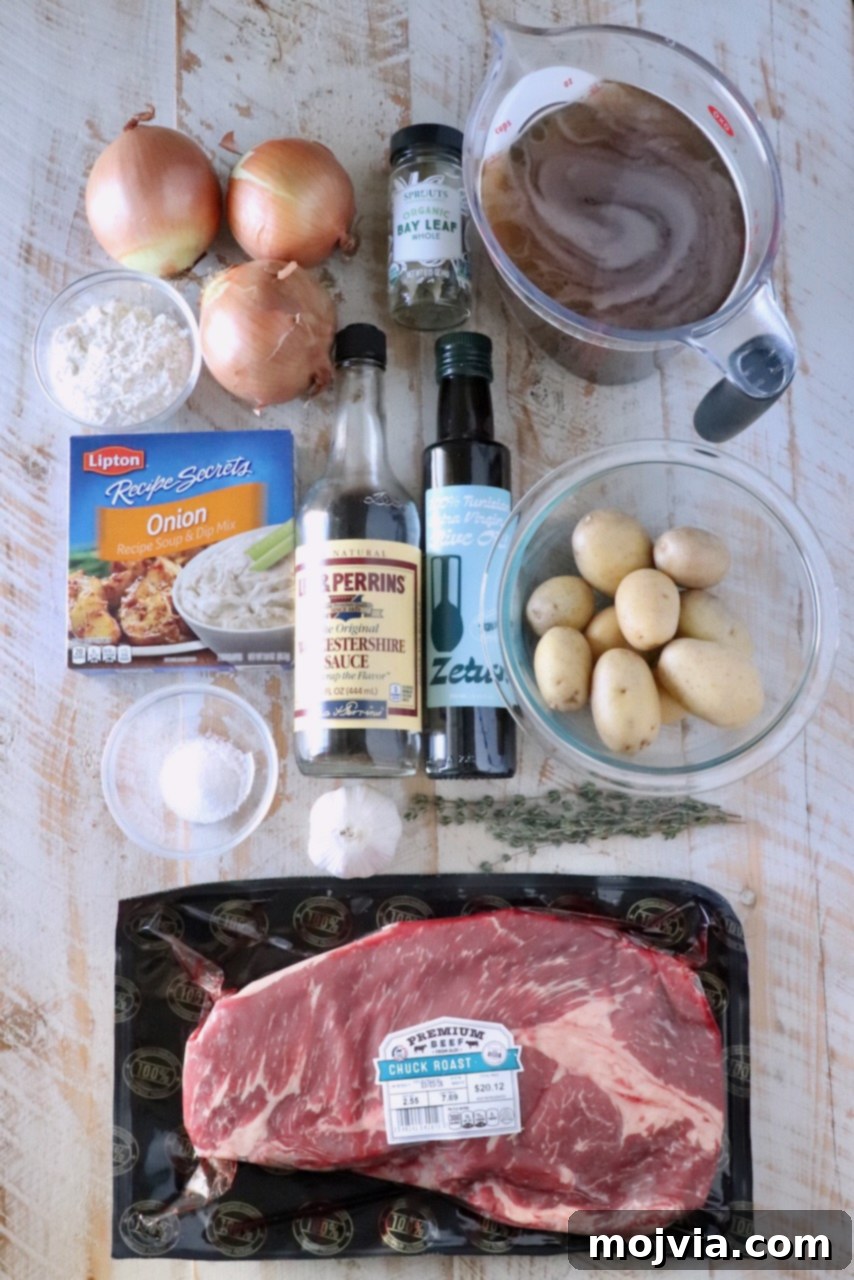
Understanding the role of each ingredient is key to mastering any recipe, and this French Onion Beef Stew is no exception. Above, I’ve provided a visual overview of all the fresh, high-quality ingredients you’ll need to create this comforting dish. Below, I’ll delve deeper into the main components, explaining why they matter and offering practical substitution ideas to ensure your stew is always a success, even if you’re missing a specific item. The complete list of ingredients with precise measurements can always be found in the recipe card at the bottom of this article.
- Beef Chuck Roast: This is the star of our stew. Chuck roast is an ideal cut for slow cooking because it’s well-marbled with connective tissue that breaks down into gelatin during long simmering, resulting in incredibly tender, flavorful beef. For substitutions, you can confidently use other tough cuts that benefit from slow cooking, such as a flat cut beef brisket, beef stew meat (often pre-cut chuck or round), or a bottom round roast. These cuts will achieve a similar melt-in-your-mouth texture when cooked for an extended period.
- French Onion Seasoning Mix: This seasoning blend is crucial for infusing the beef with that characteristic savory, oniony flavor. My homemade French Onion Mix, a blend of onion powder, garlic powder, salt, and black pepper, provides a rich and balanced flavor. If you prefer convenience, you can certainly purchase a pre-made French Onion Soup Mix from your local grocery store. For this recipe, two tablespoons of homemade mix are roughly equivalent to one standard 1-ounce package of store-bought mix. It’s a game-changer for depth of flavor.
- High-Quality Beef Stock: As mentioned, the stock forms the very essence of your stew’s liquid base. It’s imperative to use a high-quality beef stock, or even a beef base diluted with water, as it offers a significantly richer, deeper, and more complex flavor profile than standard beef broth. Beef stock is typically made from roasted bones and vegetables, simmered for hours, leading to a more robust and gelatinous liquid. I highly recommend seeking out a premium brand or even making your own if you have the time. If only broth is available, you can enhance its richness by simmering it with some beef bones or a bouillon cube.
- Potatoes: Potatoes are a comforting addition, soaking up all the wonderful flavors of the stew. For this recipe, you have flexibility with your choice and preparation. You can use red potatoes or gold potatoes, cut into 1-inch cubes. Alternatively, whole baby potatoes work beautifully and offer a slightly firmer texture, which I personally prefer as they hold their shape well and provide a pleasant bite. If you opt for diced larger potatoes, they will tend to become softer and more integrated into the stew. Either option will yield delicious results, so choose based on your texture preference.
- Garlic: Fresh garlic, particularly an entire head with cloves removed, adds an indispensable aromatic foundation to this stew. The garlic cloves, roasted alongside the onions, soften and mellow, becoming sweet and fragrant. There’s no real substitute for fresh garlic here, as its flavor contribution is unique and vital.
- Olive Oil: Used for caramelizing the onions and searing the beef, good quality olive oil adds a subtle fruity note and helps facilitate the browning processes that are so crucial for flavor development. Any neutral cooking oil can be substituted if necessary, but olive oil is preferred for its taste.
- Worcestershire Sauce: This savory condiment adds a crucial layer of umami and tang, enhancing the overall depth of the stew’s broth. Its fermented ingredients contribute a complex, slightly sweet and sour note that complements the beef perfectly.
- Fresh Thyme and Bay Leaves: These herbs are essential for lending an authentic, aromatic, and earthy flavor to the stew. Fresh thyme brings a subtle floral and peppery note, while bay leaves contribute a mild, herbaceous background. If fresh thyme is unavailable, dried thyme can be used (use about 1/3 the amount of fresh). Fresh rosemary can also be an excellent alternative or addition if you enjoy its robust, piney flavor.
- All-Purpose Flour: A small amount of flour is used to create a roux with the beef drippings, which helps thicken the stew to a luscious consistency. For a gluten-free version, simply substitute the all-purpose flour with 2 tablespoons of cornstarch (a stronger thickening agent, so less is needed) or your preferred gluten-free flour blend.
With these high-quality ingredients and a few smart substitutions in your arsenal, you are well-equipped to create a French Onion Beef Stew that is rich in flavor, perfectly tender, and wonderfully comforting.
Step-by-Step Guide to Crafting Your French Onion Beef Stew
Preparing this French Onion Beef Stew is a rewarding culinary journey that results in a deeply satisfying meal. To make the process as straightforward as possible, I’ve included step-by-step photos below. For the complete, detailed recipe instructions and a helpful video demonstration, please scroll down to the recipe card at the very bottom of this post.
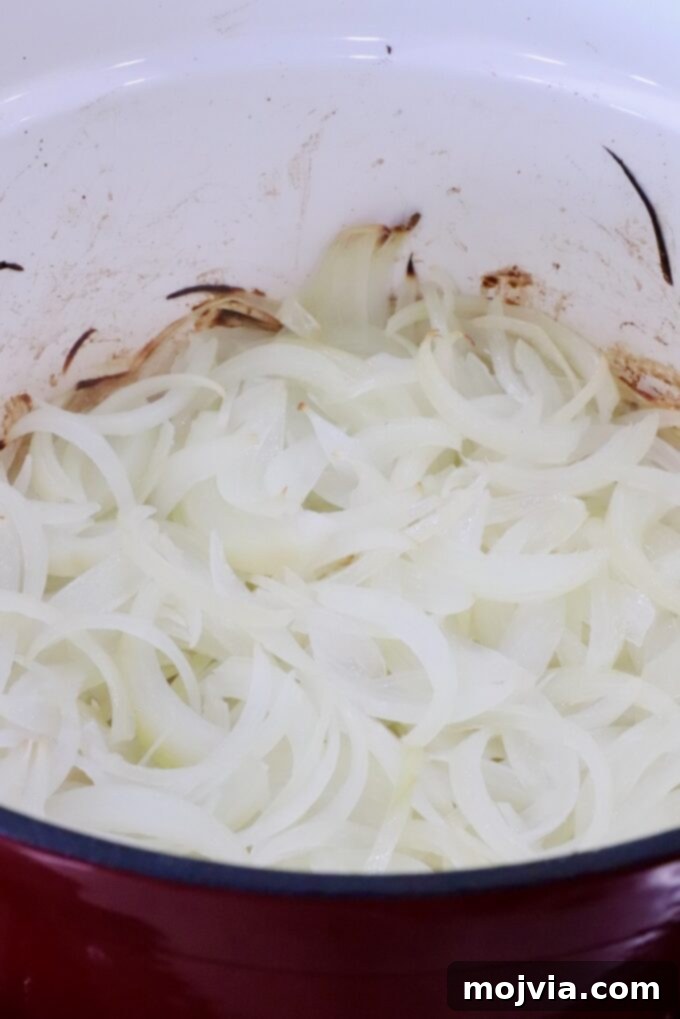
- **Prepare and Caramelize the Onions:** Begin by preheating your oven and thinly slicing your yellow onions. The thinner the slices, the faster and more evenly they will caramelize. Combine these sliced onions with peeled garlic cloves, olive oil, and sea salt in a large, oven-safe Dutch oven. Toss everything together to ensure the onions are well-coated, then cover the Dutch oven and bake for one hour. This initial oven caramelization is a hands-off way to develop incredible sweetness and depth in the onions.
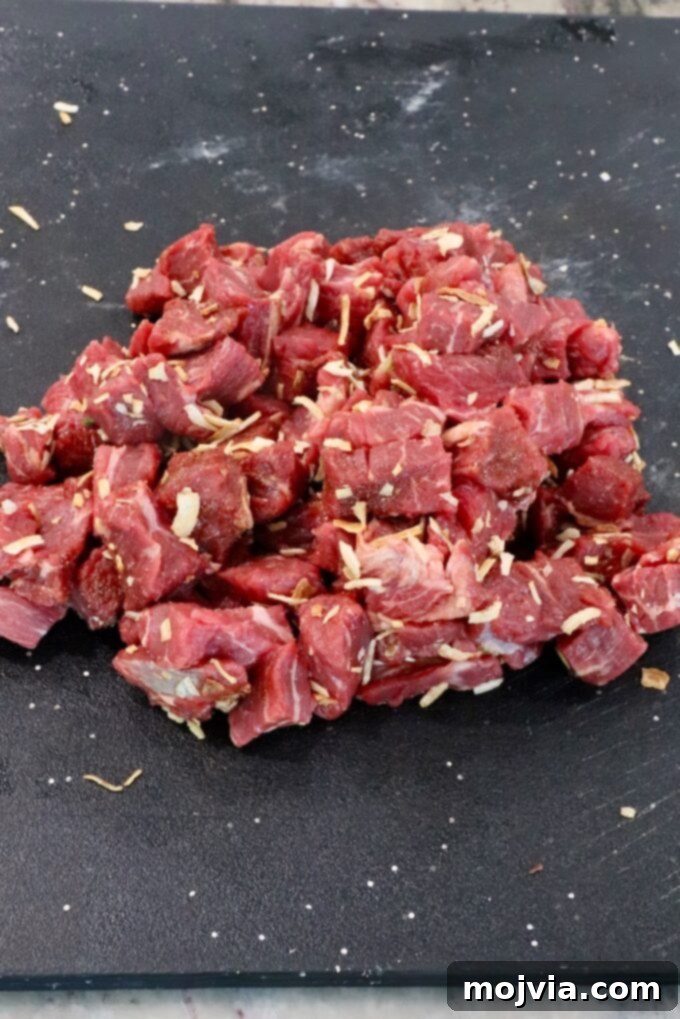
- **Season and Prepare the Beef:** While the onions are caramelizing, prepare your beef. Cut the beef chuck roast into uniform ½-inch pieces. This size ensures they become wonderfully tender without disintegrating. Place the cubed beef in a bowl and generously toss it with the French onion seasoning, ensuring every piece is coated for maximum flavor penetration.
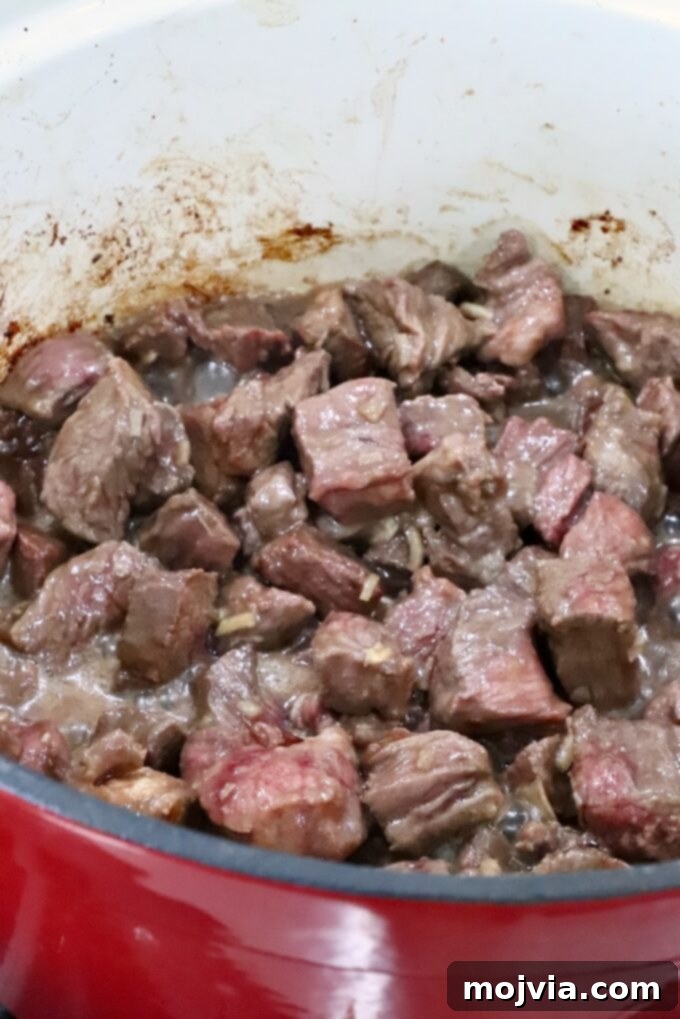
- **Sear the Cubed Beef:** Once the onions are done and removed from the Dutch oven, place the Dutch oven on your stove over high heat. Add the remaining olive oil and, once shimmering hot, add the seasoned beef in a single layer (you may need to do this in batches to avoid crowding the pan). Sear the beef for 4-6 minutes, turning occasionally, until each piece is beautifully browned on all sides. This searing step is crucial for developing deep, savory flavors. Remove the seared beef with a slotted spoon and set it aside with the caramelized onions and garlic.
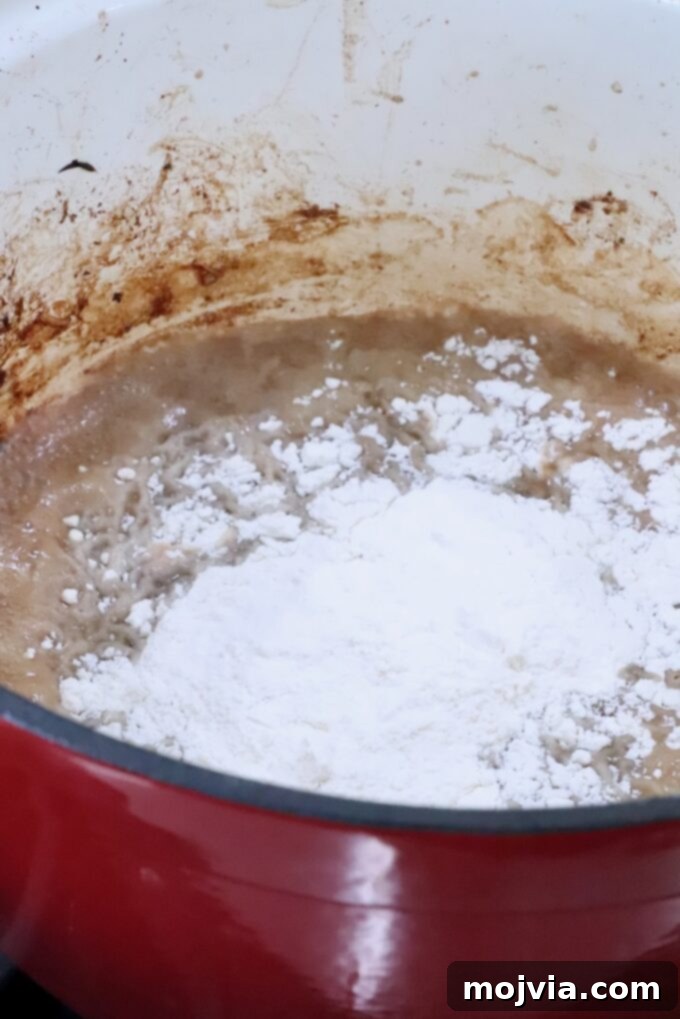
- **Build the Flavorful Roux:** With the beef removed, you’ll find delicious browned bits (fond) stuck to the bottom of the Dutch oven. Deglaze the pot by pouring in ¼ cup of beef stock and stirring vigorously to scrape up all those flavorful bits. Next, sprinkle the all-purpose flour evenly over the liquid in the pot. Stir continuously for about 1 minute, allowing the flour to cook out its raw taste and form a light roux with the beef drippings and stock. This will be the base for thickening our stew.
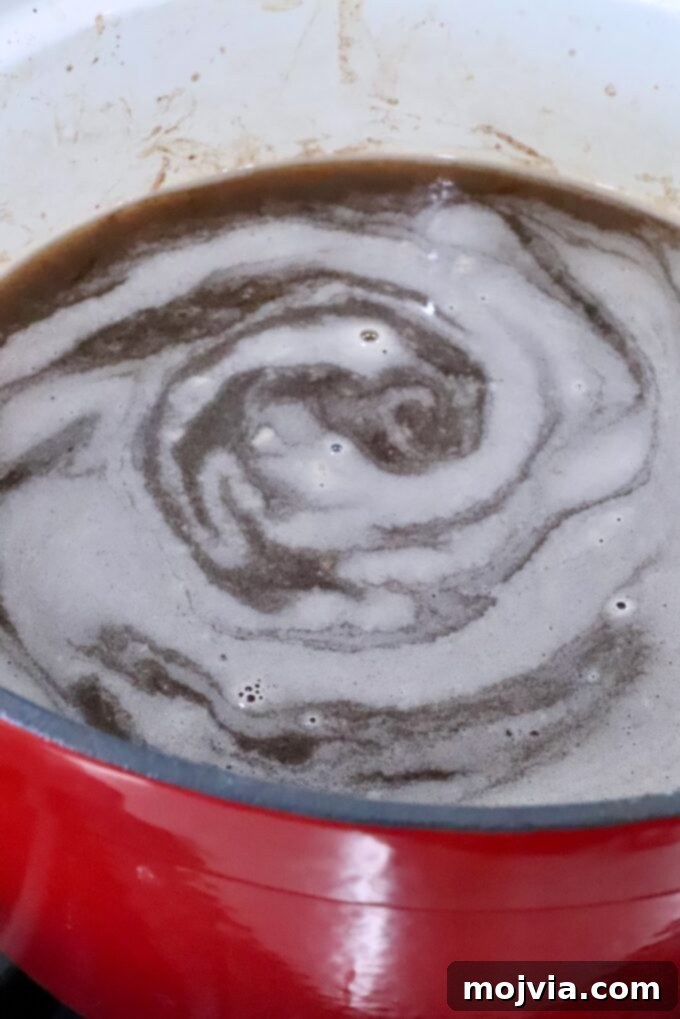
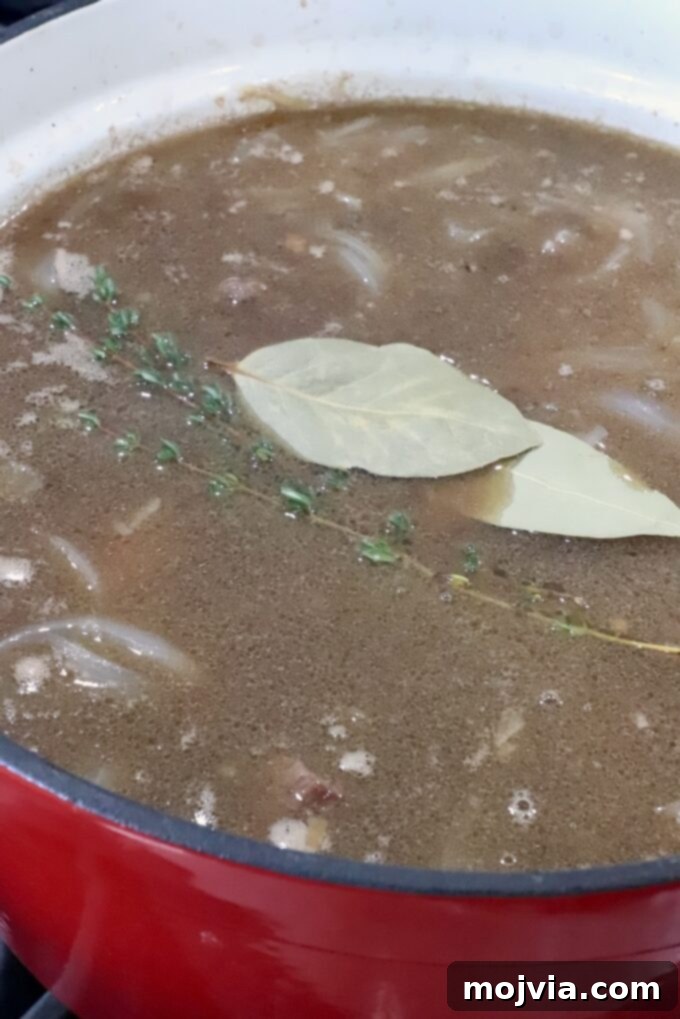
- **Simmer the Broth:** Pour in the remaining 7 ¾ cups of beef stock and the 2 tablespoons of Worcestershire sauce into the pot. Stir well to combine everything, ensuring the roux is fully incorporated into the liquid. Increase the heat to high and bring the mixture to a rolling boil. This ensures the broth is well-heated and begins to thicken slightly.
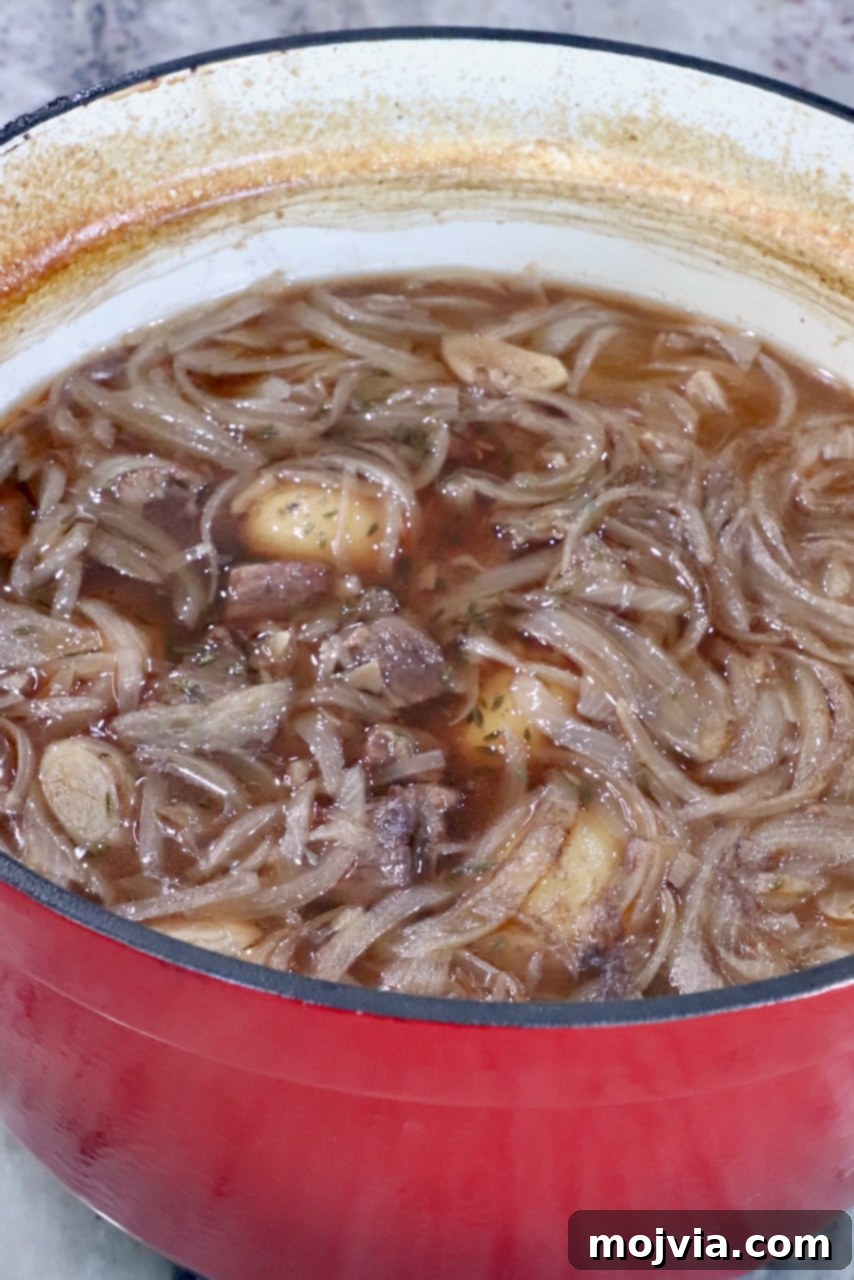
- **Combine and Slow Cook:** Carefully return the seared beef, caramelized onions, and garlic to the pot. Add the baby potatoes (or cubed red potatoes), fresh thyme sprigs, and bay leaves. Give everything a gentle stir to ensure all ingredients are submerged in the flavorful broth. Cover the pot tightly with its lid or a piece of aluminum foil, then transfer it to your preheated 350°F oven. Let the stew cook for a minimum of 2 hours, or until the beef is fork-tender and the potatoes are soft.
- **Finish and Serve:** Once the cooking time is complete, remove the hearty French Onion Beef Stew from the oven. Using tongs, carefully remove and discard the bay leaves and the cooked thyme sprigs, as their flavor has already been fully imparted into the stew. Give it a final taste test and adjust seasoning if necessary. Your incredible, comforting stew is now ready to be served!
How to Serve Your French Onion Beef Stew for Maximum Enjoyment
Elevating this French Onion Beef Stew to a truly authentic experience involves serving it with the classic touches of its soup namesake. Here’s how to present this magnificent dish, transforming a simple meal into a delightful culinary event:
Start by preheating your oven to the broiler setting on high, and position an oven rack in the middle of the oven. This high heat is crucial for achieving that irresistible golden, bubbling cheese topping. Next, prepare your French bread. Slice half a loaf into thick, individual portions. Arrange these slices on a baking sheet and lightly spray them with cooking spray, or brush them with a thin layer of melted butter. Pop them under the broiler for just 1-2 minutes, keeping a very close eye on them, until they are lightly golden and perfectly toasted. Remove the bread from the oven and set aside.
Now, ladle generous portions of your rich French Onion Beef Stew into individual oven-safe bowls. Ensure each bowl has a good mix of tender beef, flavorful onions, and soft potatoes submerged in the savory broth. Crown each bowl with one of your freshly toasted bread slices. The bread acts as a barrier, preventing the cheese from sinking and soaking up the broth’s deliciousness. Finally, sprinkle a generous amount of shredded Gruyère cheese (or Swiss cheese for a similar nutty flavor) over the bread and the edges of the bowl. Gruyère melts beautifully and develops a fantastic nutty, slightly sweet flavor that perfectly complements the stew.
Place the cheese-topped bowls back onto a baking sheet and slide them under the preheated broiler. This step requires your undivided attention: broilers are incredibly powerful and can burn food very quickly. Watch the soup carefully for 1-2 minutes. The moment the cheese is gloriously melted, golden brown, and bubbling, remove the bowls from the oven immediately. Serve this exquisite French Onion Beef Stew piping hot, encouraging everyone to savor the molten cheese and rich flavors.
For an extra touch, you can always serve additional toasted French bread slices on the side for dipping into the luscious stew broth. To truly complete the steakhouse-inspired meal experience, my personal favorite side dish to pair with this stew is a crisp and tangy blue cheese salad. The refreshing crunch and sharp flavors of the salad provide a wonderful contrast to the hearty richness of the stew, creating a perfectly balanced and utterly satisfying family dinner.

Print Recipe
Pin Recipe
Rate this Recipe
French Onion Beef Stew
6
servings
30
mins
3
hrs
3
hrs
30
mins
Whitney Bond
Main Course, Soup
French
Video
Ingredients
-
2
pounds
yellow onions,
thinly sliced -
1
head
garlic,
peeled and cloves removed -
6
tablespoons
olive oil,
divided -
1
teaspoon
sea salt -
2
pounds
beef chuck roast,
cut into ½ inch pieces -
2
tablespoons
French onion seasoning
-
¼
cup
all-purpose flour -
8
cups
beef stock -
2
tablespoons
Worcestershire sauce -
1
pound
baby potatoes,
or cubed red potatoes -
2
sprigs
fresh thyme,
or fresh rosemary -
2
bay leaves
Optional Toppings
-
1
cup
shredded Gruyère cheese,
or Swiss cheese -
½
loaf
French bread,
sliced and toasted
Equipment
-
6 quart Dutch oven
Instructions
-
Preheat your oven to 400°F (200°C). This initial high heat is for caramelizing the onions effectively.
-
Carefully slice the yellow onions as thinly as possible using a sharp knife or a mandoline. Uniform slices will ensure even caramelization.
-
Add the thinly sliced onions and the peeled garlic cloves to a large oven-safe cast iron Dutch oven. Drizzle 4 tablespoons of olive oil over the onions, sprinkle with the sea salt, and toss everything thoroughly to ensure the onions are well-coated.
-
Cover the Dutch oven with its lid and bake in the preheated 400°F oven for 1 hour. After 1 hour, remove the Dutch oven from the oven and carefully turn the oven temperature down to 350°F (175°C) for the stew’s main cooking phase.
-
Using a slotted spoon, transfer the wonderfully softened and caramelized onions and garlic from the Dutch oven to a rimmed plate or a cutting board with grooves to catch any released liquids.
-
Place the empty Dutch oven on your stovetop over high heat.
-
Cut the beef chuck roast into ½-inch cubes. In a separate bowl, toss the cubed beef generously with the 2 tablespoons of French onion seasoning until evenly coated.
-
Heat the remaining 2 tablespoons of olive oil in the Dutch oven on the stovetop. Once the oil is shimmering hot, add the seasoned chuck roast pieces in batches if necessary to avoid overcrowding. Sear the beef for about 4-6 minutes, turning occasionally, until a deep brown crust forms on all sides. This browning develops rich flavor. Use a slotted spoon to remove the seared beef from the pot and set it aside with the caramelized onions and garlic.
-
Pour ¼ cup of beef stock into the hot pot. Immediately stir and scrape the bottom of the pot with a wooden spoon or spatula to deglaze it, releasing all the flavorful browned bits (fond) from the searing process.
-
Sprinkle the ¼ cup of all-purpose flour evenly over the liquid in the pot. Stir continuously for about 1 minute to combine the flour with the drippings and create a light roux, which will help thicken the stew.
-
Add the remaining 7 ¾ cups of beef stock and the 2 tablespoons of Worcestershire sauce to the pot. Stir well to combine all ingredients, making sure there are no lumps from the flour. Turn the heat on the stove up to high and bring the stock mixture to a boil.
-
Return the seared pieces of beef, along with the caramelized onions and garlic, back to the pot. Add the 1 pound of baby potatoes (or cubed red potatoes), the 2 sprigs of fresh thyme, and the 2 bay leaves. Stir gently to integrate all the ingredients.
-
Cover the Dutch oven tightly with its lid, or with a piece of aluminum foil if your lid is not airtight. Transfer the covered pot to the preheated 350°F (175°C) oven and cook for 2 hours, or until the beef is incredibly tender and easily pulls apart with a fork.
-
Once the stew is cooked, carefully remove the Dutch oven from the oven. Use tongs to remove and discard the bay leaves and thyme sprigs. Give the stew a final taste and adjust for salt and pepper if needed.
Optional Way to Serve the Stew (French Onion Style)
-
To prepare the optional cheesy topping, heat your oven to broil on high, and arrange an oven rack in the middle position.
-
Slice half a loaf of French bread into thick pieces. Place the slices on a baking sheet and lightly spray them with cooking spray or brush with melted butter. Place them under the broiler for 1-2 minutes, watching constantly, until they are lightly golden and toasted. Remove the bread from the oven.
-
Ladle the hot French Onion Beef Stew into individual oven-safe bowls. Top each bowl with a slice of the toasted French bread and then generously sprinkle with shredded Gruyère cheese (or Swiss cheese). Place these bowls on a baking sheet and slide them under the broiler in the oven for 1-2 minutes. Again, watch closely until the cheese is beautifully melted and bubbling and slightly golden. Serve immediately.
Notes for Perfection
- Make Ahead Option: This French Onion Beef Stew is excellent for preparing in advance. After completing the 2-hour oven cooking at 350°F, you can simply turn your oven to its “warm” setting and leave the stew, covered, in the oven for up to an additional 2 hours. Alternatively, transfer the cooked stew to a slow cooker set to “warm” until you’re ready to serve. The flavors actually deepen beautifully with a little resting time.
- Stovetop Cooking Alternative: If you prefer to keep your stew on the stovetop, it’s absolutely possible. After combining all the ingredients in the Dutch oven and bringing the stock to a boil, simply cover the pot and reduce the stovetop temperature to a medium-low heat. Allow the stew to gently simmer for 2 hours, stirring occasionally to prevent sticking and ensure even cooking.
- Gluten-Free Adaptation: To make this French Onion Beef Stew suitable for a gluten-free diet, simply swap the all-purpose flour with cornstarch. Since cornstarch is a much stronger thickening agent than flour, you will only need 2 tablespoons of cornstarch to achieve the desired consistency. Mix the cornstarch with a small amount of cold water to create a slurry before adding it to the simmering broth to avoid lumps.
- Adding a Splash of Wine: For an even deeper, more complex flavor profile, consider replacing one cup of the beef stock with a dry red wine, such as a Cabernet Sauvignon or Pinot Noir. Add the wine during the deglazing step, after searing the beef and before adding the remaining beef stock. Allow it to simmer for a few minutes to cook off the alcohol and concentrate its flavor before proceeding with the recipe.
- Storing Leftovers: Leftover French Onion Beef Stew stores wonderfully. Transfer any cooled stew to an airtight container and refrigerate for up to 5 days. To reheat, place the stew in a pot on the stovetop over medium-high heat. Bring it to a gentle simmer, stirring occasionally, and cook for 5-7 minutes until heated through. For individual portions, reheat in a microwave-safe bowl, covered, in the microwave for 2-3 minutes, stirring halfway through.
- Freezing for Future Meals: This stew is also a fantastic freezer-friendly meal. Allow the cooked stew to cool completely to room temperature. Then, transfer it to a freezer-safe storage container or heavy-duty freezer bags. It can be frozen for up to 6 months. To defrost, I recommend transferring the frozen stew to the refrigerator for about 24 hours. Once thawed, reheat it in a large pot on the stovetop over medium-high heat for 15-20 minutes, stirring frequently, until thoroughly warmed.
Nutrition Facts
Calories
773
kcal
Carbohydrates
56
g
Protein
50
g
Fat
40
g
Saturated Fat
14
g
Polyunsaturated Fat
4
g
Monounsaturated Fat
22
g
Trans Fat
1
g
Cholesterol
129
mg
Sodium
1587
mg
Potassium
1771
mg
Fiber
5
g
Sugar
11
g
Vitamin A
291
mg
Vitamin C
29
mg
Calcium
365
mg
Iron
8
mg
Did you make this recipe?
Tag @WhitneyBond on Instagram and hashtag it #WBRecipes!
More Heartwarming Comfort Food Recipes
If you loved the rich flavors and comforting embrace of this French Onion Beef Stew, you’re in for a treat! Explore these other classic comfort food recipes, each designed to bring warmth and delight to your next family dinner. From savory meatloaves to hearty pies, these dishes are perfect for creating cherished mealtime memories.