
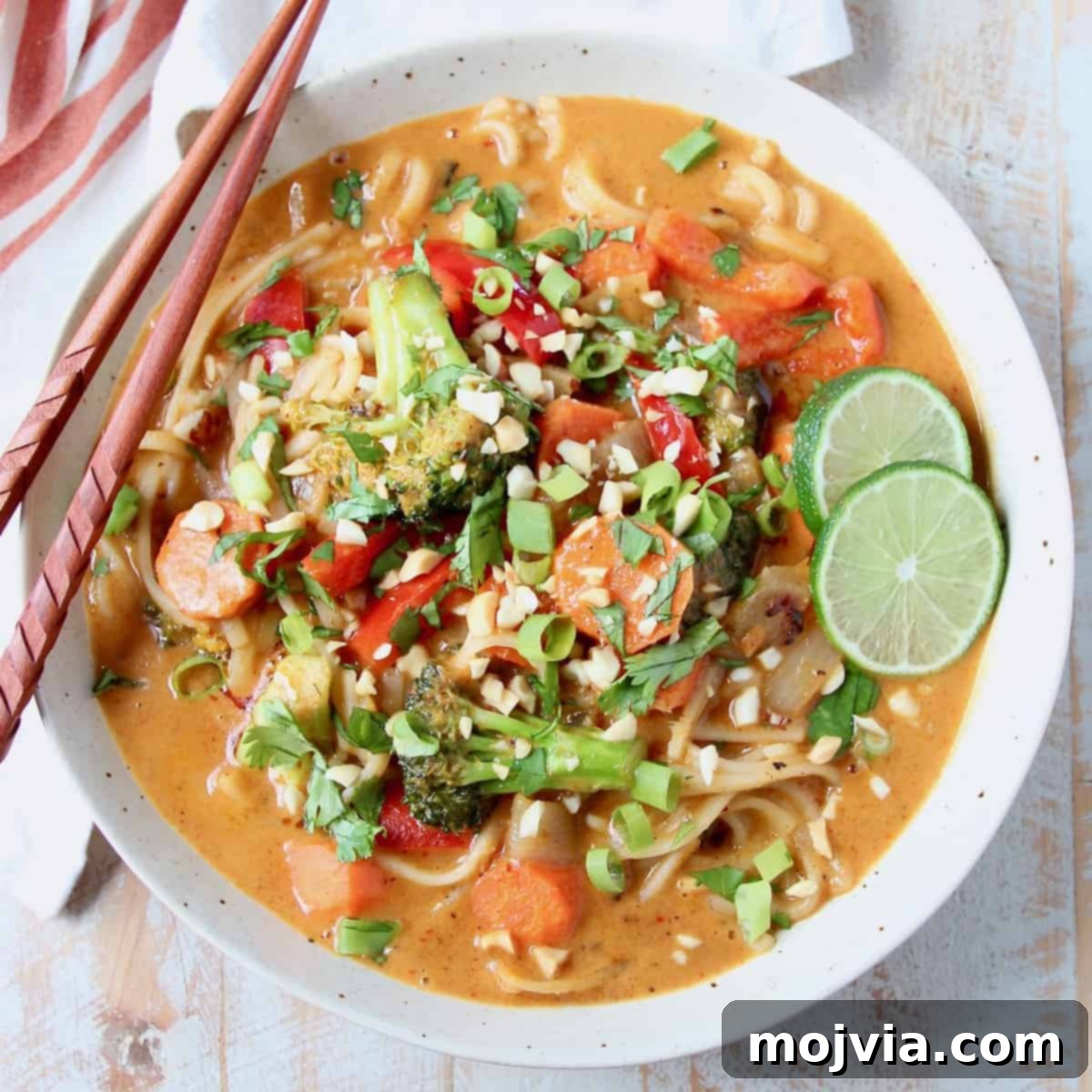
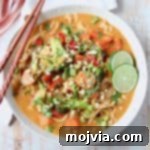
Massaman Curry is a captivating Thai curry sauce, renowned for its rich and aromatic profile, perfectly complementing rice noodles and an array of fresh vegetables. This easy-to-follow recipe brings the authentic flavors of Thailand to your kitchen in just about 29 minutes, making it an ideal choice for a delicious gluten-free and vegetarian meal.
The secret to its swift preparation lies in starting with a quality prepared curry paste. I’ve scoured the market to bring you two excellent recommendations for store-bought Massaman curry pastes that serve as the perfect foundation for a truly scrumptious sauce. These pastes are readily available online, ensuring you can whip up this amazing dish without the time-consuming process of making paste from scratch.
Elevate your weeknight meal rotation with this incredible Massaman curry, joining other beloved homemade Thai recipes like the vibrant Thai Yellow Curry and the innovative Meatballs in Green Curry Sauce. Prepare to be amazed by how simple it is to create restaurant-quality Thai food at home!
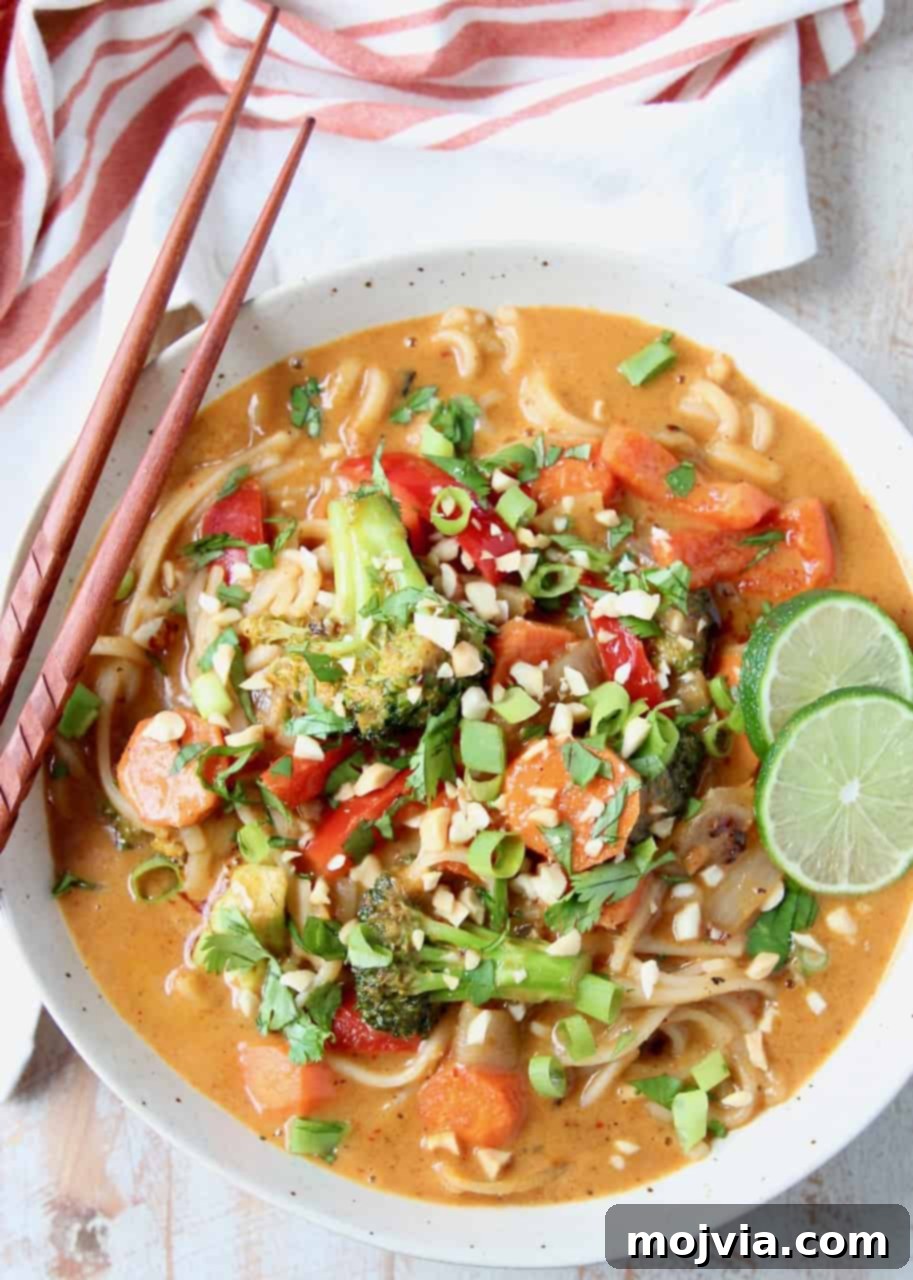
For many, the dilemma at a favorite Thai restaurant often involves choosing between a hearty noodle dish or a comforting curry. Why choose when you can have both? This recipe brilliantly combines the best of both worlds, creating an epic Massaman Curry Noodle dish right in your own kitchen. It’s a complete meal in one bowl, satisfying every craving.
While this particular recipe is designed to be vegetarian, its versatility is one of its greatest strengths. Feel free to customize it by adding your preferred protein, whether it’s succulent chicken, tender shrimp, or rich beef, to make it perfectly suited to your taste. However, the true star of this culinary show remains the lusciously rich and deeply flavorful sauce.
Crafting Massaman curry paste from scratch is a labor of love, demanding considerable time and effort. Fortunately, for those seeking delicious convenience without compromising on flavor, I’ve done the research. After extensively exploring online stores and local Asian markets, I’ve discovered not one, but two outstanding store-bought curry pastes that will help you prepare an authentic Massaman curry sauce at home in mere minutes.
For our vegetarian friends, I highly recommend Maesri Massaman Curry Paste. This particular brand is an excellent choice as it contains no shrimp paste, making it perfectly suitable for a vegetarian diet. Its robust flavor profile still delivers all the authentic notes you’d expect from a traditional Massaman curry.
If you’re not restricted by vegetarian dietary requirements and are seeking the most authentic taste, then Mae Ploy Massaman Curry Paste is my top pick. While it provides a truly delicious and genuine Massaman curry experience, it does contain shrimp paste, so it’s not suitable for vegetarians. Both options, however, guarantee a fantastic base for your homemade curry.
One of the most appealing characteristics of Massaman curry is its exquisite balance of flavors: it’s notably sweet and delightfully mild, making it an excellent option for those who prefer less spice or have sensitive taste buds. The complexity of its flavors is truly remarkable, yet it comes together incredibly fast, ready in under 30 minutes. This dish is guaranteed to become a new family favorite, eliminating the need for takeout when you can prepare this delectable meal at home at a fraction of the cost and in less time!
Table of Contents
- What is Massaman Curry?
- Why You Will Love This Recipe
- How to Make Vegetarian Massaman Curry Noodles
- Customization and Variations
- Gluten-Free & Vegan-Friendly
- Serving Suggestions
- Storage and Reheating Tips
- More Thai Recipes to Explore
What is Massaman Curry?
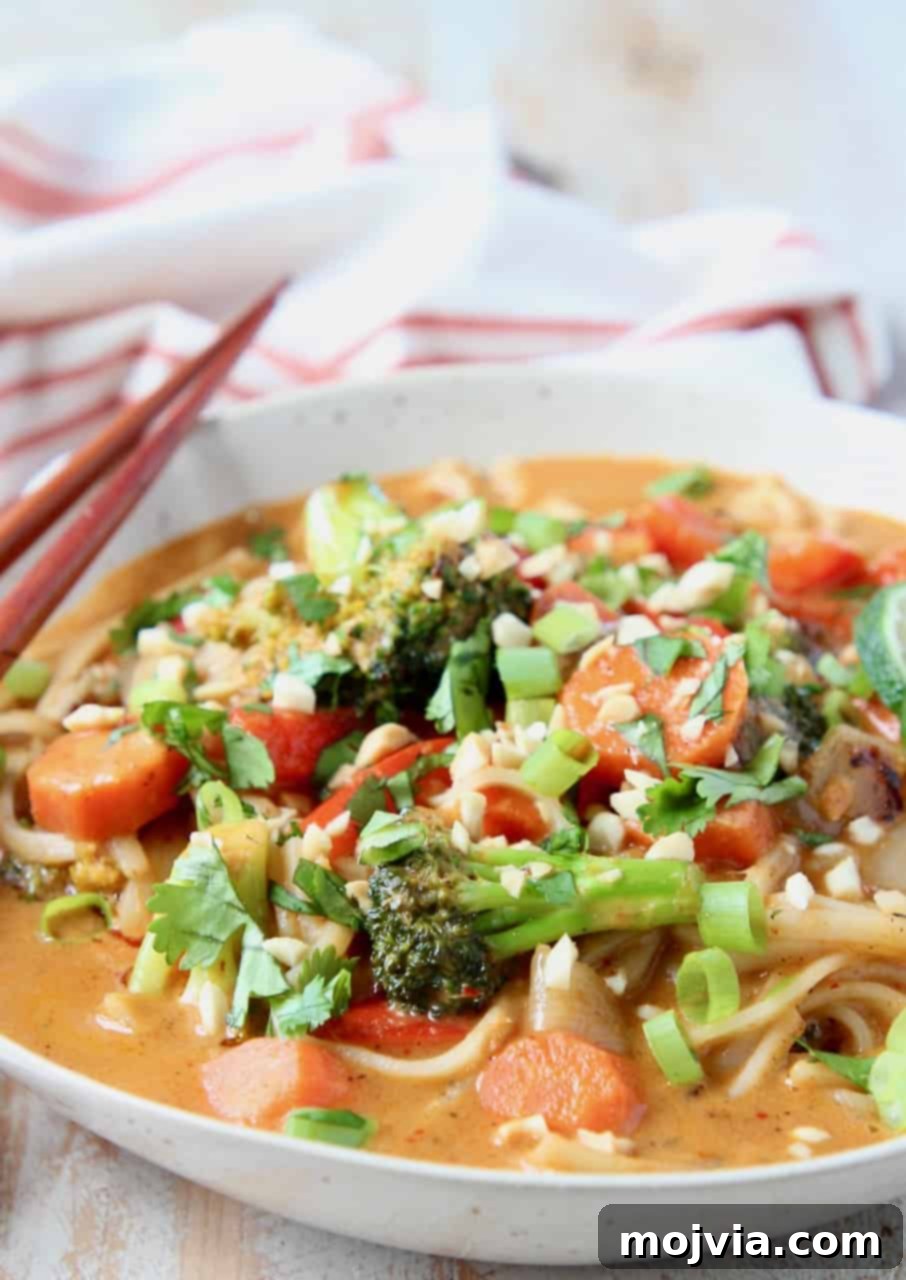
Massaman curry stands out in Thai cuisine as a unique and fascinating blend of Thai and Indian culinary traditions. Unlike many spicier Thai curries, Massaman curry is celebrated for its mild heat and profound aromatic depth. Its base originates from a Thai-style red curry, typically featuring dried chilies, fragrant garlic, zesty lemongrass, and pungent galangal. What truly distinguishes Massaman, however, is the incorporation of a rich array of Indian spices, including warm coriander, earthy cumin, sweet cinnamon, and fragrant cardamom. This fusion results in a deeply satisfying, complex, and incredibly flavorful curry that boasts a harmonious balance of sweet, savory, and subtly tangy notes.
Traditionally, Massaman curry is prepared with various meats, most commonly chicken, slow-cooked in the rich, creamy sauce, though vegetable versions are equally popular and delicious. The finished dish is typically served alongside steaming jasmine rice, allowing its flavors to shine. Essential ingredients like fish sauce or soy sauce (for vegetarian versions), tangy tamarind paste or fresh lime juice, and a touch of sugar are meticulously added to the curry sauce, achieving that signature perfect balance of sweet, salty, and sour that defines authentic Massaman curry.
Why You Will Love This Recipe
This vegetarian Massaman curry noodle recipe is more than just a meal; it’s an experience that delivers on taste, convenience, and health. Here are several reasons why this dish is poised to become a staple in your kitchen:
- Unbelievably Fast: Forget long cooking times! This recipe comes together in under 30 minutes, making it perfect for busy weeknights when you crave something wholesome and flavorful without the fuss.
- Authentic Flavor, Simplified: By leveraging high-quality store-bought curry paste, you get all the complex, aromatic flavors of traditional Massaman curry without the laborious process of grinding spices from scratch.
- Hearty & Satisfying: Combining a rich, creamy sauce with tender vegetables and filling rice noodles, this dish is wonderfully satisfying and will leave you feeling content without being overly heavy.
- Naturally Gluten-Free: With careful selection of curry paste and rice noodles, this recipe is inherently gluten-free, making it an excellent choice for those with dietary sensitivities.
- Customizable for All Tastes: Whether you want to add your favorite protein, switch up the vegetables, or adjust the sweetness, this recipe is incredibly adaptable to suit individual preferences and whatever ingredients you have on hand.
- Vegetarian & Vegan Friendly: By choosing a shrimp-paste-free Massaman curry paste (like Maesri), this recipe becomes a fantastic option for vegetarian and vegan diets, proving that plant-based meals can be bursting with flavor.
- Budget-Friendly: Enjoy restaurant-quality Thai food at a fraction of the cost of dining out. Cooking at home allows you to control ingredients and save money.
How to Make Vegetarian Massaman Curry Noodles
Preparing this flavorful Massaman curry noodle dish is a straightforward process, designed for maximum taste with minimal effort. Follow these steps to create a delicious meal:
- Begin by bringing a large pot of water to a boil on the stove. This will be used for your rice noodles later.
- In a large skillet or wok, heat 1 tablespoon of coconut oil over medium-high heat. While coconut oil adds a lovely aroma, you can easily substitute it with olive oil or avocado oil if preferred.
- Add 1 cup of large-diced onion and ⅓ cup of Massaman curry paste to the hot skillet. Sauté for 2-3 minutes, stirring constantly. This crucial step pan-fries the curry paste, activating and deepening its aromatic flavors before adding any liquid.
- Next, incorporate 1 cup of broccoli florets, 1 cup of large-diced carrots, and 1 cup of sliced bell pepper into the skillet. Continue to sauté the vegetables with the curry paste and onions for another 3 minutes. This allows them to soften slightly and absorb some of the curry paste’s essence. Feel free to use your favorite vegetables here; cauliflower, green beans, sugar snap peas, or eggplant would all make excellent additions or substitutions.
- Pour in one 15 oz can of unsweetened full-fat coconut milk. Add 2 tablespoons of sugar, 2 tablespoons of peanut butter, and 1 teaspoon of soy sauce. Stir all the ingredients together thoroughly until well combined. Bring the mixture to a gentle simmer, then reduce the heat to medium.
- Allow the vegetables to simmer in the Massaman curry sauce for approximately 10-12 minutes, or until they reach your desired tenderness. The sauce will also thicken slightly during this time.
- While the curry is simmering, cook the rice noodles. Once the water for the noodles is boiling, add 8 oz of rice noodles, turn off the heat, and let them soak for 8-10 minutes, or according to package directions.
- Before draining the noodles, carefully reserve one cup of the starchy noodle cooking water. Add this reserved water to your simmering Massaman curry sauce. This helps to adjust the sauce’s consistency and adds a subtle richness.
- Drain the remaining water from the rice noodles and add the cooked noodles directly to the skillet with the vegetable curry.
- Stir in 2 teaspoons of fresh lime juice, then gently toss everything together until the noodles and vegetables are thoroughly coated in the fragrant Massaman sauce.
- Transfer the Massaman curry noodles into individual serving bowls. Garnish generously with ¼ cup of fresh chopped cilantro, ¼ cup of diced green onions, and ¼ cup of chopped peanuts.
- For an extra burst of freshness and tang, serve each bowl with a lime wedge on the side, allowing everyone to squeeze fresh lime juice over their curry to taste.
Customization and Variations
This Massaman curry recipe is wonderfully adaptable, allowing you to tailor it to your preferences and available ingredients. Here are some ideas for customization and variations:
- Add Protein: To make this a heartier meal, you can easily incorporate your favorite protein.
- Chicken: Sauté bite-sized chicken pieces in the skillet with the onions and curry paste until lightly browned before adding the vegetables.
- Shrimp: Add raw shrimp during the last 3-5 minutes of simmering, or until they turn pink and opaque.
- Beef/Tofu: For beef, brown stew meat or thinly sliced sirloin before adding paste. For tofu, pan-fry pressed and cubed tofu separately until golden, then add it to the curry during the last few minutes of simmering.
- Vegetable Swap: The beauty of curry is its flexibility with vegetables. Don’t hesitate to use what’s in season or what you love. Other great options include cauliflower florets, snow peas, green beans, eggplant, spinach (stir in at the very end), mushrooms, or even potatoes (add earlier to ensure they cook through).
- Spice Level: Massaman curry is inherently mild. If you prefer a spicier kick, you can add a pinch of red pepper flakes or a dash of Sriracha sauce to the curry while it simmers.
- Nutty Flavor Boost: While peanut butter adds creaminess and nutty depth, you can also stir in a tablespoon of almond butter or cashew butter for a different flavor profile.
- Sweetness Adjustment: Taste the sauce before serving. If you prefer it sweeter, add a tiny bit more sugar or a touch of maple syrup. If it’s too sweet, a little more lime juice or soy sauce can help balance it.
Gluten-Free & Vegan-Friendly
One of the fantastic aspects of this Massaman curry recipe is its inherent suitability for various dietary needs. This recipe is designed to be completely **gluten-free**, provided you make a few mindful checks on your ingredients.
Always ensure that the Massaman curry paste you choose is certified gluten-free. Many traditional Thai curry pastes are naturally gluten-free, but it’s always best to read the label. For your convenience, the two curry pastes I recommend in this article, Mae Ploy Massaman Curry Paste and Maesri Massaman Curry Paste, are both gluten-free options.
Furthermore, this recipe can be easily adapted to be fully **vegan**. The key ingredient to watch for is shrimp paste, which is often found in non-vegetarian curry pastes. To ensure your Massaman curry is vegan, simply select a curry paste that does not contain any animal products, specifically shrimp paste. My top recommendation for a vegan-friendly and gluten-free option is the Maesri Massaman Curry Paste. It delivers all the rich, authentic flavors without any animal-derived ingredients, making it perfect for a plant-based diet.
Additionally, ensure your soy sauce is gluten-free (tamari is an excellent substitute) and that all other ingredients, such as coconut milk and vegetables, are naturally free from gluten and animal products. With these simple considerations, everyone can enjoy a bowl of this delicious and inclusive Thai curry.
Serving Suggestions
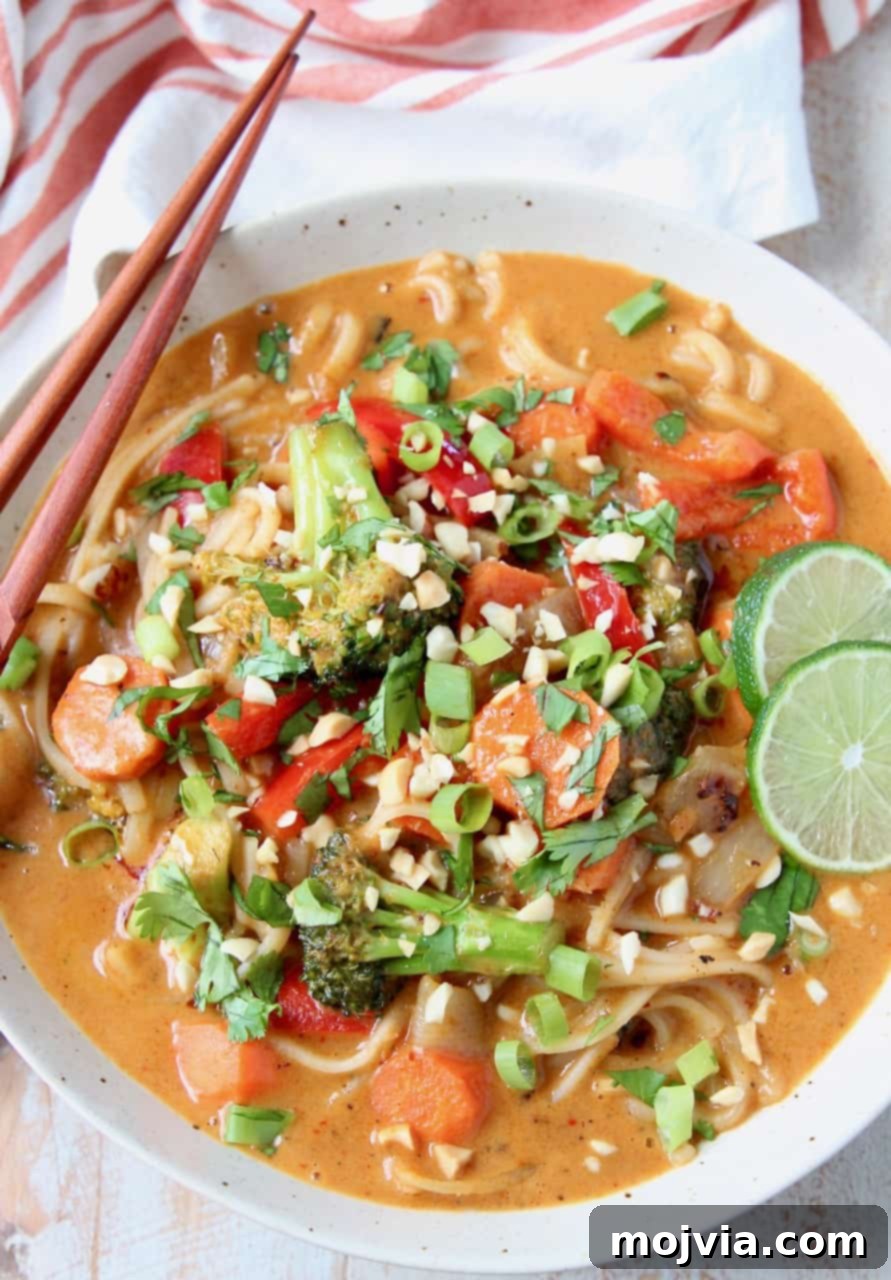
While this Massaman Curry Noodle dish is a complete meal in itself, pairing it with complementary sides can elevate your homemade Thai feast. Here are some delightful serving suggestions:
- Roti Bread: One of my absolute favorite accompaniments to Massaman curry is warm, flaky roti bread. My favorite Thai restaurant in San Diego, Koon Thai, serves it with a Massaman curry dipping sauce, and it’s a combo I order every time! You can easily make your own homemade roti bread for dipping into this rich and flavorful curry sauce.
- Jasmine Rice: If you prefer to enjoy your curry without noodles or simply want an extra carb to soak up all that delicious sauce, steaming jasmine rice is a classic and perfect pairing. Its delicate fragrance and fluffy texture beautifully complement the curry.
- Thai Green Papaya Salad: For a refreshing contrast, start your meal with a vibrant Thai Green Papaya Salad. Its crisp texture and tangy, spicy dressing provide a wonderful counterpoint to the creamy curry.
- Tom Kha Soup: Another excellent appetizer to create an authentic Thai dining experience is a comforting bowl of Tom Kha Soup. The creamy coconut broth with lemongrass and galangal notes will warm your palate before diving into the main course.
- Fresh Cucumber Salad: A simple, thinly sliced cucumber salad with a light vinaigrette (rice vinegar, a touch of sugar, and a hint of chili) can offer a cool, crunchy bite to cleanse the palate between spoonfuls of rich curry.
With these suggestions, you can transform your home cooking into an epic Thai culinary adventure!
Storage and Reheating Tips
This Massaman Curry Noodle dish is fantastic for meal prep or enjoying leftovers. Here’s how to store and reheat it properly to maintain its delicious flavor:
- Storage: Allow the curry to cool completely to room temperature before transferring it to an airtight container. It can be stored in the refrigerator for up to 3-4 days.
- Freezing: If you wish to store it longer, Massaman curry freezes well. Place cooled curry (without noodles, if possible, as noodles can become mushy when thawed) in a freezer-safe container for up to 2-3 months. Thaw overnight in the refrigerator before reheating. If freezing with noodles, expect a softer noodle texture upon reheating.
- Reheating on the Stovetop: For best results, gently reheat the curry on the stovetop over medium-low heat. If the sauce has thickened too much, add a splash of coconut milk or vegetable broth to reach your desired consistency. Stir occasionally until heated through.
- Reheating in the Microwave: Individual portions can be reheated in the microwave. Cover loosely and heat in 1-minute intervals, stirring in between, until hot.
- Noodle Separation: If you plan on having leftovers, sometimes it’s best to store the cooked rice noodles separately from the curry sauce. Reheat the sauce, and then add fresh or separately reheated noodles just before serving to maintain optimal texture.
More Thai Recipes to Explore
If you’ve fallen in love with the flavors of Thailand and are eager to expand your culinary repertoire, explore these five popular Thai recipes that are perfect for making at home:
- Drunken Noodles (Pad Kee Mao): A spicy and savory stir-fried noodle dish, packed with vegetables and protein.
- Homemade Thai Peanut Sauce: A versatile and creamy sauce that’s perfect for dipping, dressings, or marinades.
- 15 Minute Vegetarian Pad Thai: A quick and flavorful take on Thailand’s most famous noodle dish, made vegetarian and super fast.
- Vibrant Thai Yellow Curry: A milder, richer curry with a beautiful golden hue, often made with chicken or vegetables.
- Thai Coconut Soup with Potstickers (Tom Kha): A comforting and aromatic soup, enhanced with delicious potstickers for a unique twist.
Pin Recipe
Vegetarian Massaman Curry Noodles
A delightful Thai curry sauce, Massaman Curry, pairs beautifully with rice noodles and fresh vegetables to create an easy, gluten-free, and vegetarian meal, ready in under 30 minutes!
Servings: 4 people
Prep Time: 29 mins
Total Time: 29 mins
Author: Whitney Bond
Course: Main Course
Cuisine: Thai
Rating: 4.75 stars (4 ratings)
Ingredients
- 1 tbsp coconut oil
- 1 cup onion, large dice
- ⅓ cup Massaman curry paste
- 1 cup broccoli florets
- 1 cup carrots, large dice
- 1 cup bell pepper, sliced
- 15 oz can unsweetened full-fat coconut milk
- 2 tbsp sugar
- 2 tbsp peanut butter
- 1 tsp soy sauce (use gluten-free tamari for strict GF)
- 2 tsp lime juice
- 8 oz rice noodles
- 1 cup cooking water from rice noodles (reserved)
Toppings
- ¼ cup fresh cilantro, chopped
- ¼ cup green onions, chopped
- ¼ cup peanuts, chopped
- 1 lime, sliced into wedges
Instructions
- Bring a large pot of water to a boil on the stove for the rice noodles.
- Heat the coconut oil in a large skillet or wok over medium-high heat.
- Add the onion and Massaman curry paste to the skillet. Sauté for 2-3 minutes, stirring constantly, to bloom the flavors of the curry paste.
- Add the broccoli, carrots, and bell pepper to the skillet. Continue to sauté for 3 minutes, allowing the vegetables to start softening.
- Pour in the unsweetened full-fat coconut milk. Stir in the sugar, peanut butter, and soy sauce. Bring the mixture to a gentle simmer.
- Reduce the heat to medium and simmer the curry for 10-12 minutes, or until the vegetables are tender.
- While the curry is simmering, add the rice noodles to the boiling water (from step 1). Turn off the heat on the stove and let the rice noodles soak in the hot water for 8-10 minutes, or according to package instructions, until tender.
- Before draining the noodles, scoop out one cup of the noodle cooking water and add it to the vegetable curry in the skillet. Stir well to combine.
- Drain the remaining water from the noodles and add the cooked rice noodles directly to the skillet with the vegetable curry.
- Stir in the lime juice, then gently toss everything together until the noodles and vegetables are evenly coated with the rich Massaman sauce.
- Transfer the Massaman curry noodles to bowls for serving.
- Garnish generously with fresh cilantro, green onions, and chopped peanuts. Serve with a lime wedge on the side for squeezing over the dish, adding a burst of fresh citrus.
Notes
- Gluten-Free: This recipe is naturally gluten-free. Always double-check the ingredients list of your chosen Massaman curry paste to confirm it contains no gluten. Both Maesri and Mae Ploy curry pastes (when available as such) are generally gluten-free. Use tamari instead of soy sauce for strict gluten-free diets.
- Vegan: To make this recipe completely vegan, ensure you use a Massaman curry paste that does not contain shrimp paste. Maesri Massaman Curry Paste is an excellent vegan-friendly option.
- Vegetables: Feel free to customize the vegetables based on your preferences or what’s in season. Other fantastic additions include cauliflower florets, sugar snap peas, green beans, or chunks of eggplant.
- Protein: If desired, add your choice of protein such as chicken, shrimp, or pan-fried tofu. Add chicken pieces with the onions, shrimp during the last few minutes of simmering, or cooked tofu at the end.
Nutrition Facts (Approximate Per Serving)
Calories: 681kcal (34% DV)
Carbohydrates: 76g (25% DV)
Protein: 11g (22% DV)
Fat: 40g (62% DV)
Saturated Fat: 28g (140% DV)
Sodium: 276mg (12% DV)
Potassium: 745mg (21% DV)
Fiber: 9g (36% DV)
Sugar: 17g (19% DV)
Vitamin A: 9827mg (197% DV)
Vitamin C: 83mg (101% DV)
Calcium: 107mg (11% DV)
Iron: 4mg (22% DV)
Did you make this recipe?
Tag @WhitneyBond on Instagram and hashtag it #WBRecipes!