
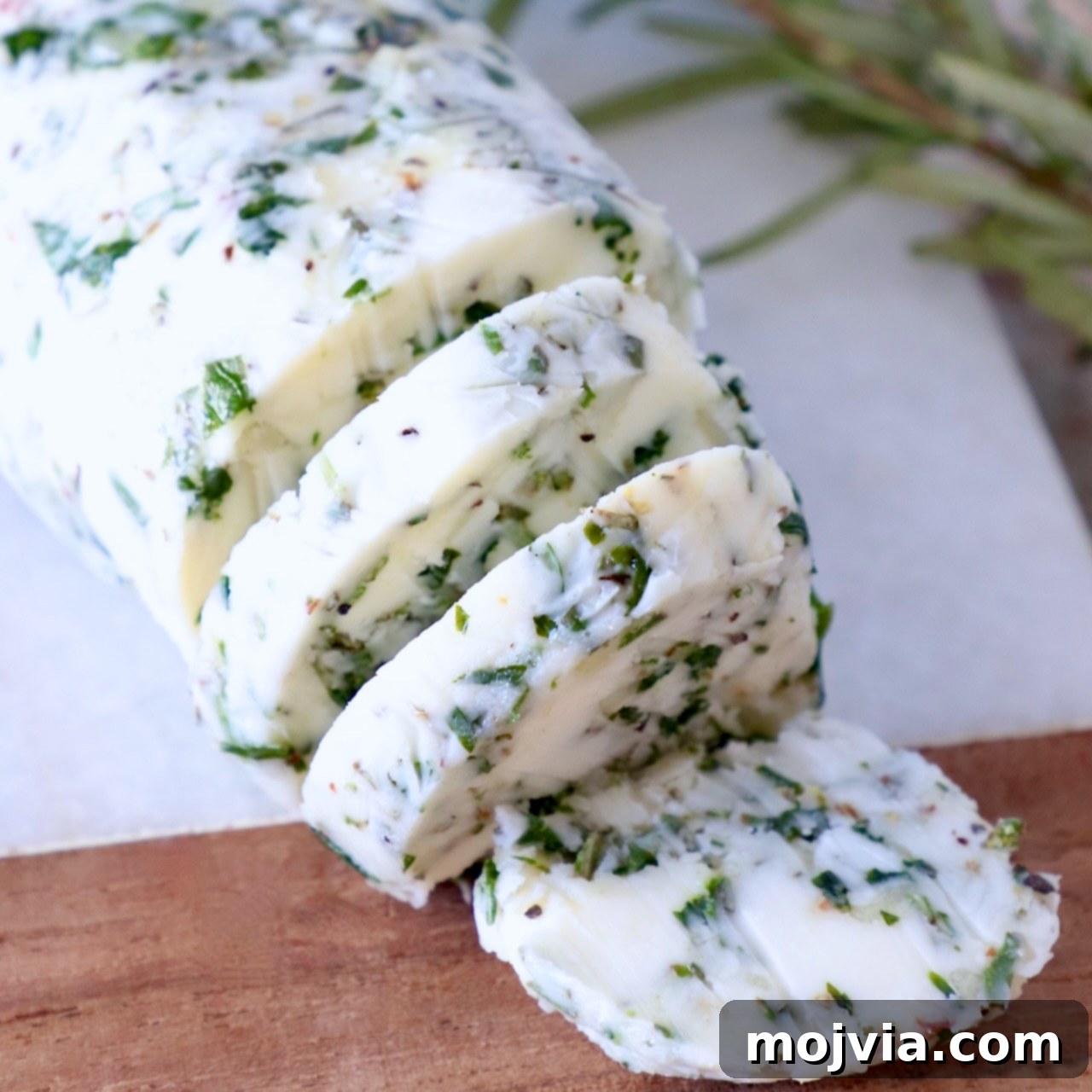
Elevate your everyday cooking with the simple magic of homemade Compound Butter! This versatile and incredibly flavorful butter is a culinary game-changer, allowing you to infuse ordinary dishes with extraordinary taste. Whether you’re crafting a rich garlic herb compound butter, often called steak butter, to melt over a perfectly seared steak, or a sweet variant to spread on warm biscuits, this easy recipe opens up a world of delicious possibilities. Discover how this essential kitchen hack can transform everything from roasted chicken and baked potatoes to your favorite breakfast pastries.
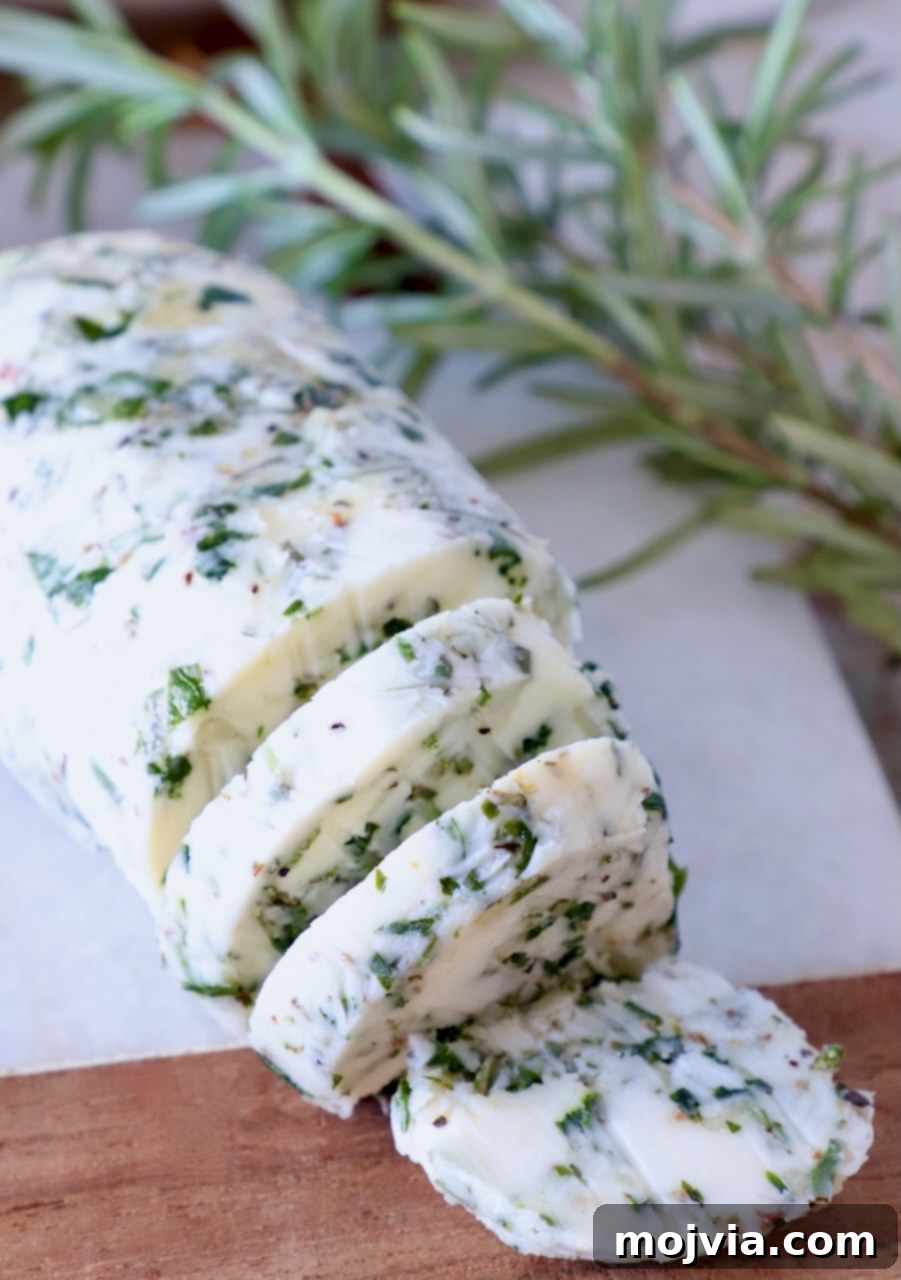
What is Compound Butter? Your New Secret Ingredient
Compound butter, also known as flavored butter or beurre composé, is simply butter that has been softened and then mixed with various ingredients to add enhanced flavor and aroma. It’s an age-old culinary technique employed by chefs in professional kitchens around the world to quickly introduce a burst of deliciousness to nearly any dish. From savory herbs and spices to sweet honey and cinnamon, the possibilities for creating unique and custom flavored butters are truly endless. Once mixed, the butter is typically re-chilled and then sliced or spread directly onto food, allowing its rich flavors to melt and meld beautifully with your meal.
Why Homemade Compound Butter Will Transform Your Cooking
A few years ago, I had the incredible opportunity to collaborate with a seasoned culinary instructor. She shared some invaluable “insider secrets” from her extensive career in restaurant kitchens, and compound butter was at the top of her list. While I had made it before, it wasn’t a staple in my kitchen. After creating a variety of these flavorful butters for a video series, I was completely hooked. Now, I always keep a batch in my fridge, and you will too! Here’s why compound butter is an absolute must-have:
- Unleash a Burst of Flavor: Compound butter is the ultimate flavor amplifier. Imagine spreading a rich, garlicky, herb-infused butter on warm toast, or finishing a perfectly cooked prime rib with a melting pat of savory steak butter. Each bite is magically transformed, bursting with depth and complexity that simple butter alone cannot provide. It’s an instant gourmet touch for any meal.
- Endless Culinary Versatility: The beauty of compound butter lies in its adaptability. You are the chef, so you can tailor the flavors to suit any dish or personal preference. Love a bold garlic punch? Load it up! Craving something sweet? Infuse it with maple syrup and cinnamon. Whether you’re aiming for a sweet spread or a savory finish, the combinations are limitless, making it suitable for breakfast, lunch, or dinner.
- Effortless to Prepare: Don’t let its sophisticated reputation fool you – making compound butter is incredibly easy. Once your butter is at room temperature, it takes barely five minutes to mix in your chosen ingredients. A quick chill in the refrigerator, and you’ll have a ready-to-use flavor bomb that significantly reduces prep time for future meals, making weeknight dinners feel special without extra effort.
- Cost-Effective & Customizable: Beyond its deliciousness, making compound butter is an economical way to use fresh herbs before they spoil and to create custom flavor profiles without buying expensive pre-made sauces or condiments. You control the quality of ingredients, the salt content, and the specific flavor balance, ensuring it always meets your dietary needs and taste preferences.
- Impress Your Guests with Minimal Effort: Serving a dish enhanced with homemade compound butter instantly elevates its perceived value and sophistication. Your friends and family will be impressed by the rich, complex flavors, assuming you spent hours in the kitchen, when in reality, it was a quick and easy addition. It’s the perfect secret weapon for entertaining.
Essential Ingredients for Classic Herb Compound Butter
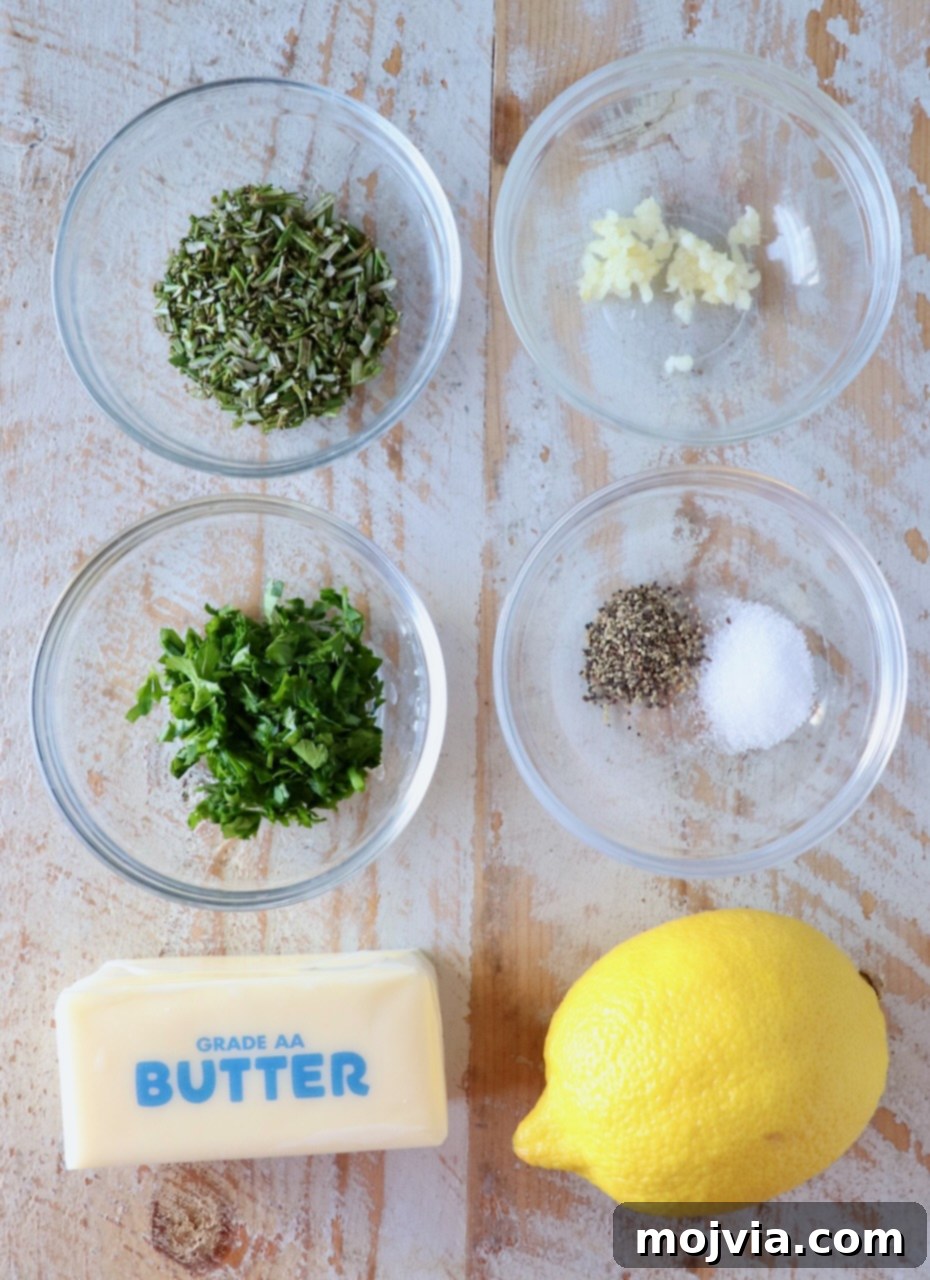
Crafting the perfect classic herb compound butter begins with selecting high-quality ingredients. The beauty of this recipe is its flexibility; you can easily adjust it to your taste or what you have on hand. Below, I detail the best ingredients for a timeless herb-infused butter. For exact measurements, please refer to the recipe card at the bottom of this article, and explore more specific compound butter recipes in the dedicated section further down.
- Unsalted Butter: The Foundation – Always start with unsalted butter as your base. This is crucial because it gives you complete control over the total salt content, allowing you to season the butter precisely to your liking without worrying about it becoming overly salty, especially when pairing with already seasoned dishes.
- Quality Salt: Flavor Enhancer – Speaking of salt, it’s an indispensable component of compound butter, regardless of whether you’re making a sweet or savory version. A touch of salt expertly balances and magnifies all the other flavors, making them pop. Kosher salt is generally recommended for its clean taste and coarser texture.
- Fresh Garlic: The Aromatic Core – Garlic is a powerhouse of flavor that pairs wonderfully with fresh herbs. For this classic recipe, I suggest using two medium-sized cloves, crushed or very finely grated. A garlic press makes quick work of this, ensuring a smooth consistency without large chunks. For an even deeper, sweeter, and more mellow garlic essence, consider incorporating roasted garlic.
- Vibrant Herbs: Your Personal Touch – This is where you can truly get creative! I typically recommend two tablespoons of finely chopped fresh herbs. Don’t be afraid to mix and match. A classic combination often includes a “woodsy” herb like rosemary or thyme, paired with a “delicate” herb such as parsley, basil, or dill. However, feel free to use whatever fresh herbs you have available; even a single herb can shine when doubled up in the butter.
- Freshly Ground Black Pepper: Subtle Kick – A mere quarter teaspoon of freshly ground black pepper introduces a gentle warmth and a light, peppery zest that beautifully complements the other flavors without overpowering them.
- Lemon Juice (Optional): A Bright Finish – A small amount of fresh lemon juice adds a refreshing acidity and bright citrus note, cutting through the richness of the butter and enhancing the overall flavor profile. While optional, it’s a delightful addition that truly elevates the herb butter.
- Optional Flavor Boosters: Don’t limit yourself! Consider adding finely minced shallots for a delicate onion flavor, a pinch of red pepper flakes for subtle heat, or even a bit of lemon zest for an extra aromatic citrus kick.
Step-by-Step Guide to Making Perfect Compound Butter
Making homemade compound butter is surprisingly straightforward and requires just a few simple steps. Follow this guide, complete with helpful tips, to create a perfect batch every time. For the full, detailed recipe instructions and measurements, scroll down to the recipe card below.
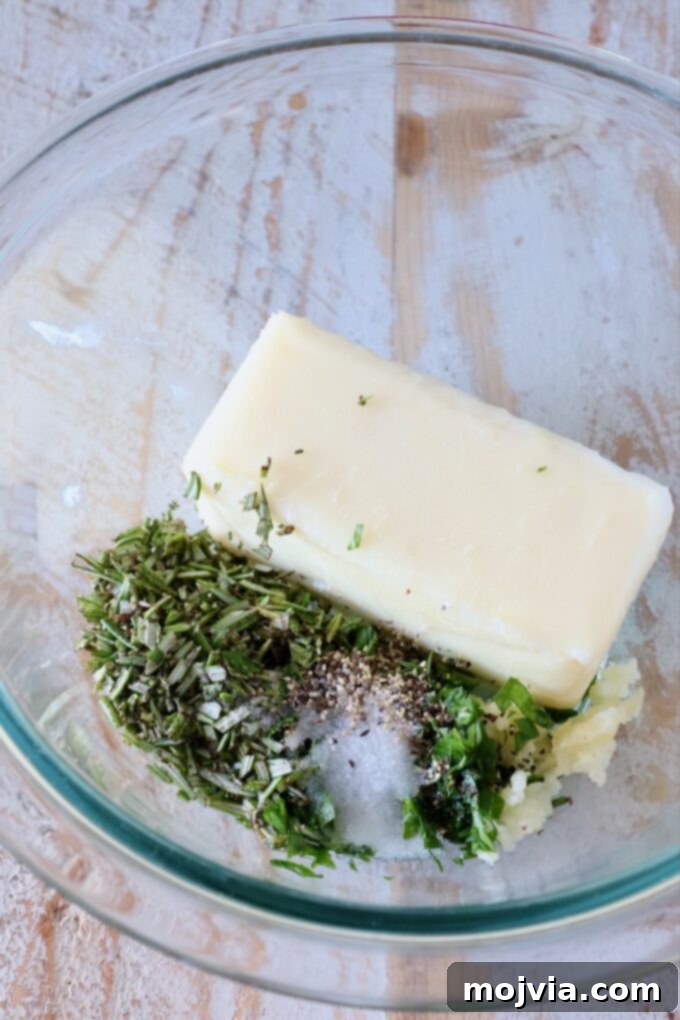
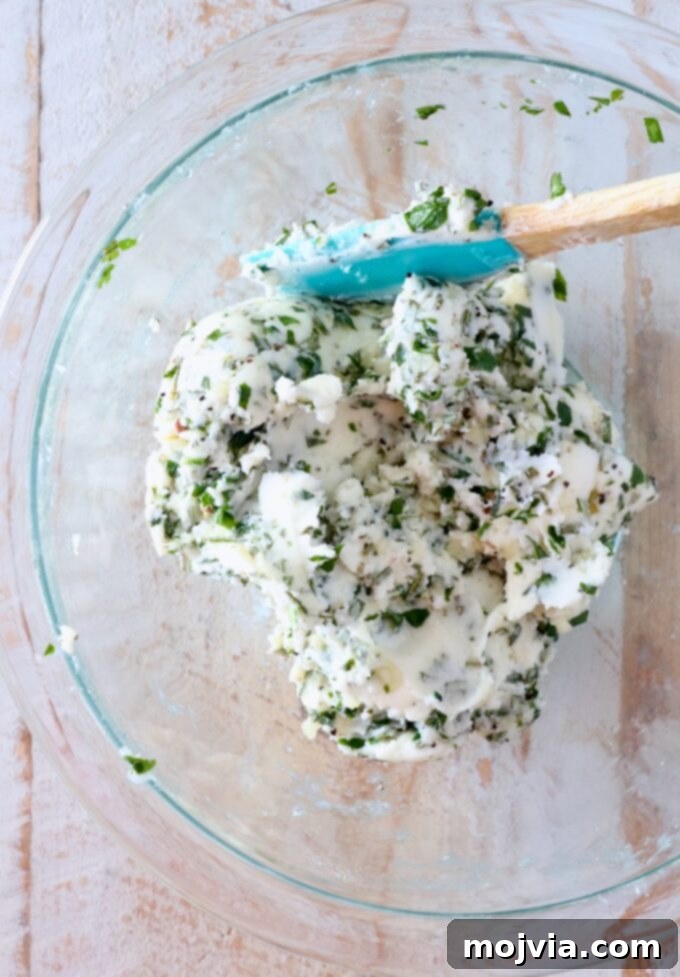
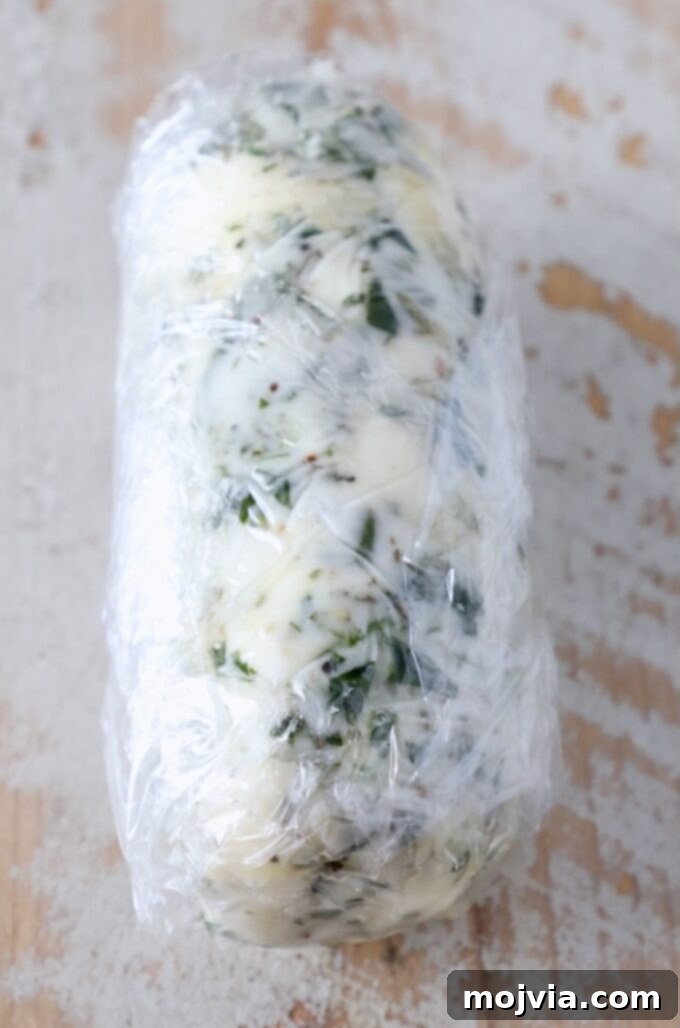
- Achieve Perfect Room Temperature Butter: The crucial first step is to bring your unsalted butter to a true room temperature. This typically takes 60-90 minutes when left on the counter. Avoid speeding this process up in the microwave, as it often melts the edges while leaving the center too hard, resulting in an inconsistent texture. Patiently waiting ensures a smooth, easily workable butter that perfectly incorporates all your flavor additions.
- Combine Your Chosen Flavors: Once your butter is perfectly softened, transfer it to a mixing bowl. For this classic recipe, gently fold in your finely chopped parsley, fragrant rosemary, crushed garlic, a squeeze of fresh lemon juice (if using), kosher salt, and freshly ground black pepper. Use a sturdy spatula to thoroughly combine all the ingredients until they are evenly distributed. It’s best to avoid using your hands for this step, as your body heat can over-soften the butter, making it greasy and difficult to work with.
- Shape and Roll for Easy Portions: Lay out a sheet of plastic wrap on a clean work surface. Spoon the flavored butter mixture onto the middle of the plastic wrap. Carefully roll the plastic wrap up and over the butter, shaping it into a compact, round log. Aim for an even thickness from end to end; this ensures that each slice you cut later will be uniform in size and presentation.
- Chill to Set and Infuse: After shaping, place the wrapped butter log back into the refrigerator. Let it chill for at least one hour. This chilling period is essential for two reasons: it allows the butter to firm up, making it easy to slice, and it gives all the wonderful flavors time to meld and deepen, resulting in a more harmonious and delicious compound butter.
Creative Ways to Elevate Your Meals with Compound Butter
This garlic herb compound butter is incredibly versatile and can enhance a multitude of dishes. The beauty is you can customize the herbs to perfectly complement your chosen meal. Fresh herbs like basil, thyme, rosemary, parsley, sage, dill, and chives all lend unique and wonderful flavors to butter. Here are some of my favorite ways to utilize compound butter, along with recommended herb pairings:
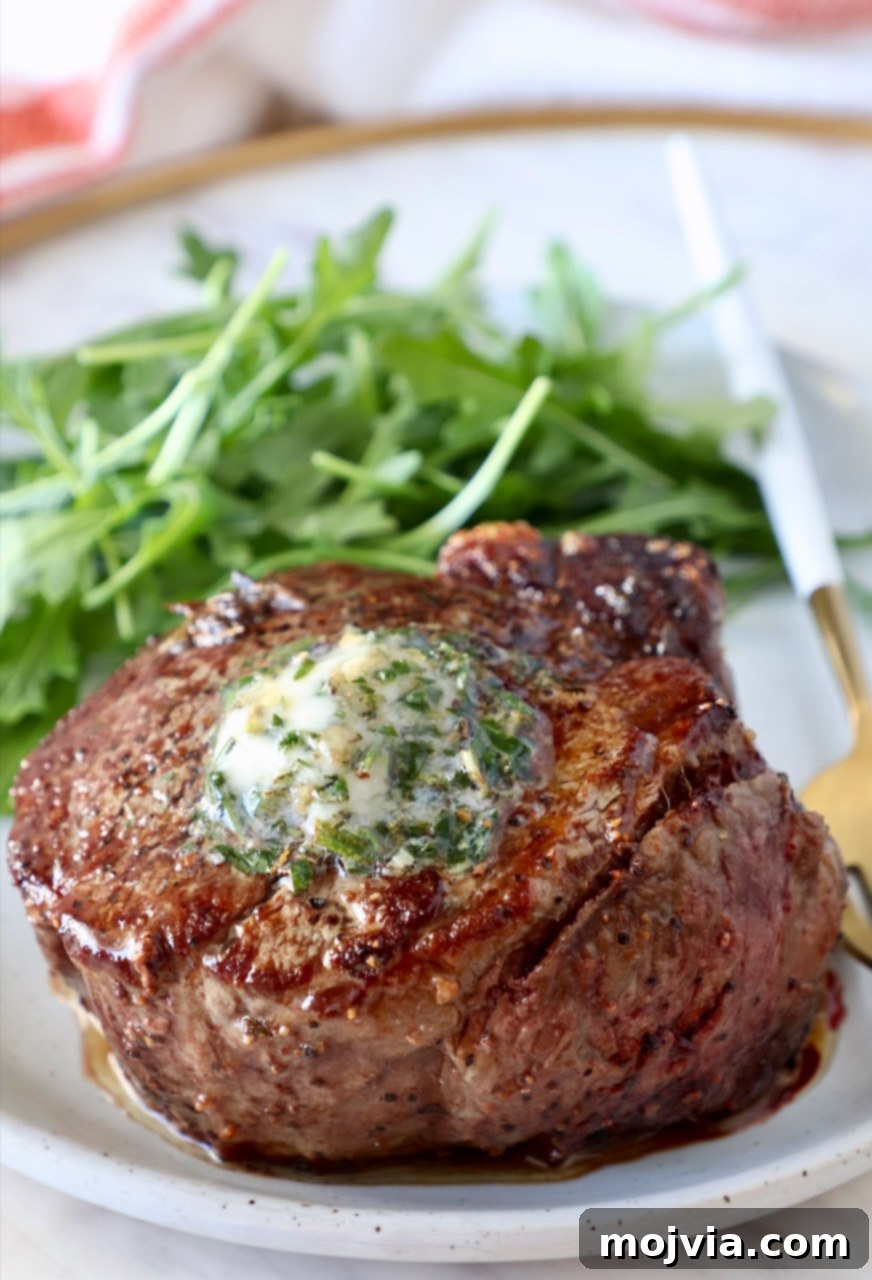
- Steak & Red Meats: The Ultimate Pairing – This is arguably the most classic application. Immediately after cooking your steak (such as a grilled filet mignon, sirloin, sous vide steak, or air fryer steak), simply place a thick slice of compound butter on top. As the steak rests, the butter will slowly melt, basting the meat in rich, aromatic juices and adding incredible depth. For steaks, a robust combination of parsley and rosemary is highly recommended.
- Poultry Perfection: Juicy Chicken & Turkey – For poultry that’s unbelievably moist and flavorful, tuck slices of compound butter under the skin of a turkey before smoking or roasting. The butter will slowly render, infusing the meat with flavor and keeping it tender and juicy. Similarly, topping cooked chicken (whole, thighs, or breasts) with a pat of compound butter allows it to melt over the hot poultry, adding a final layer of moisture and taste. For turkey, a traditional blend of parsley, sage, rosemary, and thyme is excellent (use about 1/2 tablespoon of each). For chicken, rosemary and basil create a delightful pairing.
- Delicate Seafood: Enhanced Flavors – Compound butter is a fantastic companion for fish like salmon, sea bass, or tilapia, and it’s equally sublime with shellfish such as shrimp, scallops, or mussels. The butter enriches the natural sweetness of seafood without overpowering it. Opt for more delicate herbs here, with a combination of basil and chives working particularly well to highlight the seafood’s freshness.
- Roasted & Sautéed Vegetables: A Flavorful Boost – Transform your vegetable side dishes! Toss vegetables like broccoli or cauliflower with compound butter before roasting them to imbue them with rich flavor. Alternatively, melt a pat of compound butter over freshly grilled asparagus or corn on the cob. For the ultimate comfort food, stir it into warm mashed potatoes or add a generous dollop to a steaming baked potato.
- Garlic Bread & Beyond: Elevated Carbs – Making extraordinary garlic bread is effortless with garlic herb compound butter. Simply spread the softened butter over toasted slices of baguette for a quick treat. To prepare a whole loaf, slice a French bread lengthwise, spread the compound butter generously on the cut sides, and bake at 425°F (220°C) for 10-15 minutes until golden. Slice into individual portions and serve. This method also works wonders on dinner rolls! You’ll typically use about 1/2 cup of prepared butter for a standard loaf.
- Pasta Dishes: Simple yet Gourmet – For a quick and incredibly flavorful pasta dinner, mix a tablespoon or two of garlic herb butter directly with hot cooked pasta noodles and a sprinkle of Parmesan cheese. It creates a rich, herbaceous sauce with minimal effort. A blend of Italian parsley and basil is ideal for this application, offering a classic Mediterranean profile.
- Breakfast & Brunch: Sweet Compound Butter Magic – Don’t forget the sweet side! A maple cinnamon compound butter is heavenly spread on fluffy pancakes, crispy waffles, warm biscuits, or even a slice of quick bread. It’s an easy way to add a gourmet touch to your breakfast table.
- Soups & Sauces: A Finishing Touch – Swirl a small pat of savory compound butter into hot soups, stews, or pan sauces just before serving. It will add a final touch of richness, emulsify the sauce, and infuse the dish with a nuanced depth of flavor that is truly remarkable.
Unlock More Flavor: Diverse Compound Butter Recipes to Try
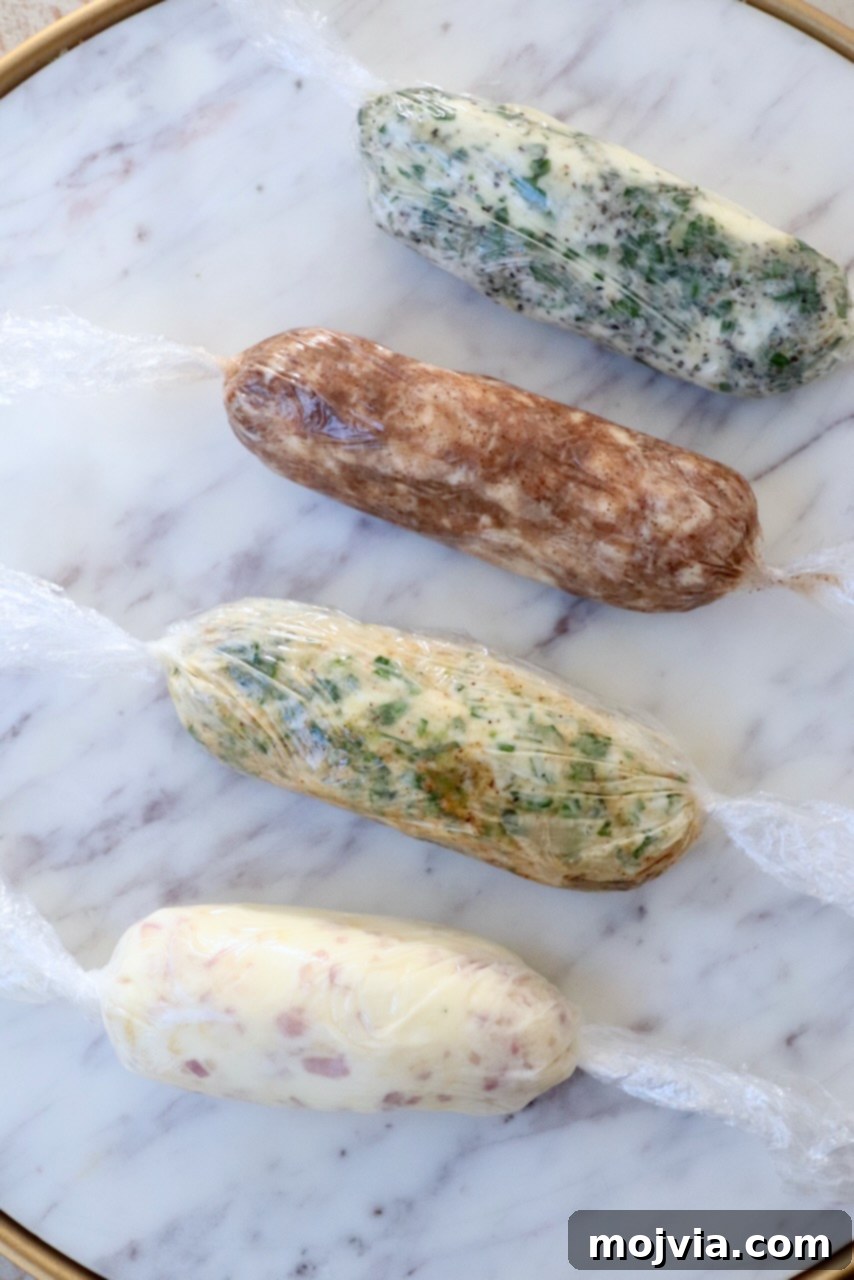
The core concept for any compound butter is simple: one stick of butter (1/2 cup) combined with about 1/2 teaspoon of salt and at least two tablespoons of additional flavorings. These “additional ingredients” are where your culinary imagination can truly run wild, allowing you to create customized flavored butters for any occasion. Here’s a list of diverse compound butter recipes that I’ve enjoyed experimenting with over the years, along with their best culinary applications:
- Zesty Rosemary Lemon Butter: Combine 1/2 cup butter, 1/2 teaspoon salt, 2 tablespoons chopped fresh rosemary, 1/2 teaspoon lemon juice, 1/2 teaspoon lemon zest, and 2 crushed garlic cloves. This vibrant combination is exceptional on grilled chicken, like this lemon rosemary chicken, and equally delightful with seafood, especially this lemon herb salmon.
- Rich Garlic Shallot Butter: Mix 1/2 cup butter, 1/2 teaspoon salt, 2 tablespoons finely minced shallots, and 2 crushed garlic cloves. This savory butter is perfect for topping steaks, or melting over cooked shellfish such as mussels, clams, lobster, or crab, adding a luxurious depth.
- Warm Maple Cinnamon Butter (Sweet): For a sweet treat, blend 1/2 cup butter, 1/2 teaspoon salt, 1 tablespoon pure maple syrup, and 1 teaspoon ground cinnamon. This delightful sweet compound butter is heavenly spread on warm biscuits, cornbread, French toast, waffles, or pancakes. It also adds a comforting touch to baked sweet potatoes.
- Spicy Chili Lime Butter: Combine 1/2 cup butter, 1/2 teaspoon salt, 1 tablespoon fresh lime juice, 1 teaspoon lime zest, 1/2 teaspoon chili powder, and 1/4 teaspoon red pepper flakes. This butter offers a zesty kick, perfect for grilled corn on the cob, roasted chicken wings, or topping tacos and fajitas for an extra layer of flavor.
- Smoky Paprika & Herb Butter: Mix 1/2 cup butter, 1/2 teaspoon salt, 1 tablespoon chopped fresh thyme, 1 teaspoon smoked paprika, and a pinch of cayenne pepper. This robust butter is excellent with grilled pork chops, brushed over roasted potatoes, or slathered on crusty bread before grilling for a smoky, herbaceous delight.
Storage Tips & How to Make Ahead
One of the greatest advantages of compound butter is its make-ahead convenience, allowing you to have gourmet flavors ready at a moment’s notice. Proper storage ensures your homemade butter stays fresh and delicious.
- Refrigeration: Once prepared and shaped into a log, compound butter can be tightly wrapped in plastic wrap and stored in an airtight container in the refrigerator for up to two weeks. The flavors will deepen over time.
- Freezing: For longer storage, tightly wrap the butter log in plastic wrap, then an additional layer of aluminum foil or place it in a freezer-safe bag. Compound butter can be frozen for up to three months without significant loss of flavor or quality.
- Thawing: To use frozen compound butter, simply transfer it to the refrigerator a few hours or overnight before you plan to use it. For quicker use, you can slice off a portion and let it soften at room temperature for 15-30 minutes.
Frequently Asked Questions About Compound Butter
- Q: What’s the best butter to use for compound butter? A: Unsalted butter is always recommended as it gives you complete control over the seasoning. High-quality butter will yield the best flavor.
- Q: Can I use dried herbs instead of fresh? A: While fresh herbs provide the best flavor and texture, you can use dried herbs in a pinch. Use about one-third the amount of dried herbs compared to fresh (e.g., 1 teaspoon dried for 1 tablespoon fresh).
- Q: How long does homemade compound butter last? A: Stored properly in the refrigerator, it lasts up to 2 weeks. In the freezer, it can last up to 3 months.
- Q: Can I make a vegan version of compound butter? A: Absolutely! Simply substitute regular unsalted butter with a high-quality, unsalted vegan butter alternative. The preparation steps remain the same.
Enhance Your Culinary Skills Further
Just as compound butter adds a layer of exquisite flavor to your steaks and vegetables, incorporating other homemade flavor enhancers can elevate all your meals. Explore these blog posts to master additional techniques and recipes that will transform your cooking:
Homemade Garlic Herb Compound Butter
Discover how simple it is to elevate everyday meals into gourmet experiences with this homemade garlic herb compound butter. Perfect for steaks, baked potatoes, roasted chicken, and so much more, this flavored butter adds incredible depth and richness with minimal effort.
Servings: 8 tablespoons
Prep Time: 5 mins
Total Time: 1 hr 5 mins (includes chilling)
Author: Whitney Bond
Course: Side Dish, Condiment
Cuisine: American
Pin Recipe
Ingredients
- ½ cup unsalted butter, softened
- 2 tablespoons fresh herbs, finely chopped (e.g., parsley, rosemary, thyme, basil, dill or chives)
- 2 cloves garlic, crushed or finely minced
- ½ teaspoon kosher salt
- ¼ teaspoon black pepper, freshly ground
- ½ teaspoon fresh lemon juice (optional, for brightness)
Instructions
- Soften the Butter: Allow unsalted butter to sit at room temperature for 60-90 minutes until thoroughly softened but not melted. This is crucial for easy mixing and a smooth consistency.
- Combine Ingredients: In a medium bowl, add the softened butter, chopped fresh herbs, crushed garlic, kosher salt, and black pepper. If using, add the optional lemon juice.
- Mix Thoroughly: Using a spatula or fork, gently fold and mix all ingredients until they are evenly distributed throughout the butter. Avoid using your hands as body heat can over-soften the butter.
- Shape the Butter: Lay out a piece of plastic wrap on a clean surface. Spoon the flavored butter mixture onto the center of the plastic wrap. Gently roll and shape the butter into a log, approximately 1.5 to 2 inches in diameter. Twist the ends of the plastic wrap to seal it tightly.
- Chill to Firm: Place the wrapped butter log in the refrigerator for at least one hour. This allows the butter to firm up and the flavors to fully meld together, enhancing the overall taste.
- Serve or Store: Once firm, slice and use the compound butter as desired. Store leftover compound butter tightly wrapped in the refrigerator for up to 2 weeks, or in the freezer for up to 3 months.
Recipe Notes
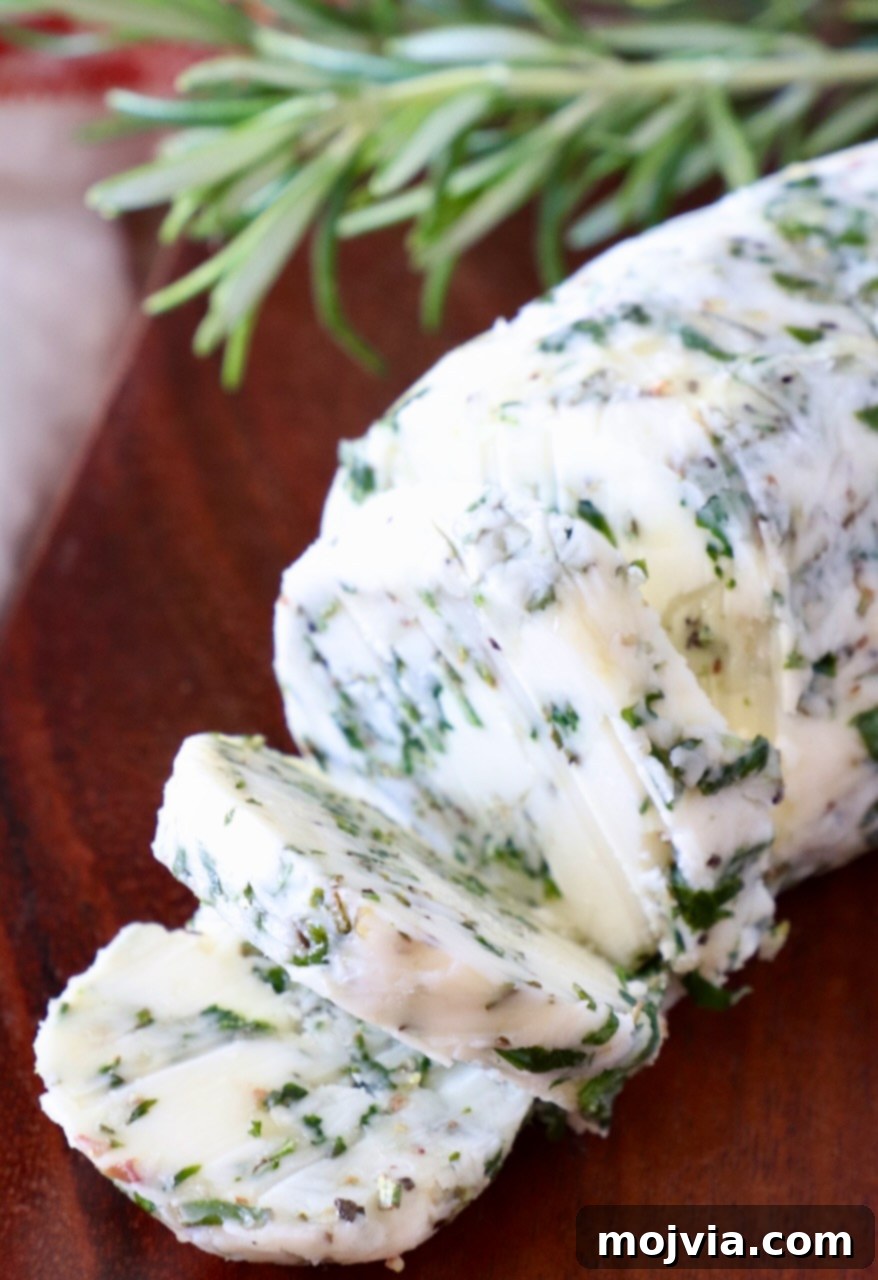
- Herb Varieties: Feel free to experiment with different fresh herbs. A balanced mix of woody herbs (rosemary, thyme) and delicate herbs (parsley, basil, dill) often yields the best results. The butter pictured in this post was made with 1 tablespoon rosemary and 1 tablespoon parsley.
- Lemon Zest: For an extra citrus punch, consider adding ½ teaspoon of lemon zest along with or instead of lemon juice. The lemon juice is optional and the butter will still be delicious without it.
- For more inspiring compound butter recipes, including delightful sweet options and various savory combinations, refer to the blog post above.
- Explore a comprehensive list of creative ways to use your homemade compound butter in the detailed sections above.
Nutrition Facts
(Per 1 tablespoon serving)
- Calories: 103 kcal (5%)
- Carbohydrates: 0.4g
- Protein: 0.2g
- Fat: 12g (18%)
- Saturated Fat: 7g (35%)
- Polyunsaturated Fat: 0.4g
- Monounsaturated Fat: 3g
- Cholesterol: 31mg (10%)
- Sodium: 148mg (6%)
- Potassium: 13mg
- Fiber: 0.1g
- Sugar: 0.03g
- Vitamin A: 439mg (9%)
- Vitamin C: 2mg (2%)
- Calcium: 7mg (1%)
- Iron: 0.1mg (1%)
Did you make this recipe? Share your delicious creation on Instagram and tag @WhitneyBond using the hashtag #WBRecipes! We love seeing your culinary masterpieces!