
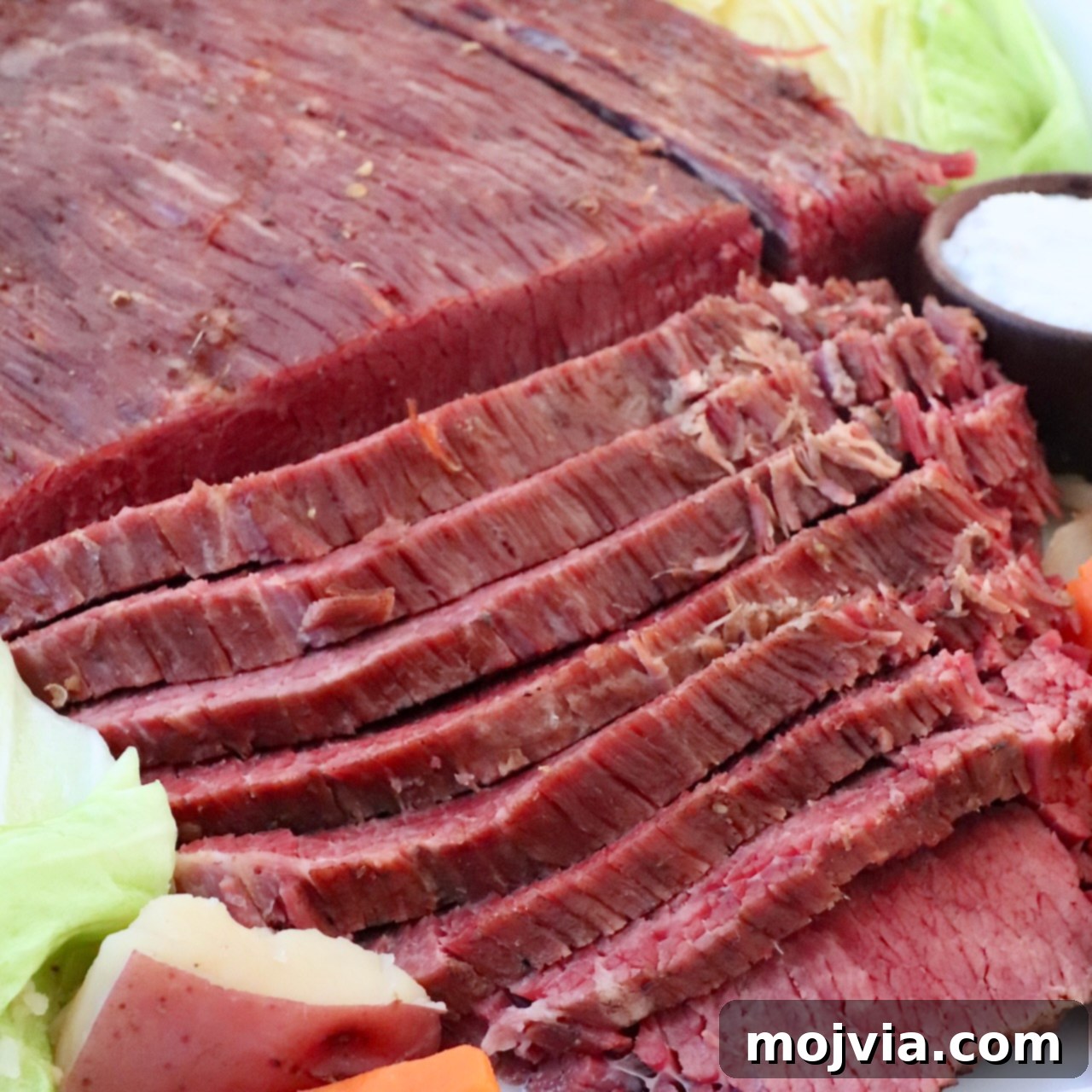
Prepare to savor the finest Homemade Corned Beef you’ve ever tasted with this remarkably straightforward recipe! Achieved through a meticulous 5-day brine in your refrigerator, this succulent beef brisket can then be effortlessly cooked to perfection in your oven or a slow cooker. The secret lies in a masterful corned beef seasoning blend, which infuses every fiber with unparalleled flavor. A gentle, slow simmer in rich beef broth guarantees a corned beef brisket that is incredibly juicy, fall-apart tender, and utterly melt-in-your-mouth delicious! Forget store-bought alternatives; this homemade version elevates the experience to an entirely new level.
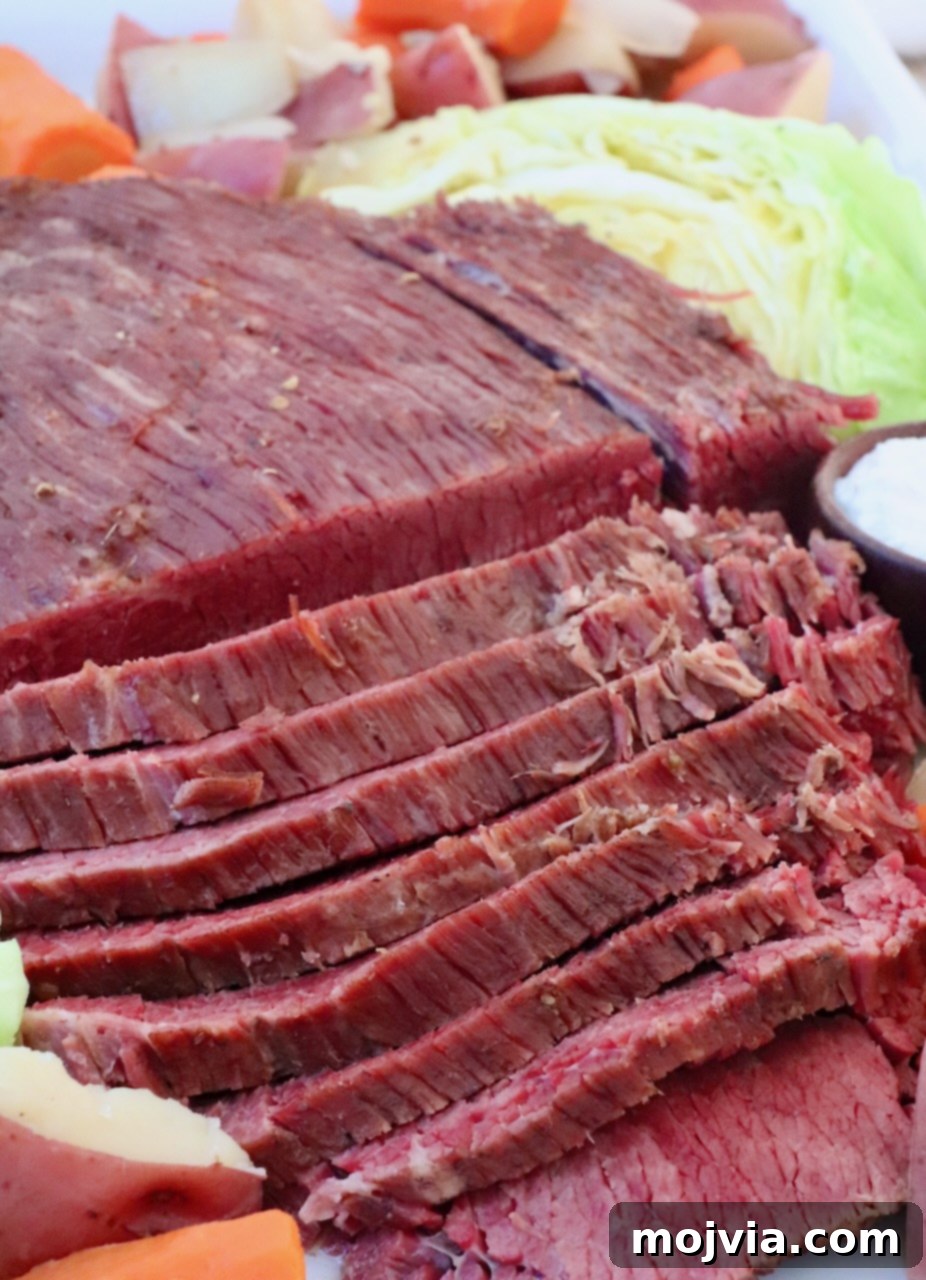
Table of Contents
- Why You’ll Adore This Homemade Corned Beef
- Essential Ingredients for Perfect Corned Beef
- Step-by-Step Corned Beef Preparation
- The Art of Brining Your Brisket
- Oven Cooking Method for Tender Corned Beef
- Slow Cooker Corned Beef: Effortless Perfection
- Serving Suggestions: What to Pair with Corned Beef
- Creative Ways to Enjoy Leftover Corned Beef
- Discover More Delicious Beef Recipes
- Expert Tips for Corned Beef Success
Why You’ll Adore This Homemade Corned Beef Recipe
Embarking on the journey of making corned beef from scratch might seem daunting, but once you experience the incredible results, you’ll understand why it’s so rewarding. This recipe promises an unforgettable culinary adventure, and here are compelling reasons why you’ll absolutely love it:
- Unmatched Flavor Profile: Forget the bland, overly salty corned beef often found in supermarkets. Our homemade version is bursting with a complex, aromatic flavor that’s simply superior. The secret lies in a meticulously crafted corned beef seasoning blend, which, when combined with the slow brining process, infuses the brisket with deep, savory notes that store-bought varieties simply can’t replicate. Each bite offers a harmonious balance of spices and beefy goodness.
- Year-Round Enjoyment: Why limit the pleasure of corned beef to just St. Patrick’s Day? This recipe liberates you from seasonal grocery store availability. With a readily available beef brisket, you can transform an ordinary cut of meat into a spectacular dish any time of the year. Whether it’s a cozy winter dinner or a festive holiday meal, homemade corned beef is always a welcome centerpiece.
- Surprisingly Simple Process: While the brine requires a modest 5 to 7 days in the refrigerator, the actual hands-on preparation time for this recipe is astonishingly short—less than 30 minutes! The majority of the work is passive, allowing the brine to work its magic. Once brined, the cooking process in either an oven or a slow cooker is straightforward and forgiving, making it an accessible recipe for cooks of all skill levels. The results are a testament to patience, not endless effort.
My culinary adventure into homemade corned beef began not with a desire for a holiday meal, but with an obsession over flavor. I first delved into crafting my own corned beef seasoning, aiming to enhance the taste of commercially prepared briskets. The profound depth and aroma of this spice blend immediately captivated me, sparking an idea: if the seasoning could transform store-bought corned beef, imagine the possibilities with a completely homemade version!
Fueled by this inspiration, I embarked on an ambitious journey to master the art of homemade corned beef. My first stop was Costco, where I (perhaps a bit enthusiastically) acquired a substantial number of briskets—not all of them, but certainly enough to conduct a comprehensive testing phase!
Over several weeks, I rigorously experimented with every variable. I tested brines ranging from 5, 7, to 10 days, meticulously adjusting salt concentrations to find the perfect balance. Different quantities of my homemade seasoning were applied, and the briskets were cooked in various liquids—pure beef broth, or a flavorful combination of broth and beer. Both oven and slow cooker methods were employed, scrutinized, and perfected. This rigorous testing ensured that only the most outstanding, thoroughly tested and perfected corned beef recipe would make its way onto this blog. The goal was to eliminate any guesswork for you, providing a foolproof path to corned beef excellence.
Now, it’s your turn to experience this culinary triumph. Head to your local butcher or grocery store, select a beautiful brisket, and prepare to create homemade corned beef that will impress everyone at your table. And a word to the wise: always make extra! The leftovers are truly a gift, transforming into the most delectable corned beef hash for breakfast or gourmet Reuben sandwiches for lunch. This recipe isn’t just a meal; it’s an investment in future deliciousness.
Essential Ingredients for Perfect Corned Beef
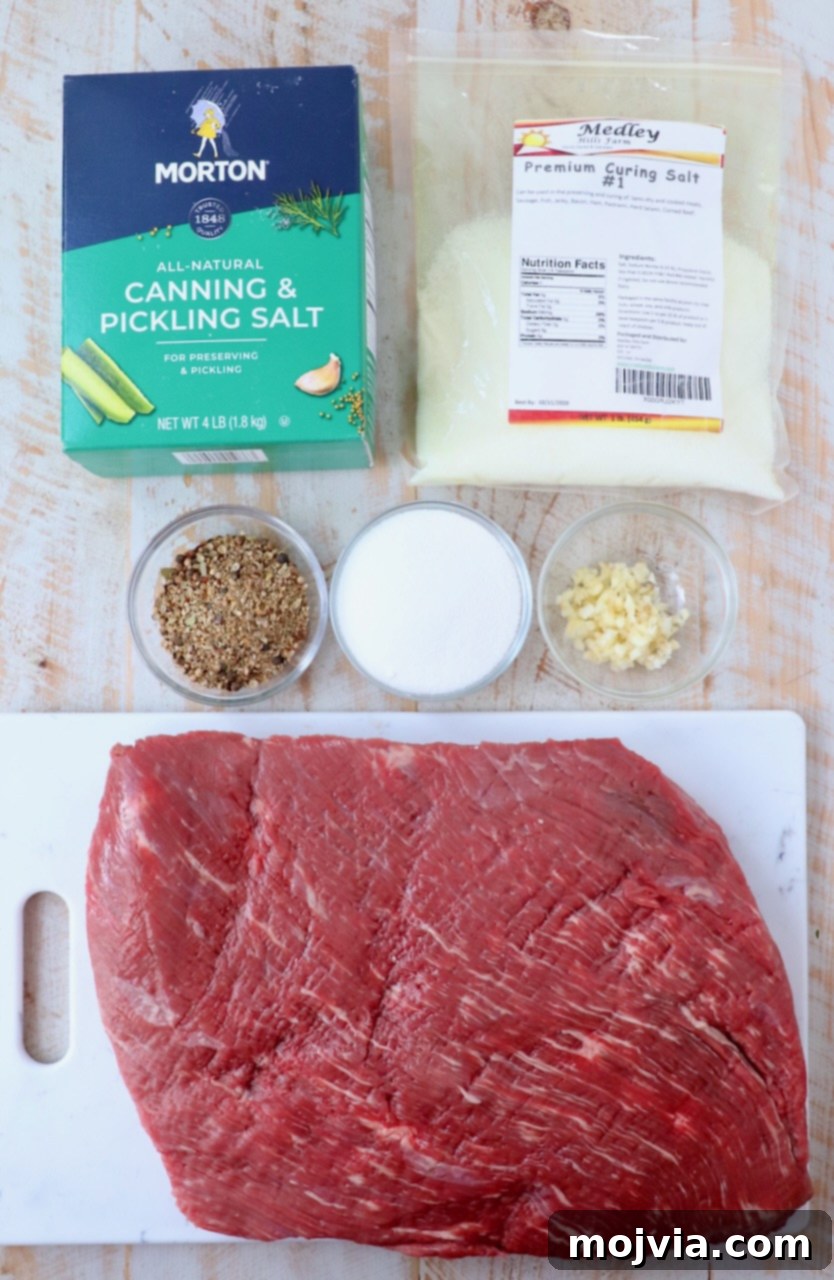
Crafting the perfect homemade corned beef begins with selecting high-quality ingredients. Each component plays a vital role in developing the rich flavor, tender texture, and iconic appearance of this beloved dish. Below, I’ll detail the best ingredients for this recipe, their specific functions, and practical substitution options. For precise measurements, please refer to the comprehensive recipe card located at the bottom of this article.
- Beef Brisket: The star of our show! For this recipe, I primarily utilized a flat cut brisket, also known as the “first cut.” This leaner half of a whole brisket comes from the lower chest area of the cow and is characterized by its ample connective tissue, making it an ideal candidate for low-and-slow cooking methods. These long cooking times allow the tough connective tissues to break down into gelatin, resulting in an incredibly tender and succulent final product. While the flat cut offers a leaner texture and slices beautifully, the point cut (the other, fattier half of the brisket) can also be used. Be aware that the higher fat content of the point cut means you’ll yield slightly less corned beef by weight after trimming and cooking, but it can offer an even richer flavor.
- Salt (Pickling or Coarse): Salt is the cornerstone of any brine, essential for both flavor and preservation. In brining, the weight of different types of salt (table salt, kosher salt, pickling salt) can vary significantly per cup due to crystal size. To ensure accuracy and consistent results, I highly recommend using ounces rather than cups for measuring salt in a brine. A basic kitchen scale, available for under $20 online, is an invaluable tool I use weekly. If a scale isn’t an option, you can substitute with approximately 1 cup of pickling or coarse salt for this recipe, though weighing offers more precise control.
- Granulated Sugar: A touch of granulated sugar in the brine might seem unusual, but it plays a crucial role. It balances the saltiness, adds a subtle sweetness that enhances the overall flavor complexity, and contributes to the beautiful caramelization during cooking. It’s not enough to make the corned beef sweet, but rather to round out the robust savory notes.
- Corned Beef Seasoning: This is where the magic truly happens! Click the provided link for my carefully crafted homemade spice blend, which was the original inspiration behind this entire recipe. This seasoning is a game-changer, infusing the brisket with classic corned beef flavors. It’s incredibly easy to prepare in under 5 minutes and can be stored in your pantry for up to six months, allowing you to whip it up well in advance. Key spices in this blend typically include fragrant coriander seeds, robust black peppercorns, pungent mustard seeds, earthy bay leaves, and delicate fennel seeds, creating an aromatic symphony.
- Premium Curing Salt #1 (Prague Powder #1 / Pink Curing Salt): This is a non-negotiable ingredient for authentic corned beef. Also commonly known as Prague Powder #1 or pink salt (distinct from Himalayan pink salt), this specialized curing agent contains sodium nitrate. Its primary function is twofold: it acts as a powerful antimicrobial, preventing spoilage during the extended brining period, and it’s responsible for giving corned beef its characteristic rosy pink color and distinct cured flavor. You’ll typically find this online or at specialty butcher shops and meat supply stores. Always use it accurately and sparingly, as directed by the recipe.
- Fresh Garlic Cloves: Minced fresh garlic adds an essential layer of pungent, aromatic flavor to the brine, complementing the spices beautifully and deeply infusing the beef. There’s no substitute for fresh garlic here for that vibrant taste.
- High-Quality Beef Broth or Stock: As the primary cooking liquid for the brisket, the quality of your beef broth or stock significantly impacts the final taste. I highly recommend using a high-quality beef stock because it possesses a richer, deeper, and more concentrated flavor profile compared to standard beef broth. If you’re inclined, making your own homemade beef stock will yield the absolute best results. For store-bought options, look for brands with minimal additives and a robust beef flavor. I’ve had great success with Custom Culinary Beef Base, which offers exceptional flavor, though it might be a bit pricier and require online ordering or a visit to a restaurant supply store.
- Traditional Vegetables (Carrots, Onion, Red Potatoes, Cabbage): These vegetables are more than just optional additions; they are classic accompaniments that absorb the savory cooking liquid and complement the corned beef beautifully. Carrots add a touch of sweetness, onions provide aromatic depth, red potatoes become wonderfully tender, and cabbage adds a fresh, slightly bitter counterpoint. Cooking them directly with the brisket infuses them with the rich flavors of the dish, creating a complete and satisfying meal.
Step-by-Step Corned Beef Preparation
Creating perfect homemade corned beef is a process that yields incredible rewards. Follow these detailed, step-by-step instructions, complete with visual aids, to achieve a tender, flavorful brisket in your own kitchen. Remember, the full ingredient quantities and precise instructions are always available in the recipe card at the very bottom of this post.
The Art of Brining Your Brisket
The brining process is the foundational step that transforms a simple beef brisket into flavorful corned beef. It requires patience, but the hands-on time is minimal.
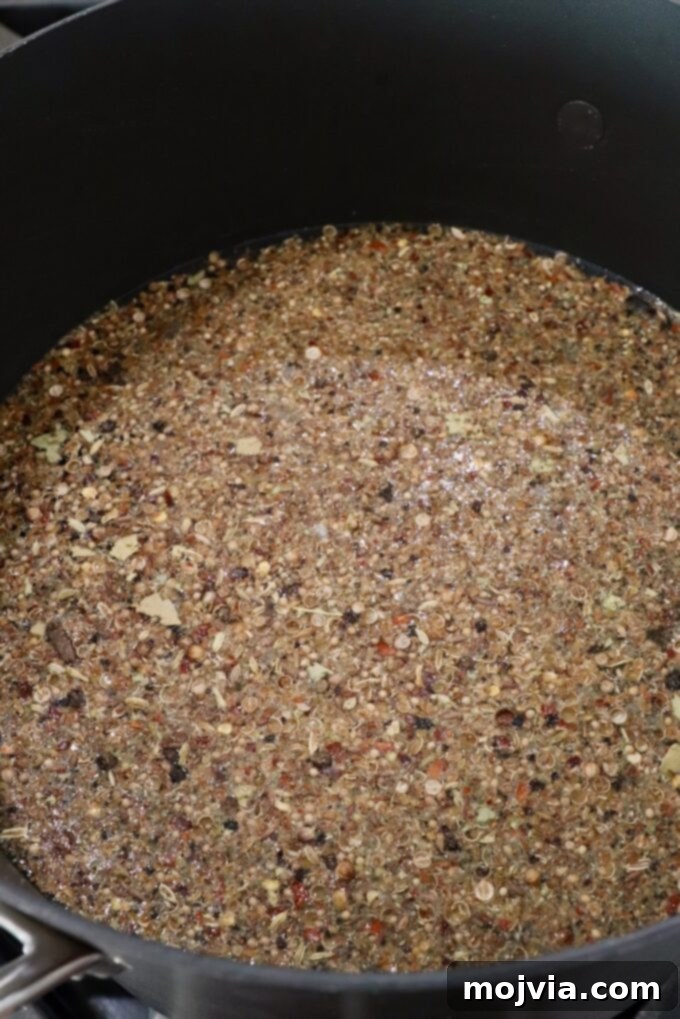
- Prepare the Brine Solution: Begin by combining 1 gallon of water with the granulated sugar, measured salt (preferably by weight for accuracy), your homemade corned beef seasoning, pink curing salt, and minced garlic cloves in a large, heavy-bottomed pot on your stove. Place the pot over high heat and bring the mixture to a rolling boil. Stir continuously until both the sugar and salt have completely dissolved into the water. Once dissolved, immediately remove the pot from the heat. It is crucial to allow the brine to cool down completely to room temperature before it comes into contact with the raw brisket. Pouring hot brine over the meat could prematurely cook it and compromise the curing process.
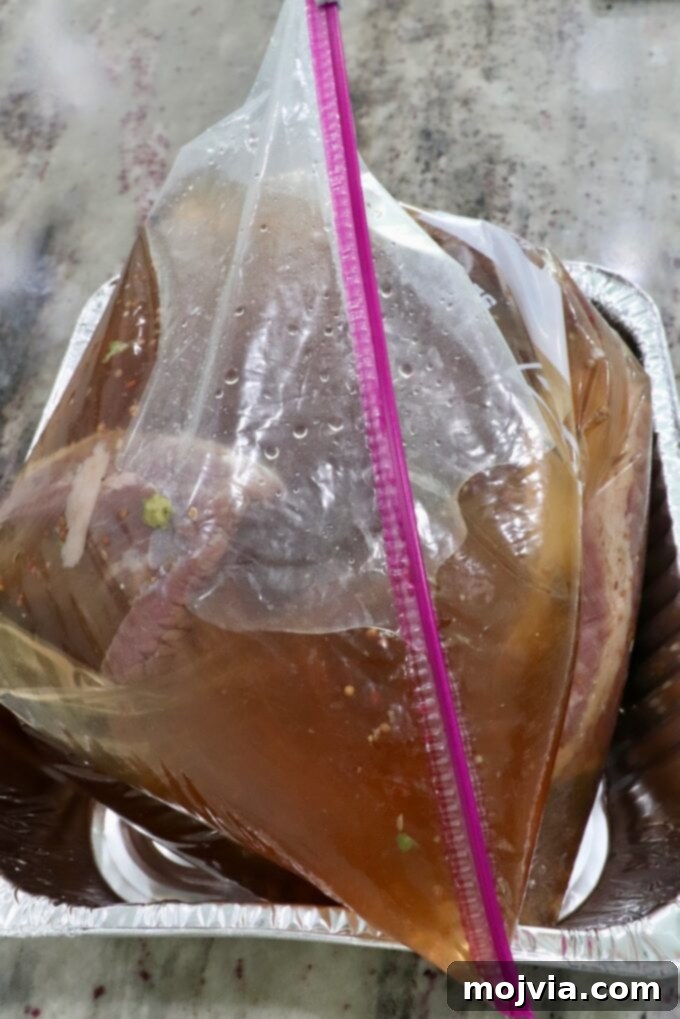
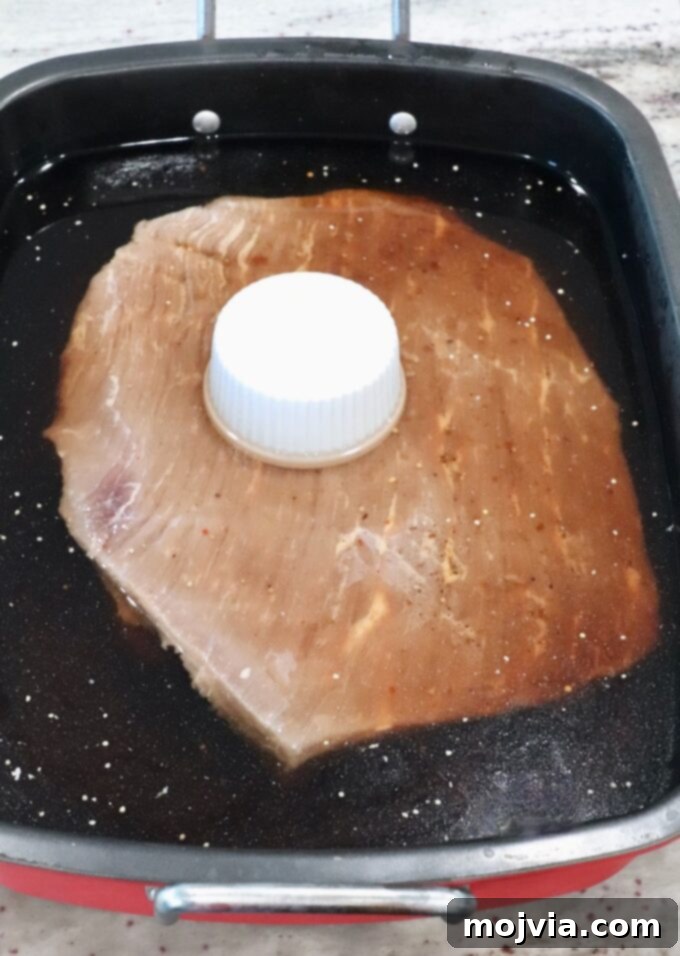
- Submerge and Brine the Brisket: Carefully transfer your beef brisket into a large, non-reactive container that is spacious enough to fully accommodate both the 5-pound brisket and the entire gallon of brine. I’ve found success with a variety of containers. For one test, I used a durable 2-gallon zipper bag, which I then placed inside an aluminum pan. This setup kept the brisket upright and fully submerged, also acting as a safeguard against any potential leaks. Alternatively, a large roasting pan or any deep food-safe container works wonderfully. If using an open container, gently place a small, heavy object (like a ramekin or a plate) on top of the brisket to ensure it remains completely submerged in the brine throughout the entire curing period. Cover the container tightly with a lid or plastic wrap before refrigerating. If the brisket is fully submerged, there is no need to flip it during brining. The brisket should be brined in the refrigerator for a minimum of 5 days and a maximum of 10 days. Understand that the longer the brisket remains in the brine, the saltier and more intensely flavored the final corned beef will be. For what I consider the perfect balance, I recommend a brining period of 5-7 days, with 7 days being my personal preference for optimal flavor development.
Oven Cooking Method for Tender Corned Beef
Once your brisket has completed its brining process, it’s time to cook it to tender perfection. The oven method offers consistent heat and results in a wonderfully succulent corned beef. If you prefer the convenience of a slow cooker, feel free to jump ahead to the next section.
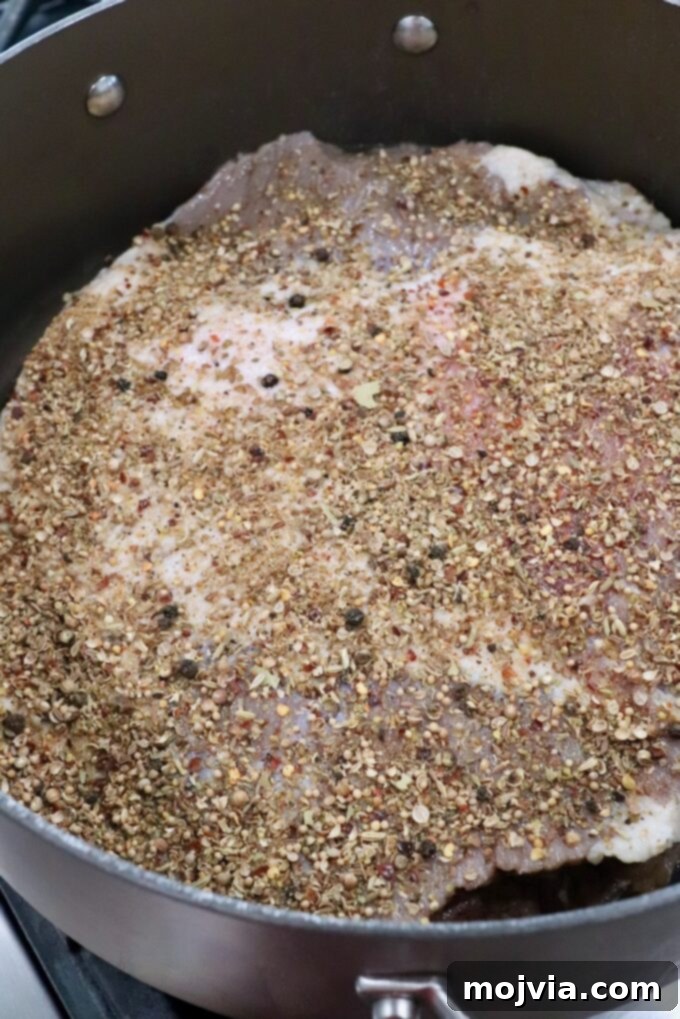
- Season and Prepare the Brisket: Preheat your oven to a steady 350°F (175°C). Carefully remove the brined brisket from its liquid. There’s no need to rinse it; simply pat it gently to remove excess moisture. Transfer the brisket directly into a large, heavy-bottomed Dutch oven or a similar oven-safe pot with a tight-fitting lid. Generously coat the entire surface of the brisket with a substantial amount of your homemade corned beef seasoning. This extra layer of spice will build an incredible crust and deepen the overall flavor.
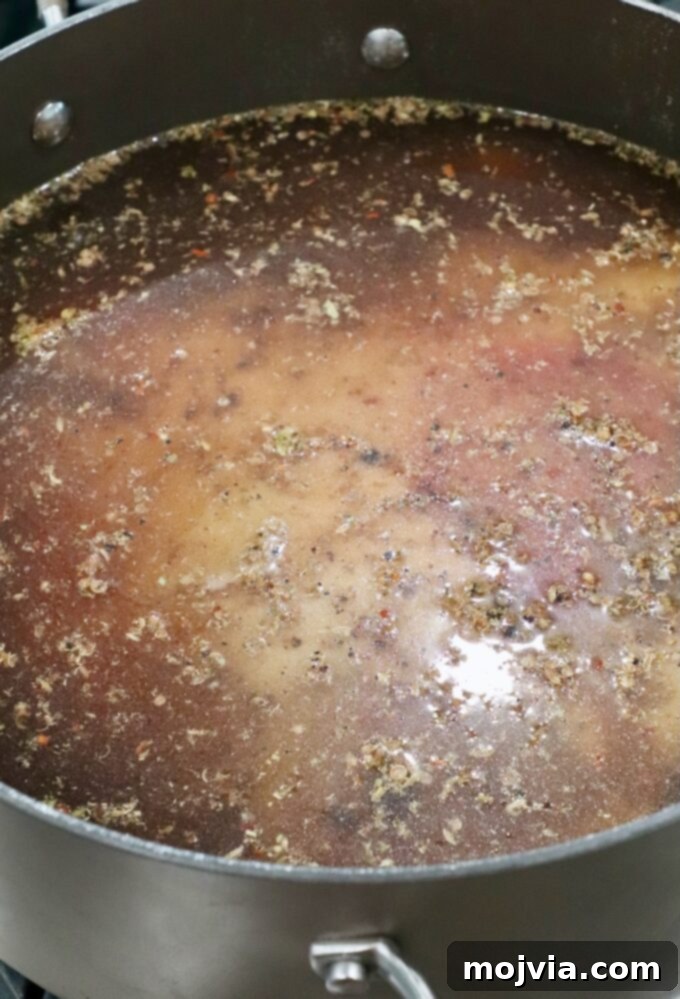
- Add Cooking Liquid: Pour 4 cups of high-quality beef broth into the Dutch oven around the brisket. For an added layer of flavor and a subtle tang, you have the option to use a mixture of half beef broth and half beer. I’ve tested both methods extensively and found them equally delicious. If you enjoy cooking with beer, I highly recommend experimenting with a pale ale, red ale, or amber ale for their complementary notes. Ensure the liquid covers a good portion of the brisket and vegetables you’re about to add.
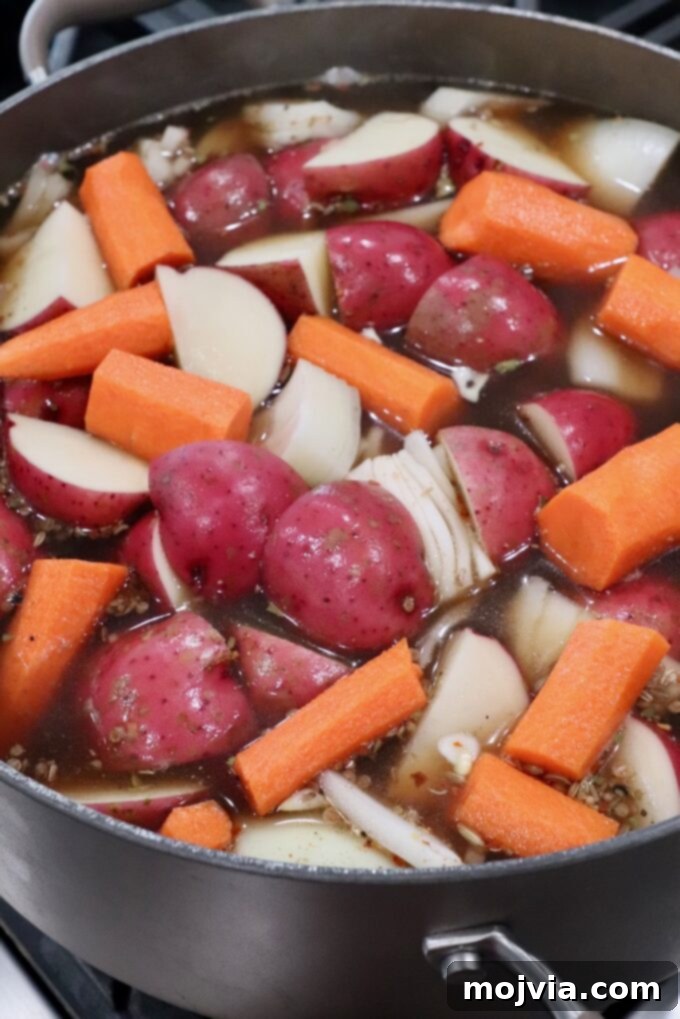
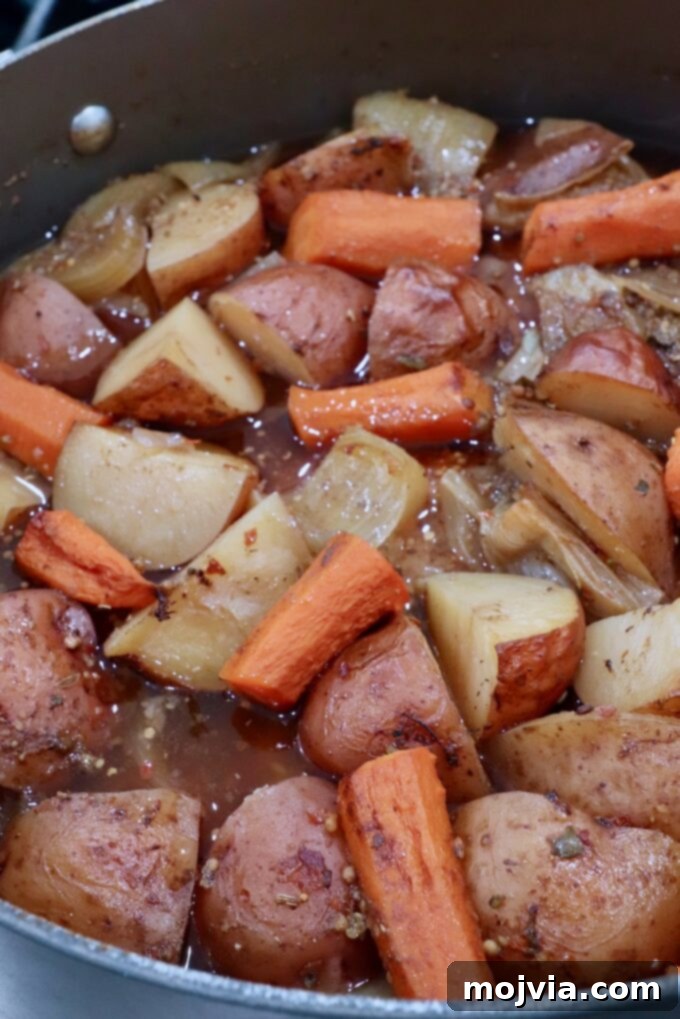
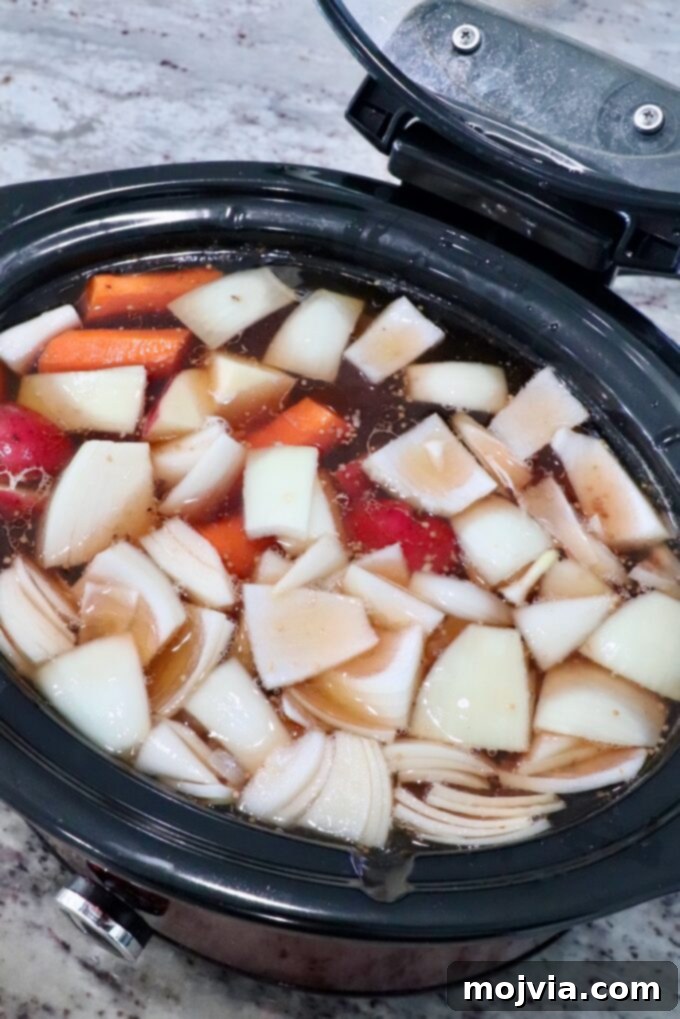
- Incorporate Vegetables and Begin Cooking: Now, add your quartered red potatoes, peeled and cut carrots (into roughly 2-inch pieces), and large diced onions to the Dutch oven, tucking them around the brisket. Don’t worry if they aren’t completely submerged in the cooking liquid; they will steam beautifully within the covered pot, absorbing all the aromatic flavors. Once everything is in place, bring the liquid in the Dutch oven to a boil on your stovetop over high heat. As soon as it reaches a boil, cover the pot tightly and transfer it to your preheated 350°F oven. Allow it to cook for a full 4 hours. If you wish to cook cabbage directly with the corned beef, add cabbage wedges to the Dutch oven during the last 30 minutes of the total cooking time.
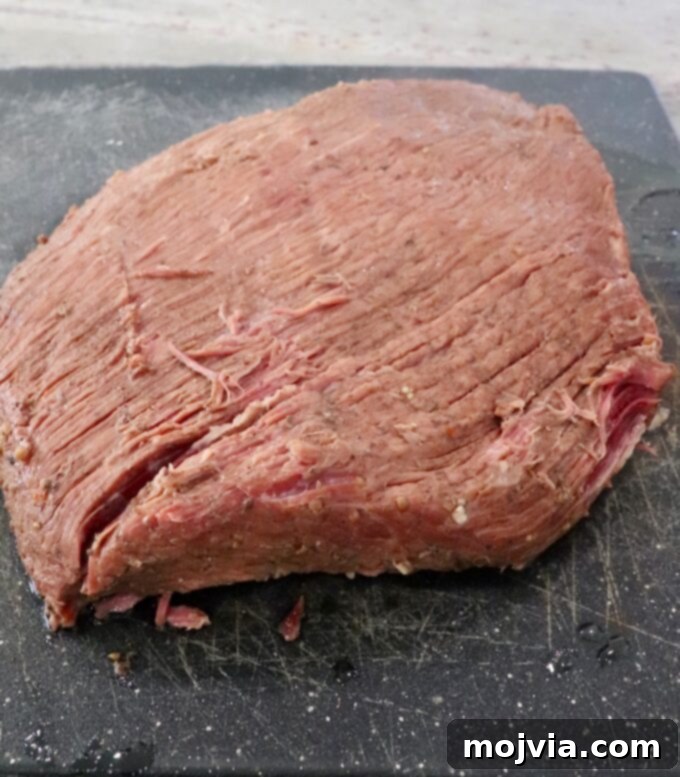
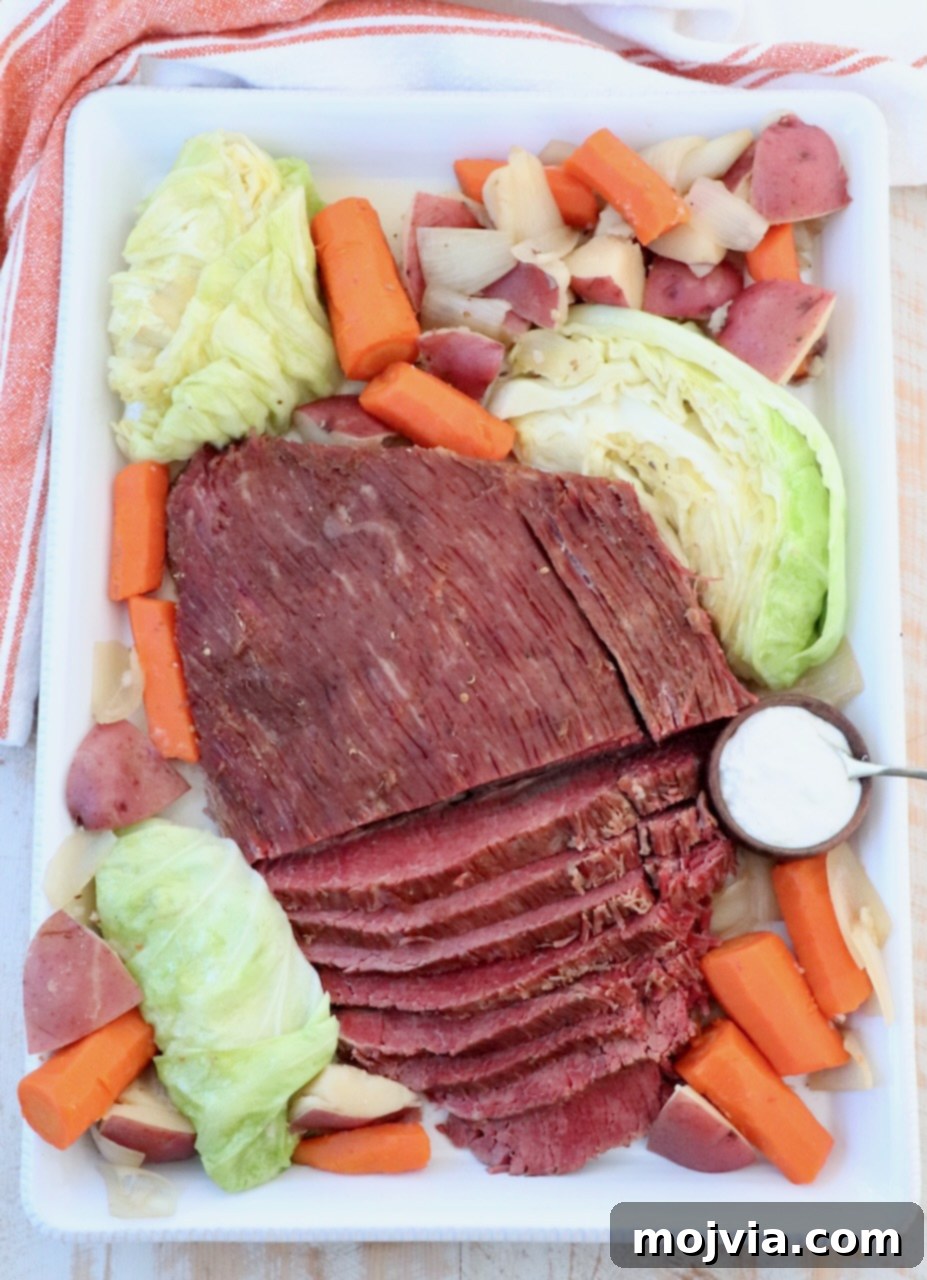
- Rest, Slice, and Serve: After 4 hours, carefully remove the Dutch oven from the oven. Lift the lid, allowing some steam to escape. Using a large slotted spoon, scoop out the tender vegetables from the pot and arrange them on a warm serving platter. Cover the vegetables loosely with a piece of aluminum foil to keep them warm while you prepare the beef. Carefully remove the corned beef brisket from the cooking liquid and place it on a clean cutting board. It is crucial to let the corned beef rest for 15-20 minutes before slicing. This resting period allows the juices to redistribute throughout the meat, ensuring maximum tenderness and flavor. Once rested, slice the corned beef against the grain into 1/4-inch thick slices. Arranging the slices on the serving platter alongside your cooked vegetables completes this magnificent meal. If you opted to cook your cabbage separately for a fresher taste, now is the perfect time to prepare steamed cabbage.
Slow Cooker Corned Beef: Effortless Perfection
For those who appreciate the convenience of “set-it-and-forget-it” cooking, the slow cooker is an excellent method for achieving incredibly tender corned beef. It requires minimal supervision, allowing you to go about your day while dinner cooks itself.
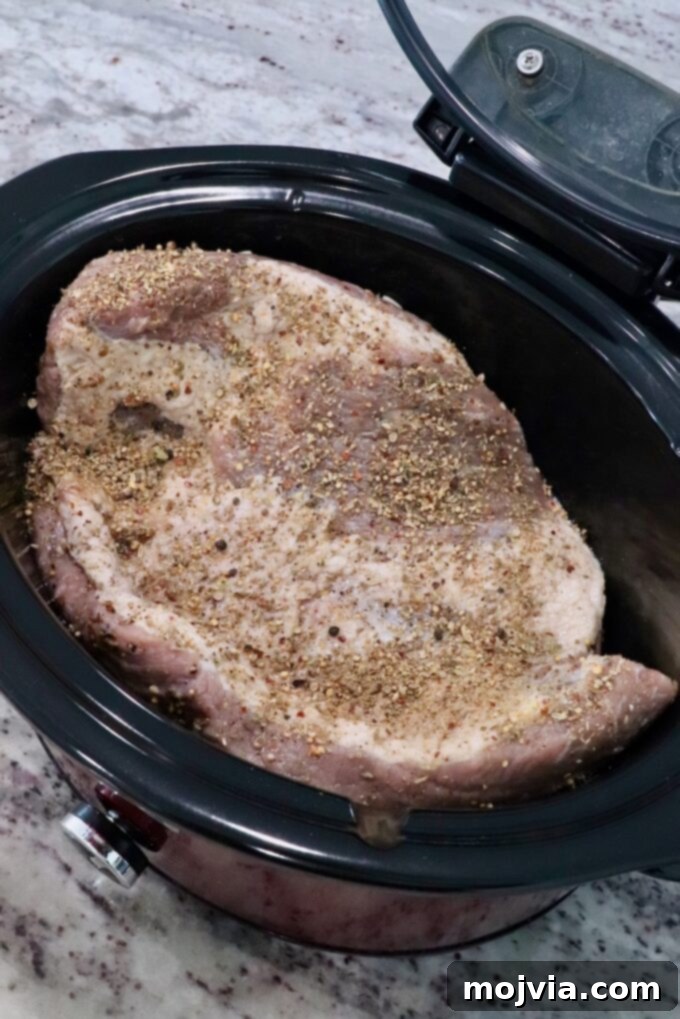
- Season and Load the Slow Cooker: Once your brisket has finished brining, gently remove it from the brine without rinsing. Transfer the brisket directly into the basin of your slow cooker. Generously cover the entire surface of the brisket with your prepared corned beef seasoning. This initial seasoning is vital for building deep flavor.
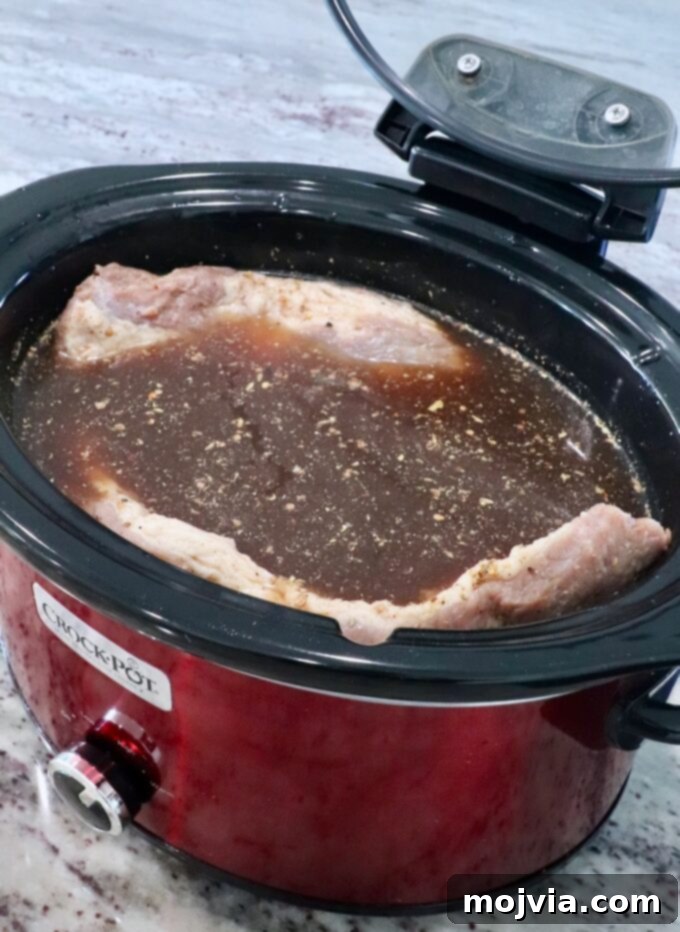
- Add Liquid and Cook: Pour the beef broth into the slow cooker, ensuring the brisket is mostly submerged. As with the oven method, you have the option to substitute half of the broth with beer (a pale ale, red ale, or amber ale works well) for an additional layer of flavor. Secure the lid on your slow cooker. If cooking on high, set the timer for 4-5 hours. For a truly hands-off experience and maximum tenderness, cook on the low setting for 8-10 hours. The longer, slower cook time on low is often preferred for brisket, allowing the connective tissues to break down beautifully.
- Incorporate Vegetables: Approximately halfway through the total cooking time (after 2-2.5 hours on high, or 4-5 hours on low), add your quartered red potatoes, peeled and cut carrots, and large diced onions to the slow cooker. These vegetables will absorb the rich cooking liquid and become wonderfully tender alongside the beef. If you plan to add cabbage wedges, do so with 1 hour remaining on the high setting, or 2 hours remaining on the low setting. Adding them too early can result in overly soft cabbage. Alternatively, you can always steam the cabbage separately just before serving for a fresher texture.
- Rest, Slice, and Serve: Once the cooking time is complete, switch your slow cooker to the “warm” setting. Using sturdy tongs, carefully remove the cooked corned beef from the slow cooker and transfer it to a cutting board. Just like with the oven method, allow the corned beef to rest for 15-20 minutes before slicing. This critical resting period ensures the juices redistribute, yielding a more tender and flavorful slice. After resting, slice the corned beef against the grain into 1/4-inch thick pieces. While the beef rests, use a slotted spoon to retrieve the tender vegetables from the slow cooker. Arrange the sliced corned beef and vegetables on a serving platter, and prepare for a truly satisfying meal.
Serving Suggestions: What to Pair with Corned Beef
Homemade corned beef is a complete meal in itself, especially when cooked with traditional vegetables like carrots, onions, potatoes, and cabbage. However, the versatility of this dish allows for numerous delicious accompaniments that can elevate your dining experience. Whether you prefer classic pairings or modern twists, here are some ideas for what to serve alongside your tender corned beef:
- Classic Vegetables: While cooking vegetables directly with the corned beef is a popular and convenient choice, you might prefer preparing them separately to control their texture and flavor. Consider these options:
- Carrots: Roasted Carrots for a caramelized sweetness, or Honey Glazed Carrots for a touch of elegance.
- Cabbage: If not cooked with the beef, fresh and vibrant Steamed Cabbage is a perfect, light counterpoint.
- Potatoes: Potatoes are a natural partner for corned beef. Beyond simply boiling them with the brisket, explore these comforting choices:
- Roasted Baby Potatoes for crispy exteriors and fluffy interiors.
- Smashed Potatoes for a unique textural experience.
- Creamy and indulgent Instant Pot Mashed Potatoes or hearty Loaded Mashed Potatoes.
- Fluffy Instant Pot Baked Potatoes offer a simple yet satisfying side.
To further enhance the flavors, offer a selection of condiments at the table. Tangy sauerkraut provides a delightful acidic contrast, while creamy horseradish sauce adds a zesty kick. A robust whole grain mustard offers a piquant complement, and a classic Russian dressing can tie all the flavors together, especially if you’re thinking ahead to future Reuben sandwiches!
Creative Ways to Enjoy Leftover Corned Beef
One of the many delights of making a generous batch of corned beef is the prospect of enjoying the delicious leftovers. Corned beef is truly one of those rare meals where the subsequent dishes can be just as, if not more, exciting than the original! Don’t let a single slice go to waste; repurpose your leftover corned beef into these fantastic culinary creations:
- Classic Corned Beef Hash for Breakfast: Transform your morning with a hearty and flavorful Corned Beef Hash. Dice the leftover corned beef and sauté it with potatoes and onions until crispy and golden. Serve it topped with a perfectly fried egg for a truly satisfying breakfast or brunch that’s packed with flavor and substance.
- Iconic Reuben Sandwiches for Lunch: The Reuben sandwich is arguably the most famous use for leftover corned beef, and for good reason! Layer thinly sliced warm corned beef with sauerkraut, Swiss cheese, and creamy Russian dressing between slices of toasted rye bread. Grill until the cheese is melted and bubbly for a legendary lunch that’s both savory and tangy.
- Irish Nachos for a Savory Snack: For a fun and unique twist, use your leftover corned beef to create Irish Nachos. Instead of tortilla chips, this dish uses crispy potato slices or waffle fries as the base, loaded with shredded corned beef, melted cheese, and your favorite nacho toppings. It’s a fantastic appetizer or a hearty snack that’s sure to be a crowd-pleaser.
Expert Tips for Corned Beef Success
Achieving perfectly tender and flavorful homemade corned beef is easier than you might think, especially with a few expert tips. These insights, gathered from extensive testing, will help you avoid common pitfalls and ensure your corned beef turns out spectacular every time.
- Optimal Brining Containers: The key to successful brining is ensuring the brisket is completely submerged. For smaller briskets, a durable 2-gallon zipper bag placed inside an aluminum roasting pan offers both full submersion and leak protection. For larger cuts or if you prefer a rigid container, a large roasting pan or a deep food-safe bucket works well. If using an open container, weigh down the brisket with a small plate or ramekin to keep it fully immersed. As long as the brisket is completely covered by the brine, there’s no need to flip it during the brining period.
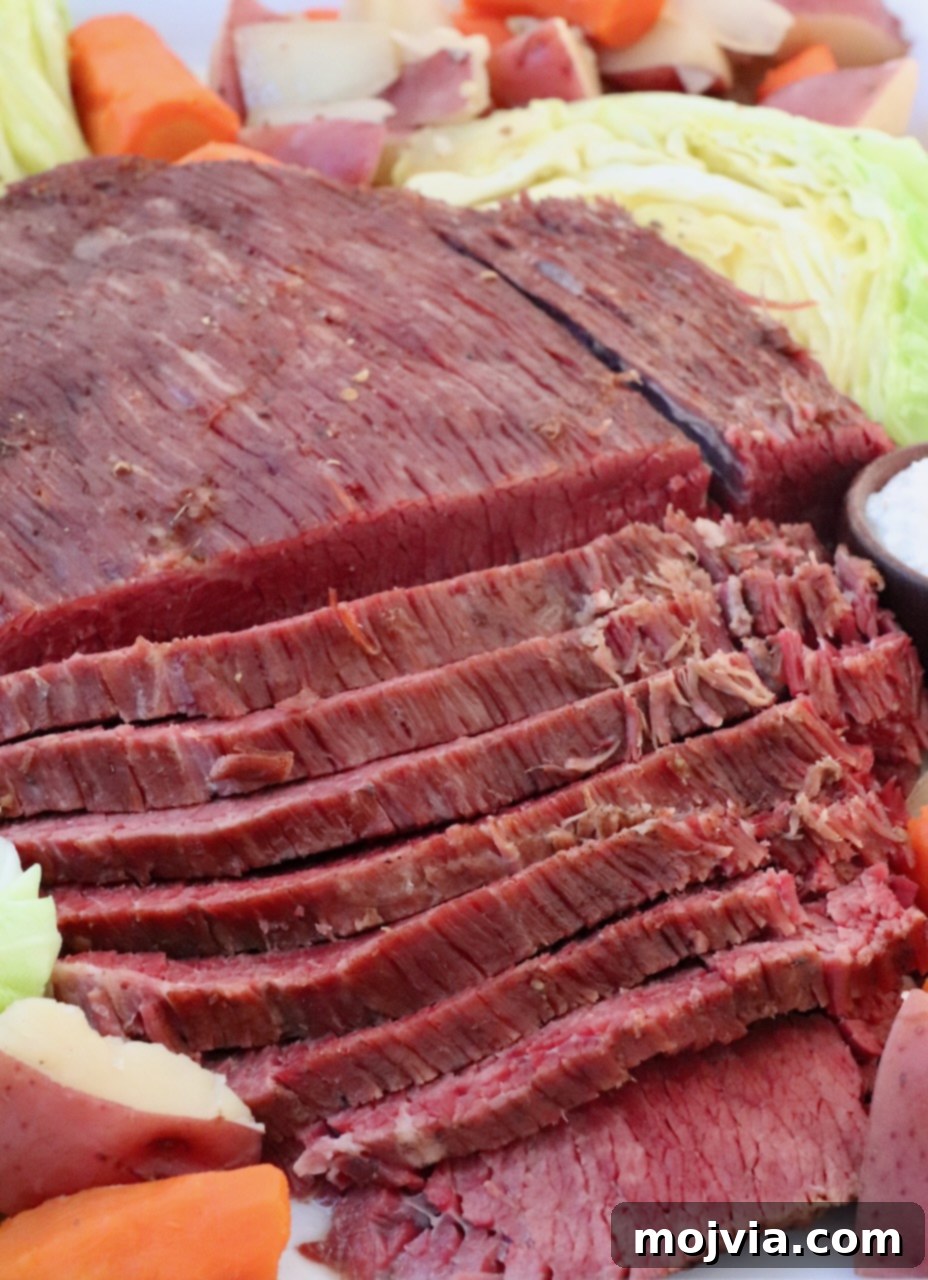
- The Art of Slicing Against the Grain: This tip is paramount for tender corned beef. Always slice your cooked corned beef against the grain. You’ll easily observe the long muscle fibers running through the brisket; aim to cut perpendicular to these lines. Slicing against the grain shortens these fibers, ensuring each bite is melt-in-your-mouth tender rather than chewy.
- Brining Duration is Key: Patience is a virtue, but don’t overdo it! Brine the corned beef for a minimum of 5 days and a maximum of 10 days. Brining for too long, beyond 10 days, will result in an overly salty and unpalatable corned beef. My extensive testing revealed that 7 days offers the ideal balance of flavor and saltiness. If you prefer a less salty profile, opt for 5 days. For a more intense cure, stick closer to the 10-day mark.
- Ensure Full Submersion: For an evenly cured and perfectly pink corned beef, it is absolutely crucial that the brisket is fully submerged in the brine throughout the entire brining process. Any part of the meat exposed to air will not cure properly, leading to uneven texture and color.
- Quickly Cool Your Brine: To expedite the brine cooling process before pouring it over the brisket, you can omit one cup of water from the initial recipe. After you’ve brought the brine to a boil and dissolved the salts and sugar, add 20 ice cubes to the hot liquid. This will rapidly bring down the temperature, allowing you to use the brine sooner.
- Cooking Store-Bought Corned Beef: If you’ve purchased a pre-brined corned beef from the grocery store, you can still use the oven or slow cooker instructions in this post. Simply skip the brining step. Most store-bought corned beef comes with a small spice packet. I recommend supplementing this with an additional 2 tablespoons of my homemade corned beef seasoning to significantly boost the flavor.
- Storing and Reheating Leftovers: Cooked corned beef, stored in an airtight container, will keep beautifully in the refrigerator for up to 5 days. For the best reheating results that maintain juiciness and tenderness, wrap the corned beef slices loosely in foil and reheat them in a preheated 350°F (175°C) oven for about 15 minutes.
- Freezing Cooked Corned Beef: For longer storage, cooked corned beef can be frozen for up to 6 months. Ensure it’s stored in a freezer-safe container and clearly labeled with the date. To defrost, transfer it to the refrigerator for 2 days. Reheat wrapped in foil in a 350°F (175°C) oven for 15-30 minutes, depending on thickness.
- Freezing Uncooked Corned Beef: You can also freeze uncooked, brined corned beef for up to 6 months. After brining and patting dry, transfer it to a freezer-safe container, label it, and freeze. The corned beef can be cooked directly from frozen using either the oven or slow cooker instructions provided, though cooking time may be slightly extended.
Discover More Delicious Beef Recipes
If you’ve loved mastering this homemade corned beef recipe, I invite you to explore more of my thoroughly tested and perfected beef recipes. Each one is designed to bring exceptional flavor and satisfaction to your table!
And for another exciting homemade meat project, don’t miss my detailed guide on how to make homemade bacon – a true game-changer!
Print
Pin
Rate this Recipe
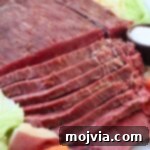
Homemade Corned Beef
Ingredients
Brine
- 1 gallon water
- 9 ounces pickling salt, or coarse salt
- ½ cup granulated sugar
- 1 tablespoon corned beef seasoning, click link for the recipe
- 2 teaspoons pink curing salt, also called prague powder #1 or premium curing salt #1
- 4 garlic cloves, minced
- 5 pound beef brisket, flat cut preferred
For cooking
- 3 tablespoons corned beef seasoning, click link for the recipe
- 4 cups beef broth
- 3 large carrots, peeled and cut into 2 inch pieces
- 1 onion, large dice
- 2 pounds red potatoes, quartered
- 2 pounds green cabbage, core removed and sliced into wedges
Instructions
Brine the brisket
-
Add the water, salt, sugar, corned beef seasoning, pink curing salt, and garlic to a large pot on the stove over high heat.
-
Bring to a boil and stir until the salt and sugar have dissolved. Turn the heat off and allow the brine to cool completely.
-
Place the beef brisket in a large container that can fit a 5-pound brisket and gallon of water. Pour the cooled brine over the brisket, making sure it is completely covered in the liquid.
-
Cover and brine the brisket in the fridge for 5-7 days for optimal flavor.
-
When it’s time to cook the brisket, choose between the oven or slow cooker instructions below.
Cook it in the oven
-
Preheat the oven to 350°F (175°C).
-
Remove the brisket from the brine (do not rinse). Transfer it to a large Dutch oven and cover generously with corned beef seasoning.
-
Pour beef broth into the Dutch oven with the brisket. You can use half broth and half beer (pale ale, red ale, or amber ale) for added flavor.
-
Add the carrots, onions, and potatoes around the brisket. Bring the broth to a boil on the stove over high heat.
-
Once boiling, cover the pot tightly, then transfer it to the preheated oven, and cook for 4 hours.
-
If adding cabbage, incorporate cabbage wedges into the Dutch oven during the last 30 minutes of cook time.
-
After 4 hours, remove the pot from the oven. Lift the lid, then use a large slotted spoon to transfer the vegetables to a serving platter. Cover with foil to keep warm.
-
Remove the corned beef from the liquid and place it on a cutting board. Let it rest for 15-20 minutes before slicing. Slice against the grain into 1/4-inch slices and serve with the vegetables.
Cook it in a slow cooker
-
Remove the brisket from the brine (do not rinse). Transfer it to a slow cooker and cover with corned beef seasoning.
-
Pour beef broth into the slow cooker. You can also use half broth and half beer. Cover and cook on high for 4-5 hours, or on low for 8-10 hours.
-
Halfway through cooking, add the potatoes, carrots, and onions. Continue cooking. If adding cabbage, add wedges with 1 hour left on high, or 2 hours left on low. (Alternatively, steam cabbage separately).
-
After cooking, turn the slow cooker to warm. Use tongs to transfer the corned beef to a cutting board.
-
Let it rest for 15-20 minutes before slicing. Slice against the grain into 1/4-inch slices.
-
Use a slotted spoon to remove the vegetables from the slow cooker and serve them with the corned beef.
Notes
- Containers for Brining: I tested this recipe using a 2-gallon zipper bag for one of the briskets, placing the bag in an aluminum pan to keep the brisket submerged and to prevent leaks. I also used a large roasting pan, weighing down the brisket with a ramekin to ensure full submersion. Ensure your chosen container is non-reactive and covers the brisket entirely before refrigerating. No need to flip if fully submerged.
- Slicing for Tenderness: Always slice corned beef against the grain to achieve the most tender slices. Look for the visible muscle fibers and cut perpendicular to them.
- Brine Duration: Do not brine for more than 10 days, or the beef will become excessively salty. For a balanced flavor, 7 days is ideal. Use 5 days for a less salty result, and up to 10 for a more intense cure.
- Full Submersion is Critical: For an evenly seasoned and characteristic pink color, the brisket must be completely covered by the brine throughout the entire curing process.
- Quick Brine Cooling: To accelerate brine cooling, omit one cup of water from the recipe, then add 20 ice cubes to the hot brine after dissolving the salts and sugar.
- Cooking Store-Bought Corned Beef: If starting with a pre-brined grocery store corned beef, skip the brining step. Most come with a spice packet, but I recommend adding an additional 2 tablespoons of my homemade corned beef seasoning for enhanced flavor.
- Leftover Storage and Reheating: Cooked corned beef can be stored in an airtight container in the fridge for up to 5 days. Reheat by wrapping in foil and baking at 350°F (175°C) for 15 minutes to keep it juicy.
- Freezing Cooked Corned Beef: Freeze cooked corned beef in a freezer-safe container for up to 6 months. Defrost in the fridge for 2 days, then reheat wrapped in foil in a 350°F (175°C) oven for 15-30 minutes, depending on thickness.
- Freezing Uncooked Corned Beef: After brining, pat the uncooked corned beef dry and transfer to a freezer-safe container. Freeze for up to 6 months. It can be cooked from frozen using the oven or slow cooker instructions, with potential adjustments to cooking time.