
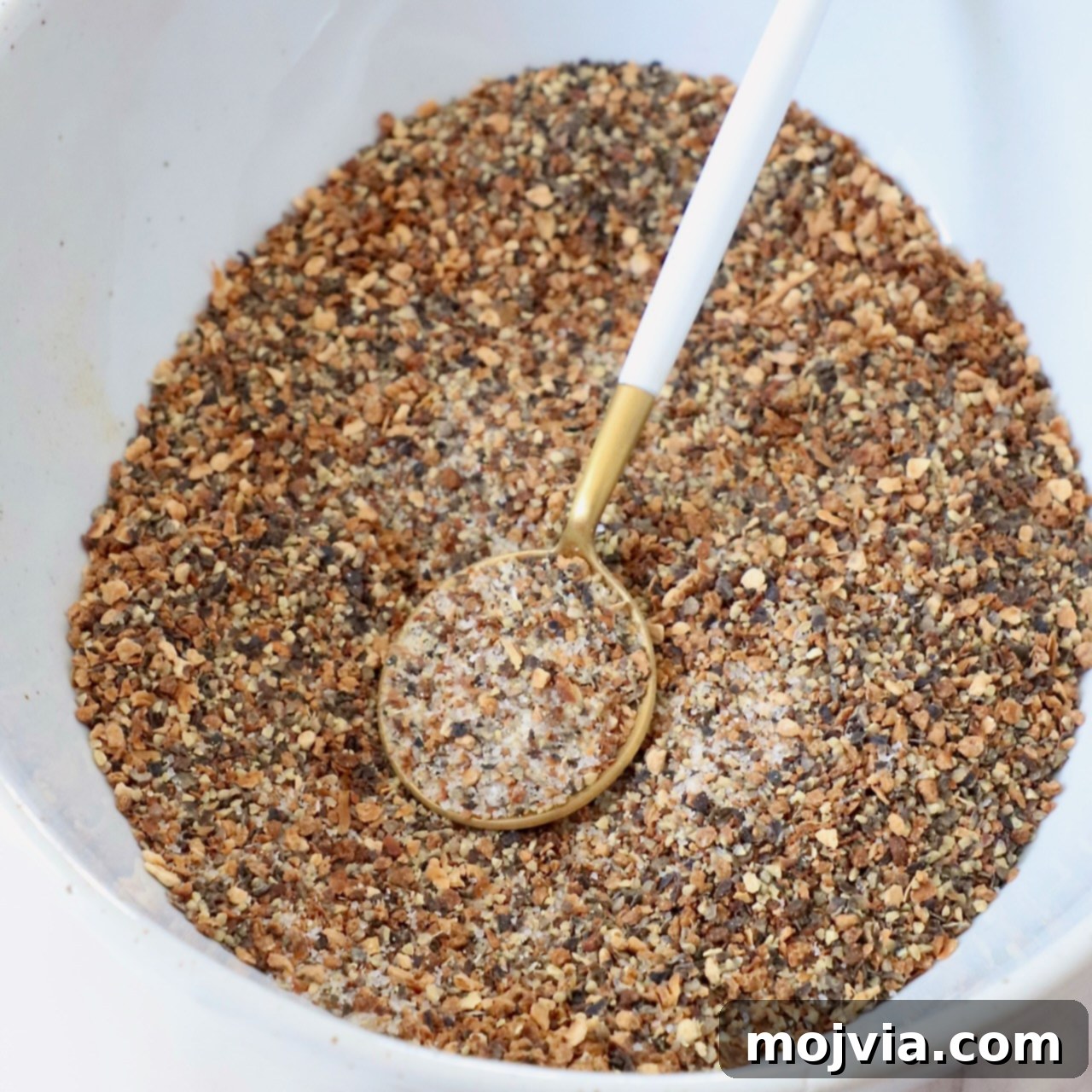
Elevate your culinary creations with this simple yet sensational homemade Lemon Pepper Seasoning recipe! Achieving the perfect balance of salty, zesty, and savory notes, this blend is a versatile powerhouse in your kitchen. Whether you’re enhancing chicken, crafting delectable marinades and sauces, or simply adding a vibrant sprinkle to roasted vegetables, seafood, or even your morning avocado toast, this seasoning is an absolute game-changer. Making it at home offers unparalleled benefits: you gain complete control over the ingredients, ensuring it’s sugar-free, gluten-free, and devoid of any artificial additives or anti-caking agents often found in store-bought varieties. Embrace the freshness and customize it to your exact taste preferences!
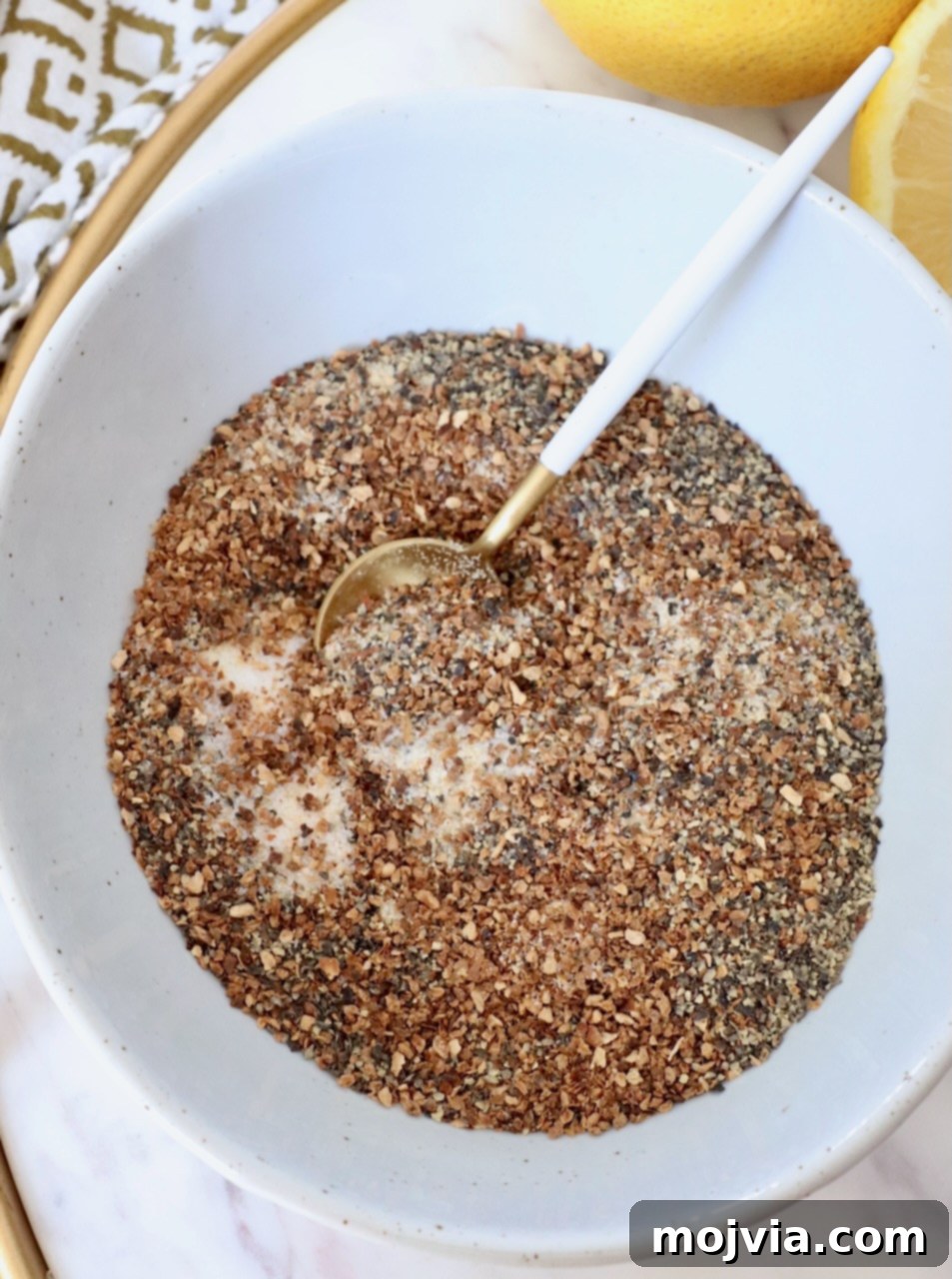
Table of Contents
- The Magic of Homemade Seasoning
- Essential Ingredients for Lemon Pepper Seasoning
- Quick and Easy Preparation Steps
- How to Make Your Own Dried Lemon Zest
- Transforming Your Seasoning into a Lemon Pepper Marinade
- Crafting a Zesty Lemon Pepper Sauce
- Endless Culinary Applications for Lemon Pepper Seasoning
- Expert Tips for the Perfect Lemon Pepper Blend
- Frequently Asked Questions About Lemon Pepper Seasoning
- Explore More Homemade Seasonings
The Magic of Homemade Seasoning
There’s a distinct advantage to making your own seasoning blends right in your own kitchen. This simple practice is truly one of my best-kept secrets for consistently producing the most flavorful, restaurant-quality dishes that delight every palate! With a diverse collection of over 20 homemade seasoning recipes shared on the blog, it has never been easier to whip up a batch of these custom spice mixes. Stored conveniently in your pantry, they instantly inject incredible depth and character into even the simplest of meals, transforming everyday cooking into an extraordinary culinary experience.
This lemon pepper seasoning recipe stands out as a recent and much-adored addition to my pantry staples. Its incredible versatility makes it an indispensable tool for seasoning virtually anything – from tender meats and vibrant vegetables to the ultimate avocado toast. Beyond basic seasoning, it serves as the perfect foundation for creating irresistible sauces and marinades that will have everyone asking for your secret recipe. Once you experience the vibrant, fresh flavors of this blend, you’ll undoubtedly find yourself reaching for it constantly. For this very reason, I highly recommend preparing a double batch. Trust me, you’ll want to keep this zesty, peppery goodness on hand at all times!
Essential Ingredients for Lemon Pepper Seasoning
For precise ingredient quantities and comprehensive, step-by-step instructions, please refer to the detailed recipe card located at the bottom of this article.
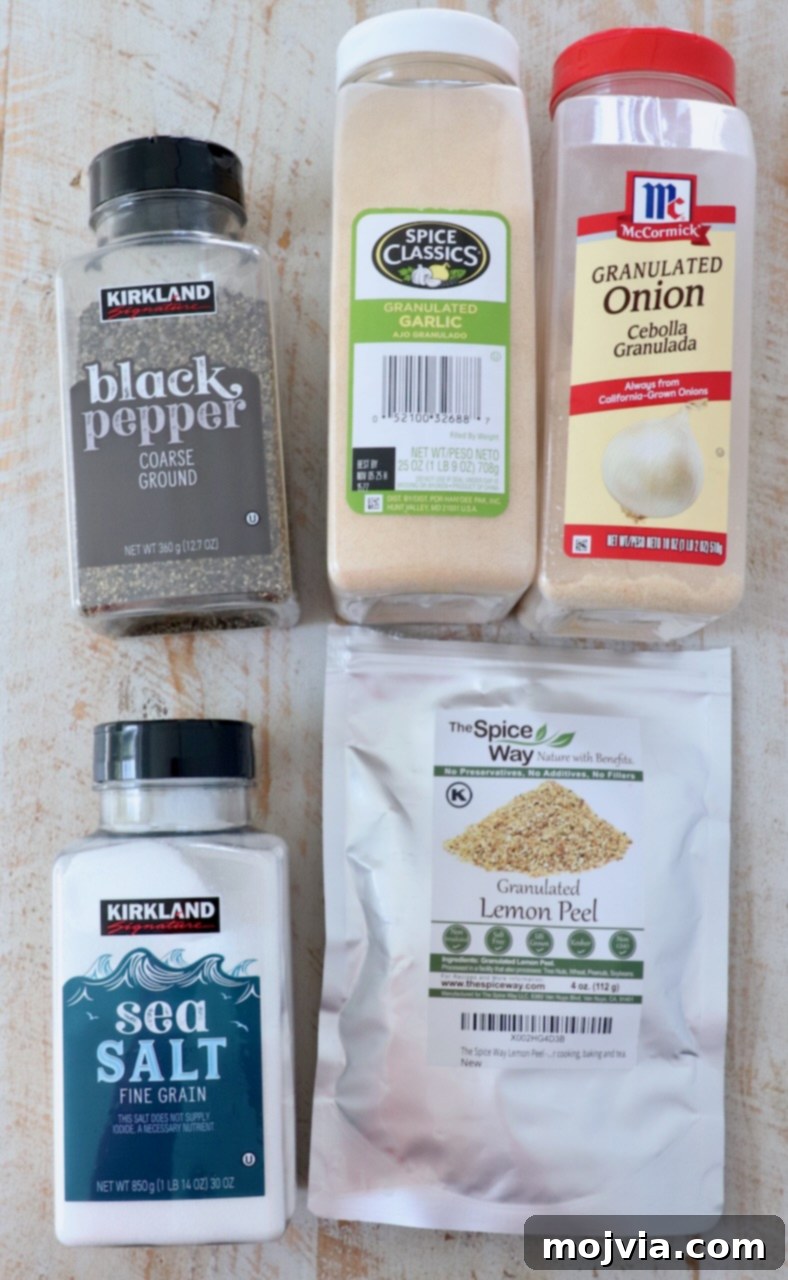
- Granulated Lemon Peel (or Dried Lemon Zest) – This ingredient is the heart of your lemon pepper blend, providing that essential bright, citrusy aroma and flavor. While I sourced the pictured bag of dried lemon peel from Amazon, you can also easily find bottled McCormick California lemon peel in the spice aisle of most major grocery stores. For an even fresher, more vibrant taste, consider making your own dried lemon zest. I’ll guide you through the simple process further down in this post, ensuring you capture the purest lemon essence.
- Black Pepper – The “pepper” in lemon pepper! For an optimal flavor and textural experience, I highly recommend using coarse-ground black pepper. Its robust, pungent notes beautifully complement the zesty lemon, and the coarser grind adds a delightful bite and visual appeal to your seasoning blend. Freshly ground pepper, if available, will offer the most aromatic results.
- Sea Salt (or Kosher Salt) – Salt is crucial for enhancing all the other flavors. Both sea salt and kosher salt are excellent choices and can be used interchangeably in this recipe. Their distinct coarse texture is superior to fine table salt, not only in how they distribute within the blend but also in their purer, less iodized flavor profile. Avoid using fine table salt if possible, as it can make the seasoning taste overly salty and lacks the desired texture.
- Garlic Powder (or Granulated Garlic) – This savory element adds an indispensable depth to your lemon pepper seasoning. While both garlic powder and granulated garlic deliver the same delicious flavor, granulated garlic is simply ground less finely than its powdered counterpart. I prefer using granulated garlic because its slightly larger particles are less prone to clumping over time, ensuring your seasoning remains free-flowing and easy to use.
- Onion Powder (or Granulated Onion) – Complementing the garlic, onion powder contributes another layer of savory complexity and a subtle sweetness that rounds out the flavor profile. Similar to garlic, granulated onion is a less finely ground version of onion powder. My preference leans towards granulated onion for the same reason as granulated garlic: it tends to resist clumping more effectively, preserving the integrity and usability of your homemade seasoning blend for longer.
Quick and Easy Preparation Steps
Creating your very own homemade lemon pepper seasoning is astonishingly simple and takes mere minutes. Follow these straightforward steps to unlock a world of flavor:
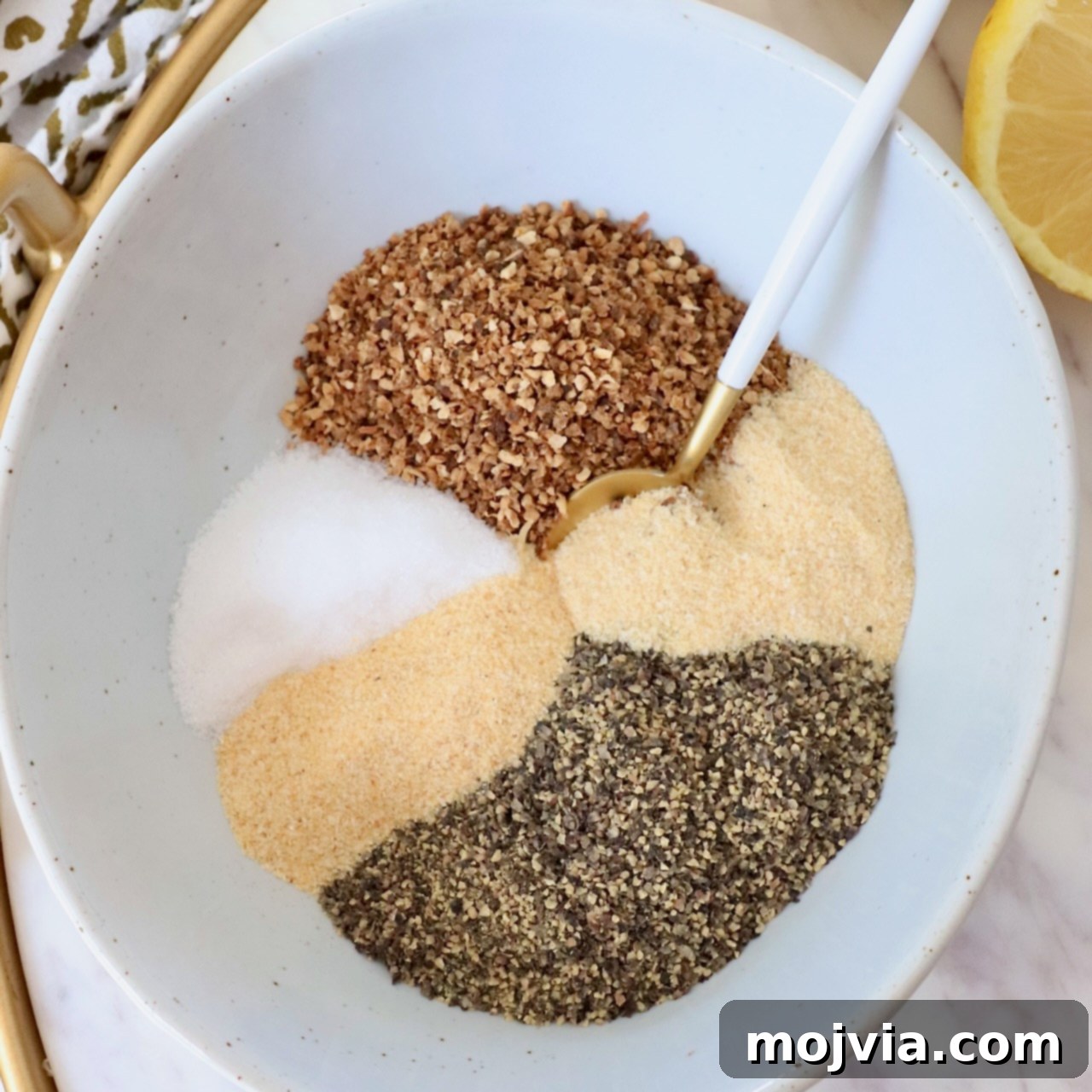
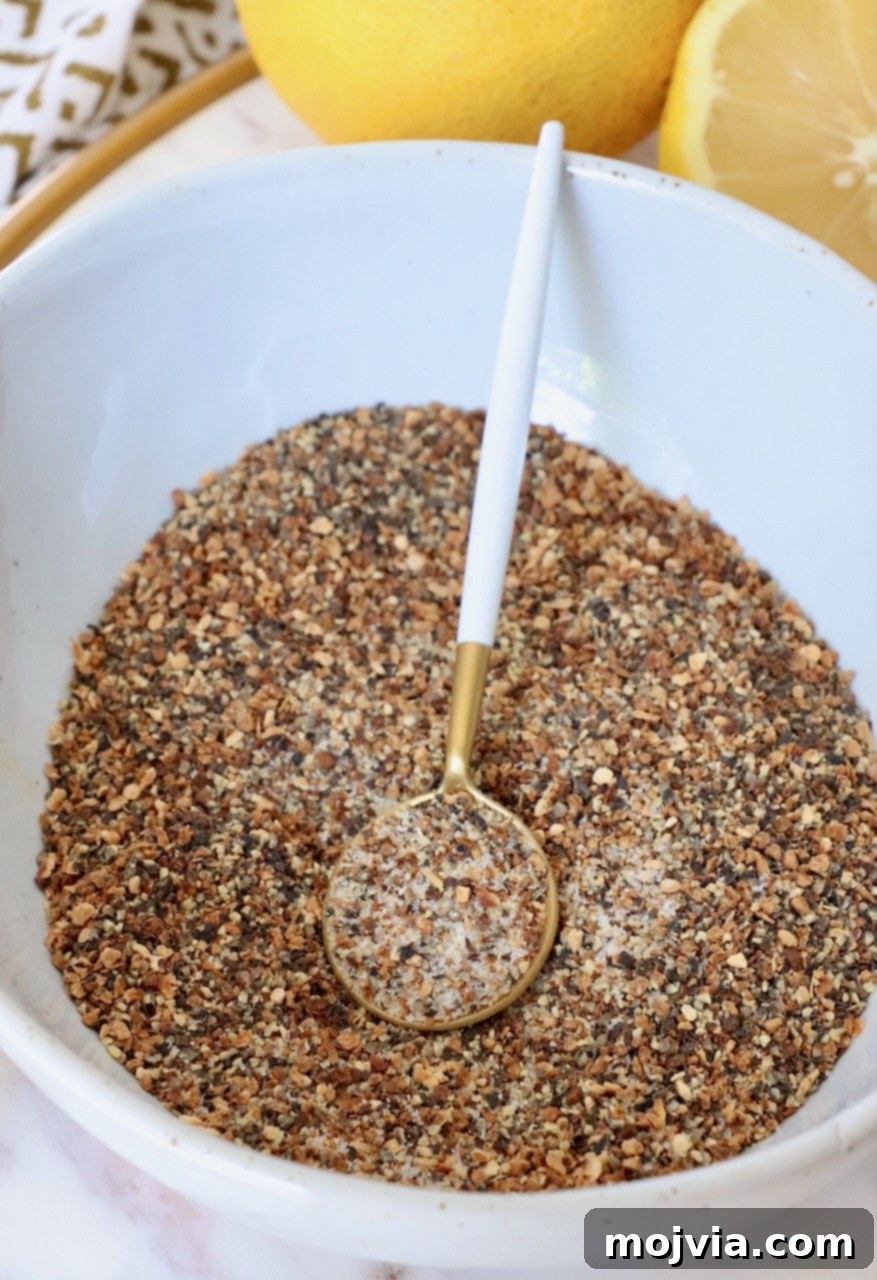
- Combine All Ingredients: In a small, clean bowl, simply measure and combine all of the granulated lemon peel (or dried lemon zest), coarse-ground black pepper, sea salt, garlic powder, and onion powder.
- Mix Thoroughly: Using a spoon or a small whisk, mix the ingredients diligently until they are thoroughly combined. Ensure that the lemon zest, salt, and spices are evenly distributed throughout the mixture. This step is key to ensuring every pinch of your seasoning delivers a consistent burst of flavor.
- Store Properly: Transfer your freshly made lemon pepper seasoning into an airtight container. A small spice jar or an 8-ounce mason jar works perfectly. Store this container in a cool, dark place, such as your pantry, away from direct sunlight and heat, to maintain its potency.
And just like that, in under 5 minutes, you’ve crafted a vibrant, aromatic homemade lemon pepper seasoning, ready to infuse an incredible array of different recipes with its distinctive and irresistible flavor profile!
How to Make Your Own Dried Lemon Zest
If you’re fortunate enough to have a bounty of fresh lemons on hand and prefer to harness their bright, natural essence for your seasoning, making your own dried lemon zest is a fantastic option. It’s incredibly rewarding and ensures the freshest possible flavor in your blend. Here’s how to do it:
- Prepare Your Oven: Begin by preheating your oven to its lowest temperature setting, typically around 170°F (77°C). If your oven has a “warm” setting, this usually falls within the ideal range of 170°F – 200°F, which is perfect for gently drying the lemon zest without cooking it.
- Zest the Lemons: Using a microplane zester or a fine grater, carefully zest 3-4 large, ripe lemons. Aim to remove only the bright yellow outer layer, avoiding the bitter white pith underneath. This amount should yield approximately 3 tablespoons of fresh lemon zest, though you can always zest more if you desire a larger batch.
- Evenly Spread on Baking Sheet: Line a baking sheet with parchment paper. This prevents sticking and makes cleanup a breeze. Evenly spread the fresh lemon zest in a single, thin layer across the prepared baking sheet. Ensure there are no large clumps, as this allows for uniform drying.
- Gentle Drying Process: Place the baking sheet with the spread-out lemon zest into your preheated oven. Allow it to dry for approximately 20-25 minutes. The goal is for the zest to become completely dry and brittle, but not browned or burnt. Keep a close eye on it, as oven temperatures can vary.
- Cool and Prepare: Once the zest is thoroughly dried, remove the baking sheet from the oven and let the dried lemon zest cool completely at room temperature. It will become even more brittle as it cools. Once cooled, it’s ready to be incorporated into your lemon pepper seasoning, imparting that vibrant, homemade lemon flavor. You can also lightly crush it further with your fingers if you prefer a finer consistency.
Transforming Your Seasoning into a Lemon Pepper Marinade
Your versatile homemade lemon pepper seasoning blend is not just for sprinkling; it’s also the ideal foundation for an incredibly flavorful marinade! This simple recipe will infuse your proteins with a vibrant, zesty punch. It’s perfect for grilling, baking, or pan-searing. Here’s how to whip up a delicious lemon pepper marinade:
- Gather Ingredients: In a medium bowl, combine 3 tablespoons of your freshly made lemon pepper seasoning, 3 cloves of minced fresh garlic (or 1 teaspoon of garlic powder for convenience), 2 tablespoons of fresh lemon juice, and 1/4 cup of high-quality olive oil. These ingredients work in harmony to tenderize and flavor your protein.
- Whisk to Combine: Whisk all the marinade ingredients together until well emulsified. The olive oil will carry the flavors, the lemon juice will tenderize, and the seasoning will provide the iconic lemon pepper taste.
- Marinate Your Protein: This quantity is ideal for marinating up to 2 pounds of various proteins, such as boneless, skinless chicken breasts or thighs, succulent pork chops, or tender shrimp. Place your chosen protein in a shallow dish or a resealable bag, then pour the prepared marinade over it, ensuring all pieces are thoroughly coated.
- Refrigerate and Infuse: Allow the protein to marinate in the refrigerator for at least 30 minutes to allow the flavors to penetrate. For a deeper flavor, you can marinate for up to 4 hours. Avoid marinating for much longer than 4 hours, especially with lemon juice, as the acid can start to “cook” or change the texture of delicate proteins like fish or shrimp.
- Cook to Perfection: Once marinated, remove your protein from the marinade (discard any remaining marinade that came into contact with raw meat) and cook it using your preferred method. It’s fantastic grilled, baked, pan-seared, or even air-fried, delivering incredibly moist and flavorful results.
Crafting a Zesty Lemon Pepper Sauce
Beyond being a fantastic dry rub or marinade, your homemade lemon pepper seasoning is the secret to creating a truly irresistible sauce. This quick and easy sauce is perfect for tossing with crispy wings, drizzling over steamed or roasted vegetables, or even creating a simple, vibrant pasta dish. Here’s how to make it:
Simple Sauce Recipe: To create this versatile sauce, simply combine 1/4 cup of melted unsalted butter with 3 tablespoons of your lemon pepper seasoning and 2 tablespoons of fresh lemon juice. Whisk vigorously until all ingredients are well blended and the sauce is smooth. For an extra kick, you can add a pinch of red pepper flakes.
Lemon Pepper Wings: Transform any evening into a special occasion by making delicious homemade lemon pepper wings. After preparing two pounds of your favorite crispy wings – whether they are air fryer chicken wings, smoky smoked chicken wings, or perfectly charred grilled chicken wings – simply toss them generously in this flavorful zesty sauce. The rich butter, bright lemon, and bold pepper coating will create an unforgettable experience.
Vegetable Enhancer: This sauce isn’t just for proteins! It makes an exceptional drizzle for a variety of vegetables. Pour it generously over roasted broccoli, tender asparagus, or beautifully vibrant steamed broccoli. The sauce adds a luxurious finish and a burst of flavor that will make even the simplest vegetable side dish shine.
Quick Pasta Dish: For a rapid and delightful meal, toss hot, cooked pasta with this lemon pepper sauce. Add a handful of grated Parmesan cheese and some fresh parsley for an incredibly easy, yet satisfying, weeknight dinner that bursts with bright, savory flavors.
Endless Culinary Applications for Lemon Pepper Seasoning
The beauty of homemade lemon pepper seasoning lies in its incredible versatility. Once you have a batch ready, you’ll find countless ways to incorporate its vibrant, zesty, and savory notes into almost any meal. Here are some of our favorite creative applications to inspire your cooking:
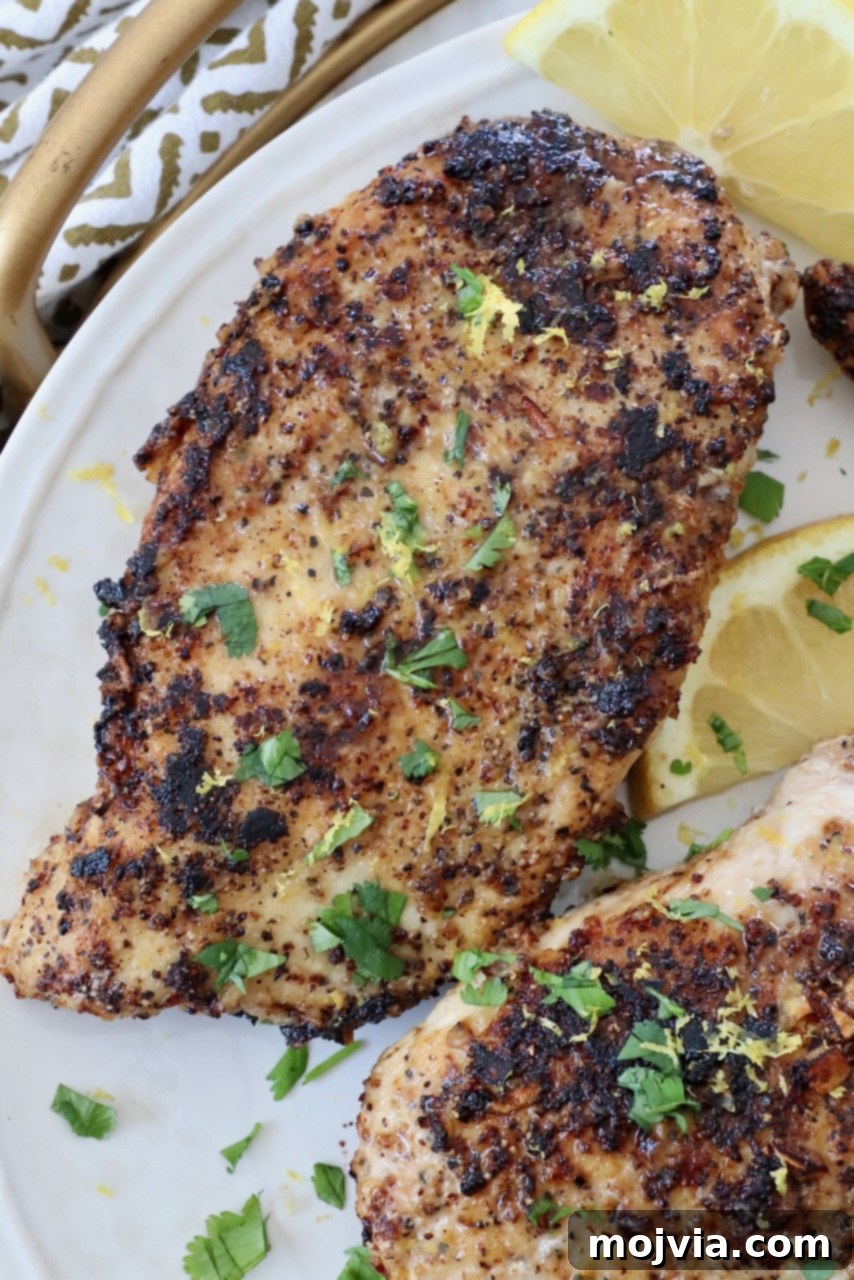
- Lemon Pepper Chicken: This seasoning is the star ingredient for creating the most succulent and flavorful Lemon Pepper Chicken! (As pictured above, click the link for the full recipe.) It’s perfect for pan-searing, baking, or grilling, offering a delightful tang that penetrates every bite.
- Air Fryer Chicken Thighs: For a quick and healthy meal, use this seasoning to flavor the juiciest Air Fryer Chicken Thighs. The hot air locks in moisture while the seasoning creates a beautiful, crispy crust with an incredible aroma.
- Flavorful Roasted Vegetables: Transform ordinary vegetables into extraordinary side dishes. Simply toss your favorite veggies – such as broccoli florets, cauliflower, carrots, bell peppers, or tender zucchini slices – with a drizzle of olive oil and a generous sprinkle of lemon pepper seasoning before roasting them to perfection. The heat intensifies the lemon and pepper flavors.
- Avocado Toast Enhancer: Elevate your breakfast or snack game. My ultimate homemade avocado toast involves mashing ripe avocado onto toasted bread, then topping it with a dash of this lemon pepper seasoning, a sprinkle of everything bagel seasoning, and a delicate drizzle of lemon olive oil. It’s a symphony of textures and flavors!
- Grilled Asparagus Perfection: Achieve perfectly grilled asparagus with a bright, zesty kick. Toss 1 pound of fresh asparagus spears with 1 tablespoon of olive oil, 1 tablespoon of fresh lemon juice, and 1 teaspoon of lemon pepper seasoning. Grill over medium-high heat for 5-7 minutes, rotating occasionally, until tender-crisp. For more detailed tips on cooking asparagus, visit this blog post.
- Seasoned Corn on the Cob: Give your cooked corn on the cob a vibrant upgrade. After preparing your corn using any of the 6 methods described in this blog post, slather a generous amount of butter over the warm kernels and then sprinkle liberally with this delicious lemon pepper seasoning. It’s a burst of summer flavor!
- Spectacular Seafood: This seasoning is a match made in heaven for all types of seafood. Before cooking, lightly coat scallops, succulent salmon fillets, flaky cod, or red snapper with olive oil and then season generously with your homemade lemon pepper blend. It creates a beautiful crust and enhances the natural sweetness of the fish.
- Pesto Eggs Topping: For a delightful twist on a trendy dish, sprinkle lemon pepper seasoning over these tasty pesto eggs. The zesty notes cut through the richness of the pesto and egg, adding another layer of complexity.
- Popcorn Flavor Boost: Take your movie night snack to the next level! Drizzle freshly popped popcorn with a little melted butter or olive oil, then sprinkle with lemon pepper seasoning for an unexpectedly delicious and addictive savory treat.
- Salad Dressing Upgrade: Whisk a teaspoon of lemon pepper seasoning into your homemade vinaigrettes or store-bought dressings for an instant flavor enhancement. It pairs particularly well with light, oil-and-vinegar-based dressings.
Expert Tips for the Perfect Lemon Pepper Blend
To ensure your homemade lemon pepper seasoning is consistently excellent and lasts as long as possible, keep these expert tips in mind:
- Yield Information: This recipe is designed to yield approximately 8 tablespoons of homemade lemon pepper seasoning. If you’re planning to use this blend frequently (which you most certainly will!), I highly recommend making a double batch. You can easily adjust the quantities by doubling all ingredients as listed in the recipe card below.
- Optimal Storage for Freshness: The lemon pepper seasoning will maintain its peak freshness and flavor when stored in an airtight container in a cool, dark pantry for up to 6 months. While the spice blend won’t “go bad” in the traditional sense after this period, both lemon peel and black pepper contain delicate essential oils that naturally diminish in potency and flavor once exposed to air over extended periods. For best results, aim to use it within this timeframe.
- Recommended Storage Containers: For optimal storage and easy access, I suggest keeping your seasoning mix in an 8-ounce mason jar or a large, dedicated spice jar with a tight-fitting lid. Label the container with the date it was made to help you track its freshness and ensure you use it at its most flavorful.
- Dietary Compliance: This particular recipe is naturally gluten-free and contains no added sugar, making it an excellent and flavorful choice for those following specific dietary regimens, such as a Whole30 or Keto diet. It allows you to enjoy bold flavors without compromising your health goals.
- Customizing Spice Levels: If you enjoy a little heat in your seasoning, it’s incredibly easy to spice up this blend. Simply add 1/2 teaspoon of red pepper flakes to the mixture along with the other ingredients. Adjust the amount to your personal preference for a gentle warmth or a fiery kick.
- Quality of Ingredients: The flavor of your seasoning is only as good as its components. Opt for high-quality, fresh spices. For the best black pepper, consider buying whole peppercorns and grinding them coarsely just before mixing for maximum aroma and flavor.
- Avoid Moisture: Always use a dry spoon when taking seasoning from the jar. Introducing moisture can lead to clumping and reduce the shelf life of your blend.
Frequently Asked Questions About Lemon Pepper Seasoning
What is lemon pepper seasoning made of?
Traditional homemade lemon pepper seasoning is primarily made from dried lemon zest (or granulated lemon peel), coarse-ground black pepper, sea salt, garlic powder, and onion powder. The beauty of making it at home is that you can customize these ratios and even add other herbs or spices like red pepper flakes for heat, or dried oregano for an herbal note.
Is homemade lemon pepper seasoning better than store-bought?
Absolutely! Homemade lemon pepper seasoning offers several advantages. You control the quality and freshness of the ingredients, ensuring no artificial flavors, anti-caking agents, or excessive sugars are included. The flavors are also much more vibrant and potent than pre-packaged versions, which can lose their aroma over time.
How long does homemade lemon pepper seasoning last?
When stored in an airtight container in a cool, dark pantry, homemade lemon pepper seasoning can retain its optimal flavor and potency for up to 6 months. While it won’t spoil, the essential oils in the lemon and pepper will gradually diminish, leading to a less vibrant flavor profile over time.
Can I use fresh lemon zest instead of dried?
While fresh lemon zest provides an incredible burst of flavor, it contains moisture, which will cause your seasoning blend to clump and spoil quickly. For a dry, shelf-stable seasoning mix, it is essential to use dried lemon zest or granulated lemon peel. If you want to use fresh zest, it’s best to dry it first, following the instructions provided in this article, or use it immediately in marinades or sauces, not the dry blend.
What can I use lemon pepper seasoning on?
Lemon pepper seasoning is incredibly versatile! It’s fantastic on poultry (chicken, turkey), seafood (salmon, shrimp, scallops, cod), roasted or grilled vegetables (broccoli, asparagus, potatoes), popcorn, eggs, and even as a finishing sprinkle on avocado toast. It also forms a delicious base for marinades and sauces.
Explore More Homemade Seasonings
Once you discover the ease and superior flavor of homemade seasoning blends, you’ll never go back to store-bought! Stock your pantry with all of my homemade seasoning recipes to effortlessly add incredible depth and flavor to every meal you prepare.
Print Recipe
Pin Recipe
★
★
★
★
Rate this Recipe
Homemade Lemon Pepper Seasoning
8
tablespoons
5
5
Whitney Bond
Seasoning
American
Ingredients
- 3 tablespoons dried lemon zest, or granulated lemon peel
- 3 tablespoons coarse ground black pepper
- 1 tablespoon sea salt, or kosher salt
- 1 ½ teaspoons granulated garlic, or garlic powder
- 1 ½ teaspoons granulated onion, or onion powder
Instructions
-
Combine all of the ingredients in a small bowl. Whisk or stir thoroughly to ensure even distribution of all spices.
-
Store the finished lemon pepper seasoning in an airtight container in your pantry for up to 6 months to maintain maximum freshness and flavor.
Notes
- To make your own dried lemon zest:
- Preheat your oven to 170°F, or the lowest temperature setting on your oven. Most “warm” settings on an oven will be between 170°F – 200°F. This will work for gently drying out the lemon zest.
- Use a microplane to zest 3-4 large lemons to make about 3 tablespoons of fresh lemon zest. Remember to avoid the bitter white pith.
- Spread the fresh lemon zest out thinly on a baking sheet lined with parchment paper. Place the baking sheet of lemon zest in the oven for 20-25 minutes to dry it out completely until brittle.
- Remove the lemon zest from the oven and let it cool completely before preparing the lemon pepper seasoning. It can be lightly crushed for a finer texture.
- Refer to the blog post above for numerous creative ways to use this versatile seasoning, including detailed instructions on how to transform it into a vibrant lemon pepper sauce and a delicious marinade.
- This recipe conveniently makes 8 tablespoons of homemade lemon pepper seasoning. If you anticipate frequent use, consider making a double batch; simply double all ingredient amounts to ensure you always have this fantastic blend on hand.
- The lemon pepper seasoning will stay fresh and potent, stored in an airtight container in the pantry, for up to 6 months. Beyond this period, while it remains safe to use, the natural essential oils in the lemon peel and black pepper will gradually lose their vibrant flavor and aroma.
- This recipe is inherently gluten-free and contains no added sugar, making it an excellent and flavorful option for those adhering to a Whole30 or Keto diet.
- For those who appreciate a touch of heat, easily spice up your seasoning blend by incorporating 1/2 teaspoon of red pepper flakes during the mixing process. Adjust the quantity to suit your preferred level of spiciness.
Nutrition Facts
Calories
10
kcal
(1%)
Carbohydrates
3
g
(1%)
Protein
0.4
g
(1%)
Fat
0.1
g
Sodium
873
mg
(36%)
Potassium
44
mg
(1%)
Fiber
1
g
(4%)
Sugar
0.1
g
Vitamin A
13
mg
Vitamin C
3
mg
(4%)
Calcium
15
mg
(2%)
Iron
0.3
mg
(2%)
Did you make this recipe?
Tag @WhitneyBond on Instagram and hashtag it #WBRecipes!