
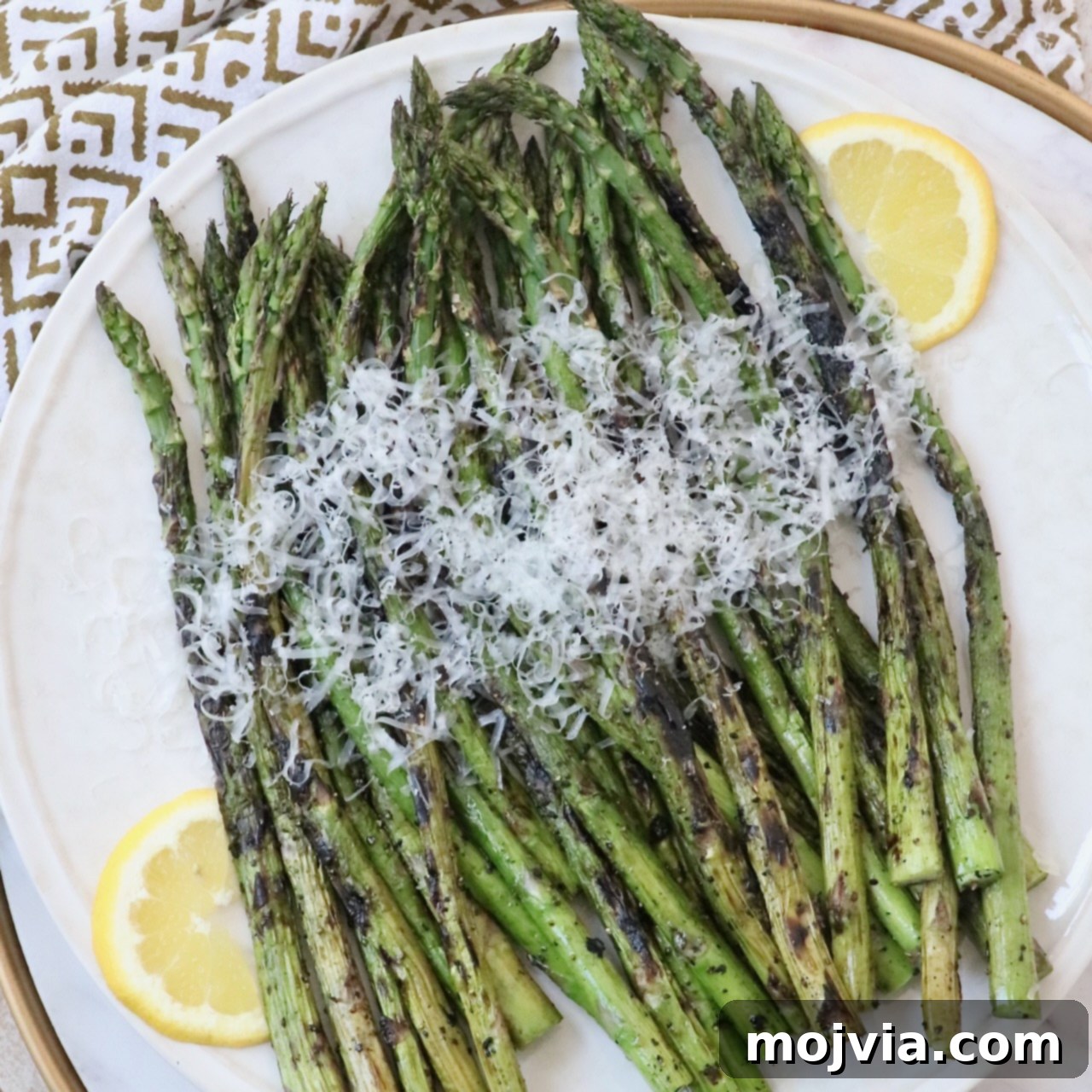
Learn how to cook asparagus perfectly three simple ways with this comprehensive guide. Whether you prefer grilling, roasting, or sautéing on the stovetop, these tested and perfected methods will consistently yield delicious results. Asparagus is a versatile and healthy vegetable that can elevate a wide array of dishes, from vibrant salads and hearty buddha bowls to comforting pasta and gourmet flatbreads.
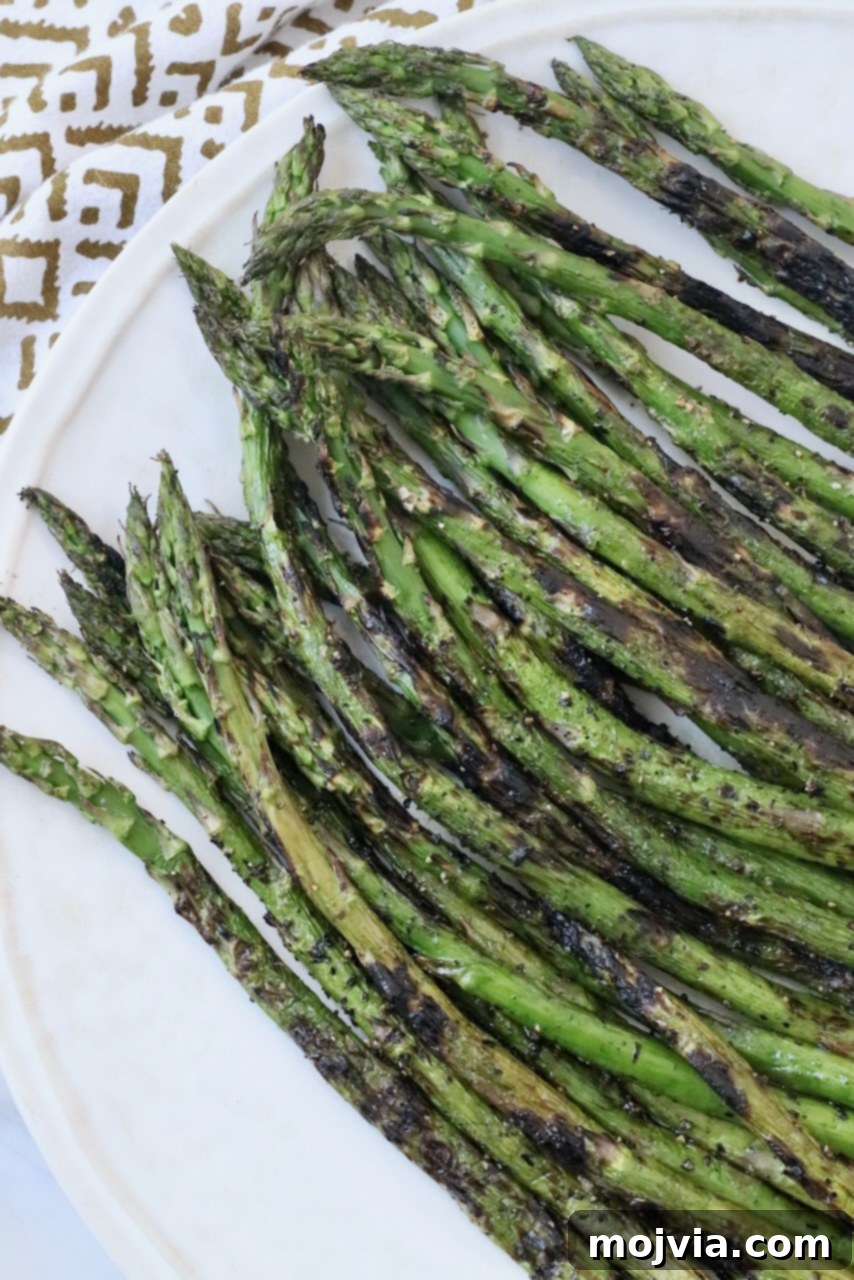
Asparagus truly shines during the spring and summer months, making it a culinary delight I look forward to immensely. Its vibrant green spears and subtly earthy flavor make it an incredibly versatile vegetable, perfectly suited for any meal of the day. Imagine adding tender asparagus to a fluffy breakfast scramble, a crisp salad for lunch, or as a vibrant accompaniment to a hearty dinner pasta.
This healthy and delicious vegetable is remarkably simple to prepare, whether you choose the oven for roasting, the grill for a smoky char, or the stovetop for a quick sauté. Mastering these cooking methods will empower you to transform a humble bunch of asparagus into a culinary masterpiece. So, next time you’re at the grocery store, be sure to grab some fresh asparagus and make it a staple on your weekly menu!
Why Asparagus? Nutritional Benefits & Seasonal Appeal
Beyond its delightful taste and versatility, asparagus offers a wealth of nutritional benefits that make it an excellent addition to any diet. This low-calorie vegetable is an impressive source of fiber, which aids digestion and promotes a feeling of fullness. It’s also rich in antioxidants, which help protect your cells from damage, and packed with essential vitamins and minerals, including Vitamin K (crucial for bone health), Vitamin A (beneficial for vision and immune function), and folate (important for cell growth and DNA formation).
Choosing asparagus during its peak season, typically from April to June, ensures you get the freshest, most flavorful spears. Enjoying seasonal produce not only supports local agriculture but also means you’re getting vegetables at their nutritional best and most delicious.
Selecting and Preparing Asparagus for Cooking
The journey to perfectly cooked asparagus begins with selecting the best quality spears and preparing them properly. Look for asparagus with firm, bright green stalks and tightly closed, compact tips. Avoid any bunches that appear limp, withered, or have flowering tips, as these are signs of older, tougher asparagus. Both thick and thin spears are delicious, but they will require slightly different cooking times, so try to choose bunches with uniform thickness for even cooking.
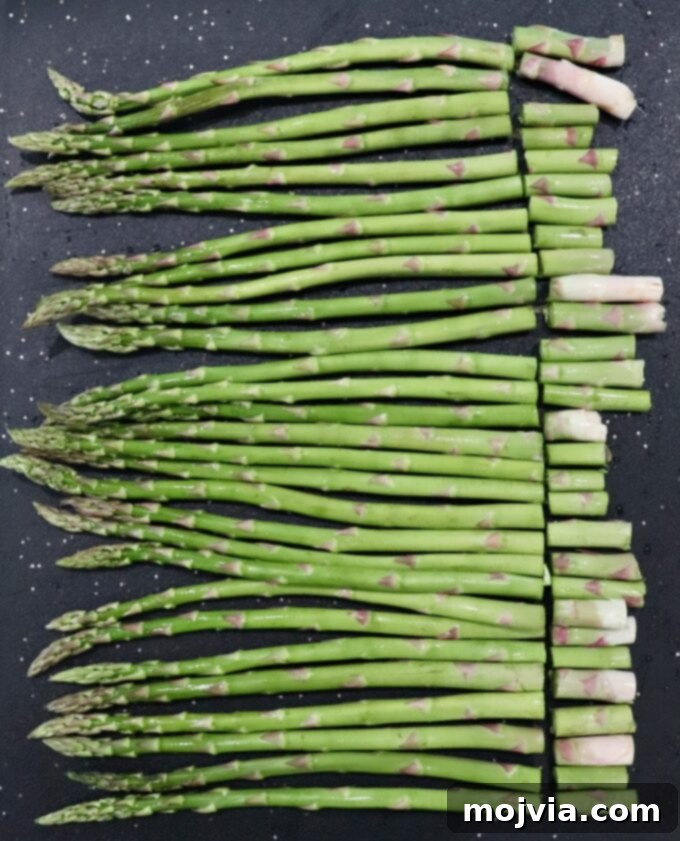
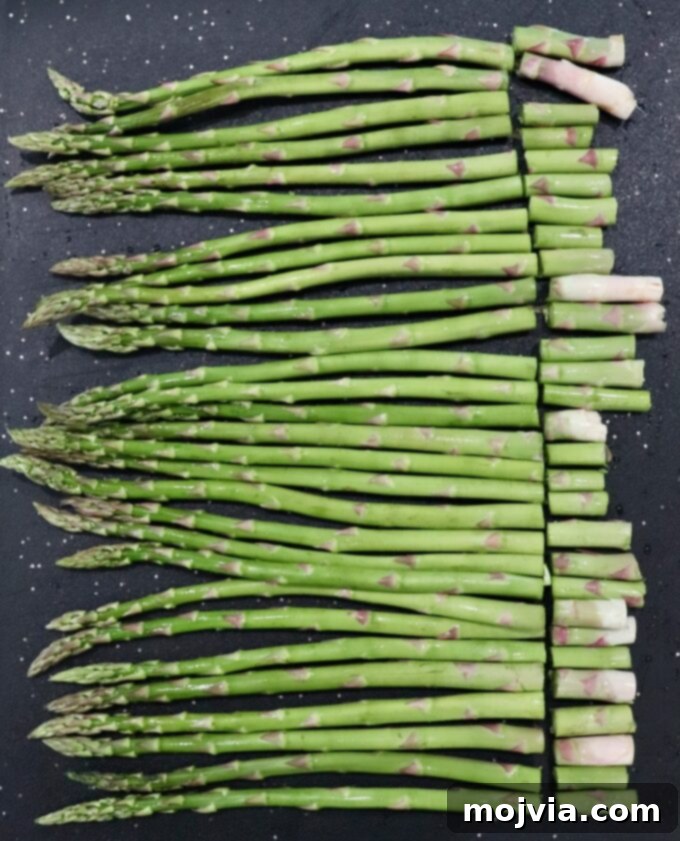
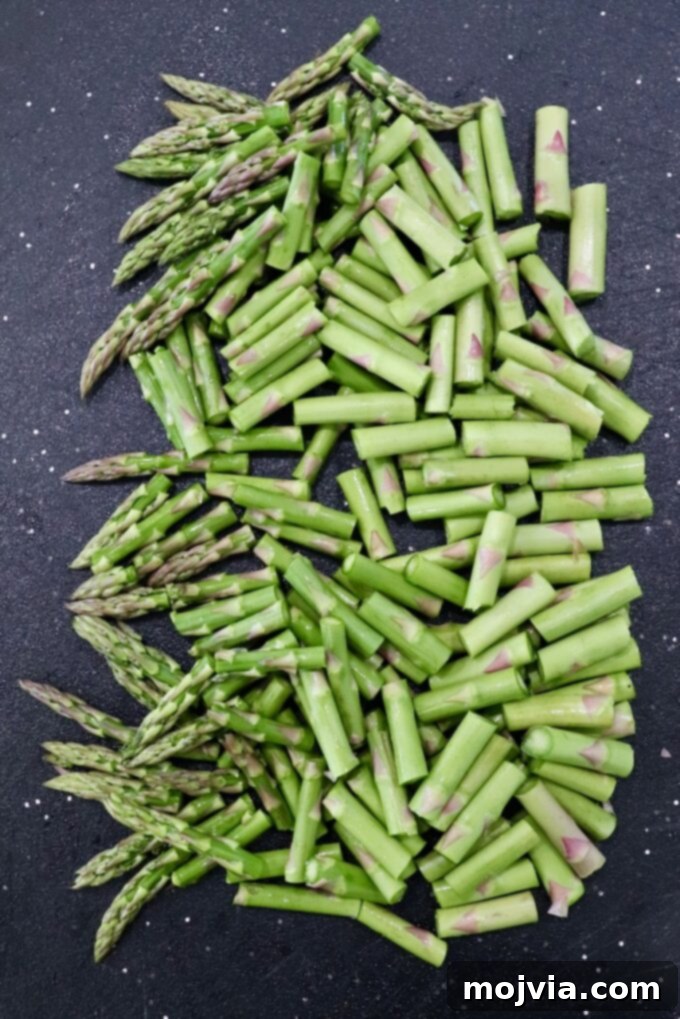
Before cooking, asparagus needs a little prep work. First, give the spears a good rinse under cold water to remove any dirt. The most important step is trimming the woody ends. The bottom portion of an asparagus spear can be quite tough and fibrous. To find where the woody part ends and the tender part begins, simply hold a spear firmly at both ends and bend it. It will naturally snap at the point where the tough section meets the tender stalk. You can do this for a few spears to get a feel for it, then line up the remaining spears and cut them all at roughly the same point with a knife. This ensures every bite is tender and enjoyable. For stovetop methods, you might also consider cutting the trimmed spears into 1-inch pieces for faster cooking and easier incorporation into dishes.
How to Grill Asparagus
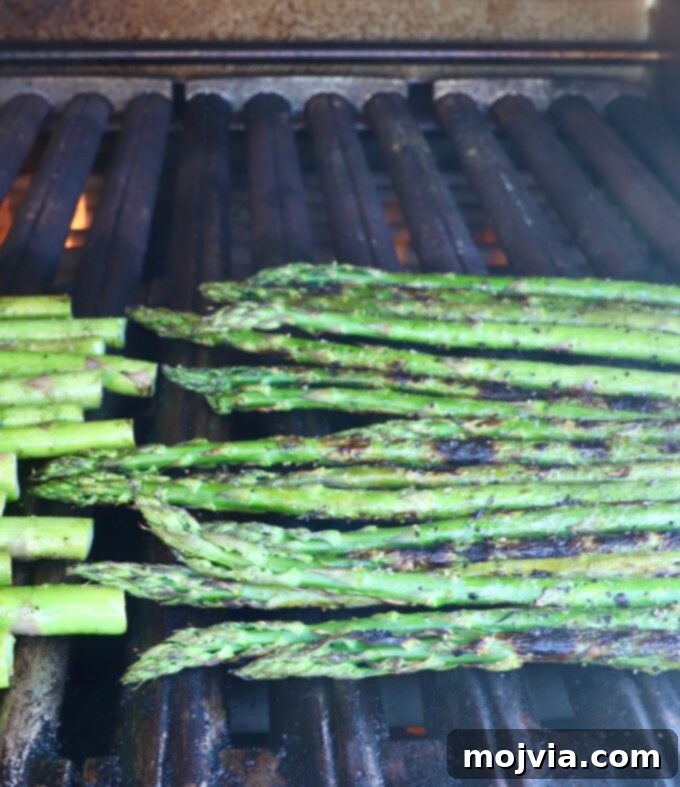
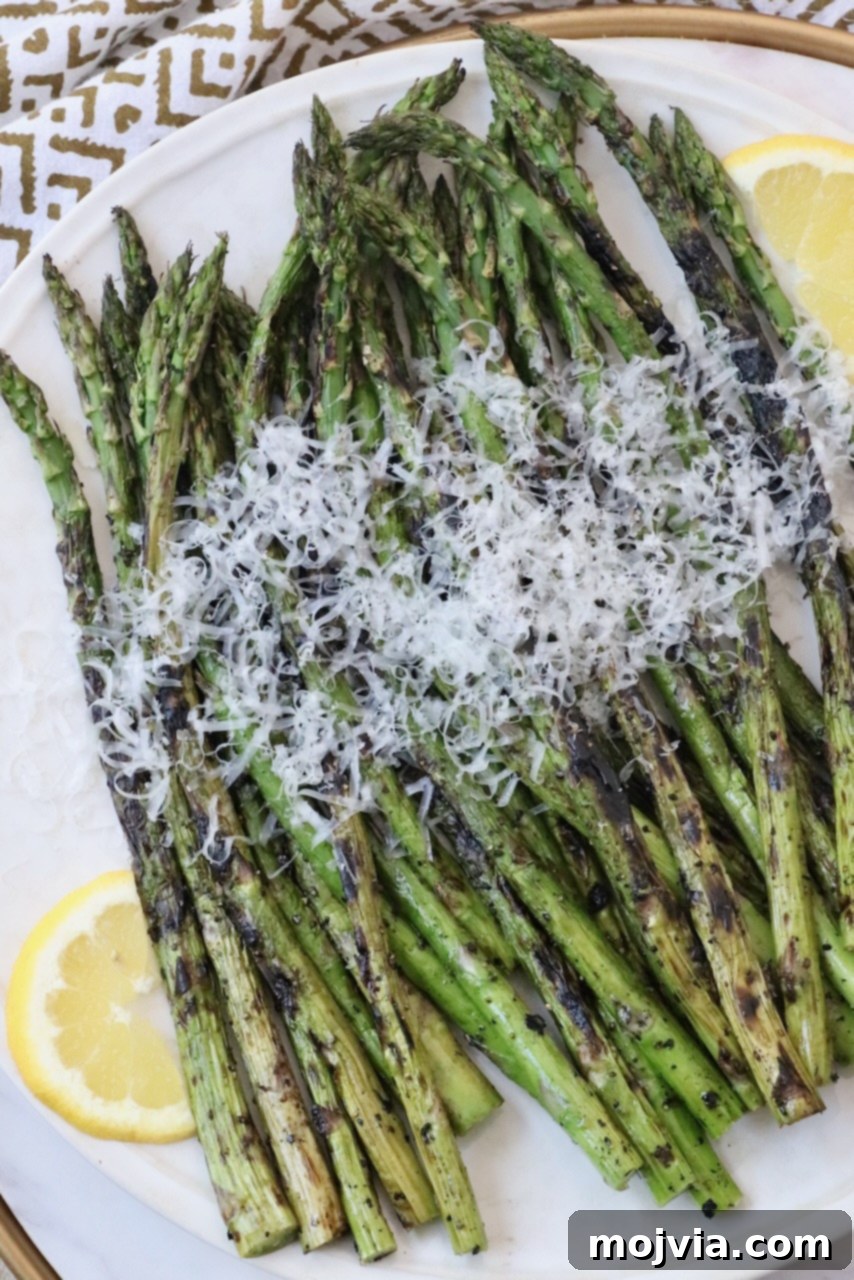
Grilling asparagus imparts a wonderful smoky flavor and a tender-crisp texture with appealing char marks. It’s an ideal method for warmer months and pairs beautifully with other grilled proteins. Follow these simple steps for perfectly grilled asparagus:
- Preheat Your Grill: Set your grill to medium-high heat, aiming for a temperature between 350-400 degrees Fahrenheit. Allow it to heat thoroughly for even cooking.
- Prepare the Asparagus: As discussed earlier, trim the woody, tough ends off the asparagus spears. For optimal results, ensure the spears are relatively uniform in thickness.
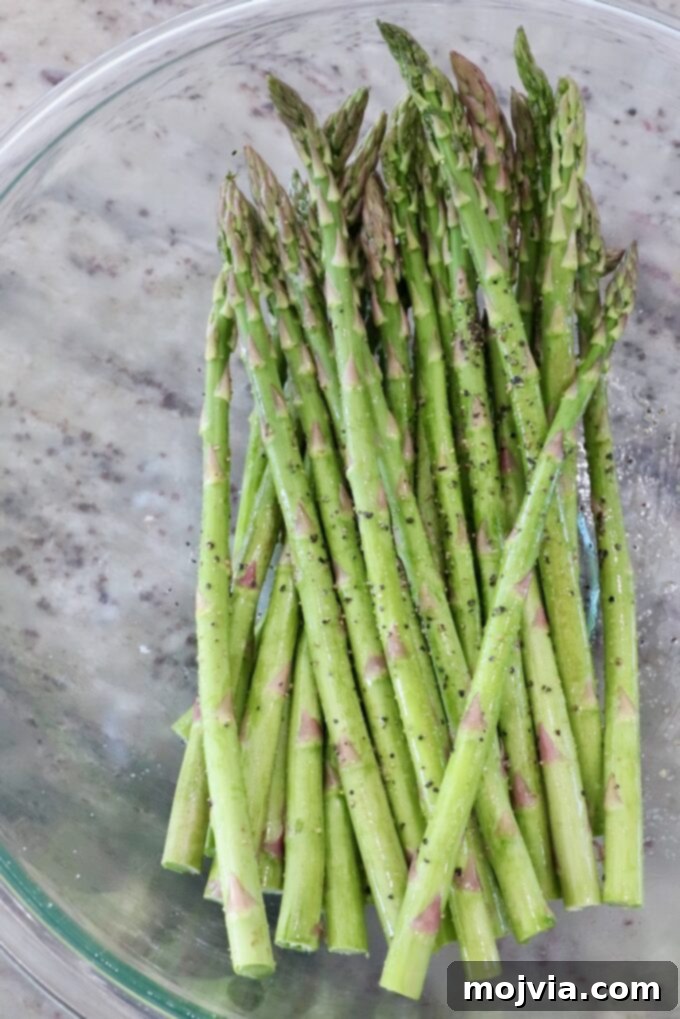
- Season Generously: Place the trimmed asparagus in a large bowl. Drizzle with olive oil, ensuring each spear is lightly coated. Then, sprinkle generously with salt and freshly ground black pepper. Toss well to distribute the seasoning evenly.
- Grill to Perfection: Arrange the seasoned asparagus spears in a single layer directly on the preheated grill grates. Avoid overcrowding the grill, which can lead to steaming instead of grilling. Grill for 5-7 minutes, using tongs to rotate the asparagus periodically to achieve char marks on all sides and ensure even cooking. The cooking time may vary based on the thickness of your spears; thinner spears will cook faster.
- Serve Immediately: Once the asparagus is tender-crisp and exhibits beautiful grill marks, remove it from the grill. Serve it immediately as a fantastic side dish or incorporate it into your favorite main meal.
Expert Tip for Grilling: To prevent smaller spears from falling through the grates, you can thread them onto skewers or use a grill basket. A light coat of oil on the grates can also help prevent sticking.
How to Bake Asparagus (Roasting Method)
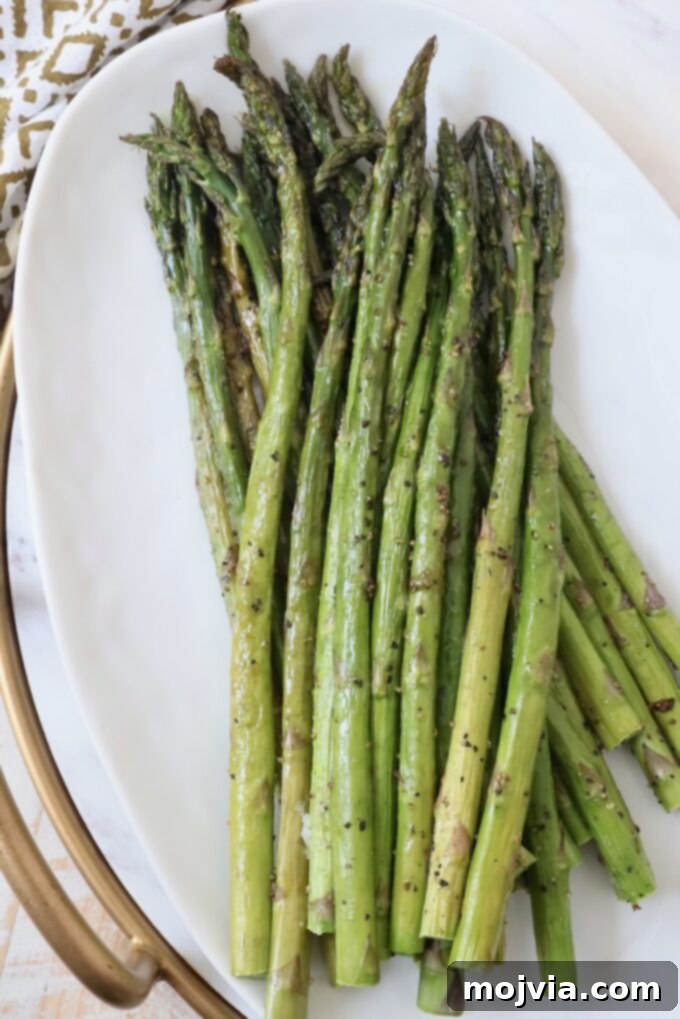
Roasting is an incredibly hands-off and reliable method for cooking asparagus, resulting in tender spears with slightly crispy edges. It’s perfect for busy weeknights or when you’re preparing a larger meal with other oven-cooked components. Here’s how to achieve beautifully roasted asparagus:
- Preheat Oven: Preheat your oven to a high temperature of 425°F (220°C). This high heat is key to achieving that desirable tender-crisp texture and a slight caramelization.
- Trim Asparagus: As always, begin by trimming the woody ends off your asparagus spears to ensure tenderness throughout.
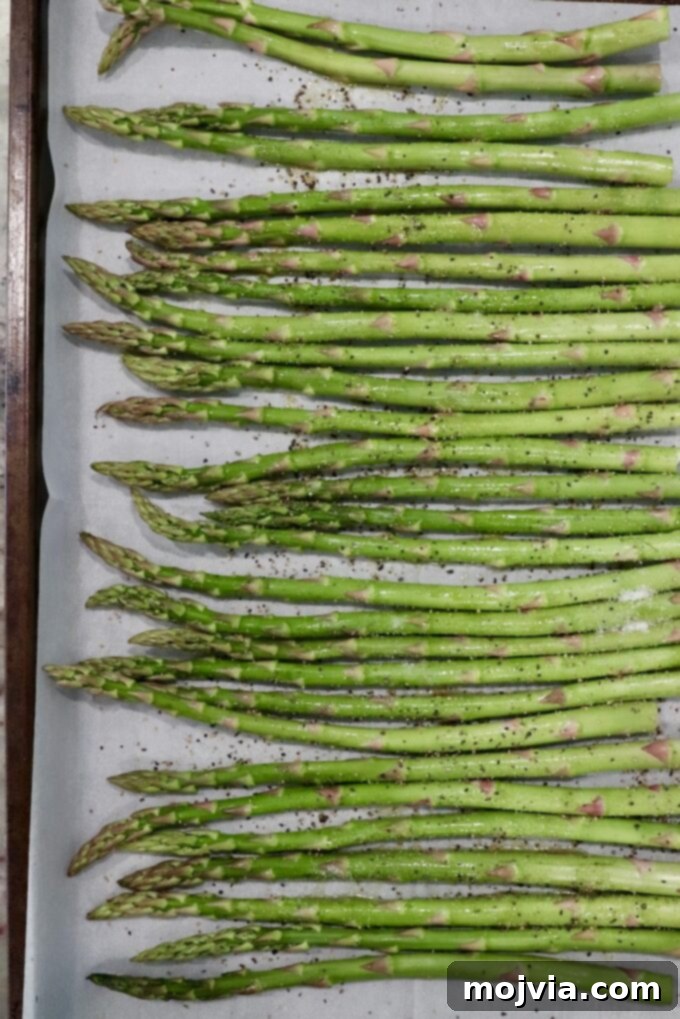
- Season on a Baking Sheet: Line a baking sheet with parchment paper for easy cleanup. Place the trimmed asparagus directly onto the lined sheet. Drizzle with olive oil, then season generously with salt and pepper. Toss the asparagus directly on the baking sheet until all spears are thoroughly coated in oil and seasoning.
- Arrange and Roast: Spread the seasoned asparagus in a single layer on the baking sheet, ensuring there’s a little space between each spear. This allows the heat to circulate properly, promoting roasting rather than steaming. Roast in the preheated oven for 10 minutes for thin asparagus spears, or 15 minutes for thicker asparagus. The exact timing can vary slightly depending on your oven and desired doneness.
- Check for Doneness: Asparagus is done when it’s bright green, tender when pierced with a fork, but still has a slight bite to it. Avoid overcooking, which can result in limp, mushy spears.
Expert Tip for Roasting: Using parchment paper not only makes cleanup a breeze but also helps prevent sticking and can contribute to more even browning.
How to Cook Asparagus on the Stove (Sautéing)
For the quickest asparagus side dish, the stovetop method is your best friend. Sautéing asparagus yields tender-crisp pieces with a vibrant green color in just minutes. This method is particularly excellent when you want to dice the asparagus for incorporation into scrambles, stir-fries, or pasta dishes.
- Prepare and Dice: First, trim the woody ends off the asparagus spears. For this stovetop method, cut the trimmed spears into uniform 1-inch pieces. This ensures they cook quickly and evenly.
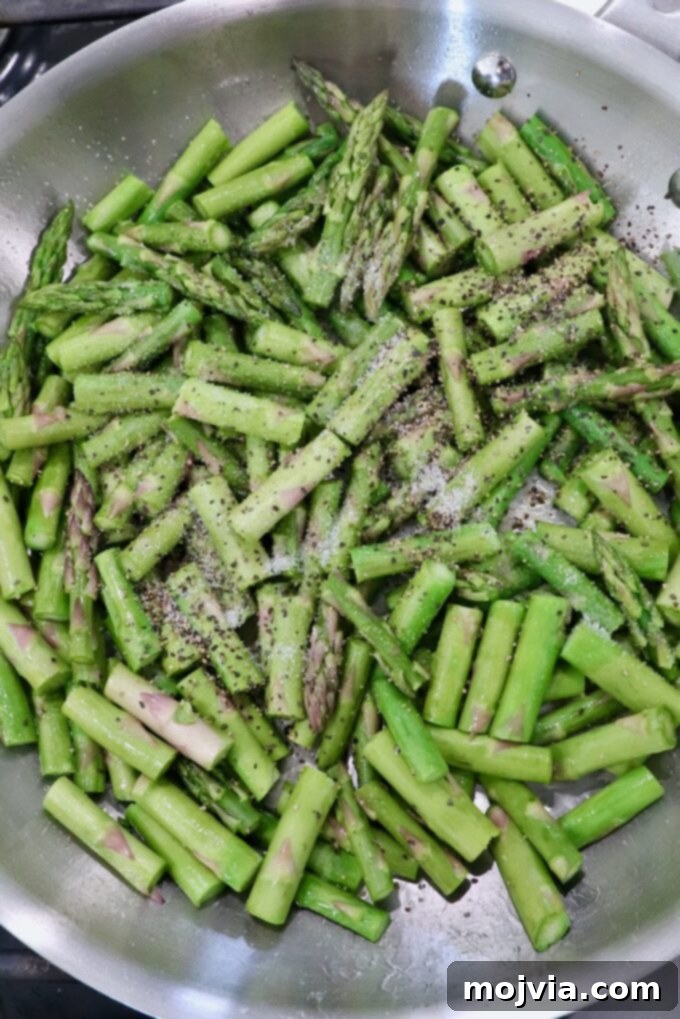
- Heat the Skillet: Heat 1 tablespoon of olive oil in a large skillet over medium-high heat. Allow the oil to get hot but not smoking, indicating it’s ready for the asparagus.
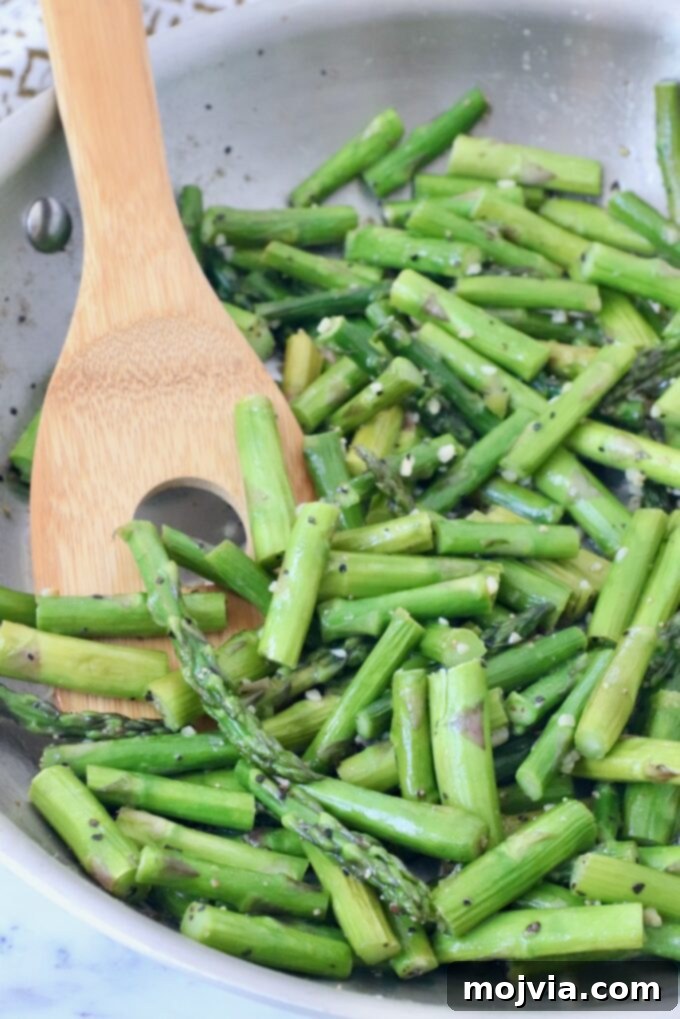
- Sauté Asparagus: Once the oil is hot, add the diced asparagus to the skillet. Season immediately with salt and pepper. Cook the asparagus in the skillet for 3-4 minutes, stirring occasionally to ensure all sides cook evenly and prevent burning. You’re looking for bright green, tender-crisp pieces.
- Optional Flavor Boost: For an extra layer of flavor, at the very end of the cooking time, stir in 1 teaspoon of minced garlic. Toss everything together for about 30 seconds until fragrant, then turn off the heat and serve the asparagus immediately. The residual heat will cook the garlic without burning it.
Expert Tip for Sautéing: Avoid overcrowding the skillet. If you have a large batch of asparagus, cook it in two smaller batches to ensure proper sautéing and browning instead of steaming.
What’s the Best Way to Cook Asparagus?
Choosing the “best” way to cook asparagus often comes down to personal preference for texture, flavor, and how much time you have. Each method offers a unique experience:
- Fastest Method: If speed is your priority, cooking asparagus on the stove is unmatched. Dicing the spears allows them to cook through in less than 5 minutes, making it ideal for quick additions to meals.
- Best Texture: I personally find that grilled asparagus offers the most satisfying texture and flavor. The tender interior, combined with a slight char on the outside, creates a delightful complexity that’s hard to beat.
- Best Overall: While my heart leans towards grilling for its unique smoky essence, if a grill isn’t accessible, both roasting in the oven and sautéing on the stove produce exceptionally delicious asparagus. Each method is fantastic in its own right, and you truly can’t go wrong with any of them. The subtle char from grilling just gives it a slight edge for me!
Ultimately, by following the tips and techniques outlined in this guide, you are guaranteed to achieve perfectly cooked asparagus, regardless of the method you choose to prepare it.
Delicious Ways to Season Asparagus
While a simple sprinkle of salt and pepper allows the natural sweetness of asparagus to shine, there are countless ways to enhance its flavor profile. Don’t hesitate to experiment with these seasonings, sauces, and toppings to transform your cooked asparagus into an unforgettable side dish:
- Fresh Lemon Brightness: Squeeze fresh lemon juice over the asparagus immediately after cooking for a bright, zesty finish. A dash of grated lemon zest adds even more aromatic citrus notes.
- Lemon Pepper Seasoning: Substitute plain salt and pepper with a vibrant lemon pepper seasoning blend for an instant flavor upgrade.
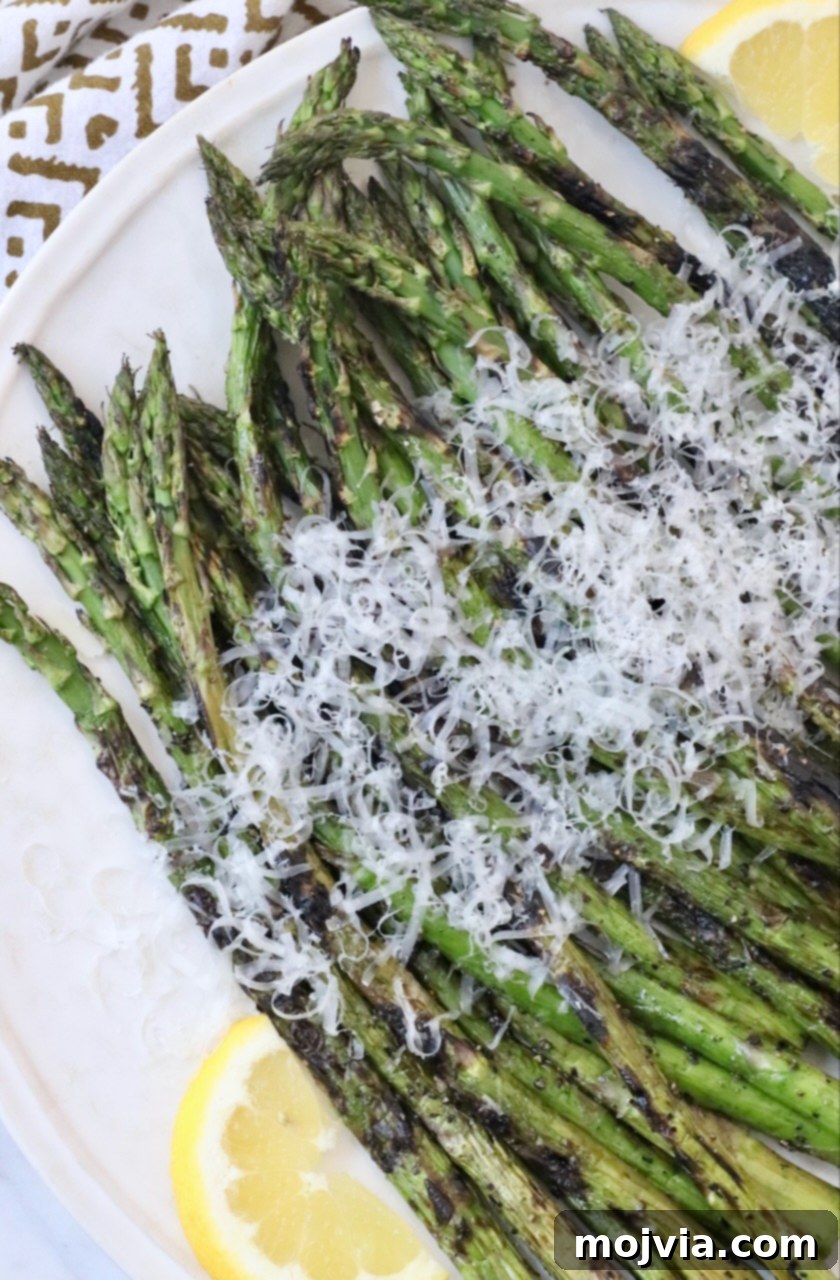
- Cheesy Indulgence: Top hot asparagus with 2 tablespoons of freshly grated parmesan cheese right after grilling or roasting, allowing it to melt slightly. Alternatively, sprinkle 2 tablespoons of crumbled feta cheese over the cooked spears for a tangy, salty touch.
- Aromatic Herbs: Stir in 1-2 teaspoons of fresh chopped herbs like parsley, dill, chives, or basil at the very end of stovetop cooking, or sprinkle over roasted/grilled asparagus just before serving.
- Savory Butter: Melt 1-2 tablespoons of butter over the asparagus immediately after removing it from the heat for a rich, comforting flavor.
- Tangy Balsamic: Drizzle a reduction of balsamic vinegar over the cooked asparagus. The sweet and tangy notes complement the vegetable beautifully.
- Crunchy Almonds: Sprinkle 2 tablespoons of sliced almonds, lightly toasted if desired, over the cooked asparagus for a delightful salty crunch and nutty flavor.
- Creamy Ricotta: Dollop 1-2 tablespoons of ricotta cheese, perhaps mixed with ½ teaspoon of Italian seasoning, over the warm asparagus for a creamy, herbaceous contrast.
- Pesto Power: Finish your cooked asparagus with a dollop of flavorful basil pesto for an intense herbaceous and garlicky punch.
- Bold Sauces: Elevate your asparagus with a drizzle of a gourmet sauce like Spicy Cashew Dressing, a rich Roasted Garlic Cashew Cream Sauce, or a vibrant Harissa Tahini Sauce for a truly unique experience.
- All-Purpose Vegetable Seasoning: For a quick and easy flavor boost, opt for a good quality vegetable seasoning blend instead of just salt and pepper.
Creative Ways to Serve Asparagus
Asparagus, regardless of whether it’s grilled, roasted, or sautéed, is an incredibly versatile ingredient that can enhance the flavor and nutritional value of countless meals. Don’t limit yourself to serving it as a simple side dish; explore these creative ways to incorporate it into your favorite bowls, salads, pasta dishes, and more:
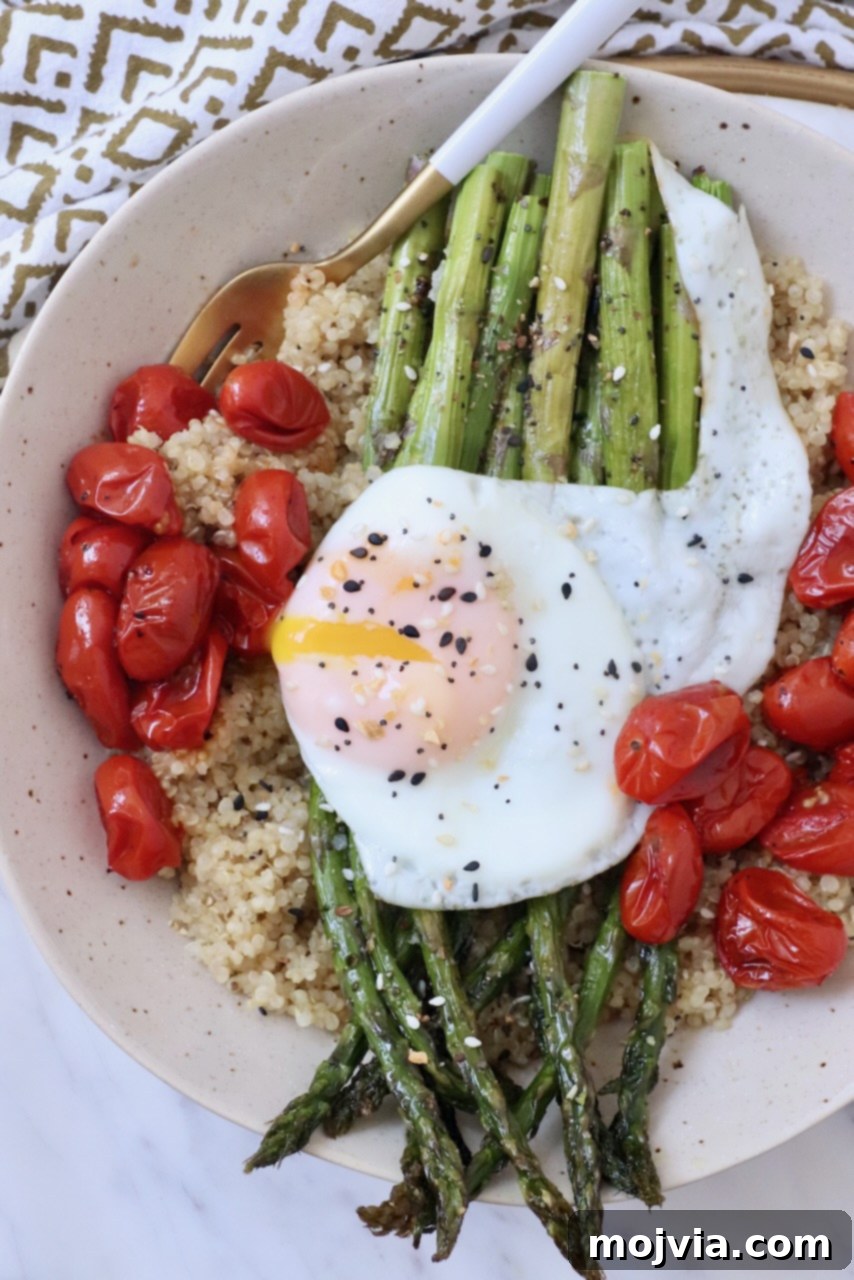
- Breakfast Bowls: Add it to a wholesome Breakfast Quinoa Bowl, like the one pictured above, alongside a fried egg and a sprinkle of everything bagel seasoning for a power-packed start to your day.
- Healthy Dinner Bowls: Utilize grilled asparagus in these Whole30 BBQ Chicken Bowls or Thai Peanut Buddha Bowls for a vibrant and healthy meal. It also works wonderfully in Balsamic Salmon Bowls or Bruschetta Grilled Chicken Bowls.
- Stir-Fries: Sautéed asparagus is a natural fit for any stir-fry. Try adding it to this delicious Beef Stir Fry recipe for added crunch and freshness.
- Salad Enhancer: Incorporate cooked asparagus into a variety of salads for added texture and nutrients. It’s excellent in a BBQ Chicken Salad, a hearty Steak Salad, a fresh Greek Orzo Salad, or a creamy Avocado Pesto Chicken Salad.
- Creamy Risotto: Stir diced, tender cooked asparagus into your favorite Instant Pot Risotto recipe for a burst of green and delicate flavor.
- Pasta Perfection: Asparagus pairs wonderfully with pasta. Stir it into classic dishes like Garlic Parmesan Chicken Pasta, a simple Garlic Mushroom Pasta, a layered Vegetarian Lasagna, a fresh Caprese Pasta, or a hearty Pasta Boscaiola.
- Egg Scrambles: For a delicious and nutritious breakfast, stir diced, cooked asparagus into an egg scramble, perhaps with some parmesan cheese and crispy bacon.
- Flatbreads and Pizzas: Add cooked asparagus on top of your favorite flatbread or pizza for an elegant and flavorful topping. It’s fantastic on this Pan Pizza recipe.
Storage and Reheating Cooked Asparagus
Proper storage ensures your delicious cooked asparagus stays fresh for longer, and knowing the best reheating method helps maintain its optimal texture.
Store any leftover cooked asparagus in an airtight container in the refrigerator for up to 7 days. To maintain the best texture, I highly recommend reheating leftovers on the stovetop rather than in the microwave, which can often make asparagus limp and watery.
To reheat, dice up the cooked asparagus if it’s in long spears, then add it to a skillet over medium-high heat with a small drizzle of olive oil. Cook for 2-3 minutes, stirring occasionally, until it’s heated throughout and regains a slight crispness. This method helps restore its vibrant color and tender-crisp bite.
More Kitchen Tutorials to Master
Ready to further hone your culinary skills? Explore these other quick and easy cooking how-to guides and become a true pro in your kitchen!
Pin Recipe
Rate this Recipe
How To Cook Asparagus
Learn how to cook asparagus 3 ways with this simple step-by-step guide. Whether you want to grill asparagus, roast asparagus, or cook it on the stove, this blog post will teach you how! Using these easy tested and perfected methods will give you delicious cooked asparagus every time. Asparagus is delicious in salads, eggs, buddha bowls, pasta, flatbreads, and more.
Servings: 1 pound asparagus
Prep Time: 5 minutes
Cook Time: 5 minutes
Total Time: 10 minutes
Author: Whitney Bond
Course: Side Dish
Cuisine: American
Ingredients
- 1 pound asparagus
- 1 tablespoon olive oil
- ½ teaspoon salt
- ½ teaspoon black pepper
Instructions
How to grill asparagus
- Preheat a grill to medium-high heat, between 350-400°F.
- Cut the tough, woody ends off of the asparagus.
- Toss the asparagus with the olive oil, salt, and pepper.
- Place on the grill for 5-7 minutes, rotating throughout the cooking process.
- Remove the asparagus from the grill and serve it as a side dish, or part of an entree.
How to bake asparagus
- Preheat the oven to 425°F.
- Cut the ends off of the asparagus.
- Toss the asparagus with the olive oil, salt and pepper.
- Spread the asparagus spears out in a single layer, with a little space between each one, on a parchment paper lined baking sheet.
- Bake for 10 minutes for thin asparagus, or 15 minutes for thicker asparagus.
How to cook asparagus on the stove
- Place a large skillet on the stove over medium-high heat and add 1 tablespoon olive oil.
- Cut the ends off of the asparagus, then cut the asparagus into 1-inch pieces. When the oil in the skillet is hot, add the asparagus, season with salt and pepper, and cook for 3-4 minutes, stirring occasionally.
- Optional: Add 1 teaspoon fresh minced garlic to the skillet at the end, toss everything together, then turn off the heat and serve the asparagus.
Notes
- For optional toppings and seasoning ideas, refer to the blog post above.
- Store leftover cooked asparagus in an airtight container in the refrigerator for up to 7 days. I recommend reheating the leftovers on the stove for the best texture. Dice up the cooked asparagus and add it to a skillet over medium-high heat with a drizzle of oil. Cook for 2-3 minutes, or until heated throughout.
Nutrition Facts
Carbohydrates 18g (6%)
Protein 10g (20%)
Fat 15g (23%)
Saturated Fat 2g (10%)
Polyunsaturated Fat 2g
Monounsaturated Fat 10g
Sodium 1172mg (49%)
Potassium 930mg (27%)
Fiber 10g (40%)
Sugar 9g (10%)
Vitamin A 3435mg (69%)
Vitamin C 25mg (30%)
Calcium 114mg (11%)
Iron 10mg (56%)
Did you make this recipe?
Tag @WhitneyBond on Instagram and hashtag it #WBRecipes!