
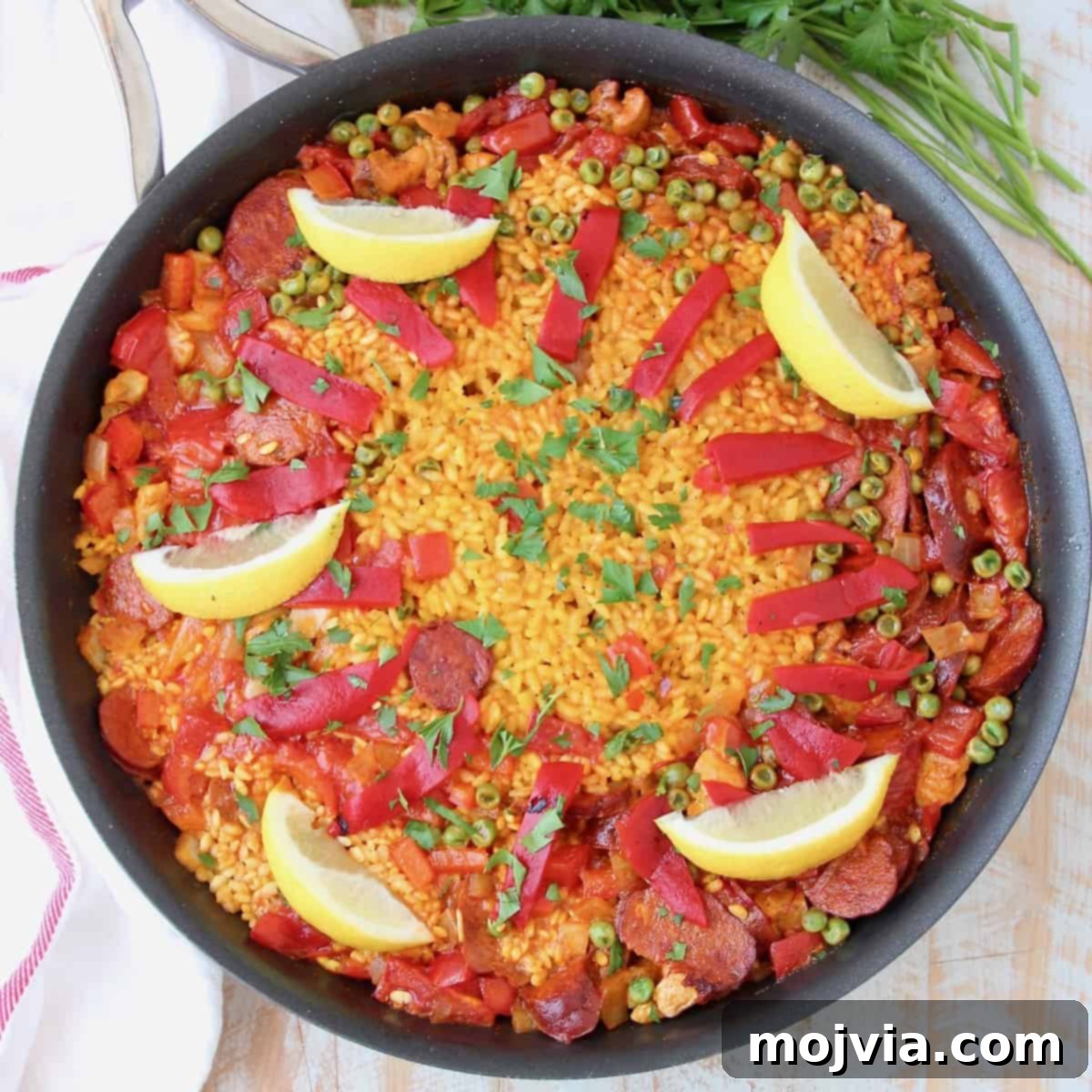
Welcome to the heart of Spanish cuisine, where vibrant flavors, aromatic spices, and communal dining traditions converge to create unforgettable meals. Few dishes encapsulate this spirit quite like paella. While renowned for its complexity, crafting an authentic and incredibly flavorful Spanish paella at home is surprisingly accessible. This one-pan wonder, brimming with succulent chicken, savory Spanish chorizo, and sweet peppers, promises a culinary journey to Spain without leaving your kitchen.
Often, when one imagines traditional paella from Spain, images of bountiful seafood like shrimp, mussels, and clams come to mind. However, paella is a dish of incredible versatility, with regional variations showcasing a diverse array of ingredients. In this much-loved rendition, we embrace the robust flavors of chicken thighs and cured Spanish chorizo. Rest assured, the depth of flavor achieved in this recipe is so profound that you won’t miss the seafood. But for those who cherish the taste of the ocean, we’ve thoughtfully included instructions on how and when to incorporate your favorite seafood, ensuring every palate finds its delight in this magnificent dish.
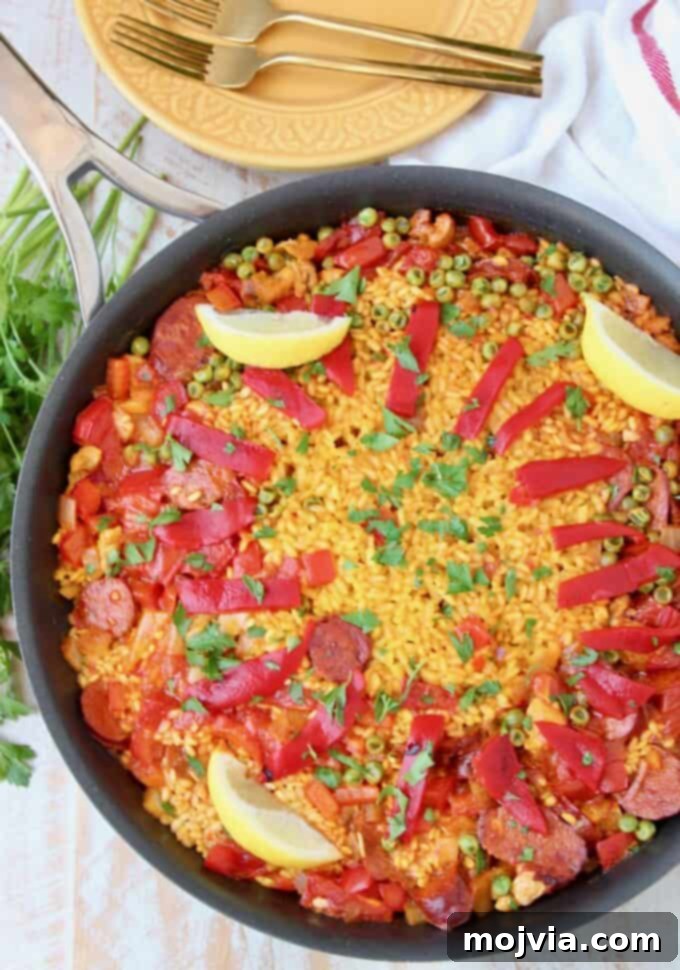
The year 2020 presented unique opportunities for many of us to rediscover the joy of home cooking and truly hone our culinary skills. For me, it was a pivotal year in perfecting one of my all-time favorite classic recipes: Spanish paella. While I had enjoyed making paella for years, it was during this time that I committed to a deep dive into creating what I consider the ultimate, perfect paella recipe.
My quest for perfection involved extensive research into authentic ingredients and traditional Spanish techniques. I wanted to move beyond mere imitation and truly understand the soul of this iconic dish. After countless hours of experimentation and refinement, I am thrilled to share with you today my perfected authentic paella recipe! It’s an explosion of rich, savory flavors, yet it remains surprisingly straightforward to prepare. While it calls for a few more specialized ingredients than some simplified recipes and takes about an hour from start to finish, the process itself is largely about layering ingredients into a single pan and allowing the magic to happen.
Speaking of pans, many aspiring paella cooks often wonder if a specialized paella pan is essential. The great news is, you absolutely do not need one! In fact, during my research, I discovered that for beginners, using a traditional, thin paella pan can actually be more challenging. These pans are designed for cooking over an open flame with very even heat distribution, which is difficult to replicate on a standard home stovetop. Their thin construction can make the paella prone to burning before the rice is perfectly cooked. This means you don’t need to invest in a fancy new piece of cookware; any large, good-quality non-stick skillet (ideally 12-inch or larger) will perform beautifully, making your journey to a fantastic homemade paella much smoother and more enjoyable.
Table of Contents
- Essential Ingredients for Authentic Paella
- Blooming Saffron: Unlocking Paella’s Golden Hue
- Mastering Paella: Step-by-Step Instructions
- Enhancing Your Paella with Seafood Options
- The Perfect Companions: What to Serve with Paella
- Explore More Delicious Rice Recipes
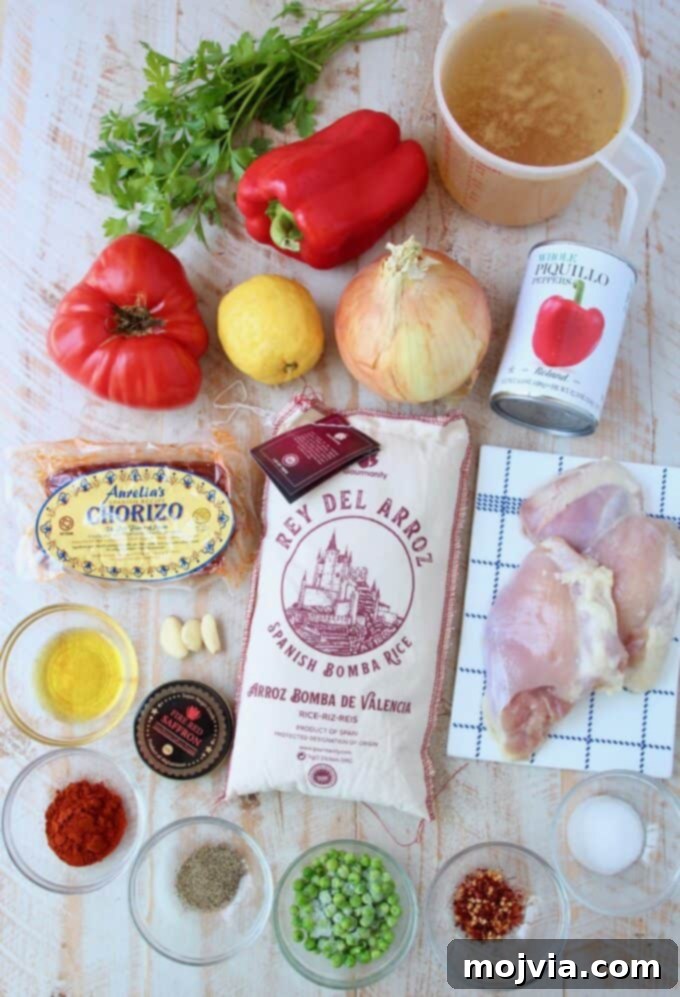
Essential Ingredients for Authentic Paella
Crafting a truly exceptional paella begins with selecting the right ingredients. Each component plays a vital role in building the layered flavors and achieving the characteristic texture of this Spanish masterpiece. Here’s a detailed look at what you’ll need:
- Lemon Juice: This zesty ingredient serves a dual purpose: it’s crucial for blooming the saffron threads and also adds a bright, essential acidity to the finished dish. Always opt for fresh-squeezed lemon juice for the best flavor.
- Saffron Threads: Often called the “king of spices,” saffron is non-negotiable for authentic paella. It imparts paella with its signature golden hue and a subtle, floral aroma. While expensive, you only need a small quantity. High-quality saffron can be found on Amazon (I used a good quality one for around $12, enough for two batches) or sometimes at specialty grocers like Trader Joe’s if you’re fortunate. Look for deep red threads with minimal yellow styles.
- Olive Oil: A cornerstone of Spanish cooking, olive oil provides the base for sautéing and infusing flavors. A good quality extra virgin olive oil is recommended.
- Boneless, Skinless Chicken Thighs: Chicken thighs are ideal for paella due to their rich flavor and tendency to remain juicy during cooking. Their dark meat absorbs the spices beautifully. If you prefer, boneless, skinless chicken breasts can be used, but be mindful not to overcook them.
- Salt & Black Pepper: Basic seasonings to enhance the natural flavors of the chicken and vegetables.
- Onion: Forms the aromatic foundation of the sofrito, contributing a mild sweetness and depth.
- Red Bell Pepper: Adds vibrant color and a sweet, slightly smoky flavor to the sofrito.
- Garlic Cloves: Essential for its pungent aroma and flavor, garlic is a core element of Spanish cuisine.
- Spanish Chorizo: This is a key ingredient, offering a distinctive smoky, paprika-infused flavor and a beautiful red oil that permeates the rice. It’s important to use a fully cooked, cured Spanish-style chorizo sausage, not the fresh, uncooked Mexican variety. You might find it in the deli section of major grocery stores, or it can be conveniently ordered online.
- Tomato: A medium to large fresh tomato, diced to yield approximately 1 cup, contributes to the rich sofrito and adds a touch of acidity and sweetness.
- Paprika: Sweet Spanish paprika (pimentón dulce) is preferred, adding depth and a characteristic earthy flavor. Smoked paprika can also be used for an extra layer of smoky goodness.
- Red Pepper Flakes or Cayenne Pepper: Use according to your preference to introduce a subtle warmth or a noticeable kick to the dish.
- Medium Grain White Rice: The star of the show! The type of rice is paramount for paella. Bomba rice, a traditional Spanish short to medium-grain rice, is highly recommended as it absorbs liquid exceptionally well without becoming mushy, yielding individual, flavorful grains. I purchased Bomba rice on Amazon. As an alternative, Calrose rice, another medium-grain white rice, is a suitable and more readily available substitute at most local grocery stores. Avoid long-grain or risotto rice.
- Chicken Broth: Provides the liquid for cooking the rice and infusing it with flavor. Low-sodium broth allows for better control over the final seasoning.
- Frozen Peas: Adds a pop of vibrant green color and a touch of sweetness, a classic addition to many paellas.
- Piquillo Peppers: These sweet, mildly spicy red peppers, traditionally from northern Spain, contribute a unique flavor and beautiful color. While once found at Trader Joe’s, they are now often available in cans or jars online. If ordering online is not an option, a jar of roasted red peppers from your local grocery store makes an excellent substitute.
- Flat Leaf Parsley: Freshly chopped parsley is used as a garnish, adding a burst of freshness and color before serving.
- Whole Lemon: Sliced into wedges, lemon is essential for serving, allowing diners to add a squeeze of bright, acidic flavor over their paella.
While this list may seem extensive, I promise that each ingredient contributes significantly to the complex and utterly delicious flavor profile of this paella. For convenience, I highly recommend ordering the Saffron Threads, Spanish Chorizo, Bomba Rice, and Piquillo Peppers online if they are not easily found locally. Alternatively, most grocery stores will carry suitable alternatives for the more specialized items – simply look for saffron threads in the spice aisle, Spanish chorizo in the deli, use Calrose rice instead of Bomba, and opt for roasted red peppers in place of piquillo peppers.
Blooming Saffron: Unlocking Paella’s Golden Hue
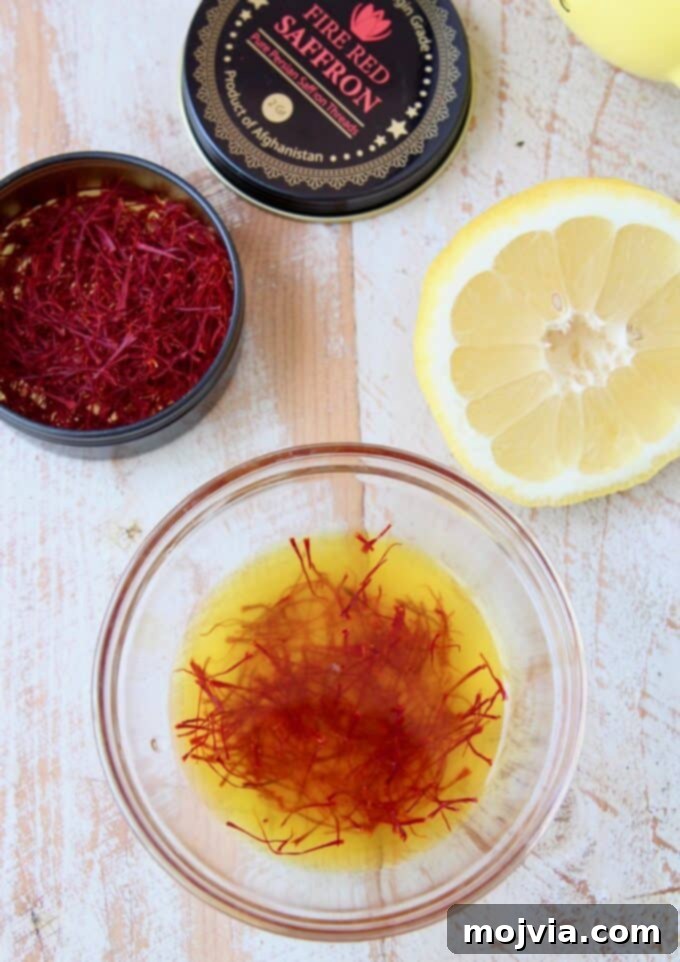
One of the initial and most crucial steps in preparing an authentic paella is the proper preparation of saffron threads. Saffron, a precious and often expensive spice, holds the secret to paella’s iconic golden color and its delicate, complex aroma. To truly maximize its potential and ensure every bit of flavor and color is extracted, saffron needs moisture.
The process of “blooming” saffron involves soaking the delicate threads in a warm liquid before adding them to the main dish. In this recipe, we use fresh lemon juice, which not only provides the necessary moisture but also contributes a bright note that complements the saffron beautifully. While the saffron will continue to release its essence into the warm broth as the paella cooks, this initial soaking step is paramount. It pre-softens the threads, allowing them to fully hydrate and release their carotenoid pigments and volatile aromatic compounds, ensuring a more vibrant color and intense flavor throughout your paella. Soaking the saffron for 20-30 minutes is ideal. Simply prepare this step at the beginning of your cooking process, and your saffron-infused lemon juice will be perfectly ready when it’s time to incorporate it into your simmering paella.
Mastering Paella: Step-by-Step Instructions
Creating an authentic Spanish paella might seem intimidating, but by following these simple, detailed steps, you’ll achieve a perfectly cooked, intensely flavorful dish with ease. Remember, the key to great paella is patience and minimal stirring once the rice is added!
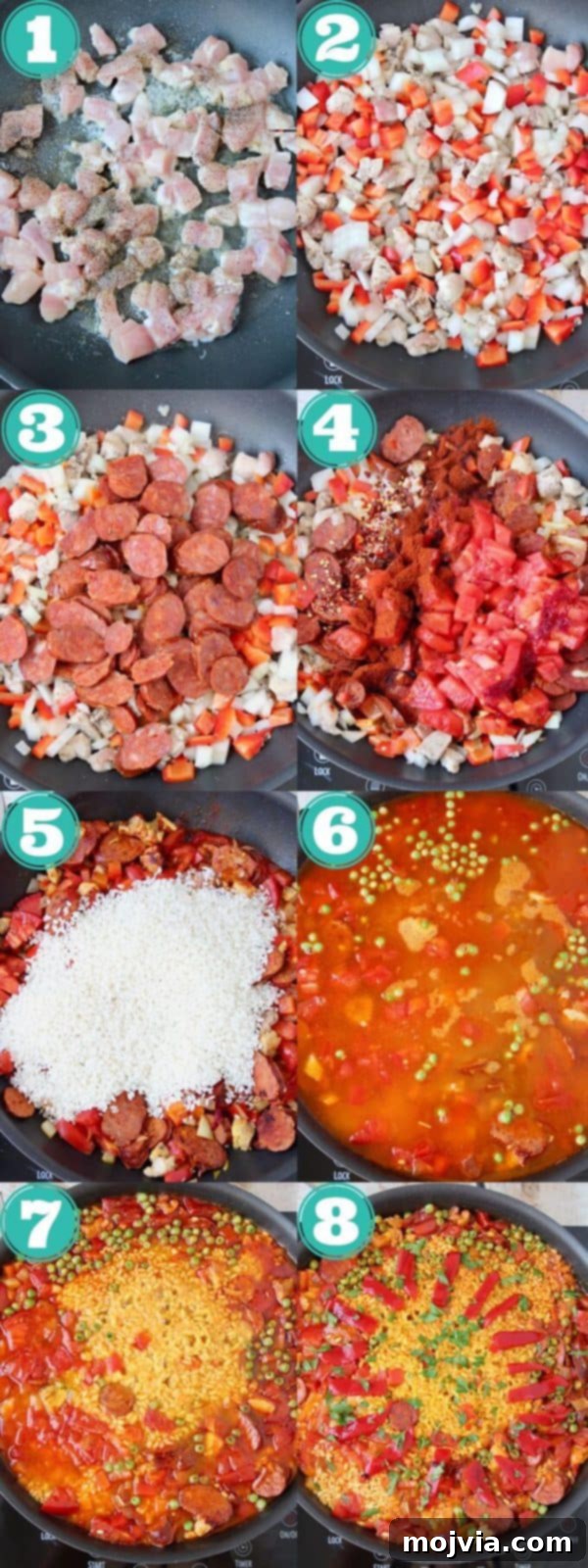
- In a small bowl, combine the fresh lemon juice and saffron threads. Gently stir to ensure the saffron is fully submerged. Set this aside to allow the saffron to bloom for at least 20 minutes while you prepare other ingredients.
- Heat a large, heavy-bottomed skillet (a 12-inch non-stick skillet works wonderfully) over medium-high heat. Add the olive oil and allow it to shimmer.
- Add the bite-sized chicken thighs to the hot oil. Season generously with salt and black pepper. Cook the chicken for 3-4 minutes per side, or until beautifully golden brown and mostly cooked through. Remove the chicken from the skillet and set aside, leaving the flavorful drippings in the pan.
- Reduce the heat to medium. Add the diced onions, red bell peppers, and crushed garlic to the skillet. Sauté for 2-3 minutes, stirring occasionally, until the vegetables begin to soften and become fragrant, forming a delicious sofrito base.
- Add the sliced Spanish chorizo to the skillet. Cook for 1-2 minutes, allowing its rich, paprika-infused oils to render and mingle with the sofrito.
- Return the cooked chicken to the pan. Add the chopped tomatoes, paprika, red pepper flakes (or cayenne pepper for a spicier kick), and the bloomed saffron threads with their lemon juice. Stir all the ingredients together thoroughly, ensuring everything is well combined and coated in the spices.
- Pour the medium grain white rice (preferably Bomba rice) into the skillet. Spread it evenly across the pan but do not stir it into the other ingredients too much. Lightly toast the rice for about 1 minute, allowing it to absorb some of the pan’s flavors.
- Carefully pour in the chicken broth, ensuring it fully covers the rice and other ingredients. Add the frozen green peas. Give the mixture one gentle stir to evenly distribute the rice and ingredients, then stop stirring completely. This is crucial for developing the desirable crispy bottom layer, known as the socarrat.
- Increase the heat to bring the paella to a rolling boil. Once boiling, immediately reduce the heat to medium-low. Allow the paella to simmer gently, uncovered, for 25-30 minutes. Resist the urge to stir during this time. The rice should absorb most of the liquid, becoming tender and cooked through. Listen for a gentle crackling sound at the bottom of the pan, indicating the formation of the delicious socarrat.
- Once the liquid has been almost fully absorbed and the rice is cooked, gently arrange the strips of piquillo peppers on top of the paella, creating a beautiful visual and adding a burst of sweet flavor.
- Cover the skillet tightly (a lid or foil works well), remove it from the heat, and let the paella rest for 10 minutes. This resting period allows the flavors to meld, the rice to steam perfectly, and any remaining liquid to be absorbed, resulting in a more cohesive and flavorful dish.
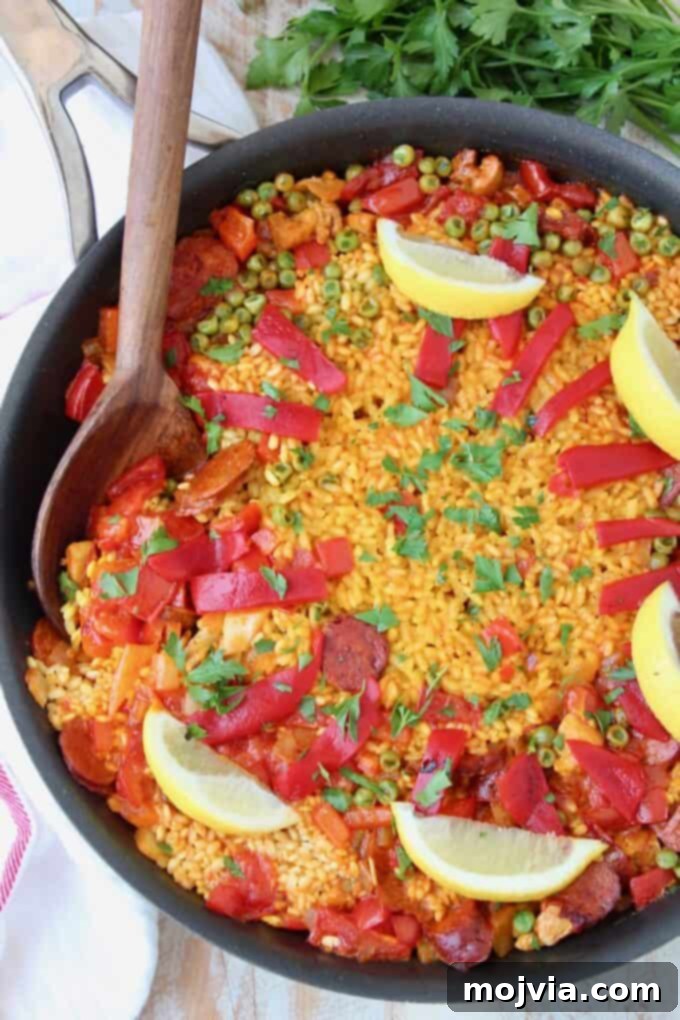
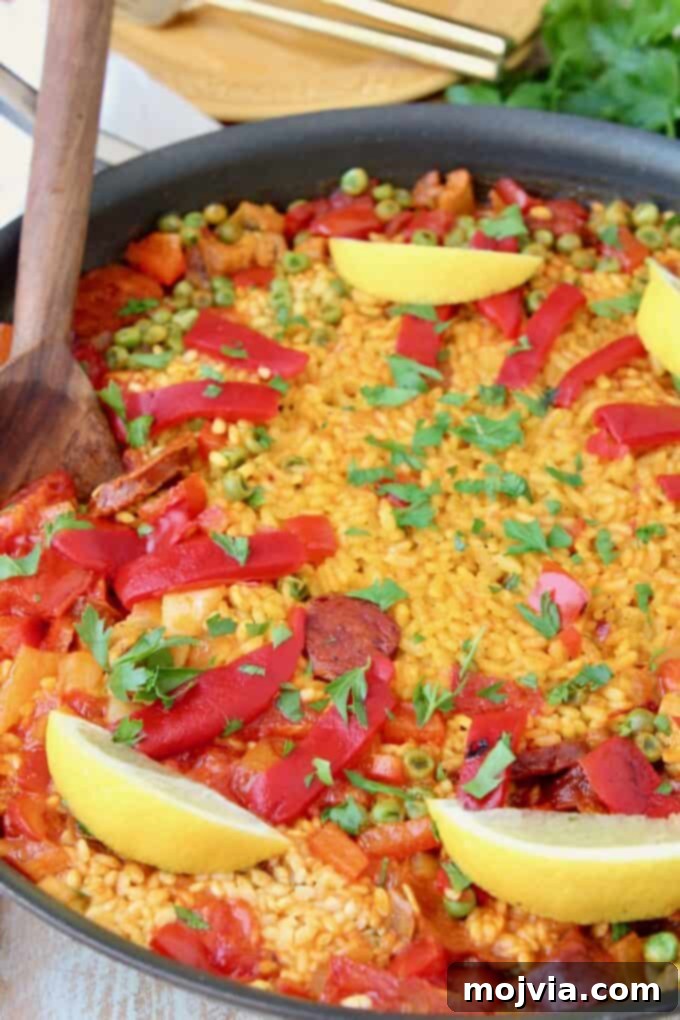
- Finally, uncover your magnificent paella. Garnish generously with fresh chopped flat-leaf parsley and serve immediately. Offer whole lemon wedges on the side, or artfully placed on top, for everyone to squeeze fresh juice over their portion, adding a final, bright flourish.
Enhancing Your Paella with Seafood Options
While this chicken and chorizo paella is incredibly satisfying on its own, adding seafood can elevate it into a magnificent mixed paella, a beloved Spanish classic. It’s easy to incorporate your favorite ocean delights without altering the core recipe significantly. Here’s how to do it for various seafood types:
- Shrimp: Raw, peeled, and deveined shrimp are the easiest to add. They cook quickly and perfectly in the residual heat of the paella. You should add approximately 1/2 to 1 pound of shrimp when you are arranging the piquillo peppers on top (Step 8 of the instructions). Gently press the shrimp into the surface of the paella before placing the piquillo strips. Then, cover the paella and remove it from the heat to rest for 10 minutes as directed. The latent heat will perfectly cook the shrimp, leaving them tender and succulent.
- Mussels and Clams: For shellfish, select fresh mussels and clams, scrubbing them clean and discarding any that are open and don’t close when tapped. Add them to the paella at the same time as the shrimp and piquillo peppers. Arrange them hinge-side down on top of the paella so they can steam open. Cover the skillet tightly and allow them to steam for the 10-minute resting period. Discard any shellfish that do not open after resting.
- Squid or Calamari: If adding squid or calamari, it’s best to add them either very early or very late to ensure tenderness. To add them early, slice them into rings or bite-sized pieces and sauté them with the chicken and chorizo for 1-2 minutes before adding the tomatoes (Step 6). Alternatively, for a quicker cook, add them with the shrimp and other shellfish during the resting phase.
For a truly luxurious mixed paella, feel free to combine shrimp, mussels, and clams. The key is to add the seafood towards the end of the cooking process or during the resting period, allowing them to gently steam and cook through without becoming tough or overdone.
The Perfect Companions: What to Serve with Paella
Spain is a country that captivates with its rich culinary heritage, vibrant culture, and exceptional wines. Beyond paella, the concept of tapas – small, savory dishes served hot or cold – is deeply ingrained in Spanish dining. These delightful appetizers are perfect for sharing, encouraging lively conversation and a leisurely meal.
To truly embrace the spirit of a Spanish feast, consider pairing your flavorful paella with an assortment of these delectable tapas. They offer a wonderful contrast in textures and flavors, making your meal an even more immersive Spanish experience:
- Bacon Wrapped Dates – Sweet dates wrapped in crispy bacon offer a delightful sweet and savory contrast.
- Pan Con Tomate (Bread with Tomatoes) – Simple yet exquisite, toasted bread rubbed with fresh tomato, garlic, and olive oil.
- Albondigas (Spanish Meatballs) – Tender meatballs typically served in a rich tomato sauce, a hearty complement.
- Patatas Bravas – Crispy fried potatoes served with a spicy bravas sauce and often aioli, a beloved Spanish staple.
- Spanish Tortilla (Omelette) – A thick, hearty omelette made with potatoes and onions, perfect for slicing and sharing.
- Spanish Padron Peppers – Small green peppers fried in olive oil and sprinkled with sea salt, a simple and addictive tapa.
- Mediterranean Olive Bread – A flavorful bread studded with olives, ideal for soaking up any extra paella juices or as an accompaniment.
- Spanish Charcuterie Board – A selection of fine Spanish cheeses, cured meats like Jamón Serrano, olives, and nuts.
- Gambas Al Ajillo (Spanish Garlic Shrimp) – Sizzling shrimp cooked in olive oil with plenty of garlic and a touch of chili.
- Ham Croquettes – Creamy, savory béchamel mixed with cured ham, breaded and fried to golden perfection.
Explore More Delicious Rice Recipes
Rice is a staple in cuisines around the world, adapting beautifully to a myriad of flavors and cooking styles. If you’ve enjoyed this Spanish paella, you’ll love exploring other delicious and diverse rice dishes from various corners of the globe. Each recipe offers a unique culinary adventure:
- Korea – Kimchi Fried Rice: A spicy and savory stir-fried rice dish featuring fermented kimchi, a true Korean comfort food.
- Mexico – Mexican Chicken and Rice: A vibrant, flavorful one-pot meal that combines tender chicken, seasoned rice, and a medley of Mexican spices.
- China – Sriracha Steak Fried Rice: A fiery and satisfying dish featuring tender steak, crisp vegetables, and a kick of sriracha in a classic fried rice base.
- India – Indian Curry Vegetable & Rice Casserole: A comforting and aromatic casserole packed with colorful vegetables, fragrant curry spices, and fluffy rice.
- New Orleans, USA – Slow Cooker Chicken & Sausage Jambalaya: A hearty and spicy Creole classic, made effortlessly in a slow cooker with chicken, sausage, and the “holy trinity” of vegetables.
Spanish Chorizo Chicken Paella
This traditional Spanish paella recipe is filled with spices, chicken, chorizo & peppers to create an incredibly flavorful meal that’s surprisingly easy to make in just one pan!
Cook Time: 40 mins
Total Time: 1 hr
Cuisine: Spanish
Ingredients
- 2 tablespoons lemon juice
- 1 teaspoon saffron threads
- 1 tablespoon olive oil
- 1 pound boneless, skinless chicken thighs, cut into bite-size pieces
- 1 teaspoon salt
- ½ teaspoon black pepper
- 1 cup onion, diced
- 1 red bell pepper, diced
- 3 cloves garlic, crushed
- 8 ounces Spanish chorizo, sliced
- 1 large tomato, chopped (approximately 1 cup chopped tomatoes)
- 1 tablespoon paprika
- ½ teaspoon red pepper flakes, or cayenne pepper
- 2 cups medium grain white rice, preferably bomba rice
- 4 cups chicken broth
- ½ cup frozen peas
- ½ cup piquillo peppers, sliced into strips
- 2 tablespoons fresh flat leaf parsley, chopped
- 1 lemon, sliced into wedges for serving with the paella
Instructions
- Combine the lemon juice and saffron threads in a small bowl, set aside.
- Heat the olive oil in a large skillet (preferably a 12 inch skillet) over medium-high heat.
- Add the chicken thighs, season with the salt and pepper and cook for 3-4 minutes per side until golden. Remove chicken and set aside.
- Add the diced onion, bell pepper and crushed garlic to the skillet, saute for 2-3 minutes until softened.
- Add the sliced chorizo, cook for 1-2 minutes, allowing its oils to render.
- Return the chicken to the pan. Add the chopped tomato, paprika, red pepper flakes and the bloomed saffron threads in lemon juice. Stir to combine.
- Add the rice, spreading it evenly. Pour in the chicken broth and peas. Give one gentle stir to combine ingredients and ensure rice is covered.
- Bring the paella to a boil, then reduce the heat on the stove to medium-low and simmer, uncovered, for 25-30 minutes, or until the rice is fully cooked and the liquid has been absorbed. Do not stir during this phase.
- Once the liquid has cooked down into the paella, place the strips of piquillo peppers on top of the paella.
- Cover the skillet, remove the paella from the heat and let rest for 10 minutes.
- Garnish with the fresh chopped parsley.
- Serve with lemon wedges on the paella, or on the side, for juicing over the paella.
Notes
- Ingredient Substitutions:
- Roasted red peppers can be used instead of piquillo peppers.
- Medium grain calrose rice can be used in place of Spanish bomba rice.
- Ingredient Additions:
- If you’d like to add shrimp to the dish, add it at the same time as the piquillo peppers. Approximately 1/2 pound of raw, peeled and deveined shrimp should be gently pressed into the paella before adding the piquillo pepper strips. After adding the shrimp and peppers, cover the skillet and remove it from the heat to rest for 10 minutes. The heat from the paella will cook the shrimp in the pan.
- Mussels or clams can also be added at this stage.
- Paella Pan: A special paella pan does not need to be used for this recipe. A 12 inch non-stick skillet will work just fine!