
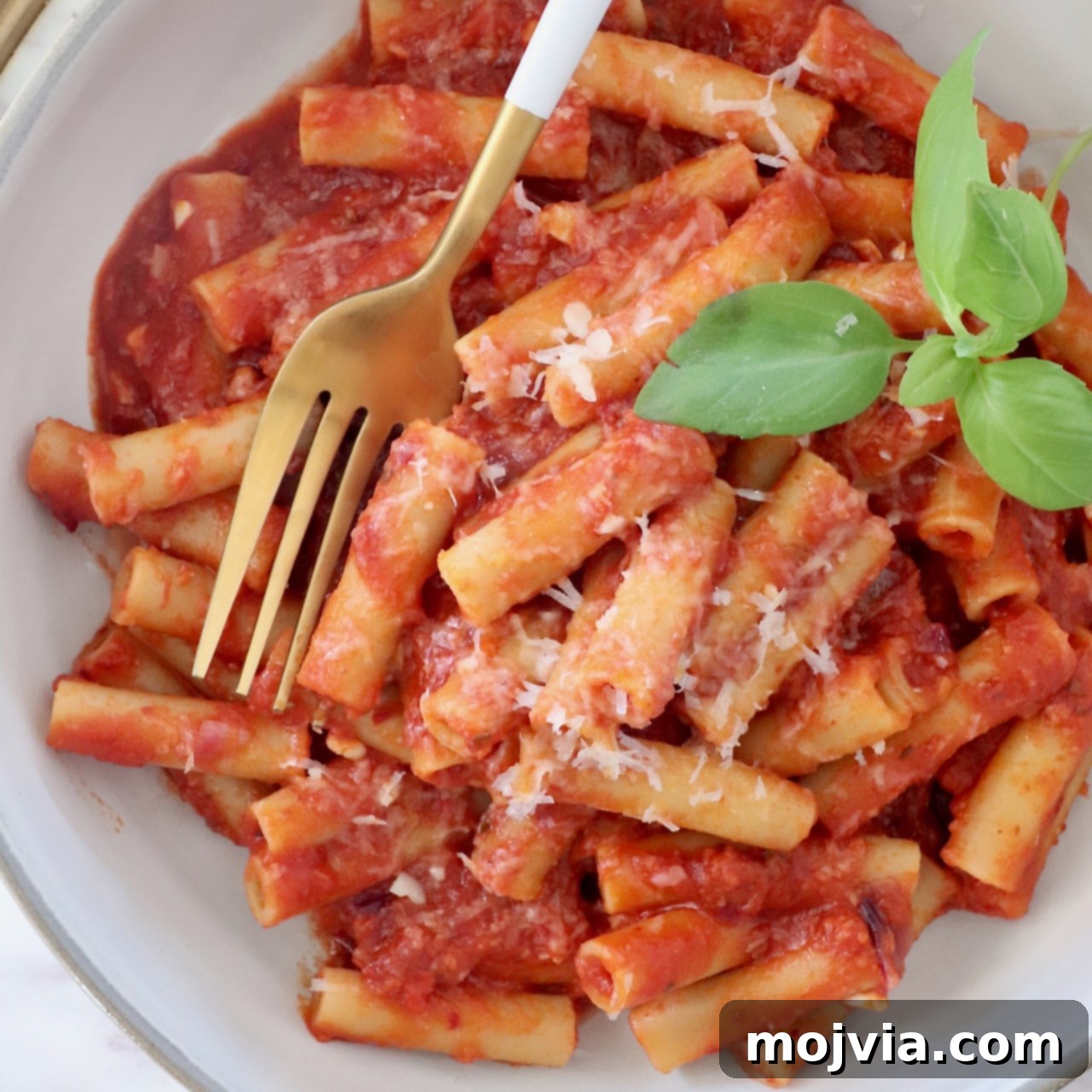
Prepare to be captivated by this incredibly flavorful and irresistibly spicy Tomato Nduja Sauce. In a mere 25 minutes, you can create a culinary masterpiece that will elevate your favorite pasta dishes from ordinary to extraordinary. Nduja, a distinctive spicy, spreadable pork sausage hailing from the sun-drenched Calabrian region of Southern Italy, is truly a flavor powerhouse. Its rich, complex taste is a secret weapon in Italian cuisine, and once you experience it simmered into this vibrant tomato sauce, you’ll understand why it’s become a beloved staple for enhancing a myriad of recipes. Get ready to embark on a taste adventure; one bite of this easy pasta sauce, and you’ll be utterly smitten!
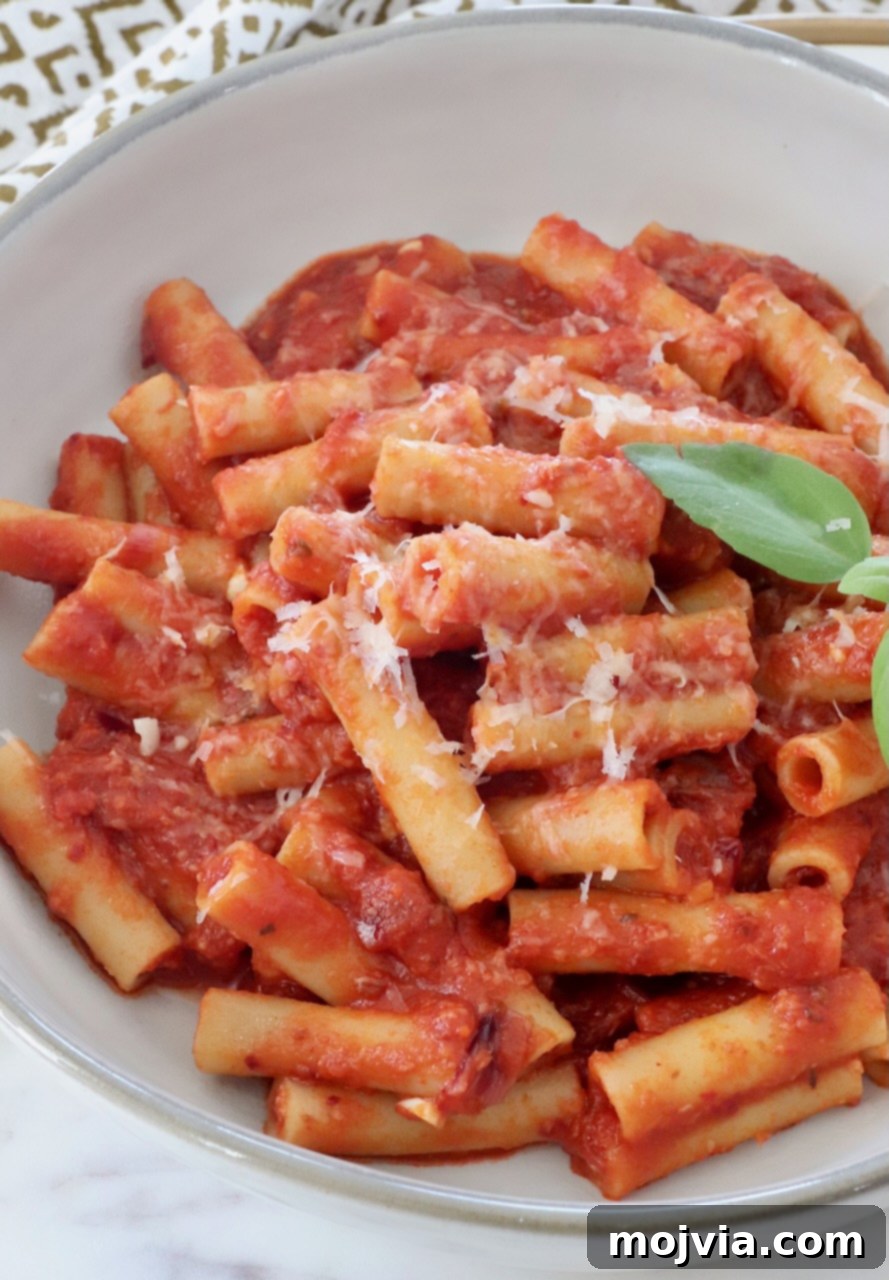
Why You’ll Fall Head Over Heels for This Nduja Sauce
My culinary journey with nduja began at a charming restaurant in San Diego, and from that very first taste, I was completely enamored. This unique spicy spreadable salami boasts a depth of flavor that is truly unparalleled. While it shines brightly when spread on warm, toasted bread, scrambled into eggs, or even dolloped onto a freshly baked pizza, its true magic, for me, unfolds within a rich and savory pasta sauce.
Initially, I explored nduja’s potential in a creamy pasta creation, which resulted in a delightfully decadent creamy nduja pasta. That dish, built on a luxurious base of butter, heavy cream, and nduja, proved to be incredibly rich, smooth, and utterly delicious. However, my quest for the ultimate nduja experience led me to a new challenge: crafting a more traditional, yet equally compelling, tomato-based sauce infused with this fiery ingredient. That’s when this exquisite recipe was born.
After extensive testing and meticulous perfection, I am now absolutely confident that this Tomato Nduja Sauce will become your new go-to, potentially even replacing your beloved traditional marinara in all your cherished pasta recipes. This isn’t just a sauce; it’s an experience, and here’s precisely why it stands out:
- Unforgettable Flavor Profile: The sauce begins with the bright, vibrant, and deeply concentrated tomato flavor of passata, which provides a beautifully smooth and intense base. This is then exquisitely complemented by the complex, spicy, and savory notes of nduja, creating a symphony of tastes that is already near perfection. To elevate these core flavors even further, we introduce aromatic garlic and sweet red onion, along with a medley of fragrant Italian seasoning and the delightful salty tang of Pecorino Romano cheese. The beauty lies in how these simple, high-quality ingredients harmoniously combine to form an incredibly layered and profoundly flavorful sauce that dances on your palate.
- Astonishing Versatility: One of the greatest attributes of this smooth and deeply flavorful sauce is its incredible adaptability. It’s far more than just a pasta topping. Imagine it lovingly tossed with long strands of spaghetti, coating delicate pappardelle, or embracing hearty rigatoni. Beyond traditional pasta dishes, this sauce serves as a fantastic foundation for a baked ziti, infuses lasagna with a distinct Calabrian kick, or can be used to coat freshly made raviolis. The culinary possibilities are truly limitless, making it a versatile staple for any home cook.
- Effortless and Time-Saving Preparation: Forget about spending an entire afternoon at the stovetop to achieve a sauce bursting with flavor. This exceptional Tomato Nduja Sauce comes together in a remarkable 25 minutes. From sautéing the aromatics to simmering the rich tomato base and finally melting in the spicy nduja, this entire process is designed for efficiency without compromising on taste. It’s the perfect solution for a busy weeknight meal or when you desire gourmet Italian flavors with minimal effort.
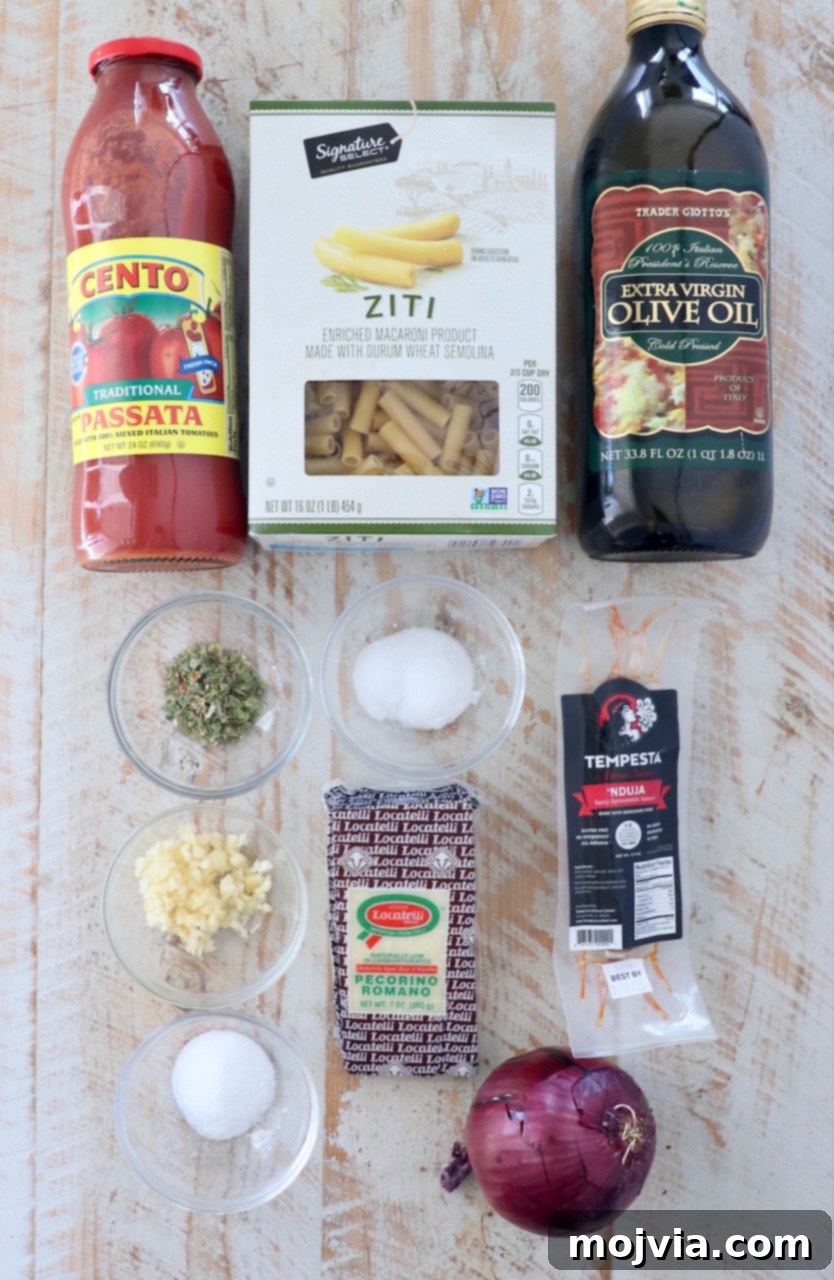
Key Ingredients for the Perfect Tomato Nduja Sauce
Crafting an exceptional sauce starts with understanding its components. Here, I’ll detail the best ingredients for this savory sauce, explaining their individual roles and offering practical substitution options to ensure your success. For precise measurements, please refer to the comprehensive recipe card located at the end of this article.
- Extra Virgin Olive Oil: The foundation of any great Italian sauce, a high-quality extra virgin olive oil provides a rich, fruity base that beautifully carries the flavors of the aromatics. Choose a good quality oil for the best results.
- Red Onion: In Calabria, the vibrant Southern Italian region where nduja originates, red onions are frequently preferred over yellow onions in tomato-based sauces. Their distinctively sharper yet subtly sweeter flavor profile provides a wonderful balance and depth that perfectly complements the spicy, savory notes of the nduja and the acidity of the tomatoes.
- Kosher Salt: Used to season at various stages, kosher salt provides a clean, pure salty taste without the additives often found in table salt. Its larger crystals are also easier to pinch and measure by feel.
- Garlic Cloves: Freshly minced garlic is absolutely essential for imparting that classic aromatic Italian flavor. Avoid pre-minced garlic if possible, as fresh cloves offer a much more pungent and vibrant taste.
- Tomato Passata: This is the secret to the sauce’s wonderfully smooth texture and intensely bold tomato flavor. Tomato passata is essentially strained and pureed tomatoes, typically made from peak-season, ripe tomatoes, offering a concentrated and fresh taste. You should find it readily available in the pasta sauce aisle of most well-stocked grocery stores. If passata proves elusive, you can easily create your own by blending high-quality whole San Marzano tomatoes in a blender until smooth, then straining them through a fine-mesh sieve to achieve a similar silky consistency.
- Italian Seasoning: This versatile blend of dried herbs typically includes oregano, basil, thyme, rosemary, and marjoram. It adds a classic, warm, and earthy dimension to the sauce. You can either use a store-bought blend or easily mix up your own homemade version in just 5 minutes using my linked recipe for an even fresher flavor.
- Granulated Sugar: A small amount of sugar works wonders to balance out the natural acidity of the tomatoes and temper the saltiness, ensuring a perfectly harmonious flavor in the final sauce. It doesn’t make the sauce sweet, but rather rounds out the sharp edges.
- Nduja (Spreadable Salami): The star of this dish! Nduja is a cured meat that distinguishes itself from traditional salami by its higher fat content, which gives it its characteristic spreadable texture. The Tempesta Nduja I’ve used and highly recommend (available on Amazon) is crafted with simple, high-quality ingredients: pork, fiery Calabrian chili peppers, and sea salt. This minimalist approach allows the explosive, rich, and smoky flavor to shine through. You can often discover nduja at specialty Italian markets, gourmet food stores, or even select butcher shops in your local area.
- Pecorino Romano Cheese: This hard, intensely salty Italian cheese, crafted from sheep’s milk, is a crucial ingredient for its robust flavor. While it shares some similarities with Parmesan, Pecorino Romano boasts a much stronger, tangier, and saltier profile that beautifully complements the spice of the nduja and the sweetness of the tomatoes. If Pecorino Romano is unavailable, freshly grated Parmesan can be used as a substitute, but be sure to taste the sauce before serving and adjust the salt level as Parmesan is typically less salty.
- Ziti (or Your Favorite Pasta): While ziti is featured in this recipe, this sauce is incredibly adaptable to virtually any pasta shape. Feel free to use your personal favorite, be it spaghetti, penne, rigatoni, or even orecchiette, to perfectly capture and deliver every drop of this magnificent sauce.
What is Nduja? Your New Secret Ingredient
Nduja (pronounced en-DOO-ya) is not just any sausage; it’s a culinary revelation that deserves a spotlight. Originating from the picturesque region of Calabria in Southern Italy, a land renowned for its fiery chili peppers, nduja is a unique, soft, and spreadable pork sausage. Unlike firmer cured meats, nduja’s distinct texture comes from its composition—it’s made from a generous proportion of fat, along with finely ground pork, which is then intensely spiced with Calabrian chili peppers. This combination gives it a deeply savory, smoky, and wonderfully spicy flavor profile that is truly addictive.
Historically, nduja was a peasant food, a clever way to utilize all parts of the pig and preserve meat. Today, it’s celebrated in gourmet kitchens worldwide for its incredible versatility and flavor-boosting capabilities. When cooked, the fat from the nduja melts beautifully, releasing its spicy, umami-rich essence into whatever dish it’s incorporated into. This melting quality is what makes it so perfect for sauces, allowing its robust flavor to permeate every component. It’s more than just a source of heat; it’s a complex ingredient that adds a profound depth, richness, and a captivating warmth that lingers delightfully on the palate.
Step-by-Step Guide to Crafting Your Nduja Tomato Sauce
Follow these clear, step-by-step instructions, complete with visual aids, to effortlessly create this incredible sauce in your own kitchen. For the complete, detailed recipe, please scroll down to the recipe card at the very bottom of this post.
Important Note for Immediate Serving: If your plan is to enjoy this luscious sauce right away with pasta, I recommend starting to cook your chosen pasta first. Bring a large pot of generously salted water to a rolling boil on your stove. Add the pasta and cook it according to the package directions until it reaches a perfect al dente texture. Before draining the pasta, remember to reserve about one cup of the starchy pasta cooking water; this liquid is a magical ingredient that will help emulsify and bind your sauce beautifully. Set the cooked pasta and reserved water aside.
Alternatively, if you’re looking for convenience, this versatile nduja sauce can be prepared entirely in advance and stored in your refrigerator or freezer, ready to be paired with your preferred pasta dish whenever cravings strike.
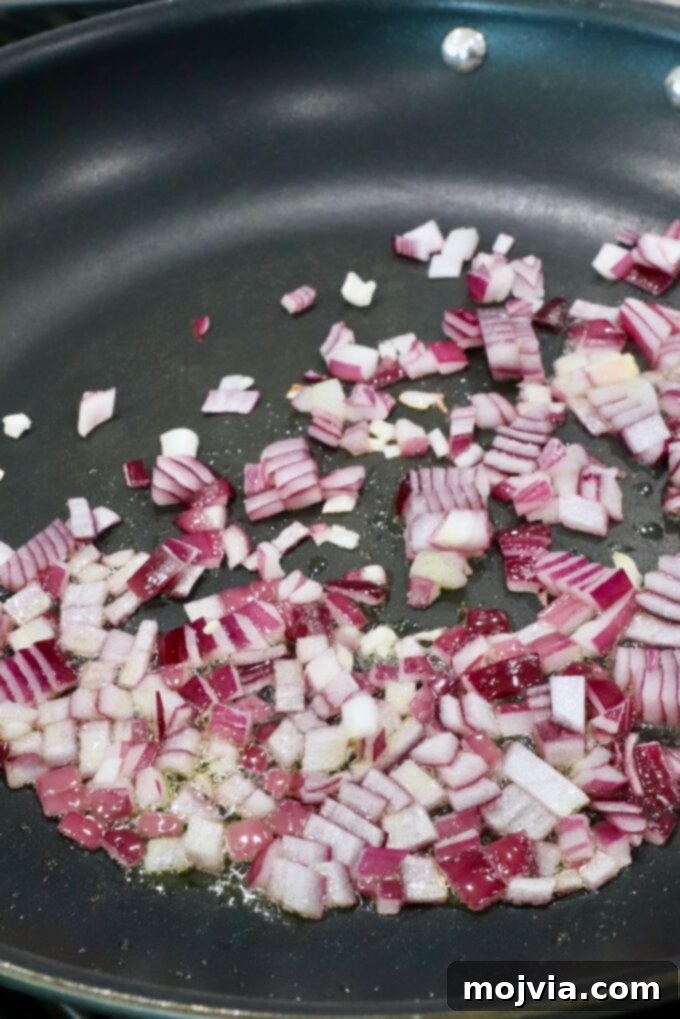
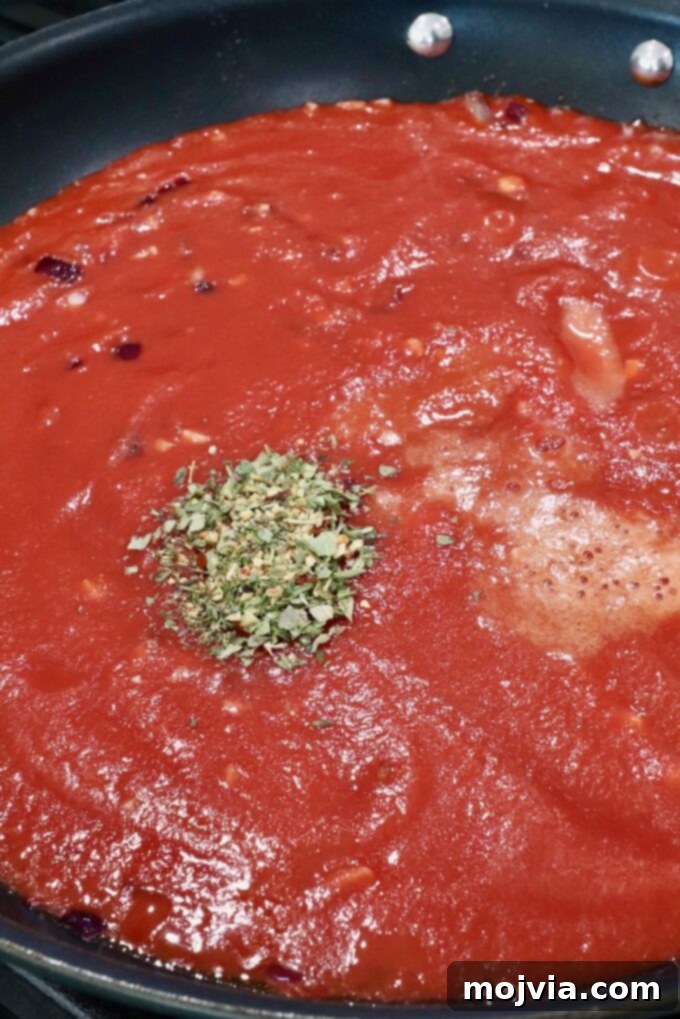
- Sauté Onions and Garlic: Begin by heating the extra virgin olive oil in a large, sturdy skillet over medium-high heat on your stove. Add the finely minced red onions to the hot oil. Season them with a pinch of kosher salt and allow them to cook gently for approximately 4 minutes, or until they soften and become translucent, releasing their sweet aroma. Next, add the minced garlic to the skillet and continue to cook for just one additional minute, stirring constantly to prevent it from burning, which can turn it bitter.
- Introduce Passata and Seasonings: Carefully pour the smooth tomato passata into the skillet, ensuring a thorough scrape of the jar to capture all the rich tomato goodness. To maximize flavor and minimize waste, add about ¼ cup of water to the now empty passata jar, secure the lid, shake it vigorously to dislodge any remaining tomato, and then pour this tomato-infused water directly into the skillet. Bring the sauce to a gentle simmer. At this stage, season the sauce generously with the remaining kosher salt, a teaspoon of fragrant Italian seasoning, and the granulated sugar. Stir everything together until well combined.
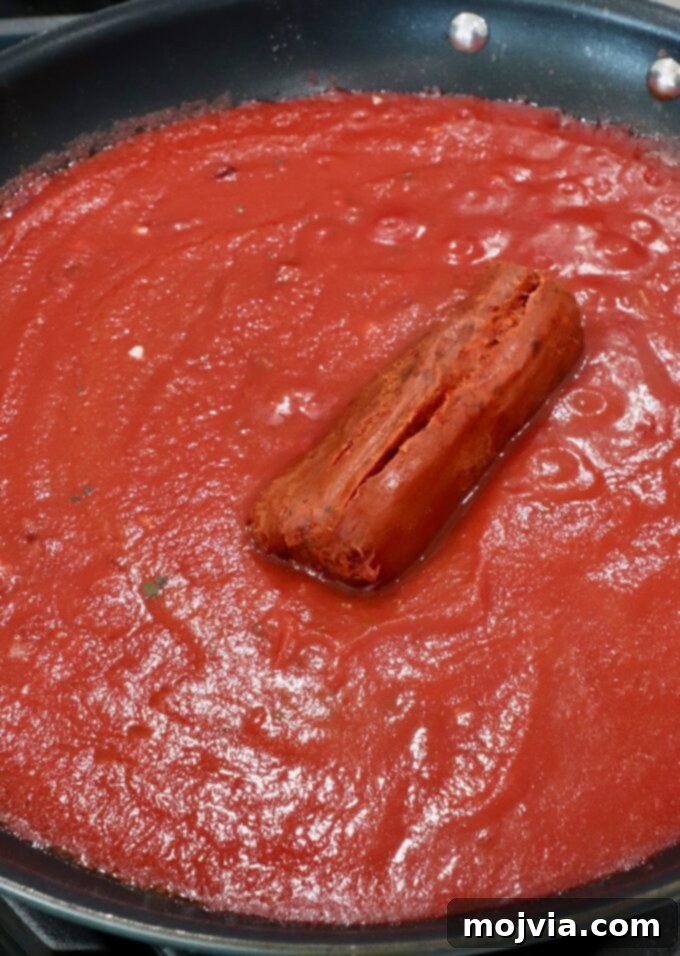
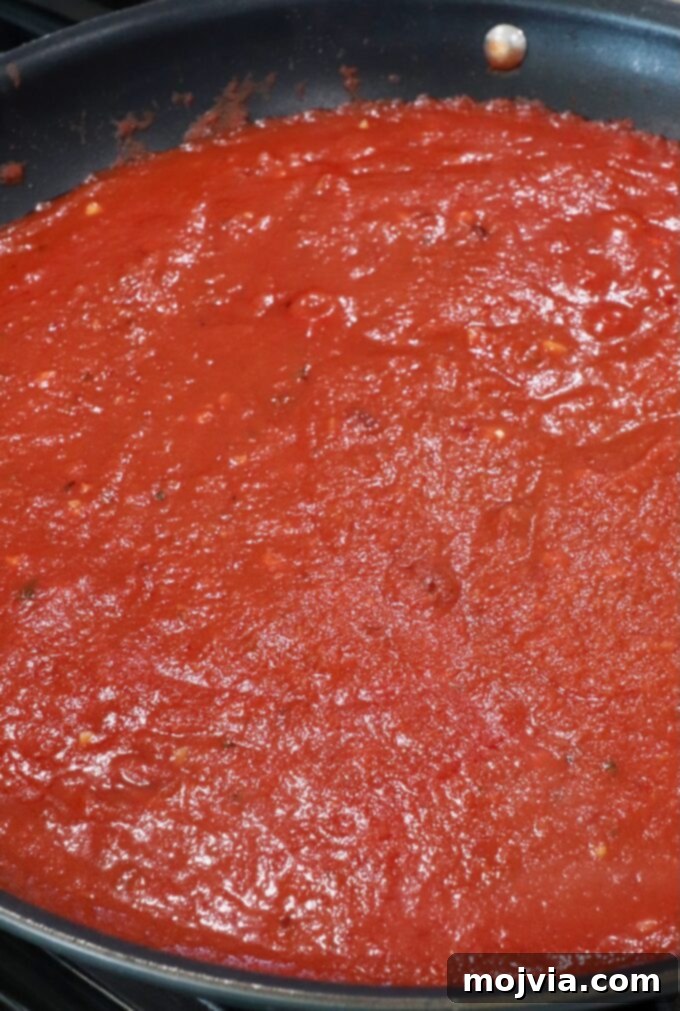
- Incorporate the Nduja: Add the nduja sausage directly into the simmering tomato sauce. Using a spatula or wooden spoon, gently stir and break up the nduja as it slowly melts and emulsifies into the hot sauce. This process should take approximately 1-2 minutes, transforming the sauce into a smooth, vibrant, and incredibly aromatic creation. Once the sauce has achieved its desired consistency and the nduja is fully integrated, you have the option to let it cool completely for future storage in the fridge or freezer, or proceed to the next step for immediate serving.
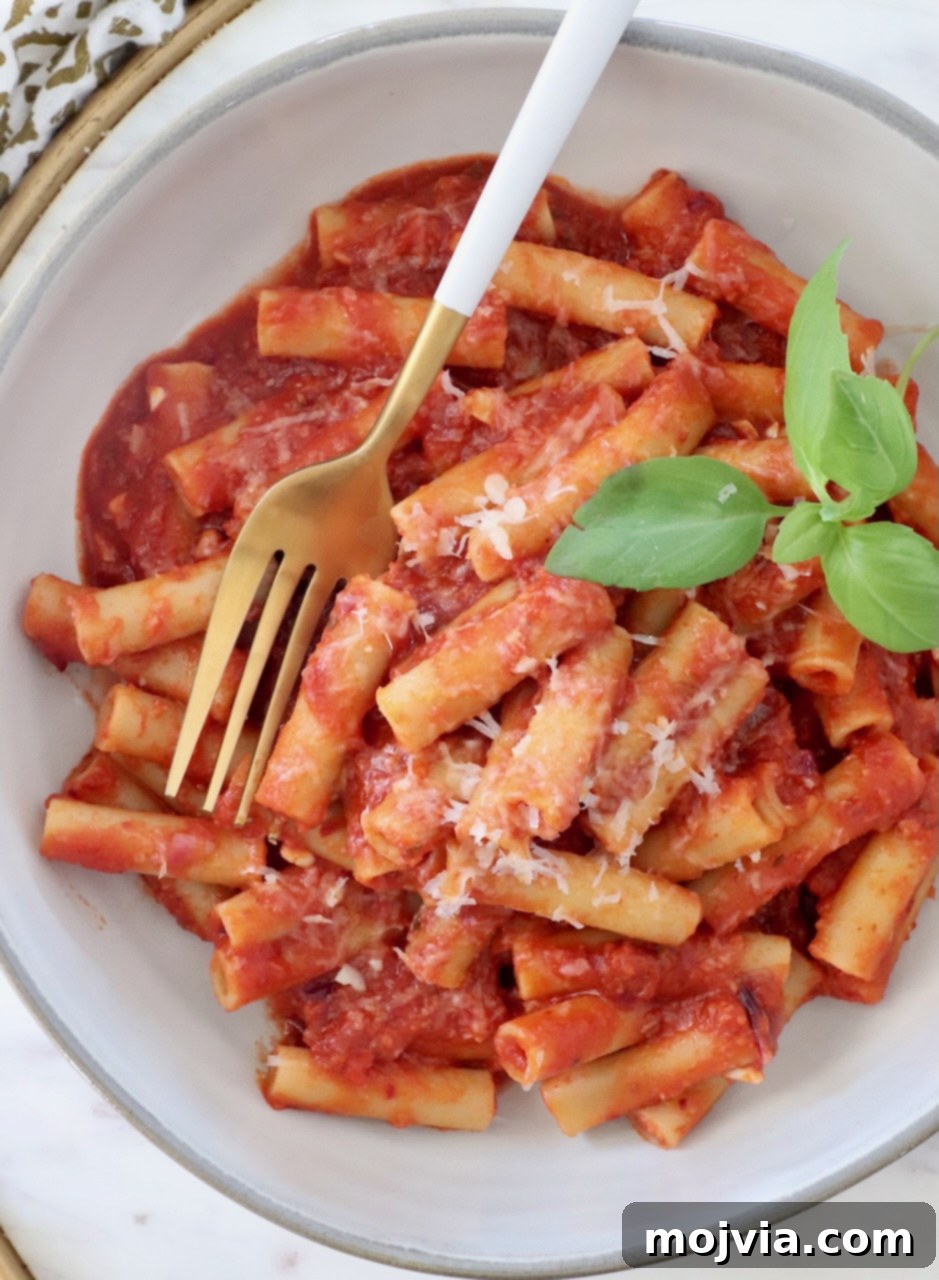
- Combine with Pasta and Cheese: If you’re serving the sauce immediately, add your pre-cooked pasta directly into the skillet with the nduja tomato sauce. Pour in about ¼ cup of the reserved pasta cooking water; this starchy liquid is key to creating a glossy, perfectly emulsified sauce that clings beautifully to the pasta. Toss everything together vigorously until the pasta is thoroughly coated. Finally, sprinkle in 2 tablespoons of finely grated Pecorino Romano cheese and stir to combine, allowing it to melt into the sauce. Serve your magnificent pasta dish immediately, offering additional fresh-grated Pecorino Romano on the side for guests to sprinkle over their portions to taste.
Beyond Pasta: Creative Ways to Serve Your Nduja Sauce
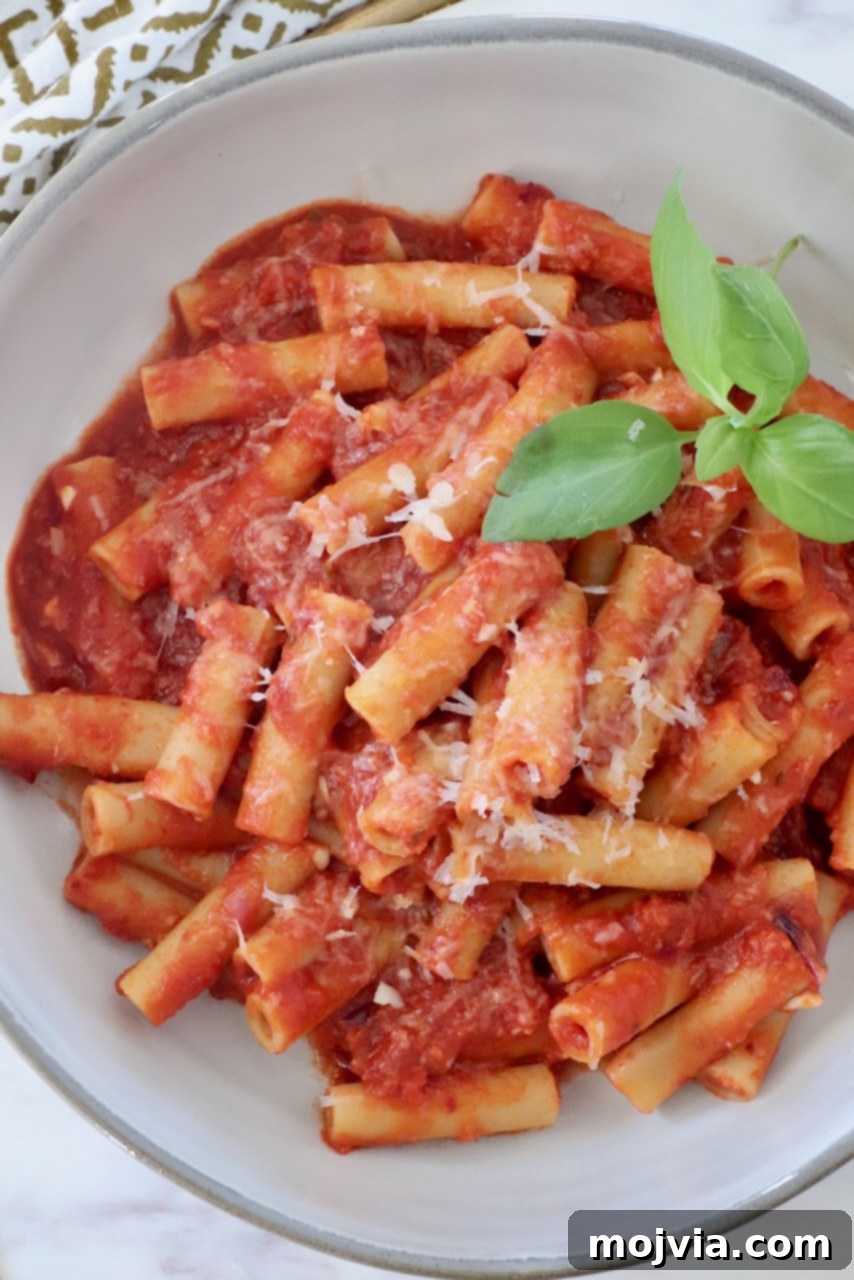
While this post showcases the sauce beautifully tossed with cooked ziti pasta, its incredible flavor and versatility open up a world of culinary possibilities far beyond just one dish. This sauce is designed to be a dynamic player in your kitchen!
Naturally, it pairs magnificently with an extensive array of pasta shapes. Don’t feel limited to ziti; experiment by tossing it with long, elegant strands of spaghetti or pappardelle, a robust fettuccine, or the delightful twists of rigatoni or cavatappi. Each shape will capture the sauce in its own unique way, promising a delightful experience.
But why stop there? Transform this sauce into an impressive baked ziti with nduja, a dish that recently stole the show at a dinner party I hosted! To create this crowd-pleaser, simply prepare the sauce and toss it with your cooked ziti as instructed. Then, transfer the saucy pasta into a generously sized 9-inch by 13-inch baking dish. For the ultimate cheesy topping, cover the pasta with 2 cups of shredded mozzarella cheese and 1 cup of freshly grated Parmesan. For an added layer of creamy indulgence, mix 1 cup of smooth ricotta cheese with 1 teaspoon of Italian seasoning, then artfully dollop spoonfuls of this mixture over the cheese layers. Bake the dish, uncovered, in a preheated oven at 425°F (220°C) for about 15 minutes, or until the cheese is bubbling, melted, and golden brown. This dish is not only delicious but also incredibly convenient for entertaining, as you can assemble it entirely ahead of time and simply bake it just before your guests arrive.
Furthermore, this fiery nduja sauce is an exceptional replacement for traditional marinara or even pizza sauce in virtually any recipe. Dare to try it as the vibrant base for this homemade pan pizza, imparting a deep, spicy undertone. Serve it alongside succulent Italian meatballs for an elevated meal, or use it to truly level up a classic meatball sub, adding an exciting kick.
It also makes an incredibly flavorful dipping sauce. Imagine dipping crispy pepperoni pizza rolls, golden arancini, or savory toasted raviolis into this rich, spicy concoction. Its bold flavor can even be swirled into scrambled eggs for a gourmet breakfast, spread on bruschetta, or used as a base for hearty stews, lending a touch of Calabrian warmth to any meal.
Storing and Reheating Your Delicious Nduja Sauce
One of the many advantages of this delectable Tomato Nduja Sauce is its excellent keeping quality, making it perfect for meal prepping or having a gourmet option on hand for busy days. You can confidently store this sauce in the refrigerator for up to 7 days, ensuring you have flavorful meals ready throughout the week. For longer preservation, it freezes beautifully for up to 6 months.
Whether you choose to refrigerate or freeze, it’s crucial to allow the sauce to cool completely to room temperature before transferring it into airtight containers. If you plan to freeze the sauce, remember to leave at least 1 inch of headspace at the top of your storage container. This crucial step accounts for the sauce’s expansion as it freezes, preventing your containers from cracking or overflowing.
When you’re ready to enjoy your frozen nduja sauce, the best approach is to transfer it to the refrigerator 24 to 36 hours in advance, allowing it to gently defrost. If time is of the essence and you need a quicker thaw, place the sealed container of frozen sauce in your kitchen sink and run cold water over it until the sauce is sufficiently thawed to be heated. Avoid using hot water, as this can unevenly cook the sauce. Once thawed, reheat gently on the stovetop over low heat, stirring occasionally, until it’s warmed through.
Expert Tips for a Flawless Nduja Sauce
- Quality Nduja Matters: Invest in good quality nduja. Since it’s the star flavor, a superior product will make a noticeable difference in the final taste of your sauce. Look for brands with simple ingredients and a vibrant red hue from the Calabrian chilies.
- Don’t Rush the Aromatics: Allow the red onions and garlic to soften and become fragrant without browning excessively. This gentle sautéing builds a sweet, savory foundation for your sauce.
- The Magic of Pasta Water: Never forget to reserve some pasta cooking water! The starch in this water helps emulsify the sauce, creating a smooth, glossy consistency that perfectly coats every strand of pasta. Add it gradually until you reach your desired texture.
- Taste and Adjust: Always taste your sauce before serving. Nduja and Pecorino Romano are both salty, so adjust the seasoning carefully. A little extra sugar can cut acidity, and a touch more salt can bring out all the flavors.
- Spice Level Control: If you’re sensitive to heat, you can reduce the amount of nduja. Conversely, if you crave more fire, don’t hesitate to add a little extra. You can also add a pinch of red pepper flakes with the garlic for an additional layer of heat.
- Emulsify Nduja Properly: Ensure the nduja fully melts and incorporates into the tomato sauce. Stirring constantly during this stage helps it emulsify, preventing it from clumping and distributing its rich flavor evenly.
- Serve Al Dente: Cook your pasta until it’s just al dente, meaning it still has a slight bite. It will finish cooking slightly in the warm sauce, ensuring a perfect texture.
Frequently Asked Questions About Nduja Sauce
- What if I can’t find Nduja? Can I substitute it?
While nduja’s unique flavor and texture are hard to replicate perfectly, if you absolutely cannot find it, you could try using a high-quality Calabrian chili paste mixed with a bit of finely crumbled Italian sausage (like hot Italian sausage) and a dash of smoked paprika for some depth. However, be aware that the rich, spreadable fat and specific fermentation of nduja provide a distinct flavor that a substitute won’t fully capture.
- Is this sauce very spicy?
Nduja is known for its heat, but the spice level in this sauce is balanced by the sweetness of the red onions and tomatoes, and the richness of the pork fat. It provides a pleasant, warming heat rather than an overwhelming inferno. You can always adjust the amount of nduja to suit your personal preference for spice.
- Can I make this sauce vegetarian or vegan?
Unfortunately, authentic nduja is a pork-based cured meat, making this particular sauce inherently non-vegetarian. There isn’t a direct vegetarian or vegan substitute that would replicate the unique flavor and texture profile of nduja. For a vegetarian spicy tomato sauce, you would need to explore alternative spicy ingredients like Calabrian chili paste, smoked paprika, and perhaps nutritional yeast for umami, but it would be a different recipe entirely.
- Can I add other vegetables to this sauce?
Absolutely! This sauce is a fantastic base for incorporating additional vegetables. Sautéing finely diced bell peppers, zucchini, or mushrooms along with the onions and garlic would add extra texture and nutrients. Leafy greens like spinach or kale can also be stirred in at the end until wilted for a fresh touch.
Explore More Delicious Pasta Recipes
If you’ve enjoyed this unique and flavorful nduja sauce, you’re in for a treat! Discover other beloved pasta recipes from my kitchen that are sure to become new family favorites.
Print Recipe
Pin Recipe
Tomato Nduja Sauce
Make this spicy, flavorful Tomato Nduja Sauce in just 25 minutes to toss with your favorite pasta! Nduja is a spicy spreadable pork sausage from the Calabrian region of Italy. It’s full of flavor and one of my favorite ingredients to incorporate into Italian recipes. Try it in this easy pasta sauce recipe and after one bite, you’ll fall in love!
4 cups sauce
5 mins
20 mins
25 mins
Whitney Bond
Main Course, Sauce
Italian
Ingredients
- 1 pound dried ziti, or another type of pasta
- 1 tablespoon extra-virgin olive oil
- ½ cup minced red onion
- ¾ teaspoon Kosher salt, divided
- 4 cloves garlic, minced
- 24.5 ounce bottle tomato passata
- 1 teaspoon Italian seasoning
- 1 teaspoon granulated sugar
- 6 ounces nduja
- 4 tablespoons Pecorino Romano cheese, finely grated
Instructions
Cook the pasta. (optional – see notes below)
- Bring a large pot of salted water to a boil. Add the dried ziti and cook until al dente, about 2 minutes less than the time on the box directs. Remove one cup of the cooking water from the pot before draining the pasta and setting it aside.
Prepare the sauce.
- Heat the olive oil in a large skillet on the stove over medium-high heat.
- Add the minced onions, season with ¼ teaspoon salt and cook for 4 minutes. Add the minced garlic and cook for an additional minute.
- Add passata, and make sure to use up all of the pureed tomato in the bottle by adding ¼ cup water to the empty bottle, placing the lid on the bottle, shaking it up, then adding the tomato-water mixture to the skillet.
- Bring the sauce to a simmer, season with the remaining ½ teaspoon salt, Italian seasoning and sugar. Cook, stirring occasionally, for 12-15 minutes.
- Add the nduja, and use a spatula to stir it into the sauce. Cook, stirring constantly, until the nduja is fully emulsified and incorporated in the sauce, about 2 minutes.
- Either store the sauce in the fridge or freezer, or serve it immediately with pasta.
- If serving with pasta immediately: add the cooked ziti to the sauce, along with ¼ cup of the pasta cooking water. Toss to coat. Add 2 tablespoons of the cheese and stir to combine. Add more pasta cooking water if needed.
- Serve with the remaining cheese on the side for sprinkling over the pasta after it’s served.
Notes
- The nutritional information provided is for one cup of the sauce without the pasta or cheese.
- This sauce can be used in place of marinara sauce, pasta sauce, or pizza sauce in a variety of recipes. You can make it ahead and store it in the fridge or freezer, or immediately toss it with cooked pasta, per the instructions above.
- You can store the sauce in the refrigerator for up to 7 days, or the freezer for up to 6 months.
- When tossing it with pasta, feel free to use your favorite type of pasta, ziti is an option, but you could also use spaghetti, pappardelle, cavatappi, or fettuccine.
Nutrition Facts (per 1 cup of sauce)
- Calories: 325kcal (16% DV)
- Carbohydrates: 23g (8% DV)
- Protein: 6g (12% DV)
- Fat: 25g (38% DV)
- Saturated Fat: 8g (40% DV)
- Polyunsaturated Fat: 1g
- Monounsaturated Fat: 3g
- Cholesterol: 23mg (8% DV)
- Sodium: 981mg (41% DV)
- Potassium: 810mg (23% DV)
- Fiber: 4g (16% DV)
- Sugar: 10g (11% DV)
- Vitamin A: 895mg (18% DV)
- Vitamin C: 21mg (25% DV)
- Calcium: 50mg (5% DV)
- Iron: 3mg (17% DV)
Did you make this recipe?
Tag @WhitneyBond on Instagram and hashtag it #WBRecipes!