
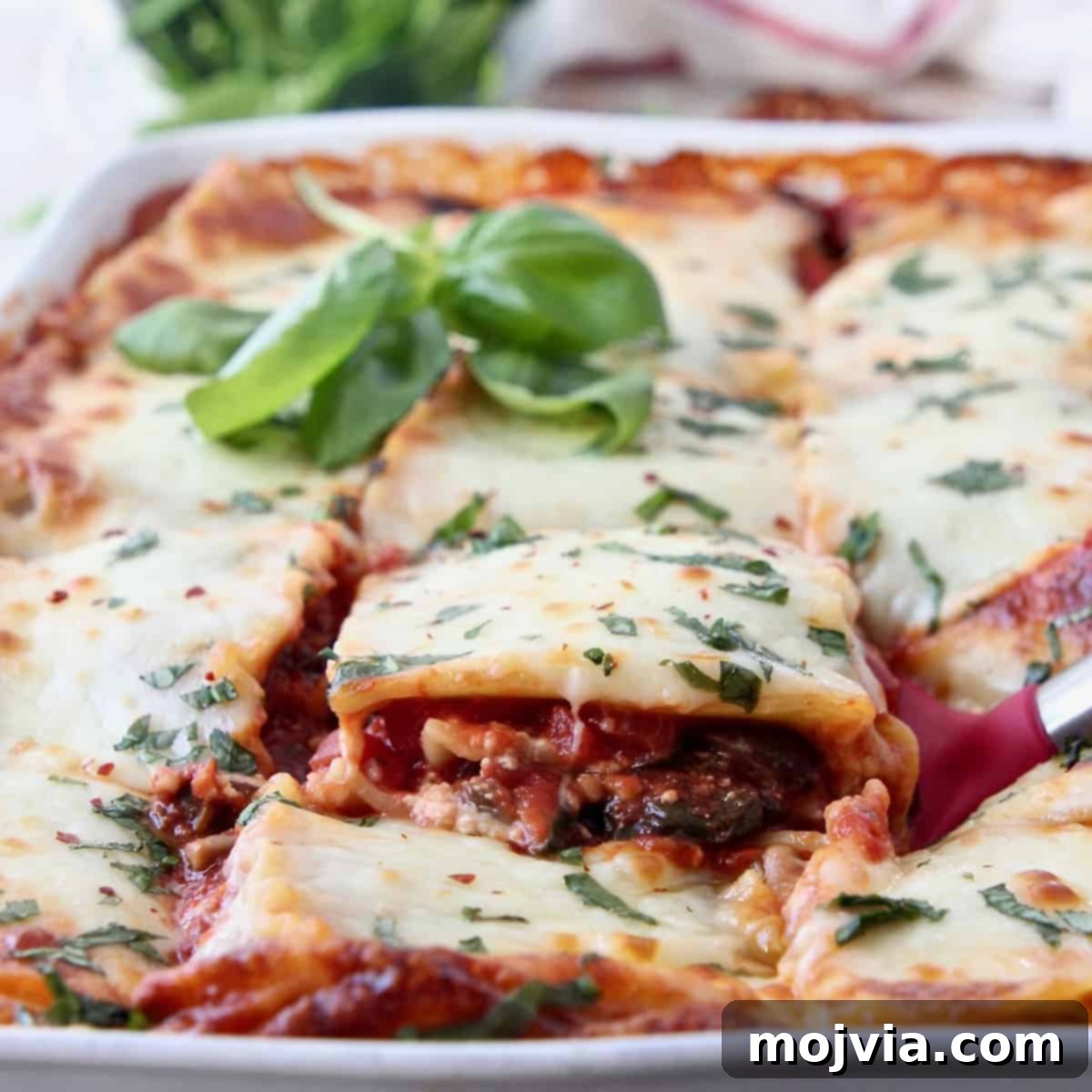
Welcome to the ultimate guide for crafting a truly exceptional Vegetarian Lasagna! This isn’t just any meatless meal; it’s a vibrant, flavorful dish packed with fresh zucchini, earthy mushrooms, tender spinach, and creamy ricotta cheese. It promises to be a deeply satisfying Italian classic that will win over everyone at your table, from committed vegetarians to the most enthusiastic meat-eaters.
Our recipe embraces versatility, allowing you to incorporate a variety of your favorite vegetables. Plus, we’ll guide you through simple adjustments to make this delicious lasagna entirely vegan or gluten-free, ensuring everyone can enjoy a slice of this comforting masterpiece!
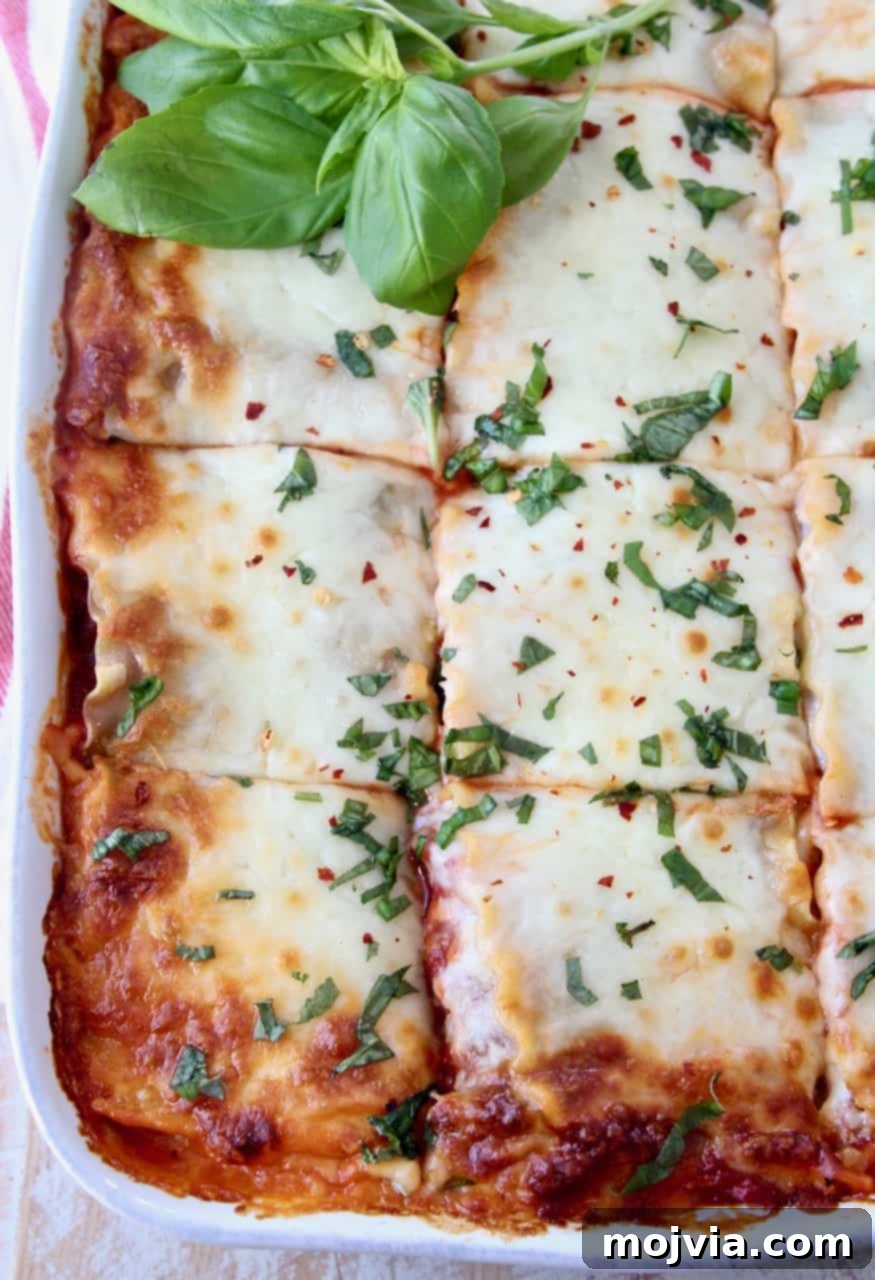
Table of contents
- Ingredients for a Flawless Vegetarian Lasagna
- Step-by-Step Instructions to Make Vegetarian Lasagna
- Pro Tips for Perfect Lasagna Every Time
- Dietary Variations: Gluten-Free & Vegan Options
- Storing and Reheating Your Vegetarian Lasagna
- Delicious Sides to Pair with Vegetarian Lasagna
- More Irresistible Vegetarian Italian Recipes
There’s an undeniable magic to lasagna, isn’t there? It’s the quintessential comfort food – layers of tender pasta, rich sauce, and melted cheese, all baked to golden perfection. Growing up, my experience with lasagna often involved hearty meat sauces. However, I’ve since discovered an even more delightful secret: a vegetable-packed lasagna can be just as, if not more, satisfying and flavorful. This recipe is designed to be a showstopper, offering a fresh, lightened-up take on the classic without compromising an ounce of that beloved Italian taste.
The journey to creating the absolute best vegetarian lasagna begins with understanding a few fundamental principles. Many assume that removing meat might lead to a less robust dish, but with the right techniques and a thoughtful combination of ingredients, you can achieve a depth of flavor and texture that truly rivals its traditional counterpart. Our focus here is on maximizing the natural goodness of vegetables and ensuring every layer contributes to a harmonious, comforting whole. The result is a lasagna that’s not just good for a vegetarian option, but simply an incredible lasagna, period.
So, how do we craft a vegetable lasagna that stands out and earns rave reviews from everyone? It comes down to three simple, yet crucial, secrets that elevate this dish from good to extraordinary. These aren’t complicated steps, but they make a world of difference in preventing common lasagna pitfalls and ensuring a rich, creamy, and structurally sound masterpiece every time.
Unlocking the Secrets: My 3 Essential Tips for THE BEST Vegetarian Lasagna at Home:
- **Precision Dicing for Perfect Texture:** The first secret to an evenly textured, satisfying vegetable sauce lies in how you prepare your vegetables. Always dice your zucchini, mushrooms, and onions into small, uniform pieces. This ensures they cook evenly, integrate seamlessly into the sauce, and prevent large, unwieldy chunks that can disrupt the lasagna’s delicate layering. Small dice means every bite is a perfect blend of flavors and textures, making the vegetable sauce truly shine.
- **Preventing a Watery Lasagna: The Crucial Drain:** Vegetables naturally release moisture when cooked. To avoid a soggy or watery lasagna – a common complaint with vegetable versions – it is absolutely vital to drain any excess liquid from the skillet after sautéing your vegetables. This simple step prevents your rich tomato sauce from becoming diluted and ensures the final dish maintains its ideal consistency, with firm layers and concentrated flavors. Don’t skip this!
- **The Ricotta Binder: An Egg for Creamy Consistency:** For a truly creamy, stable, and luxurious cheese layer, always mix an egg into your ricotta cheese. The egg acts as a natural binder, helping the ricotta hold its shape beautifully during baking. This prevents the cheese layer from becoming crumbly or runny, instead creating a smooth, even, and decadent stratum that perfectly complements the vegetable sauce. It’s the secret to those perfectly structured, irresistible cheese layers.
By diligently following these three straightforward secrets, you’ll consistently create a perfect vegetarian lasagna that’s not only delicious but also beautifully structured and incredibly satisfying. One of the greatest joys of this recipe is its adaptability. Whether you want to highlight seasonal produce or simply use what you have on hand, feel free to customize the vegetables. This lasagna recipe is incredibly versatile and guarantees a delicious outcome, no matter your chosen combination of fresh ingredients.
Ingredients for a Flawless Vegetarian Lasagna
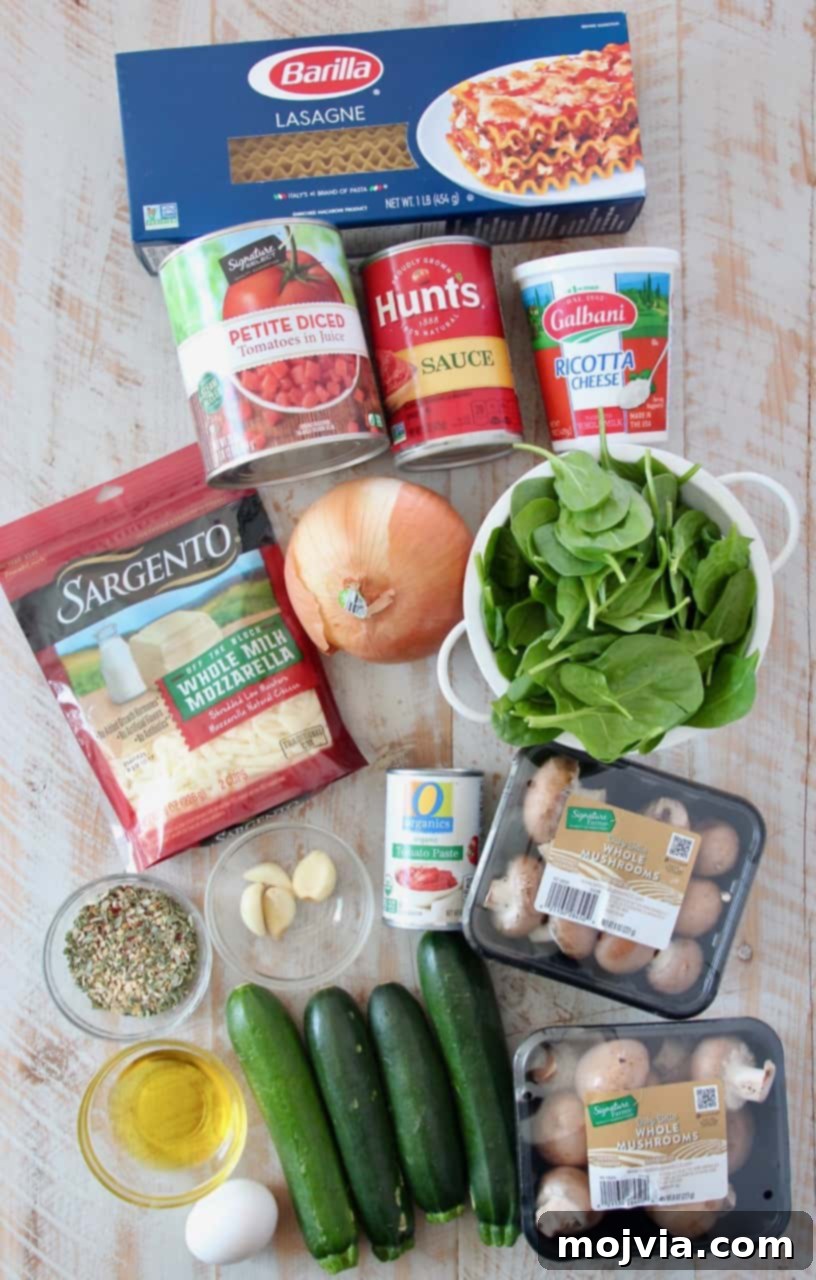
The success of any great lasagna lies in the quality and balance of its ingredients. Here’s a detailed look at what you’ll need to create this flavorful vegetarian masterpiece, along with some helpful tips for each component:
- Lasagna Noodles: We recommend classic lasagna noodles for their traditional texture and ability to absorb the rich sauce. However, if you’re looking to save a step and streamline your cooking process, oven-ready no-boil noodles are a perfectly acceptable alternative. Just ensure they are submerged well in the sauce during baking.
- Whole Milk Ricotta Cheese: This is a non-negotiable for achieving that luxurious, creamy cheese layer. Whole milk ricotta offers a richness and texture far superior to part-skim varieties, which can be drier and less flavorful. If ricotta isn’t your preference, small curd cottage cheese can be used as a substitute, providing a similar creamy consistency.
- Egg: An essential binder for the ricotta cheese mixture. The egg helps the cheese layer set beautifully, preventing it from becoming crumbly or liquidy during baking. It contributes to a cohesive, uniformly creamy layer that slices cleanly.
- Italian Seasoning: A key flavor enhancer. While our homemade Italian seasoning blend (linked here for your convenience) offers the freshest and most vibrant taste, a good quality store-bought blend will also work wonderfully. This aromatic mix of herbs truly defines the Italian character of the dish.
- Low-Moisture Mozzarella Cheese: Opt for low-moisture mozzarella to ensure your lasagna doesn’t become watery. Unlike fresh mozzarella, which contains a high water content, low-moisture varieties melt beautifully into gooey, stretchy layers without releasing excess liquid. This is particularly important in a vegetable lasagna, as vegetables naturally contribute a lot of moisture.
- Olive Oil: The foundation for sautéing your vegetables. Use a good quality extra virgin olive oil for its rich flavor and high smoke point, which is perfect for developing the initial flavors of your sauce.
- Baby Bella Mushrooms: Also known as cremini mushrooms, these offer a deeper, more earthy flavor than white button mushrooms. Feel free to use either, depending on your preference and what’s available. Remember to dice them finely for the best texture.
- Zucchini: A quintessential summer squash that adds freshness and a delicate sweetness to the vegetable sauce. If you have an abundance of summer squash, you can easily use it in addition to or in place of zucchini for a delightful seasonal twist.
- Onion: Provides a foundational aromatic base for the sauce. A finely diced yellow or white onion will soften and sweeten, creating a rich flavor profile when sautéed.
- Garlic: No Italian sauce is complete without fresh garlic! Minced garlic adds a pungent, aromatic kick that beautifully complements the other vegetables and tomato base.
- Baby Spinach: This leafy green wilts down significantly, adding a lovely color, subtle flavor, and a boost of nutrients without overpowering the dish. Ensure it’s fresh and vibrant.
- Tomato Paste: This concentrated tomato flavor is absolutely crucial. Tomato paste acts as a thickening agent for the sauce, giving it body and richness, and preventing it from being thin and watery. It deepens the overall tomato flavor and helps hold the lasagna layers together. Do not omit this ingredient!
- Tomato Sauce: The main liquid base for your vegetable sauce. Choose a plain, good-quality tomato sauce without added herbs or seasonings, as you’ll be adding your own.
- Petite Diced Tomatoes: These smaller diced tomatoes add texture and a fresh burst of tomato flavor to the sauce. Their petite size ensures they blend well into the overall texture without being overly chunky.
- Salt: Essential for seasoning all layers of your lasagna, bringing out the natural flavors of the vegetables and cheese. Taste and adjust as you go.
Step-by-Step Instructions to Make Vegetarian Lasagna
Follow these detailed steps to create a truly spectacular vegetarian lasagna that’s bursting with flavor and perfectly structured:
- Part 1: Preparing the Rich Vegetable Sauce
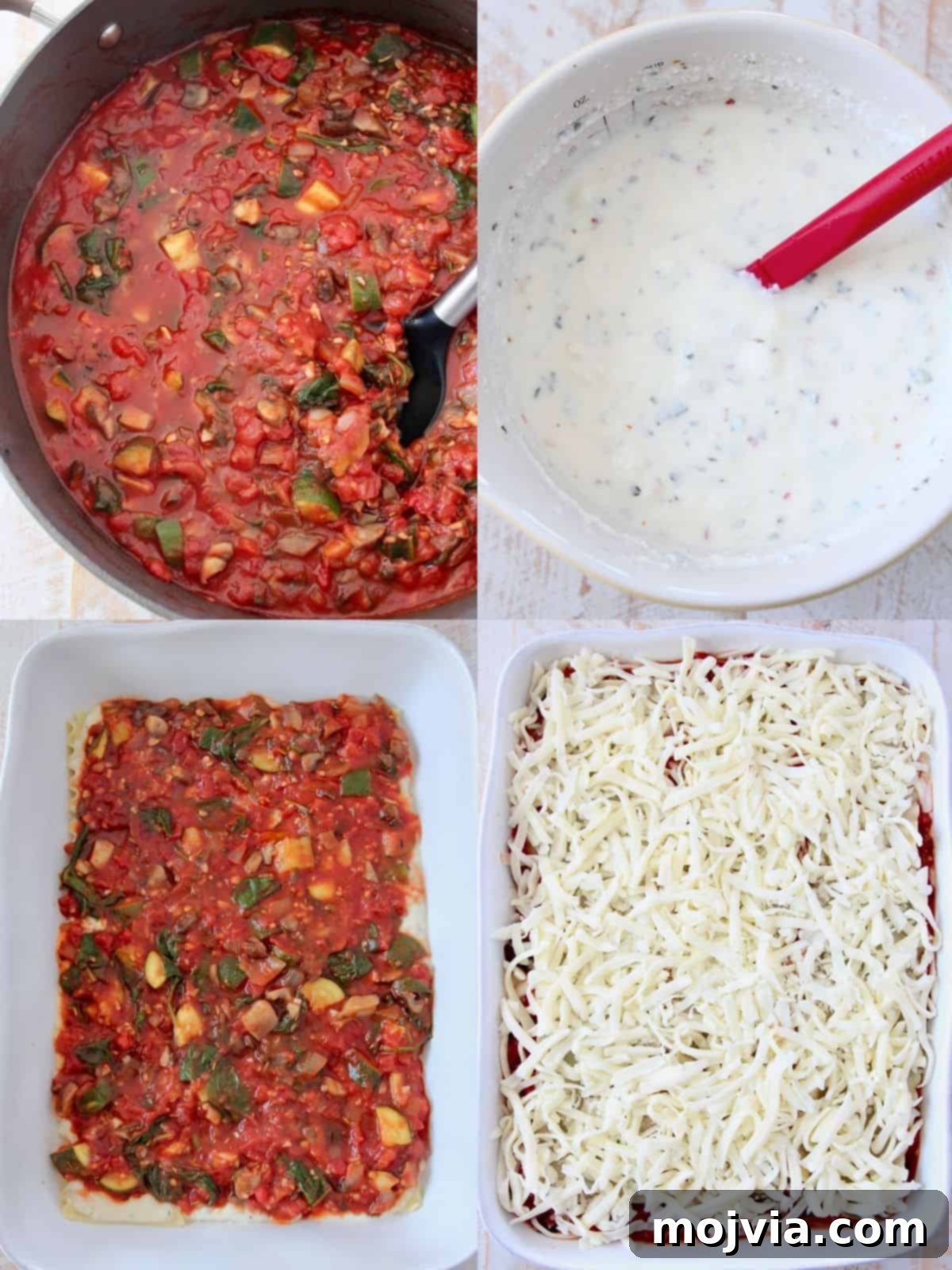
- Sauté Aromatics and Vegetables: Begin by heating the olive oil in a large, deep skillet or Dutch oven over medium-high heat on your stovetop. Once shimmering, add your finely diced mushrooms, zucchini, and onions. Sauté these vegetables for approximately 6-8 minutes, stirring occasionally, until they begin to soften and release their moisture. The goal here is to get them tender and slightly caramelized, which builds a fantastic flavor base for your sauce.
- Quick Tip for Texture: Remember our first secret! A small, uniform dice for all your vegetables is key. This creates a beautifully even texture in the finished sauce, ensuring that vegetables are present in every bite without being overwhelming.
- Drain Excess Liquid: This step is critical for preventing a watery lasagna. After your vegetables have sautéed and released their moisture, carefully drain any accumulated liquid from the skillet. You can tilt the skillet and use a spoon to hold back the vegetables, or transfer them to a colander for a moment, then return them to the skillet. This ensures your sauce will be thick and rich, not diluted.
- Add Garlic and Spinach: Return the skillet to medium-high heat. Add the minced garlic and fresh baby spinach. Continue to sauté for just 1-2 minutes, stirring constantly, until the spinach has completely wilted and the garlic is fragrant. Be careful not to burn the garlic.
- Introduce Tomato Paste: Stir in the tomato paste, mixing it thoroughly with the sautéed vegetables. Cook for another 1-2 minutes, stirring, allowing the tomato paste to toast slightly. This deepens its flavor and contributes significantly to the richness and thickness of your sauce.
- Combine Tomato Base and Seasonings: Pour in the tomato sauce and petite diced tomatoes. Add the Italian seasoning and salt. Stir everything together well, ensuring all ingredients are fully incorporated.
- Simmer for Flavor Development: Bring the sauce to a gentle simmer on the stovetop. Once simmering, reduce the heat to low, cover the skillet, and allow the sauce to simmer for at least 20 minutes. This slow simmer allows the flavors to meld beautifully and the sauce to thicken, becoming even more delicious.
- Sauté Aromatics and Vegetables: Begin by heating the olive oil in a large, deep skillet or Dutch oven over medium-high heat on your stovetop. Once shimmering, add your finely diced mushrooms, zucchini, and onions. Sauté these vegetables for approximately 6-8 minutes, stirring occasionally, until they begin to soften and release their moisture. The goal here is to get them tender and slightly caramelized, which builds a fantastic flavor base for your sauce.
- Part 2: Preparing the Noodles and Creamy Cheese Mixture
- Preheat Your Oven: While the sauce simmers, preheat your oven to 375°F (190°C) to ensure it’s ready for baking.
- Cook Lasagna Noodles: Bring a large pot of generously salted water to a rolling boil. Carefully add the lasagna noodles and cook them until they are al dente – meaning they are tender but still have a slight bite. This typically takes about 4-5 minutes for standard noodles. Drain them thoroughly.
- Quick Tip to Prevent Sticking: To prevent the cooked noodles from sticking together, lay them out in a single, even layer on a cutting board or baking sheet immediately after draining. This allows them to cool slightly without clumping.
- Note on No-Boil Noodles: If you are using no-boil lasagna noodles, you can skip this cooking step entirely!
- Create the Ricotta Cheese Mixture: In a medium-sized bowl, combine the whole milk ricotta cheese, one egg, one tablespoon of Italian seasoning, and about ¼ cup of the shredded low-moisture mozzarella cheese. Mix everything together thoroughly until well combined. This mixture is crucial for the creamy, stable cheese layers. Set aside until assembly.
- Ready for Assembly: Once your vegetable sauce has simmered for 20 minutes and your noodles and cheese mixture are prepared, you are ready to begin assembling your lasagna.
- Part 3: Assembling Your Delicious Lasagna Layers
- First Noodle Layer: In a 9-inch x 13-inch baking dish, spread a thin layer of vegetable sauce on the bottom. This prevents the noodles from sticking and adds moisture. Then, lay three cooked lasagna noodles side-by-side to cover the bottom of the dish.
- First Cheese Layer: Evenly spread about one-third of your prepared ricotta cheese mixture over the noodles. Use a spatula or the back of a spoon to spread it smoothly from edge to edge.
- First Vegetable Sauce Layer: Spoon approximately one-third of the rich vegetable sauce over the cheese layer, spreading it out evenly.
- Repeat Layers: Repeat the noodle, ricotta, and vegetable sauce layers two more times, using another three noodles, one-third of the ricotta, and one-third of the vegetable sauce for each repetition. This will create three distinct layers of flavor and texture.
- Final Noodle and Cheese Topping: Place the final three lasagna noodles on top. Then, generously cover this top layer of noodles with the remaining shredded low-moisture mozzarella cheese (approximately 2 ¾ cups). This creates a beautiful, bubbly, golden-brown crust.
- Part 4: Baking Your Lasagna to Golden Perfection
- Initial Bake (Covered): Lightly tent the baking dish with aluminum foil. This helps to steam the lasagna, ensuring the noodles cook through and the cheese melts without burning. Place the covered lasagna in your preheated oven and bake for 30 minutes.
- Final Bake (Uncovered): Carefully remove the foil from the lasagna. Return it to the oven and continue baking for an additional 15-20 minutes, or until the cheese on top is beautifully golden brown, bubbly, and caramelized around the edges. This creates that irresistible crust.
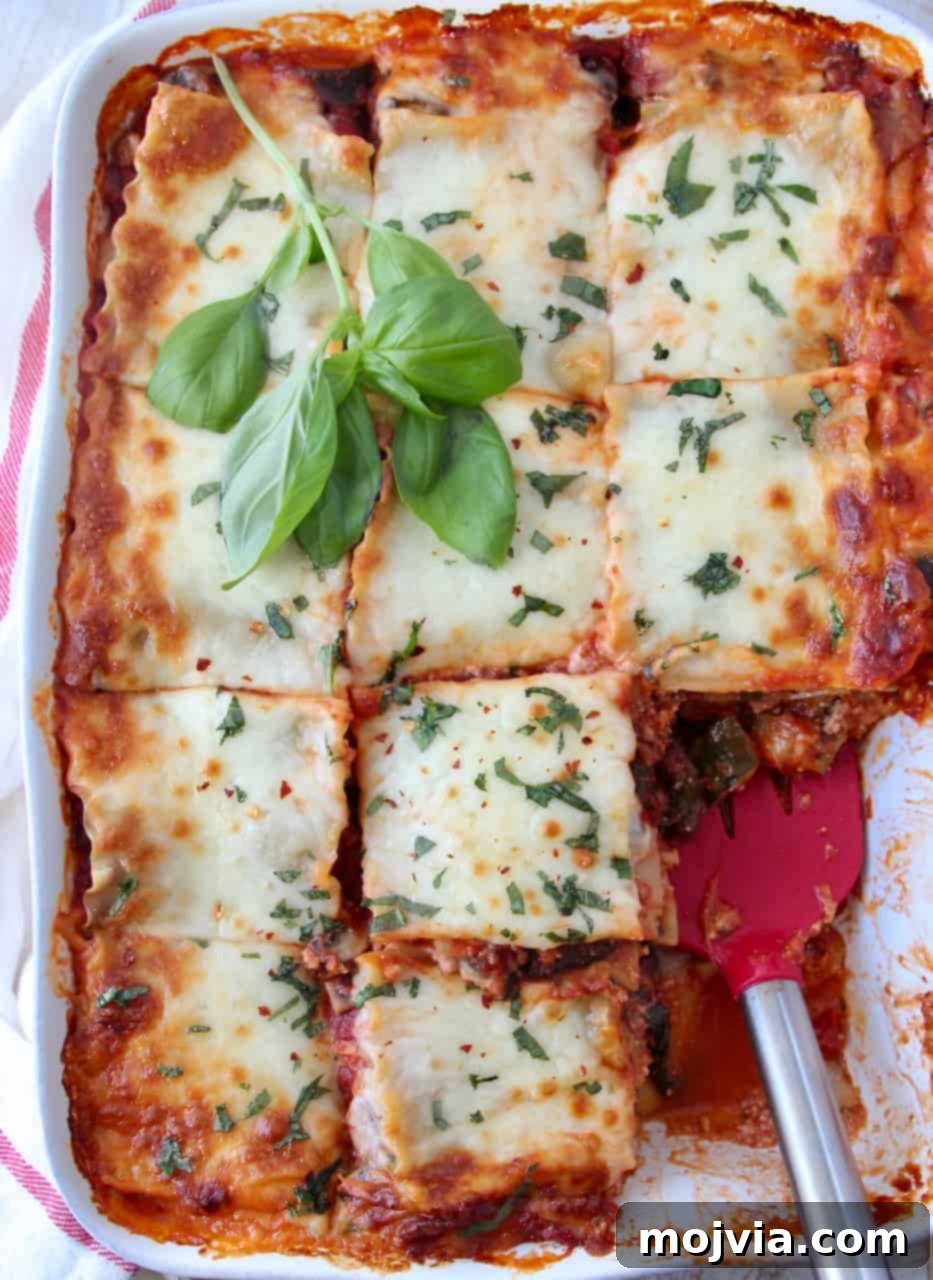
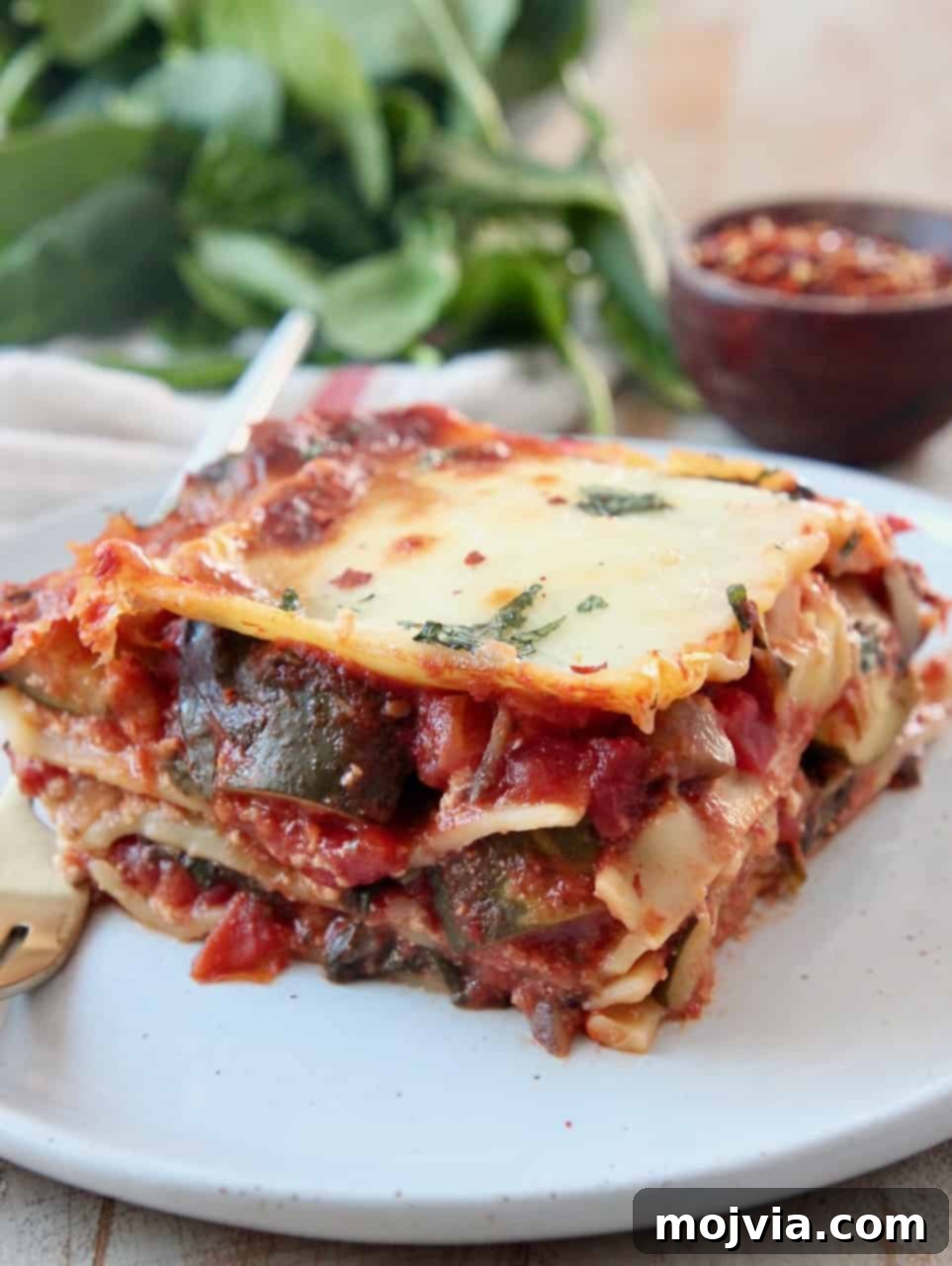
Once baked, remove the lasagna from the oven. This next step is crucial: let it rest, uncovered, for 15-20 minutes before attempting to slice and serve. This resting period allows the layers to set, preventing a messy, falling-apart presentation. It also ensures the cheese cools slightly, making for perfectly structured, clean slices. Before serving, feel free to garnish with a sprinkle of fresh grated Parmesan cheese, a pinch of crushed red pepper flakes for a subtle kick, or a scattering of fresh basil leaves for a pop of color and herbaceous aroma. Enjoy your homemade vegetarian lasagna!
Pro Tips for Perfect Lasagna Every Time
Mastering lasagna takes a little practice, but these professional tips will guide you to perfection, ensuring your vegetarian lasagna is always a resounding success:
- Embrace Vegetable Versatility: This recipe is incredibly forgiving and encourages customization! While zucchini, mushrooms, and spinach are delicious, feel free to experiment with other vegetables based on seasonality or what you have on hand. Diced bell peppers (any color), finely chopped carrots, tender summer squash, or even blanched and chopped broccoli florets can all be excellent additions to your vegetable sauce. Remember to dice them small and sauté them adequately to soften and release moisture.
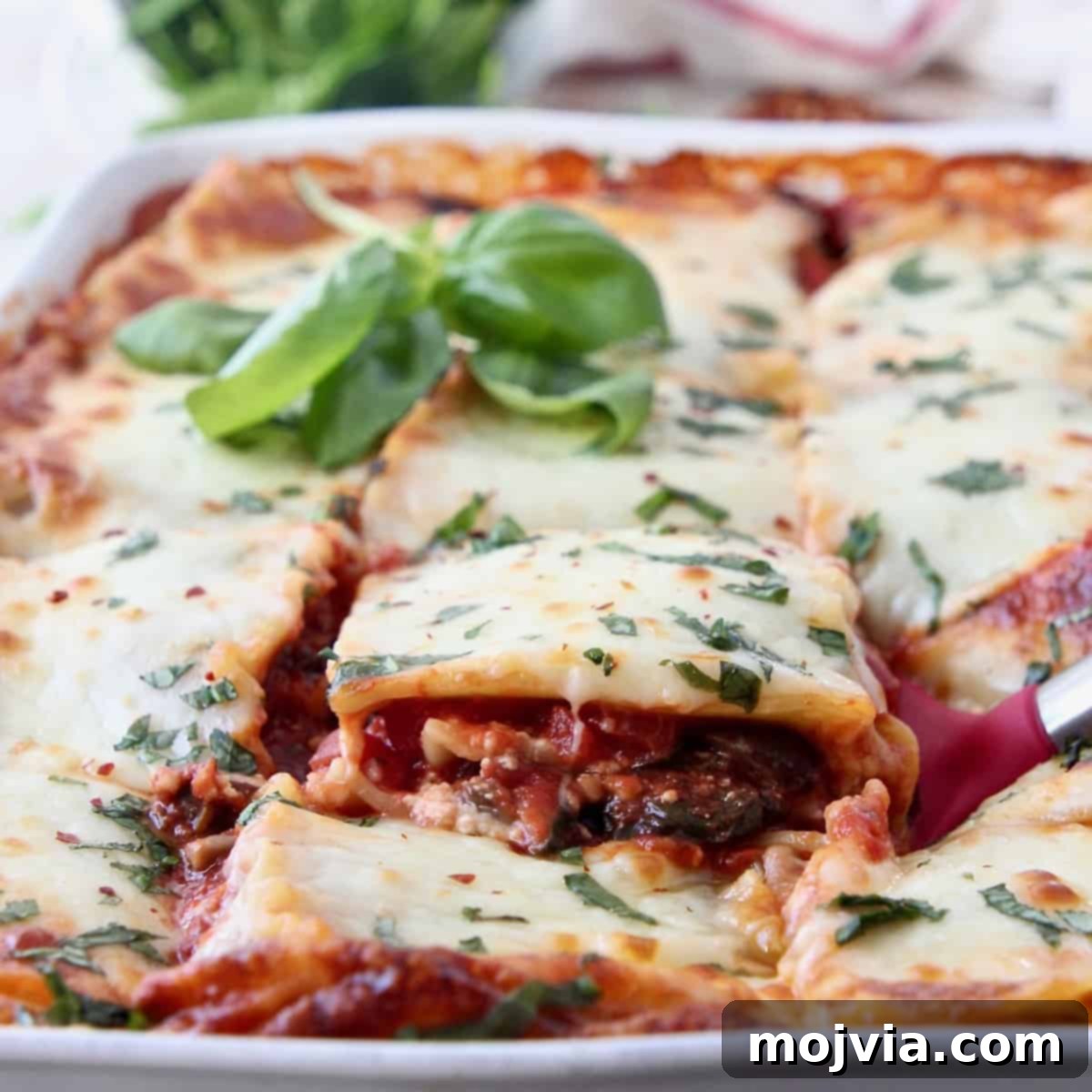
- The Essential Resting Period: This tip cannot be overstated! After removing your lasagna from the oven, it’s absolutely crucial to let it sit, uncovered, for a minimum of 15-20 minutes before slicing. This resting time allows the hot, bubbly cheese and sauce to cool down and set. Attempting to slice a piping hot lasagna will result in messy, crumbling layers. Resting guarantees beautiful, clean slices that hold their shape, making for a much more appealing presentation.
- Preventing a Watery Outcome: Double-Check Draining: As mentioned in our “secrets,” vegetables release a lot of water during cooking. To ensure your vegetarian lasagna is never soggy or watery, consistently drain any liquid from the skillet after sautéing your vegetables (mushrooms, zucchini, onions). This single step will significantly impact the final texture of your lasagna, ensuring it’s firm and flavorful.
- Prepare the Sauce Ahead for Convenience: The vegetable sauce is a fantastic component to prepare in advance. You can cook the entire sauce up to two days before you plan to assemble and bake the lasagna. Simply allow it to cool completely, then transfer it to an airtight container and store it in the refrigerator. This allows the flavors to deepen even further and makes assembly on baking day quick and easy. However, we recommend preparing the ricotta cheese mixture fresh just before assembling for the best texture.
- Seasoning in Layers: Remember to season not just the sauce, but also the pasta water (if boiling noodles) and the ricotta mixture. A little salt and pepper at each stage build layers of flavor throughout the dish, rather than relying on one big seasoning at the end.
- Don’t Overcook the Noodles: If you’re using traditional boil noodles, aim for al dente. They will continue to cook in the oven, and overcooked noodles can become mushy.
- Consider a Deeper Baking Dish: If you love extra cheesy or saucy lasagna, a deeper baking dish can accommodate more layers. Just be mindful of cooking times, as a thicker lasagna might need a few extra minutes in the oven.
Dietary Variations: Gluten-Free & Vegan Options
One of the beauties of this vegetarian lasagna recipe is its adaptability to various dietary needs. With a few simple substitutions, you can easily transform this comforting dish to be either gluten-free or entirely vegan, ensuring everyone can enjoy a slice.
To make this lasagna gluten-free: The primary adjustment needed is with the pasta. Simply substitute traditional lasagna noodles with good quality gluten-free lasagna noodles. Many brands offer excellent gluten-free options that hold up well during baking. All other ingredients in this recipe (vegetables, cheeses, sauces) are naturally gluten-free, making this a straightforward adaptation.
To make this lasagna recipe vegan: This requires a few key substitutions to replace the dairy and egg. The good news is that these vegan alternatives are widely available and perform wonderfully in the recipe:
- Ricotta Cheese Replacement: Instead of dairy ricotta, use tofu ricotta. It’s surprisingly easy to make tofu ricotta cheese at home in about 5 minutes using firm or extra-firm tofu, nutritional yeast, lemon juice, and seasonings. Alternatively, many grocery stores now carry pre-made vegan ricotta cheese in their specialty or dairy-alternative sections.
- Mozzarella Cheese Replacement: Replace the shredded low-moisture mozzarella with your favorite brand of vegan mozzarella cheese shreds. There are many excellent plant-based options that melt and brown beautifully, giving you that classic gooey cheese pull.
- Egg Omission: Since the egg in the ricotta mixture serves as a binder, you’ll want to omit it when using tofu ricotta. Tofu ricotta typically has a firm enough texture on its own, especially if you press the tofu well, that an additional binder isn’t needed.
These simple changes allow you to enjoy all the rich flavors of this lasagna while adhering to a vegan lifestyle.
Storing and Reheating Your Vegetarian Lasagna
This vegetarian lasagna is not only delicious fresh from the oven but also makes for excellent leftovers or a fantastic make-ahead meal. Here’s how to properly store and reheat it to maintain its quality and flavor:
- To Store Uncooked Lasagna: If you’ve assembled the lasagna but haven’t baked it yet, cover the baking dish tightly with plastic wrap or aluminum foil. It can be stored in the refrigerator and cooked within 24 hours of assembly. This is a great strategy for meal prep!
- To Store Cooked Lasagna: Once baked and cooled, any leftover cooked lasagna should be covered tightly and stored in the refrigerator. It will remain fresh and delicious for up to 7 days. Ensure it’s fully cooled before refrigerating to prevent condensation and maintain texture.
- To Freeze Lasagna: This vegetarian lasagna freezes beautifully for up to 6 months, making it an ideal candidate for batch cooking!
- Freezing Method: For maximum convenience, consider preparing this recipe in two smaller 8-inch x 8-inch pans. You can bake one to enjoy immediately and freeze the other for later. This recipe comfortably serves 6-8 people, so a half-pan will feed 3-4. We recommend freezing the extra lasagna *unbaked*.
- Instructions for Freezing Unbaked Lasagna: Assemble the lasagna in a freezer-safe baking dish, ensuring it’s tightly wrapped with several layers of plastic wrap and then a layer of aluminum foil to prevent freezer burn. Label with the date.
- Thawing and Baking from Frozen: When you’re ready to cook the frozen lasagna, transfer it from the freezer to the refrigerator at least 24 hours in advance to allow it to thaw slowly. Once thawed, bake it as instructed in the recipe, perhaps adding an extra 10-15 minutes to the covered baking time to ensure it heats through completely.
- To Reheat Cooked Lasagna:
- Reheating a Whole Casserole: If reheating an entire casserole dish of lasagna from the refrigerator, preheat your oven to 350°F (175°C). Cover the dish with foil to prevent it from drying out, and place it in the oven for about 20-30 minutes, or until the cheese is bubbling and the lasagna is heated through to the center.
- Reheating Individual Slices: For quick reheating of individual pieces, the microwave is your best friend. Place a slice on a microwave-safe plate, cover loosely (to prevent splatters and retain moisture), and microwave for approximately 2-3 minutes, or until hot. For a crispier edge, you can finish it in a toaster oven or air fryer after microwaving.
Delicious Sides to Pair with Vegetarian Lasagna
While this vegetarian lasagna is undoubtedly satisfying enough to stand on its own as a complete meal, pairing it with a fresh salad or some crusty bread can elevate the dining experience even further. These sides offer a wonderful contrast in texture and flavor, making for a truly memorable Italian feast. Here are some scrumptious ideas to serve alongside your homemade lasagna:
- Rosemary Focaccia Bread: Soft, aromatic, and perfect for soaking up any extra sauce.
- Classic Panzanella Salad: A refreshing bread salad with ripe tomatoes, fresh basil, and a tangy vinaigrette, offering a delightful textural contrast.
- Cheesy Garlic Bread Nachos: A fun and indulgent twist on classic garlic bread, perfect for a casual family meal.
- Roasted Cauliflower Salad: A warm and hearty salad with tender roasted cauliflower, offering depth and savory notes.
- Garlic Herb Breadsticks: A classic choice, simple to make and irresistibly savory.
- Crispy Eggplant Caprese Salad: A fresh and flavorful salad combining crispy eggplant, fresh mozzarella, and juicy tomatoes.
- Stacked Beet Salad: An elegant and vibrant salad that adds a touch of color and earthy sweetness.
- Italian Salad: A crisp, green salad with a zesty Italian dressing, providing a light and refreshing counterpoint to the rich lasagna.
More Irresistible Vegetarian Italian Recipes
If you’re a fan of the vibrant flavors of Italian cuisine and are looking for more delicious meatless options, you’re in luck! Here are some other popular Italian recipes that are also wonderfully vegetarian, offering a variety of pasta dishes, salads, and soups to explore:
- Quinoa Caprese Salad: A healthy and hearty twist on the classic Caprese, adding protein-rich quinoa.
- Sweet Potato Ravioli: A comforting and subtly sweet pasta dish, perfect for a cozy evening.
- Tomato Basil Gnocchi Soup: A warming and flavorful soup featuring soft gnocchi and fragrant tomato basil broth.
- One Pot Vegetarian Pesto Tortellini: A quick and easy weeknight meal, packed with fresh pesto flavor.
- Sheet Pan Gnocchi with Butternut Squash & Crispy Kale: A convenient and delicious sheet pan dinner, combining tender gnocchi with seasonal vegetables.
- Creamy Vegetarian Tortellini Soup: A rich and comforting soup that’s perfect for chilly days.
- Tomato Basil Bruschetta: A classic Italian appetizer, simple yet incredibly flavorful, highlighting fresh tomatoes and basil.
- Grilled Vegetable Italian Panini: A satisfying sandwich packed with savory grilled vegetables and Italian seasonings.
Vegetarian Lasagna
Ingredients
Vegetable Sauce
- 2 tablespoons olive oil
- 1 pound baby bella mushrooms, small dice
- 1 pound zucchini, small dice
- 1 cup diced onions
- 4 cloves garlic, minced
- 4 cups baby spinach
- 6 oz can tomato paste
- 15 oz can tomato sauce
- 28 oz can petite diced tomatoes
- 3 tablespoons Italian seasoning
- 2 teaspoons salt
Lasagna
- 12 lasagna noodles
- 15 ounce whole milk ricotta cheese
- 1 egg
- 1 tablespoon Italian seasoning
- 3 cups shredded low-moisture mozzarella cheese, divided
Instructions
Vegetable Sauce
-
Add the olive oil to a large skillet on the stove over medium-high heat.
-
Add the mushrooms, zucchini and onions, sauté 6-8 minutes until softened.
-
Drain any excess liquid from the skillet.
-
Place the skillet back on the stove and add the garlic and spinach, sauté for 1-2 minutes until spinach wilts.
-
Add the tomato paste and stir into the vegetables, cooking for 1 minute.
-
Add the tomato sauce, diced tomatoes, 3 tablespoons Italian seasoning and salt.
-
Bring to a simmer, then reduce the heat to low and cover, simmering for 20 minutes.
Lasagna Assembly & Bake
-
Preheat the oven to 375°F.
-
Bring a large pot of water to boil, add the lasagna noodles, cook until al dente (about 4-5 minutes), then drain.
-
Lay the cooked & drained noodles out in an even layer on a cutting board to prevent sticking. Set aside.
-
In a small bowl, combine the ricotta cheese, egg, 1 tablespoon Italian seasoning and ¼ cup mozzarella cheese. Mix well.
-
Spread a thin layer of vegetable sauce on the bottom of a 9-inch x 13-inch baking dish. Place 3 cooked lasagna noodles over the sauce.
-
Spread one-third of the ricotta cheese mixture evenly over the noodles.
-
Place one-third of the vegetable sauce on top of the cheese.
-
Repeat the layering: noodles, ricotta, vegetable sauce 2 more times.
-
Top the lasagna with the remaining 3 lasagna noodles and the remaining 2 ¾ cups of mozzarella cheese.
-
Tent the lasagna with aluminum foil, place in the oven and bake for 30 minutes.
-
Remove the foil and continue baking for an additional 15-20 minutes, or until the cheese is brown and bubbling.
-
Remove the lasagna from the oven and let rest for 15-20 minutes before slicing.
Notes
- Freezing Instructions: This vegetarian lasagna can be frozen for up to 6 months. To freeze, assemble in a freezer-safe dish, wrap tightly, and freeze unbaked. Thaw in the refrigerator for 24 hours before baking as directed, potentially adding extra baking time. This recipe yields enough for two 8×8 inch pans, making it perfect for freezing one half.
- Advance Preparation: The vegetable sauce can be prepared up to 2 days in advance. Store it in an airtight container in the refrigerator until you’re ready to assemble the lasagna. For best results, prepare the cheese mixture fresh on the day of assembly.
- Storing Uncooked Lasagna: An assembled but uncooked lasagna should be covered and stored in the refrigerator, then baked within 24 hours.
- Storing Cooked Lasagna: Leftover cooked lasagna keeps well in the fridge for up to 7 days when covered tightly.
- Vegetable Customization: Feel free to experiment with other vegetables in the sauce, such as diced bell peppers, summer squash, carrots, or broccoli.
- Vegan Adaptation: To make this recipe vegan, substitute the ricotta cheese with homemade or store-bought tofu ricotta. Use vegan mozzarella cheese and omit the egg from the ricotta mixture.
- Gluten-Free Adaptation: For a gluten-free version, simply use gluten-free lasagna noodles. All other ingredients are naturally gluten-free.
- Reheating Instructions: To reheat a whole cooked lasagna from the refrigerator, cover with foil and bake at 350°F (175°C) for 20-30 minutes, or until bubbling. Individual slices can be reheated in the microwave for about 2-3 minutes.
Nutrition Facts
- Serving Size:
- 6 servings
- Calories:
- 693 kcal (35% Daily Value)
- Carbohydrates:
- 77g (26% Daily Value)
- Protein:
- 39g (78% Daily Value)
- Fat:
- 28g (43% Daily Value)
- Saturated Fat:
- 13g (65% Daily Value)
- Trans Fat:
- 1g
- Cholesterol:
- 94mg (31% Daily Value)
- Sodium:
- 2016mg (84% Daily Value)
- Potassium:
- 1910mg (55% Daily Value)
- Fiber:
- 10g (40% Daily Value)
- Sugar:
- 19g (21% Daily Value)
- Vitamin A:
- 3804mg (76% Daily Value)
- Vitamin C:
- 45mg (55% Daily Value)
- Calcium:
- 749mg (75% Daily Value)
- Iron:
- 7mg (39% Daily Value)