
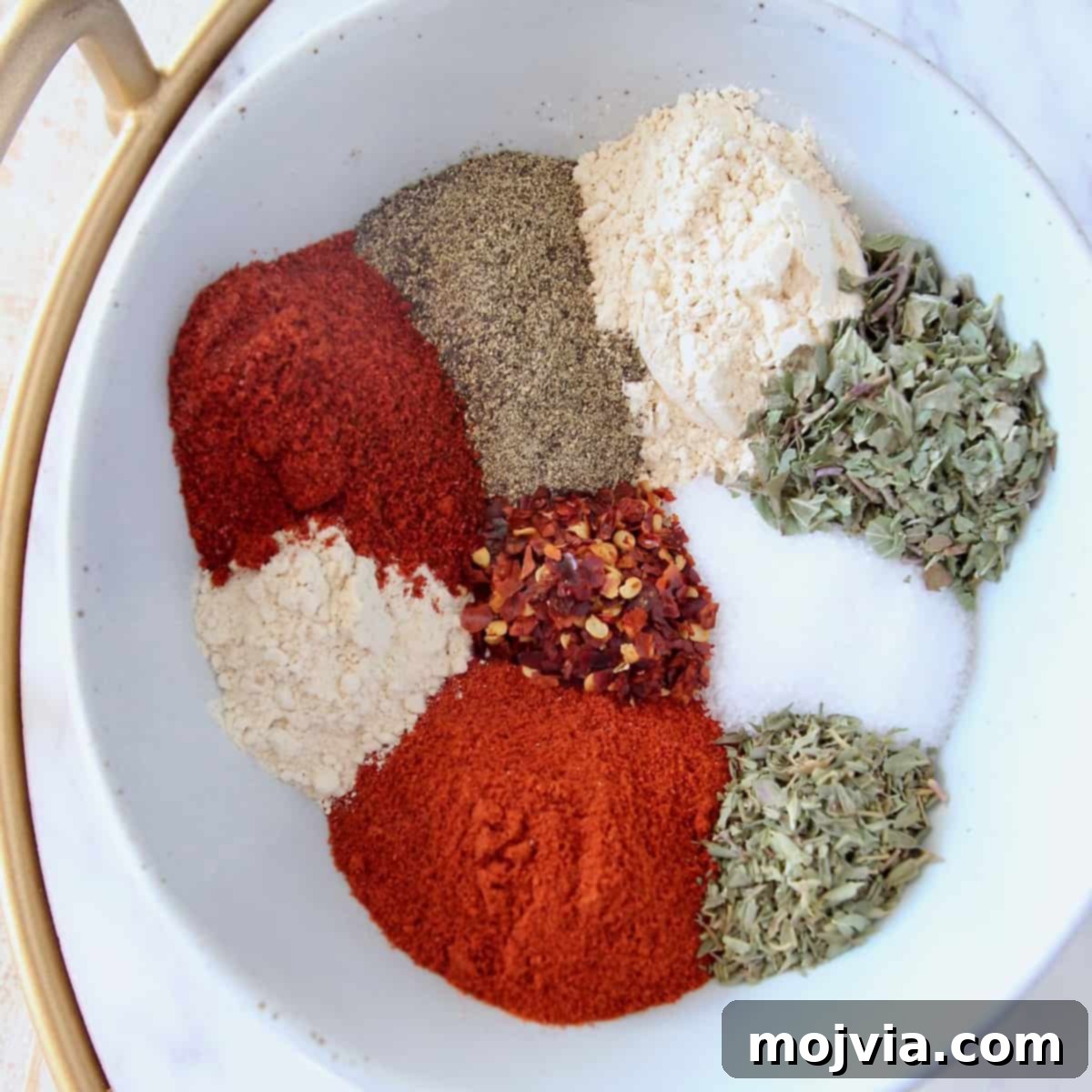
Embark on a culinary journey to Louisiana with this vibrant, homemade Cajun Seasoning. Perfect for elevating shrimp, chicken, and vegetables, this blend strikes the ideal balance of warmth and robust flavor. Say goodbye to store-bought jars once you discover how effortlessly you can craft your own superior spice mix right in your kitchen.
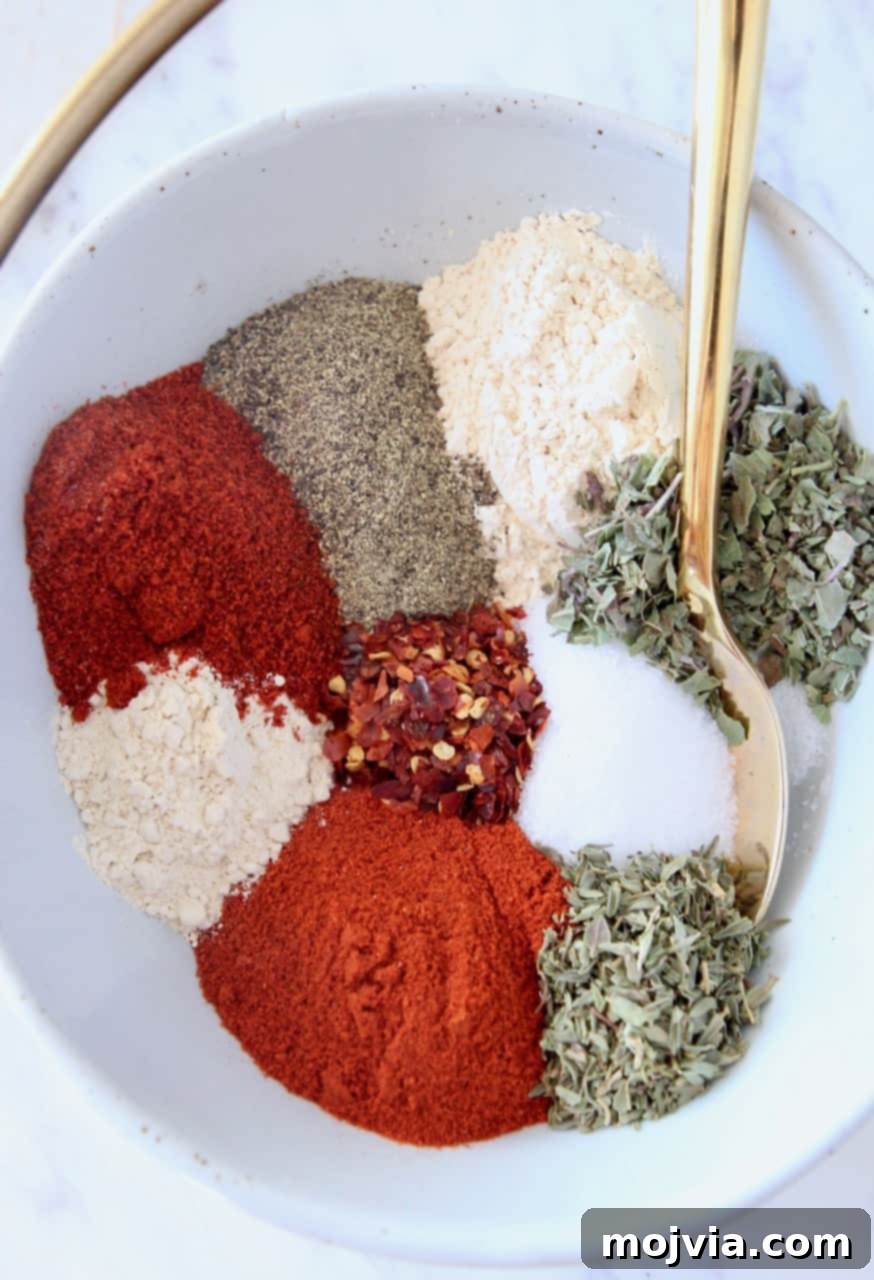
Table of contents
- The Irresistible Appeal of Homemade Cajun Seasoning
- Understanding Cajun Cuisine and Its Signature Spice Blend
- Ingredients for Authentic Cajun Flavor
- How to Make Your Own Cajun Seasoning in Minutes
- Customizing Your Cajun Spice Blend
- How to make the best Cajun marinade for unforgettable meals
- What’s the Difference Between Cajun and Creole Seasoning?
- How to Use Your Homemade Cajun Seasoning
- Try It in These Delicious Cajun Recipes
- Frequently Asked Questions About Cajun Seasoning
When it comes to elevating your pantry with flavorful, versatile spice mixes, you’ve landed in the right place! Since 2010, I’ve been sharing my most cherished homemade seasoning blends, and they’ve consistently ranked among the most beloved recipes on the blog. Don’t just take my word for it; explore these fantastic blends that transform everyday cooking into something extraordinary:
- Fajita Seasoning
- Chili Seasoning
- Ranch Seasoning
- Taco Seasoning
- French Onion Dip Mix
- Pumpkin Pie Spice
- Italian Seasoning
- Montreal Steak Seasoning
- Chicken Seasoning
The Irresistible Appeal of Homemade Cajun Seasoning
Once you experience the unparalleled depth of flavor from these freshly made spice blends and realize how simple they are to prepare, you’ll find it impossible to return to generic store-bought alternatives. This holds especially true for Cajun seasoning, where freshness and balance are paramount.
Unlike pre-packaged options that often contain excessive sodium, anti-caking agents, or obscure ingredients, crafting your own Cajun blend gives you complete control. You can tailor the spice level to your preference, ensuring a perfect kick every time. Plus, using fresh spices means a more potent aroma and taste that truly shines through in your dishes.
Homemade Cajun seasoning isn’t just about superior flavor; it’s also incredibly cost-effective. Buying individual spices in bulk and mixing them yourself is often far cheaper than continually purchasing small jars of commercial blends. It’s an investment in your pantry that pays dividends in taste and savings.
This particular Cajun seasoning recipe is a testament to blending bold flavor with just the right amount of heat. After all, authentic Cajun cuisine is celebrated for its spicy, soulful character! While this seasoning shines on its own as a dry rub, it truly transforms into something spectacular when used to create the world’s best Cajun marinade. Imagine succulent chicken, tender seafood, or juicy beef infused with this dynamic flavor profile.
By simply combining the seasoning with a touch of olive oil, bright lemon juice, tangy apple cider vinegar, and a dash of hot sauce, you unlock an out-of-this-world marinade that you absolutely must experience. It only takes five minutes to mix up this versatile blend, and you likely already have most of the common spices readily available in your pantry. So, why wait? Let’s start mixing and bring the vibrant flavors of Louisiana into your home!
Understanding Cajun Cuisine and Its Signature Spice Blend
Cajun cuisine, originating from the Acadian exiles who settled in the swamps and prairies of southwestern Louisiana, is a rustic, hearty cooking style known for its rich flavors and often spicy kick. It’s a cuisine born out of necessity, making the most of local ingredients like rice, seafood, and wild game. Central to almost every Cajun dish, from gumbos and jambalayas to étouffées and grilled meats, is a meticulously balanced seasoning blend.
This homemade Cajun seasoning captures the essence of that tradition. It’s designed to provide a foundational flavor that is both earthy and aromatic, with a pronounced heat that invigorates the palate. It’s not just about making food spicy; it’s about adding layers of complex flavor that complement a wide range of ingredients.
Ingredients for Authentic Cajun Flavor
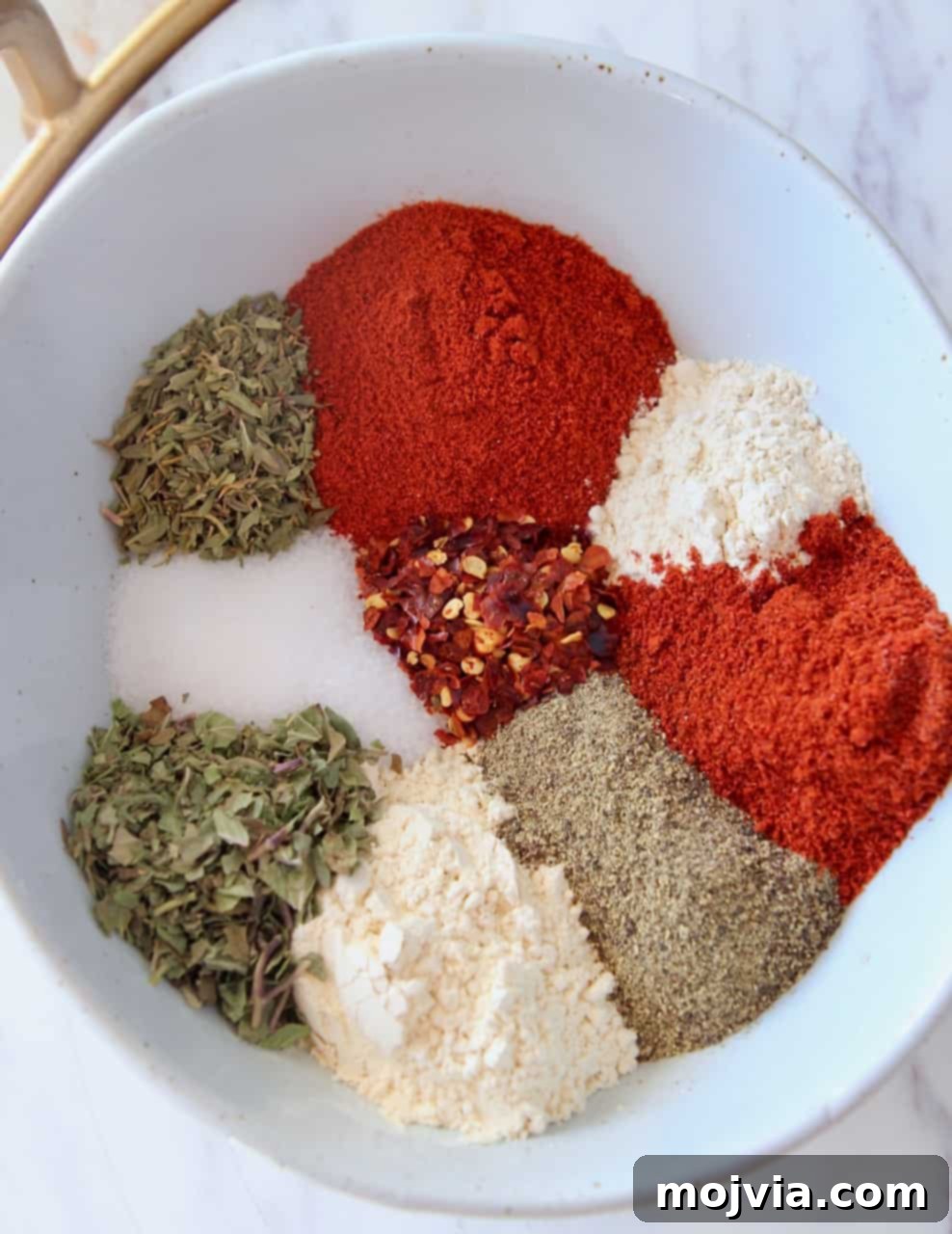
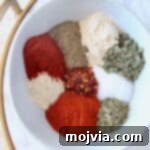
The magic of a great Cajun seasoning lies in the synergistic blend of simple, yet potent, spices. Each ingredient plays a crucial role in building the distinctive flavor profile that makes Cajun dishes so irresistible:
- Paprika: Provides a beautiful reddish hue and a mild, sweet, peppery flavor. For an added layer of complexity and a deeper, earthier note, consider using smoked paprika.
- Kosher salt: Essential for enhancing all the other flavors. Kosher salt’s larger flakes dissolve evenly and provide a clean salty taste without any bitterness.
- Garlic powder: Delivers a concentrated, pungent garlic flavor that is a cornerstone of Cajun cooking. It’s an aromatic powerhouse.
- Ground black pepper: Adds a sharp, piquant heat and a classic peppery aroma, contributing to the overall warmth of the blend.
- Onion powder: Offers a sweet, savory onion flavor that complements the garlic and adds depth to the seasoning.
- Dried oregano: Contributes an earthy, slightly bitter, and herbaceous note, a common ingredient in many Mediterranean and Southern European spice blends that found their way into Louisiana cuisine.
- Cayenne pepper: This is the superstar responsible for the characteristic heat in Cajun seasoning blends. If you adore a fiery kick, feel free to double the amount of cayenne in this recipe to suit your adventurous palate!
- Dried thyme: Imparts a subtle, minty, and earthy flavor with floral undertones, rounding out the herbal notes of the seasoning.
- Red pepper flakes: Optional, but highly recommended for those who crave even more heat and a slightly fruity, sharp spice. These add visual appeal and a burst of concentrated capsaicin.
When selecting your spices, aim for high-quality, fresh ingredients. Over time, ground spices lose their potency. A quick sniff test can tell you if your spices are vibrant and ready to infuse your dishes with maximum flavor.
How to Make Your Own Cajun Seasoning in Minutes
Making this Cajun seasoning is incredibly straightforward, requiring just a few simple steps and no special equipment. You’ll be amazed at how quickly you can create such a potent and delicious blend:
- Gather and Combine: Measure out all of the specified spices into a small mixing bowl or directly into an empty mason jar. Ensure your measurements are precise to achieve the perfect balance of flavors.
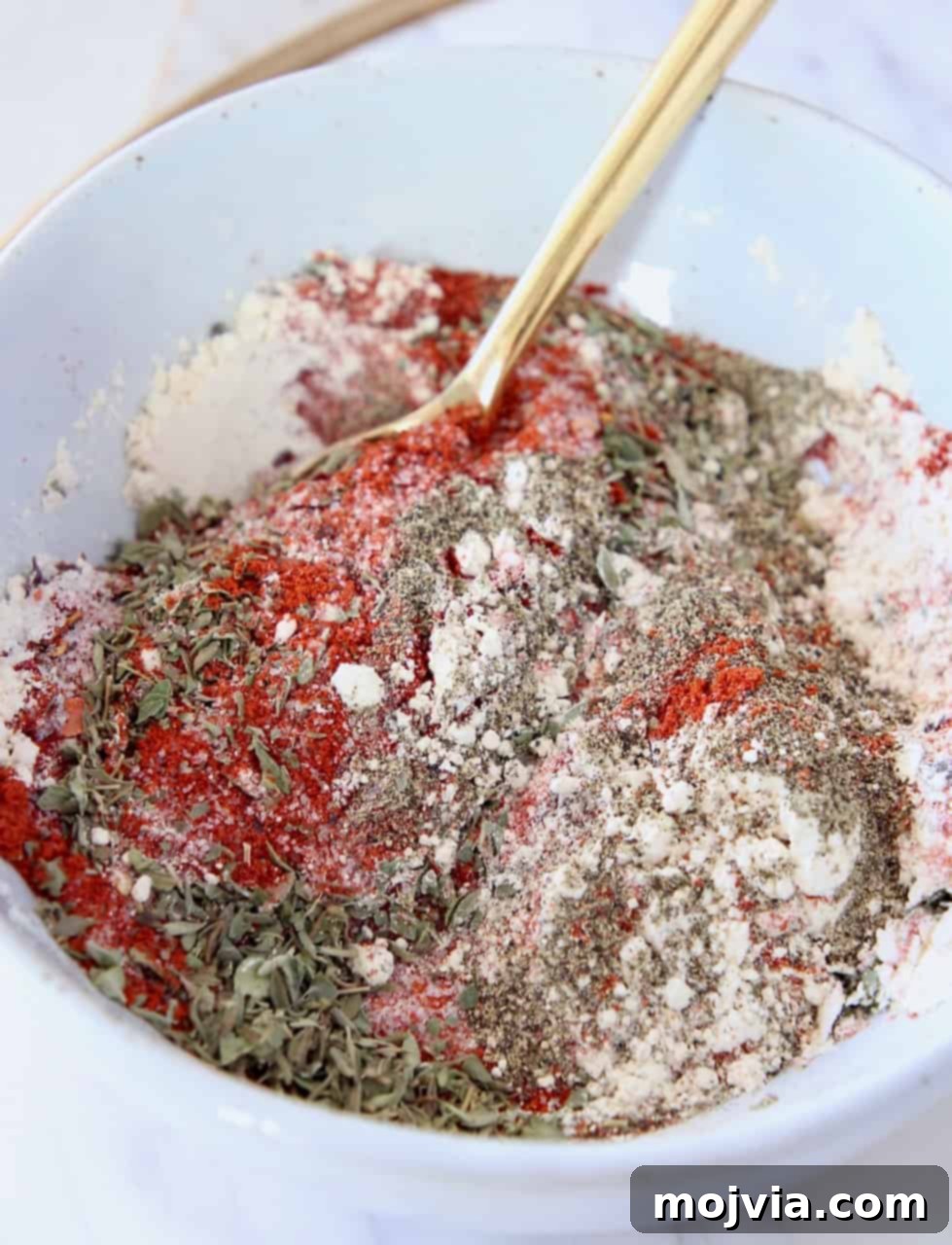
- Mix Thoroughly: Using a spoon or by shaking the sealed jar vigorously, combine all the spices until they are uniformly distributed. You want to make sure the heat and salt are evenly dispersed throughout the blend.
- Storage for Longevity: Transfer the finished spice mixture into an airtight container. A mason jar works wonderfully and looks great in your pantry.
- Optimal Storage Conditions: Store the spice mixture in a cool, dark place away from direct sunlight and heat. This helps to preserve the potency and freshness of the spices for up to six months. While it remains safe to consume beyond this period, its flavor will gradually diminish.
- Ready to Use: Your homemade Cajun seasoning is now ready to transform vegetables, chicken, shrimp, or to form the base of THE BEST Cajun marinade!
Quick Tip! This recipe yields a batch that perfectly fits into an 8-ounce mason jar. If you plan to double the recipe to have an ample supply on hand, opt for a pint-size (16-ounce) mason jar to accommodate the larger volume.
Customizing Your Cajun Spice Blend
One of the greatest advantages of making your own spice blends is the ability to tailor them to your personal preferences. This Cajun seasoning recipe is a fantastic starting point, but don’t hesitate to experiment and make it truly your own:
- Adjusting the Heat: The cayenne pepper is the primary source of heat. For a milder blend, reduce the amount of cayenne or omit the red pepper flakes. If you love a fiery kick, increase both cayenne and red pepper flakes.
- Smoky Flavor: Swap out regular paprika for smoked paprika to introduce a beautiful, deep smoky note that pairs wonderfully with grilled or roasted dishes.
- Earthy Undertones: A pinch of ground cumin (about ¼ to ½ teaspoon) can add another layer of earthy warmth, although it’s not traditional in all Cajun blends.
- Brighter Notes: Some variations include a touch of ground white pepper for a different kind of subtle heat and a slightly brighter aroma.
- Herbal Twist: If you’re particularly fond of herbaceous flavors, you can slightly increase the dried oregano and thyme, or even add a touch of dried basil.
Always taste a tiny amount (or mix a small portion with a bit of salt) before storing your entire batch to ensure it meets your desired flavor profile.
How to make the best Cajun marinade for unforgettable meals
While delicious as a dry rub, this Cajun seasoning truly shines when transformed into a vibrant marinade. Marinating not only infuses your proteins with incredible flavor but also helps to tenderize them, resulting in a more succulent and enjoyable meal. Here’s how to craft a Cajun marinade that will impress:
- Combine Liquid Bases: In a medium mixing bowl, whisk together 1/4 cup of good quality olive oil, 2 tablespoons of fresh lemon juice, 1 tablespoon of apple cider vinegar, and 1 tablespoon of your favorite hot sauce. The olive oil provides richness, lemon juice and apple cider vinegar add acidity to tenderize, and the hot sauce enhances the overall spice.
- Integrate the Seasoning: Add 2 tablespoons of your homemade Cajun seasoning to the liquid mixture. Stir vigorously until all ingredients are well combined and the seasoning is evenly dispersed.
- Add Protein: Place up to 2 pounds of your chosen protein—be it chicken pieces, succulent seafood (like shrimp or firm fish fillets), or cuts of beef (such as skirt steak or sirloin)—into the marinade.
- Coat Thoroughly: Toss the protein gently, ensuring every piece is completely coated with the flavorful marinade.
- Marinating Time: For optimal flavor development, allow the protein to marinate for at least 30 minutes at room temperature (for quick infusions) or, even better, for up to 8 hours in the refrigerator. For more robust cuts of meat, marinating overnight can yield fantastic results. Avoid marinating seafood for more than 2 hours, as the acidity can start to “cook” the delicate proteins.
- Cook as Desired: Once marinated, cook your chicken, seafood, or beef using your preferred method. Grill for smoky char, sauté for a quick and flavorful sear, or roast in the oven for even cooking. The marinade will create a beautiful crust and deeply flavored interior.
This marinade is incredibly versatile and guarantees a burst of authentic Cajun flavor in every bite.
What’s the Difference Between Cajun and Creole Seasoning?
The terms “Cajun” and “Creole” are often used interchangeably when referring to Louisiana cuisine, but there are subtle yet distinct differences, particularly in their iconic seasoning blends. While both are flavorful, robust, and essential to their respective culinary traditions, they have different emphases:
- Cajun Seasoning: This blend, as presented in this recipe, is typically spicier and more rustic. Its focus is on a strong peppery kick, primarily from cayenne pepper, alongside foundational aromatics like garlic and onion powders, and earthy herbs such as oregano and thyme. Cajun cooking is often considered country cooking, utilizing what was readily available in the bayous and prairies.
- Creole Seasoning: Often referred to as “city cooking” from New Orleans, Creole cuisine typically incorporates a broader range of ingredients and influences, including French, Spanish, African, and Caribbean elements. Creole seasoning tends to be more herbaceous and less intensely spicy than Cajun seasoning. While it still contains cayenne, garlic powder, and onion powder, it often features more prominent roles for dried herbs like bay leaf, basil, and more oregano and thyme, sometimes with added paprika for color rather than heat. White pepper is also a common addition in Creole blends.
In essence, while they share many common ingredients, Cajun seasoning leans into heat and simplicity, whereas Creole seasoning emphasizes a richer, more complex herbal profile. If a recipe specifically calls for Creole seasoning, you can certainly substitute this Cajun seasoning recipe, but be prepared for a noticeably spicier dish! It’s all about personal preference and the flavor profile you desire.
How to Use Your Homemade Cajun Seasoning
The versatility of this homemade Cajun seasoning is truly astounding. It’s a culinary powerhouse that can transform a multitude of dishes with its bold and zesty flavor. Here are some of the most delicious ways to incorporate this spice blend into your cooking:
- As a Dry Rub: This seasoning mix excels as a dry rub, adding incredible depth and a delightful crust to a variety of meats. Sprinkle it generously on chicken wings before air frying or baking for a game-day treat. It’s also fantastic on larger cuts like pork shoulder, beef brisket, or ribs for slow cooking or smoking. Try it on boneless, skinless chicken breasts to perfectly top a grilled caesar salad, or as a flavorful rub on Air Fryer Salmon for a quick and healthy meal.
- In a Marinade: As detailed above, use this seasoning as the star ingredient in a marinade. It’s ideal for infusing chicken thighs, shrimp, crawfish, or skirt steak with an authentic Louisiana kick before grilling, pan-searing, or broiling. The acidic components in the marinade will tenderize while the seasoning penetrates deeply for maximum flavor.
- For Seasoning Vegetables: Give your vegetables an exciting flavor upgrade! Toss hearty vegetables like cauliflower florets, broccoli spears, potato wedges, or colorful bell peppers in a tablespoon of this delicious seasoning mix with a drizzle of olive oil. Roast them in the oven until tender-crisp for a flavorful and vibrant veggie side dish. As a general guideline, I recommend using about 1 tablespoon of seasoning per 4 cups of chopped vegetables.
- Spice Up Mac and Cheese: Elevate your classic comfort food by adding 1-2 tablespoons of Cajun seasoning to your favorite mac and cheese recipe. This imparts a delicious Cajun kick that transforms it from simple to sensational. To take it seriously over-the-top, stir in cooked Cajun shrimp, crab, or lobster meat for an unforgettable seafood mac and cheese.
- Creamed Corn Enhancement: Introduce a delightful layer of spice and flavor to your Crock Pot Creamed Corn recipe by mixing in 1-2 tablespoons of Cajun seasoning. It adds warmth and complexity that beautifully complements the sweetness of the corn.
- Spicy Ranch Dressing: For a quick and easy dip or salad dressing with a zing, combine 1 teaspoon of Cajun seasoning with 1/2 cup of ranch dressing. This creates a vibrant, spicy dressing that’s perfect for green salads or as an incredible dipping sauce for raw vegetables or your homemade Cajun-seasoned chicken wings.
- Smoked Cream Cheese: This blend is my absolute favorite seasoning to use when making smoked cream cheese. The bold, smoky flavor of the cheese pairs absolutely perfectly with the spicy and aromatic notes of the Cajun seasoning, creating an irresistible appetizer.
- Cajun Fries: Recreate the iconic taste of Five Guys’ Cajun fries at home! Toss freshly cooked french fries (whether air fryer french fries or oven-baked) with this seasoning for a delicious and addictive side dish. They’re the perfect accompaniment to burgers, sandwiches, or crispy wings.
- Eggs and Breakfast Dishes: Sprinkle a pinch into scrambled eggs, omelets, or breakfast potatoes for a savory morning kick.
- Soups and Stews: Add a teaspoon or two to your favorite lentil soup, bean chili, or vegetable stew for a boost of Southern-inspired flavor.
The possibilities are endless once you have this versatile homemade Cajun seasoning in your arsenal!
Try It in These Delicious Cajun Recipes
Once you’ve mastered this essential Cajun seasoning, you’ll be eager to put it to good use. Here are some fantastic recipes where this homemade blend truly shines, bringing authentic Louisiana flavor to your table:
- One Pot Cajun Pasta: A quick and easy dinner that’s packed with creamy, spicy goodness.
- Cajun Steak Tacos: Elevate your taco night with tender, flavorful Cajun-seasoned steak.
- Cajun Turkey Cobb Salad: A vibrant, hearty salad featuring spiced turkey, perfect for a lighter meal.
- Grilled Cajun Chicken with Bell Pepper Cajun Slaw: A healthy and flavorful grilled chicken dish complemented by a zesty slaw.
- Slow Cooker Chicken & Sausage Jambalaya: Let your slow cooker do the work for this classic, comforting Cajun stew.
- Cajun Turkey Cheese Dip: A rich, cheesy, and spicy dip perfect for entertaining.
- Cajun Mac and Cheese: A creamy, cheesy, and incredibly satisfying twist on a beloved favorite.
Frequently Asked Questions About Cajun Seasoning
Here are answers to some common questions about making and using homemade Cajun seasoning:
- Is homemade Cajun seasoning spicy? Yes, traditional Cajun seasoning includes cayenne pepper, which provides a noticeable heat. This recipe includes 1 tablespoon of cayenne, which offers a medium-hot level of spice. You can easily adjust this by increasing or decreasing the amount of cayenne, and by including or omitting red pepper flakes.
- How long does homemade Cajun seasoning last? When stored in an airtight container in a cool, dark pantry, this seasoning blend will retain its peak potency and flavor for up to 6 months. Beyond that, it’s still safe to use, but the flavors may start to mellow.
- Can I make this seasoning less salty? Absolutely! If you are mindful of sodium intake, you can reduce the amount of kosher salt in the recipe to 1 or 1.5 tablespoons. Remember to taste your food and adjust salt levels at the cooking stage.
- What if I don’t have all the ingredients? While the blend of all listed spices creates the authentic Cajun flavor, you can still make a good seasoning if you’re missing one or two less critical ingredients (like red pepper flakes for heat). However, paprika, salt, garlic powder, onion powder, and cayenne are considered core to the profile.
- Is this Cajun seasoning gluten-free and vegan? Yes, this homemade Cajun seasoning mix is naturally gluten-free, vegan, and Whole30 approved, as it consists purely of ground spices and herbs.
Print
Pin
Rate this Recipe
Homemade Cajun Seasoning
Ingredients
- 3 tablespoons paprika (smoked paprika for a smoky flavor)
- 2 tablespoons kosher salt
- 2 tablespoons garlic powder
- 2 tablespoons ground black pepper
- 1 tablespoon onion powder
- 1 tablespoon dried oregano
- 1 tablespoon cayenne pepper (adjust for desired heat)
- ½ tablespoon dried thyme
- ½ tablespoon red pepper flakes, optional – for extra spice!
Instructions
-
In a small bowl or directly in a mason jar, combine all of the measured seasonings.
-
Stir or shake the sealed container well until all the spices are thoroughly mixed and evenly distributed.
-
Store the finished spice mixture in an airtight container in a cool, dark place in your pantry for up to 6 months to maintain optimal freshness and flavor.
Notes
- To make Cajun marinade with the seasoning mix: In a mixing bowl, combine 1/4 cup olive oil, 2 tablespoons lemon juice, 1 tablespoon apple cider vinegar, 1 tablespoon hot sauce, and 2 tablespoons of this Cajun seasoning. Stir well to combine. Use this to marinate up to 2 pounds of chicken, seafood, or beef for at least 30 minutes, or up to 8 hours for best results.
- Dietary Information: This homemade seasoning mix is naturally gluten-free, vegan-friendly, and Whole30 approved, making it suitable for various dietary preferences.
- Recipe Ideas: For extensive usage ideas and delicious recipes featuring this Cajun seasoning, refer to the detailed sections within the blog post above.