
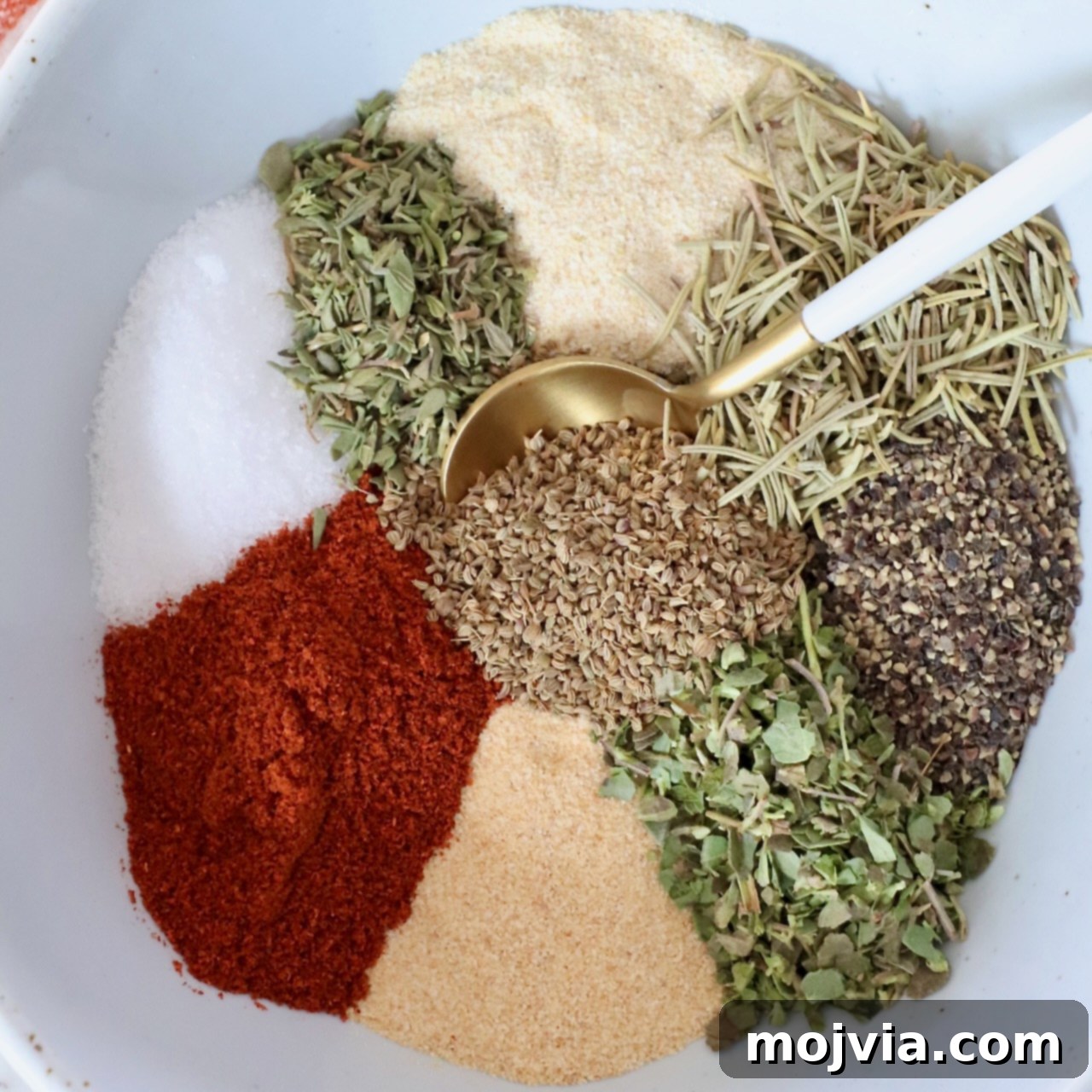
Unlock the secret to an incredibly flavorful, deeply comforting beef stew with this easy homemade Beef Stew Seasoning recipe! Ditch the store-bought packets filled with additives and embrace a blend of nine simple, natural herbs and spices. This versatile spice mix is designed to elevate your classic beef stew, whether you’re simmering it low and slow in the oven or letting it tenderize beautifully in your slow cooker. Prepare to transform your kitchen into a haven of warmth and savory aromas, creating a memorable meal that feels both gourmet and delightfully simple to make.
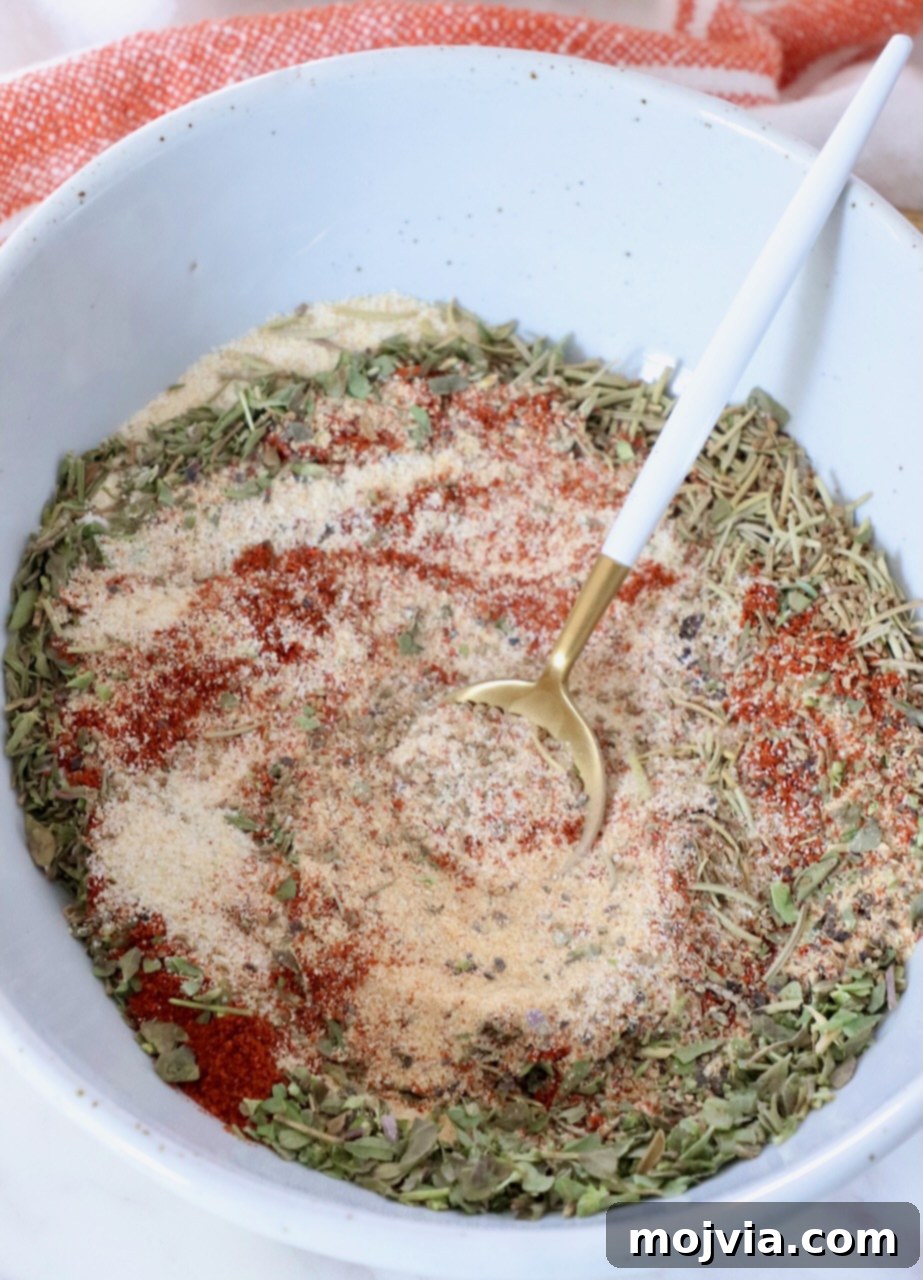
Table of contents
- Why Make Your Own Beef Stew Seasoning?
- Essential Ingredients for the Perfect Blend
- Simple Instructions for Mixing and Storing
- Mastering the Classic Oven-Baked Beef Stew
- Versatile Uses for Your Spice Blend
- Recipe Notes and Expert Tips
- More Homemade Seasonings to Stock Your Pantry
Making your own seasoning blends is a game-changer for any home cook, and this beef stew seasoning is no exception. It’s quickly become one of my essential pantry staples, joining a growing collection of over 30 homemade seasoning mixes that ensure a burst of fresh flavor is always within reach. This carefully crafted blend infuses a traditional beef stew with incredible depth, creating a hearty and comforting dish that’s surprisingly easy to prepare. The best part? You can whip up a batch of this flavorful seasoning in just five minutes and store it for up to six months, meaning a delicious, warming beef stew is never more than a few steps away.
Unlike many store-bought seasoning packets that often contain a high percentage of cornstarch, excessive salt, and various artificial additives, this homemade blend relies solely on natural, high-quality dried herbs and spices. You get pure flavor without any unwelcome surprises, ensuring your beef stew is not only delicious but also a healthier option for your family. The rich, aromatic profile of this mix transforms humble ingredients into a magnificent meal, promising a warm and cozy experience with every spoonful.
Why Make Your Own Beef Stew Seasoning?
There are countless reasons to swap out those supermarket seasoning packets for a homemade blend, especially when it comes to something as fundamental as beef stew. Here’s why this recipe deserves a prime spot in your spice rack:
- Uncompromised Quality and Control: When you make your own seasoning, you have complete control over what goes into it. This means no artificial flavors, colors, anti-caking agents, or excessive sodium often found in commercial blends. You’re using pure, unadulterated spices, ensuring a healthier and more natural flavor profile for your stew.
- Superior Freshness and Potency: Spices, like most ingredients, are best when fresh. Store-bought mixes can sit on shelves for extended periods, losing their aromatic oils and potency. By mixing your own blend, you ensure that the herbs and spices are at their peak freshness, resulting in a far more vibrant and impactful flavor in your final dish.
- Customization to Your Taste: Love a bit more garlic? Prefer a hint of smokiness? Making your own seasoning allows for endless customization. You can adjust the ratios of each ingredient to suit your personal preferences, adding an extra dimension of flavor that a pre-made packet simply can’t offer. Want to make it spicier? Add a pinch of red pepper flakes!
- Cost-Effective in the Long Run: While the initial investment in individual spices might seem higher, buying them in bulk and mixing your own blends is significantly more economical over time than consistently purchasing individual seasoning packets. It’s a smart way to stock your pantry for future culinary adventures.
- Enhanced Flavor Depth: This particular beef stew seasoning is crafted to create a complex and layered flavor profile. Each spice plays a crucial role, contributing to the rich, savory, and aromatic essence that defines a truly exceptional beef stew. It’s a blend designed to complement and enhance the natural flavors of the beef and vegetables, rather than just covering them up.
- Convenience and Time-Saving: Once mixed, this seasoning is ready to go whenever a stew craving strikes. Having a batch prepared in advance means you can quickly assemble a comforting meal without scrambling for individual spices, saving you precious time on busy weeknights.
Essential Ingredients for the Perfect Blend
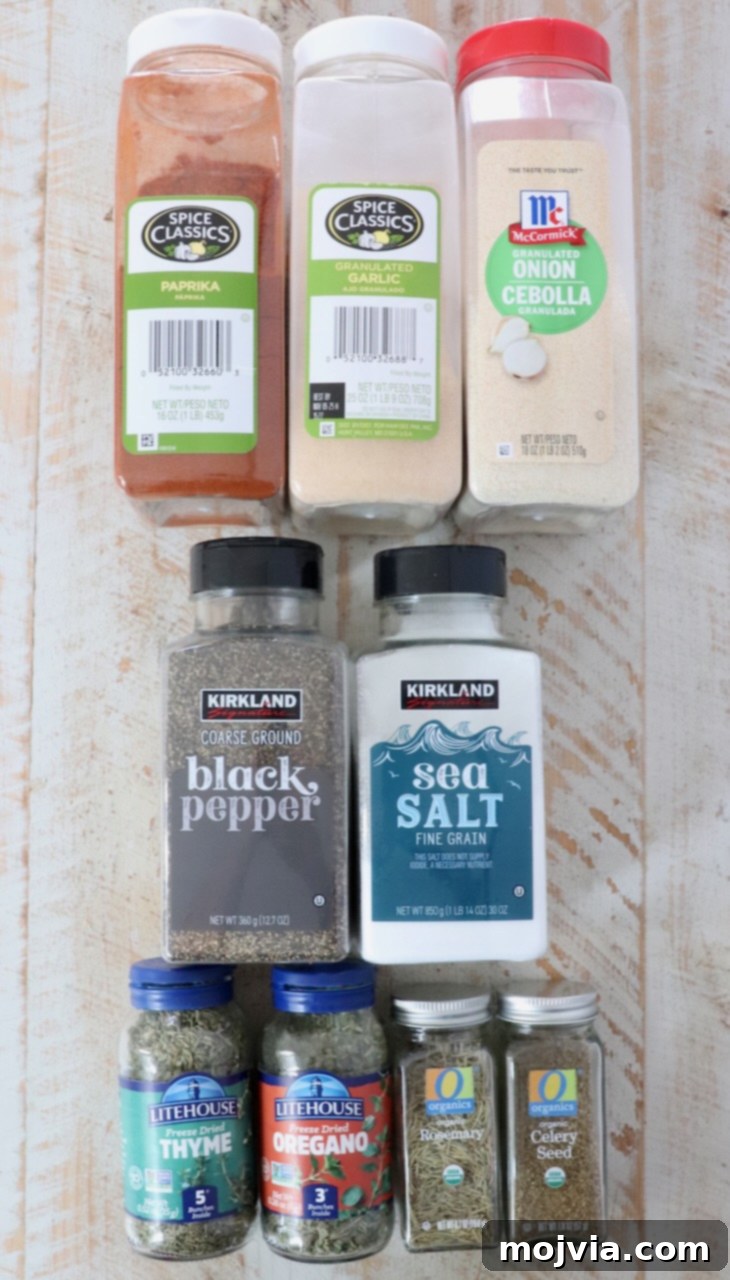
Each ingredient in this beef stew seasoning blend has been carefully selected to create a harmonious symphony of flavors, complementing the rich taste of beef and hearty vegetables. For the precise measurements of each, please refer to the recipe card at the bottom of this post.
- Garlic Powder (or Granulated Garlic): A cornerstone of savory cooking, garlic powder provides a fundamental aromatic base. While both powder and granulated forms offer intense garlic flavor, I prefer granulated garlic. It has a slightly coarser texture, which makes it less prone to clumping over time in your seasoning mix, ensuring a smoother blend and easier measurement. It rehydrates beautifully in the stew, releasing its deep, savory notes.
- Onion Powder (or Granulated Onion): Like garlic powder, onion powder is essential for building a robust flavor foundation. Granulated onion is my preferred choice for the same reason as garlic – its finer granules resist clumping better than powder, maintaining the integrity and usability of the seasoning blend over its storage life. It adds a sweet and pungent depth that is critical to a good stew.
- Sea Salt (or Kosher Salt): Salt is not just for making food salty; it’s a crucial flavor enhancer, bringing out the best in all other ingredients. Both sea salt and kosher salt are excellent choices due to their coarser texture and clean flavor profile, which I prefer over the sharper taste of table salt. Their larger crystals distribute more evenly and dissolve slowly, seasoning the stew beautifully as it cooks.
- Black Pepper: A universal spice, black pepper adds a warm, pungent kick and subtle notes of pine and citrus. Freshly ground black pepper is always best for maximum flavor, but pre-ground works perfectly in this dry blend, contributing a subtle heat and aromatic complexity that rounds out the savory profile.
- Paprika: This vibrant spice contributes a beautiful reddish hue and a sweet, peppery flavor. I typically use traditional sweet paprika for its mild warmth and earthy undertones. However, for those who enjoy a deeper, smoky dimension in their beef stew, smoked paprika makes an excellent substitute, adding a rich, woodsy aroma that pairs wonderfully with beef.
- Dried Thyme: With its distinct lemony and earthy notes, dried thyme brings a bright, fresh flavor to the seasoning mix. It’s a classic herb for beef and robust dishes, imparting a subtle herbaceousness that cuts through the richness of the stew, adding complexity and aroma.
- Dried Oregano: This aromatic herb offers an earthy, slightly peppery bite. Dried oregano is wonderfully potent, providing a warm and savory character that is quintessential to many comfort food dishes. It blends seamlessly with the other herbs, contributing to the overall Mediterranean-inspired depth of the seasoning.
- Dried Rosemary: Robust, piney, and distinctly woodsy, dried rosemary is a powerful herb that pairs exceptionally well with beef. Its assertive flavor complements the garlic and thyme, adding a sophisticated, almost rustic quality to the stew. Use it judiciously, as its strong aroma can dominate if overused.
- Celery Seeds: This often-overlooked spice is a true secret weapon in beef stew seasoning. Celery seeds provide the distinct, earthy, and slightly bitter flavor of celery without the need to add fresh celery to the dish itself. This is particularly useful if you don’t have fresh celery on hand or prefer not to have visible celery pieces in your stew, ensuring that essential background note is still present.
Simple Instructions for Mixing and Storing
Creating your homemade beef stew seasoning is incredibly straightforward, requiring minimal effort for maximum flavor impact. You’ll be amazed at how quickly you can prepare this essential blend.
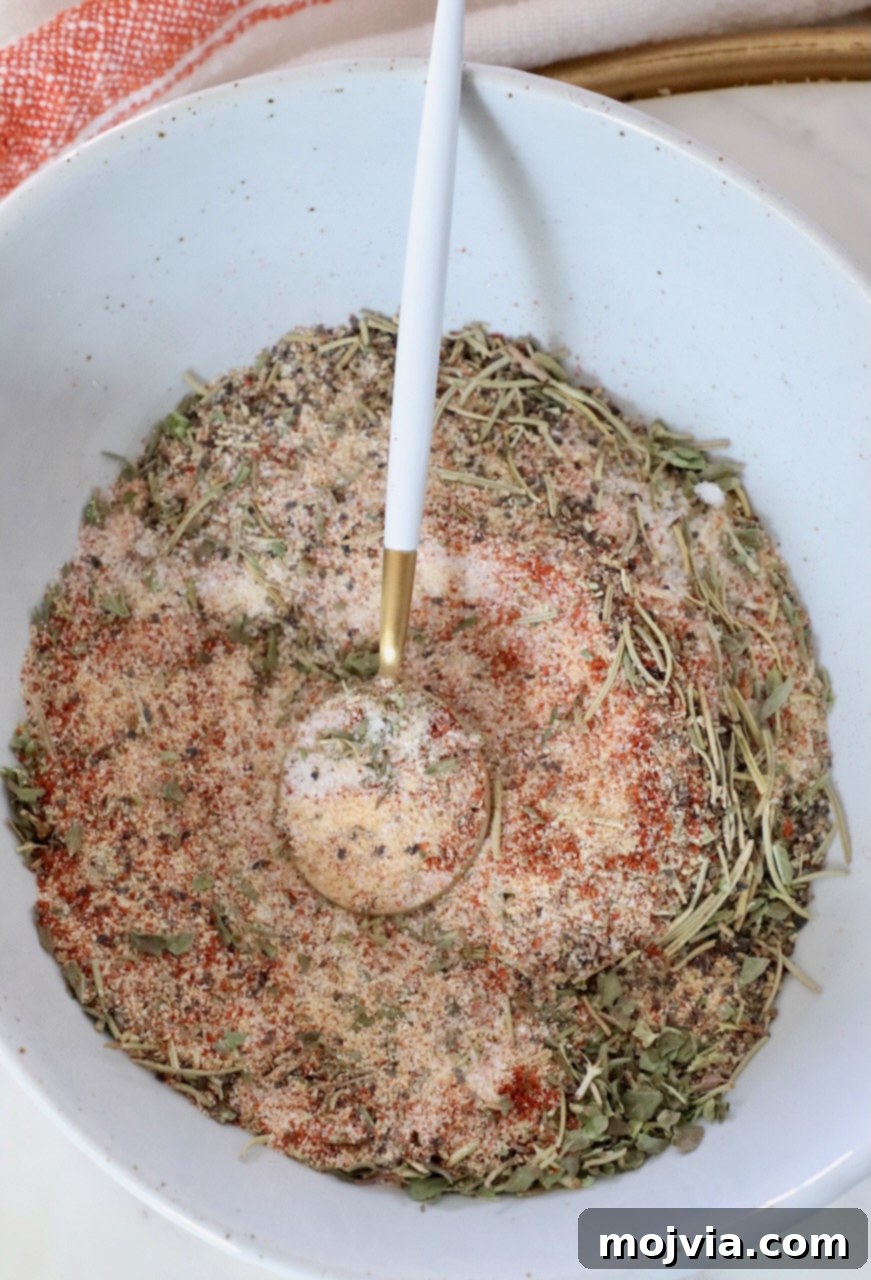
- Combine All Ingredients: In a small bowl, simply add all the listed herbs and spices. Use a spoon or a small whisk to thoroughly combine them until the mixture is uniform in color and texture. Ensure there are no clumps and that all ingredients are well-distributed.
- Store in an Airtight Container: Transfer the freshly mixed seasoning into a clean, airtight container. A small mason jar (8 oz is perfect for a single batch, or a pint/16 oz jar for a double batch) works wonderfully. Keep the container in a cool, dark place in your pantry. This blend will maintain its optimal freshness and potency for up to six months. While it won’t “go bad” after this period, the spices will gradually begin to lose their vibrant flavor and aroma. For best results, I recommend labeling your jar with the date you prepared the seasoning to keep track of its freshness.
It’s as easy as that! In five minutes or less, you’ll have a delightful, aromatic beef stew seasoning mix ready to transform your next meal into a culinary masterpiece. This simple preparation makes it incredibly convenient to always have a fresh, flavorful seasoning on hand.
Mastering the Classic Oven-Baked Beef Stew
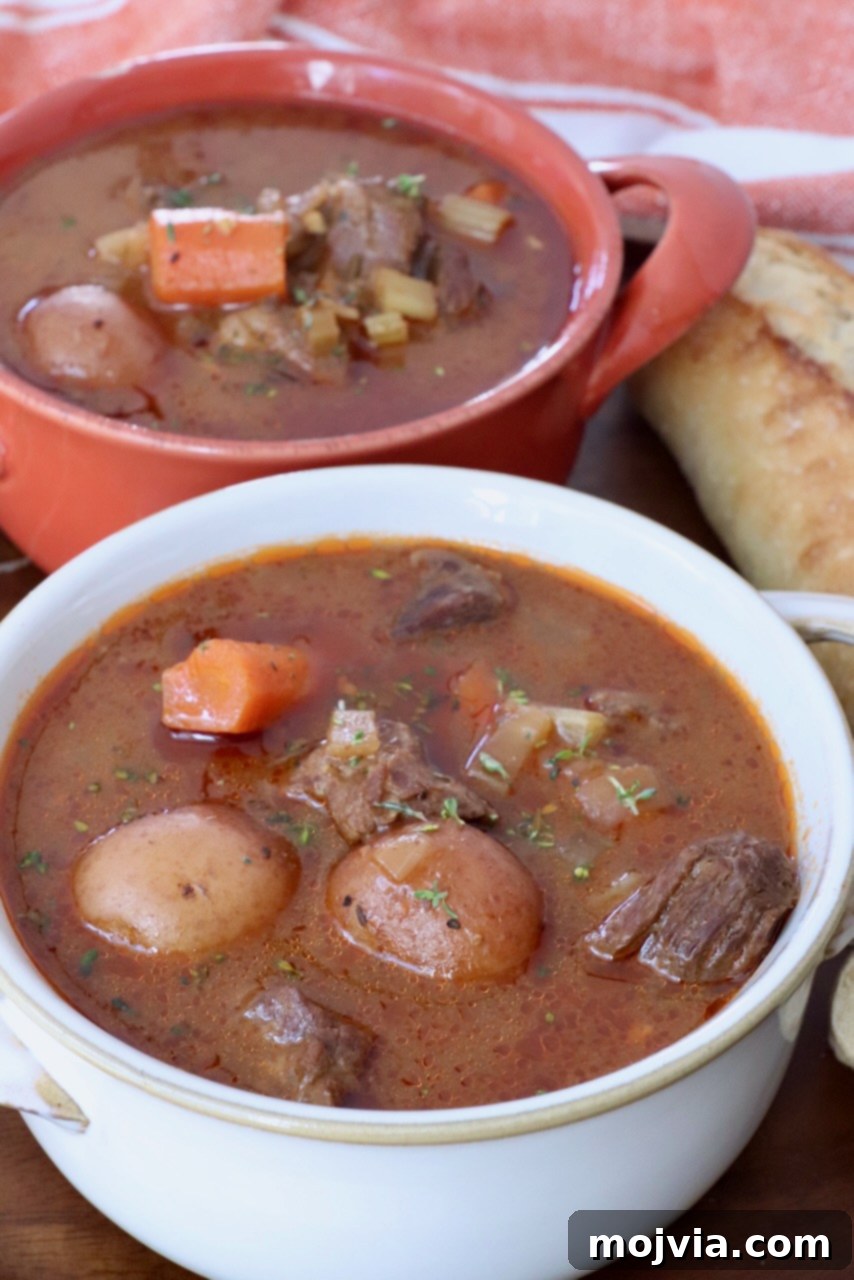
Using this incredible homemade seasoning, you can create a truly memorable classic beef stew right in your oven. The low and slow cooking method allows the flavors to meld beautifully, resulting in tender beef and a rich, savory gravy. For a more in-depth guide with extra tips and tricks on making the best beef stew recipe (like the one pictured above), including instructions for Crock Pot and stovetop methods, be sure to visit my comprehensive blog post. Here’s a streamlined approach for an oven-baked version:
- Prepare the Beef: Begin by slicing 2 pounds of beef chuck roast into uniform 1-inch cubes. Pat the beef dry with paper towels – this is crucial for a good sear. In a bowl, toss the beef cubes with 2 tablespoons of your freshly mixed beef stew seasoning until evenly coated.
- Sear the Beef: Heat 2 tablespoons of olive oil in a large Dutch oven over high heat on the stove. Once the oil is shimmering, add the seasoned chuck roast in batches, ensuring not to overcrowd the pot. Sear on all sides until deeply browned. This searing step is vital as it develops rich, complex flavors (known as “fond”) at the bottom of the pan, which will become the foundation of your stew’s gravy. Use a slotted spoon to remove the seared beef from the pot and set it aside.
- Sauté Aromatics: Add 1 more tablespoon of olive oil to the same pot. Introduce 1 cup of diced onions and 1 cup of diced celery. Cook for about 5 minutes, stirring occasionally, until they begin to soften and become fragrant. Next, stir in 3 cloves of minced garlic and cook for another minute until aromatic, being careful not to burn the garlic.
- Deglaze and Build Flavor: Pour ¼ cup of beef broth into the pot. Use a wooden spoon to vigorously scrape up any browned bits (fond) from the bottom of the pan. These bits are packed with flavor and will add incredible depth to your stew.
- Thicken the Stew: Evenly sprinkle ¼ cup of all-purpose flour over the vegetables and deglazed broth in the pot. Stir continuously for 1 minute, allowing the flour to cook out its raw taste and combine with the fats, creating a roux that will thicken your stew.
- Add Liquids and Seasonings: Gradually pour in 5 ¾ cups of beef broth, 2 tablespoons of tomato paste (for a touch of umami and acidity), and 1 tablespoon of Worcestershire sauce (for depth and tang). Stir everything together until well combined. Turn the heat up to high and bring the broth to a gentle boil, stirring occasionally.
- Combine and Bake: Return the seared beef pieces to the pot. Add 1 pound of cubed potatoes (or small baby potatoes), 1 cup of carrots (peeled and cut into 1-inch pieces), 2 sprigs of fresh thyme, and 2 bay leaves. Stir gently to ensure all ingredients are submerged in the liquid.
- Slow Simmer in the Oven: Cover the Dutch oven tightly with its lid, or with a piece of heavy-duty aluminum foil. Transfer the pot to a preheated oven at 325°F (160°C) and bake for 2 hours. This slow cooking in the oven ensures incredibly tender beef and allows the flavors to fully develop.
- Serve: Carefully remove the stew from the oven. Uncover the pot and use tongs to remove and discard the bay leaves and thyme sprigs. Ladle the warm, comforting beef stew into bowls and serve immediately. It’s perfect on its own or alongside some crusty bread.
Beyond a traditional beef stew, this versatile spice blend is also fantastic for making a hearty Irish Stew, or to season any of your favorite soup or stew recipes, adding a homemade touch that everyone will love!
Recipe Notes and Expert Tips
To ensure you get the best results from your homemade Beef Stew Seasoning, keep these helpful notes and tips in mind:
- Seasoning Yield: This recipe is designed to produce approximately 9 tablespoons of seasoning mix. This is a convenient amount to have on hand for several stew preparations.
- Scaling the Recipe: If you frequently make beef stew or enjoy giving homemade seasoning as gifts, you can easily make a double batch. Simply double all the ingredient quantities. The recipe card below typically offers an adjustment button, but for manual doubling, just multiply each measure by two.
- Recommended Usage: As a general guideline, I recommend using 1 tablespoon of this seasoning mix per pound of meat when preparing a beef stew, whether you’re cooking it in the oven or a slow cooker. This ratio provides ample flavor without being overpowering.
- Storage Longevity: Your homemade beef stew seasoning will remain fresh and potent for up to 6 months when stored in an airtight container in a cool, dark pantry. While the blend won’t spoil after this period, the essential oils in the spices will gradually diminish, leading to a noticeable loss of flavor. For optimal taste, try to use it within the recommended timeframe.
- Ideal Storage Container: For a single batch, an 8-ounce mason jar is the perfect size. If you double the recipe, opt for a pint-sized (16-ounce) mason jar. Always label your container with the date you made the seasoning so you can easily track its freshness and ensure you’re using it at its prime.
- Dietary Considerations: This beef stew seasoning recipe is naturally gluten-free and contains no added sugar, making it an excellent choice for those following specific dietary plans such as Whole30 or Keto. It’s a pure, unadulterated flavor enhancer that fits a variety of healthy lifestyles.
- Fresh vs. Dried Herbs: While this recipe calls for dried herbs, if you decide to add fresh herbs to your actual stew (like thyme or rosemary sprigs), remember that fresh herbs are typically less potent than dried ones. A good rule of thumb is to use about three times the amount of fresh herbs compared to dried.
- Adjusting Salt: The salt content in this seasoning is balanced for a general recipe. However, personal preference varies. Taste your stew before the final seasoning and adjust salt levels as needed, especially if your beef broth is already salty.
More Homemade Seasonings to Stock Your Pantry
Once you experience the superior flavor and convenience of homemade seasoning blends, you’ll want to replace all your store-bought packets! Building a collection of your own spice mixes is an empowering way to infuse every meal with incredible, natural flavor. Expand your culinary repertoire and ensure your pantry is always stocked with these other fantastic homemade seasoning recipes:
Print Recipe
Pin Recipe
Rate this Recipe
Beef Stew Seasoning
Ingredients
- 2 tablespoons onion powder
- 2 tablespoons garlic powder
- 1 tablespoon salt
- 1 tablespoon black pepper
- 2 teaspoons paprika
- 2 teaspoons dried thyme
- 2 teaspoons dried rosemary
- 2 teaspoons dried oregano
- 1 teaspoon celery seed
Instructions
-
Combine all of the ingredients in a small bowl.
-
Store in an airtight container in the pantry for up to 6 months.
Notes
- Refer to the blog post above for how to make beef stew with the seasoning.
- This recipe makes 9 tablespoons of seasoning mix. If you’d like to make a double batch of the seasoning, simply double each ingredient amount.
- I recommend using 1 tablespoon of seasoning per pound of meat when making a beef stew in the oven, or in a slow cooker.
- The beef stew seasoning will stay good, stored in an airtight container in the pantry, for up to 6 months. After that the spice blend will not “go bad” but as spices sit longer, they begin to lose their flavor.
- I recommend storing the seasoning mix in an 8 ounce mason jar. If doubling the recipe, use a pint size or 16 ounce mason jar. I recommend labeling the beef stew seasoning with a date and using the seasoning mix within 6 months.
- This recipe is gluten free, and contains no added sugar, making it perfect for a whole30 or keto meal.