
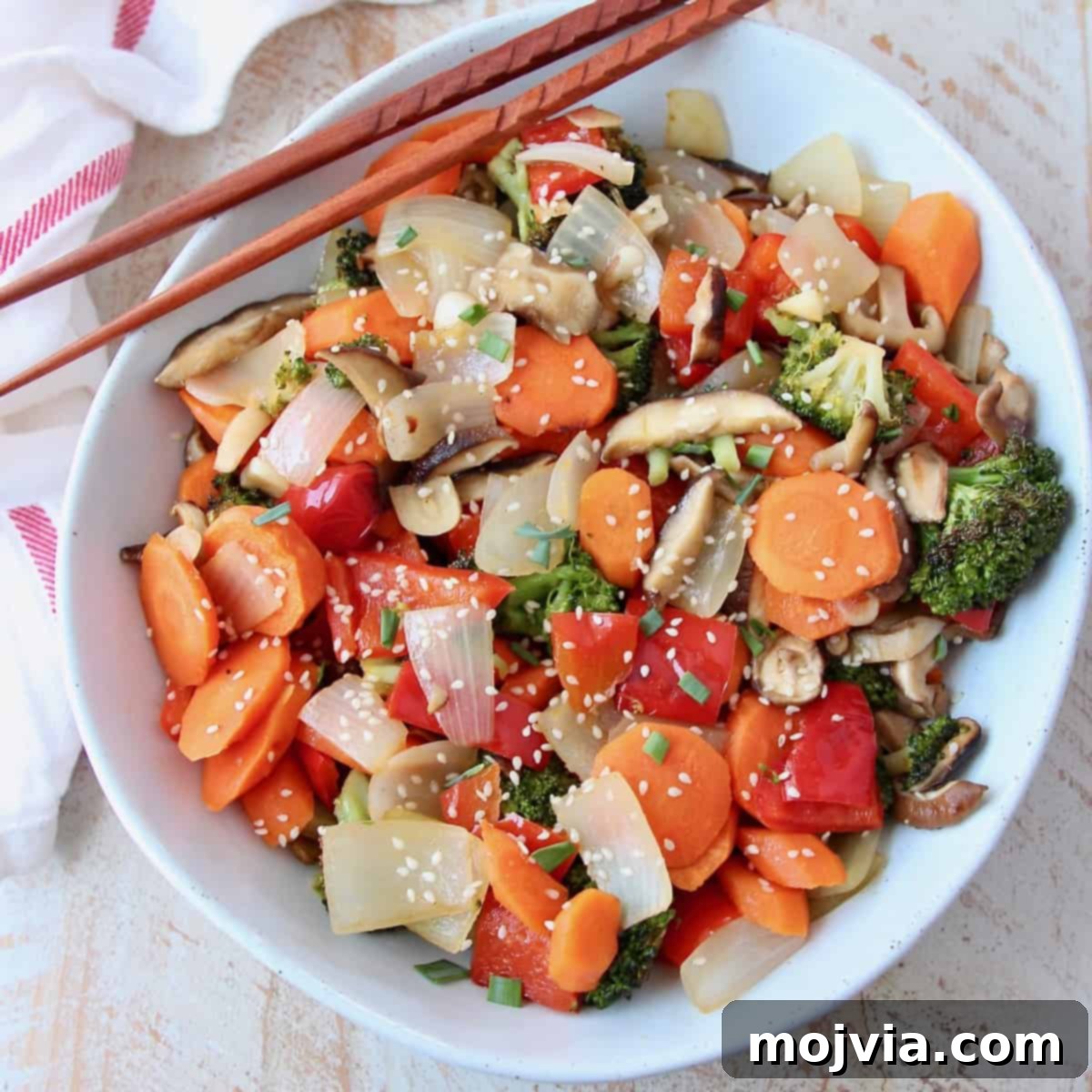
Oven Roasted Asian Vegetables with Soy Ginger Glaze: Your Go-To Quick & Flavorful Meal
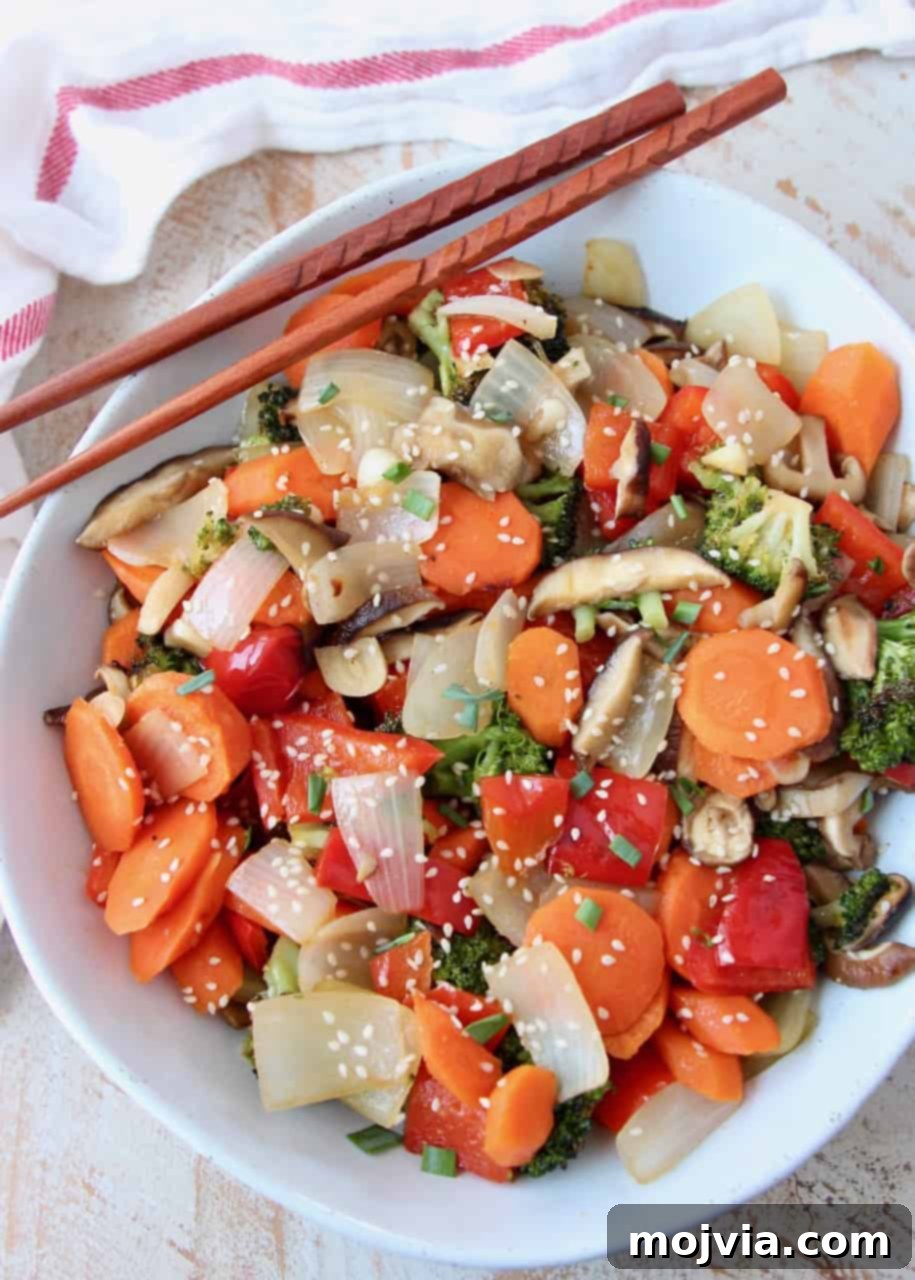
Discover the unparalleled deliciousness of Oven Roasted Asian Vegetables, perfectly coated in a savory-sweet soy ginger glaze. This vibrant medley is a fantastic addition to any meal, serving beautifully as a vegetarian side dish or easily transforming into a satisfying main course when tossed with noodles or served over fluffy rice. Imagine a burst of authentic Asian flavors, ready in under 30 minutes! This recipe promises not only incredible taste but also remarkable simplicity, making it ideal for busy weeknights or a healthy, quick lunch.
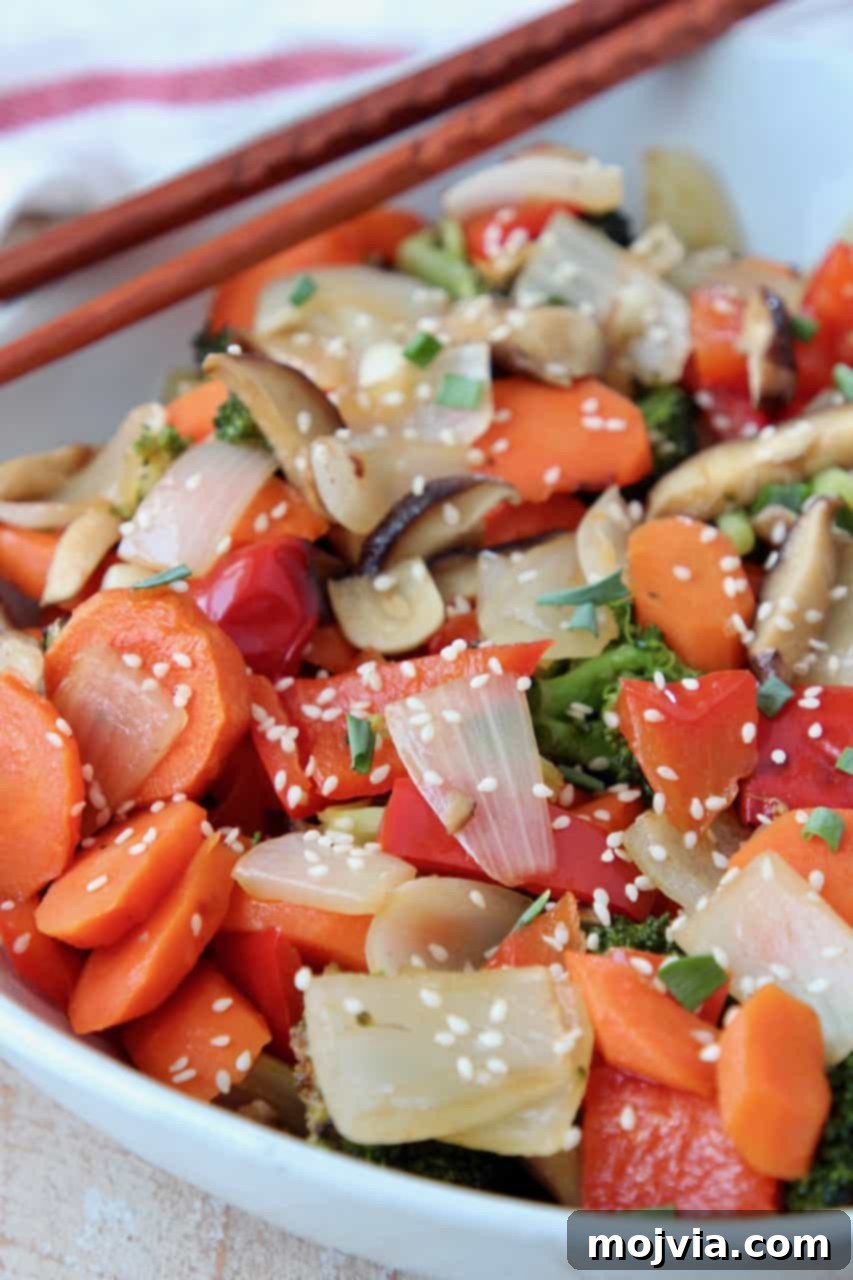
Table of contents
- The Magic of Roasting: Why It Works for Asian Vegetables
- Crafting Your Perfect Roasted Asian Vegetables
- Ingredients You’ll Need
- Easy Step-by-Step Instructions
- Serving Suggestions: More Than Just a Side Dish
- Customization & Pro Tips
- Explore More Asian-Inspired Recipes
- Roasted Asian Vegetables with Soy Ginger Glaze Recipe
The Magic of Roasting: Why It Works for Asian Vegetables
Roasted vegetables are a beloved staple in countless kitchens, and for good reason. At our house, they accompany at least three to four meals every week. The beauty of roasting lies in its ability to transform humble vegetables into intensely flavorful, caramelized delights. The high heat of the oven not only cooks them through but also creates a wonderfully crisp-tender texture and deepens their natural sweetness, making them incredibly appealing even to the pickiest eaters.
When it comes to Asian-inspired dishes, roasting vegetables takes them to a whole new level. The process provides a robust base that stands up beautifully to the rich, aromatic soy ginger glaze. Initially, this recipe for Roasted Asian Vegetables was conceived as the perfect partner for Korean BBQ Short Ribs, offering a fresh, vibrant contrast to the savory meat. However, it quickly became clear that these vegetables possessed enough star power to shine on their own.
Beyond their amazing taste, roasting is an incredibly hands-off cooking method, freeing you up to prepare other components of your meal or simply relax. This efficiency means that transforming these delightful veggies into a full, easy dinner can be achieved in under 30 minutes, a true blessing for busy schedules. Plus, by swapping regular soy sauce for tamari, you can effortlessly create a delicious gluten-free meal without sacrificing any of the authentic Asian flavors.
This recipe yields approximately 8 cups of vegetables, providing a generous and filling meal for up to four people when paired with rice or noodles. It’s a versatile dish that offers both convenience and exceptional taste, making it an instant classic in your culinary repertoire.
Crafting Your Perfect Roasted Asian Vegetables
Ingredient Spotlight: Choosing Your Veggies
The beauty of this recipe lies in its flexibility. While we provide a fantastic combination, feel free to use your favorite assortment of approximately 8 cups of vegetables. The key is to choose vegetables that roast well and have similar cooking times, or cut them into appropriate sizes to ensure even cooking.
- Onion & Bell Pepper: These provide a sweet, aromatic base once roasted. Red bell pepper adds a lovely color and mild sweetness.
- Broccoli Florets & Cauliflower Florets: Classic roasting vegetables that get delightfully tender and slightly crispy edges. They absorb the glaze beautifully.
- Carrots: Their natural sweetness intensifies with roasting, and when cut diagonally, they add visual appeal.
- Shiitake Mushrooms: Offer a fantastic umami depth and a meaty texture, characteristic of Asian cuisine.
- Snow Peas & Baby Bok Choy: These delicate vegetables are best added towards the end of the roasting process or can be quickly stir-fried and added after the glaze, to prevent overcooking and retain their vibrant green color and slight crunch.
- Japanese Eggplant: Absorbs flavors wonderfully and becomes incredibly tender when roasted.
- Garlic: Essential for a pungent, aromatic foundation. Thinly sliced garlic will meld perfectly with the roasted vegetables.
For best results, aim for uniform pieces to ensure everything cooks evenly. A colorful mix isn’t just appealing to the eye; it also provides a wider range of nutrients.
The Irresistible Soy Ginger Glaze
The star of this dish, the soy ginger glaze, is what ties all the flavors together. It’s a perfectly balanced blend of savory, sweet, tangy, and a hint of spice. Each ingredient plays a crucial role:
- Soy Sauce: Provides the fundamental umami and savory base. For a gluten-free version, always opt for tamari, which offers the same rich flavor without the gluten.
- Mirin: This Japanese sweet rice wine adds a subtle sweetness and a beautiful sheen to the glaze, enhancing its depth and complexity. Look for it in the Asian section of your grocery store.
- Sesame Oil: A little goes a long way. Sesame oil provides a distinct nutty, aromatic flavor that is quintessential to Asian cooking.
- Honey: Adds natural sweetness that balances the savory soy sauce and helps the glaze caramelize beautifully on the vegetables.
- Sriracha: Offers a gentle kick of heat. The recipe calls for just a teaspoon, providing a mild warmth that complements the other flavors without overpowering them. If you prefer a bolder spice, feel free to double the amount.
- Ground Ginger: Delivers a warm, pungent, and slightly sweet flavor profile, which is a hallmark of Asian cuisine. Freshly grated ginger can also be used for a more vibrant zing.
This glaze is incredibly versatile. Don’t hesitate to adjust the honey for sweetness or the sriracha for heat to match your personal preference.
Ingredients You’ll Need
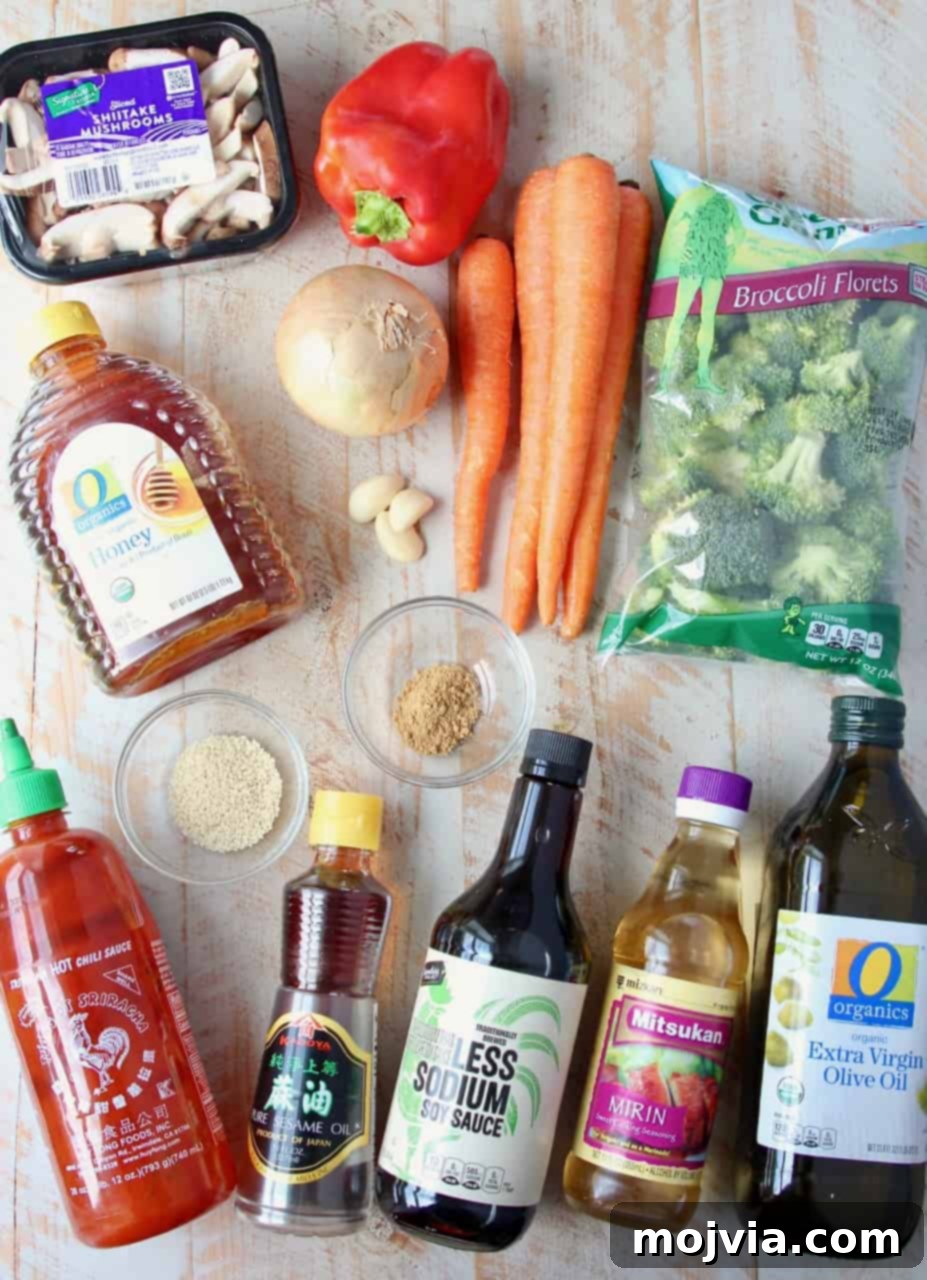
For the Roasted Vegetables (approximately 8 cups total)
- 1 large onion, large dice
- 1 red bell pepper, de-seeded and large dice
- 2 cups broccoli florets
- 2 cups carrots, peeled and cut into ¼” diagonal pieces
- 5 ounces shiitake mushrooms
- 4 cloves garlic, thinly sliced
- 2 tablespoons olive oil
For the Soy Ginger Glaze
- ¼ cup soy sauce (use tamari for a gluten-free option)
- 2 tablespoons mirin (Japanese rice wine)
- 1 tablespoon sesame oil
- 1 tablespoon honey
- 1 teaspoon sriracha (add more for extra spice)
- 1 teaspoon ground ginger
Optional Garnishes
- 1 tablespoon sesame seeds
- 2 tablespoons green onions, diced
Easy Step-by-Step Instructions
- Preheat Your Oven: Begin by preheating your oven to 425°F (220°C). This high temperature is crucial for achieving beautifully caramelized and tender-crisp vegetables.
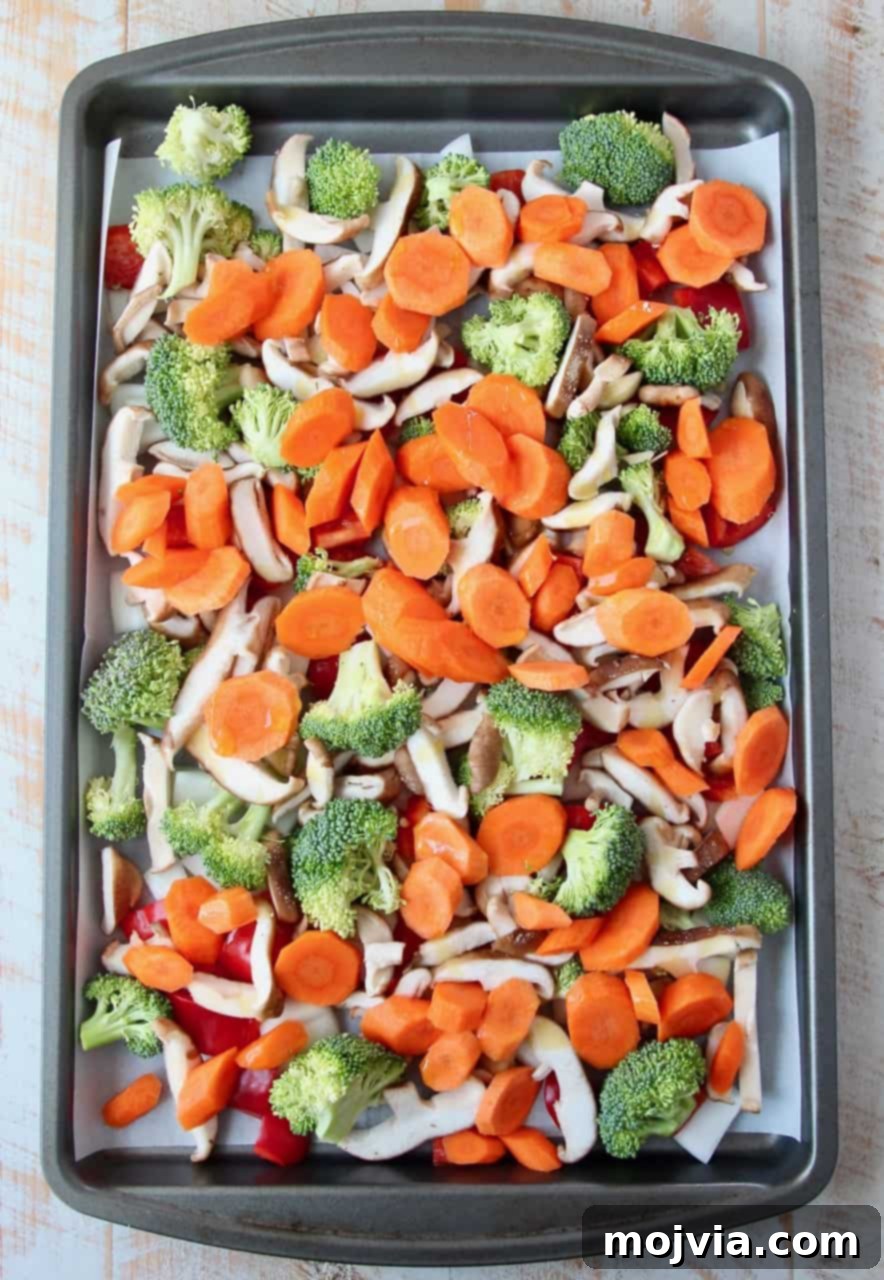
- Prepare the Vegetables: On a large, rimmed baking sheet, spread out your chopped onion, bell pepper, broccoli florets, carrots, and shiitake mushrooms in an even layer. Ensure they are not overcrowded, as this can steam the vegetables instead of roasting them. If necessary, use two baking sheets.
- Drizzle with Olive Oil: Lightly drizzle the vegetables with olive oil. Toss them gently to ensure every piece is coated. This helps them roast evenly and prevents sticking.
- Roast to Perfection: Place the baking sheet(s) in the preheated oven and roast for 20 minutes. Halfway through, you can give them a gentle toss for more even cooking. They should be tender and slightly golden brown.
- Whip Up the Glaze: While the vegetables are roasting, prepare the savory-sweet soy ginger glaze on your stovetop. In a small saucepan, combine the soy sauce, mirin, sesame oil, honey, sriracha, and ground ginger.
- Simmer the Glaze: Bring the mixture to a boil over high heat. Once boiling, reduce the heat to medium-low and let the glaze gently simmer for 10 minutes. This allows the flavors to meld and the glaze to thicken slightly. Remove it from the heat and set aside until the vegetables are ready.
- Combine and Toss: Once the vegetables are removed from the oven, immediately transfer them to a large mixing bowl. Pour the prepared soy ginger glaze over the hot vegetables and toss until every piece is thoroughly coated. The heat from the vegetables will further help the glaze adhere.
- Garnish and Serve: If desired, garnish your roasted Asian vegetables with a sprinkle of sesame seeds and a handful of diced green onions for an extra layer of flavor and a pop of color. Serve immediately and enjoy the delightful flavors!
Serving Suggestions: More Than Just a Side Dish
These Oven Roasted Asian Vegetables are incredibly versatile, proving to be equally stellar as a delicious side dish or a hearty vegetarian main course. Explore these scrumptious options to integrate them into your meal plan:
Perfect Pairings as a Side
When you’re looking for a vibrant and flavorful accompaniment, these roasted vegetables are an excellent choice. They beautifully complement a wide array of Asian-inspired main courses, adding freshness and texture. Consider serving them alongside:
- Gluten Free Chinese Orange Chicken: The bright citrus notes of orange chicken pair wonderfully with the savory-sweet vegetables.
- Korean BBQ Beef or Korean BBQ Short Ribs: The bold, smoky flavors of BBQ meats find a refreshing balance with these glazed veggies.
- Gluten Free General Tso’s Chicken: A classic takeout favorite, made healthier with a side of roasted goodness.
- Pork Chop Suey: Add more vegetable variety and depth to this comforting dish.
- Gluten Free Chinese Honey Chicken: The sweetness in the chicken is echoed and enhanced by the glaze on the vegetables.
- Miso Salmon: A light, flaky fish dish that gains a hearty element with these flavorful veggies.
- Gochujang Chicken: The spicy notes of Gochujang are beautifully mellowed by the glaze.
Transforming it into a Main Course
If you’re seeking a satisfying vegetarian meal, these roasted Asian vegetables truly shine when served as the centerpiece. They offer a nutrient-dense and flavorful option that feels indulgent yet healthy. Here’s how to make them a complete meal:
- With Rice:
- White Rice: A timeless base, perfect for soaking up every last drop of the delicious soy ginger glaze. Follow the provided link for easy methods to cook rice in an Instant Pot, on the stovetop, or in a rice cooker.
- Brown Rice: For a heartier and more nutrient-rich option, brown rice offers a nutty flavor and satisfying chew that complements the vegetables wonderfully.
- With Quinoa:
- Quinoa: An excellent high-protein, gluten-free alternative to rice. Its fluffy texture and mild flavor make it a fantastic foundation for these savory vegetables. Learn three easy ways to cook quinoa via the link.
- With Noodles – Our Favorite Way!
- This is arguably the ultimate way to enjoy these vegetables as a main course! Whether you choose delicate rice noodles or robust lo mein noodles, they both pair exquisitely with the glazed vegetables.
- Simply cook your chosen noodles according to package directions. Once al dente, drain them thoroughly. Then, add the cooked noodles directly to the large bowl with your freshly roasted, glazed veggies. Toss everything together until the noodles are fully coated in the irresistible soy ginger glaze. Voila! You’ve created the perfect vegetarian dinner, bursting with flavor and ready in less than 30 minutes. Consider adding some pan-fried tofu or edamame for an extra protein boost.
Customization & Pro Tips
Gluten-Free & Vegan Options
Making this recipe accessible to various dietary needs is simple:
- Gluten-Free: The primary ingredient to watch is soy sauce. Easily swap regular soy sauce for tamari, which is a gluten-free alternative with a similar flavor profile. Always check the label on your mirin as well, as some brands may contain gluten.
- Vegan: This dish is inherently vegetarian. To make it strictly vegan, ensure your honey is substituted with an equivalent amount of agave nectar or maple syrup. Most other ingredients are naturally vegan-friendly.
Meal Prep Ideas
These roasted Asian vegetables are fantastic for meal prepping! Cook a large batch on Sunday, and you’ll have flavorful additions to your meals throughout the week. Store them in airtight containers in the refrigerator for up to 3-4 days. They reheat beautifully in the microwave or a pan, making them a quick and healthy grab-and-go option for lunches or quick dinners.
Storage and Reheating
Leftovers can be stored in an airtight container in the refrigerator for up to 3-4 days. To reheat, you can either microwave them until warmed through or, for a crispier texture, spread them on a baking sheet and reheat in a preheated oven at 350°F (175°C) for about 5-10 minutes, or until heated to your liking.
Spice Level Adjustment
The sriracha in the glaze offers a mild heat that appeals to most palates. However, if you’re a fan of spicy food, don’t hesitate to increase the amount of sriracha to 2 teaspoons or even more. For those sensitive to spice, you can reduce it to half a teaspoon or omit it entirely, though it does add a lovely depth of flavor.
Tips for Even Roasting
- Don’t Overcrowd the Pan: This is perhaps the most important tip for roasting. If your vegetables are too close together, they will steam instead of roast, leading to soggy results. Use multiple baking sheets if necessary.
- Consistent Cut Size: Try to chop your vegetables into roughly similar sizes. This ensures they cook evenly and are tender at the same time.
- High Heat is Key: Roasting at 425°F (220°C) allows for quick cooking and beautiful caramelization.
Explore More Asian-Inspired Recipes
If you’ve fallen in love with these delicious Asian roasted vegetables, you’re in for a treat! Our collection of Chinese-inspired recipes and other Asian delights is sure to inspire your next culinary adventure. Dive into these popular posts for more flavorful ideas:
- Vegetarian Dan Dan Noodles: A spicy and savory noodle dish that’s incredibly satisfying.
- Teriyaki Chicken Stir Fry: A classic, quick, and vibrant stir-fry packed with flavor.
- Kung Pao Beef and Noodle Bowl: A spicy, sweet, and tangy delight perfect for a hearty meal.
- General Tso’s Vegetarian Noodle Stir Fry: All the iconic flavors of General Tso’s, in a vegetarian noodle dish.
- Beef and Broccoli Stir Fry: A timeless combination, easy to make and universally loved.
Roasted Asian Vegetables with Soy Ginger Glaze Recipe
Oven roasted Asian Vegetables, tossed with a soy ginger glaze, are delicious as a vegetarian side dish! They’re also terrific tossed with noodles, or served over rice, to create a tasty meal! This recipe is so flavorful and easy to make in less than 30 minutes!
Servings: 8 cups
Prep Time: 10 mins
Cook Time: 20 mins
Total Time: 30 mins
Author: Whitney Bond
Course: Main Course, Side Dish
Cuisine: Chinese
Rating: 5 stars (3 ratings)
Print Recipe | Pin Recipe
Ingredients
Roasted Vegetables
- 1 large onion, large dice
- 1 red bell pepper, de-seeded and large dice
- 2 cups broccoli florets
- 2 cups carrots, peeled and cut into ¼” diagonal pieces
- 5 ounces shiitake mushrooms
- 4 cloves garlic, thinly sliced
- 2 tablespoons olive oil
Soy Ginger Glaze
- ¼ cup soy sauce
- 2 tablespoons mirin
- 1 tablespoon sesame oil
- 1 tablespoon honey
- 1 teaspoon sriracha
- 1 teaspoon ground ginger
Optional Toppings
- 1 tablespoon sesame seeds
- 2 tablespoons green onions, diced
Instructions
- Preheat the oven to 425°F (220°C).
- Place the onion, bell pepper, broccoli florets, carrots, and mushrooms in an even layer on a rimmed baking sheet.
- Drizzle the vegetables with the olive oil.
- Place in the oven to roast for 20 minutes.
- While the vegetables are roasting, add the soy sauce, mirin, sesame oil, honey, sriracha, and ginger to a small saucepan on the stove.
- Bring the glaze to a boil, then reduce the heat to medium-low and let the glaze simmer on the stove for 10 minutes.
- Remove from the heat and set aside.
- After removing the vegetables from the oven, transfer them to a large bowl.
- Immediately toss with the prepared glaze until thoroughly coated.
- Garnish with the sesame seeds and diced green onions, if desired.
Notes
- Gluten Free Option: Replace the soy sauce with tamari (gluten-free soy sauce). Be sure to check the label on the mirin to ensure it’s also gluten-free.
Nutrition Facts
Calories 111kcal (6%)
Carbohydrates 13g (4%)
Protein 3g (6%)
Fat 6g (9%)
Saturated Fat 1g (5%)
Sodium 484mg (20%)
Potassium 306mg (9%)
Fiber 3g (12%)
Sugar 7g (8%)
Vitamin A 5968mg (119%)
Vitamin C 43mg (52%)
Calcium 38mg (4%)
Iron 1mg (6%)
Did you make this recipe?
Tag @WhitneyBond on Instagram and hashtag it #WBRecipes!