
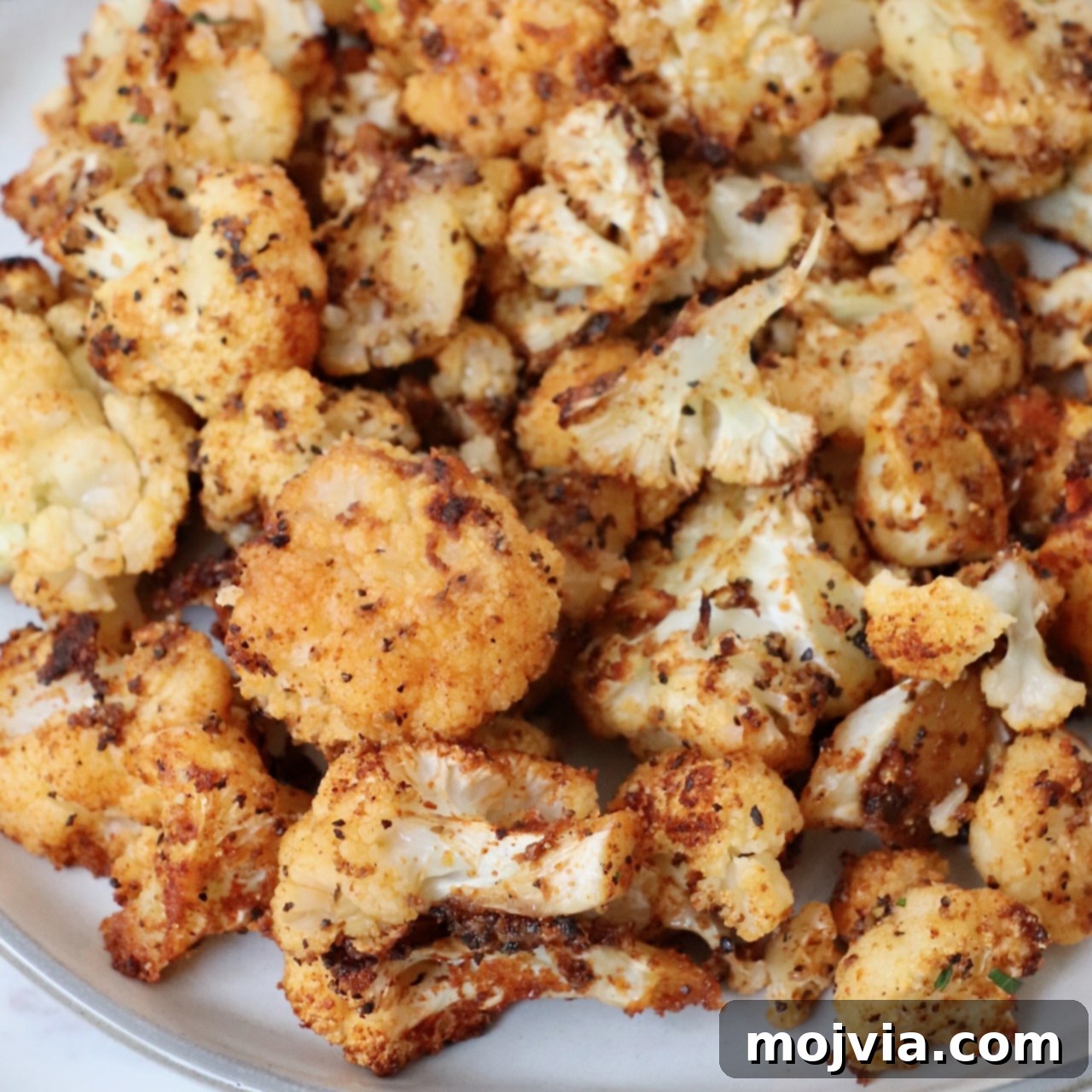
Unlock the secret to consistently perfect Roasted Cauliflower with this incredibly simple and utterly delicious recipe! Achieve cauliflower that’s wonderfully crispy, deeply flavorful, and naturally healthy, all thanks to our proven tips and tricks. This versatile side dish is Whole30, gluten-free, and vegan, making it an ideal accompaniment for a diverse range of meals. Prepare to elevate your vegetable game and make this a staple in your kitchen!
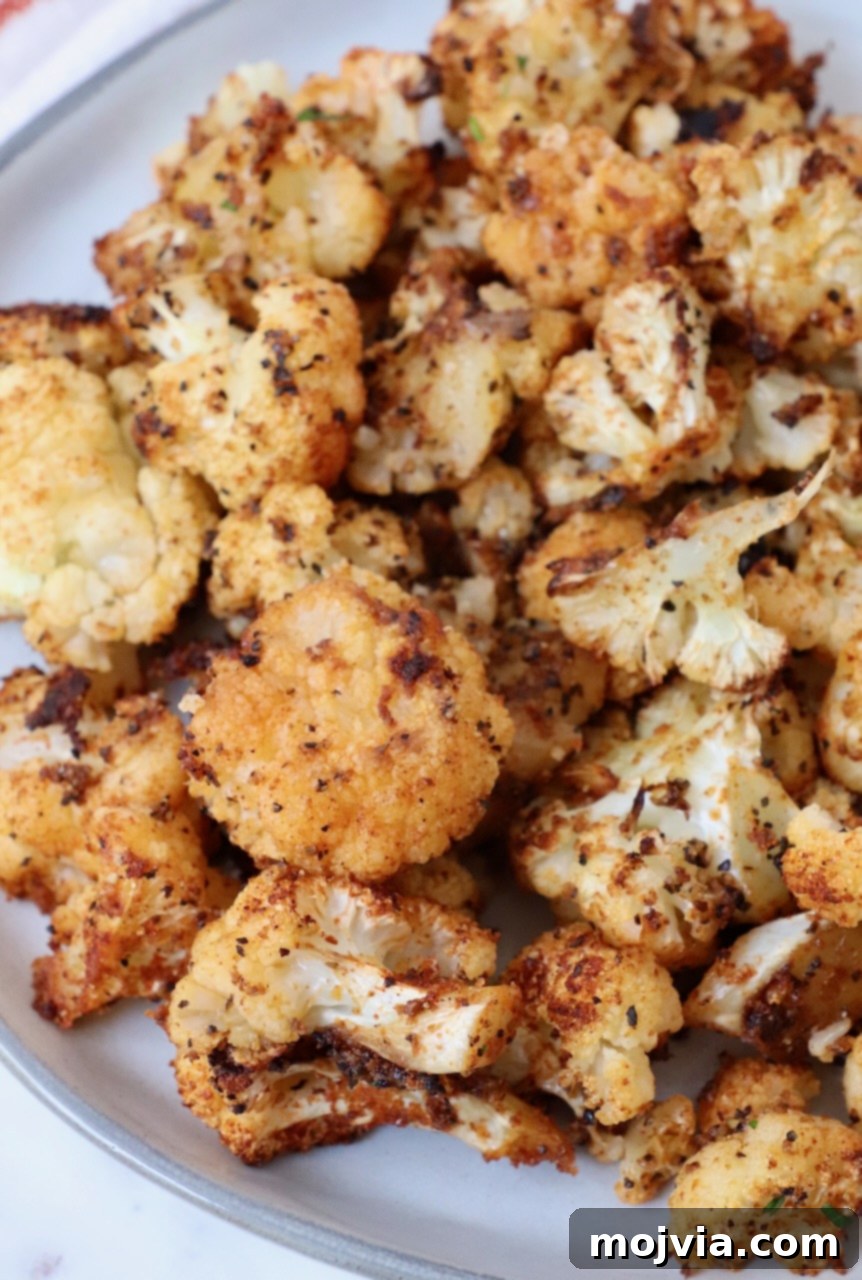
Table of contents
- Why You’ll Love This Roasted Cauliflower Recipe
- Essential Ingredients for Roasted Cauliflower
- Step-by-Step Instructions for Perfect Roasting
- Storage and Reheating Best Practices
- Creative Ways to Season Your Cauliflower
- Delicious Ways to Serve Roasted Cauliflower
- Health Benefits of Cauliflower
- Troubleshooting Tips for Roasted Cauliflower
- More Kitchen Tutorials
- Printable Recipe Card
Why You’ll Love This Roasted Cauliflower Recipe
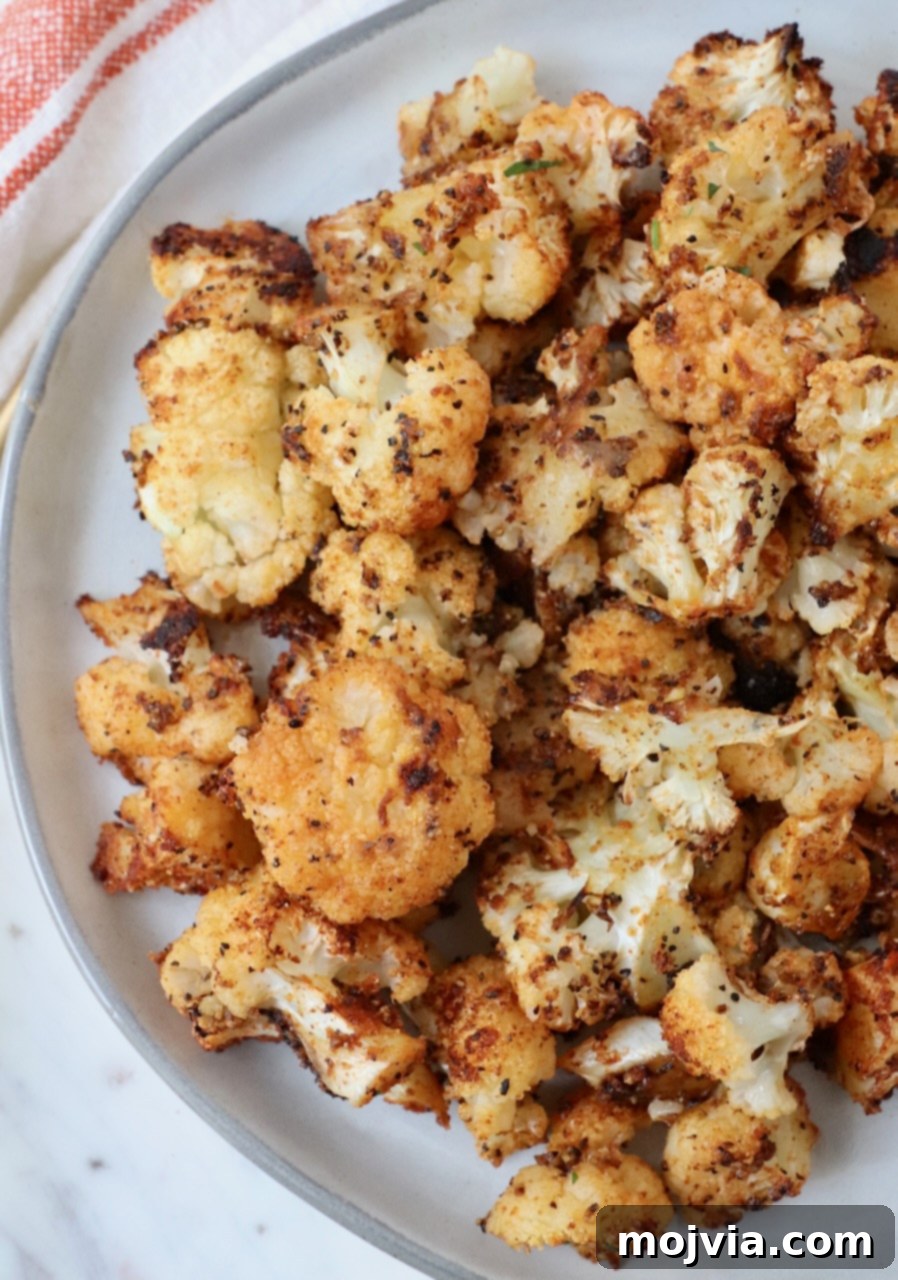
If you’re searching for a roasted cauliflower recipe that delivers consistent crispness and an explosion of flavor every single time, look no further. This method has been a long-standing favorite in my kitchen, refined and perfected over countless batches to ensure truly amazing results. It’s a testament to the idea that simple ingredients, prepared with the right technique, can yield extraordinary taste.
The magic behind achieving that coveted crisp texture and deep, satisfying flavor lies in a few crucial principles. First, uniformity in your cauliflower florets is key. Cutting them into small, consistent pieces ensures they cook evenly and crisp up at the same rate, preventing some pieces from becoming mushy while others remain undercooked. This attention to detail makes all the difference.
Secondly, a high roasting temperature is non-negotiable. Cooking cauliflower at 450°F, ideally with the convection setting engaged if your oven has it, promotes rapid browning and caramelization on all sides. This high heat treatment is what transforms bland florets into irresistibly crisp, savory bites. Overcrowding the baking sheet is a common mistake that leads to steamed, rather than roasted, cauliflower, so make sure to give your florets plenty of space.
Finally, the seasoning blend is meticulously balanced to enhance the cauliflower’s natural taste without overpowering it. The combination of salt, pepper, garlic powder, onion powder, and paprika provides a warm, aromatic foundation that complements cauliflower beautifully. Follow these straightforward keys to success, and you’ll find yourself wanting to add this spectacular roasted cauliflower to every meal!
Essential Ingredients for Roasted Cauliflower
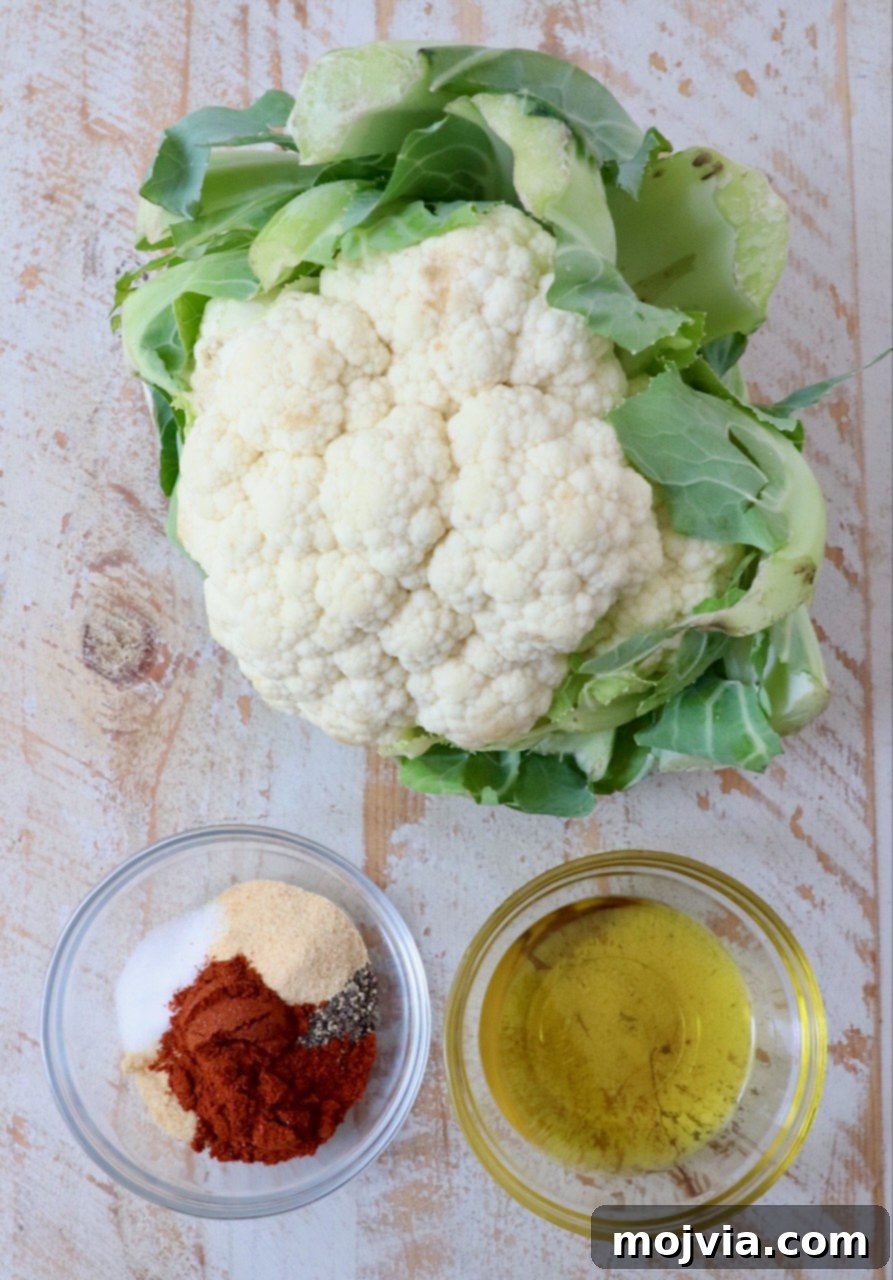
Crafting the perfect roasted cauliflower requires just a handful of staple ingredients. Here’s what you’ll need, along with some helpful tips for each:
- Cauliflower: For this recipe, aim for about 4 cups of fresh cauliflower florets. A medium-sized head of cauliflower, roughly 2 pounds in weight, should yield this amount once the stem and leaves are removed. When selecting a head of cauliflower, look for one that is firm, compact, and creamy white, without any dark spots or discoloration. You can also opt for a large bag of pre-cut cauliflower florets for convenience. While fresh is always best for optimal crispness, you can use frozen cauliflower florets. However, it’s crucial to ensure there’s no freezer burn, as excess moisture will leach out during roasting and prevent the cauliflower from achieving that desirable crispy exterior. If using frozen, consider thawing and patting dry thoroughly before seasoning.
- Olive Oil: Extra virgin olive oil is my preferred choice for its rich flavor and heart-healthy benefits, but any high-quality vegetable oil will work equally well. The oil serves multiple purposes: it acts as a binder, helping the seasoning adhere evenly to the cauliflower florets, and critically, it aids in browning and crisping them up beautifully in the hot oven. Without sufficient oil, your cauliflower may steam rather than roast.
- Salt, Black Pepper, Garlic Powder, Onion Powder, and Paprika: This classic combination creates a balanced and incredibly versatile seasoning blend.
- Salt and Black Pepper: These foundational seasonings enhance the natural flavors of the cauliflower. Use fine sea salt or kosher salt for even distribution.
- Garlic Powder: Adds a savory depth and aromatic warmth that is universally loved.
- Onion Powder: Contributes a subtle, sweet, and pungent flavor that complements the garlic without being overpowering.
- Paprika: Provides a mild, earthy sweetness and a beautiful reddish hue, enhancing both the flavor and visual appeal of the roasted vegetable. For a slight smoky kick, you could use smoked paprika.
Step-by-Step Instructions for Perfect Roasting
Achieving perfectly roasted cauliflower is incredibly straightforward. Just follow these simple steps:
- Prepare Your Oven: Begin by preheating your oven to a high temperature of 450°F (230°C). If your oven offers a convection setting, now is the time to use it! Convection helps circulate hot air, leading to even crispier results. Line a large baking sheet with parchment paper or aluminum foil for easy cleanup and to prevent sticking.
- Cut the Cauliflower: Carefully dice your cauliflower into small, uniform florets. Aim for pieces roughly 1 to 1.5 inches in size. Consistency here is paramount for even cooking and browning. If some pieces are significantly larger than others, they won’t cook at the same rate.
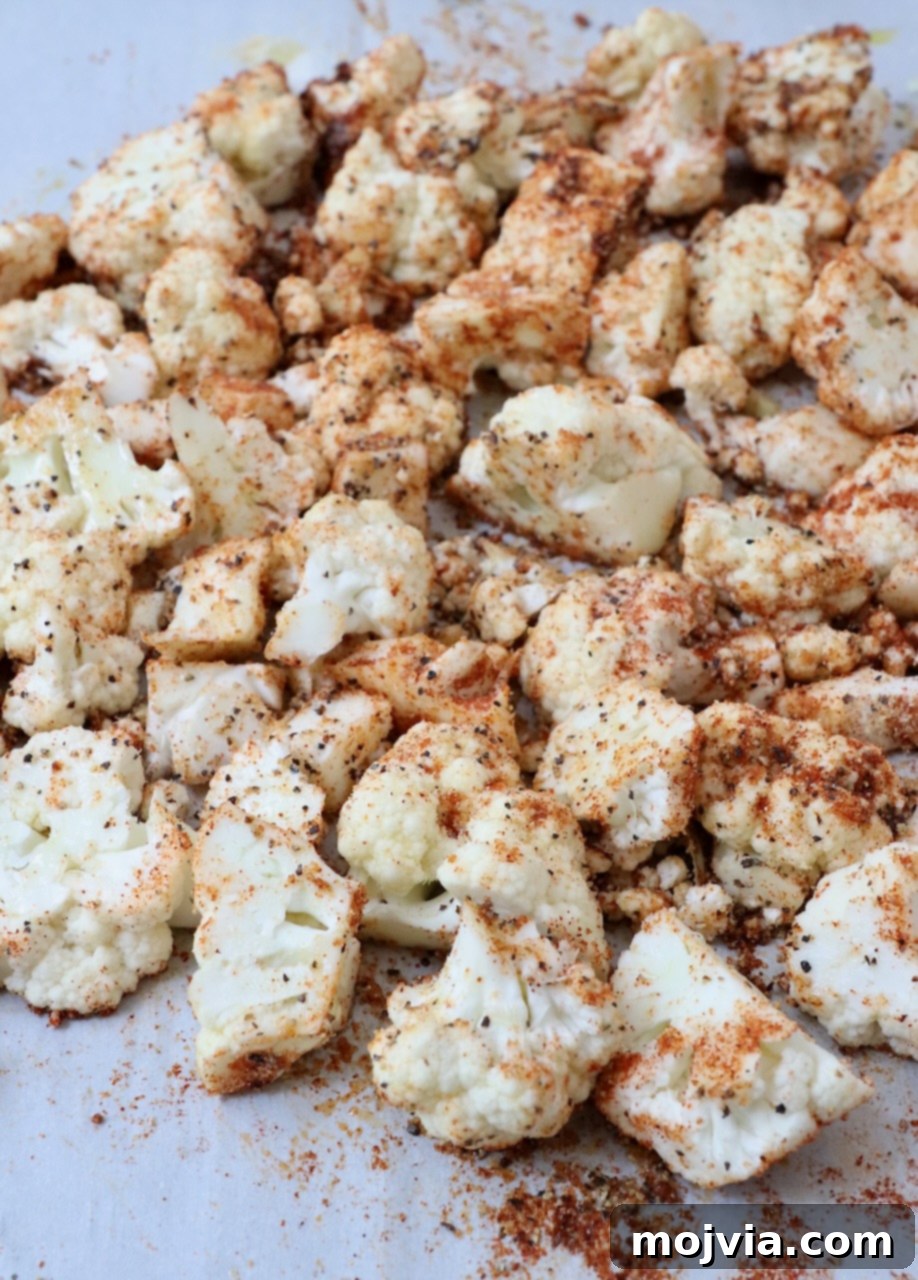
- Season Generously: In a large bowl, toss the cauliflower florets with the olive oil until they are lightly and evenly coated. This ensures the spices will stick properly. Next, sprinkle in your salt, black pepper, garlic powder, onion powder, and paprika. Toss again thoroughly, using your hands if necessary, to make sure every floret is well-coated with the delicious seasoning blend.
- Arrange on Baking Sheet: Spread the seasoned cauliflower florets in a single, even layer on your prepared baking sheet. Do not overcrowd the pan. If you have too many florets for one sheet, use two sheets or roast in batches. Overcrowding traps steam, which will prevent the cauliflower from crisping up and instead lead to a soggy texture.
- Roast to Perfection: Place the baking sheet in your preheated oven. Roast for 25-30 minutes, or until the cauliflower is deeply golden brown, tender on the inside, and beautifully crispy on the edges. Halfway through the cooking time (around 12-15 minutes), give the florets a good toss with a spatula to encourage even browning on all sides.
- Serve Immediately: Once roasted, remove from the oven and serve hot!
Storage and Reheating Best Practices
Roasted cauliflower is best enjoyed fresh from the oven, but leftovers are still delicious and can be easily revived to retain some of their crispness.
Storage: Store any leftover roasted cauliflower in an airtight container in the refrigerator for up to 7 days. While it will soften slightly during storage, the flavor remains excellent.
Reheating: To restore that desirable crispy texture, avoid the microwave, which will only make it soggy. I highly recommend reheating the leftovers either in an air fryer or in the oven.
- To reheat in an air fryer: Arrange the leftover cauliflower florets in a single layer in your air fryer basket. Cook at 400°F (200°C) for just 2-3 minutes. This quick burst of hot air works wonders in bringing back the crispness.
- To reheat in the oven: Preheat your oven to 450°F (230°C), again using convection if available. Spread the leftover cauliflower florets in an even layer on a sheet pan. Place them in the hot oven for 4-5 minutes, keeping a close eye on them to prevent over-browning. This method also does an excellent job of re-crisping the florets.
Creative Ways to Season Your Cauliflower
While the simple seasoning blend detailed in this recipe is undeniably delicious, roasted cauliflower is a fantastic canvas for culinary creativity. Don’t hesitate to experiment with different spices, sauces, and toppings to amp up the flavor and tailor it to your preferences. Here are some fantastic ideas to elevate your cauliflower:
- Fresh Lemon Zest: For a burst of bright, citrusy flavor, grate fresh lemon zest over the cauliflower immediately after it comes out of the oven. The warmth of the cauliflower will release the aromatic oils.
- Lemon Pepper Seasoning: Craving more zest? Replace the individual spices in this recipe with 1 tablespoon of lemon pepper seasoning. This creates a wonderfully tangy and peppery profile that’s great with seafood or chicken.
- Cajun Spice: To introduce a bold, spicy kick, swap the basic seasoning for 1 tablespoon of Cajun seasoning. This adds a fantastic depth of flavor with a hint of heat, perfect for those who enjoy a bit of spice.
- Parmesan Cheese: For a savory, umami-rich finish, sprinkle 2 tablespoons of freshly grated Parmesan cheese over the hot cauliflower right after roasting. The cheese will melt slightly and create a delicious crust.
- Fresh Herbs: Elevate the freshness by sprinkling 1-2 teaspoons of finely chopped fresh herbs, such as parsley, basil, chives, or cilantro, on top of the roasted cauliflower just before serving.
- Flavorful Sauces: Drizzle your roasted cauliflower with a vibrant sauce for an extra layer of flavor. Consider a creamy option like Spicy Cashew Dressing or Roasted Garlic Cashew Cream Sauce. For a Middle Eastern touch, Harissa Tahini Sauce adds a smoky, spicy, and tangy dimension.
- Red Pepper Flakes: For a simple boost of heat, a pinch of red pepper flakes tossed with the other seasonings before roasting works wonders.
- Curry Powder: Transform your roasted cauliflower into an exotic side by using 1-2 teaspoons of your favorite curry powder. It’s especially good with a squeeze of lime juice afterward.
Delicious Ways to Serve Roasted Cauliflower
Roasted cauliflower is far more than just a simple side dish; its versatility allows it to seamlessly integrate into a variety of meals, enhancing flavors and adding a wonderful texture. Here are some of the best ways to incorporate this delicious roasted vegetable into your cooking:
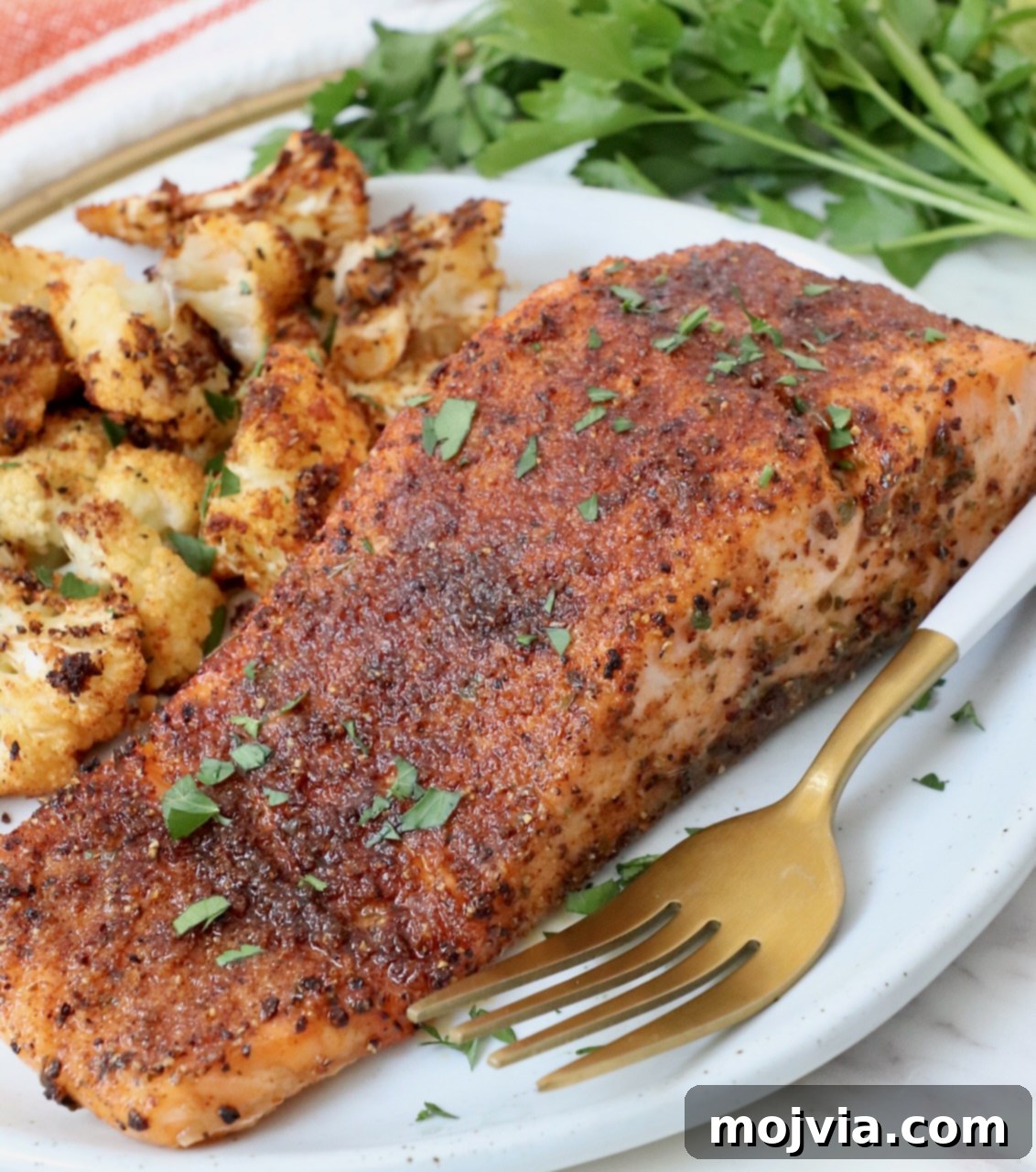
- Classic Side Dish: Serve it alongside your favorite main courses. It pairs beautifully with lean proteins like Air Fryer Salmon (as pictured above), Grilled Chicken Thighs, Marinated Grilled Steak, hearty Crock Pot Meatloaf, or comforting Salisbury Steak. Its earthy flavor and crisp texture offer a perfect counterpoint to rich meats.
- Elevate Your Bowls: Roasted cauliflower is an excellent addition to grain bowls, power bowls, or buddha bowls. It adds substance, nutrition, and a satisfying bite. Try it in these vibrant Thai Peanut Buddha Bowls, fresh Balsamic Salmon Bowls, or light Bruschetta Grilled Chicken Bowls.
- Hearty Salads: Incorporate roasted cauliflower into your favorite salads for added texture and warmth. It transforms a simple salad into a more substantial and satisfying meal. Excellent choices include Roasted Cauliflower Salad, a vibrant Greek Orzo Salad, the unique Delicata Squash Salad, or a seasonal Roasted Butternut Squash Salad.
- Pasta Perfection: Stir roasted cauliflower into your go-to pasta dishes for an extra boost of vegetables and flavor. Its slightly charred notes can add a wonderful complexity. It’s particularly delicious in creamy pastas like Garlic Parmesan Chicken Pasta, a simple Garlic Mushroom Pasta, the fresh Caprese Pasta, or the rich Nduja Pasta.
- Cauliflower Tacos: Use this roasted cauliflower recipe as the star ingredient to make incredible Cauliflower Tacos. The roasted florets provide a fantastic texture and flavor base for your favorite taco fillings and toppings.
Health Benefits of Cauliflower
Beyond its delicious taste and versatility, cauliflower is a nutritional powerhouse that offers numerous health benefits, making this roasted dish an excellent choice for a healthy diet. It’s low in calories yet rich in vitamins, minerals, and antioxidants.
Cauliflower is an exceptional source of Vitamin C, which is vital for immune function and skin health, and Vitamin K, essential for blood clotting and bone health. It also provides a good amount of B vitamins, including folate, which is important for cell growth and metabolism. Furthermore, cauliflower is packed with dietary fiber, promoting digestive health, aiding in satiety, and helping to regulate blood sugar levels. Its high fiber content, combined with its low calorie count, makes it a valuable food for weight management. This cruciferous vegetable also contains various powerful plant compounds, including glucosinolates and isothiocyanates, which have been studied for their potential anti-cancer properties. By incorporating roasted cauliflower into your meals, you’re not just enjoying a tasty dish, but also fueling your body with vital nutrients.
Troubleshooting Tips for Roasted Cauliflower
While this recipe is designed to be foolproof, sometimes issues can arise. Here are some common problems and how to solve them:
- Soggy Cauliflower: This is the most common complaint. The primary culprit is usually overcrowding the baking sheet. When florets are packed too closely, they steam rather than roast because moisture cannot evaporate properly. Always ensure the cauliflower is in a single, uncrowded layer. Using parchment paper also helps. If using frozen cauliflower, ensure it’s thoroughly thawed and patted completely dry before roasting.
- Uneven Browning: Uneven cuts can lead to some florets browning faster than others. Make sure all your cauliflower pieces are roughly the same size. Also, remember to toss the cauliflower halfway through the roasting time to expose all sides to the direct heat of the pan.
- Not Crispy Enough: If your cauliflower isn’t reaching peak crispness, several factors could be at play. Double-check your oven temperature – it needs to be hot (450°F / 230°C). Using the convection setting, if available, significantly boosts crispiness. Also, ensure you’re not using too much oil; just enough to coat the florets is sufficient. Finally, avoid opening the oven door too often, as this drops the temperature.
- Lacking Flavor: Don’t be shy with your seasonings! Taste a small piece of roasted cauliflower when it’s done and adjust salt and pepper if needed. You can also experiment with the “Ways to Season It” section above to find your favorite flavor boosters.
With these tips in mind, you’re set to achieve perfectly crispy, flavorful roasted cauliflower every single time!
More Kitchen Tutorials
Become a culinary master with these other quick and easy cooking how-to guides and tutorials!
Printable Recipe Card

Print Recipe
Pin Recipe
Rate this Recipe
Roasted Cauliflower
4
cups
5 mins
25 mins
30 mins
Whitney Bond
Side Dish
American
Ingredients
- 4 cups cauliflower florets, cut from a 2-pound head of cauliflower
- 2 tablespoons extra virgin olive oil
- 1 teaspoon sea salt
- 1 teaspoon coarse ground black pepper
- 1 teaspoon paprika
- ½ teaspoon garlic powder
- ½ teaspoon onion powder
Instructions
-
Preheat the oven to 450°F (230°C). Use the convection setting, if available, for extra crispness. Line a large baking sheet with parchment paper.
-
Dice the cauliflower into small, uniform pieces (about 1 to 1.5 inches). In a large bowl, toss the florets with olive oil until lightly coated. Then, sprinkle with salt, pepper, paprika, garlic powder, and onion powder, tossing again to ensure all florets are evenly seasoned.
-
Arrange the seasoned cauliflower in a single, even layer on the prepared baking sheet, ensuring not to overcrowd the pan.
-
Place in the preheated oven and roast for 25-30 minutes, or until the cauliflower is golden brown, tender on the inside, and crispy on the edges. Toss halfway through cooking for even browning.
Notes
- Frozen Cauliflower: This recipe can be made with frozen cauliflower florets. Ensure they are completely thawed and thoroughly patted dry before seasoning and roasting to prevent sogginess from excess moisture.
- Storage: Store any leftover roasted cauliflower in an airtight container in the refrigerator for up to 7 days.
- Reheating in Air Fryer: For best results, arrange leftover cauliflower florets in a single layer in an air fryer basket. Cook at 400°F (200°C) for 2-3 minutes, or until re-crisped.
- Reheating in Oven: Preheat your oven to 450°F (230°C), using convection if available. Spread leftover florets in an even layer on a sheet pan and place in the oven for 4-5 minutes, or until heated through and re-crisped.
Nutrition Facts
Calories
92
kcal
(5%)
Carbohydrates
6
g
(2%)
Protein
2
g
(4%)
Fat
7
g
(11%)
Saturated Fat
1
g
(5%)
Polyunsaturated Fat
1
g
Monounsaturated Fat
5
g
Sodium
612
mg
(26%)
Potassium
324
mg
(9%)
Fiber
2
g
(8%)
Sugar
2
g
(2%)
Vitamin A
249
mg
(5%)
Vitamin C
48
mg
(58%)
Calcium
27
mg
(3%)
Iron
1
mg
(6%)
Did you make this recipe?
Tag @WhitneyBond on Instagram and hashtag it #WBRecipes!